Attractions and Places To See in Mura - Drava - Top 20
Best attractions and places to see in Mura - Drava are defined by the Mura and Drava rivers, forming the core of the Mura-Drava-Danube Transboundary Biosphere Reserve. This region, spanning multiple countries, is recognized for its significant biodiversity, well-preserved wetlands, and extensive riverine areas. It features lush floodplain forests, river islands, and oxbow lakes, alongside historical landmarks and cultural sites. The area offers a blend of natural beauty and historical significance for visitors to explore.
Best attractions and places to…
Last updated: May 9, 2026
Main Entrance to Kopački Rit Nature Park
Highlight • Rest Area
Translated by Google •
Tip by

Pedestrian Bridge Over the Drava (Osijek)
Highlight • Bridge
Translated by Google •
Tip by
Sign up now to discover places like this
Get recommendations on the best single tracks, peaks, & plenty of other exciting outdoor places.
Sign up for free
Miner's Monument in Mursko Središće
Highlight • Monument
Translated by Google •
Tip by

Confluence of the Mura and Drava Rivers
Highlight • River
Translated by Google •
Tip by

Drava River Bridge
Highlight • Bridge
Tip by

Sign up for free to discover even more attractions in Mura - Drava.
Sign up for free
Already have an account?
Start today with a free account
Your next adventure awaits.
Login or Signup

Tips from the Community

The most important economic sector today is industry. The textile industry (Modeks, MTČ), trade, and gastronomy (18 restaurants in M.S.) are the most developed; only a few people are still engaged in agriculture. The town houses the tax office, a post office, a branch of the Međimurje Bank, an INA gas station, a clinic, a veterinary clinic, a city library, and one of the largest elementary schools in the region.
1
0
The beginning of the 19th century was very important for the development of the town, as the railway line was built in 1889, followed by the first road between Čakovec and Lendava. Since 1850, the residents of Selnica and Peklenica were engaged in oil drilling, and after World War II, they began working in the coal mines. The first coal mine in Međimurje was called Hrastinka 1. From its establishment in 1925 until its closure in 1972, miners extracted 4,593,961 tons of coal from Hrastinka 1. At that time, the coal mines were the driving force behind the economic development of Mursko Središće.
1
0
Since 1638, Mursko Središće, along with Podturen, Čakovec, Prelog, Nedelišće, and Štrigova, has been one of the most important towns in Međimurje. The town is one of the oldest settlements. The present-day Church of St. Martin was first mentioned in 1334 under the name Sancti Martini in Zredysche. Historians claim that a settlement called Halicanum existed here during the times of the Old Roman Empire. This settlement played an important role as a stop on the Roman road from Poetovio (Ptuj) to Carnuntum (Petronell). Later, the settlement was known as Mura Zerdahel.
1
0
Mursko Središće (Hungarian: Muraszerdahely) is a small town in the far north of Croatia, located on the Croatian border with Slovenia. Mursko Središće has been a town since March 22, 1997. It lies on the right bank of the Mura River and consists of five villages: Hlapičina, Križovec, Mursko Središće, Peklenica, and Štrukovec.
1
0

A place with the inscription of the city as a memory
0
0
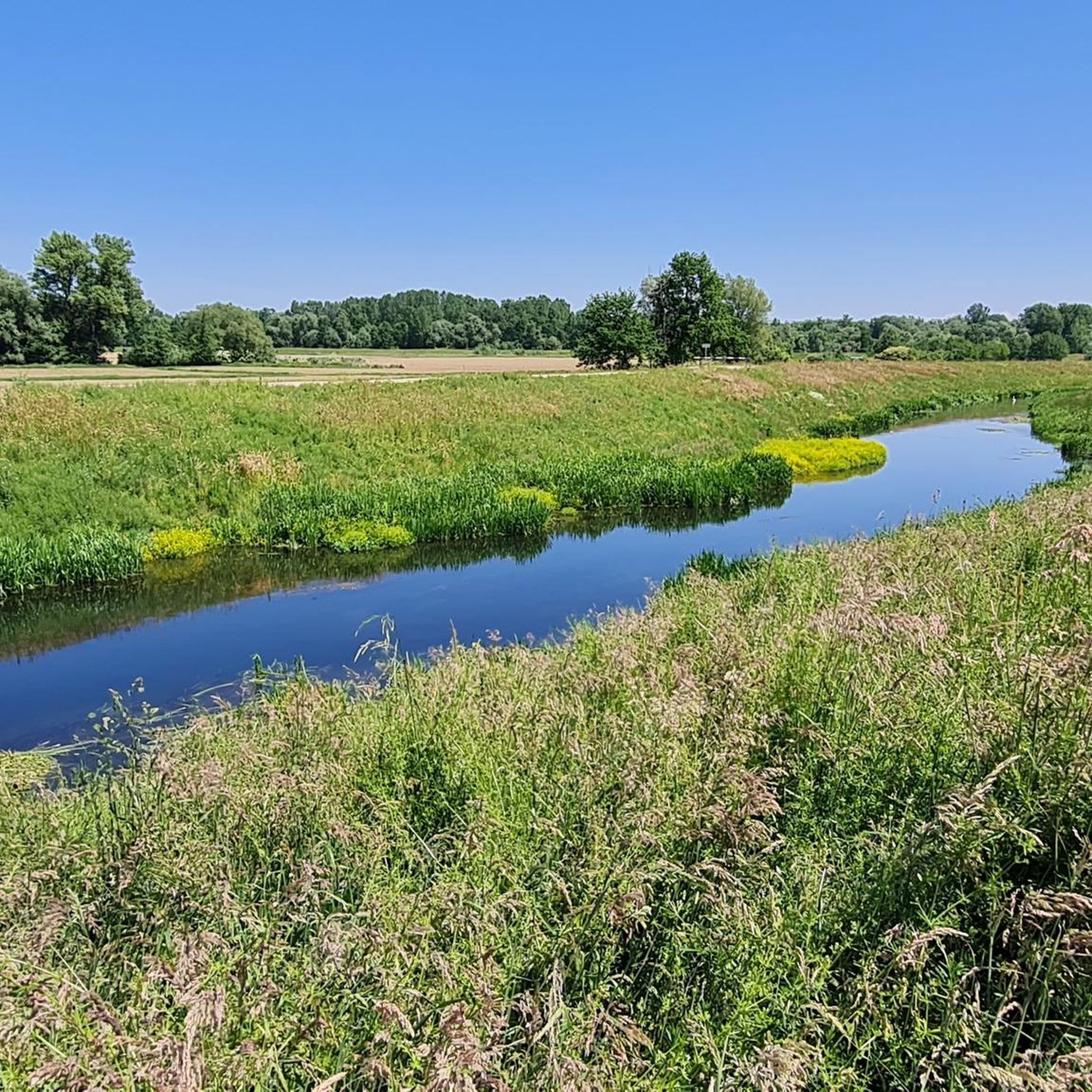
A mouth where Mura river flows into the Drava river, near Legrad (Croatia).
0
0
Mining in the area of Murski Središće was active from the end of the 19th and during the 20th century, and the mine shafts were closed in the 1970s.
0
0
Emerges in South Tyrol (near Lake Dobiaco) in Italy, from where it continues to flow eastward, through the Austrian province of Carinthia, Slovenia, Croatia, then partly forms the Croatian-Hungarian border. At Donji Miholjec, the Drava turns into the depths of Croatia, towards Osijek, and finally at Aljmaš, on the border of Croatia with Vojvodina (Serbia), it flows into the Danube. In its extreme part, it forms the border between the regions of Slavonia and Baranja. The total length of the Drava is 725 km, and it is navigable for about 90 km, from the mouth of the Danube to the town of Čađavica in Croatia.
1
0
Frequently Asked Questions
What natural attractions can I explore in the Mura-Drava region?
The Mura-Drava region is renowned for its natural beauty, particularly the Mura-Drava-Danube Transboundary Biosphere Reserve, a UNESCO-designated site. You can experience the unique river landscapes at the Confluence of the Mura and Drava Rivers, explore the rich biodiversity of Kopački Rit Nature Park, or visit the Pohorje Mountains for lakes, waterfalls, and forests.
Are there any historical castles or significant landmarks to visit?
Yes, the region boasts several historical castles and landmarks. You can visit Grad Castle in Goricko, explore the historic city of Ptuj with its castle, or see Maribor Castle. Other notable sites include Gornja Radgona Castle, Murska Sobota Castle, and Velika Nedelja Castle. The Miner's Monument in Mursko Središće also offers a glimpse into the area's industrial past.
What cultural heritage sites are unique to the Mura-Drava region?
The region offers unique cultural sites like the Babic Mill on the Mura, a preserved floating mill near Veržej. You can also visit the Visitor Center Sveti Martin na Muri, which features a reconstructed floating mill and insights into local life. In Maribor, the Old Vine, the Maribor Synagogue, and the historic Lent district are significant cultural highlights.
Are there family-friendly attractions in the Mura-Drava region?
Many attractions in the Mura-Drava region are suitable for families. The Main Entrance to Kopački Rit Nature Park offers opportunities to explore nature. The Confluence of the Mura and Drava Rivers provides a serene natural escape with a sandy beach. Additionally, the Drava River Bridge is part of a scenic area that families can enjoy.
What kind of outdoor activities can I do near these attractions?
The Mura-Drava region is excellent for outdoor activities, especially cycling and hiking. You can find numerous routes for road cycling, such as the 'Jeruzalem Manor – Jeruzalem Vineyards loop from Ormož', or explore easy hikes like the 'Stara Mura loop from Sveti Martin na Muri'. For more options, check out the dedicated guides for Road Cycling Routes in Mura - Drava, Easy hikes in Mura - Drava, and Cycling in Mura - Drava.
Where can I find scenic viewpoints in the Mura-Drava area?
For panoramic views, visit Vinarium Lendava, a prominent observation tower. The viewpoint in Jeruzalem, Prlekija, also offers stunning vistas, especially of the wine road. The Pedestrian Bridge Over the Drava (Osijek) provides striking views of the Drava River and is a symbol of Osijek.
Are there any spa or wellness destinations in the region?
Yes, Moravske Toplice is home to Terme 3000, a popular spa and wellness destination known for its unique black thermal mineral water, offering relaxation and health benefits.
What is the best time to visit the Mura-Drava region?
The Mura-Drava region offers attractions year-round. Spring and autumn are ideal for hiking and cycling due to pleasant temperatures and vibrant natural scenery. Summer is perfect for river activities and exploring the towns, while winter provides opportunities for skiing in the Pohorje Mountains near Maribor.
Can I find wheelchair-accessible attractions in the Mura-Drava region?
Yes, some attractions are wheelchair-accessible. For example, the Miner's Monument in Mursko Središće is noted as wheelchair-accessible. It's always recommended to check specific accessibility details for other sites before your visit.
What are some of the most popular attractions according to komoot users?
Komoot users highly appreciate the Pedestrian Bridge Over the Drava (Osijek) for its scenic views and bike paths. The Confluence of the Mura and Drava Rivers is also a favorite for its natural beauty and peaceful atmosphere. The Drava River Bridge is another popular spot, recognized for its significance as part of one of Europe's last remaining lowland rivers.
Are there any botanical gardens or unique plant life to see?
Yes, you can visit the Tropical Garden in Dobrovnik, which offers a unique botanical experience. Additionally, the Jeruzalem viewpoint features a botanical garden alongside its church and wine road, showcasing local flora.
What is the significance of the Mura and Drava rivers themselves?
The Mura and Drava rivers are the lifeblood of the region, forming the core of the Mura-Drava-Danube Transboundary Biosphere Reserve. They are known for their well-preserved wetlands, floodplain forests, and diverse wildlife, including rare bird species, beavers, and otters. The Drava is particularly notable as one of Europe's last remaining lowland rivers with significant natural processes.
Most popular routes in Mura - Drava
Most popular attractions in Mura - Drava

Get inspired with the komoot mobile app


