The best walks and hikes around Parco Del Ticino
4.3
(6200)
29,535
hikers
206
hikes
Hiking around Parco Del Ticino offers diverse landscapes shaped by the Ticino River, featuring water courses, conifer and oak forests, moorlands, and wetlands. The park's terrain includes traditional agricultural areas like paddy fields and water meadows, alongside numerous springs and ancient irrigation systems. This UNESCO Biosphere Reserve provides a variety of habitats for exploration. The elevation changes are generally gentle, making many routes accessible.
Best hiking trails around Parco Del Ticino
- The most popular hiking route is Ansa di Castelnovate…
Last updated: August 3, 2026
4.1
(39)
102
hikers
7.23km
01:53
50m
50m
Easy hike. Great for any fitness level. Easily-accessible paths. Suitable for all skill levels.
4.5
(24)
96
hikers
10.1km
02:34
20m
20m
Embark on the Borgoticino Loop, a moderate hiking route that guides you along the scenic Ticino River. This accessible 6.3-mile (10.1 km) journey offers a delightful blend of natural beauty…

Sign up for free
3.2
(25)
49
hikers
13.7km
03:28
30m
30m
Embark on the Vigevano-Pavia Ridge Trail, a moderate hiking route that guides you through the diverse Lombard countryside. You will encounter a mix of white unpaved roads and natural paths,…
4.7
(21)
59
hikers
6.73km
01:44
40m
30m
Embark on the Santa Sofia Loop for an easy hike through the tranquil landscapes of Parco del Ticino. This gentle route spans 4.2 miles (6.7 km) with a minimal elevation…
4.7
(21)
57
hikers
7.20km
01:52
40m
40m
Embark on an easy hike along the Santa Sofia Loop Trail, a tranquil journey spanning 4.5 miles (7.2 km). You will experience a gentle elevation gain of just 131 feet…
Get access to more routes and recommendations from other explorers.
Sign up for free
Already have an account?
Our route recommendations are based on thousands of hikes, rides, and runs completed by other people on komoot.
Start today with a free account
Your next adventure awaits.
Login or Signup
Popular around Parco Del Ticino
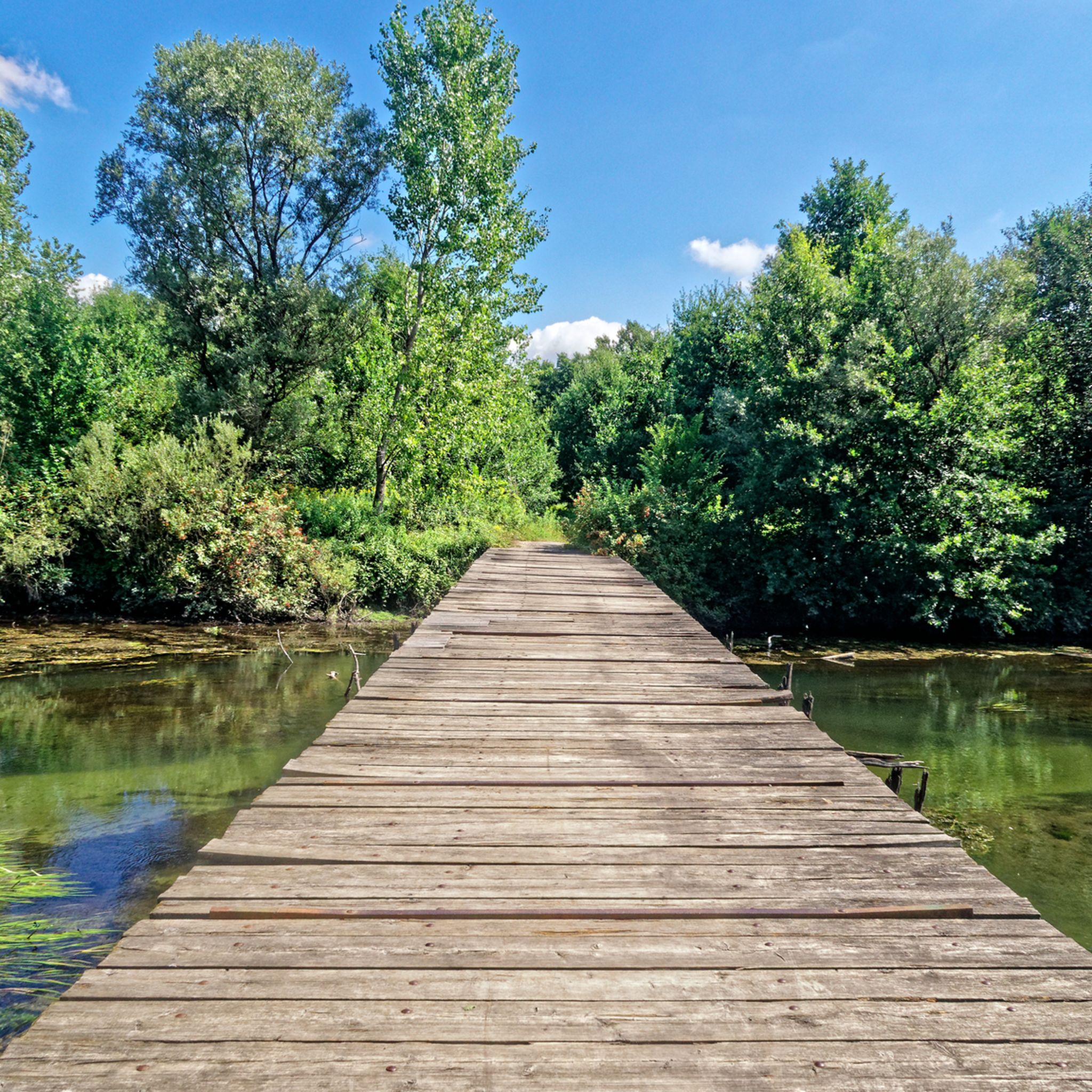
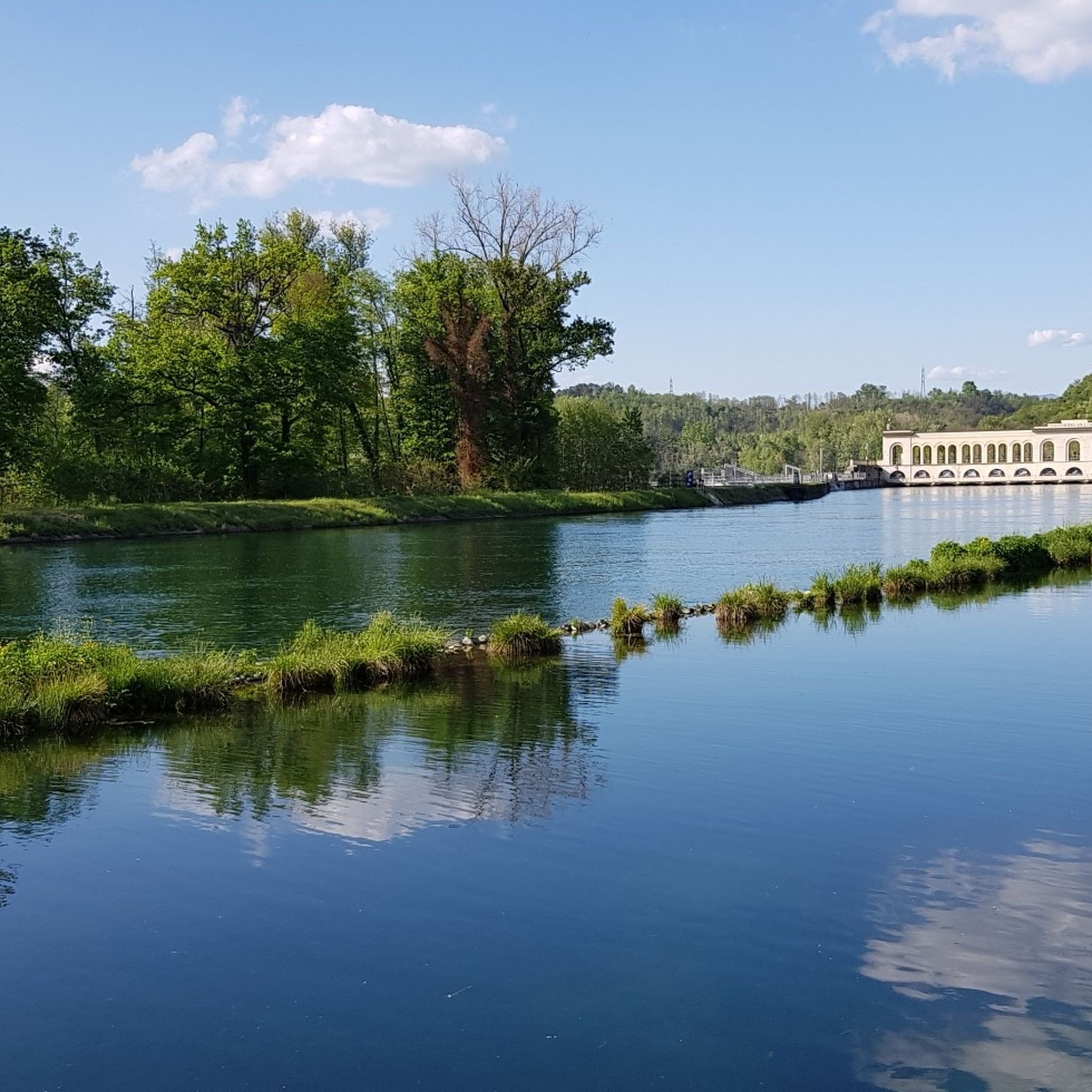
Other adventures around Parco Del Ticino


Tips from the Community


Unfortunately at km 7 the path ends, the river has swallowed up the route, you come across scrub and it is impossible to continue the circular tour, we had to go back by retracing the initial stretch
1
0

A memorial to the laundresses. Thanks to Willem VS for his excellent descriptions!
1
0

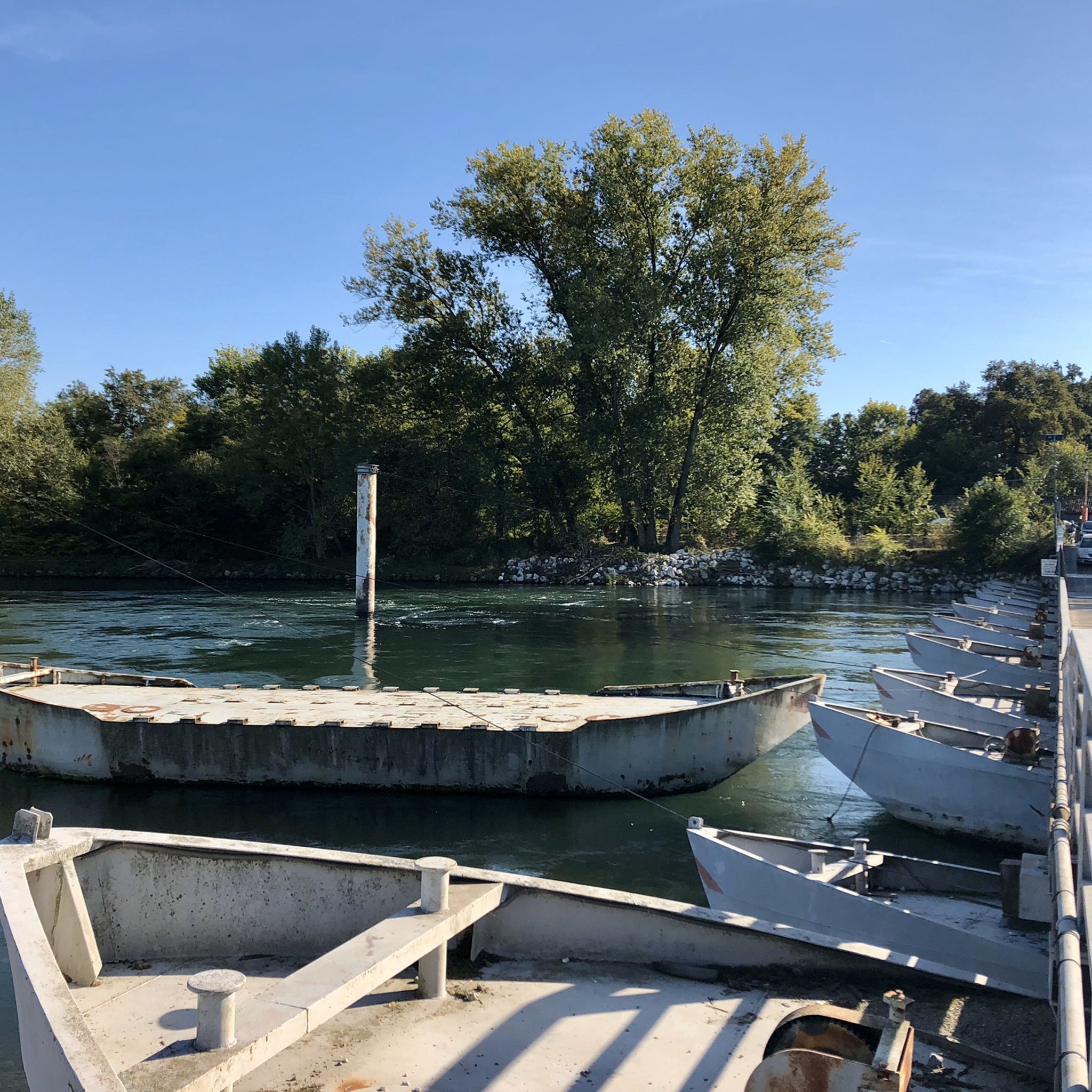
The Bereguardo Bridge was built in 1374 by the Visconti family. It was initially built to allow the nobles to cross the Ticino River and easily reach Lomellina, where there were large forests rich in game. In 1378, it was rebuilt, and watchtowers were placed at both ends. In 1449, the Sforza family built a more stable bridge on the remains of the previous bridge, which was finally used for the passage of people and carts. The boats were made of wood and were anchored on the river by weights placed under the water. In 1913, the wooden barges were replaced with concrete ones. Today, the bridge has been remodeled several times, and the barges replaced.
6
0

Beautiful distant view of Pavia with the possibility of also seeing the Alps in the background
0
0
nice view from the bench, there is also a small picnic area
1
0

The Statua della Lavandaia in Pavia is one of the symbols of the city. This beautiful sculpture, created by local artist Giovanni Scapolla in 1981, recalls the time when the banks of the Ticino River were populated by women who washed clothes in the river. Giovanni Scapolla was inspired by his mother, a famous washerwoman named 'Sciura Teresina', who always wore a traditional 'caplina' on her head. Names of the washerwomen: The washerwomen often had nicknames related to physical characteristics. The most famous was 'Angiuleta', but there were others such as 'Marieta dai pe tort' (with crooked feet) and 'Gianina la culona' (the plump one). Method: The women worked all day on the riverbank. The clothes were soaked overnight in large concrete containers and then washed by the river using a wooden board (‘a scägn’). Men and children collected the washed clothes and delivered them throughout the city. It was hard and unprofitable work, with only one or two lira each. Singing and entertainment: To pass the time, the washerwomen often sang. One of their favorite songs was “La donna è mobile” from Verdi's opera Rigoletto. They even adapted the text: 'La dona l'è UN MOBIL da met in sala, l'om l'è un asin da met in stala', referring to the fact that men walked around all day while the women stood still to to wash.
7
0

The statue depicts a washerwoman intent on washing clothes in Ticino, a practice that was widespread in ancient times. It was created in 1981 by the Borghigiano sculptor Giovanni Scapolla.
2
0
Frequently Asked Questions
How many hiking trails are available in Parco del Ticino?
Parco del Ticino offers a wide network of over 170 hiking routes. These include a variety of options, from easy strolls to more challenging paths, catering to different fitness levels.
What kind of terrain can I expect when hiking in Parco del Ticino?
The terrain in Parco del Ticino is diverse, shaped by the Ticino River. You'll find riverine paths, extensive conifer and oak forests, moorlands, wetlands, and traditional agricultural landscapes like paddy fields. The elevation changes are generally gentle, making many routes accessible for various abilities.
Are there hiking options suitable for beginners or those looking for easy walks?
Yes, Parco del Ticino is very welcoming for beginners and those seeking easy walks. Over 100 of the available routes are classified as easy, offering gentle gradients and well-maintained paths through scenic landscapes. An example of an easy route is the Santa Sofia Loop, which explores a Ticino River oxbow.
What natural features can I see along the hiking trails in Parco del Ticino?
The park is rich in natural beauty. You can expect to see the Ticino River itself, diverse forests, and numerous springs. Keep an eye out for viewpoints like the Belvedere of Tornavento, offering views over the Ticino Valley and the Alps. The park is also recognized for its striking biodiversity, including various bird species and mammals.
Are there any historical sites or landmarks to explore while hiking?
Yes, Parco del Ticino is dotted with historical and cultural points of interest. You can find ancient irrigation systems, historic strongholds, and religious sites. Notable attractions include the castles of Vigevano, Somma Lombardo, Pavia, and Bereguardo, as well as the Morimondo Abbey. The From Golasecca along the Ticino and among historical finds – loop tour is a good option for exploring some of these historical elements.
What do other hikers enjoy most about the trails in Parco del Ticino?
The trails in Parco del Ticino are highly rated by the komoot community, with an average score of 4.4 stars from over 700 reviews. Hikers often praise the diverse riverine paths, the peaceful forest environments, and the well-maintained agricultural landscapes. Many appreciate the variety of options available for different skill levels.
Are the hiking trails in Parco del Ticino suitable for families with children?
Many trails in Parco del Ticino are suitable for families. With over 100 easy routes and generally gentle elevation changes, there are plenty of options for walks that children can enjoy. The diverse natural environment also provides opportunities for wildlife spotting and exploring.
Can I bring my dog on the hiking trails in Parco del Ticino?
Generally, dogs are welcome on trails in Parco del Ticino, provided they are kept on a leash. This helps protect the park's rich biodiversity and ensures a pleasant experience for all visitors. Always check local signage for any specific restrictions in certain areas.
Are there circular hiking routes available in Parco del Ticino?
Yes, Parco del Ticino offers numerous circular hiking routes, which are ideal for exploring without needing to retrace your steps. The Ansa di Castelnovate – loop tour is a popular example, allowing you to experience the river's meanders in a convenient loop.
What is the best time of year to go hiking in Parco del Ticino?
Parco del Ticino can be enjoyed year-round, but spring and autumn are particularly pleasant for hiking. In spring, the park comes alive with blooming flora and active wildlife. Autumn offers beautiful foliage and comfortable temperatures. Summer can be warm, so early morning or late afternoon hikes are recommended, while winter provides a quieter, often misty atmosphere along the river.
How long do hikes in Parco del Ticino typically take?
Hike durations vary widely depending on the route and your pace. Easy loops like the Ansa di Castelnovate – loop tour can be completed in under two hours. Moderate trails, such as the Vigevano-Pavia Ridge Trail, might take around 3-4 hours. There are also longer routes for those seeking a full day's adventure.
Is public transport available to access hiking trails in Parco del Ticino?
Access to Parco del Ticino's trails via public transport can vary depending on the specific starting point. Some towns within or bordering the park, such as Pavia or Sesto Calende, are accessible by train or bus, and from there, you might find local connections or trailheads within walking distance. Planning your route in advance and checking local transport schedules is advisable.
Are there any viewpoints or scenic overlooks in Parco del Ticino?
Yes, the park offers several scenic spots. The Belvedere of Tornavento provides expansive views over the Ticino Valley and the Alps. Additionally, many points along the Ticino River offer picturesque vistas, especially where the river meanders or passes through forested areas.
Most popular routes around Parco Del Ticino
Most popular attractions around Parco Del Ticino

Get inspired with the komoot mobile app


Explore more
Browse the best Hikes in other regions.
