The best road cycling routes around Natural Park regionale del Fiume Sile
4.4
(441)
18,624
riders
652
rides
Road cycling around Natural Park regionale del Fiume Sile offers a diverse landscape primarily characterized by the Sile River's gentle waterways and surrounding flat plains. The region features a network of paths that traverse agricultural areas and natural riverine environments. While generally low in elevation, some routes extend into areas with modest hills, providing varied terrain for road cyclists.
Best road cycling routes around Natural Park regionale del Fiume Sile
- The most popular road cycling route is Venetian Lagoon Cycle…
Last updated: May 20, 2026
4.5
(19)
449
riders
Moderate road ride. Good fitness required. Some segments of this route may be unpaved and difficult to ride.
4.8
(6)
274
riders
Moderate road ride. Good fitness required. Mostly well-paved surfaces and easy to ride.

Sign up for free
4.6
(14)
196
riders
Moderate road ride. Good fitness required. Mostly well-paved surfaces and easy to ride.
4.5
(2)
214
riders
Moderate road ride. Good fitness required. Mostly well-paved surfaces and easy to ride.
199
riders
104km
05:05
1,290m
1,290m
Hard road ride. Very good fitness required. Mostly well-paved surfaces and easy to ride.
Get access to more routes and recommendations from other explorers.
Sign up for free
Already have an account?
Our route recommendations are based on thousands of hikes, rides, and runs completed by other people on komoot.
Start today with a free account
Your next adventure awaits.
Login or Signup
Popular around Natural Park regionale del Fiume Sile
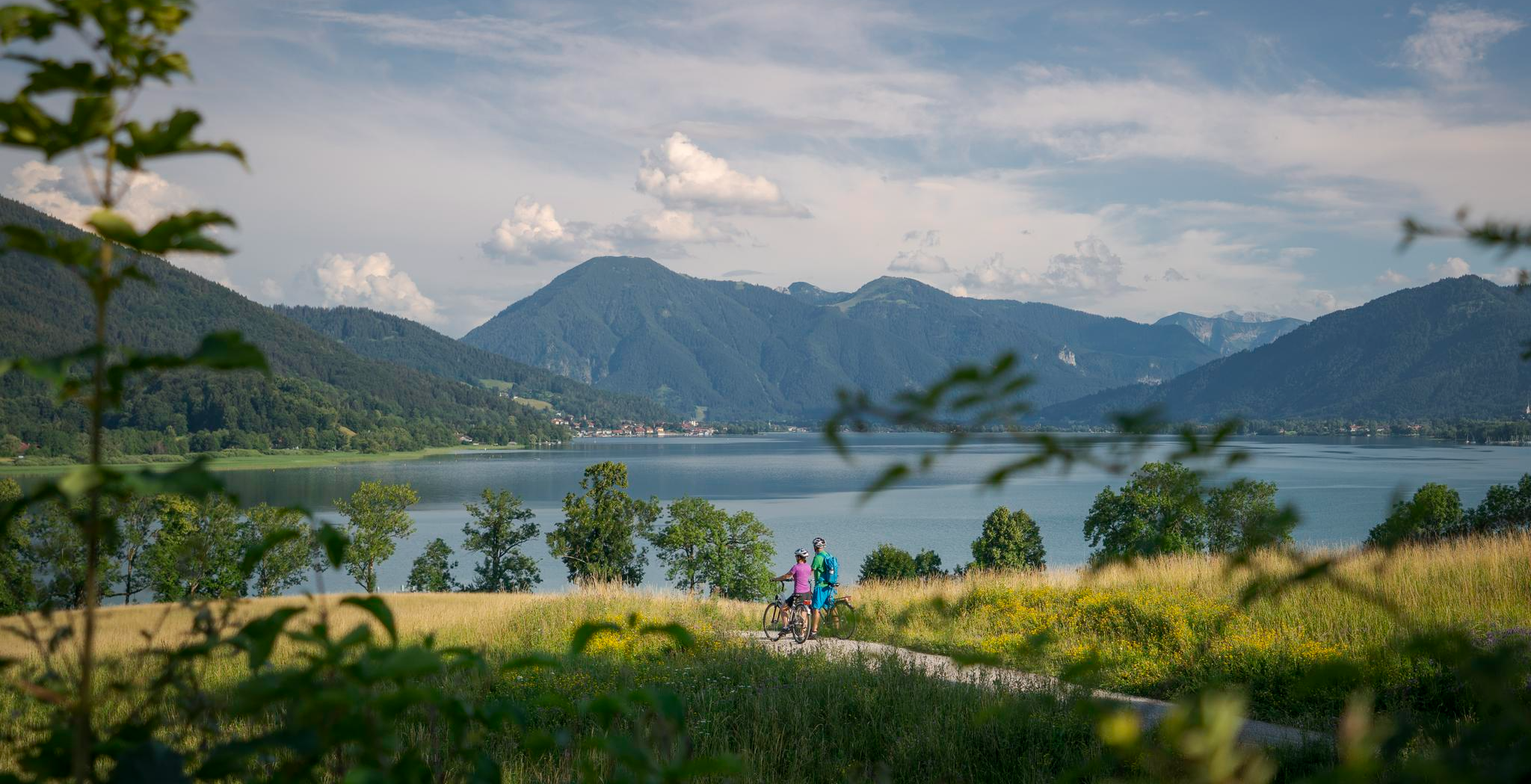
The Munich-Venice Long-Distance Cycle Path – A beautiful Alps crossing
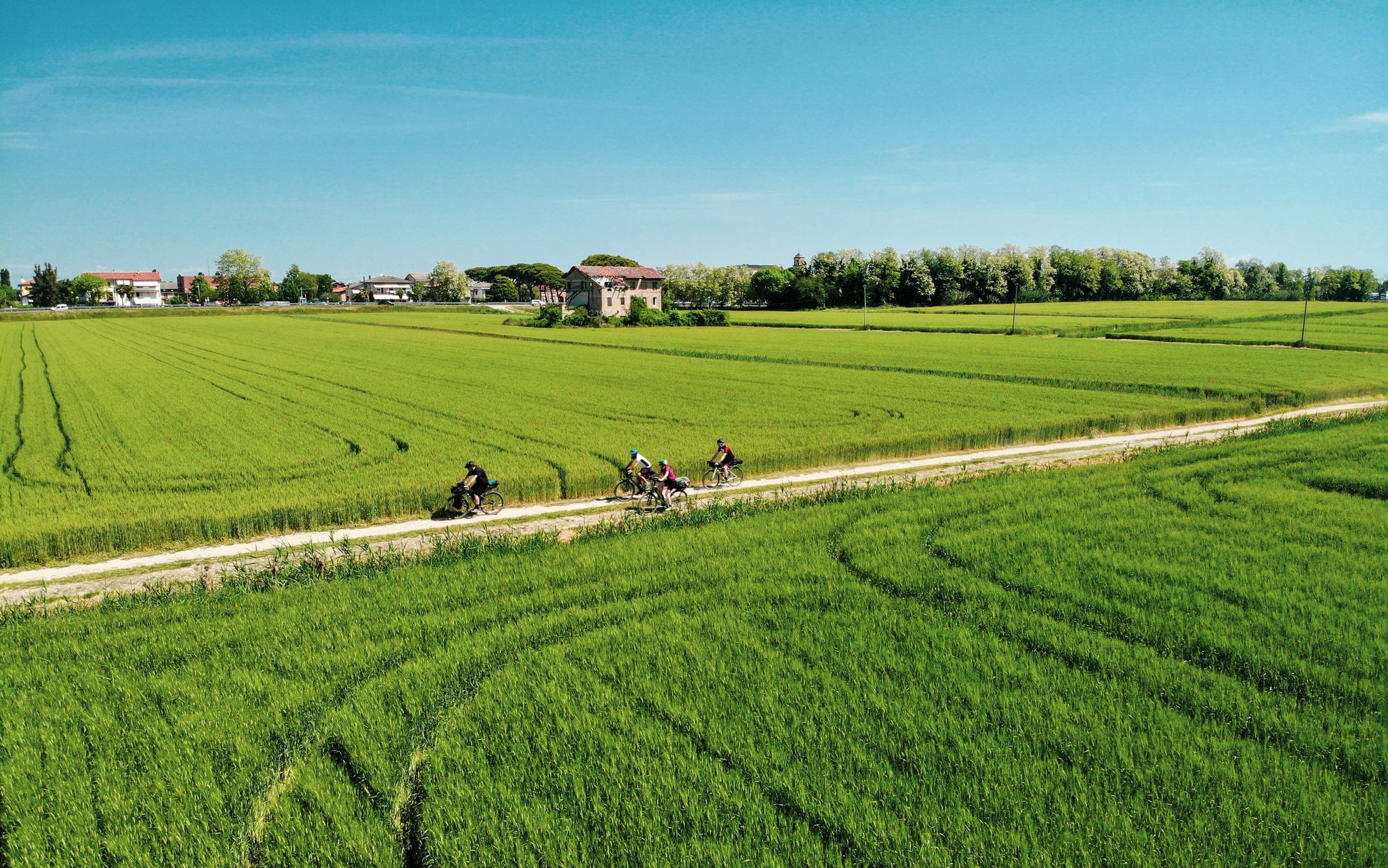
Ride through Italy’s Po Valley – a pilgrimage on the Via Postumia
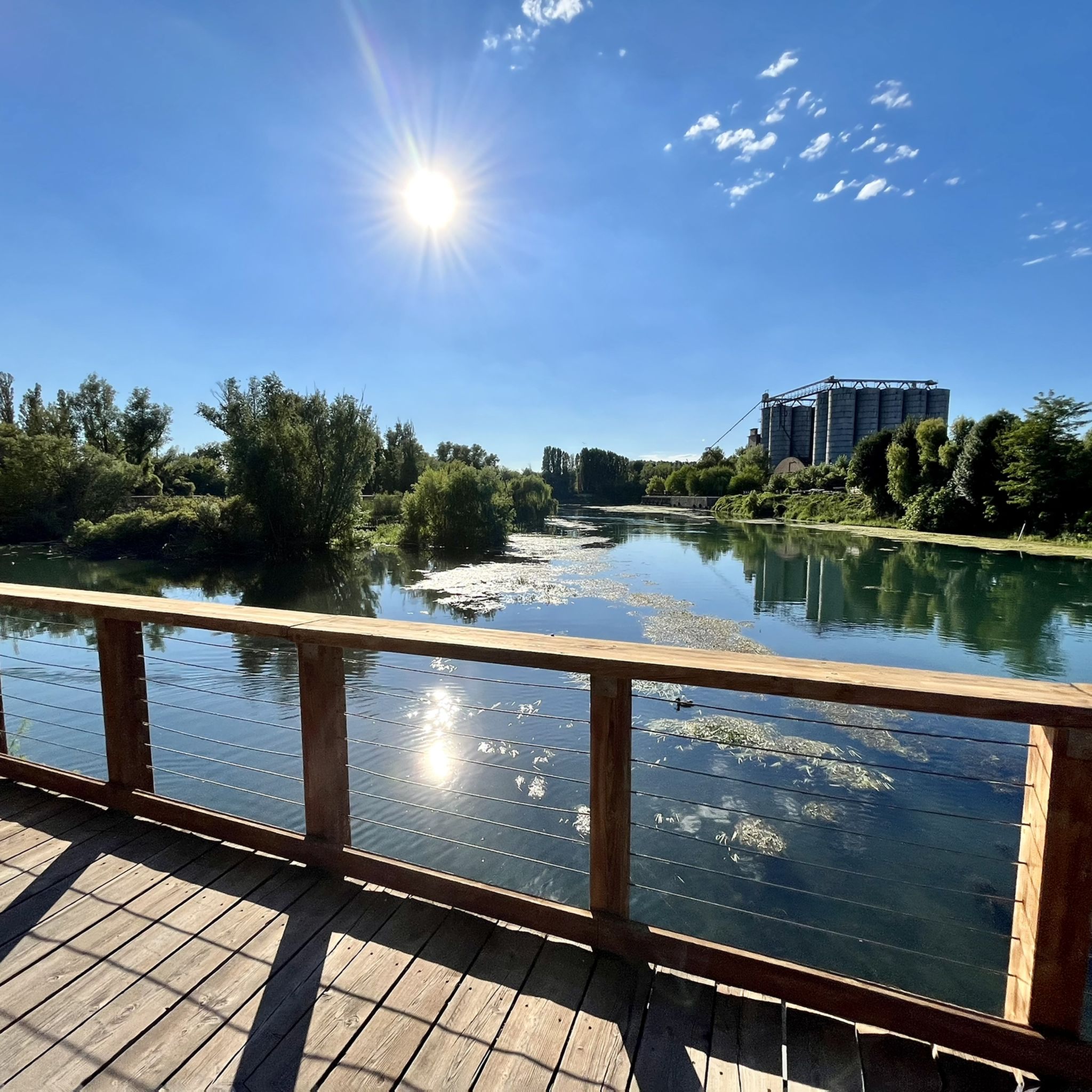
Running Trails around Natural Park regionale del Fiume Sile
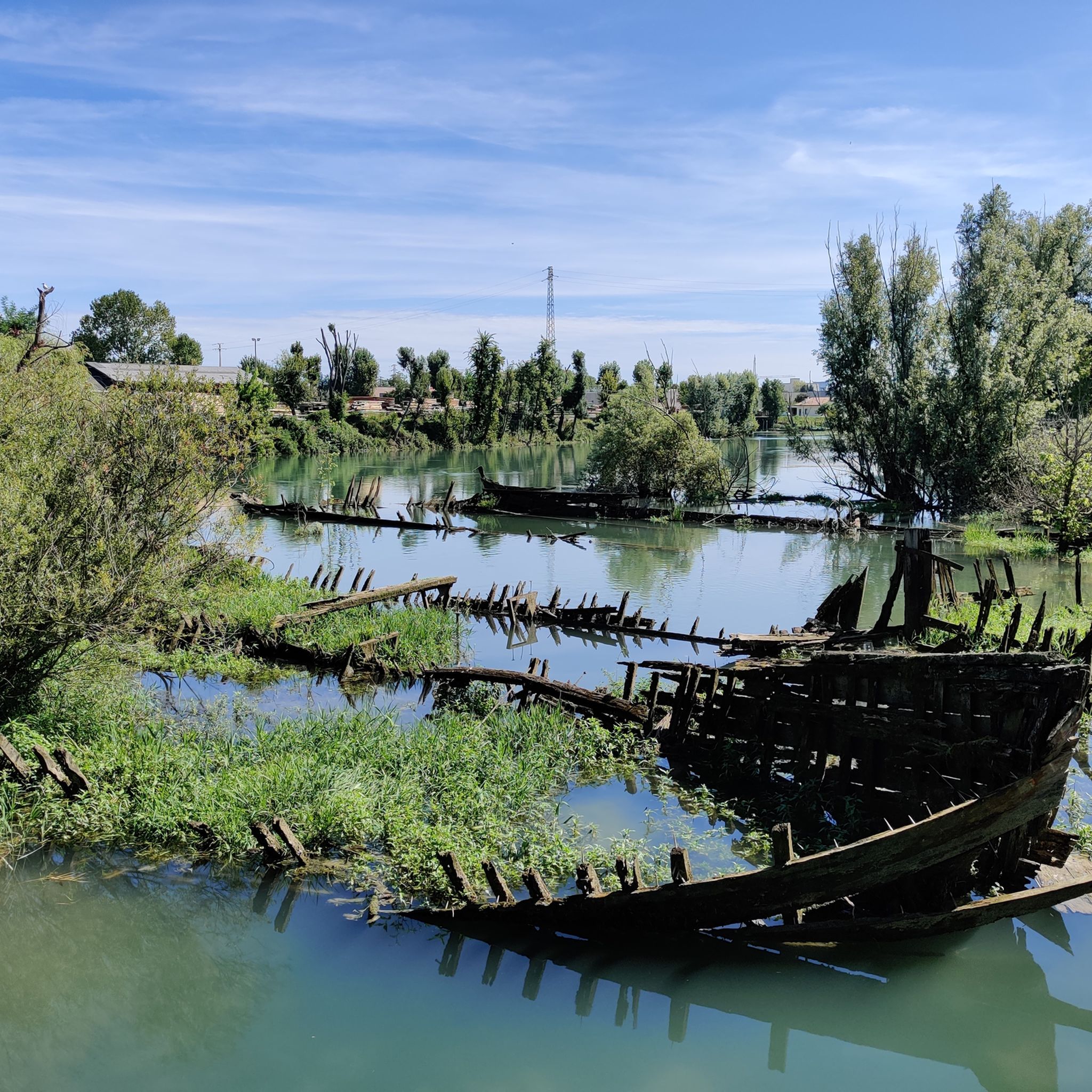
Hiking around Natural Park regionale del Fiume Sile
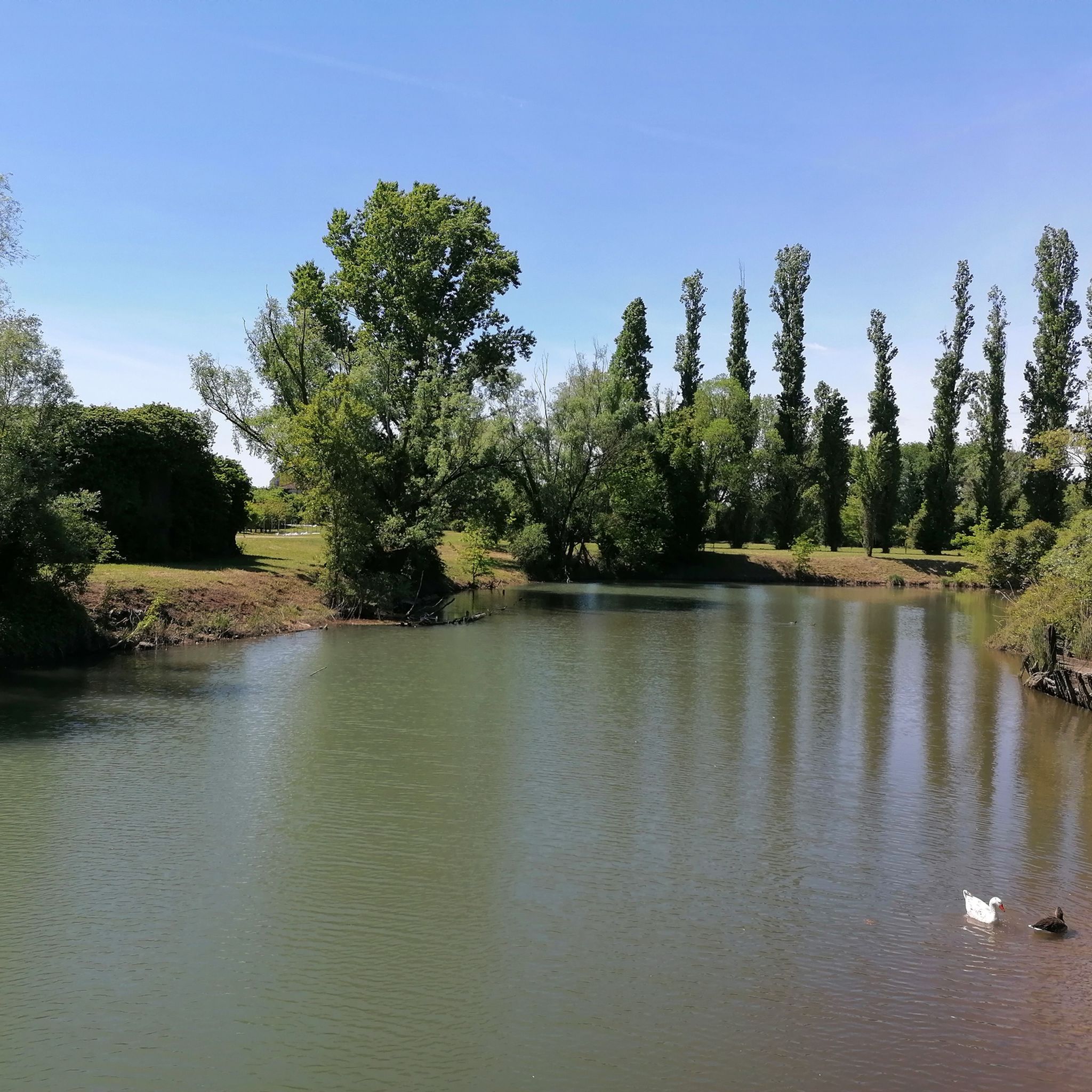
Cycling around Natural Park regionale del Fiume Sile
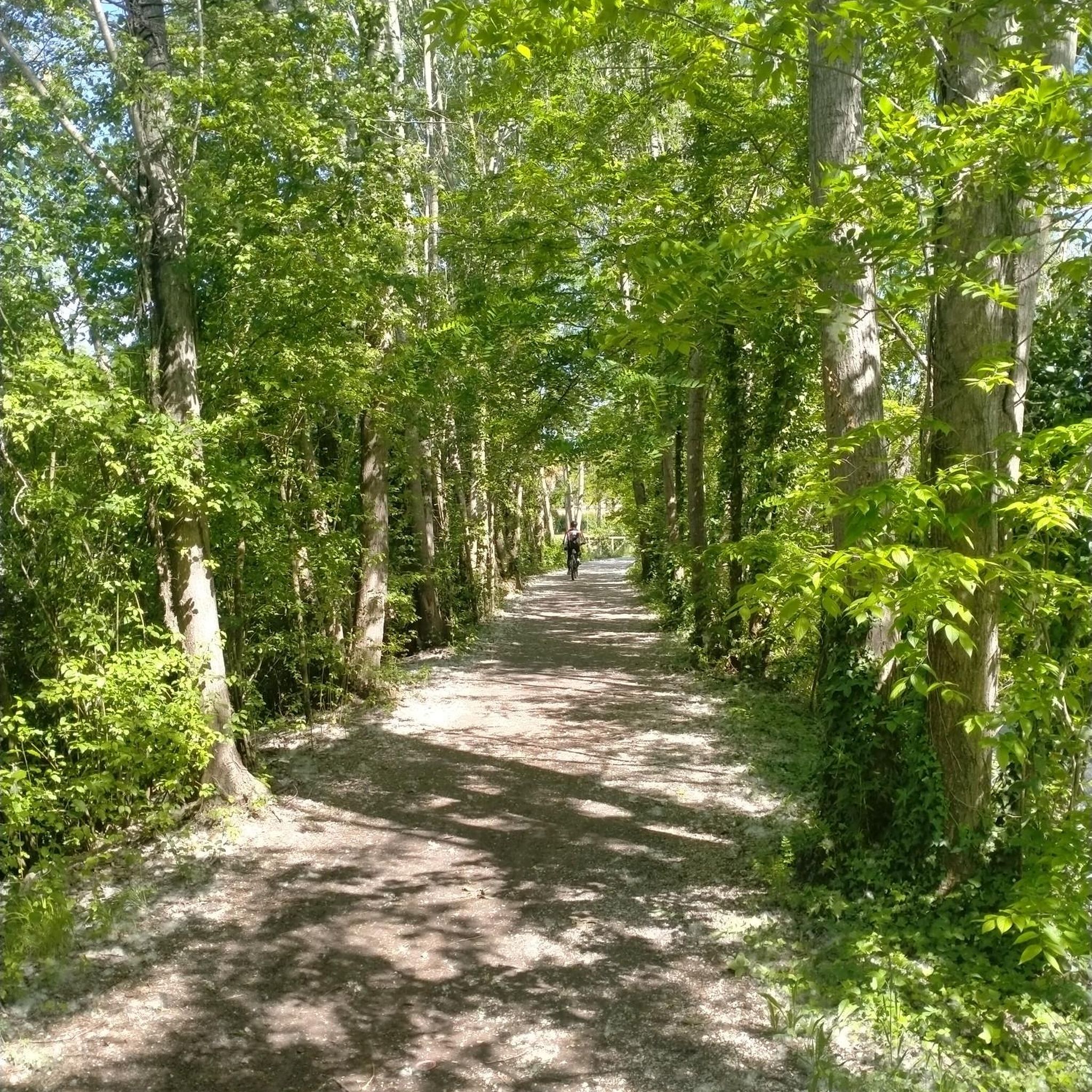
Gravel biking around Natural Park regionale del Fiume Sile
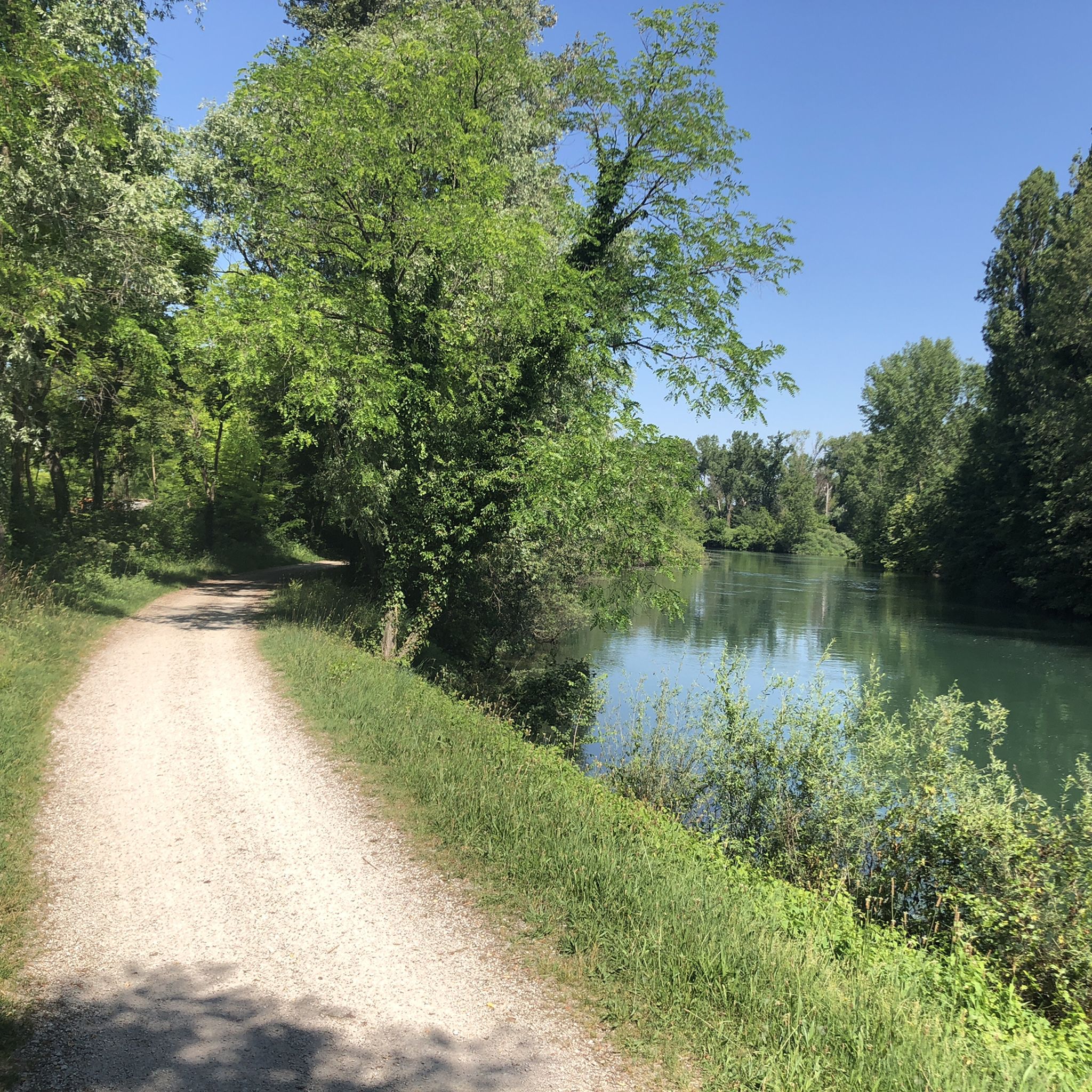
MTB Trails around Natural Park regionale del Fiume Sile
Other adventures around Natural Park regionale del Fiume Sile


Tips from the Community

The Stradon del Bosco is a historic itinerary that develops along the southern slope of Montello, in the province of Treviso. This fascinating route, predominantly flat and immersed in nature, runs for long stretches along the Canale del Bosco, an artificial hydraulic work built in the 16th century to divert the waters of the Piave for irrigation and production purposes. Ideally connecting the area of Crocetta del Montello and Montebelluna to Nervesa della Battaglia, the road today represents an ideal destination for lovers of trekking, running, and cycle tourism, particularly for gravel and road bike enthusiasts. In addition to offering suggestive views of the pre-Alpine landscape and the typical oak woods of the hill, the trail intersects the historic "prese" (intakes) of Montello, combining naturalistic beauty with the historical memory of the territory.
0
0
The parish church of the Most Holy Redeemer, located in Santa Croce del Montello in the municipality of Nervesa della Battaglia, is a significant place of worship for the Diocese of Treviso. The first structure was built between 1899 and 1900, and was opened for worship precisely on the occasion of the Holy Year of the Redeemer. During the First World War, the building found itself at the heart of the fighting along the Piave line and suffered almost total destruction. It was rapidly rebuilt on the old foundations between 1920 and 1922, and then enlarged in the thirties with the addition of the side aisles and the bell tower. The building today presents itself in a neo-Romanesque style, with a stone facade and a three-nave interior embellished with a checkerboard floor in Verona and Botticino marble, while the apse houses the statues of the Redeemer and Saint Joseph.
0
0
Located in Giavera del Montello, Ecosteria Parco Santi Angeli represents an excellent reference point for organic, vegetarian, and vegan cuisine in the province of Treviso. Immersed in greenery, this establishment is not just a restaurant or pizzeria, but a sustainability project that values zero-kilometer ingredients and creative culinary techniques. The menu ranges from gourmet pizzas with refined doughs to elaborate dishes such as house-made seitan and oriental-inspired offerings, always with a focus on seasonality. The atmosphere is rustic and welcoming, ideal for those seeking an escape from the city without sacrificing gastronomic quality. Given the limited opening days, concentrated on weekends, booking is essential to secure a table.
0
0
The Duomo of Treviso, dedicated to Saint Peter the Apostle, is the city's main place of worship and stands on an area occupied by sacred buildings since Roman times. Its current monumental appearance is the result of centuries of stratification: the neoclassical facade with the imposing six-column pronaos was added in the 19th century, while the rear body retains the Renaissance structure. Inside, the cathedral houses artistic treasures of immense value, including the Malchiostro Annunciation by Titian, a masterpiece from 1520. Beneath the presbytery, access is gained to the evocative 11th-century crypt, a forest of small columns housing the remains of Saint Liberale, the city's patron saint. The complex also includes the Romanesque Baptistery of Saint John, completing this religious hub where Romanesque, Renaissance, and Neoclassical styles coexist in harmonious balance.
1
0
Il Bastione San Paolo constitutes a fundamental part of Treviso's 16th-century city walls, located in the north-eastern sector of the city. Designed as part of the defensive enhancement desired by the Serenissima, it presents itself as a massive earth and brick structure, engineered to withstand the modern artillery systems of the time. Currently, the area has lost its military function to become one of the most evocative green areas in the historic center. Its tree-lined avenues offer an elevated panoramic walk overlooking the canals below, once defensive moats. It is a perfect example of urban regeneration, where Renaissance engineering blends with the tranquility of the city's river landscape.
0
0

Very beautiful. Slightly uphill, very pleasant for the landscapes and views of the very well-maintained houses in a natural setting.
0
0
The Abbey of Sant'Eustachio, located on the slopes of Montello in Nervesa della Battaglia, is a place steeped in charm and memory. Founded in the 11th century as a Benedictine monastery, it became a cultural center of excellence: it was here, in the 16th century, that Monsignor Giovanni della Casa wrote the famous treatise "Il Galateo". Today, the site presents itself as a monumental open-air ruin, due to the devastating bombings it suffered during the Battle of the Solstice in 1918. The recent conservative restoration has enhanced the imposing stone arcades, transforming them into a suggestive setting for events. Its panoramic position, overlooking the Piave riverbed, makes it an unmissable destination for those seeking a blend of art, history, and landscape.
2
0

Unmissable and magical in any season and with any weather
0
0
Frequently Asked Questions
How many road cycling routes are available in Natural Park regionale del Fiume Sile?
There are over 660 road cycling routes in and around Natural Park regionale del Fiume Sile, offering a wide variety of options for different skill levels and preferences.
What is the best time of year for road biking in Natural Park regionale del Fiume Sile?
The region is generally pleasant for road cycling from spring through autumn. The flat terrain along the Sile River makes it accessible for much of the year, but spring and early autumn offer milder temperatures and beautiful scenery, ideal for exploring the riverine and agricultural landscapes.
Are there easy or beginner-friendly road cycling routes in the Natural Park regionale del Fiume Sile?
Yes, the Natural Park regionale del Fiume Sile is well-suited for beginners, with over 200 easy routes. Many paths follow the gentle Sile River, offering flat and accessible terrain. A good example is the Venetian Lagoon Cycle Path – Caposile Pontoon Bridge loop from Treviso Centrale, which offers extensive cycling along the lagoon with minimal elevation.
Are there challenging road cycling routes for advanced cyclists in the area?
While much of the region is flat, there are routes that incorporate more significant elevation for advanced cyclists. For instance, the Stradon del Bosco – View from Pianezze loop from Treviso Centrale is classified as difficult, featuring over 1,200 meters of elevation gain over its 104.7 km distance.
What kind of scenery can I expect on road cycling routes in Natural Park regionale del Fiume Sile?
Road cycling routes in this region are characterized by the tranquil Sile River, flat agricultural plains, and charming riverine environments. You'll often find yourself cycling through green fields, past small villages, and alongside the gentle waterways that define the park.
What interesting landmarks or attractions can I see along the road cycling routes?
Many routes offer glimpses of historical and natural points of interest. You can explore sites like the Burci Boat Cemetery, a unique historical site, or cycle past the picturesque Cervara Bridge on the Sile River. The Tower of the Castello dei Carraresi in Casale sul Sile is another notable landmark.
Are there any loop trails for road cycling in Natural Park regionale del Fiume Sile?
Yes, many road cycling routes in the Natural Park regionale del Fiume Sile are designed as loops, allowing you to start and finish at the same point. An example is the Iron Barge from the Great War – Stradon del Bosco loop from Treviso Centrale, which combines historical interest with scenic stretches.
What do other road cyclists enjoy most about the routes in Natural Park regionale del Fiume Sile?
The area is highly rated by the komoot community, with an average score of 4.5 stars from over 400 reviews. Cyclists often praise the well-maintained paths, the peaceful atmosphere along the Sile River, and the diverse scenery that ranges from open fields to historical sites.
Are there routes that offer views of natural monuments or forests?
Yes, some routes will take you near natural monuments and forested areas. You might pass by the Gran Bosco Fontanassi or the Mulino Cervara Nature Oasis, offering a chance to experience the region's natural beauty beyond the riverbanks.
Can I find less crowded road cycling routes in the Natural Park regionale del Fiume Sile?
While popular, the extensive network of over 660 routes means it's possible to find quieter paths, especially away from the main river sections or during off-peak hours. Exploring some of the routes that venture into the agricultural plains might offer a more secluded experience.
What are the typical distances and elevations for road cycling routes here?
Routes vary significantly. You can find shorter, flatter rides like the Santa Maria Della Vittoria – View of the Montello Ridge loop from Treviso Centrale at 48.4 km with moderate elevation, up to longer, more challenging tours like the Stradon del Bosco – View from Pianezze loop from Treviso Centrale, which covers over 100 km with substantial climbing.
Most popular routes around Natural Park regionale del Fiume Sile
Most popular attractions around Natural Park regionale del Fiume Sile

Get inspired with the komoot mobile app


Explore more
Browse the best Road cycling routes in other regions.
