Attractions and Places To See around Parco Nazionale della Majella - Top 20
Best attractions and places to see around Parco Nazionale della Majella, a UNESCO Global Geopark, encompass a rich tapestry of natural beauty and cultural heritage in the Abruzzo region of Italy. Known for its rugged limestone peaks, extensive cave systems, and diverse ecosystems, the park features over 30 peaks exceeding 2,000 meters. Visitors can explore ancient hermitages carved into rock, well-preserved medieval villages, and over 1,000 ancient dry-stone shepherd huts. The Majella National Park provides a unique blend of geological…
Last updated: October 9, 2026
Orfento Valley
Highlight • Gorge
Translated by Google •
Tip by

Gorges of Fara San Martino
Highlight • Gorge
Translated by Google •
Tip by

Sign up now to discover places like this
Get recommendations on the best single tracks, peaks, & plenty of other exciting outdoor places.
San Giovanni Waterfall
Highlight • Waterfall
Translated by Google •
Tip by

Hermitage of Saint Bartholomew in Legio
Highlight • Religious Site
Translated by Google •
Tip by
Ponte del Vallone
Highlight • Bridge
Translated by Google •
Tip by

Sign up for free to discover even more attractions around Parco Nazionale della Majella.
Already have an account?
Start today with a free account
Your next adventure awaits.
Popular around Parco Nazionale della Majella
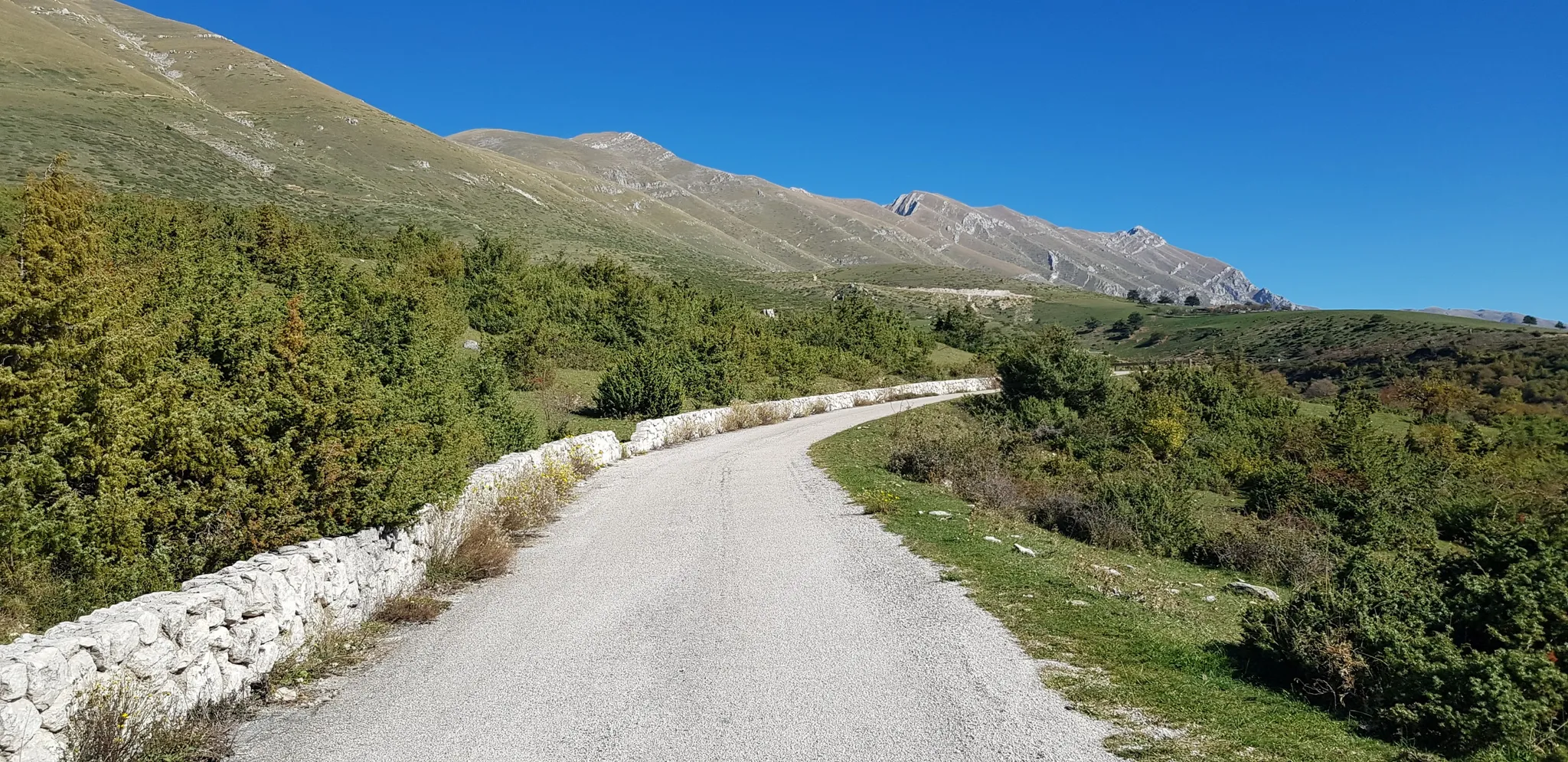
The Apennine Cycleway (Part 2) - From Umbria to Calabria
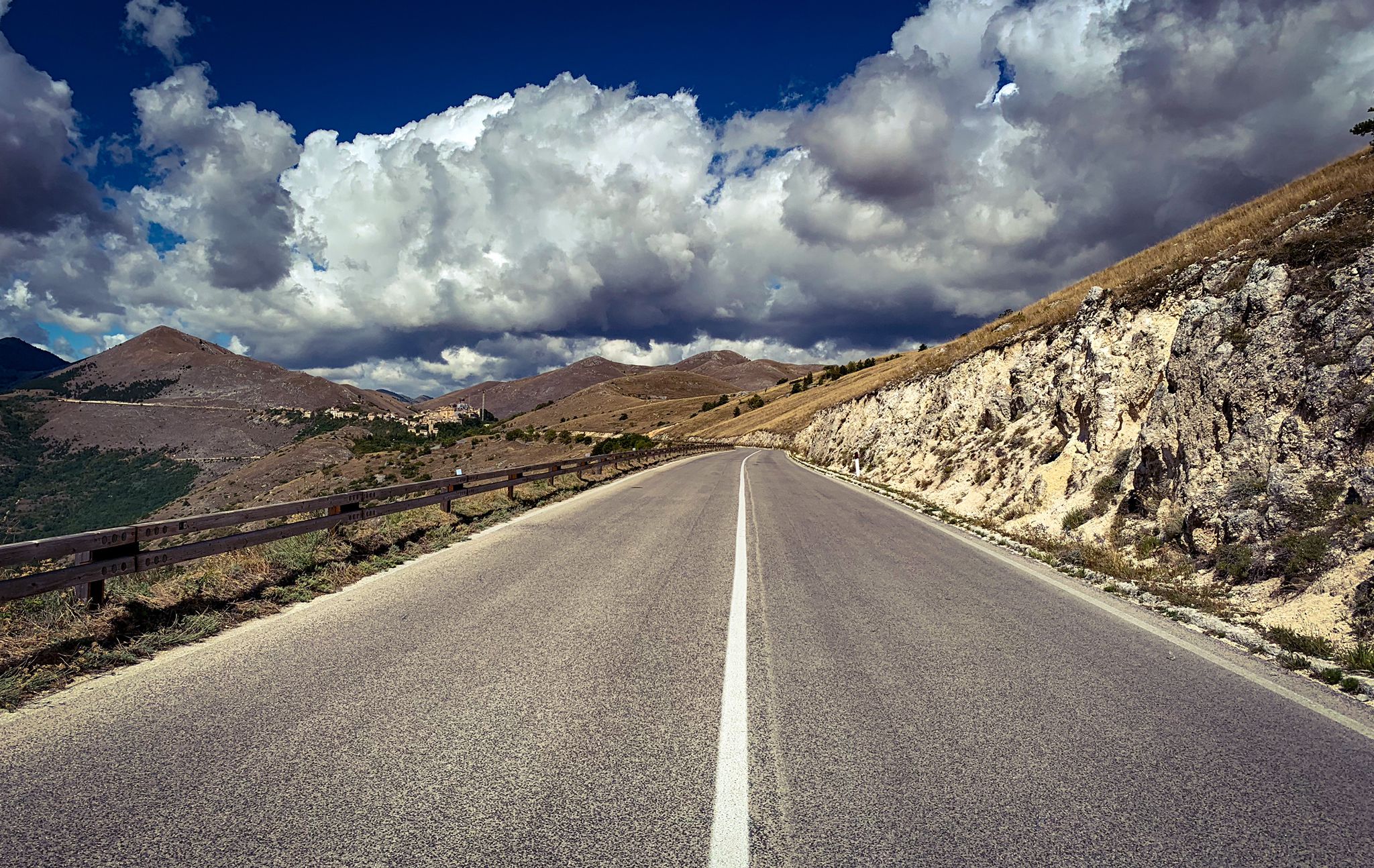
The Apennines to the Adriatic – cycling to discover Abruzzo
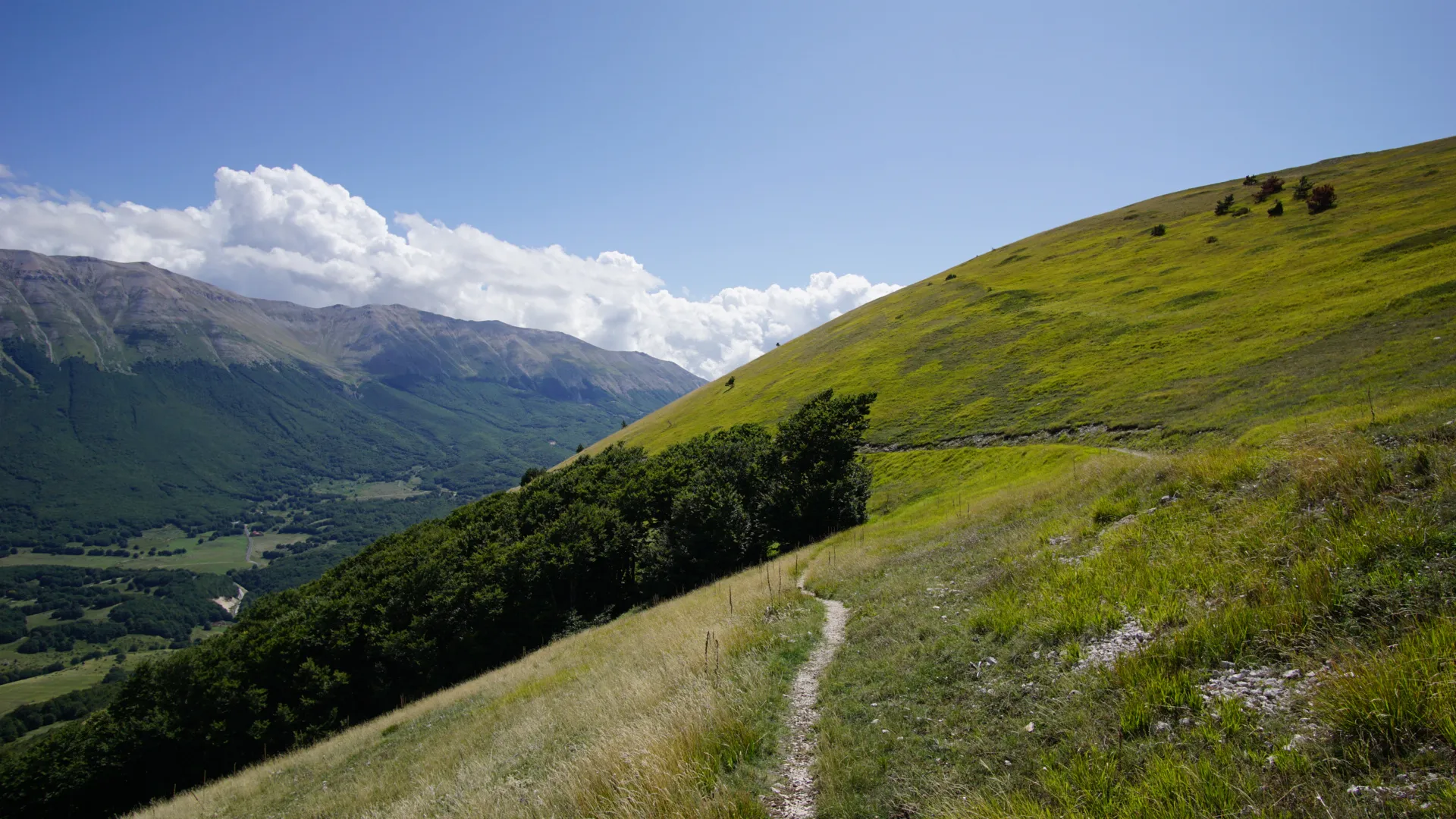
Exploring Italy’s Majella – Cammino di Celestino
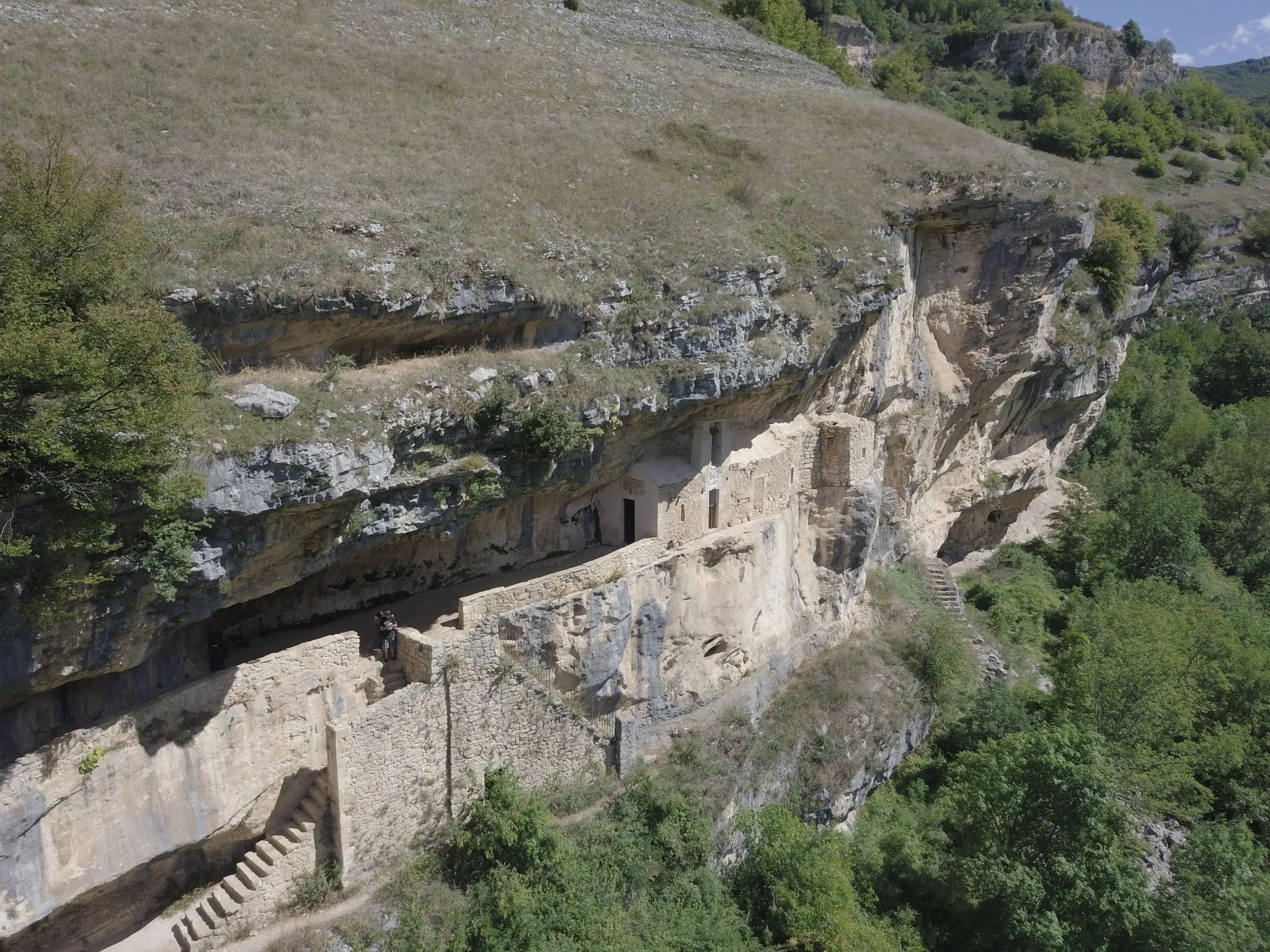
Hike Italy’s Majella National Park – Sentiero dello Spirito
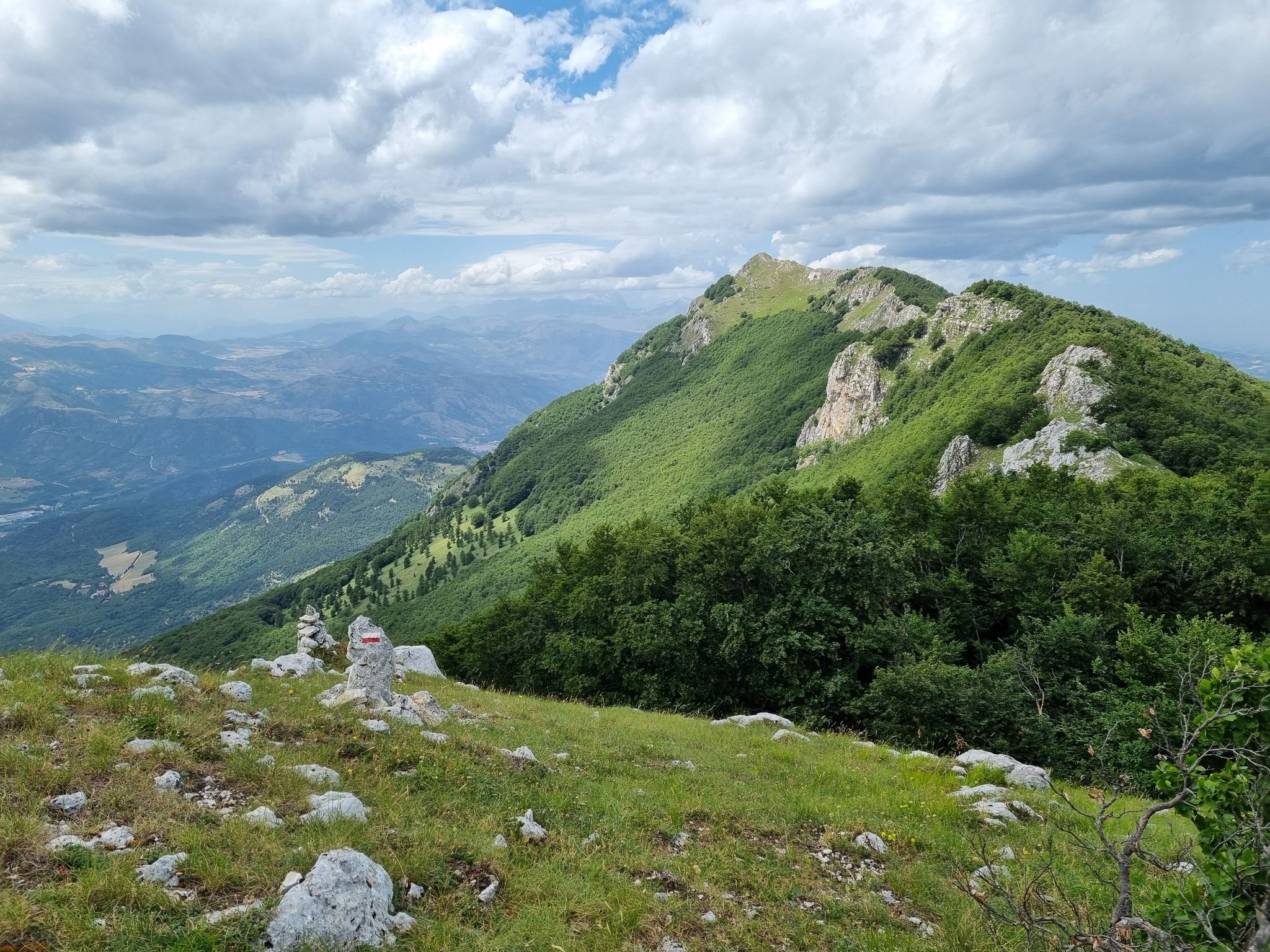
Through the green lungs of Abruzzo – Sentiero Italia
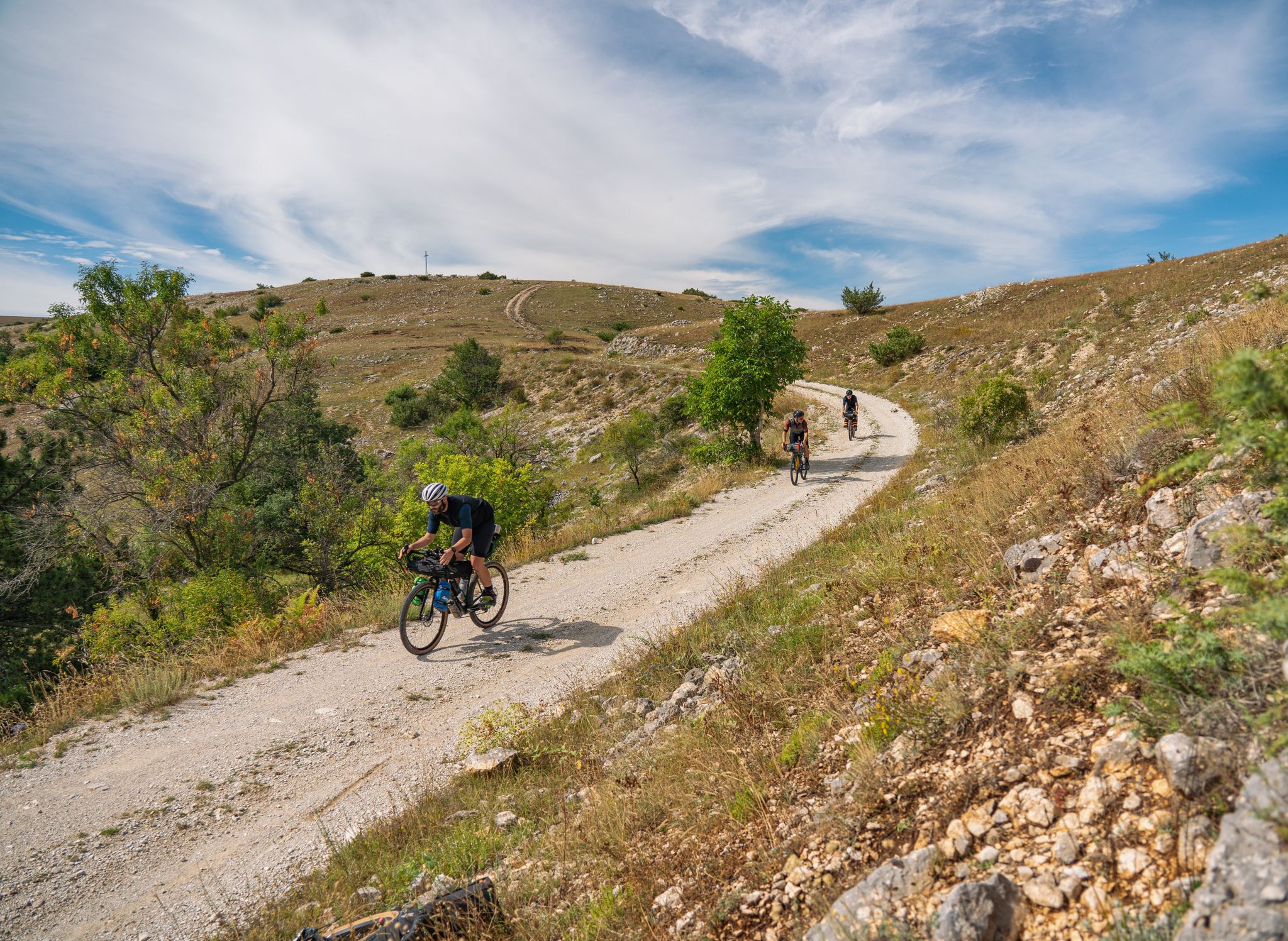
Following in the Footsteps of a Wolf – A Bikepacking Adventure
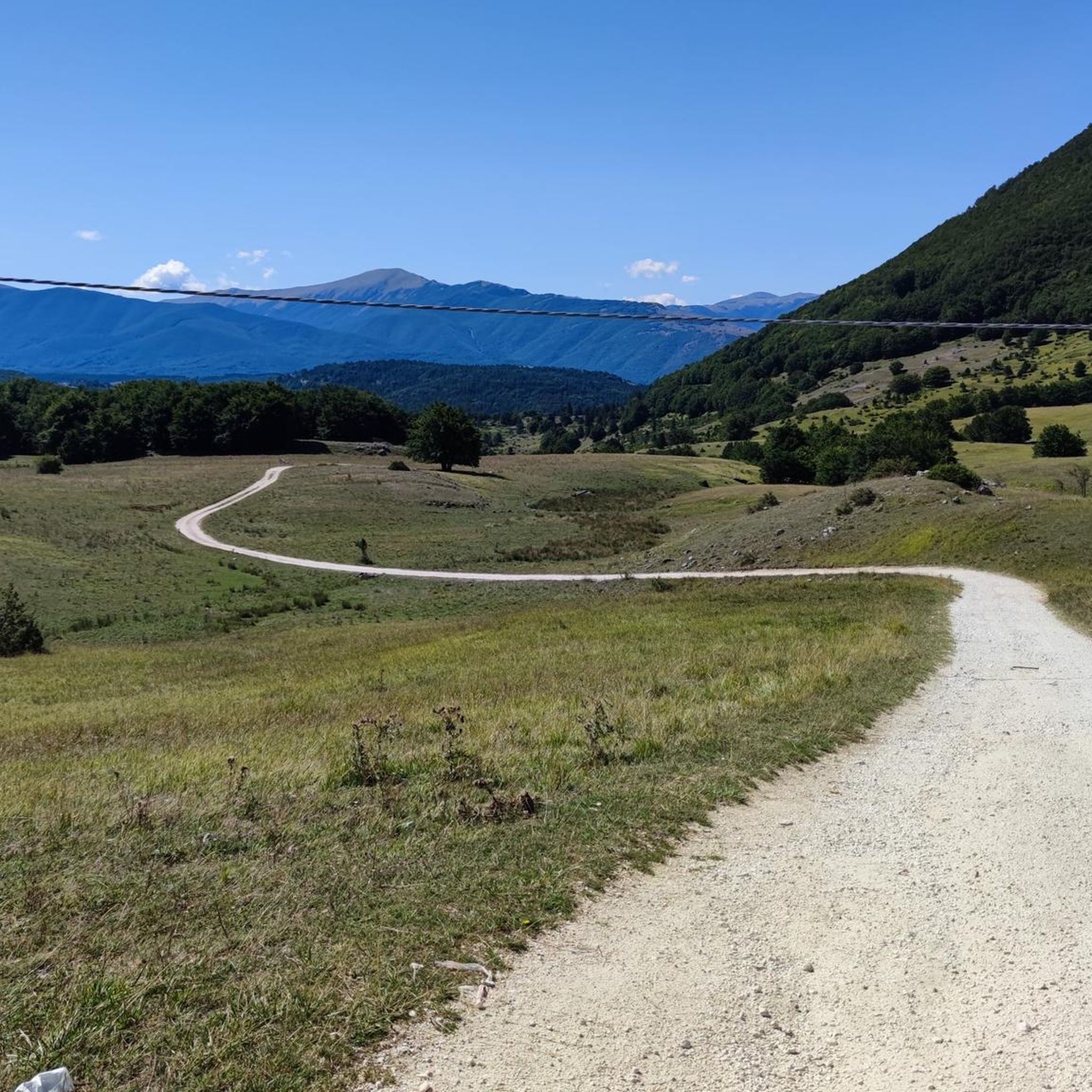
MTB Trails around Parco Nazionale della Majella
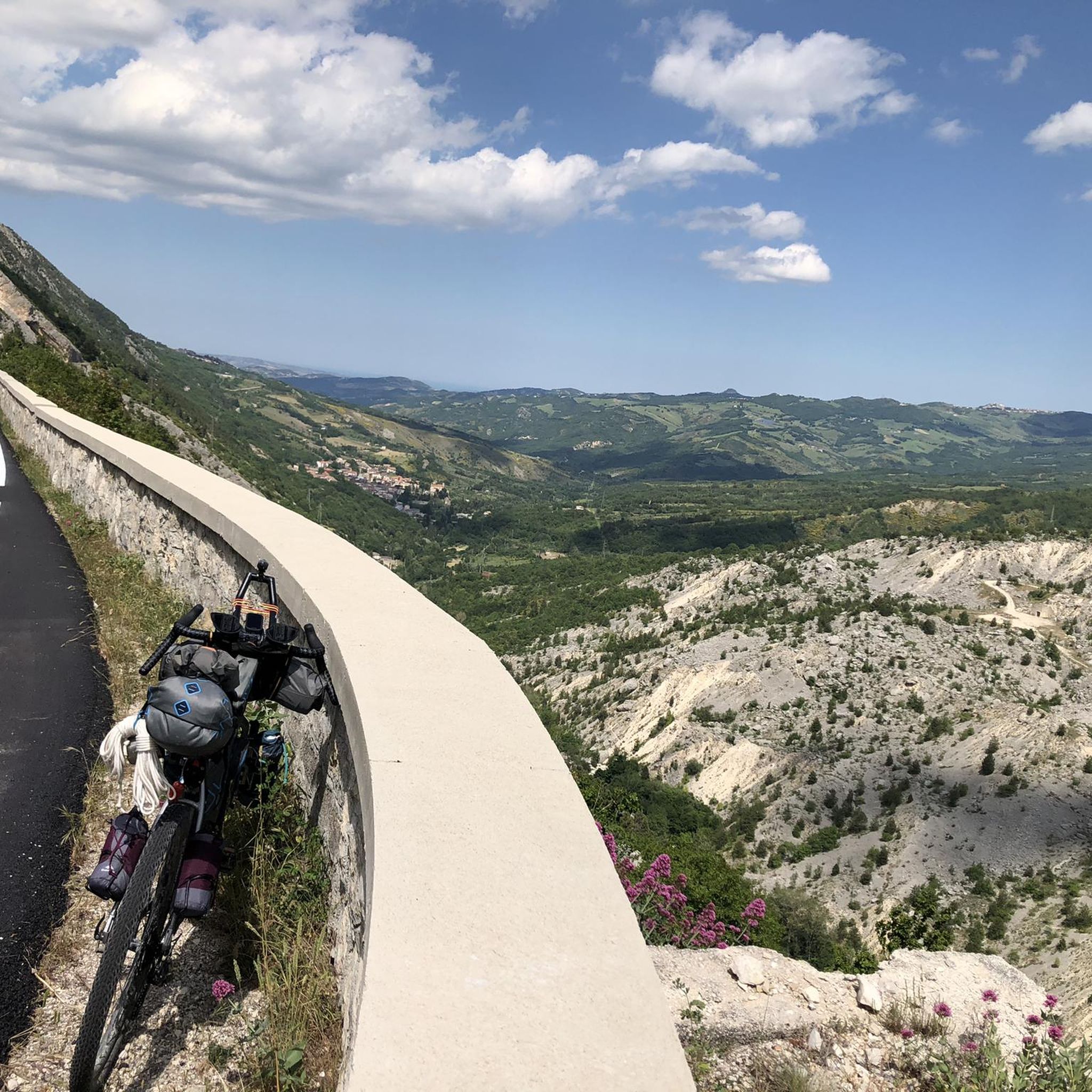
Cycling around Parco Nazionale della Majella
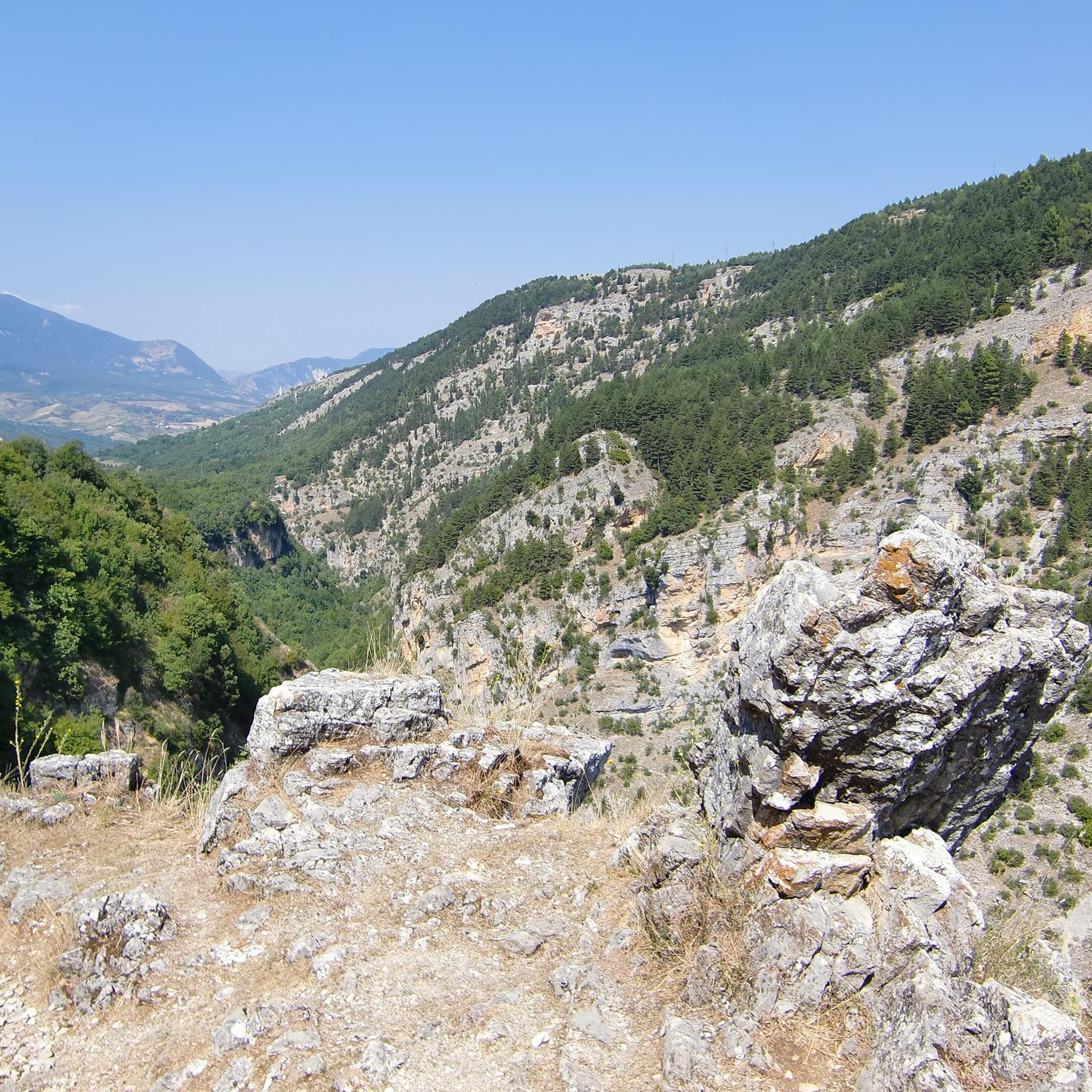
Hiking around Parco Nazionale della Majella
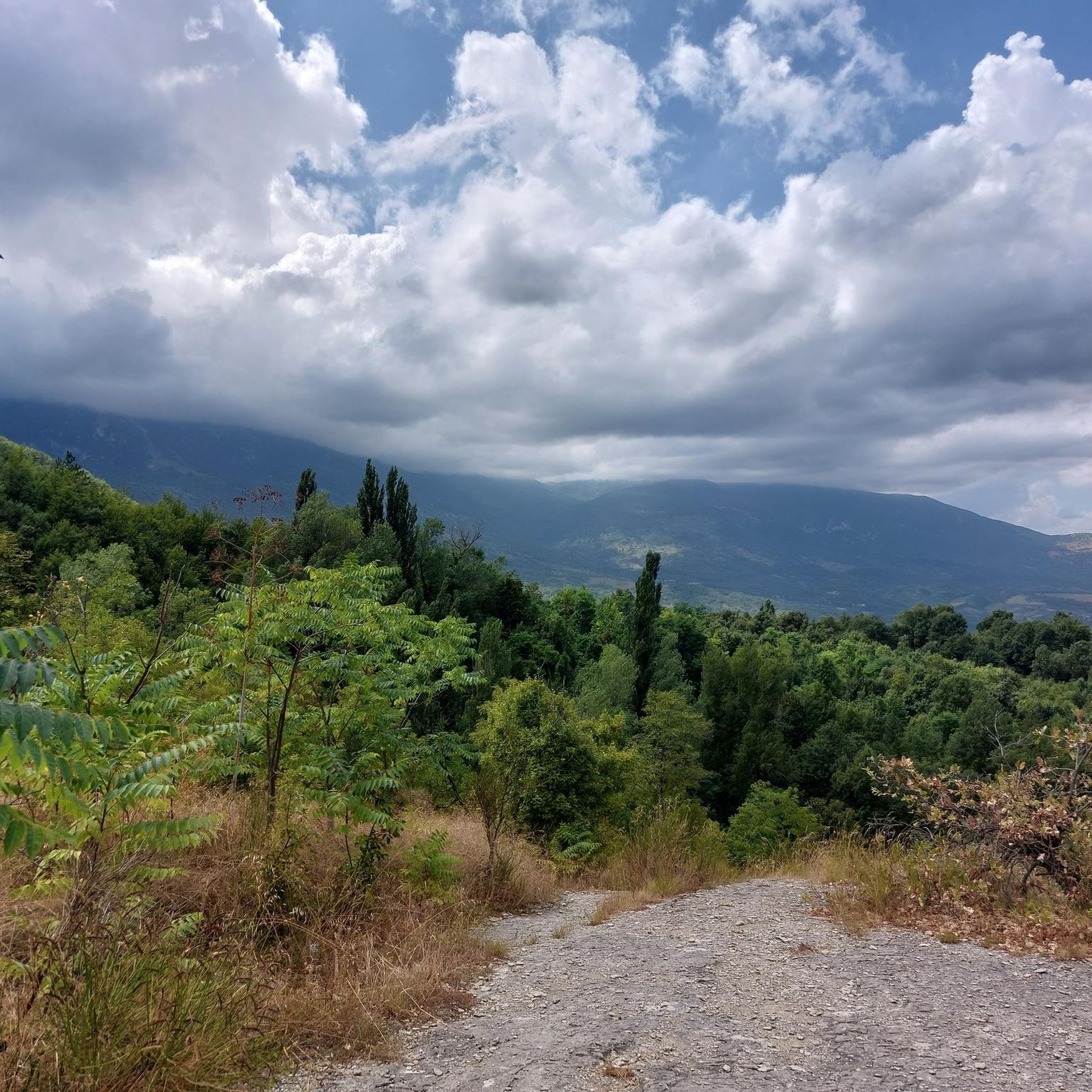
Running Trails around Parco Nazionale della Majella
Other adventures around Parco Nazionale della Majella


Tips from the Community

The Hermitage of San Bartolomeo in Legio is located in the Majella National Park, between the villages of Abbateggio and Roccamorice. It is a very evocative hermitage, set on the rocky wall of the Vallone dello Spirito, where the Capo La Vena stream flows. The hermitage's oratory is almost entirely embedded in the rock. There is also a 16th-century altar with a niche containing an 19th-century wooden statue depicting the saint. On August 25th, San Bartolomeo is celebrated in Roccamorice, and on this occasion, the villagers carry the wooden statue of the saint in procession from the hermitage to the village church.
1
0
Most evocative area in the Orfento Valley. After rain, the trail can be quite muddy and treacherous, given the presence of rocks it is easy to fall and get hurt, it is better to go a few days after it has rained.
2
0

A full immersion in the wild Vesola Valley. The trail ascends through centuries-old beech trees, yew trees, and holly, offering spectacular views of the San Giovanni Waterfall, one of the highest in the Maiella. Keep your eyes peeled: squirrels leap among the branches, and near the water you might spot the rare spectacled salamander or the small carnivorous plant, the Pinguicola. The grand finale? The view from the Civita Plain, where your gaze sweeps from the woods to the Adriatic Sea. ⚠️ Technical note: Short steep sections uphill and downhill require a minimum of caution.
0
0

The Vallone bridge represents a connection between the paths that lead to the upper part of the Orfento Valley and the circular ones that start from the Caramanico visitor center.
1
0

Beautiful trails in a magical Valley! Please register for free online at the Caramanico Terme Visitor Center and follow the signs and markings. There is a trail that can ONLY be done ONE-WAY! Let's all respect the rules. Thank you
4
0

Safeguarded and very well maintained place. Worth a trip.
2
1

The hike is tough at times but the forest offers many emotions!
0
0

Frequently Asked Questions
What are the most striking natural features to explore in Parco Nazionale della Majella?
The park is renowned for its rugged limestone peaks, extensive cave systems, and deep gorges. You can explore the dramatic Gorges of Fara San Martino, which offer an accessible route into the mountain's interior. The Orfento Valley is another pristine area known for its natural beauty and crucial water sources for wildlife. The Majella Massif itself features over 30 peaks exceeding 2,000 meters, including Monte Amaro, the highest at 2,793 meters.
Are there any notable historical or spiritual sites within the Majella National Park?
Yes, the Majella has been a spiritual retreat for centuries. You can visit numerous rock sanctuaries, known as hermitages, such as the Eremo di Santo Spirito a Majella, a monastic complex with a rich history, or the Eremo di San Bartolomeo in Legio, set directly into the rock. The Abbey of San Liberatore a Majella in Serramonacesca is also a significant example of Abruzzo's Romanesque architecture.
What kind of hiking experiences can I find around Parco Nazionale della Majella?
The park offers over 500 kilometers of hiking trails for various difficulty levels. For an easy and family-friendly option, consider the route through the Gorges of Fara San Martino. More experienced hikers can undertake challenging climbs from Passo San Leonardo to Monte Amaro. You can find detailed routes, including easy hikes like the Orfento Valley loop, in our guide to Easy hikes around Parco Nazionale della Majella.
Are there family-friendly attractions or activities in the area?
Absolutely. The route inside the Gorges of Fara San Martino is easy and suitable for families, allowing exploration of the mountain's high rocks. Many of the park's ancient villages, like Pacentro or Guardiagrele, offer charming walks and a glimpse into local history. The Cavallone Caves, with their impressive stalagmites and stalactites, are also open to the public and can be an exciting family outing.
What are some unique cultural or archaeological sites to visit?
Beyond the hermitages and abbeys, the park is home to over 1,000 ancient dry-stone shepherd huts called Tholos, which testify to millennia of transhumance. The region also boasts archaeological sites dating back over 800,000 years, with discoveries at Valle Giumentina and Grotta degli Orsi. Well-preserved medieval villages such as Caramanico Terme and Pretoro offer a rich architectural heritage.
Where can I find panoramic viewpoints or scenic spots?
The Ponte del Vallone offers breathtaking views into the Orfento Valley, where the crystal clear water accompanies you through the deepest part of the gorge. Passo San Leonardo, at 1,282 meters, provides wonderful vistas of the Majella and Mount Morrone. For high-altitude panoramas, the area around Bruno Pomilio Mountain Hut is an excellent starting point for trails offering expansive views.
What kind of wildlife can I expect to see in Parco Nazionale della Majella?
Parco Nazionale della Majella is a biodiversity hotspot. It's home to the Apennine wolf, which is the park's symbol, as well as Apennine chamois, deer, wild boar, and wild cats. Birdwatchers might spot golden eagles, peregrine falcons, and lanner falcons. There are dedicated wildlife areas, such as the reserve for Apennine Chamois in Lama dei Peligni, where observation is possible.
Are there opportunities for cycling or mountain biking near the attractions?
Yes, the region offers excellent cycling opportunities. You can find various routes, from challenging climbs like the Cima Blockhaus from Caramanico Terme to scenic loops around Passo San Leonardo. Explore our guide to Cycling around Parco Nazionale della Majella for detailed itineraries.
What is the best time of year to visit Parco Nazionale della Majella?
The best time to visit largely depends on your planned activities. Spring and autumn offer pleasant temperatures for hiking and exploring the natural and cultural sites, with vibrant foliage in autumn. Summer is ideal for high-altitude treks, though it can be busy. In winter, the Majella Massif transforms into a snowy landscape, offering opportunities for skiing and ski mountaineering at its five resorts.
Can I visit any caves in the park?
Yes, the karstic nature of the Majella mountains has created numerous caves. The Cavallone Caves (Grotta del Cavallone) in the Vallone di Taranta are among the deepest caves in Europe open to the public and are known for their abundant stalagmites and stalactites. Other caves, like Grotta Nera, are generally restricted for conservation.
What do visitors enjoy most about the attractions around Parco Nazionale della Majella?
Visitors frequently praise the pristine nature and dramatic landscapes, particularly in areas like the Orfento Valley and the Gorges of Fara San Martino. The sense of immersion in nature, the crystal-clear waters, and the breathtaking views from spots like Ponte del Vallone are often highlighted. The blend of natural beauty with rich historical and spiritual sites also leaves a lasting impression.
Are there any unique transportation experiences in the region?
Yes, the Trans-Siberian Railway of Italy (Sulmona - Isernia - Carpinone line) offers a spectacular railway journey. This route provides breathtaking views of the park's valleys and high plateaus, making it a memorable way to experience the landscape.
Most popular routes around Parco Nazionale della Majella
Most popular attractions around Parco Nazionale della Majella

Get inspired with the komoot mobile app


Explore more
Still not found the Highlight you’re looking for? See guides of the top attractions in other regions:
