Parco Nazionale delle Foreste Casentinesi, Monte Falterona e Campigna
Parco Nazionale delle Foreste Casentinesi, Monte Falterona e Campigna
Top 12 Mountain Passes around Foreste Casentinesi, Monte Falterona, Campigna National Park
Best mountain passes around Foreste Casentinesi, Monte Falterona, Campigna National Park traverse a landscape of ancient forests, high peaks, and river valleys across Tuscany and Emilia Romagna. This national park is known for its natural features and historical routes. The mountain passes in this region connect valleys and provide access to various outdoor activities.
Best mountain passes around Foreste Casentinesi, Monte Falterona, Campigna National Park
- The most popular mountain passes is Calla Pass, a mountain pass located at 1,296…
Last updated: May 13, 2026
Calla Pass
Highlight • Mountain Pass
Translated by Google •
Tip by

Prato alla Penna
Highlight • Mountain Pass
Translated by Google •
Tip by

Sign up now to discover places like this
Get recommendations on the best single tracks, peaks, & plenty of other exciting outdoor places.
Sign up for free
Passo dei Lupatti
Highlight • Mountain Pass
Translated by Google •
Tip by
Passo dei Mandrioli
Highlight • Mountain Pass
Translated by Google •
Tip by

Tre Faggi Pass
Highlight • Mountain Pass
Translated by Google •
Tip by

Sign up for free to discover even more mountain passes around Parco Nazionale delle Foreste Casentinesi, Monte Falterona e Campigna.
Sign up for free
Already have an account?
Start today with a free account
Your next adventure awaits.
Login or Signup
Popular around Parco Nazionale delle Foreste Casentinesi, Monte Falterona e Campigna
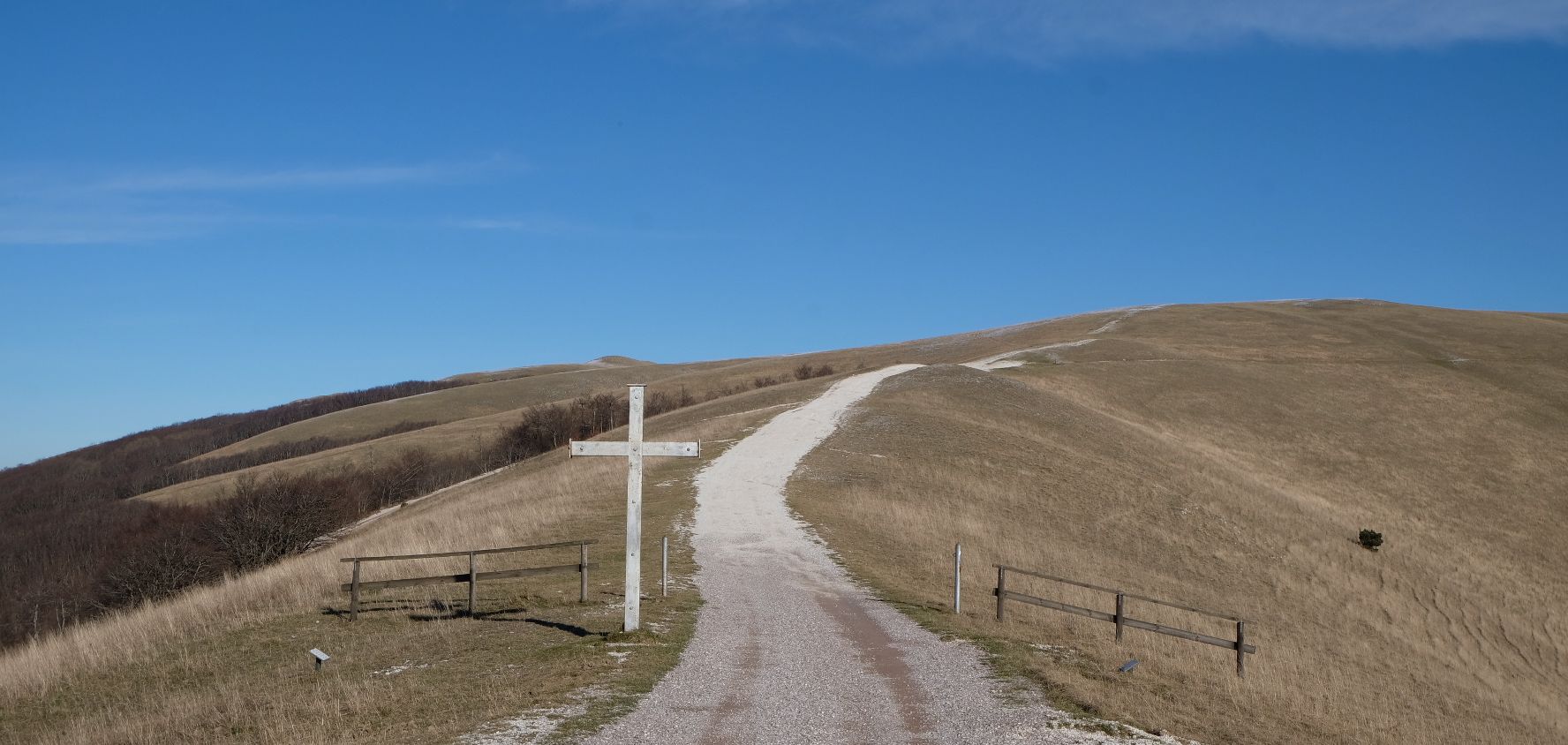
In the footsteps of St. Francis - Cammino di Assisi
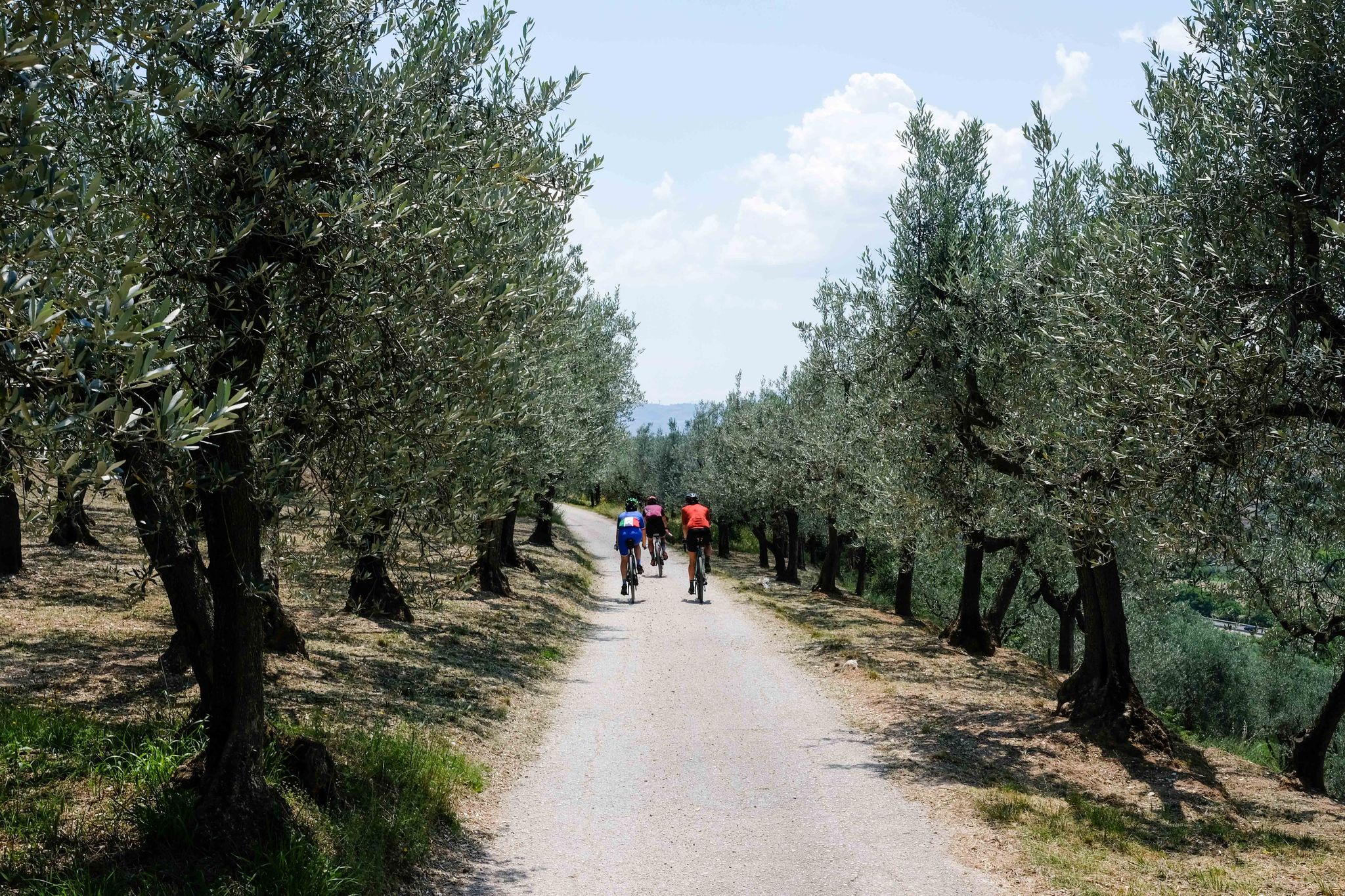
Cycle the St. Francis Way in Italy – Via del Nord
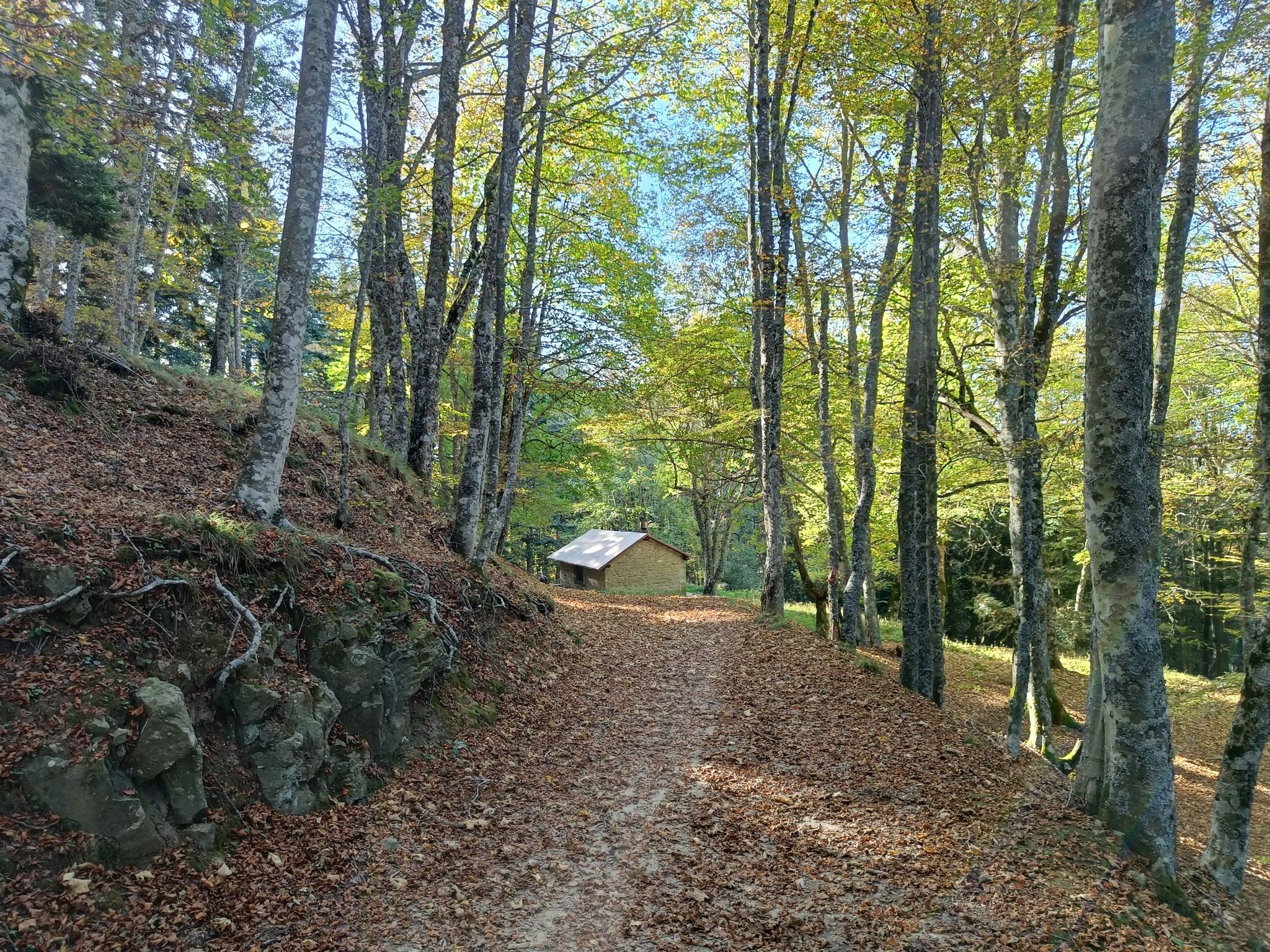
Camaldoli to Carpegna – Alta Via dei Parchi (part 5)
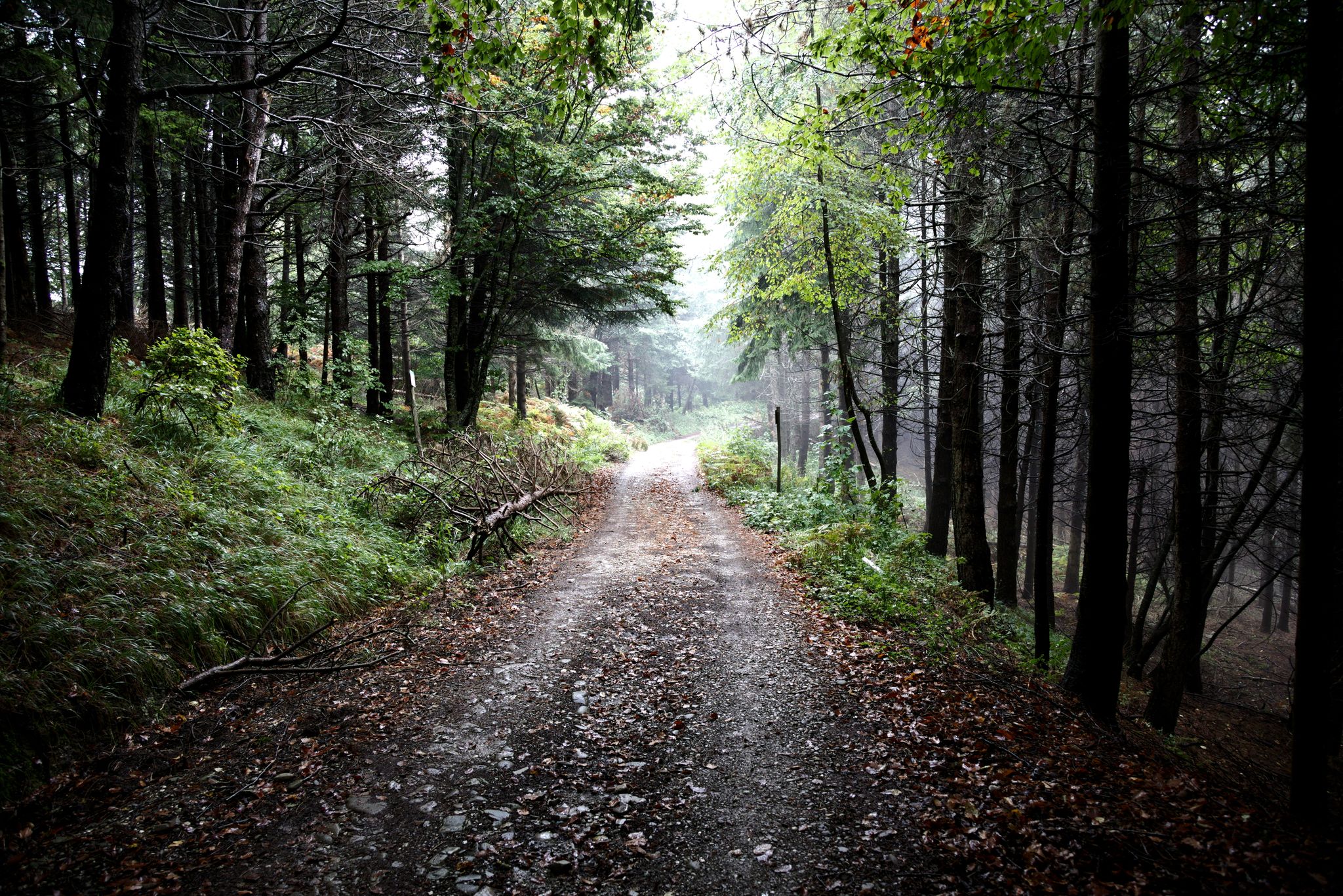
Marradi to Camaldoli – Alta Via dei Parchi (part 4)
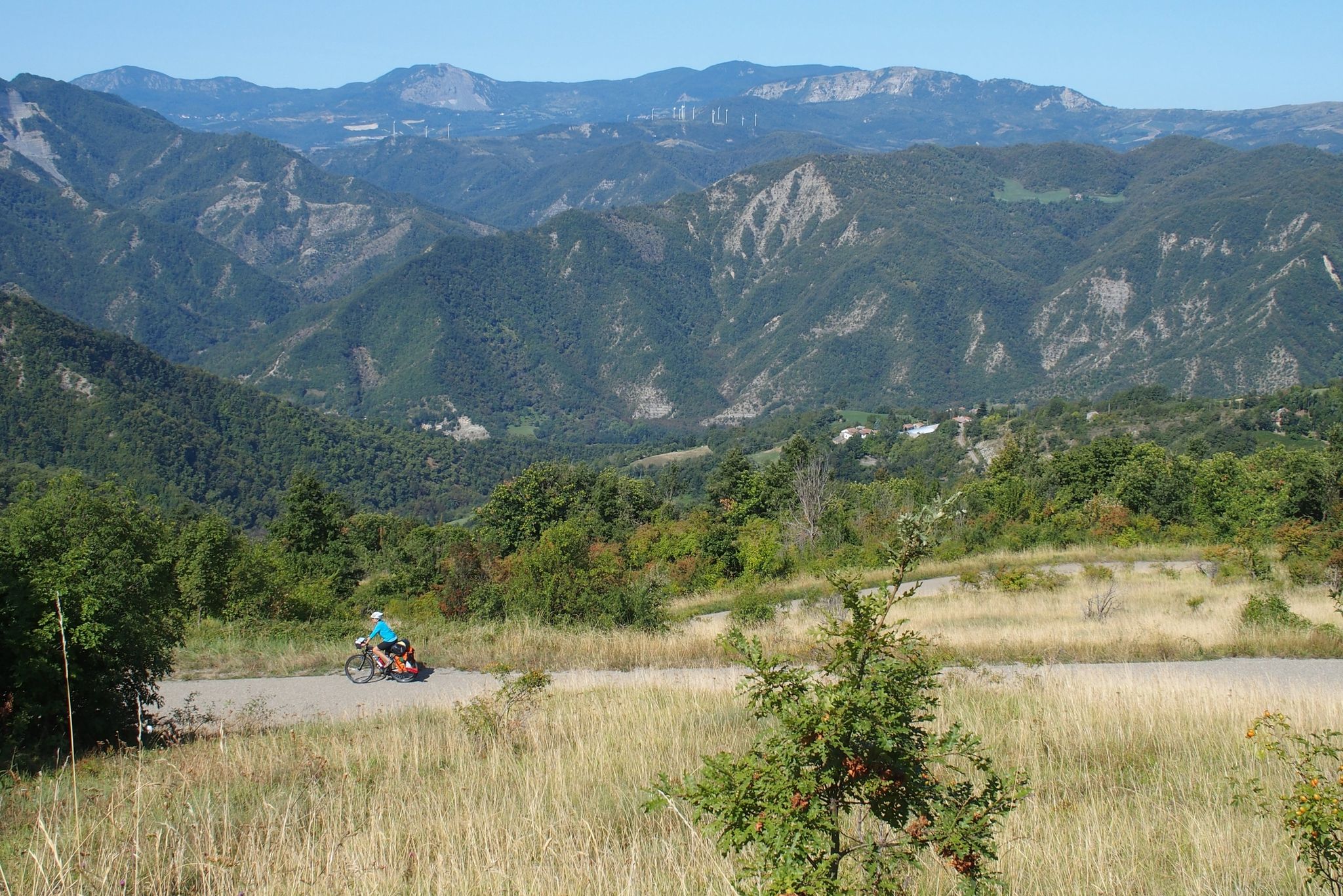
Eastern Mugello – up and down in the Apennines
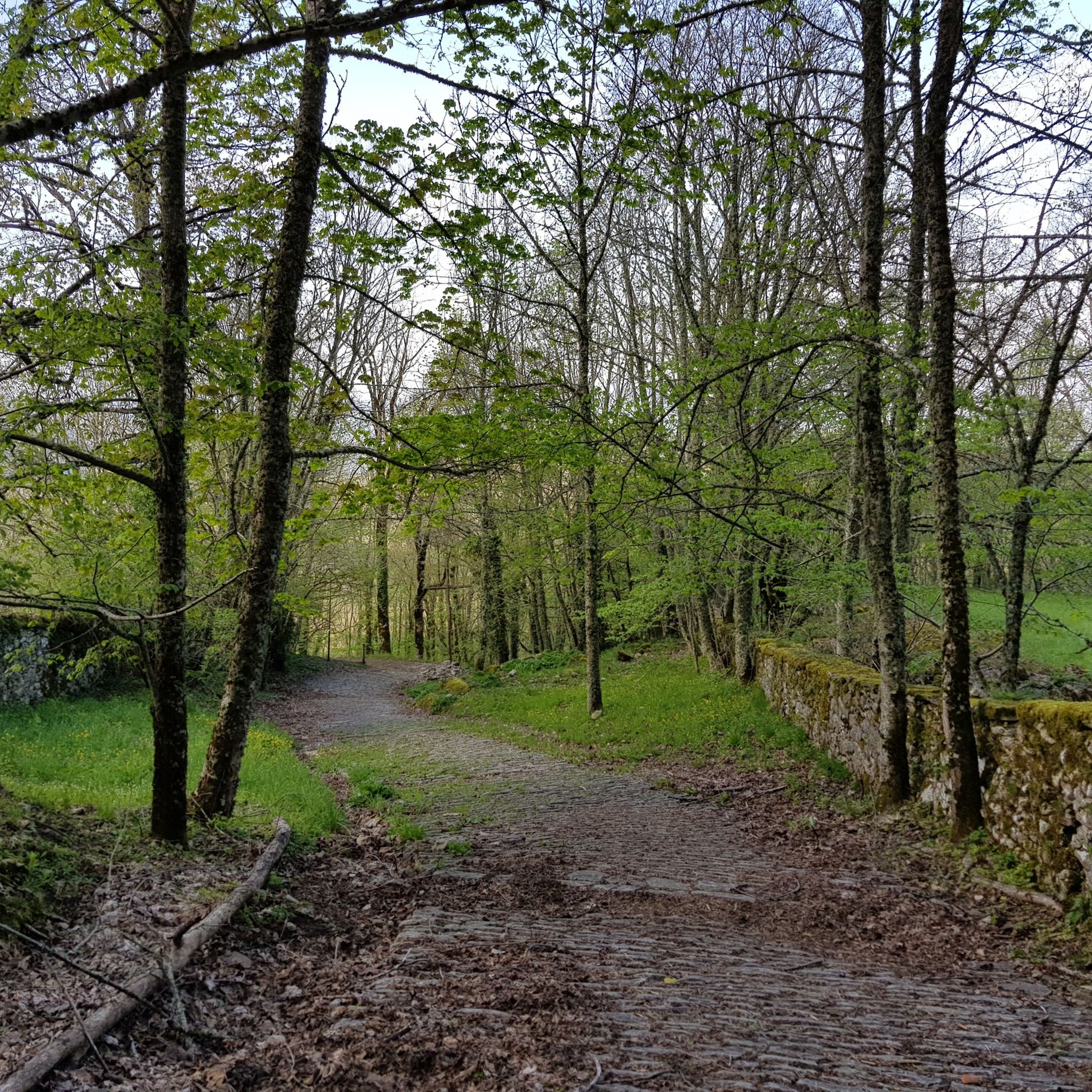
Hiking around Foreste Casentinesi, Monte Falterona, Campigna National Park
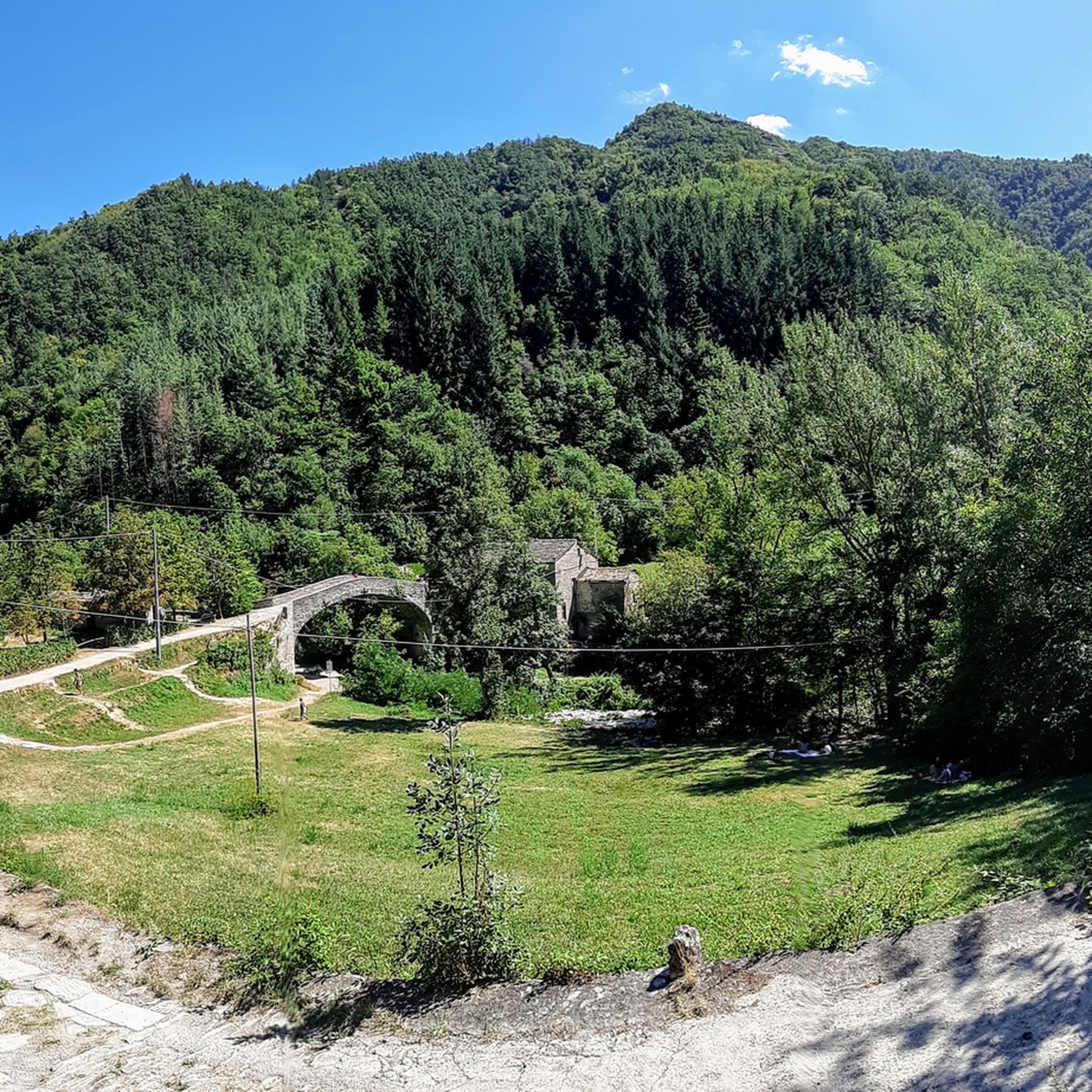
MTB Trails around Foreste Casentinesi, Monte Falterona, Campigna National Park
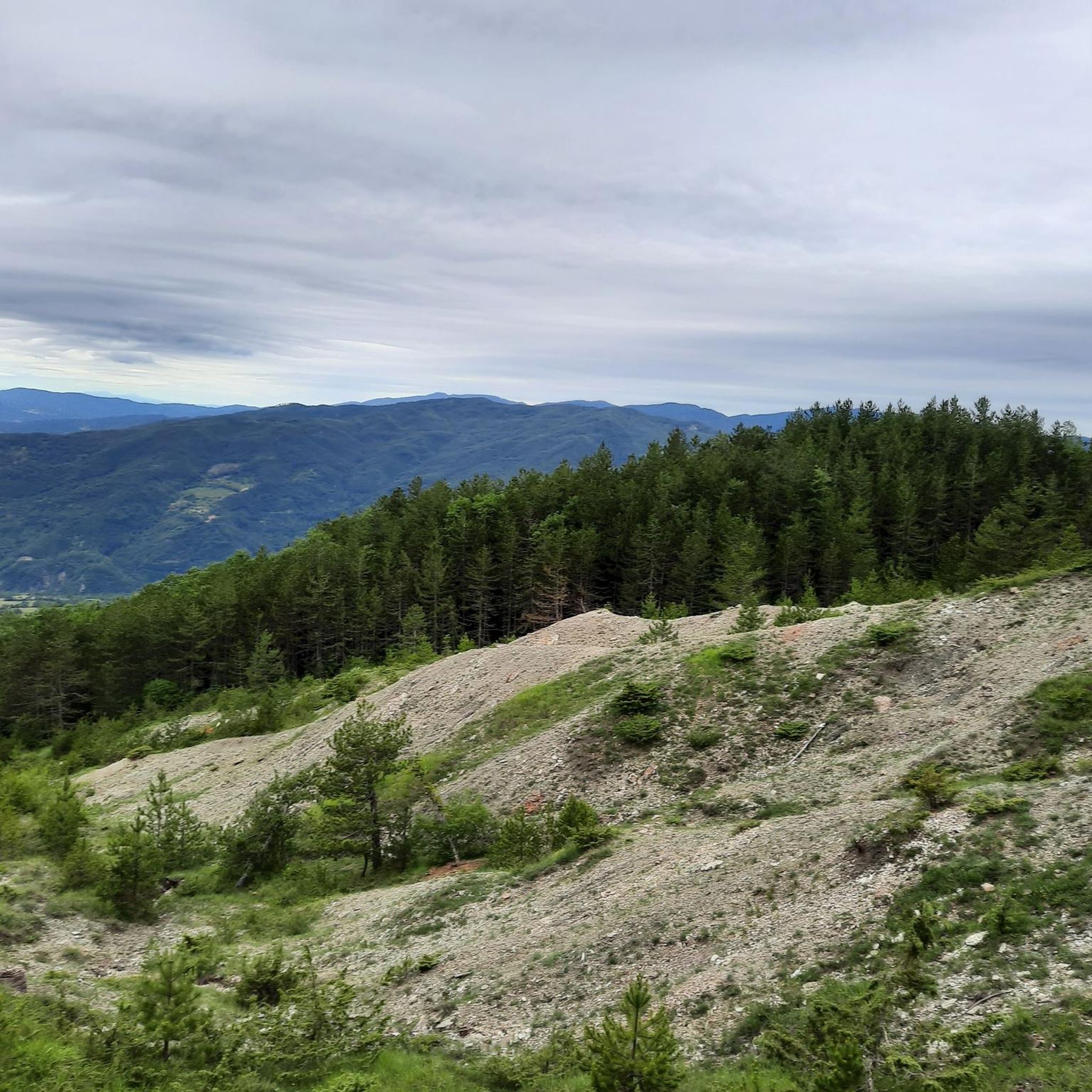
Running Trails around Foreste Casentinesi, Monte Falterona, Campigna National Park
Cycling around Foreste Casentinesi, Monte Falterona, Campigna National Park

Gravel biking around Foreste Casentinesi, Monte Falterona, Campigna National Park
Other adventures around Parco Nazionale delle Foreste Casentinesi, Monte Falterona e Campigna


Tips from the Community

the climb through the woods begins, quite tough in some parts!!
0
0


The Prato alla Penna clearing is located at an altitude of 1248 at the crossroads between the Passo Fangacci-Sacro Eremo dirt road and the forest track that branches off from here to the northwest in the direction of Gioghetto-La Calla. Although devoid of buildings, it is a historically and geographically important location as a timber tax and as a junction of paths.
0
0
Passo dei Lupatti (altitude 1171) where majestic beech trees stand and where we cross the 00 ridge path coming from Passo dei Mandrioli and heading to Passo della Crocina: the stretch of the railway that went from Passo dei Lupatti to Cancellino was slightly downhill and for this reason the wagons loaded with wood were slowed down in their run by specially trained men called "brakemen". Now from Passo dei Lupatti to Lama the road will always continue downhill: immersed in the forest we walk crossing the slopes of Mount Cucco and Poggio Rovino until we reach Pian della Saporita (altitude 1051) Beautiful dirt road immersed in an immense beech forest with the possibility of many variations, 90% of the routes are suitable for everyone.
0
0

Compact gravel road @cesare pastorelli?
0
0

Very nice climb, 660m of altitude difference quite regular. However, I would like to point out that there is a sign prohibiting bicycles at the beginning and at the end going up from Bagno. I did it anyway but know that theoretically it is forbidden to bikes.
1
0

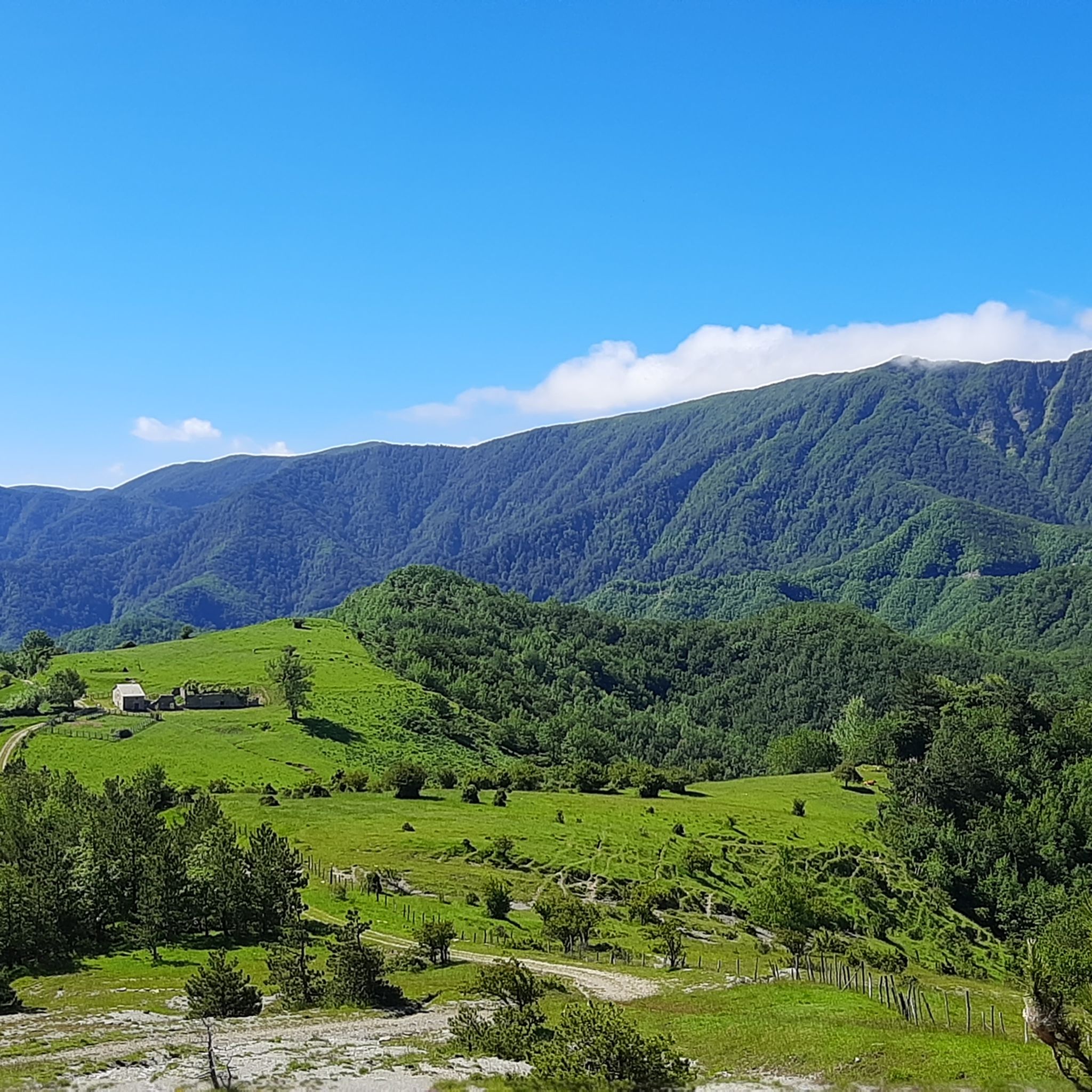
Along the provincial road that leads from the Sacred Hermitage of Camaldoli to Badia a Prataglia, at the end of the climb, there is this beautiful meadow area immersed in the beautiful Casentino forest.
3
0

Located on the border between Romagna and Tuscany, the Mandrioli pass is 1,173 meters high and connects the Savio and Arno valleys. It is also located on the south-eastern border of the Foreste Casentinesi National Park and can also be reached on foot, via the Alta Via dei Parchi.
2
0
Frequently Asked Questions
What makes Passo della Calla a significant mountain pass in the region?
Passo della Calla, at 1,296 meters, is the highest road pass in the Tuscan-Romagnolo Apennines. It connects the Bidente and Arno valleys and has been a vital communication route since Etruscan and Roman times. It serves as an excellent starting point for treks to Monte Falterona and Monte Falco, and in winter, it's popular for snow activities and ski-mountaineering. The journey to the pass, especially from Stia, offers peaceful, shaded climbs through the national park's majestic trees, and it's particularly beautiful in autumn with vibrant fall foliage.
What kind of views and activities does Passo dei Mandrioli offer?
Passo dei Mandrioli, located at 1,173 meters, provides breathtaking views that change beautifully with the seasons, forming a natural border between Emilia-Romagna and Tuscany. It's ideal for those seeking stunning natural scenery. The pass offers various trails for trekking, including the GEA path, and is perfect for mountain biking and horse riding. Motorcyclists also appreciate its recently resurfaced, winding roads.
Why is Passo del Muraglione a popular destination for motorcyclists and hikers?
Passo del Muraglione is renowned as one of Italy's premier motorcycle passes due to its well-maintained, winding roads and technical climbs, offering an exhilarating experience. For hikers, it's a significant stage on the Grande Escursione Appenninica (Great Apennine Excursion). The pass itself is a historical gateway between Tuscany and Romagna, built in the 1830s, and its name comes from a large stone wall designed to shelter travelers from strong winds.
What can I expect when visiting Passo della Consuma?
Passo della Consuma, at 1,050 meters, is a popular spot known for its cooler air, tranquility, and local cuisine, especially during mushroom season. It's a recognized destination for bikers and cyclists who enjoy its challenging slopes and long winding roads. In winter, it transforms into a snowy landscape, attracting visitors for walks and warm meals by the fireplace. The nearby Vallombrosa Forest also provides numerous opportunities for excursions and walks.
Are there family-friendly mountain passes in the Foreste Casentinesi, Monte Falterona, Campigna National Park?
Yes, several mountain passes in the region are considered family-friendly. For instance, Prato alla Penna is a beautiful meadow area immersed in the Casentino forest, serving as a crossroads for various trails. Passo dei Lupatti also features compact gravel roads and trails suitable for most, winding through an immense beech forest.
What kind of natural features can I observe around these mountain passes?
The mountain passes in this region are gateways to diverse natural beauty. You'll find ancient forests, such as the Campigna forest with its vibrant fall foliage near Passo della Calla, and the wild, unspoiled nature of Falterona near Passo del Muraglione. Geological features like the 'Scalacci' marly-arenaceous formation are visible from Passo dei Mandrioli. Many passes offer panoramic viewpoints, and the area is rich in biodiversity within the national park.
What outdoor activities are available near the mountain passes?
The region around the mountain passes is excellent for various outdoor activities. You can find numerous hiking trails, from easy walks to more challenging routes, especially around Calla Pass and Piancancelli Pass which are important junctions for paths to Monte Falco and Monte Falterona. Cycling and mountain biking are also very popular, with many routes available. For example, you can explore cycling routes or road cycling routes in the area. Horse riding is also an option, particularly around Passo dei Mandrioli.
Are there easy hiking trails near the mountain passes for beginners?
Yes, there are easy hiking options available. While some passes lead to more challenging ascents, many areas within the Foreste Casentinesi, Monte Falterona, Campigna National Park offer accessible trails. For instance, the area around Passo dei Lupatti has dirt roads through beech forests that are suitable for most. You can find more options for easy hikes in the broader national park area.
What is the best time of year to visit the mountain passes?
The best time to visit depends on your preferred activities. Spring and autumn offer pleasant temperatures for hiking and cycling, with autumn being particularly stunning due to the vibrant fall foliage in the Campigna forest. Summer provides cooler air at higher elevations, making it a popular retreat. In winter, the passes transform into snowy landscapes, ideal for snow activities and ski-mountaineering, though some roads may close.
What do visitors enjoy most about the mountain passes in this region?
Visitors highly appreciate the stunning natural beauty, especially the ancient forests and panoramic viewpoints. The variety of outdoor activities, from challenging treks to peaceful cycling routes, is a major draw. Many enjoy the historical significance of passes like Passo del Muraglione and Passo della Calla. The tranquility, fresh air, and opportunities for local cuisine, such as the 'Schiacciata della Consuma,' also contribute to a memorable experience.
Where can I find parking near the mountain passes for hiking or cycling?
Many mountain passes offer designated parking areas, making them convenient starting points for excursions. For example, Calla Pass provides high-altitude parking, which is quiet and strategic for various activities. Piancancelli Pass is also noted as an ideal starting point with parking for excursions to Monte Falco and Monte Falterona.
Are there any unique highlights or viewpoints among the passes?
Yes, the region boasts several unique highlights. Prato alla Penna is a beautiful meadow area on a pass, serving as an important crossroads for trails. Monte Carpano Pass offers a magnificent panoramic view, especially from the classic mule track inside the wood. The 'Scalacci' geological feature visible from Passo dei Mandrioli is also a notable sight.
Most popular routes around Parco Nazionale delle Foreste Casentinesi, Monte Falterona e Campigna
Most popular attractions around Parco Nazionale delle Foreste Casentinesi, Monte Falterona e Campigna

Get inspired with the komoot mobile app


Explore more
See even more epic mountain passes by checking out these guides around Parco Nazionale delle Foreste Casentinesi, Monte Falterona e Campigna:
