Parco Nazionale delle Foreste Casentinesi, Monte Falterona e Campigna
Parco Nazionale delle Foreste Casentinesi, Monte Falterona e Campigna
Attractions and Places To See around Foreste Casentinesi, Monte Falterona, Campigna National Park - Top 20
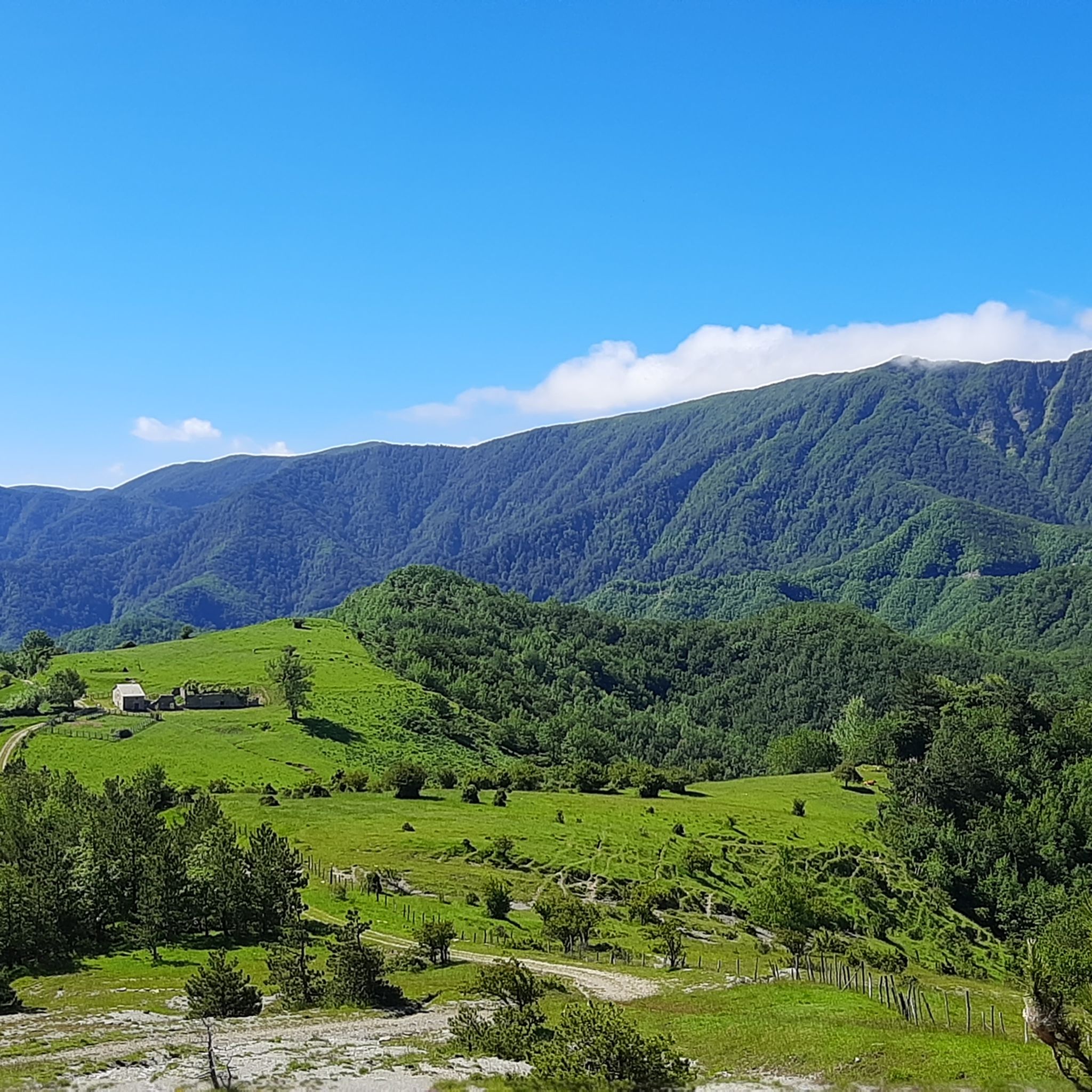
Best attractions and places to see around Foreste Casentinesi, Monte Falterona, Campigna National Park include a diverse landscape of ancient forests, significant religious sites, and natural waterfalls. This region, part of the Tuscan-Romagnolo Apennines, offers a mix of cultural heritage and natural beauty. The Foreste Casentinesi, Monte Falterona, Campigna National Park is characterized by its extensive beech and fir forests, high mountain peaks, and numerous water features. Visitors can explore historical hermitages and sanctuaries nestled within the natural landscape.
Best…
Last updated: May 9, 2026
La Verna Sanctuary
Highlight • Religious Site
Translated by Google •
Tip by

View of Acquacheta Waterfall
Highlight • Waterfall
The evocative beauty of the …
Translated by Google •
Tip by

Sign up now to discover places like this
Get recommendations on the best single tracks, peaks, & plenty of other exciting outdoor places.
Sign up for free
Camaldoli Hermitage
Highlight • Religious Site
Translated by Google •
Tip by
Sega Waterfalls
Highlight • Waterfall
Translated by Google •
Tip by

Mount Falco
Highlight • Summit
Translated by Google •
Tip by

Sign up for free to discover even more attractions around Parco Nazionale delle Foreste Casentinesi, Monte Falterona e Campigna.
Sign up for free
Already have an account?
Start today with a free account
Your next adventure awaits.
Login or Signup
Popular around Parco Nazionale delle Foreste Casentinesi, Monte Falterona e Campigna
In the footsteps of St. Francis - Cammino di Assisi
Cycle the St. Francis Way in Italy – Via del Nord
Camaldoli to Carpegna – Alta Via dei Parchi (part 5)
Marradi to Camaldoli – Alta Via dei Parchi (part 4)
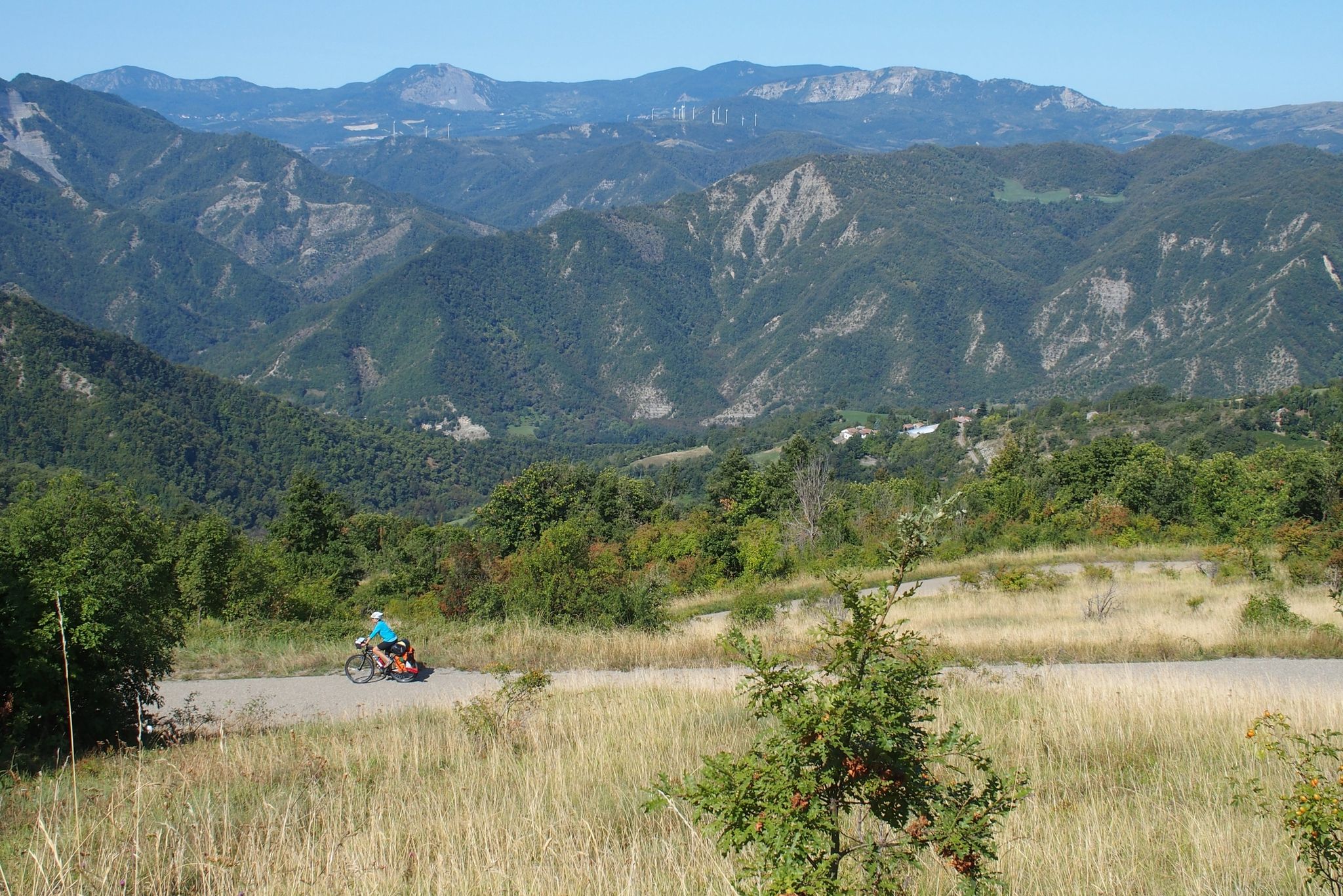
Eastern Mugello – up and down in the Apennines
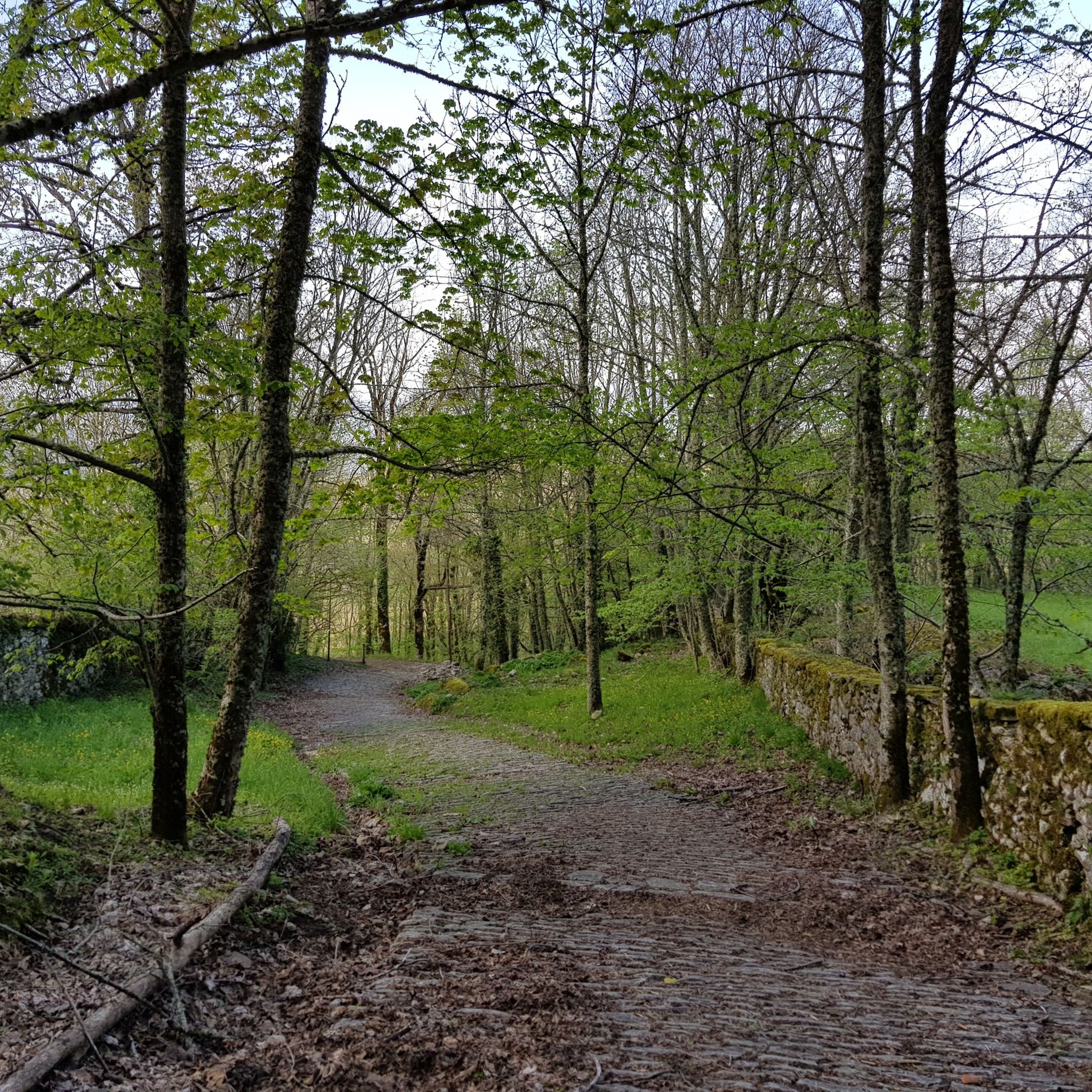
Hiking around Foreste Casentinesi, Monte Falterona, Campigna National Park
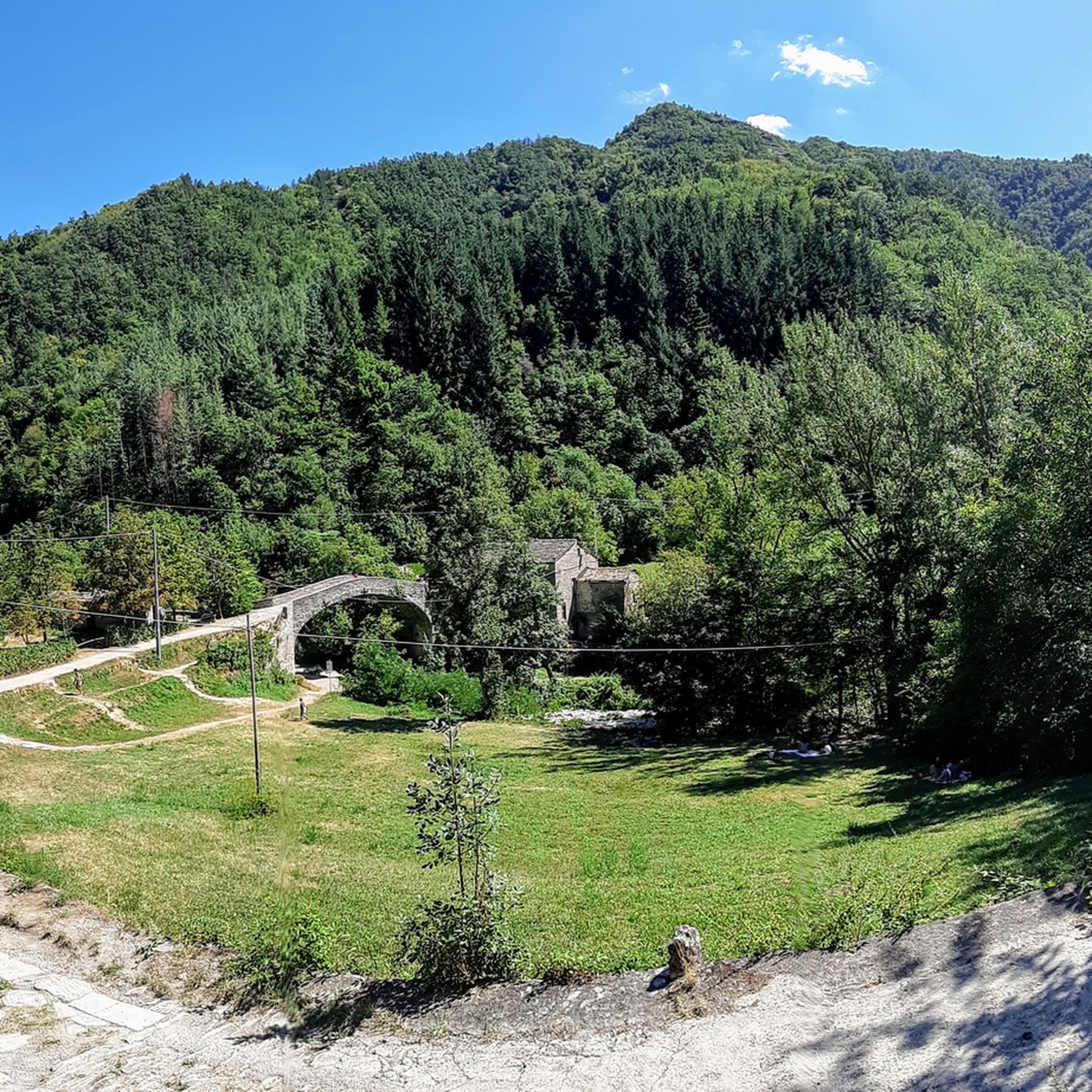
MTB Trails around Foreste Casentinesi, Monte Falterona, Campigna National Park
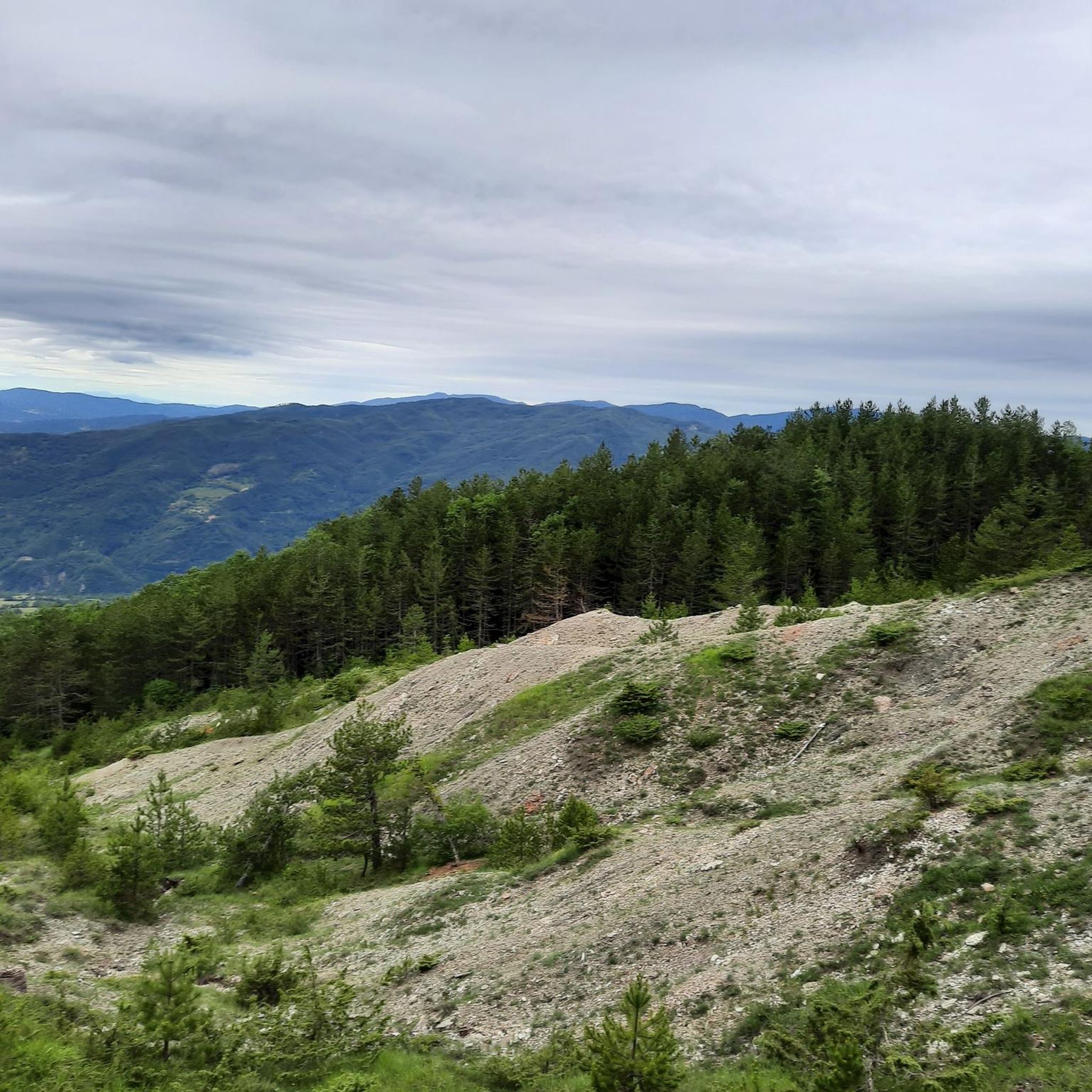
Running Trails around Foreste Casentinesi, Monte Falterona, Campigna National Park
Cycling around Foreste Casentinesi, Monte Falterona, Campigna National Park

Gravel biking around Foreste Casentinesi, Monte Falterona, Campigna National Park
Other adventures around Parco Nazionale delle Foreste Casentinesi, Monte Falterona e Campigna


Tips from the Community

A particularly beautiful destination in winter 🥰
1
0

Of course, very easy. It can be reached very well by bike.
0
0

The place where the sanctuary is located today was donated to Saint Francis by Count Orlando Cattani of Chiusi in 1213. First a hermitage was founded which became a recurring destination for Francis and his disciples for periods of meditation and prayer. Francis stayed here for the last time in 1224. It was precisely on the occasion of that last visit that the Saint received the stigmata. The complex includes the small church of Santa Maria degli Angeli built by Francis himself, the corridor and the Chapel of the Sacred Stigmata and the Basilica dedicated to Santa Maria Assunta where you can admire the Annunciation by the sculptor Andrea della Robbia. The sanctuary is surrounded by the monumental forest of La Verna, a forest of fir and beech trees cared for over the centuries by the Franciscan friars.
4
0
The hermitage of Camaldoli was founded around 1025 AD by the hermit friar Romualdo, today San Romualdo. At the beginning the structure had five cells for hermits and a church for common prayer. Today there are twenty cells and the most "recent" dates back to 1743. Over the centuries, other common structures have been built: the refectory, the library and the guesthouse. All the cells are built following the model of the first cell of San Romualdo, still visible although incorporated by the library: it is a small house with a garden surrounded by walls. The internal spaces of the hermitage can only be visited during guided tours; the timetables can be found on the Camaldoli community website.
1
1
This location takes its name from the erosive phenomenon caused by the Rabbi river, in fact at this point the waters of the river have cut the rock on which they flowed into three parts, creating two small waterfalls. Below them a wonderful natural swimming pool has formed, ideal for a refreshing swim in the warmer months.
1
0

Mount Falco stands on the border between Arezzo and Florence and is also known as the "Roof of the Casentinesi Forests". With its 1,658 meters of altitude, it is the highest peak in the Tuscan-Romagnolo Apennines, exceeding the adjacent Mount Falterona by just four metres. To protect the alpine and subalpine vegetation present here, which is rare for these areas, an integral nature reserve has been established in this area.
3
0

The Holy Mountain of La Verna, as “the raw rock between the Tiber and the Arno…” is called, is the place where the “stigmatized” Francis wanted to relive the same torments that Christ suffered on Calvary. The monastery is located on the Alverna elevation on the southwest slope of Monte Penna north of Chiusi della Verna at 1,128 meters. Places worth seeing in this place of pilgrimage are the Basilica of St. Mary, Queen of Angels (S. Maria degli Angeli) and the chapel of the same name, the so-called “Outstanding Rock” (Sasso Spicco), the Corridor of the Stigmata and the Chapel of the Stigmata (Cappella delle Sacrestimmate).
4
1
Here you find yourself at the foot of the rock, which is cut vertically, and look up to the sky to admire the magnificence of the rock! The path from Rimbocci up to La Verna is quite strenuous because you have to overcome a large difference in altitude (a good 600m) in just a few km. It leads to an old donkey path, on which you continue uphill with a steep incline to the monastery.
4
0
Frequently Asked Questions
What historical and religious sites are notable in Foreste Casentinesi, Monte Falterona, Campigna National Park?
The region is rich in spiritual heritage. You can visit the significant La Verna Sanctuary, where Saint Francis is said to have received the stigmata. Another important site is the Camaldoli Hermitage, founded by Saint Romuald in the 11th century, nestled within a centuries-old forest.
Are there any impressive waterfalls to see in the area?
Absolutely. The View of Acquacheta Waterfall is a must-see, with its waters cascading over 70 meters onto stratified rock. Another beautiful spot is the Sega Waterfalls, known for its natural swimming pool formed by the Rabbi river.
What are the best times to visit Foreste Casentinesi, Monte Falterona, Campigna National Park for hiking?
The park is beautiful year-round, but for hiking, spring (April-May) and autumn (September-October) offer pleasant temperatures and stunning scenery, especially with the autumn foliage. Summer is also popular, particularly for higher elevations, but can be warmer. Winter offers opportunities for snowshoeing and cross-country skiing, especially in areas like Campigna.
Are there family-friendly walks or activities available?
Many trails within the park are suitable for families, offering varying levels of difficulty. The area around the Sega Waterfalls, for example, provides a refreshing natural swimming pool in warmer months, which can be a fun stop for families. Look for trails marked as 'easy' or 'intermediate' for suitable options.
Can I find wild swimming spots in the Monte Falterona area?
Yes, the Sega Waterfalls is a popular spot where the Rabbi river has created a wonderful natural swimming pool, ideal for a refreshing dip during warmer months. The Acquacheta area also has smaller pools, though the main waterfall is more for viewing.
What outdoor activities, besides visiting attractions, can I do in the park?
The park is excellent for various outdoor activities. You can explore numerous hiking trails, including waterfall hikes like the 'Anello dell’Acquacheta'. Road cycling is also popular, with routes such as the 'Camaldoli Monastery – Camaldoli Hermitage loop'. For more ideas, check out the hiking routes and road cycling routes available.
Are there any high peaks or viewpoints worth visiting?
Yes, Mount Falco is the highest peak in the Tuscan-Romagnolo Apennines at 1,658 meters, offering expansive views. An integral nature reserve protects its rare alpine vegetation. It's a challenging but rewarding climb for those seeking panoramic vistas.
What should I wear for hiking in Foreste Casentinesi during autumn?
For autumn hiking, layering is key. Temperatures can vary, so bring moisture-wicking base layers, a warm mid-layer (fleece or light down), and a waterproof and windproof outer shell. Sturdy hiking boots with good ankle support are essential, along with warm socks. A hat, gloves, and a backpack with water and snacks are also recommended.
Are there dog-friendly trails in the Monte Falterona area?
Many trails within the Foreste Casentinesi, Monte Falterona, Campigna National Park are dog-friendly, provided dogs are kept on a leash to protect wildlife and ensure the safety of other visitors. Always check specific trail regulations before heading out, especially in integral nature reserves like the one on Mount Falco.
Are there cafes or pubs near the main attractions?
While the park emphasizes natural beauty and tranquility, you can find small cafes, trattorias, and sometimes guesthouses with dining options in the villages surrounding the main attractions, such as near Camaldoli or San Benedetto in Alpe. It's advisable to check opening hours in advance, especially during off-peak seasons.
What do visitors enjoy most about Foreste Casentinesi, Monte Falterona, Campigna National Park?
Visitors frequently praise the park's ancient, monumental forests, the serene atmosphere of its religious sites like La Verna and Camaldoli, and the dramatic beauty of its waterfalls, particularly Acquacheta. The opportunity for peaceful hikes and connecting with nature in a historically rich setting is highly valued.
Are there any circular walks recommended for day trips?
Yes, the park offers several excellent circular walks. A popular option is the 'Anello dell’Acquacheta', which allows you to experience the famous waterfall and surrounding forest. Many other routes are designed as loops, providing varied scenery without retracing your steps. You can find more details on hiking guides for the area.
Most popular routes around Parco Nazionale delle Foreste Casentinesi, Monte Falterona e Campigna
Most popular attractions around Parco Nazionale delle Foreste Casentinesi, Monte Falterona e Campigna

Get inspired with the komoot mobile app


Explore more
Still not found the Highlight you’re looking for? See guides of the top attractions in other regions:
