The best walks and hikes around Roztoczański Park Narodowy
4.8
(109)
1,474
hikers
20
hikes
Hiking around Roztoczański Park Narodowy offers diverse trails through a landscape dominated by extensive, old-growth forests, primarily composed of fir and beech trees. The terrain features gentle rolling hills and distinctive limestone formations, with elevations like Bukowa Góra reaching 310 meters. The region is also shaped by the upper Wieprz river valley, with numerous springs and wetlands, including the Echo Ponds. This geological and climatic diversity creates varied habitats for a wide array of plant and animal species.
Best hiking trails around Roztoczański Park Narodowy
- The most popular hiking route is Stawy Echo - Hodowla Konika Polskiego przez Szlak Krawędziowy: Roztoczański Park Narodowy, an 8.3 miles (13.3 km) trail that takes 3 hours 30 minutes to complete. This moderate route connects scenic ponds with the Polish Konik breeding center.
- Another top favourite among local hikers is Pętla Stawy Echo - ścieżka na Piaseczną Górę: Roztoczańskie Park Narodowy, a moderate 2.9 miles (4.7 km) path. This loop trail offers views around the Echo Ponds and ascends to Piaseczna Góra.
- Local hikers also love the Historical and natural trail to Wzgórze Polak: Roztoczański Park Narodowy, a 1.5 miles (2.4 km) trail leading through historical and natural points of interest, often completed in about 40 minutes.
- Hiking around Roztoczański Park Narodowy is defined by dense fir and beech forests, rolling hills, and river valleys with wetlands. The network offers options for various ability levels, from easy walks to moderate hikes.
- The routes in Roztoczański Park Narodowy are highly rated by the komoot community with an average score of 4.9 stars from over 80 reviews. More than 1,100 hikers have used komoot to explore Roztoczański Park Narodowy's varied terrain.
Last updated: May 31, 2026
4.8
(5)
37
hikers
Moderate hike. Good fitness required. Easily-accessible paths. Suitable for all skill levels.
5.0
(5)
34
hikers
Moderate hike. Great for any fitness level. Mostly accessible paths. Sure-footedness required.

Sign up for free
3.7
(7)
23
hikers
7.76km
02:07
120m
120m
Moderate hike. Good fitness required. Mostly accessible paths. Sure-footedness required.
Easy hike. Great for any fitness level. Easily-accessible paths. Suitable for all skill levels.
4.8
(4)
79
hikers
6.05km
01:39
100m
90m
Easy hike. Great for any fitness level. Easily-accessible paths. Suitable for all skill levels.
Get access to more routes and recommendations from other explorers.
Sign up for free
Already have an account?
Our route recommendations are based on thousands of hikes, rides, and runs completed by other people on komoot.
Start today with a free account
Your next adventure awaits.
Login or Signup
Tips from the Community

On the Polish side, the battle was fought by a unit commanded by Colonel Marcin Lelewel Borelowski (700-800 people) and a unit led by Kajetan Ćwiek Cieszkowski (400 people). Both of these units had taken part in the Battle of Biłgoraj the day before; after the clash, they merged into one unit. On the Russian side, Major Mikołaj Sternberg commanded; his forces numbered – according to various sources – from 3 to 4 thousand soldiers. The Russian units consisted of 5 infantry companies, a squadron of dragoons and two Cossack sotnias. The Russians also had four cannons. Borelowski commanded the Polish forces from Polak Hill, where a monument to the insurgents currently stands and there are boards with descriptions in Polish and Hungarian.
0
0
Piaseczna Góra is a hill in Roztocze, 298 m above sea level, located within the Roztocze National Park.
0
0

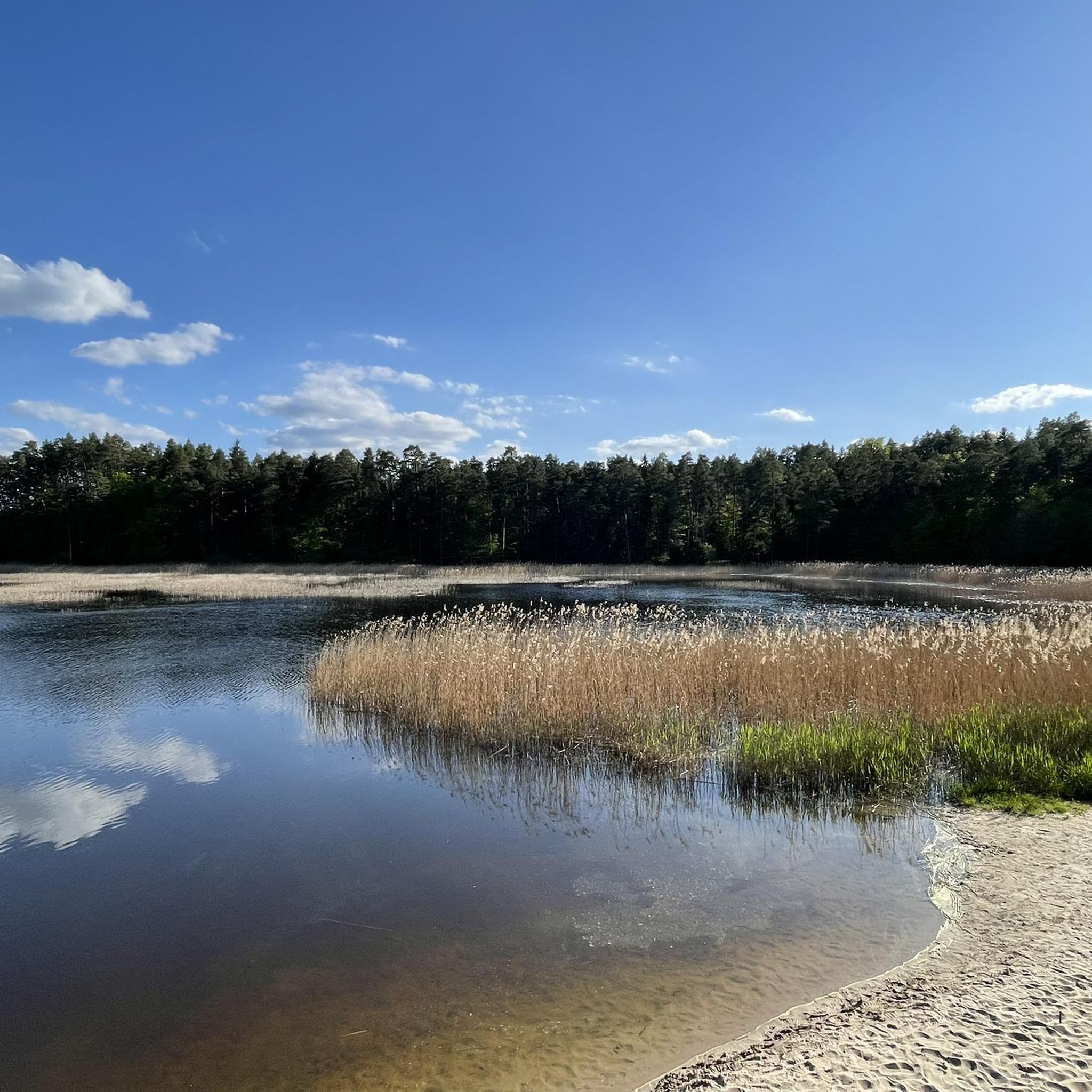
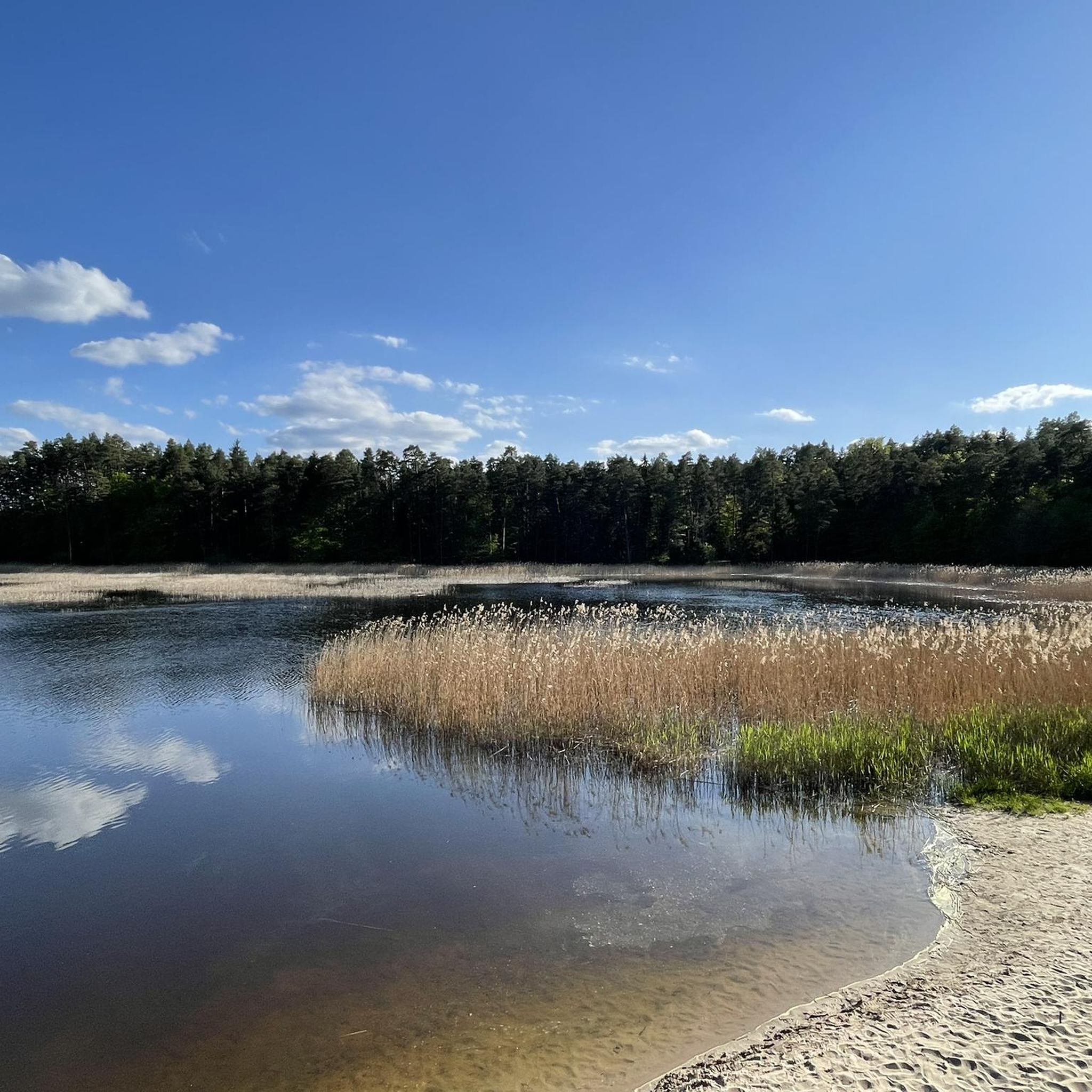
During my stay the ponds were almost dry.
0
0
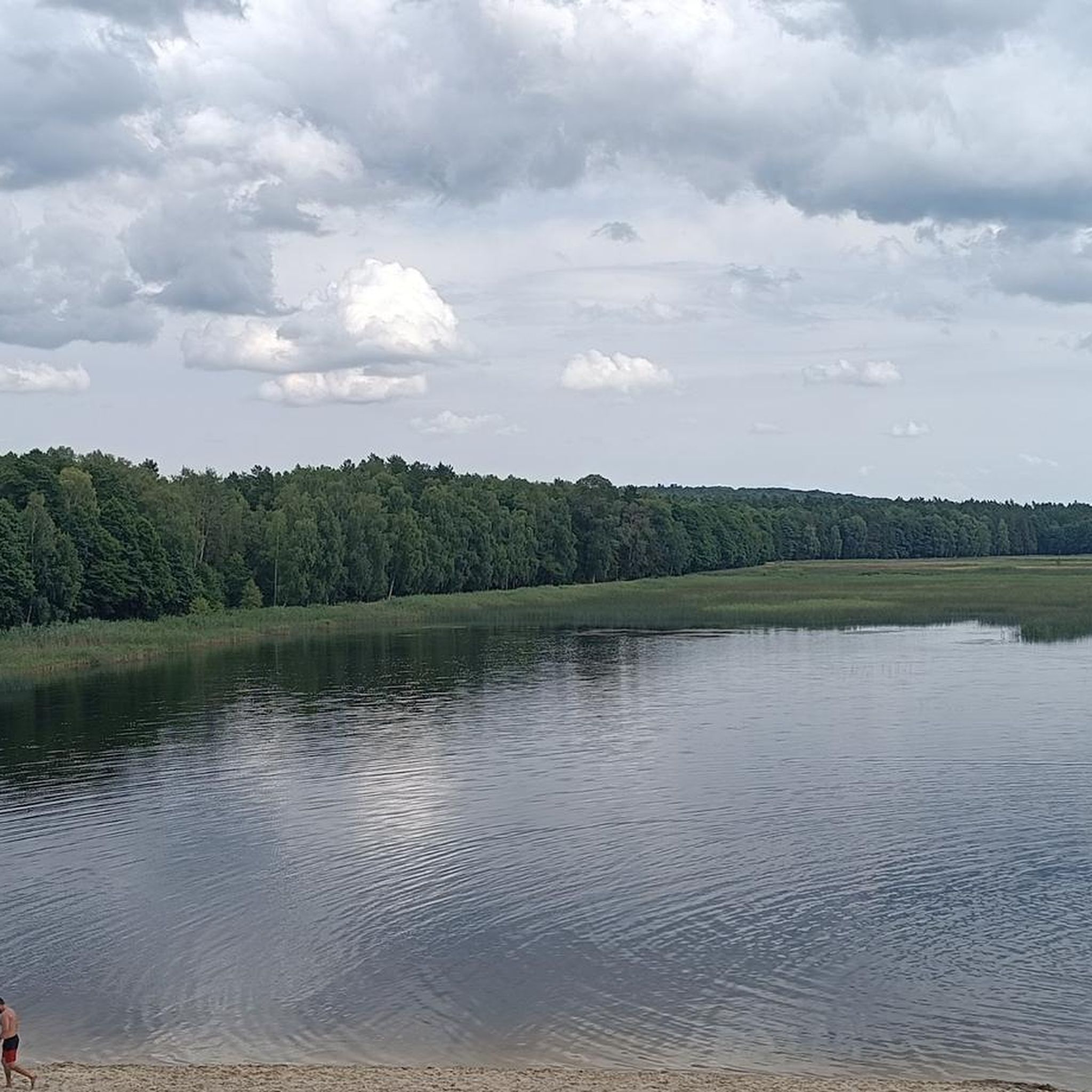
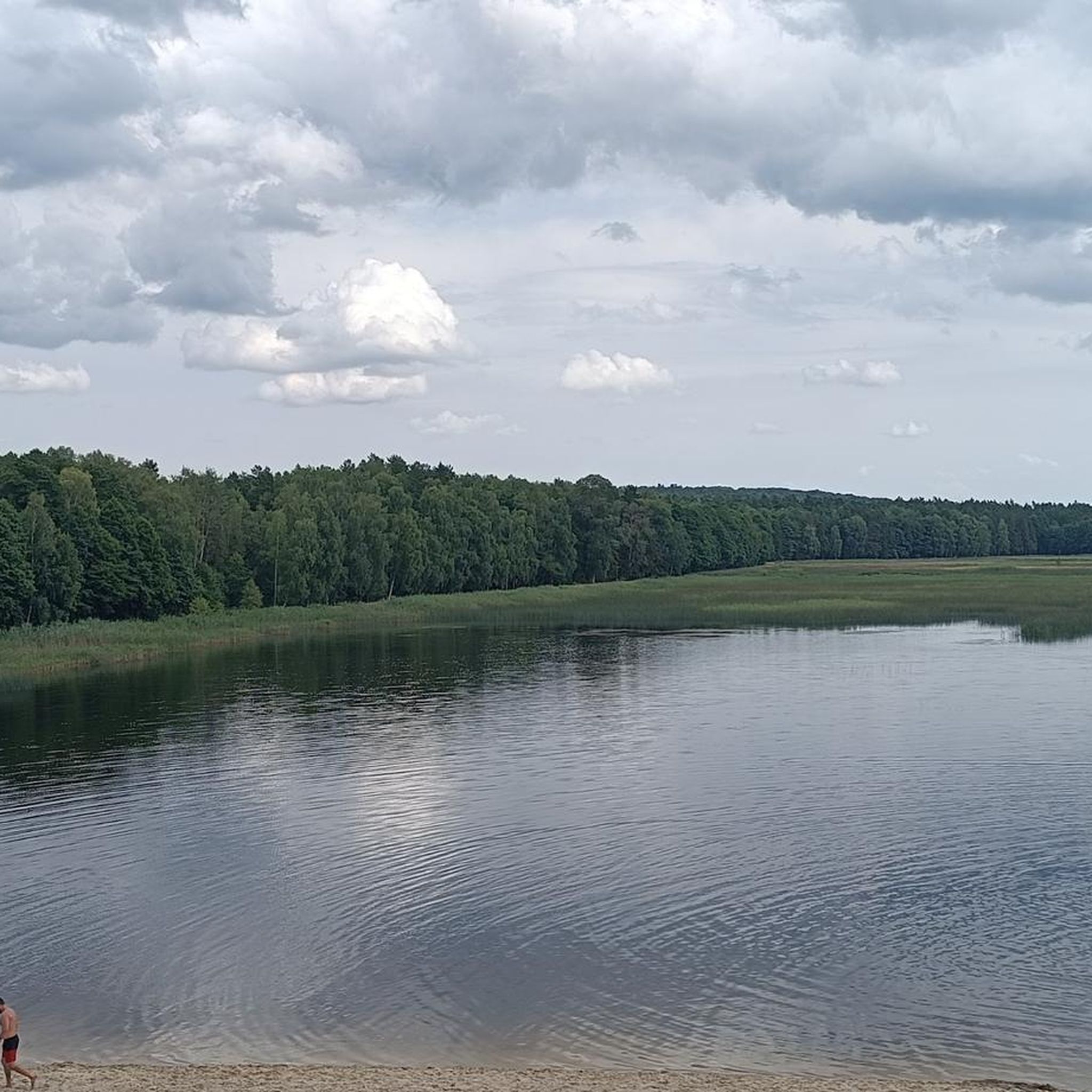
Crowded but pleasant. You can relax.
1
0

Battlefield of 1863
1
0

The Florianka settlement and the Konik Polski Ostoja in the Roztocze National Park are an ideal place to get to know these interesting animals (a Polish breed of late-maturing horse of the primitive type). Sometimes the horses that are in the paddock come to the fence and you can pet them. An extremely atmospheric place. In the settlement you can eat fresh cake and drink coffee.
3
0
Gościniec Florianiecki in the Roztocze forests is a beautiful, paved bicycle and walking trail. It is an 11-kilometer forest trail that connects Echo Ponds in Zwierzyniec and the village of Górecko Stare. Along the way, you will pass the Forest Chamber (the ethnographic museum of the Roztocze National Park), the Florian oak and a Polish horse breeding farm.
3
0
The path is part of the 67-kilometer trail named after Aleksandra Wachniewska, who contributed to the creation of nature reserves in Roztocze and the Roztocze National Park. The trail surrounds the Central Roztocze. This part of the trail leads from the Monument to the Soldiers of the Zamość Uprising to the site of the Battle of Wojda in 1942.
2
0
Frequently Asked Questions
Are there easy hiking trails suitable for beginners in Roztoczański Park Narodowy?
Yes, Roztoczański Park Narodowy offers a good selection of easy trails. Out of the 16 available routes, 11 are classified as easy, making them perfect for beginners or those looking for a relaxed walk. An example is the Historical and natural trail to Wzgórze Polak, which is 2.4 km long and takes about 40 minutes.
Does Roztoczański Park Narodowy offer circular hiking routes?
Yes, the park features several circular routes that allow you to start and end at the same point. A popular option is the Pętla Stawy Echo - ścieżka na Piaseczną Górę, a moderate 4.7 km loop trail offering views around the Echo Ponds and an ascent to Piaseczna Góra.
What interesting natural attractions can I see while hiking in the park?
While hiking, you can explore several natural highlights. The Echo Ponds Beach and its Observation Tower are popular spots. You might also encounter the Florian Oak, a notable natural monument, or the serene Czarny Staw. The park is also known for its extensive old-growth forests, including some of Poland's largest fir trees.
Where can I find the best viewpoints in Roztoczański Park Narodowy?
For panoramic views, head to Viewpoint on Bukowa Góra. This elevation, reaching 310 meters, offers scenic vistas over the surrounding areas and the village of Sochy. Educational boards along the path explain the local forest habitats.
What kind of wildlife might I encounter in Roztoczański Park Narodowy?
Roztoczański Park Narodowy is rich in wildlife. You might spot deer, roe deer, wild boars, wolves, lynxes, foxes, badgers, and martens. The Wieprz valley is home to a thriving beaver population. The park is also a stronghold for the Polish Konik, a descendant of the wild tarpan, which you can observe at the breeding center in Florianka.
Are there family-friendly hiking options in Roztoczański Park Narodowy?
Yes, many trails are suitable for families. The park's network includes easy walks and cognitive paths designed for educational and accessible experiences. The area around the Echo Ponds, with its sandy beach and observation decks, is particularly popular with families, and you can often see Polish Koniks grazing nearby.
Can I bring my dog on the hiking trails in Roztoczański Park Narodowy?
As a national park, specific regulations regarding dogs may apply to protect wildlife and natural habitats. It's generally advisable to check the official park website (rpn.gov.pl) for the most current rules on bringing dogs onto trails before your visit.
When is the best time of year to go hiking in Roztoczański Park Narodowy?
The park is beautiful year-round, but spring and autumn offer particularly pleasant hiking conditions. In spring, the forests burst with new growth and wildflowers, while autumn brings vibrant colors to the extensive fir and beech trees. Summer is also popular, but can be warmer, and winter offers a unique, serene experience for those prepared for snow.
What do other hikers say about their experience in Roztoczański Park Narodowy?
The area is highly rated by the komoot community, with an average score of 4.9 stars from over 80 reviews. Hikers often praise the tranquil atmosphere, the well-maintained paths, and the diverse natural landscapes, especially the old-growth forests and the scenic Echo Ponds.
Is parking available near the trailheads in Roztoczański Park Narodowy?
Yes, parking facilities are generally available at key entry points and popular attractions within and around the park, such as near Zwierzyniec and the Echo Ponds. These areas are designed to accommodate visitors accessing the trail network.
How can I reach Roztoczański Park Narodowy using public transport?
The main gateway town to Roztoczański Park Narodowy is Zwierzyniec. While public transport options directly into the park's trailheads might be limited, you can typically reach Zwierzyniec by bus from larger nearby cities. From Zwierzyniec, many popular trails and attractions are accessible on foot or via local transport services.
Are there any trails that feature water bodies or wetlands?
Absolutely. The park is shaped by the upper Wieprz river valley, featuring numerous springs and wetlands. The Stawy Echo - Hodowla Konika Polskiego przez Szlak Krawędziowy route connects scenic ponds, and the Echo Ponds themselves are a central water feature with a sandy beach and observation decks.
What makes the forests of Roztoczański Park Narodowy unique?
The forests are a defining feature, primarily composed of extensive, old-growth fir and beech trees, covering about 95% of the park. They are home to some of Poland's largest fir trees, reaching up to 50 meters in height, and feature over 400 ancient 'nature monument' trees, showcasing a remarkable level of preservation.
Most popular routes around Roztoczański Park Narodowy
Most popular attractions around Roztoczański Park Narodowy

Get inspired with the komoot mobile app


Explore more
Browse the best Hikes in other regions.
