The best road cycling routes around Ria Formosa
4.3
(114)
2,970
riders
143
rides
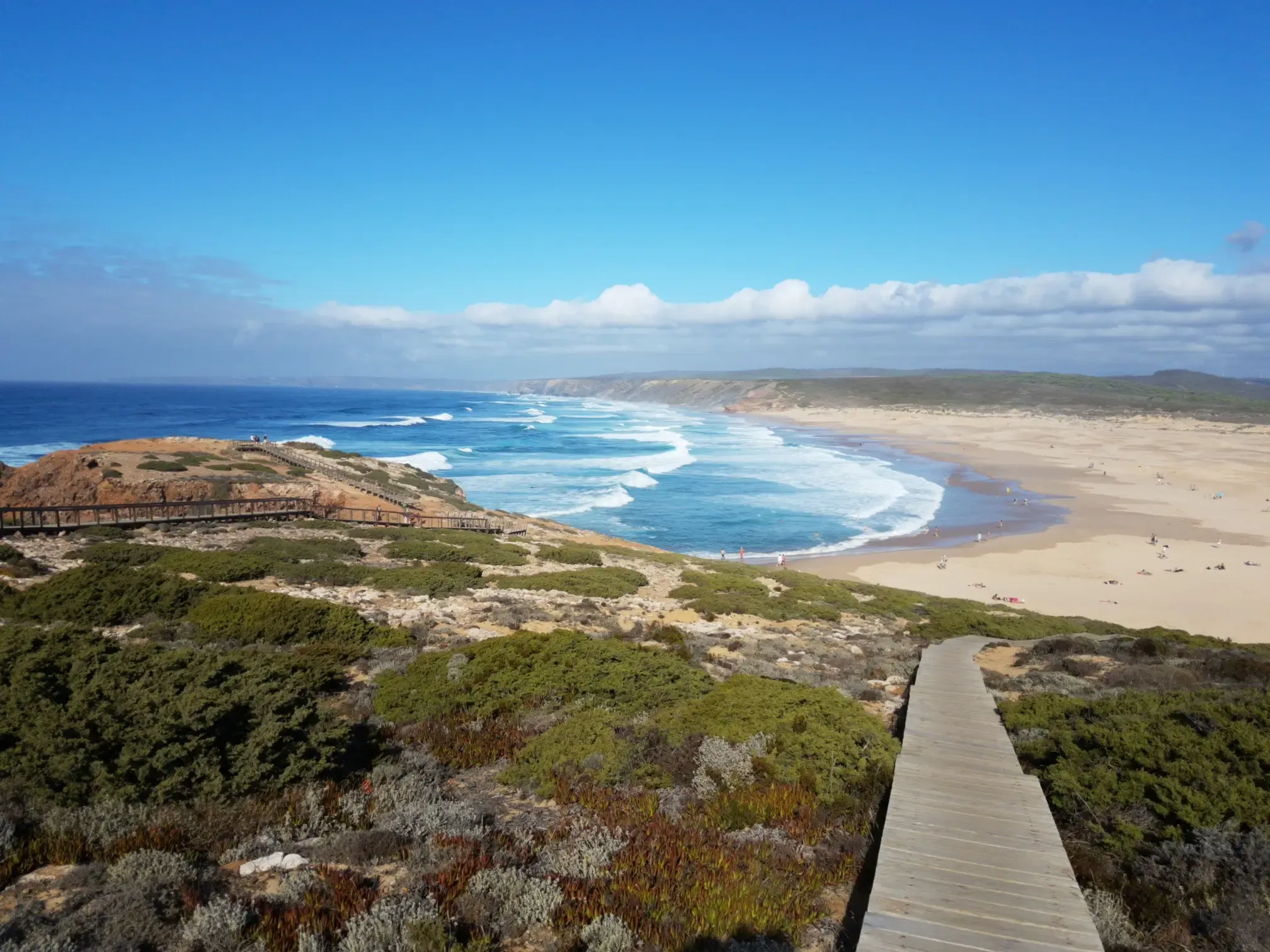
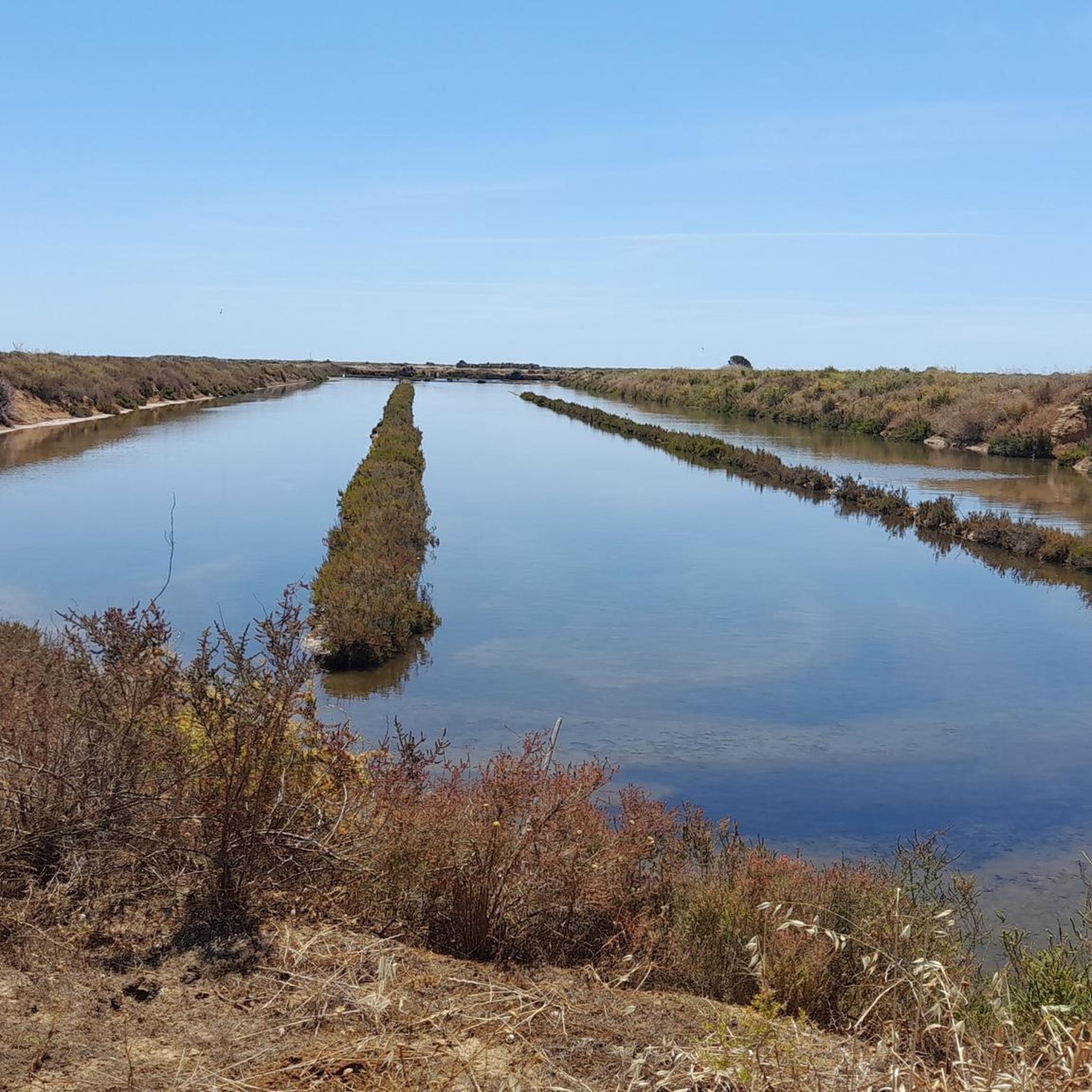
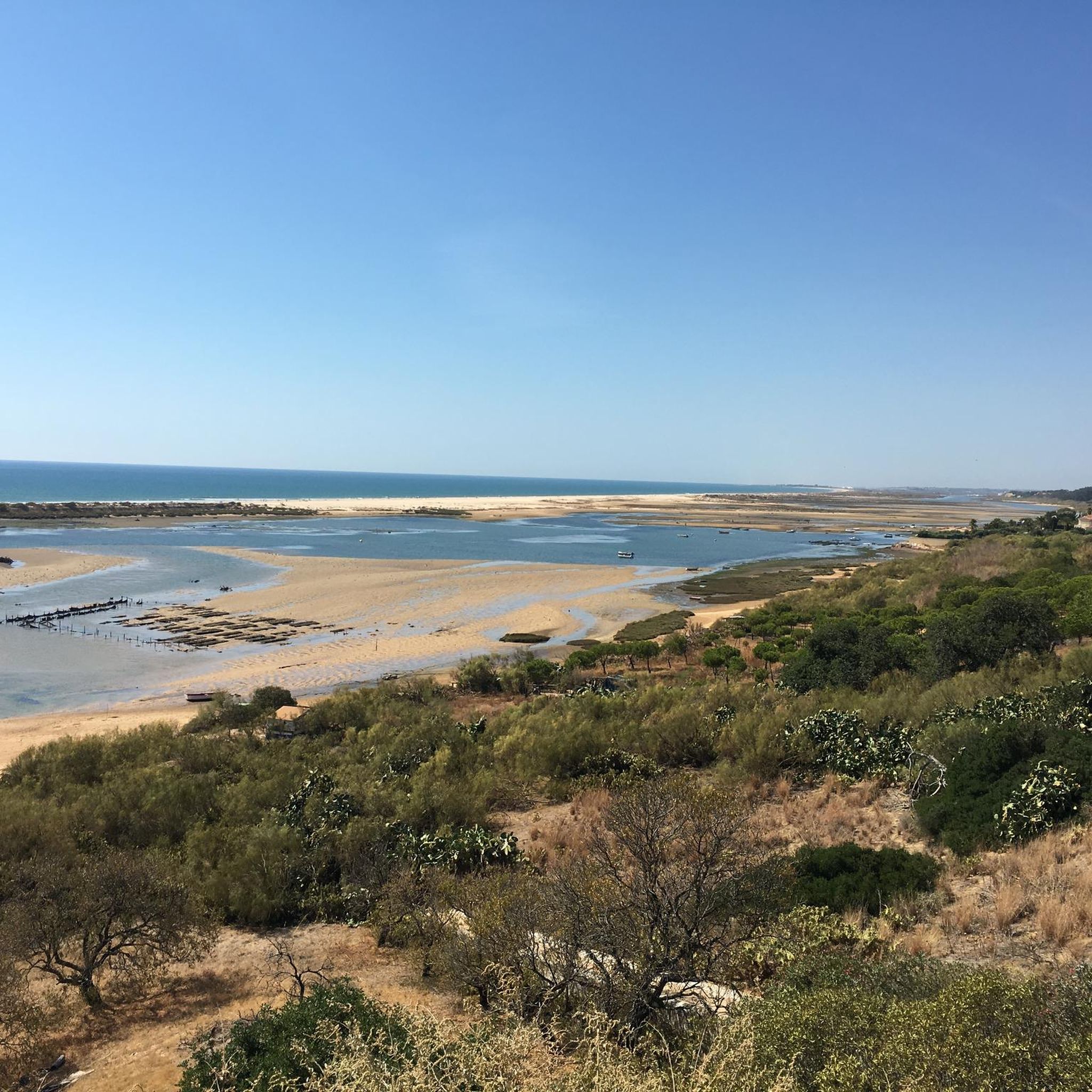
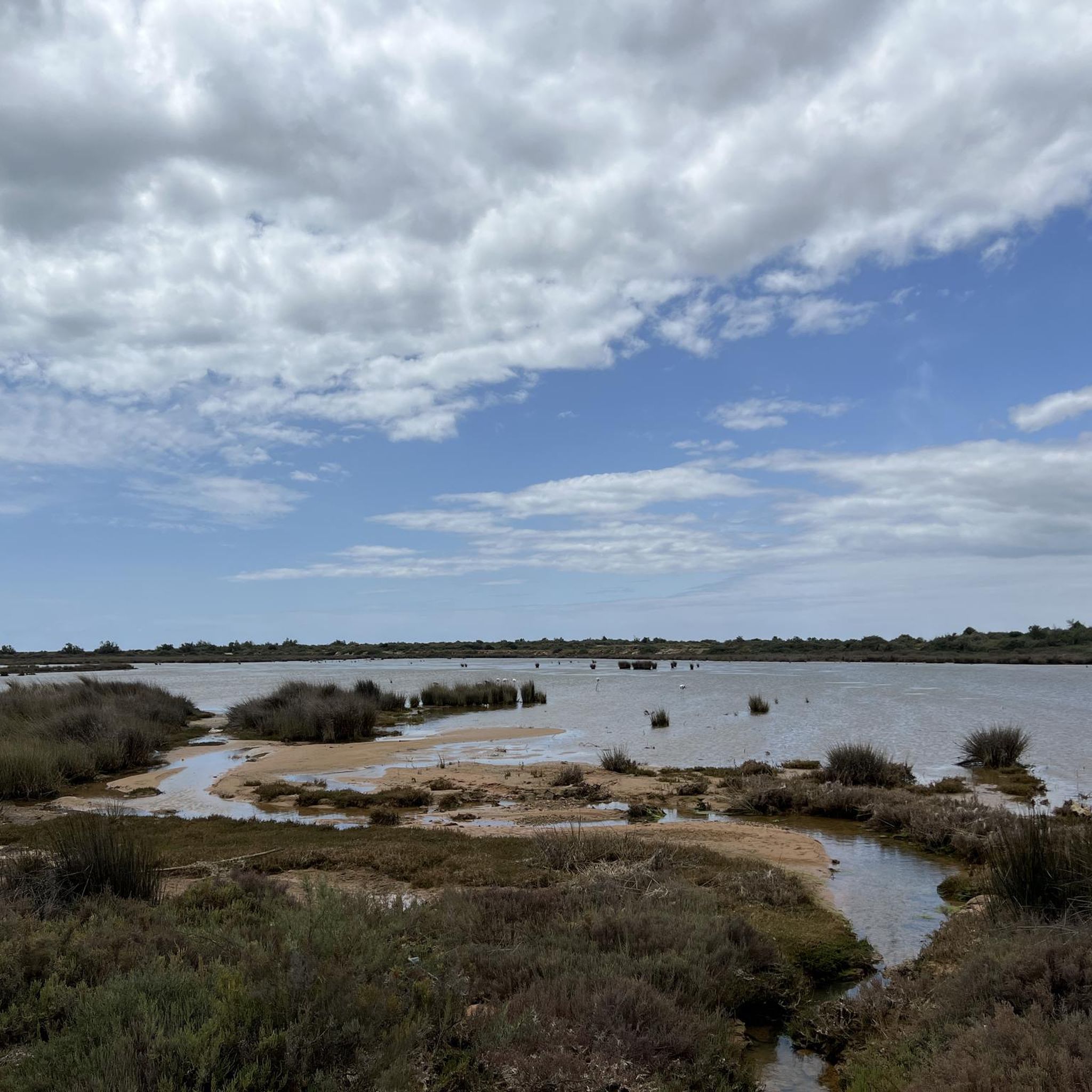
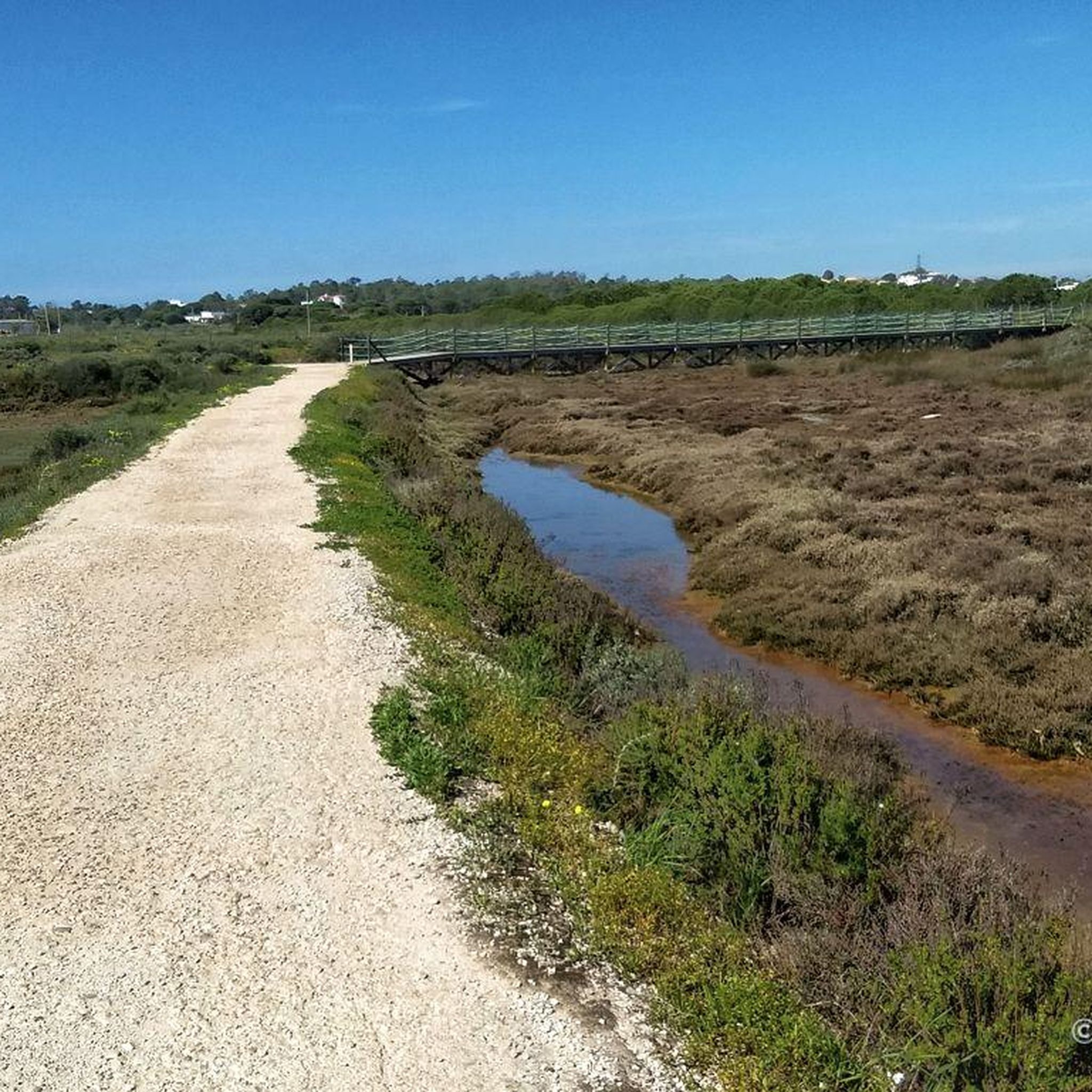
Road cycling around Ria Formosa offers a unique blend of flat, scenic terrain and diverse natural features. The region is characterized by a dynamic coastal lagoon system, extensive salt pans, and barrier islands, providing varied landscapes for cyclists. Dedicated cycling paths, including sections of the Eurovelo 1, traverse this internationally important wetland. While much of the terrain is flat and well-paved, some longer routes may include unpaved segments or gentle ascents, catering to different fitness levels.
Best road cycling routes…
Last updated: October 10, 2026
4.3
(6)
35
riders
74.0km
03:06
440m
440m
Moderate road ride. Good fitness required. Mostly well-paved surfaces and easy to ride.
4.6
(5)
45
riders
47.8km
02:04
280m
280m
Moderate road ride. Good fitness required. Mostly well-paved surfaces and easy to ride.

3
riders
155km
07:42
2,220m
2,220m
Hard road ride. Very good fitness required. Mostly well-paved surfaces and easy to ride.
4.5
(12)
259
riders
49.9km
02:12
290m
290m
Moderate road ride. Good fitness required. Some segments of this route may be unpaved and difficult to ride.
3.7
(3)
172
riders
Moderate road ride. Good fitness required. Some segments of this route may be unpaved and difficult to ride.
Get access to more routes and recommendations from other explorers.
Already have an account?
Our route recommendations are based on thousands of hikes, rides, and runs completed by other people on komoot.
Start today with a free account
Your next adventure awaits.
Other adventures around Ria Formosa

Tips from the Community

Vila Real de Santo António is located on the Gulf of Cádiz, which is part of the Atlantic Ocean, and on the right bank of the Guadiana River, whose lower reaches form the border between Portugal and Spain. The town boasts several attractions, charming restaurants, bars, and cafés! And of course, a lighthouse! 👀 A ferry ⛴️ runs hourly to the Spanish town of Ayamonte. ...
3
0
Vila Real de Santo António is located on the Gulf of Cádiz, which is part of the Atlantic Ocean, and on the right bank of the Guadiana River, whose lower reaches form the border between Portugal and Spain. The town offers several attractions, charming restaurants, bars, and cafés! A ferry ⛴️ provides convenient hourly service to the Spanish town of Ayamonte.
3
0
Vila Real de Santo António is a municipality and town in the Faro District of Portugal. It lies on the Gulf of Cádiz, which is part of the Atlantic Ocean, and on the right bank of the Guadiana River, whose lower reaches form the border between Portugal and Spain. Ayamonte, in Spain, lies on the opposite bank of the Guadiana River.
4
0
Vila Real de Santo António is a municipality and town in the Faro District of Portugal. It lies on the Gulf of Cádiz, which is part of the Atlantic Ocean, and on the right bank of the Guadiana River, whose lower reaches form the border between Portugal and Spain. Ayamonte, in Spain, lies on the opposite bank of the Guadiana River.
3
0
A very well-developed cycle path with the following destinations: Olhão is a city in Portugal with 14,206 inhabitants (as of April 19, 2021). Olhão is located in the so-called Sand Algarve, the Sotavento. This is the name given to the region that stretches between Faro Airport and the Spanish border in eastern Portugal. Among the numerous architectural monuments are a number of historic public buildings, various social housing blocks from the Estado Novo regime, the 17th-century fortress, and two Baroque parish churches. The historic town center as a whole is also a protected monument, and a tidal mill can be visited just outside the city. The Ria Formosa Natural Park is a nature park surrounding a lagoon in the southern Portuguese Algarve. With a protected area of 170 km², the lagoon is one of the largest lagoonal nature reserves in Europe. The lagoon itself covers 83.5 km². Fuseta, also known as Fuzeta, is a town and former municipality on the Algarve coast in southern Portugal. The German author Holger Karsten Schmidt, writing under the pseudonym Gil Ribeiro, created a crime series set here.
4
0

The Gilão River flows through the center of Tavira and plays a significant role in the city's history and life. It flows into the Ria Formosa lagoon, making Tavira an important trading and fishing center in the past. Along its banks lie characteristic white houses, bridges, and pleasant promenades. The river is lined with cafés, restaurants, and parks, such as the Jardim do Coreto, making it a beautiful place to stroll, enjoy the views, and experience Tavira's local atmosphere.
3
0

Noble house dating back to the 17th century and belonging to the Falcão family.
11
0
The Mata Natural Reserve encompasses a 3-kilometer stretch of pine forest, connecting Vila Real de Santo António and Monte Gordo. The Vila Real de Santo António Coastal Dunes National Forest plays a protective role in this region, serving as a means of securing the dune system, controlling sea winds, and sheltering wildlife. The forest is home to a significant population of chameleons, a reptile that has one of the last strongholds of its natural habitat here. The sandy soil, covered almost exclusively by maritime pine and some localized patches of stone pine, makes it difficult for vegetation to establish itself. The forest currently serves an important social function, the maintenance of which is essential for improving the quality of life of the surrounding population. The fauna and flora, combined with the fresh environment of this location, are an attractive invitation for hiking or sports activities. Every year, athletes use the forest for their training camps for Olympic or international competitions. Next to Monte Gordo is a picnic area where you can relax in the shade of the stone pines or go picnicking. (Source: www.cm-vrsa.pt)
13
0
Frequently Asked Questions
How many road cycling routes are available in Ria Formosa?
Ria Formosa offers a wide variety of road cycling routes, with over 150 options recorded on komoot. These routes cater to all skill levels, including 23 easy, 103 moderate, and 25 difficult trails, ensuring there's a suitable ride for everyone.
What kind of terrain can I expect on road cycling routes in Ria Formosa?
The region is predominantly flat, making it ideal for leisurely rides and accessible to cyclists of all levels. You'll find dedicated cycling paths, including sections of the Eurovelo 1 and the 'Ecovia Litoral', offering stunning vistas of the lagoon system, salt pans, and coastal towns. While most surfaces are well-paved, some longer routes might include short unpaved segments.
Are there routes suitable for beginners or families in Ria Formosa?
Yes, the flat topography of Ria Formosa makes it excellent for beginners and families. Many routes are designed for leisurely rides, offering picturesque and safe environments. For example, the Ria Formosa Natural Park Loop from Faro is a moderate 29.7-mile path that provides scenic coastal views without significant climbs.
What are the typical elevation gains on road cycling routes in Ria Formosa?
Most road cycling routes in Ria Formosa feature relatively low elevation gains due to the region's flat coastal landscape. For instance, the Ria Formosa Natural Park Loop, a 46-mile route, has an elevation gain of around 438 meters. However, for those seeking a challenge, routes like the Faro - Alto do Malhão Loop offer significant climbs, with over 2,200 meters of elevation gain.
What natural features can I see along the cycling paths in Ria Formosa?
Ria Formosa is a dynamic maze of islands, sandbars, lagoons, canals, and marshes. Cyclists can enjoy views of extensive salt pans, often displaying a fascinating pink hue, and diverse habitats including dunes and pine woods. The park is a crucial stopover for migratory birds, so keep an eye out for flamingos, spoonbills, and storks. You'll be cycling through the Ria Formosa Natural Park, an internationally important wetland.
Are there any historical or cultural attractions to explore while cycling?
Yes, the region is dotted with charming fishing villages and towns. You can cycle through areas near Olhão and Tavira, with Tavira featuring a medieval castle and an old Roman bridge. Near the eastern part of the park, you might encounter the historic village of Cacela Velha, with its fortress and ancient church, offering a glimpse into the region's rich past.
What is the best time of year to go road cycling in Ria Formosa?
The mild climate of the Algarve makes Ria Formosa suitable for cycling year-round. However, spring (March to May) and autumn (September to November) are often considered ideal, offering pleasant temperatures and fewer crowds. Summer can be quite hot, especially in July and August, so early morning or late afternoon rides are recommended during these months.
Are there options for circular road cycling routes in Ria Formosa?
Many of the road cycling routes in Ria Formosa are designed as loops, allowing you to start and end your ride in the same location. Examples include the Vila Real de Santo António – Castro Marim Salt Pans loop from Conceição, which covers nearly 50 km, and the Gilão River – Ria Formosa – Santa Luzia loop from Pedras d'el Rei, a 61 km ride.
What do other road cyclists enjoy the most about road cycling in Ria Formosa?
The komoot community highly rates road cycling in Ria Formosa, with an average score of 4.3 stars from over 90 reviews. Cyclists often praise the stunning coastal lagoon views, the flat and accessible terrain, and the opportunities to observe diverse wildlife. The well-maintained paths and the charm of the fishing villages along the routes are also frequently highlighted.
Are there any specific wildlife viewing opportunities along the cycling routes?
Ria Formosa is a haven for wildlife, especially birds. Cyclists often spot flamingos year-round, along with spoonbills, avocets, and storks in the marshlands and salt pans. The park is also home to the rare purple swamphen, its symbol. You might even catch a glimpse of chameleons or the native Portuguese Water Dog. The Birdwatching 🐦 Ancão Estuary, Natural Park highlight is a great spot for bird enthusiasts.
Where can I find parking for road cycling routes in Ria Formosa?
Many towns and villages bordering the Ria Formosa Natural Park, such as Faro, Olhão, and Tavira, offer public parking facilities. Specific starting points for routes often have designated parking areas, especially near popular access points to the cycling paths. It's advisable to check local parking regulations and availability for your chosen starting location.
Is public transport available to access road cycling trails in Ria Formosa?
Yes, public transport options are available. Towns like Faro, Olhão, and Tavira are well-connected by train and bus services, which can help you reach various starting points for cycling routes. Some services may accommodate bicycles, but it's always best to check with the specific transport provider beforehand for their bike carriage policies.
Most popular routes around Ria Formosa
Most popular attractions around Ria Formosa

Get inspired with the komoot mobile app


Explore more
Browse the best Road cycling routes in other regions.
