Attractions and Places To See around Serra de São Mamede - Top 20
Best attractions and places to see around Serra de São Mamede, located in the Alentejo region of Portugal, offers a diverse landscape of mountains, historical sites, and cultural heritage. The area is characterized by its distinctive microclimate and varied vegetation, contrasting with the typical Alentejo plains. Visitors can explore ancient fortified towns, archaeological ruins, and protected natural environments. This region provides a blend of historical exploration and outdoor activities near the Spanish border.
Best attractions and places to see around Serra de São Mamede
- The most popular attractions is Historic Village of Marvão, a settlement perched atop a mountain peak. Its strategic location provides extensive views, even extending beyond the Spanish border.
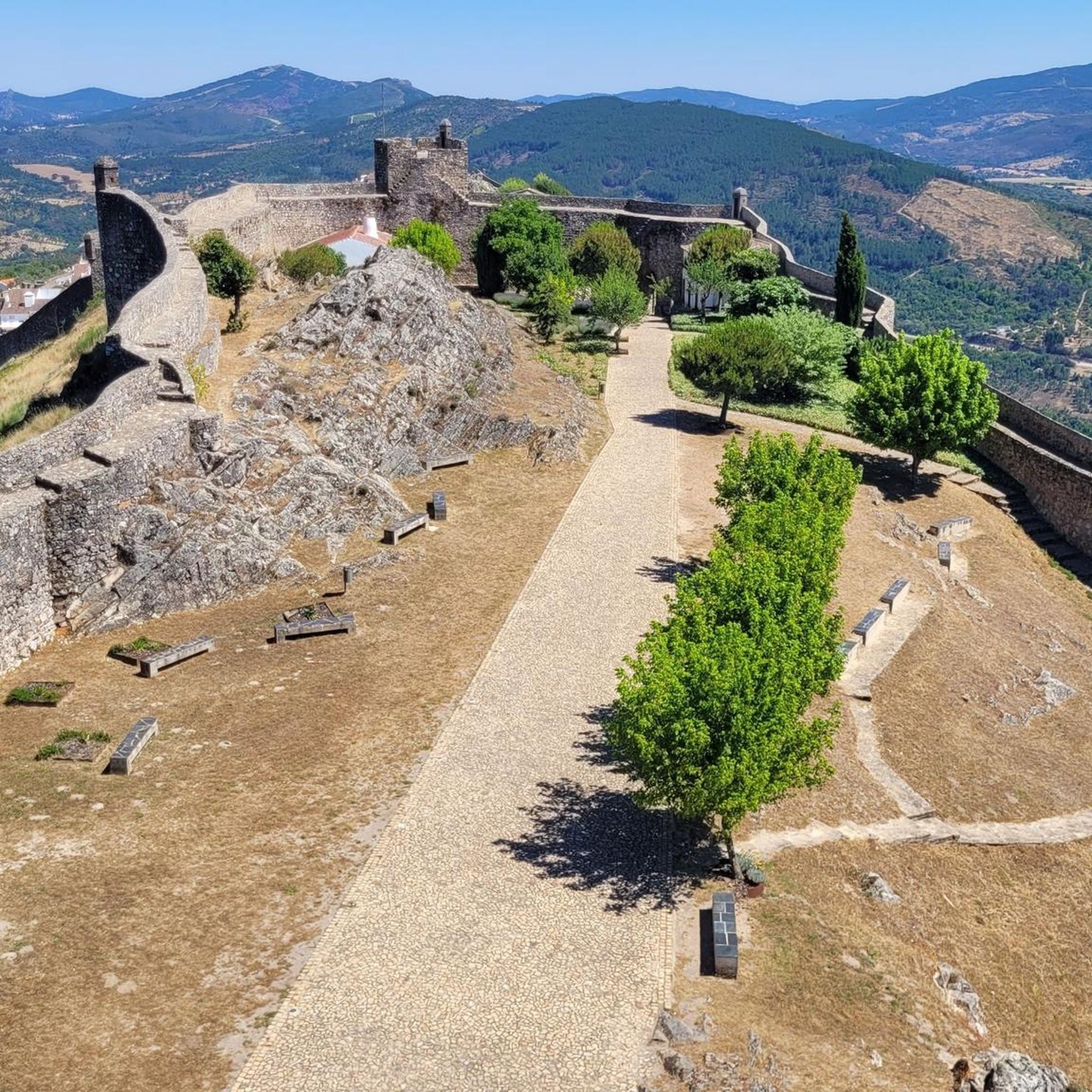
- Another must-see spot is Marvão Castle, a castle offering great views. Visitors can explore its historic structure and enjoy panoramic views of the surrounding area.
- Visitors also love 16th century bridge of Portagem, a bridge reusing materials from a primitive Roman bridge. It offers views of Marvão Castle and is a starting point for walks and bike rides.
- Serra de São Mamede is known for historic towns, ancient ruins, and natural landscapes. The region offers a variety of experiences, from exploring medieval castles to discovering archaeological sites and enjoying the natural park.
- The attractions around Serra de São Mamede are appreciated by the komoot community, with over 80 upvotes and 128 photos shared.
Last updated: July 16, 2026
Historic Village of Marvão
Highlight • Settlement
Translated by Google •
Tip by

16th century bridge of Portagem
Highlight • Bridge
Translated by Google •
Tip by

Sign up now to discover places like this
Get recommendations on the best single tracks, peaks, & plenty of other exciting outdoor places.
Sign up for free
Marvão Castle
Highlight • Castle
Translated by Google •
Tip by

Porta do Rodão of Marvão
Highlight • Historical Site
The Porta de Rodão was built much later, in the 17th century, to bolster defenses during the War of Independence against Spain in the mid-17th century. A small parking area is located in front of it. Due to the narrow streets and almost complete lack of parking, driving through the gate into Marvão is strongly discouraged.
Another fortified gate, providing pedestrian access to Vila Marvão, is located to the east. This one is also worth a visit.
Translated by Google •
Tip by

Castelo de Vide
Highlight • Settlement
Translated by Google •
Tip by
Dom Pedro V Square (Castelo de Vide)
Highlight • Settlement
"Urban centre and municipal headquarters. Town situated on a hill on the border of Alentejo. Medieval town under the jurisdiction of a religious-military order (Order of Christ) with castle and urban enclosure. 17th-century war square integrated into the defence line of the Alentejo border."
in monumentos.gov.pt/Site/APP_PagesUser/SIPA.aspx?id=10463
Translated by Google •
Tip by
Castle Garden of Marvão
Highlight • Castle
I highly recommend a visit to this small but perfectly landscaped park.
Translated by Google •
Tip by
Marvão-Beirã Railway Station
Highlight • Monument
Translated by Google •
Tip by

Roman City of Ammaia
Highlight • Historical Site
In 1995, archaeological excavations began on the site, uncovering around 3,000 m2, although it is believed that the original area of the city was around twenty hectares.
The curious thing about these ruins is that in the 5th and 9th centuries they suffered the effects of a cataclysm that buried the lower part of the urban area, thus belonging to one of the few cities of the empire that, probably due to natural effects, remained preserved and on which no other urban developments were developed throughout history.
It is thus possible to study the entire urban fabric of a Roman city, highlighting important structures such as the “podium” of a temple probably from the 1st century, and the existence of public baths, as well as other domestic structures.
There is a “site museum” on site, the Ammaia City Monographic Museum, which shows the daily life of the population that lived here, as well as the various objects found and inventoried here, including one of the most important collections of Roman glass in the Iberian Peninsula.
A large part of the area occupied by the ruins is located on land owned by the Ammaia City Foundation, whose primary objective is to study, restore and preserve this important National Monument.
Translated by Google •
Tip by

Church of Our Lady of the Star
Highlight • Religious Site
A late 15th-century Manueline cross stands in the churchyard, with a spiral column containing figures of Christ and Nossa Senhora da Piedade.
pt.wikipedia.org/wiki/Convento_de_Nossa_Senhora_da_Estrela
The complex now functions as a nursing home, run by Santa Casa da Misericirdia, which provides care for elderly residents of the region.
Translated by Google •
Tip by
Sign up for free to discover even more attractions around Serra de São Mamede.
Sign up for free
Already have an account?
Start today with a free account
Your next adventure awaits.
Login or Signup

Tips from the Community

Far in the northeast of Alentejo lies Castelo de Vide, just a few kilometers from the border with Spain. The town is often called Cidade branca (white city), which is primarily due to the pretty whitewashed houses of the town. The highlight of the town (besides its great location in the Parque Natural da Serra de São Mamede) is the 14th-century Castelo de São Roque. From the castle, you have a fantastic view of the old town. Other sights in Castelo de Vide include the old Jewish quarter with the oldest synagogue in Portugal and the numerous churches and chapels of the town.
1
0
This vaulted cistern is located within the castle walls and was probably built around the 9th century to store rainwater for the then Arab village of Ibn Maruán, despite clear signs of remodeling in the late Middle Ages. An impressive site. http://www.monumentos.gov.pt/site/app_pagesuser/SIPA.aspx?id=36148
2
0

A place to visit every month. It's wonderful.
2
0
Imposing building in which the Centro de Dia senior center is located
2
0
The current pillory dates from the years immediately following the granting of the New Charter by King Manuel in 1512 and reflects his Manueline, albeit very rustic, style. The monument stands in front of the 16th-century district jail building and next to the clock tower, also from the 16th century, in the square that bears his name. It stands on a base with four octagonal steps and consists of an octagonal shaft set directly into the upper step, formed by five drums with mortar joints.
2
0
The Convent of Our Lady of the Star is a 15th-century Franciscan monastery. Founded in 1448 by Pope Nicholas V, the monastery was built on the site of a chapel dedicated to Nossa Senhora da Estrela. It is located on the periphery of Marvão's city walls. A late 15th-century Manueline cross stands in the churchyard, with a spiral column containing figures of Christ and Nossa Senhora da Piedade. https://pt.wikipedia.org/wiki/Convento_de_Nossa_Senhora_da_Estrela The complex now functions as a nursing home, run by Santa Casa da Misericirdia, which provides care for elderly residents of the region.
2
0
The Porta de Marvão is a medieval gate in the fortified town of Marvão, serving as the village's main entrance. The town is situated in the Serra de São Mamede mountains and offers panoramic views of the surrounding Alentejo region. Marvão's narrow streets are lined with whitewashed houses featuring Gothic arches and Manueline doorways. The well-preserved 13th-century castle is a focal point, offering visitors a glimpse into the town's rich history and strategic importance. The Porta de Rodão was built much later, in the 17th century, to bolster defenses during the War of Independence against Spain in the mid-17th century. A small parking area is located in front of it. Due to the narrow streets and almost complete lack of parking, driving through the gate into Marvão is strongly discouraged. Another fortified gate, providing pedestrian access to Vila Marvão, is located to the east. This one is also worth a visit.
2
0
A lovely little area in the middle of this picturesque, historic castle town. A beautifully maintained garden with a refreshing pond-like fountain in the lower middle section. The small hedges surrounding the flowerbeds, with their narrow patches of space between them, invite you to wander. The view of the castle and the surrounding countryside is breathtaking. I highly recommend a visit to this small but perfectly landscaped park.
2
0
Frequently Asked Questions
What historical sites can I explore in Serra de São Mamede?
The region is rich in history. You can visit the fortified town of Historic Village of Marvão, perched on a mountain peak with its impressive Marvão Castle. Another medieval gem is Castelo de Vide, known for its Jewish Quarter. Don't miss the ancient Roman City of Ammaia, or the 16th-century bridge of Portagem, which incorporates materials from an earlier Roman bridge.
Are there any natural parks or significant natural features to visit in Serra de São Mamede?
Yes, the entire mountain range is protected as the Serra de São Mamede Natural Park. It's known for its unique microclimate, diverse vegetation including oak and chestnut forests, and rich wildlife. You can also visit Pico de São Mamede, the highest peak in Continental Portugal south of the Tagus River, offering exceptional views. The Apartadura Reservoir is a scenic spot, and the Porto de Roque Ridge is a habitat for griffon vultures.
Where can I find impressive viewpoints in the region?
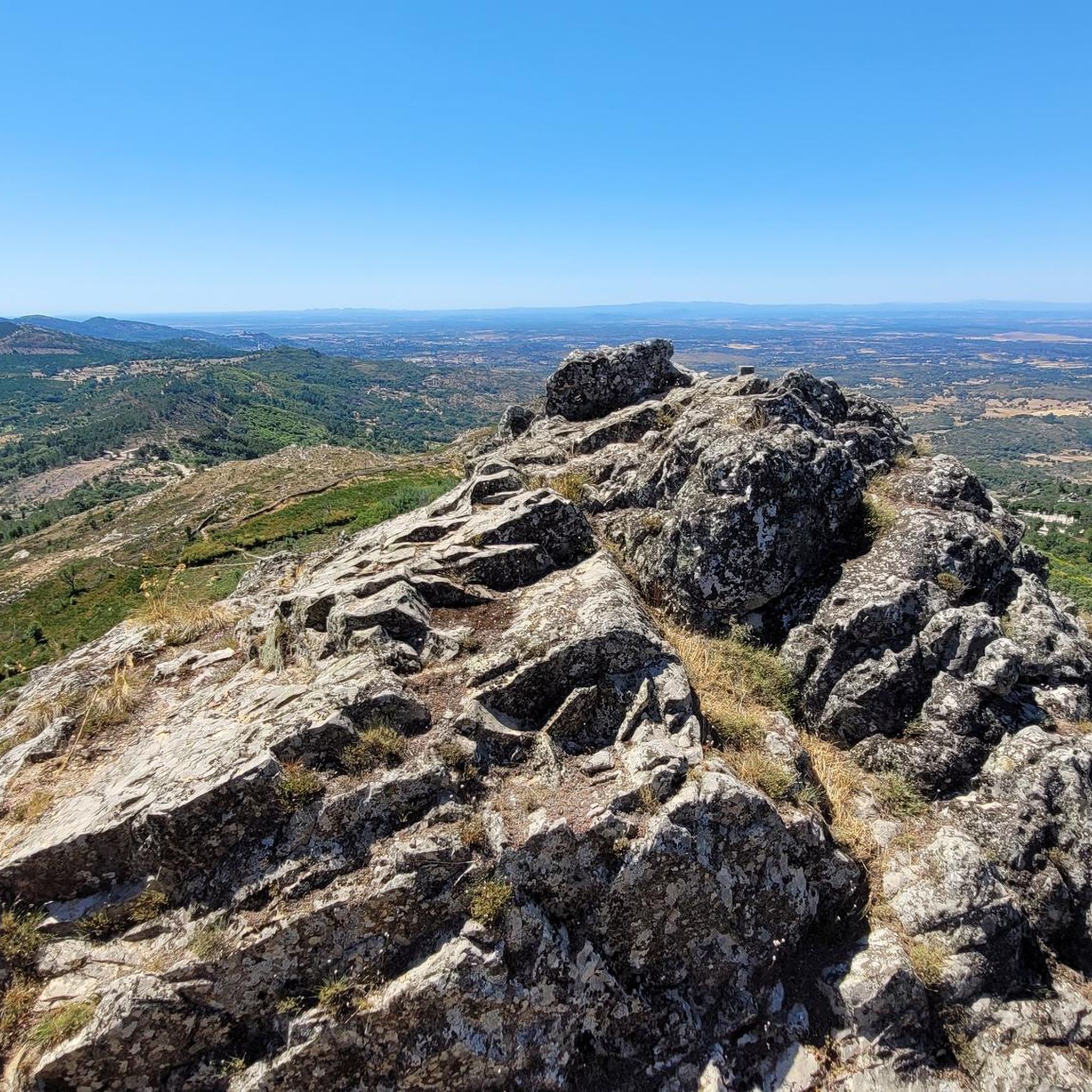
For breathtaking panoramic views, head to the Historic Village of Marvão and its Marvão Castle, which offers vistas extending beyond the Spanish border. Pico de São Mamede, the highest point in the park, also provides exceptional belvedere views. The castle in Alegrete offers incredible views of the Alentejo plains and Spanish territory.
What kind of wildlife can I expect to see in Serra de São Mamede Natural Park?
The park is a vital refuge for various animal species. You might spot otters, wild boar, and deer. It's particularly renowned for birdwatching, with over 200 species, including rare birds of prey like Bonelli's eagle (the park's symbol), black vultures, griffon vultures, and black storks.
Are there family-friendly attractions around Serra de São Mamede?
Many of the historical towns like Castelo de Vide offer charming streets and squares that are pleasant for families to explore. The 16th century bridge of Portagem is a great starting point for walks and bike rides, and the nearby river pool and outdoor pool make it a fun leisure area for families.
What outdoor activities can I do near these attractions?
The Serra de São Mamede region offers countless opportunities for outdoor activities. You can enjoy hiking on trails like the 'Smugglers' Route' or designated paths such as the PR1 - Rota dos Moinhos. Mountain biking and gravel biking are also popular, with routes like the 'Loop tour from Portalegre – Parque Natural da Serra de São Mamede' available. For more details on routes, check out the hiking guide or the gravel biking guide for the area.
Are there hiking trails near these attractions?
Yes, the area is excellent for hiking. You can find trails like the 'Marvão Hiking Trail' or the 'Serra de São Paulo Trail (PR1)' which are moderately difficult. For more options, including easy and moderate routes, explore the hiking guide around Serra de São Mamede. There are also scenic wooden walkways, known as Passadiços do Gameiro, that offer an immersive experience of the region's biodiversity.
Can I visit any waterfalls in the Serra de São Mamede area?
Yes, the natural park features several beautiful waterfalls. The Cascata de São Julião is a 10-meter high waterfall that forms natural pools, accessible via a short trail. Other notable waterfalls include the Cascata da Cabroeira near the Spanish border and the impressive Pego do Inferno Waterfall. You can find specific routes for waterfall hikes in the waterfall hikes guide.
What is the regional capital and what does it offer?
Portalegre is the regional capital and boasts an aristocratic atmosphere with numerous manor houses and convents. It is home to the Manufactura das Tapeçarias, known for producing genuine tapestry art, and the tranquil Ermida de São Mamede Chapel. The Parque Megalítico dos Coureleiros, featuring fascinating megalithic structures, is also located in Portalegre.
What do visitors enjoy most about Serra de São Mamede?
Visitors particularly appreciate the blend of natural beauty and rich history. The fortified towns like Marvão are often highlighted for their spectacular locations, wonderful all-round views, and charming streets. The opportunity for walks and bike rides from scenic spots like the 16th century bridge of Portagem is also a favorite, allowing exploration of the diverse landscape.
Are there any ancient Roman landmarks in the area?
Absolutely. The Roman City of Ammaia is a significant archaeological site where you can explore ruins of the South Gate, Roman Temple, Forum, and thermal baths, with a museum displaying artifacts. Additionally, the 16th century bridge of Portagem reuses materials from a primitive Roman bridge, and the Estrada Romana do Alqueidão da Serra combines ancient Roman engineering with natural scenery.
Most popular routes around Serra de São Mamede
Most popular attractions around Serra de São Mamede

Get inspired with the komoot mobile app


Explore more
Still not found the Highlight you’re looking for? See guides of the top attractions in other regions:
