The best cycling routes around Ostrhauderfehn
4.6
(988)
3,547
riders
135
rides
Touring cycling routes around Ostrhauderfehn traverse a distinctive East Frisian landscape in Lower Saxony, Germany. The region is characterized by an extensive network of canals, known as "Wieken," and traditional windmills, reflecting its peat-digging history. Cyclists can expect flat terrain with minimal elevation changes, making it suitable for various fitness levels. The area features moor and geest landscapes, alongside dikes, meadows, and various watercourses, offering diverse Ostrhauderfehn cycling terrain features.
Best touring cycling routes around Ostrhauderfehn
- The most popular touring…
Last updated: October 7, 2026
4.4
(66)
187
riders
Moderate bike ride. Good fitness required. Mostly paved surfaces. Suitable for all skill levels.
4.8
(83)
335
riders
46.8km
02:45
60m
60m
Moderate bike ride. Good fitness required. Mostly paved surfaces. Suitable for all skill levels.

4.8
(77)
167
riders
Easy bike ride. Great for any fitness level. Mostly paved surfaces. Suitable for all skill levels.
4.1
(20)
71
riders
Moderate bike ride. Good fitness required. Mostly paved surfaces. Suitable for all skill levels.
4.7
(15)
92
riders
29.9km
01:48
50m
50m
Easy bike ride. Great for any fitness level. Mostly paved surfaces. Suitable for all skill levels.
Get access to more routes and recommendations from other explorers.
Already have an account?
Our route recommendations are based on thousands of hikes, rides, and runs completed by other people on komoot.
Start today with a free account
Your next adventure awaits.
Tips from the Community

You can cycle here very relaxed on smooth asphalt
0
0

Tip for dog lovers! The western route, past the Polder (Steckenpunkt 3-4), leads through a sheep farming area and is therefore unsuitable for taking dogs.
0
0

At the historic Waageplatz in Leer, maritime flair meets tradition – where historic ships and atmospheric festivals inspire.
0
0
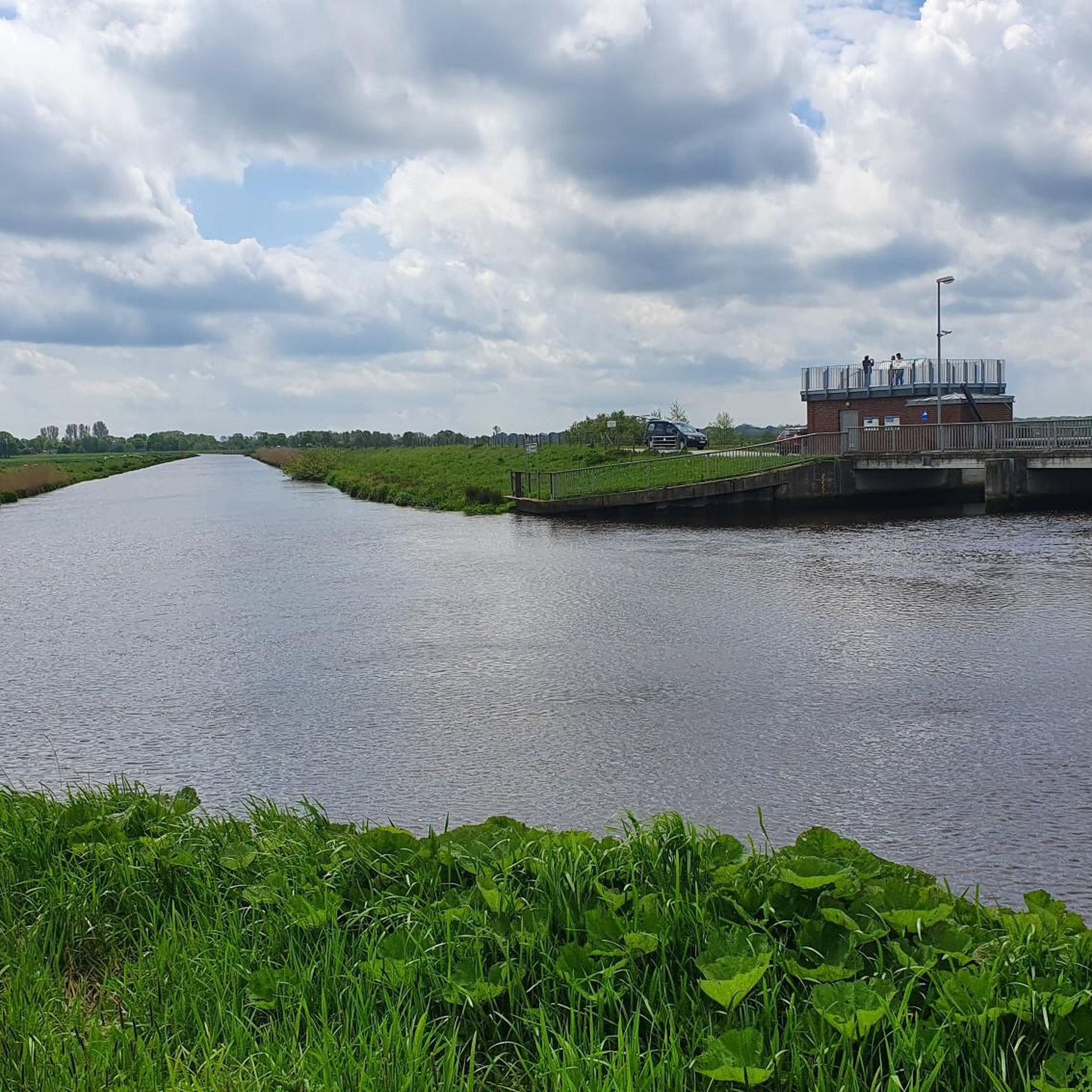
The Holter Hammrich Polder nature reserve is located directly on the Leda near Uplengen. It serves flood protection and is an important habitat for meadow birds. The Leda forms a wide floodplain there, but the area itself may not be entered to protect wildlife.
0
0

The Langholter Meer and Rhauder Meer is a protected landscape area in the district of Leer in the northwest of Lower Saxony.
0
0
The 35.8 km gravel loop runs along the towers. This agricultural road is NOT to be used and is closed off!!! The Jammertalstrasse should be approached from Langholt.
0
0

Did you know that a sufficient water level was essential for the once busy shipping traffic on the fen canals? Therefore, locks, also called "Verlaate," were built. These prevented the tides from influencing the inner canal system and ensured that ships always had sufficient water under their keels. Ostrhauderfehn once had two important locks: one at the end of the main fen canal near the former "Verlaatshus" (a former barn) and another at the 1st South Bay, which maintained the water level in the upper fen area. However, in the 1950s, both locks were removed and replaced with brick weirs. In 1990, a historic box lock was rebuilt at the end of the main fen canal as part of the "Fehn Program." This modern lock system is equipped with double flood and ebb gates and can accommodate ships and pleasure craft up to 55 meters long and 5.4 meters wide. Thanks to this innovation, Ostrhauderfehn once again has a direct connection to East Frisia's extensive inland waterway network! This lock is often mistakenly called the Holterfehn Lock. This lock is also located directly on the tour route and is easily accessible. Several benches are available, inviting you to listen to the sound of the water.
1
0
Funnily enough, the HL is now located at the Strenge company. It produces a wide range of soils and substrates. In the postwar period, black peat was highly valued as a fuel. In 1949, around 400,000 tons of fuel peat were extracted from the East Frisian moorlands, and the majority was produced using powerful machines. These machines operated in the moorlands, particularly around Ostrhauderfehn, from early spring to late summer. The compressed peat was transported from the moor in the fall by narrow-gauge railway and then loaded onto ships. A special peat loading station was set up over the canal of the 1st Südwieke, where the peat could be efficiently loaded onto ships. A narrow bridge made it possible to push the loaded peat piles onto the bridge, and up to 25 tons of peat could be loaded within a very short time. Not only peat ships were loaded, but also simple barges with a low carrying capacity. These barges were often unmotorized and had to be towed for miles. One or more people pulled the vessel with a rope, while the boatman steered the boat with a long pole at the stern.
3
0
Frequently Asked Questions
How many touring cycling routes are available around Ostrhauderfehn?
Ostrhauderfehn offers a wide selection of touring cycling routes. There are nearly 140 routes available, catering to various preferences and skill levels. Most of these, over 100, are classified as easy, making the region very accessible for cyclists.
What is the typical terrain like for cycling in Ostrhauderfehn?
The terrain around Ostrhauderfehn is predominantly flat, characterized by minimal elevation changes. You'll cycle alongside an extensive network of canals, known as "Wieken," through moor and geest landscapes, and past traditional windmills. This makes it suitable for relaxed touring and various fitness levels.
Are there any easy touring cycling routes suitable for beginners or families?
Yes, Ostrhauderfehn is ideal for beginners and families, with over 100 easy touring cycling routes. A great option is the Elisabethfehn Three Bridges – Wayside Cross Wittensand loop from Idafehn, which is an easy 20.8 km route, perfect for a leisurely ride through the scenic landscape.
What kind of natural features or landscapes can I expect to see while cycling?
While cycling in Ostrhauderfehn, you'll encounter the unique East Frisian landscape. This includes extensive canal systems, traditional windmills, and vast moor and geest areas. Keep an eye out for the "Fehntjer Tief" nature reserve, known for birdwatching, and other natural monuments like the Aper Tief nature reserve.
Are there any specific attractions or landmarks I can visit along the cycling routes?
Absolutely. Many routes pass by interesting attractions. You can visit the Leer City Harbour, explore the historic town of Leer, or see the unique Railway Bridge over the Leda. The Barßel Marina is also a popular spot for a break.
Are there any circular touring cycling routes in the area?
Yes, many of the touring cycling routes in Ostrhauderfehn are designed as loops, allowing you to start and end in the same location. For example, the Rhaude Church – Bird Sanctuary loop from Ostrhauderfehn is an easy 24 km circular route that takes you through local sights and natural areas.
What do other touring cyclists enjoy most about Ostrhauderfehn?
The komoot community highly rates touring cycling in Ostrhauderfehn, with an average score of 4.6 stars from over 600 reviews. Cyclists often praise the flat, scenic routes along canals and through moorlands, as well as the well-maintained paths that make for enjoyable and accessible rides.
Is Ostrhauderfehn suitable for long-distance touring cycling?
Yes, Ostrhauderfehn is part of larger cycling networks like the Deutsche Fehnroute and the Moorerlebnisroute, which offer opportunities for longer tours. These routes connect various towns and natural areas, allowing for multi-day expeditions through the East Frisian landscape. You can find more information on these routes at ostrhauderfehn-tourismus.de.
What is the best time of year for touring cycling in Ostrhauderfehn?
The temperate maritime climate of Ostrhauderfehn, with mild winters and moderately warm summers, makes it suitable for cycling throughout much of the year. Spring and autumn offer pleasant temperatures and beautiful scenery, while summer provides longer daylight hours. Always check the local weather forecast before heading out.
Are there options for parking near the cycling routes?
Yes, Ostrhauderfehn and its surrounding villages offer various parking options, often near trailheads or in town centers. Many routes are accessible from different starting points, making it convenient to find a suitable place to park your vehicle before beginning your ride.
Can I reach the cycling routes using public transport?
Public transport options, including local buses, connect Ostrhauderfehn with surrounding towns. While direct access to every trailhead might vary, you can often reach central points in Ostrhauderfehn or nearby Leer, which serve as good starting points for many cycling tours. It's advisable to check local bus schedules and bike transport policies in advance.
Are there any routes that explore the unique moor landscape?
Certainly. The region is known for its distinctive moorlands. A great route to experience this is the Esterweger Dose Moor – Esterwegen Memorial loop from Nordstraße/Holterfehner Straße (Süd). This moderate 58.1 km path specifically explores the unique moor landscape, offering immersive views of this natural environment.
Where can I find cafes or places to rest along the routes?
Many cycling routes in Ostrhauderfehn pass through charming villages or along the Ems-Jade Canal, where you'll find cozy cafes and restaurants perfect for a break. The historic town of Leer, accessible via routes like the Old Town, Leer – Leer City Harbour loop from Idafehn-Nord, also offers numerous options for refreshments and meals.
Most popular routes around Ostrhauderfehn
Most popular attractions around Ostrhauderfehn

Get inspired with the komoot mobile app


Explore more
Browse the best Cycling routes in other regions.
