The best walks and hikes around Östlicher Neubäuer Forst
4.6
(2967)
10,815
hikers
391
hikes
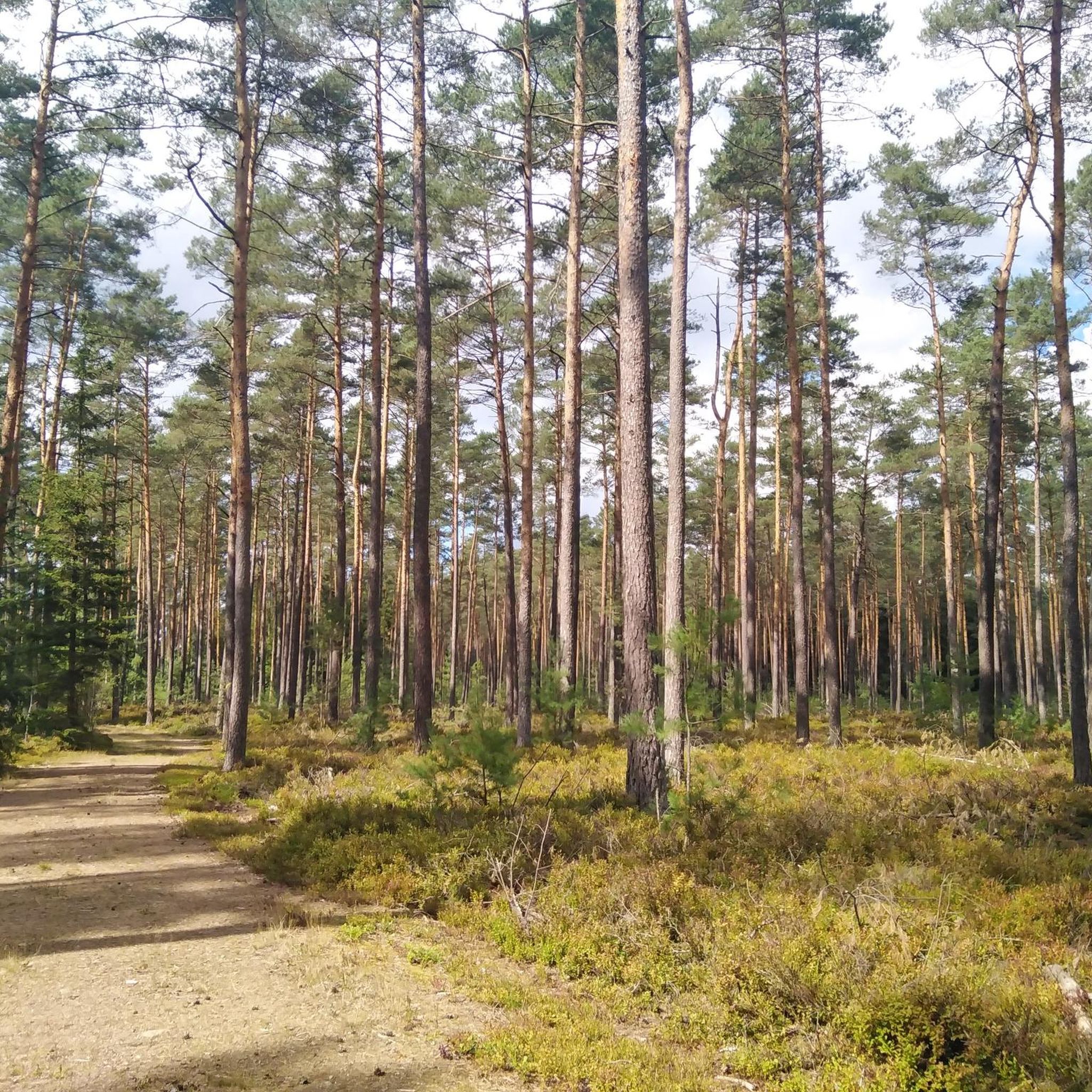
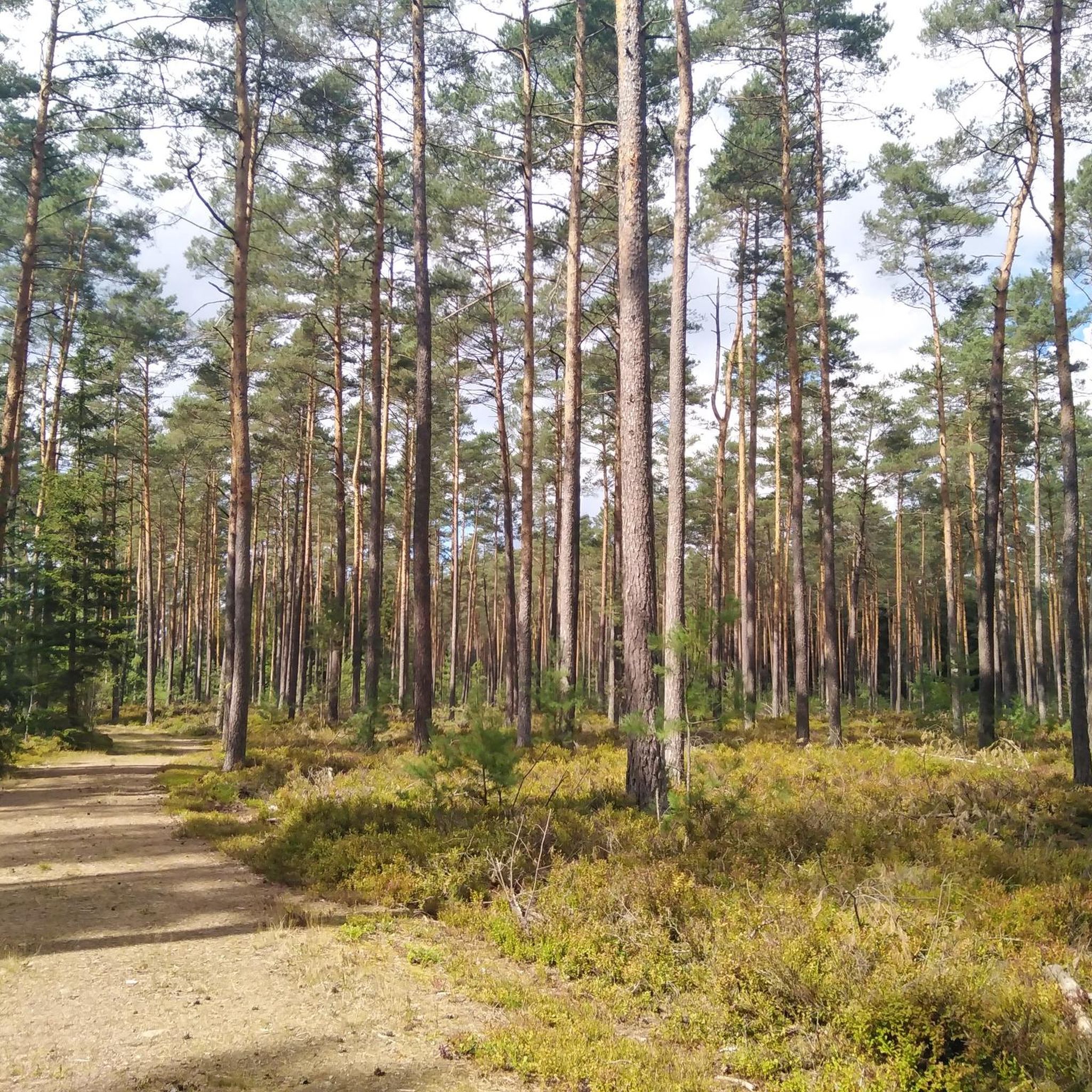
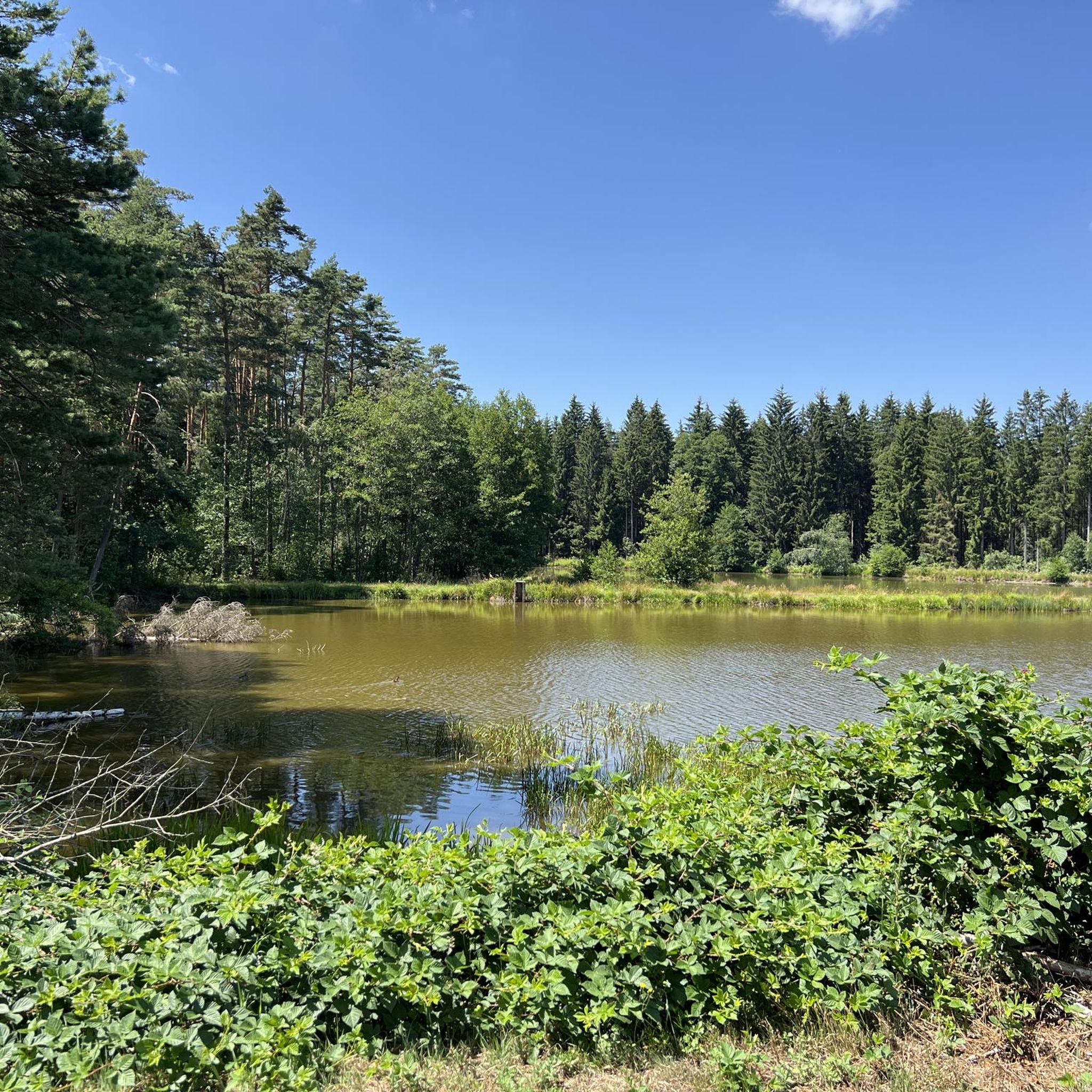
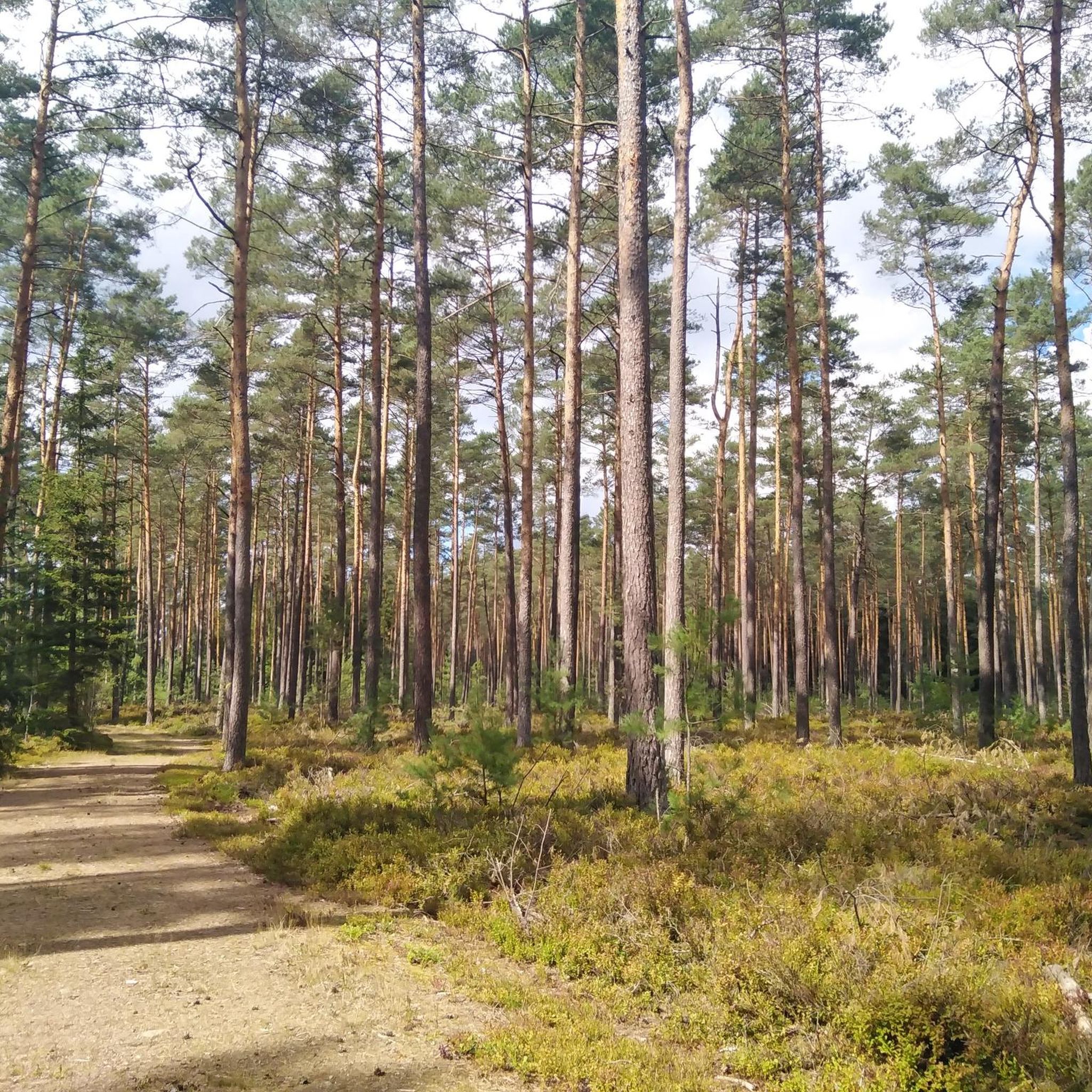
Hiking trails around Östlicher Neubäuer Forst traverse a landscape characterized by diverse woodland ecosystems and serene natural features. The region, part of the Upper Palatinate in Bavaria, includes shaded paths, tranquil carp ponds, and expansive views over fields. Hikers can also discover historical remnants from World War II, such as old factory roads and trenches, integrated into the natural environment. This area offers a blend of natural beauty and historical interest for outdoor exploration.
Best hiking trails around Östlicher Neubäuer…
Last updated: August 1, 2026
4.4
(141)
495
hikers
7.07km
01:50
30m
30m
Easy hike. Great for any fitness level. Easily-accessible paths. Suitable for all skill levels.
4.3
(12)
42
hikers
8.69km
02:16
60m
60m
Moderate hike. Good fitness required. Easily-accessible paths. Suitable for all skill levels.

Sign up for free
4.5
(2)
8
hikers
Moderate hike. Good fitness required. Easily-accessible paths. Suitable for all skill levels.
4.7
(3)
6
hikers
Moderate hike. Good fitness required. Easily-accessible paths. Suitable for all skill levels.
5.0
(16)
7
hikers
Easy hike. Great for any fitness level. Easily-accessible paths. Suitable for all skill levels.
Get access to more routes and recommendations from other explorers.
Sign up for free
Already have an account?
Our route recommendations are based on thousands of hikes, rides, and runs completed by other people on komoot.
Start today with a free account
Your next adventure awaits.
Login or Signup

Tips from the Community

You have to search a bit for this "Kindskopfweiher", but it is easy to find
1
0

Church of Our Lady of the Nativity Around 1500, Count Fürstenberg built a castle, which presumably stood in the current village center of Neubäu. A wooden chapel was built under the caretaker Hans Georg Rotenthan after 1599. It was expanded with an annex in 1806. Neubäu belonged to the parish of Neukirchen-Balbini. Since 1817, a cooperator was responsible for pastoral care in Neubäu, thus making Neubäu a branch of Neukirchen-Balbini. In 1900, Johann Müllbauer, the parish priest of Neubäu, asked the bishop for permission to build a new church. After the foundation stone was laid by Pastor Christian Wimmer, the church was built in the Neo-Romanesque style. The architect was Johann Baptist Schott from Munich. The sandstone blocks were brought from the nearby Schwärzenberg mountain by manual labor and haulage. Despite a minor accident, construction progressed rapidly. The new church was completed in 1901. On July 20, 1907, Bishop Antonius Henle ceremoniously consecrated the new church. The church consists of a nave crossed by a transept, a church tower to the west, and a semicircular apse to the east. Its walls are articulated externally with pilaster strips and arched friezes. The top square story of the church tower houses the clock tower, while the octagonal one above, behind the bell tower arcades designed as bifora, houses the belfry, in which four church bells hang. A pointed helmet sits on top. The interior is spanned by a groined vault. The transverse arches rest on consoles. The church furnishings date from the time of construction. On the high altar, we see the crucified Jesus with Mary and John; above the crucifixion group, a pelican can be seen. According to legend, the pelican gives its blood to feed its young; this was seen as a symbol of Jesus Christ, who gave his life for us. The left side altar depicts the Sacred Heart motif, while the right side altar depicts the Holy Family. The baptismal font stands in front of the right side altar. In the vault of the apse, Christ the Judge of the World greets the high altar, filled with light and splendor. In the organ loft, Christ is depicted as the "Good Shepherd" surrounded by the four evangelists. Three special images of the Virgin Mary were retained from the old church: the image of the "Mother of God," the image of the "Heart of Mary," and the image of "Mary Help." Source: Information panel and excerpts from www.wikipedia.de
2
0


Here, you can observe the birds in a sheltered and hidden environment. There are lookouts at various heights so that even children can see something.
1
0


Beautiful circular hike around the Neubäuer Weiher possible
0
0

A tree blocks the path between the lakes
1
0
Frequently Asked Questions
How many hiking trails are there in Östlicher Neubäuer Forst?
Östlicher Neubäuer Forst offers a comprehensive network of over 380 hiking trails. These routes cater to various preferences, with more than 230 easy trails, 140 moderate options, and a few more challenging paths for experienced hikers.
What kind of terrain and natural features can I expect on the trails?
The region is characterized by diverse woodland ecosystems, featuring shaded forest paths and tranquil carp ponds. You'll find a blend of natural beauty and historical interest, including remnants from World War II like old factory roads and trenches integrated into the landscape. The broader Bavarian Forest region, which Östlicher Neubäuer Forst is part of, is known for its dense forests, unique geological formations like boulder fields, and various water bodies.
Are there easy or family-friendly hiking options in Östlicher Neubäuer Forst?
Yes, Östlicher Neubäuer Forst is very welcoming for families and beginners, with over 230 easy trails. A great option is the Lake Neubäuer – Neubäuer Pond loop from Neubäu am See, an easy 7.1 km route that circles the tranquil Neubäuer Pond. Another family-friendly choice is the Neubäuer Weiher Forest Playground – Ostrich Farm loop from Neubäuer Weiher, which is 4.6 km long and includes a forest playground.
Are there any circular hiking routes available?
Many of the trails in Östlicher Neubäuer Forst are designed as circular routes, allowing you to start and end at the same point. Popular circular options include the Lake Neubäuer – Neubäuer Pond loop from Neubäu am See (7.1 km, easy) and the slightly longer Neubäuer Pond – Lake Neubäuer loop from Neubäu am See (8.7 km, moderate), both offering varied scenery around the local water features.
What historical sites or castles can I explore near the hiking trails?
Beyond the trails, the area around Östlicher Neubäuer Forst offers several historical attractions. You can visit the Kürnburg Castle Ruins, the impressive Count Palatine Castle Complex Neunburg vorm Wald, or the Wetterfeld Castle Ruins. These sites provide a glimpse into the region's rich past and are easily accessible from many hiking starting points.
Can I hike with my dog in Östlicher Neubäuer Forst?
Yes, Östlicher Neubäuer Forst is generally dog-friendly. The shaded forest paths and open areas provide a pleasant environment for walks with your canine companion. Always remember to keep your dog on a leash where required and to clean up after them to preserve the natural beauty for everyone.
What do other hikers enjoy most about the trails here?
The komoot community highly rates the hiking experience in Östlicher Neubäuer Forst, with an average score of 4.5 stars from over 2,600 reviews. Hikers often praise the tranquil atmosphere, the well-maintained shaded forest paths, and the serene pond landscapes. The blend of natural beauty and historical elements also adds a unique appeal.
Are there any specific viewpoints or natural landmarks to look out for?
While Östlicher Neubäuer Forst itself is known for its tranquil ponds and forest paths, the broader Bavarian Forest region offers spectacular viewpoints. Summits like Ochsenkopf provide expansive panoramas. Within the immediate area, the unique geological formations and the peaceful pond areas, such as those along the Sattelbogenweiher – Sattelbogner Pond loop, are key natural highlights.
What is the best time of year to go hiking in Östlicher Neubäuer Forst?
The region is enjoyable for hiking throughout much of the year. Spring and autumn offer pleasant temperatures and beautiful scenery with blooming flora or vibrant fall foliage. Summer provides lush green forests and cool, shaded paths, ideal for escaping the heat. Even in winter, parts of the broader Bavarian Forest region offer rolled or cleared winter hiking trails, though specific conditions in Östlicher Neubäuer Forst may vary.
Are there any routes that lead to chapels or churches?
Yes, you can find trails that incorporate local religious sites. For example, the Einsiedel Magdalene Chapel – Subsidiary Church of the Holy Name of Mary loop from Neubäu am See is a 10.6 km trail that leads through the local forest and connects these historical chapels, offering a peaceful and reflective hiking experience.
Most popular routes around Östlicher Neubäuer Forst
Most popular attractions around Östlicher Neubäuer Forst

Get inspired with the komoot mobile app


Explore more
Browse the best Hikes in other regions.
