Attractions and Places To See around Puszcza Goleniowska - Top 20
Best attractions and places to see around Puszcza Goleniowska, a vast forest complex covering nearly 63,000 hectares, offers a rich array of natural beauty and historical intrigue. This significant ecological area features diverse ecosystems, including pine, oak, beech, alder, and ash forests, alongside extensive peat bogs. Characteristic landscape features include the picturesque Ina River valley and several small lakes. Puszcza Goleniowska is also recognized as an important wildlife haven, particularly for white-tailed eagles and other raptors.
Best attractions and places…
Last updated: July 20, 2026
Asphalt Bike Path to Jezierzyce
Highlight (Segment) • Cycleway
Translated by Google •
Tip by

Kołowskie Parowy Nature Reserve
Highlight • Forest
Showing Translation
Tip by

Sign up now to discover places like this
Get recommendations on the best single tracks, peaks, & plenty of other exciting outdoor places.
Sign up for free
Osetno Nature Reserve
Highlight • Forest
Translated by Google •
Tip by
Linden Anna and Kliniska Forest District
Highlight • Natural Monument
Translated by Google •
Tip by
Lewandowski Boulder Memorial
Highlight • Monument
Translated by Google •
Tip by
Sign up for free to discover even more attractions around Puszcza Goleniowska.
Sign up for free
Already have an account?
Start today with a free account
Your next adventure awaits.
Login or Signup

Tips from the Community

Józef Lewandowski, a distinguished forester, a pioneer in the development of the forests of West Pomerania
0
0

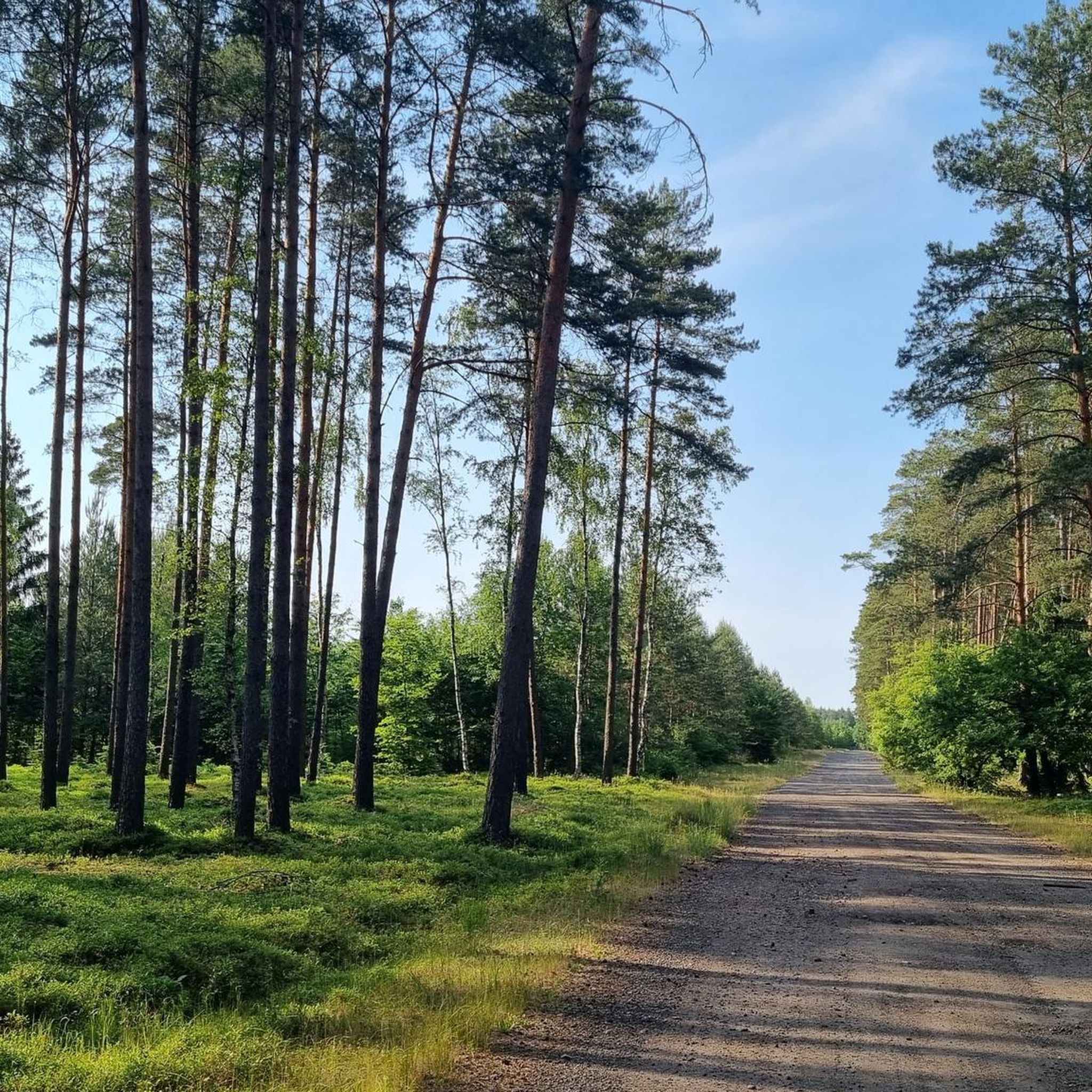
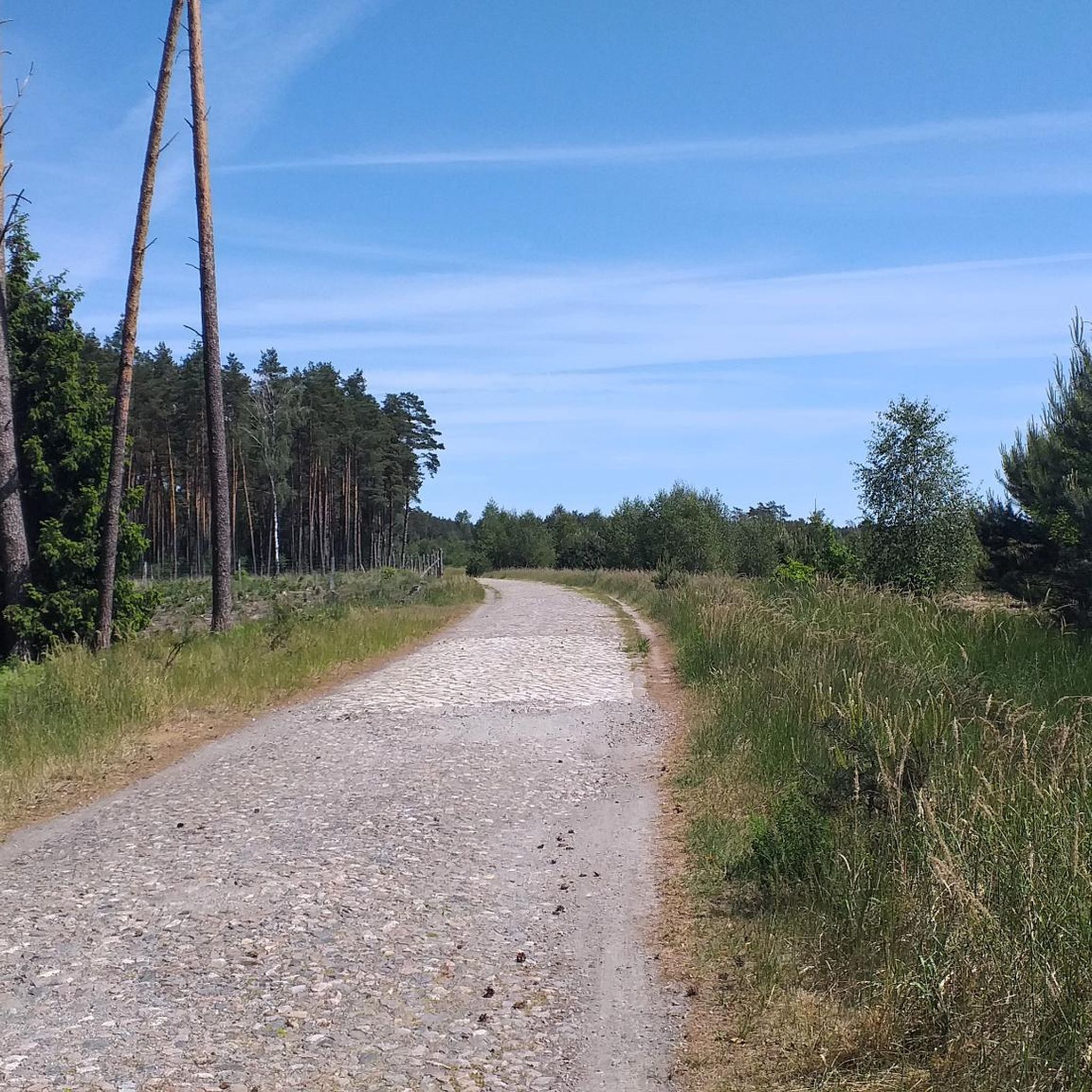
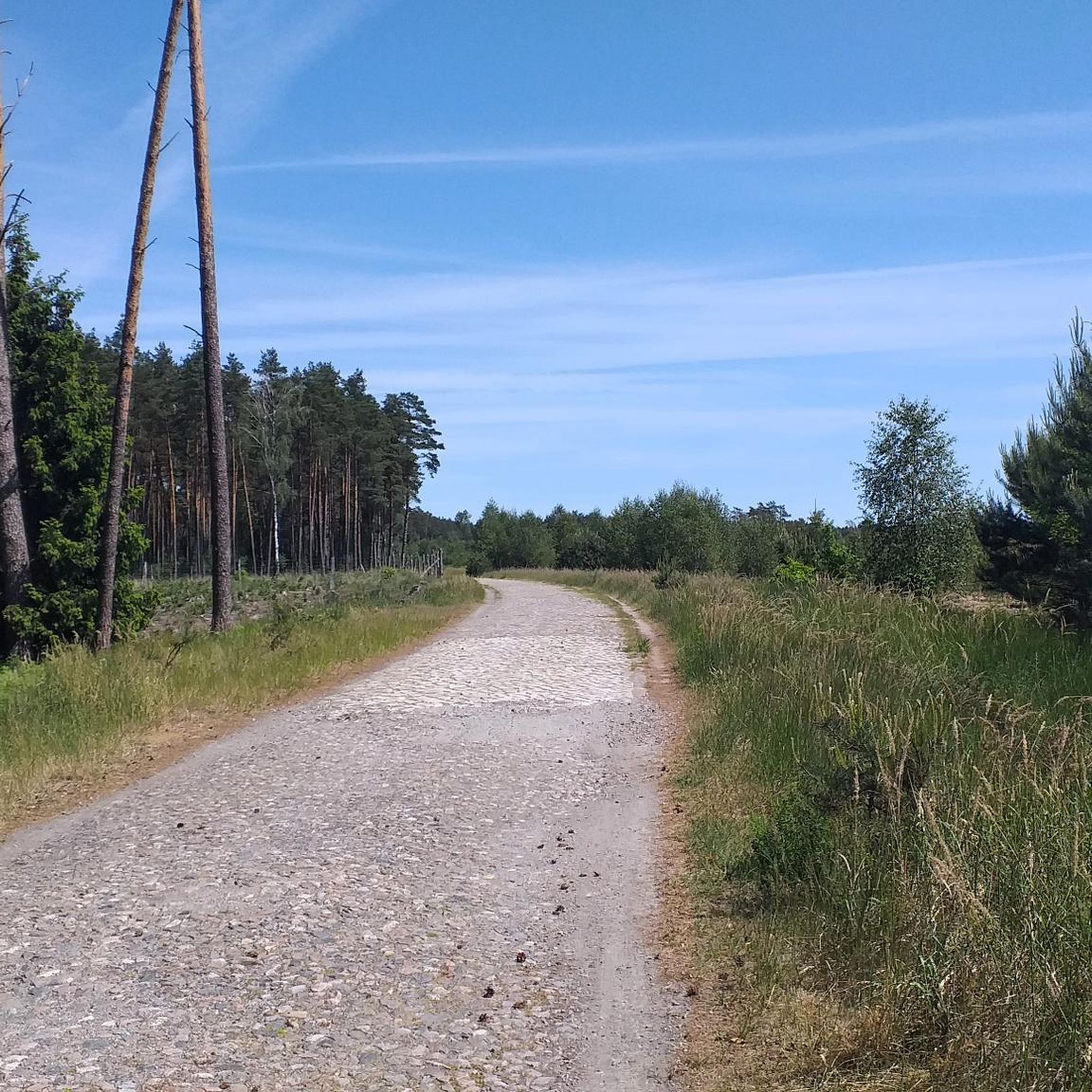
Asphalt bike path. Fragment of the "Szczecin" branch of the Western Lakes Trail marked with no. 20A from Kijewo to Płonie through the Beech Forest on the embankment of the former railway. very pleasant ride through the forest, at one point passing under the viaduct of the A6 motorway. Road created on the old track of the former Finkewnwalde - Greifenhagen/Zdroje - Gryfino railway
1
1
At the intersection of Leśna Szosa and Droga Kołowska, near the "Kołowskie Parowy" reserve, there is a granite erratic boulder with a circumference of 4.4 m and a height of 1.5 m. An inscription placed on it commemorates Józef Lewandowski – a distinguished forester, a pioneer in the development of the forests of Western Pomerania, and a long-time director of the OZLP in Szczecin. A resting place with a shelter, benches, and tables has been prepared right next to it.
0
0

I like this path, even in summer it provides shade
0
0
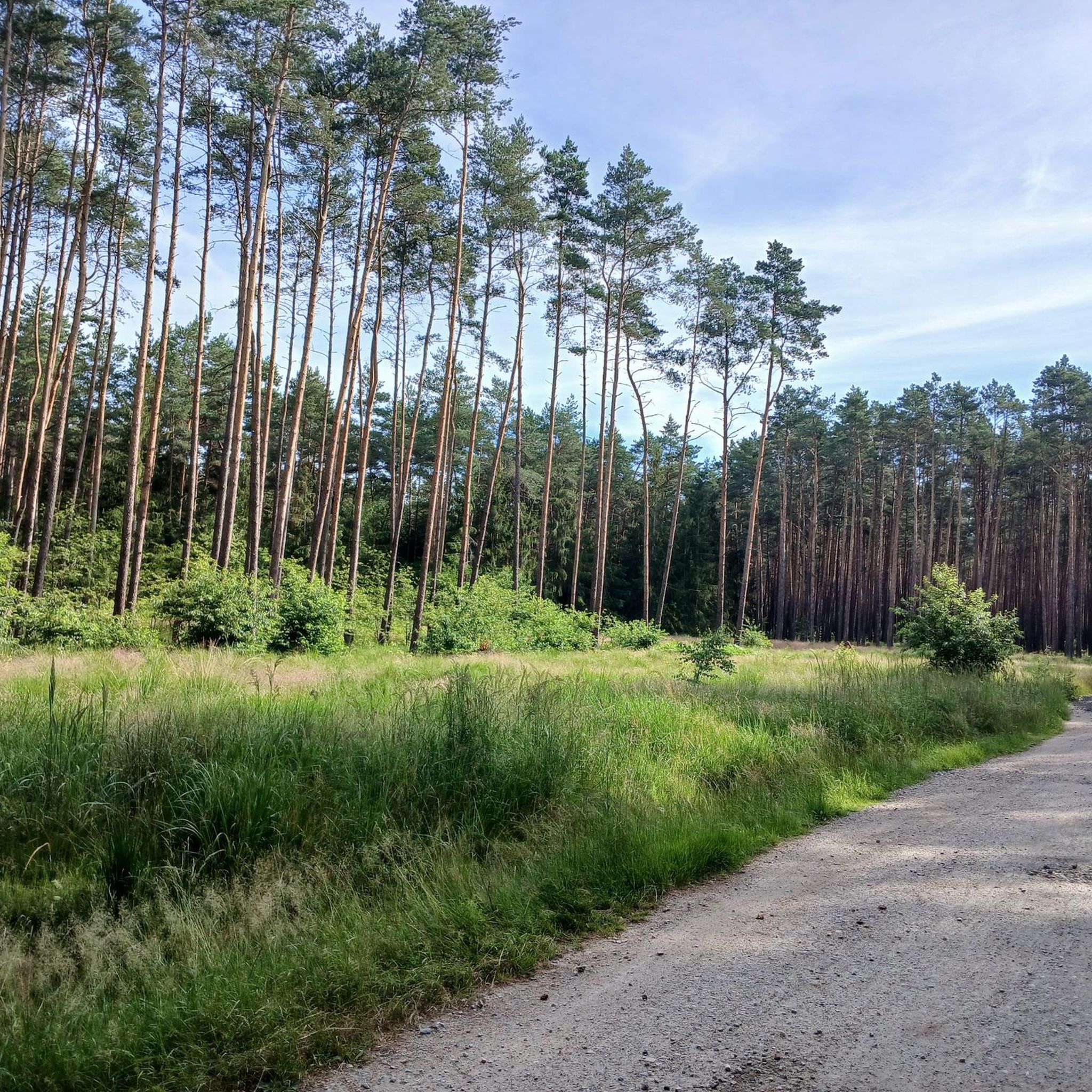
The reserve is located on the slopes of moraine hills, diversified by ravines, streams, and springs. The Utrata stream flows through this area, which appears and disappears from the surface. The aim of the protection is to preserve the Pomeranian beech forest in various typological variations with rich herbaceous plant communities in the undergrowth. Over a hundred-year-old beeches reach a height of up to 40 m. Rare and endangered plants occur here, including forest fescue, fumewort, one-flowered pearl grass, lanceolate spleenwort, and common madder. Among the protected plants are, for example, broad-leaved helleborine, blue helleborine, guelder rose, common buckthorn, and sweet woodruff. The bottom of the ravine is occupied by spring beech forest. The reserve is named after engineer Józef Lewandowski, an outstanding forester, a pioneer in the development of the forests of Western Pomerania. A glacial erratic boulder with a plaque commemorating this man, who was distinguished for the forests, is located in the southeastern part of the reserve, at the crossroads of roads from Szczecin-Śmierdnica and from Kołowo. For those who want to get to know the landscape of the Kołowskie Ravines better, two tourist trails are available. The Red Trail named after Stanisław Pawelski runs from Szczecin Kijewo to Glinna. The Blue Trail named after Stanisław Groński runs from Szczecin Zdroje to Zdunowo.
4
1
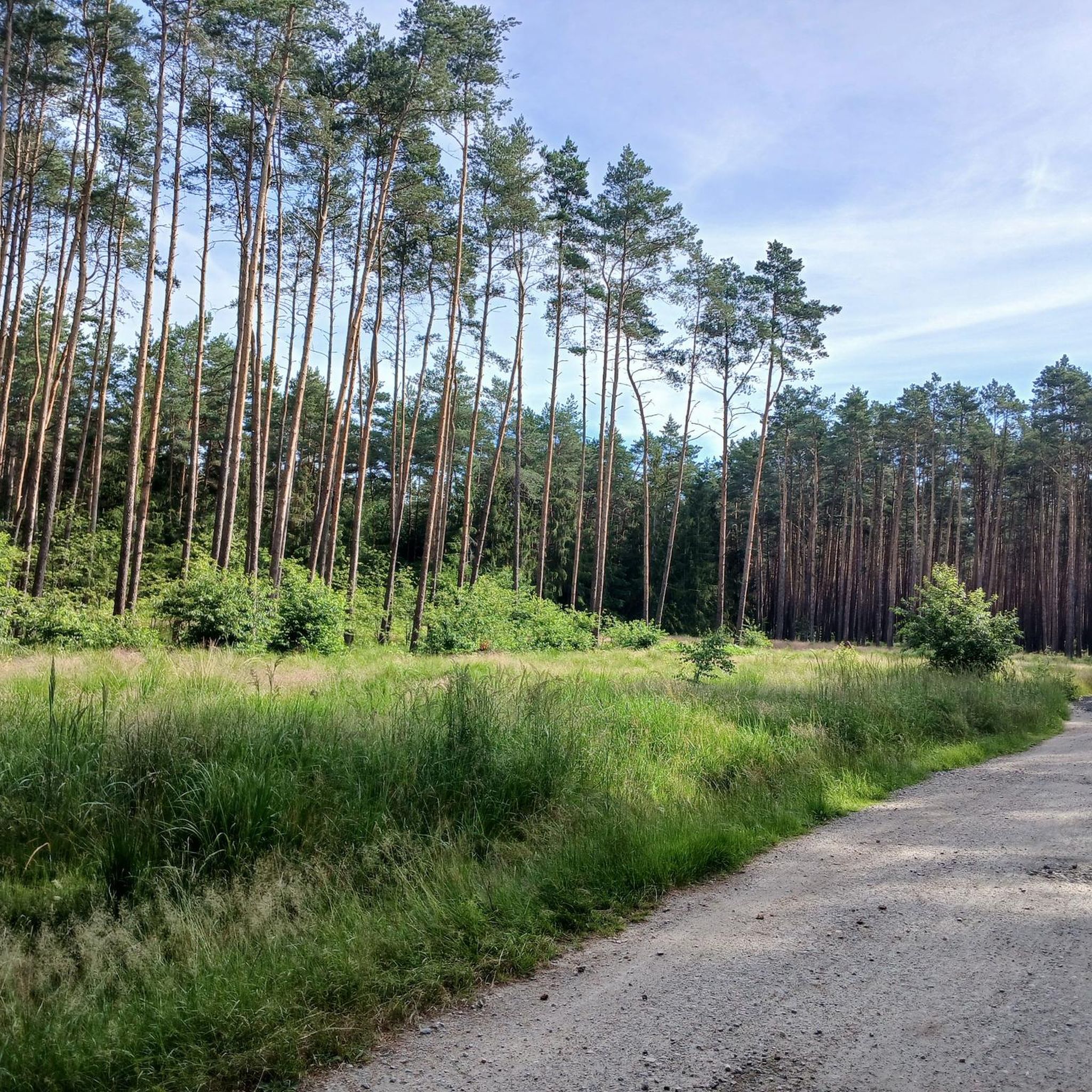
The Osetno nature reserve was established on November 14, 2008 and covers an area of 111.59 ha. Osetno is a forest reserve, but at the same time one of the first mycological reserves in Poland, i.e. protecting rare and endangered species of fungi.
2
1

The Kołowskie Parowy nature reserve is a small but very charming protected area located near Gryfice, which delights with deep gorges and steep slopes covered with beech forest. This is an ideal place for cyclists looking for peace and contact with nature, although you need to be prepared for short but intense climbs and sandy sections. Forest paths lead through the reserve, which are best covered by a trekking or cross bike with solid tires. It is worth taking provisions with you, because there is no tourist base in the area, and it is a great place for a quiet rest away from busy routes.
3
2
A granite erratic boulder at the intersection of Leśna Szosa and Droga Kołowska, near the Kołowskie Parowy reserve - protecting the Pomeranian beech forest developed in a typical variant. The boulder's circumference is 4.4 m, height 1.5 m with an inscription commemorating Józef Lewandowski. The inscription reads: "Kołowskie Parowy Nature Reserve named after Józef Lewandowski, a distinguished forester, a pioneer in the development of forests in Western Pomerania" - please add: long-time director of OZLP in Szczecin. Right next to it there is a rest area with a shelter, benches and tables.
0
0
Frequently Asked Questions
What natural features can I explore in Puszcza Goleniowska?
Puszcza Goleniowska is characterized by diverse forest ecosystems, including pine, oak, beech, alder, and ash forests. You'll find picturesque river valleys, such as the Ina and Gowienica rivers, and small lakes like Lake Ostrowo and Lake Przybiernowskie. The lowland areas also feature extensive peat bogs with rich flora, including sundews and orchids.
Are there any nature reserves worth visiting in the area?
Yes, Puszcza Goleniowska is home to several nature reserves. Notable ones include Kołowskie Parowy Nature Reserve, known for its moraine hills, ravines, and ancient Pomeranian beech forests, and Osetno Nature Reserve, which is one of Poland's first mycological reserves, protecting rare and endangered mushroom species. Other reserves like "Przybiernowskie Cisy" and "Sarni Las" also protect unique flora and fauna.
What historical sites or cultural points of interest can I find?
The region offers several historical and cultural points. You can visit the Dąbie Hunting Lodge, a historical building that reflects the Puszcza's past as a ducal hunting ground. The nearby town of Goleniów features medieval fortifications and architectural monuments. Additionally, throughout the Puszcza, you might discover old stone guideposts and monuments commemorating historical events.
Are there family-friendly attractions or activities available?
Absolutely. The Linden Anna and Kliniska Forest District is a great spot, featuring an ancient linden tree and the Nature and Forest Education Center. This center offers exhibitions and a 3-kilometer educational walking path, primarily designed for children and youth to learn about nature and forestry. Many of the forest trails are also suitable for family walks.
What kind of outdoor activities are popular around Puszcza Goleniowska?
Puszcza Goleniowska is excellent for active recreation. You can enjoy an extensive network of marked hiking, cycling, and horseback riding trails. For specific routes, you can explore guides like Cycling around Puszcza Goleniowska, Waterfall hikes around Puszcza Goleniowska, and MTB Trails around Puszcza Goleniowska.
Can I go cycling in Puszcza Goleniowska?
Yes, cycling is a popular activity. The Puszcza offers a network of cycling trails, including the Asphalt Bike Path to Jezierzyce, which follows a former railway line. You can find various routes, from easy asphalt paths to more challenging gravel and dirt roads, suitable for trekking or cross bikes. For more options, check the Cycling around Puszcza Goleniowska guide.
Are there hiking trails suitable for different skill levels?
Yes, the Puszcza Goleniowska provides a variety of hiking trails. In the Kołowskie Parowy Nature Reserve, you can follow the Stanisław Pawelski Red Trail or the Stanisław Groński Blue Trail. The Osetno Nature Reserve also has a blue trail available for hikers. Many routes are easy, while some areas, like Kołowskie Parowy, might involve short, intense climbs and sandy sections, making them intermediate. You can find more specific hiking routes in the Waterfall hikes around Puszcza Goleniowska guide.
Where can I see unique trees or natural monuments?
A prominent natural monument is the "Anna" Linden Tree, located next to the Kliniska Forest District headquarters. This over 450-year-old (some legends say over 600 years) small-leaved linden tree boasts a circumference of over 8 meters and a height of 18-27 meters, making it a unique sight and a local legend.
What kind of wildlife can I expect to see?
Puszcza Goleniowska is a significant wildlife haven. It's one of the most important places in Poland for the white-tailed eagle, and you might also spot ospreys, red and black kites, and lesser spotted eagles. Cranes are abundant, especially during their spring mating season. Other common fauna includes roe deer, wild boars, ravens, common buzzards, and occasionally gray wolves and moose.
Is there an educational center for learning about the forest?
Yes, the Ośrodek Edukacji Przyrodniczo-Leśnej (Nature and Forest Education Center) is located at the Kliniska Forest District. It offers educational opportunities, primarily for children and youth, with exhibitions on forest birds and mammals, didactic displays, and an outdoor exhibition showcasing large models of Polish forest mushrooms. A 3-kilometer educational walking path starts from here.
What is the best time of year to visit Puszcza Goleniowska?
The Puszcza Goleniowska offers beauty throughout the year. Spring is excellent for birdwatching, especially for cranes during their mating season. Autumn provides stunning colors in the diverse forest ecosystems. Summer is ideal for hiking and cycling, while winter can offer unique opportunities for snow activities, though specific details on winter activities are limited.
Are there any specific viewpoints or scenic spots?
While specific named viewpoints within Puszcza Goleniowska are not detailed, the picturesque valleys of the Ina and Gowienica rivers, with their charming mid-forest meadows and deep ravines, offer many scenic spots. The small lakes like Ostrowo and Przybiernowskie also contribute to the area's beauty. The varied relief within reserves like Kołowskie Parowy provides picturesque landscapes.
What makes the Osetno Nature Reserve unique?
The Osetno Nature Reserve is unique as one of Poland's first mycological reserves. It was established to protect rare and endangered mushroom species, with at least 240 species identified, including seven legally protected ones. The reserve also features diverse forest formations, including beech forests, riparian forests, and spring alder forests, and is a refuge for rare bird species like the white-tailed eagle.
Most popular routes around Puszcza Goleniowska
Most popular attractions around Puszcza Goleniowska

Get inspired with the komoot mobile app


Explore more
Still not found the Highlight you’re looking for? See guides of the top attractions in other regions:
