Attractions and Places To See around Zempléni-hegység - Top 20
Best attractions and places to see around Zempléni-hegység, also known as the Tokaj Mountains, offers a diverse landscape of volcanic origin in Hungary. This region, situated between the Bodrog and Hernád rivers, features impressive natural formations and significant cultural sites. Visitors can explore historic castles, protected natural areas, and the renowned Tokaj Wine Region. The area provides opportunities for nature exploration and cultural discovery.
Best attractions and places to see around Zempléni-hegység
- The most popular attractions is Megyer Hill Tarn…
Last updated: August 2, 2026
Megyer Hill Tarn
Highlight • Lake
Translated by Google •
Tip by

Bridge of National Unity (Nemzeti Összetartozás Hídja)
Highlight • Bridge
The "Bridge of National Unity" …
Translated by Google •
Tip by

Sign up now to discover places like this
Get recommendations on the best single tracks, peaks, & plenty of other exciting outdoor places.
Sign up for free
Szuha Valley Junction (Kishuta)
Highlight • Trail
Translated by Google •
Tip by
Kerek kő
Highlight • Viewpoint
Tip by

Kőkapu
Highlight • Restaurant
Translated by Google •
Tip by
Sign up for free to discover even more attractions around Zempléni-hegység.
Sign up for free
Already have an account?
Start today with a free account
Your next adventure awaits.
Login or Signup
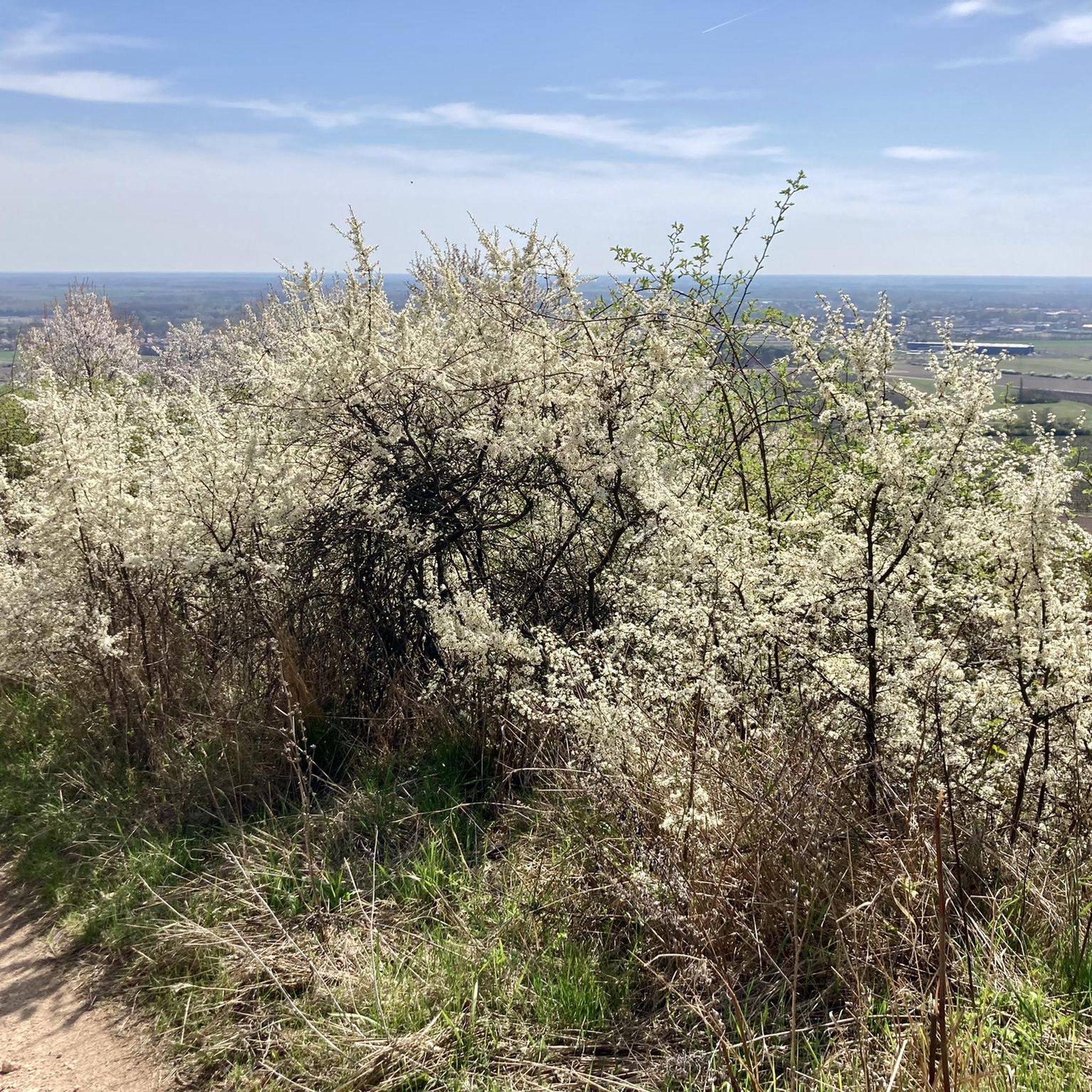
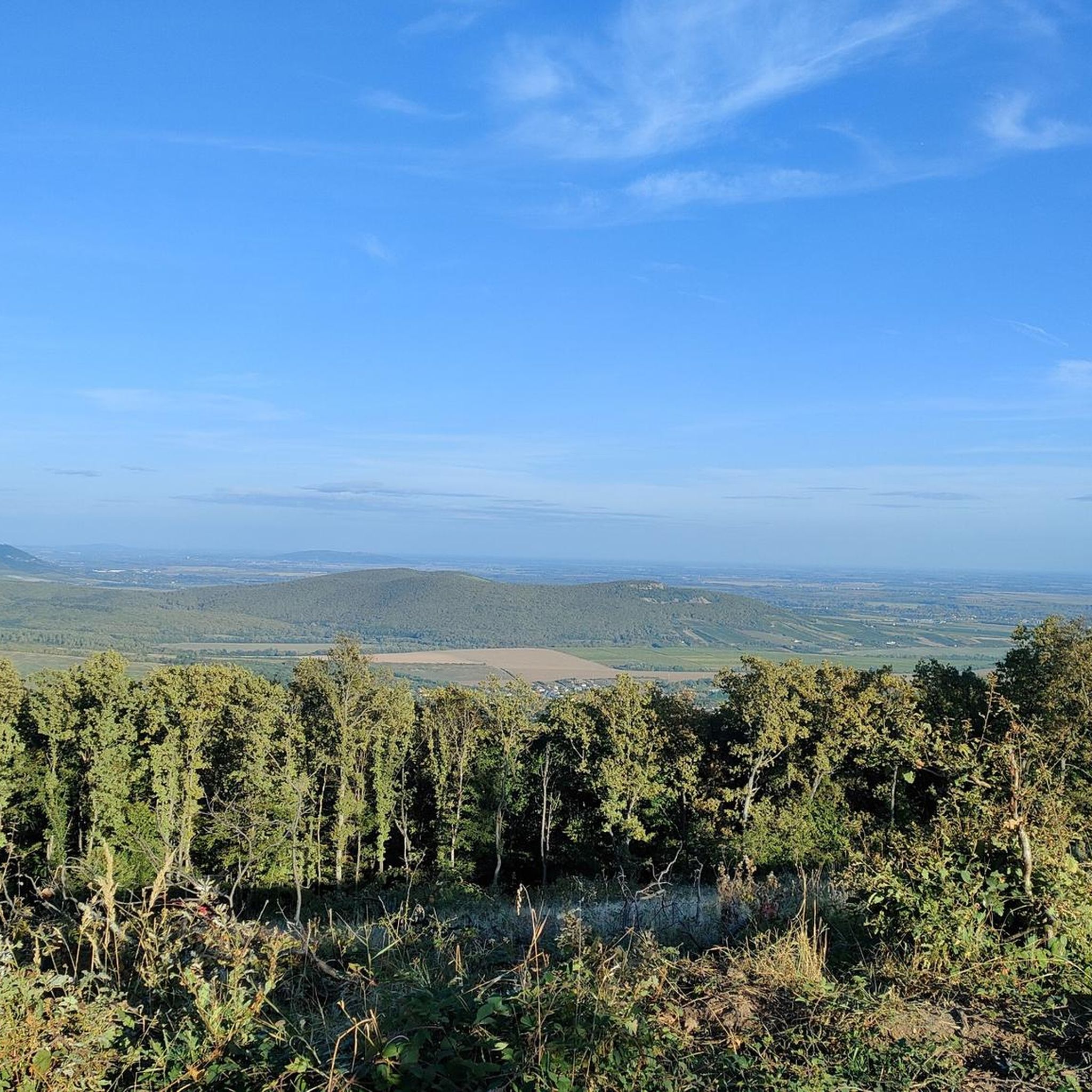
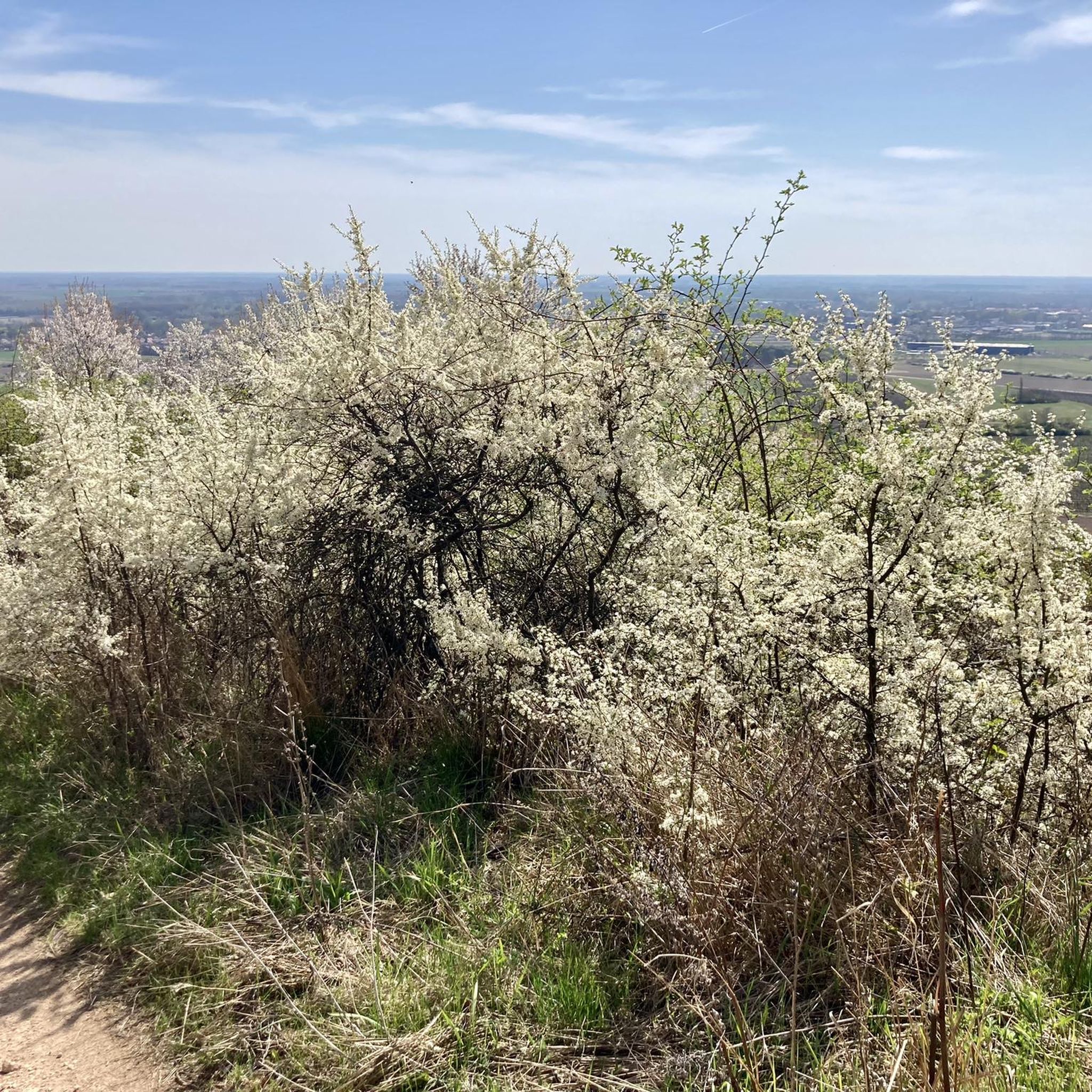
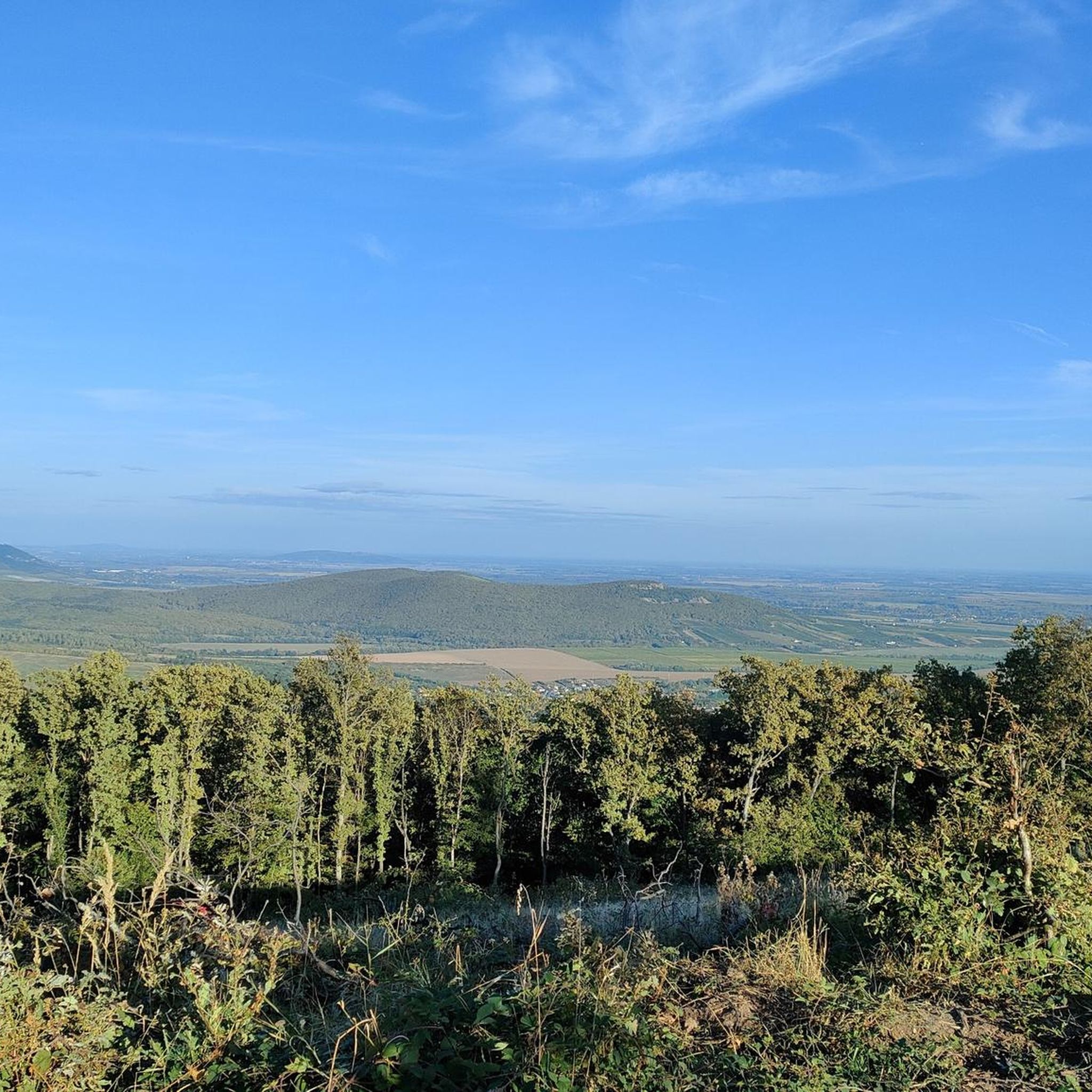
Tips from the Community

The small Hungarian town of Sátoraljaújhely is located on the border with Slovakia. Most people probably don't know about the town in the Tokaj-Zemplén region. The "Bridge of National Unity" is 723 meters long from pillar to pillar and 80 meters high. Visitors can cross the bridge every day from 10 a.m. for 5,000 Ft, about 13€, which works as a day ticket. (Children and local residents 4,000 Ft) So you can go from Várhegy (Vár Hill) over the bridge, out the other gate to Szárhegy (Szár Hill). Here you can go hiking or take the Dongó (cable car elevator) to Magashegy (Magas Hill) to experience further highlights.
0
0


The 300 m high Megyer Mountain was created during the Tertiary period of geological history, during the Middle Miocene (Baden) volcanism, and its mass is mainly made up of chert-silica rhyolite tuff. The approx. Volcanic activity that began 15 million years ago took place below sea level, and later the volcanic structures rose above water level. The sedimentation in the marine environment is told by the impressions of mollusk turtles (e.g. shells) mixed in the material of the rhyolite tuff. During the intense explosive volcanic activity, the glowing debris tumbled down the sides of the volcanoes like an avalanche and accumulated due to its high temperature. This is how the homogeneous, unstratified rock that forms the material of Megyer Mountain was created. After volcanism ended, siliceous solutions flowed along the fault lines and penetrated the rhyolite tuff. As a result of the post-volcanic activity, the softer parts of the rock body became more resistant to the effect of silicic acid, while some parts (such as the horzak stones) hardened, making the rock material of Megyer-hegy sloppy, "wasp stone". After solidification, the products of volcanic eruptions impregnated with siliceous solutions became very hard and resistant, and their crystalline inclusions and cavities made them excellent for the production of millstones. There was already a millstone quarry on Megyer Mountain in the 15th century, where millstones were extracted and processed for centuries using similar techniques, tools and manual labor. The so-called "Italian type" millstones were carved in a block from the siliceous rhyolite tuff. Before the decline in production at the end of the 19th century and the cessation of operations in 1907, the average production of the millstone mine varied between 300-450 millstones per year. In the 19th century, the focal point of millstone mining moved to the neighboring Király Hill, where "French-type" millstones were already produced (the millstones were already assembled from several elements). To remove the bottom water accumulated in the mine, the deepening of the drainage ditch was started in 1844 and continued for decades in the southwest corner of the medieval Old Mine. The lake that was later named "eye of the sea" was formed in the excavation pit of the abandoned millstone mine. In addition to the pond, the former miners' lodgings carved into the rhyolite tufa can also be studied. In 1997, the lake and its surroundings were declared a nature conservation area.
1
0
The light train stops right in front of the restaurant. The terminus - Rostalló - is a great starting point for a walking tour in Zemplén. Be sure to ask the ticket manager on the train about the schedule of return flights so that the tour can be planned for our stamina.
0
0
National Blue Tour hub connection.
0
0
Frequently Asked Questions
What unique natural attractions can I explore in the Zempléni-hegység?
The Megyer Hill Tarn is a must-see, a beautiful lake formed in an abandoned millstone mine, surrounded by rhyolite tuff. You can also find impressive rock formations like Kerek-kő and Pengő-kő, and the scenic Arka stream valley. The Zempléni Landscape Protection Area itself offers diverse ecosystems for nature lovers.
Are there any historic castles or cultural sites to visit in the region?
Yes, the Zempléni-hegység is rich in history. You can visit the beautifully renovated Boldogkő Castle, the reconstructed Füzér Castle, and the historic Regéc Castle, where Francis II Rákóczi spent his childhood. The Tokaj Wine Region, a UNESCO World Heritage site, also offers insights into viticultural heritage with various wineries.
Where can I find the best panoramic views in the Zempléni-hegység?
For breathtaking vistas, head to Kerek kő, which offers a 270-degree panoramic view of the Zemplén Hills. The Bridge of National Unity in Sátoraljaújhely also provides unique views, and the Károlyi-kilátó on Nagy-Milic, the highest peak, offers sweeping landscapes.
What kind of outdoor activities are available near these attractions?
The region is excellent for outdoor activities. You can find numerous hiking trails, including those leading to the Károlyi lookout tower or offering views of the Zemplén Mountains. For more detailed routes, explore the hiking guide for Zempléni-hegység. There are also running and cycling opportunities, with guides like Running Trails around Zempléni-hegység and Cycling around Zempléni-hegység.
Are there family-friendly attractions in the Zempléni-hegység region?
Yes, families can enjoy the Zemplén Kalandpark (Adventure Park) in Sátoraljaújhely, which offers various activities including a chairlift. The Kőkapu area, accessible by a light train, is also family-friendly, offering a restaurant and serving as a starting point for walks.
What is the Bridge of National Unity and what does it offer?
The Bridge of National Unity (Nemzeti Összetartozás Hídja) in Sátoraljaújhely is an impressive pedestrian suspension bridge, 723 meters long and 80 meters high. It connects Várhegy (Castle Hill) to Szárhegy (Dry Hill), providing unique views and access to further hiking opportunities.
Can I explore the Tokaj Wine Region and its wineries?
Absolutely. The Tokaj Wine Region is a UNESCO World Heritage site renowned for its viticultural heritage. You can visit several wineries, such as Homoky Pincészet, Hangavári Pincészet, and Borostyán Pincészet, which often offer tastings and tours to experience the exquisite local wines.
What is the best way to start a walking tour in the Zemplén Mountains?
Rostalló, the terminus of a light train, is an excellent starting point for walking tours in the Zemplén Mountains. From here, you can embark on various trails, including those that lead to scenic viewpoints and natural features.
Are there any unique geological formations besides Megyer Hill Tarn?
Beyond the Megyer Hill Tarn, the Zemplén region features numerous impressive rock formations, many of which are products of the Ice Age. Kerek-kő offers panoramic views, while Pengő-kő, resembling a castle bastion, stands at 715 meters and features a flat, oscillating rock at its summit.
What do visitors enjoy most about the Zempléni-hegység attractions?
Visitors particularly appreciate the stunning natural beauty, such as the Megyer Hill Tarn with its unique geological history and the panoramic views from spots like Kerek kő. The historical castles and the diverse hiking opportunities also receive high praise for their immersive experiences.
What is the significance of the Tokaj Mountain (Kopasz-hegy)?
Tokaj Mountain, also known as Kopasz-hegy, is a symbolic volcanic cone that showcases evidence of the region's volcanic activity. It's also a vital habitat for unique flora and fauna, including the rare *Aster oleifolius*.
Are there any serene natural springs or hidden gems to discover?
Yes, the Emri Forrás in Nagyhuta is a beautiful natural spring offering a serene escape. Additionally, the Mulató-hegyi Tengerszem is another tranquil mountain lake perfect for outdoor adventures and relaxation, providing a quieter alternative to more popular spots.
Most popular routes around Zempléni-hegység
Most popular attractions around Zempléni-hegység

Get inspired with the komoot mobile app


Explore more
Still not found the Highlight you’re looking for? See guides of the top attractions in other regions:
