Attractions and Places To See around Rotter Forest - Top 20
Best attractions and places to see around Rotter Forest include a diverse landscape of natural beauty and historical sites. This area, the largest contiguous woodland in the Rosenheim district, features gently undulating ground moraine landscapes and significant moor and wetland areas. Visitors can explore various forest ecosystems, including Scots pine and spruce moor forests, alongside cultural landmarks like former monasteries and historical mills. The region offers opportunities for nature observation and discovering sites with historical significance.
Best attractions and places…
Last updated: August 3, 2026
Lourdes Grotto Dobl
Highlight • Religious Site
Translated by Google •
Tip by

Haringer Chapel
Highlight • Religious Site
Martin Lang built. A fateful event caused Jakob Lang to do this
To …
Translated by Google •
Tip by

Sign up now to discover places like this
Get recommendations on the best single tracks, peaks, & plenty of other exciting outdoor places.
Sign up for free
Rottmühle on the Rott
Highlight • Monument
It is said of the romantic village on the Rott that the notorious “Haberer” met there. The property - built around the 11th …
Translated by Google •
Tip by
Entenweiher
Highlight • Lake
Translated by Google •
Tip by

Brandplatz Parking Area
Highlight • Parking
Individual circuits can be planned on …
Translated by Google •
Tip by
Sign up for free to discover even more attractions around Rotter Forest.
Sign up for free
Already have an account?
Start today with a free account
Your next adventure awaits.
Login or Signup
Tips from the Community


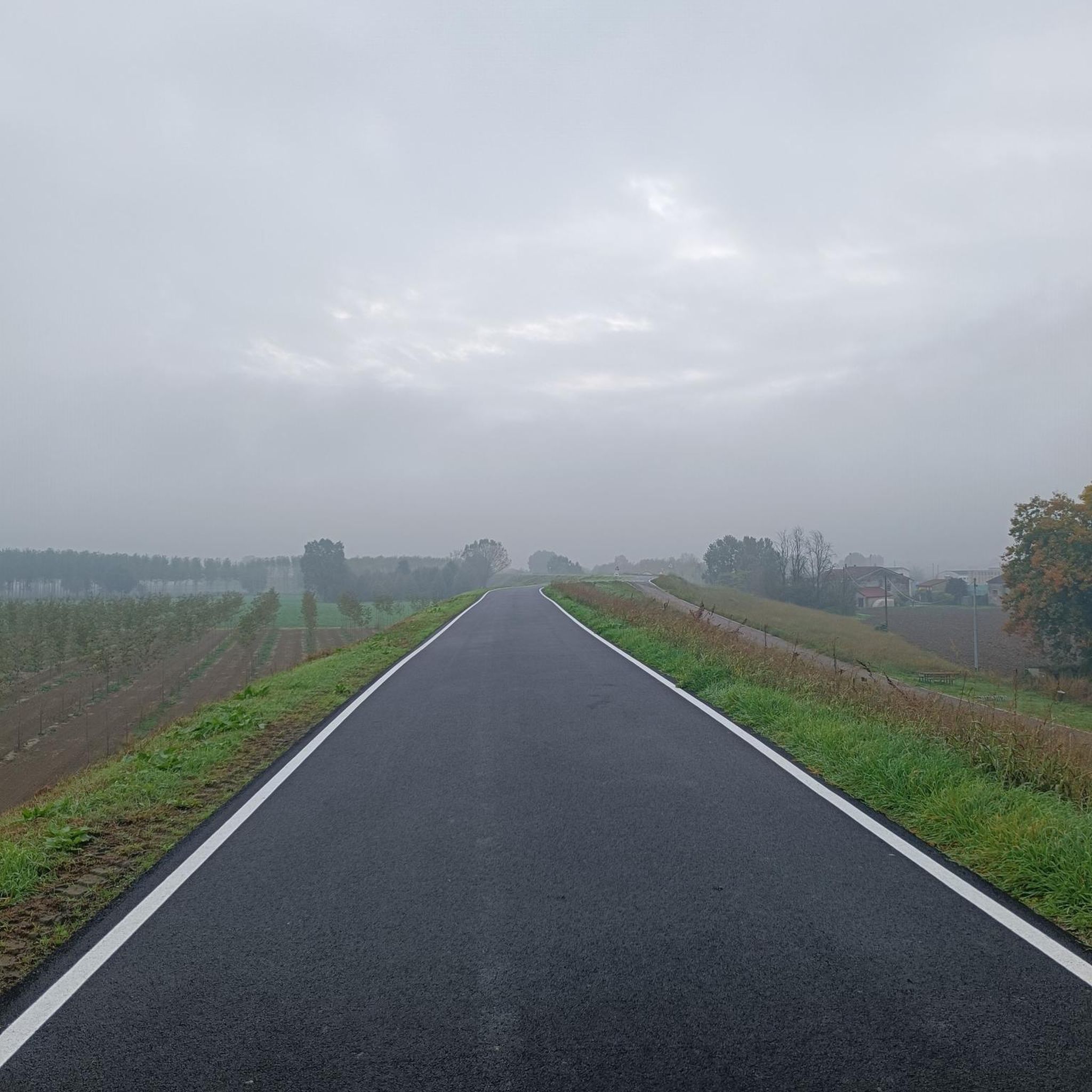
This car park is the ideal starting point for long bike tours through the Rotter Forest, on kilometer-long paths, which are usually provided with nameplates. Individual circuits can be planned on the long routes and the crossroads in between. Jogging and walking is also very feasible here.
1
0
This car park is the ideal starting point for long walks through the Rotter Forest, on kilometer-long paths, which are usually provided with nameplates. Individual circuits can be planned on the long routes and the crossroads in between. Jogging and cycling is also very feasible here.
1
0
The Lourdes Grottoes are Mary's Grottoes, which are replicas of the Grotto of Massabielle near Lourdes in southern France and Our Lady of Lourdes. According to her own statements, Saint Bernadette saw the Mother of God in this grotto in 1858. At the site of the apparitions of Mary, a Madonna figure adorns the grotto, the original of which Joseph-Hugues Fabisch created for Massabielle in 1864 according to Bernadette's instructions. Source and more info https://de.m.wikipedia.org/wiki/Lourdesgrotte
1
1
Beautiful view of the Alpine panorama. However, you should choose a day with good visibility.
1
0
The chapel was built in 1935 by Jakob Lang, who was then the parish priest in Rott, and his brother Martin Lang. A fateful event prompted Jakob Lang to to build a chapel. He was with his brother Martin up in Rockerl doing woodwork busy when suddenly the oxen fell into the gravel pit. source https://www.erzbistum-muenchen.de/pfarrei/pv-rott/cont/75822
1
0
Beautiful view of the Alpine panorama. However, you should choose a day with good visibility.
1
0

In 1858 the Mother of God appeared several times to the shepherd girl Bernadette in the Massabielle cave near Lourdes. I quickly spread the word about this and as early as 1875 a German pilgrimage train traveled to Lourdes. In Bavaria, Capuchins build the first Lourdes grottoes. It is the long-cherished wish of the doctor who has been practicing in Rott since 1865, Dr. Ludwig Seemüller to build a Lourdes grotto here. At the place of "Stifterbrünndl bei Rockerl" would be the right place at the source. dr Seemüller discusses this with the landowner Stefan Forstner, miller farmer in Dobl, and they happily agree. Numerous helpers are involved in the construction; the then Mother of God figure donates a "possible citizen woman". At the beginning of this century, however, the Lourdes grotto, which the population has grown fond of, is demolished due to moisture damage. The faithful are deeply disappointed with this now lost place of worship. This moves the landowner Stefan Forstner and he will have a new grotto built near the farm. The stonemason and sculptor company Hueber from Wallerstein in northern Swabia receives the order. Forstner also donated the statue of Mary and the figure of the seer Bernadette for this new grotto. The father-in-waiting from Rott makes the prayer chair and bench. We do not know whether Pastor Singldinger or Pastor Johann Baptist Schamberger, who had been active in Rott since March 1904, carried out the consecration. Again, the believers from Rott and the surrounding villages come to the newly built Marienstätte in Rockerl. Flowers or garlands adorn the grotto; also votive tablets donated out of gratitude. Admittedly, in that unfortunate period after 1933 for us, they were smashed, even trampled on. The builder of the Lourdes Grotto does not have to witness this; Dobl's father, the miller, died on March 10, 1931 at an advanced age. Mayor Valentiner dedicates a plaque to him. (Valentiner was a stonemason in Rott at the time) The care of this place of prayer and its surroundings is a constant concern of the Bodmaier family. In 1957 they were able to acquire the figure of Bernadette from the parish church in Plattling and now set it up in the Dobler Grotto. Pastor Sebastian Gruber and First Prior Georg Zacherl consecrated the church in 1958. A few years later, Pastor Johann Durner introduced the parish's annual May prayer service here in Dobl.
0
0
Frequently Asked Questions
What natural features can I explore in Rotter Forest?
Rotter Forest is known for its diverse natural beauty, including significant mixed forests and wetland areas. You can explore around 300 hectares of moorlands, with about 20 hectares still open high moor, such as the Frauenöder Filz. The forest also features various moor forest types, including Scots pine, dwarf pine, and spruce moor forests, as well as beech and oak-hornbeam forests on its slopes. The Entenweiher, a pond formed from historical peat extraction, is another natural point of interest.
Are there any historical or cultural sites to visit near Rotter Forest?
Yes, the area around Rotter Forest is rich in history and culture. You can visit the former Benedictine abbey, Kloster Rott, in Rott am Inn, which includes the stunning St. Marinus and Anianus Church. Another historical site is the Rottmühle on the Rott, a historical mill built around the 11th century. The Lourdes Grotto Dobl and the Haringer Chapel are also significant religious and historical landmarks.
What kind of hiking trails are available in Rotter Forest?
Rotter Forest offers numerous paths for hiking, including ancient pilgrim trails that connect to the larger Jakobsweg network. These trails provide opportunities for both short walks and longer routes through the scenic landscape. Many trails wind through the diverse forest ecosystems and past natural features like the Entenweiher. For more detailed hiking options, you can explore the Running Trails around Rotter Forest guide, which includes several moderate and easy loops.
Are there family-friendly activities or attractions in Rotter Forest?
Yes, Rotter Forest is suitable for families. Many of the trails are easy to moderate, making them accessible for walks with children. The Entenweiher, with its rooty trail, is an idyllic spot for a family stroll. The Filzenklas Forest Inn, located within the forest, offers a playground and soccer field, making it a great stop for families. The Lourdes Grotto Dobl and Haringer Chapel are also considered family-friendly attractions.
Can I bring my dog on trails in Rotter Forest?
Rotter Forest is generally dog-friendly, with many paths suitable for walks with your canine companion. The diverse forest and moorland trails offer plenty of opportunities for dogs to explore. Always ensure your dog is under control and respect local regulations regarding leashes, especially in nature reserve areas like the Frauenöder Filz.
What are some popular viewpoints in Rotter Forest?
While Rotter Forest itself is characterized by its dense woodland, some spots offer scenic views. The Lourdes Grotto Dobl provides beautiful views of the Alpine panorama on clear days. Additionally, you can enjoy views of the Inn River and its banks from the bridge over the Inn, which also features a stone statue.
How can I get to Rotter Forest using public transport?
Rotter Forst is located near Rott am Inn. While specific public transport routes directly into the forest might be limited, you can typically reach Rott am Inn via regional bus services or trains, depending on your starting point in Bavaria. From Rott am Inn, local paths and roads lead into the forest. It's advisable to check current public transport schedules to Rott am Inn for the most up-to-date information.
Where can I find parking when visiting Rotter Forest?
Parking options are available at various entry points to Rotter Forest, particularly near popular trailheads or attractions like the Filzenklas Forest Inn. In Rott am Inn, there are also parking facilities from which you can access the forest. Look for designated parking areas to ensure you are not obstructing local traffic or private property.
What outdoor sports or activities can I do around Rotter Forest?
Beyond hiking, Rotter Forest and its surroundings offer opportunities for various outdoor activities. You can enjoy gravel biking or mountain biking on trails that traverse the region. Komoot offers guides like Gravel biking around Rotter Forest and MTB Trails around Rotter Forest, featuring routes of varying difficulties. Nature observation, especially birdwatching in the moorlands, is also a popular activity.
Is there a good time of year to visit Rotter Forest?
Rotter Forest can be visited year-round, with each season offering a unique experience. Spring brings blooming flora and active wildlife, while summer is ideal for long walks and enjoying the shade of the trees. Autumn transforms the forest with vibrant fall colors, and winter, if there's snow, can offer a serene, picturesque landscape. The best time depends on your preferred activities and weather conditions.
Are there places to eat or stay near Rotter Forest?
Yes, the area offers options for dining and accommodation. The traditional Filzenklas Forest Inn, located directly within the forest, provides hospitality with a beer garden and serves as a starting point for a moor trail. In Rott am Inn and nearby villages, you can find various restaurants, cafes, and guesthouses for a longer stay.
What is the significance of the moorlands in Rotter Forest?
The moorlands in Rotter Forest are highly significant for their ecological value. They represent a crucial wetland area, with around 300 hectares of moor, including open high moor. These areas are home to rare plant and animal species and are part of conservation efforts, including re-wetting projects, to promote the growth of peat moss and preserve their unique ecosystems. The Frauenöder Filz is one of Bavaria's oldest nature reserves.
What is the <a href="https://www.komoot.com/highlight/2963022" target="_blank" rel="noopener">Entenweiher</a>?
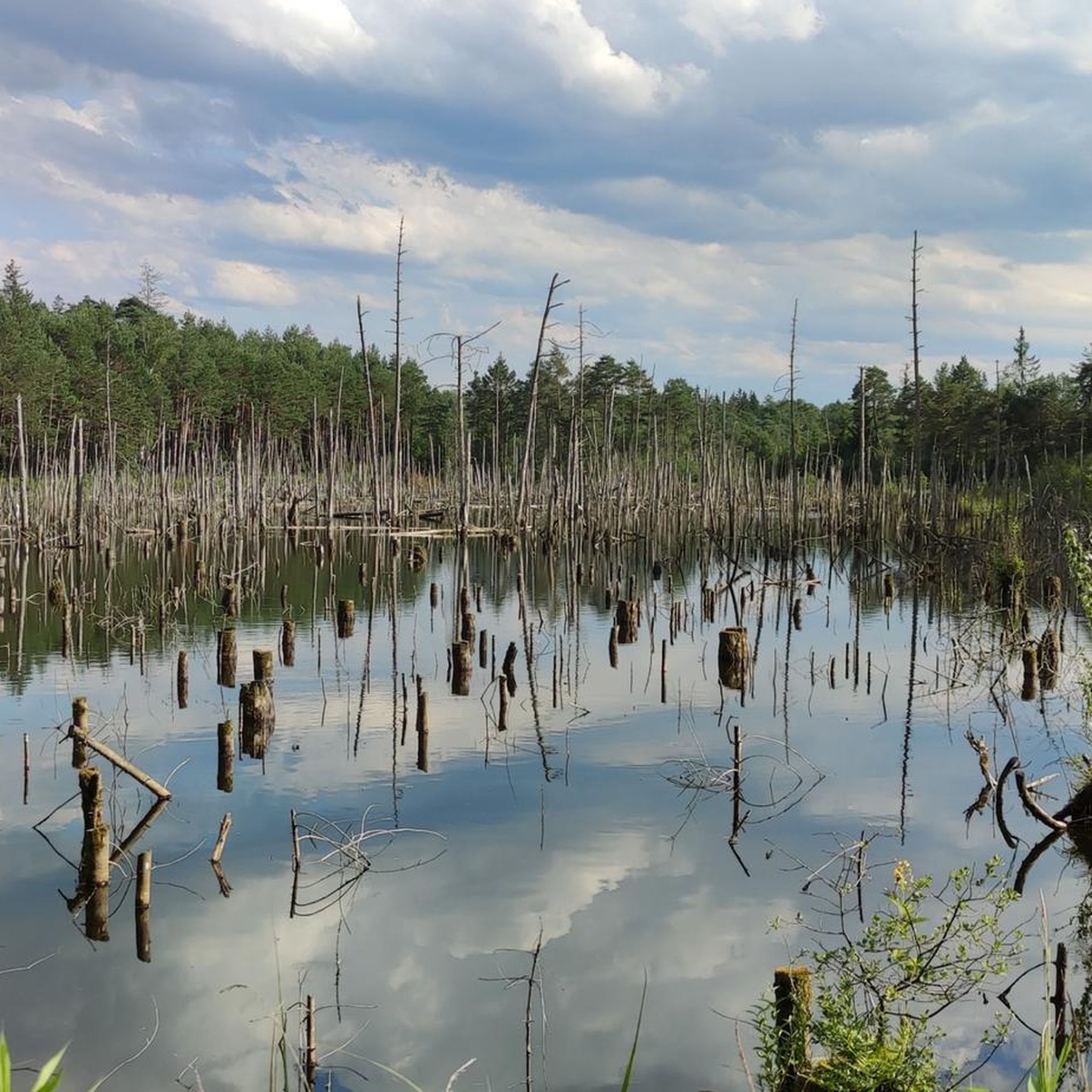
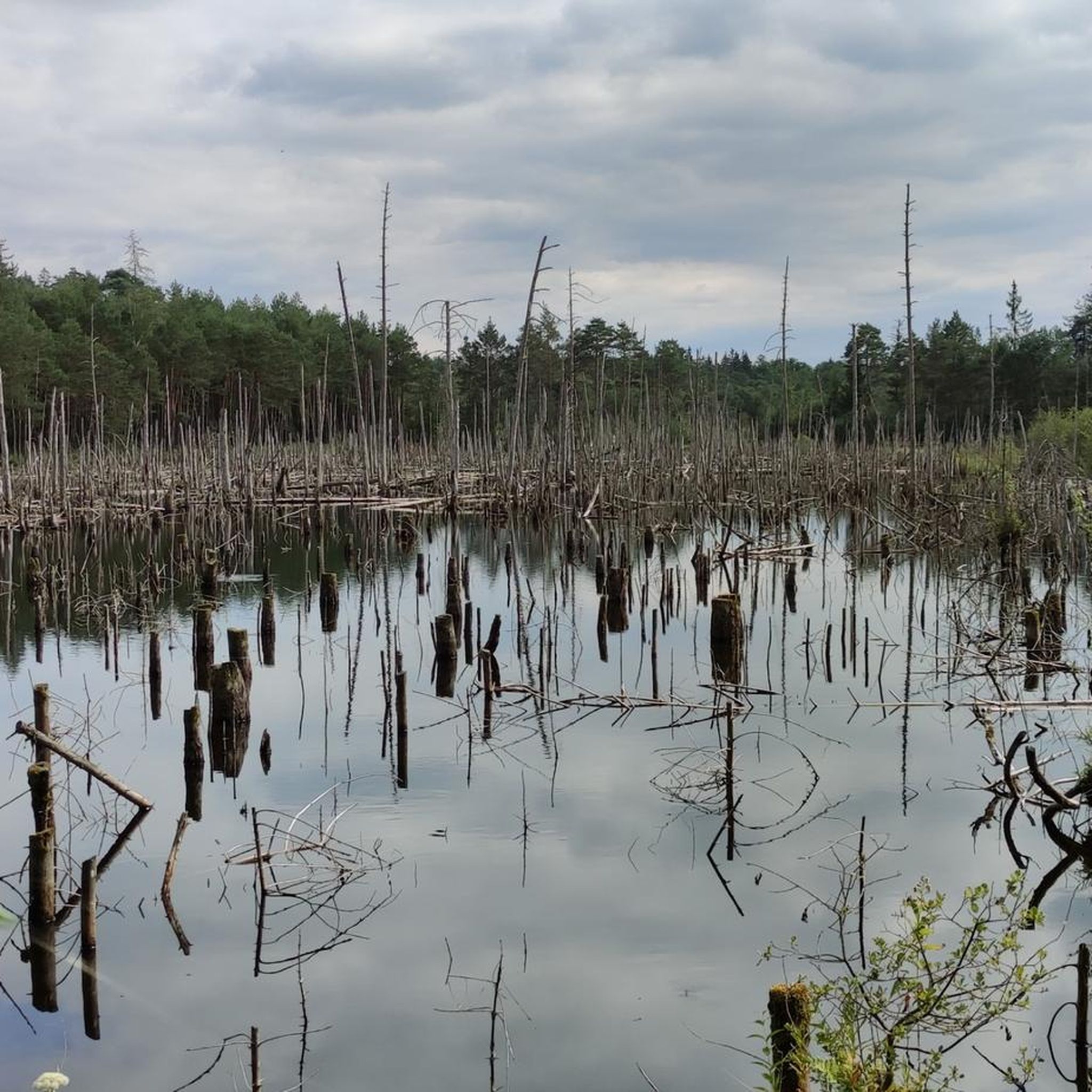
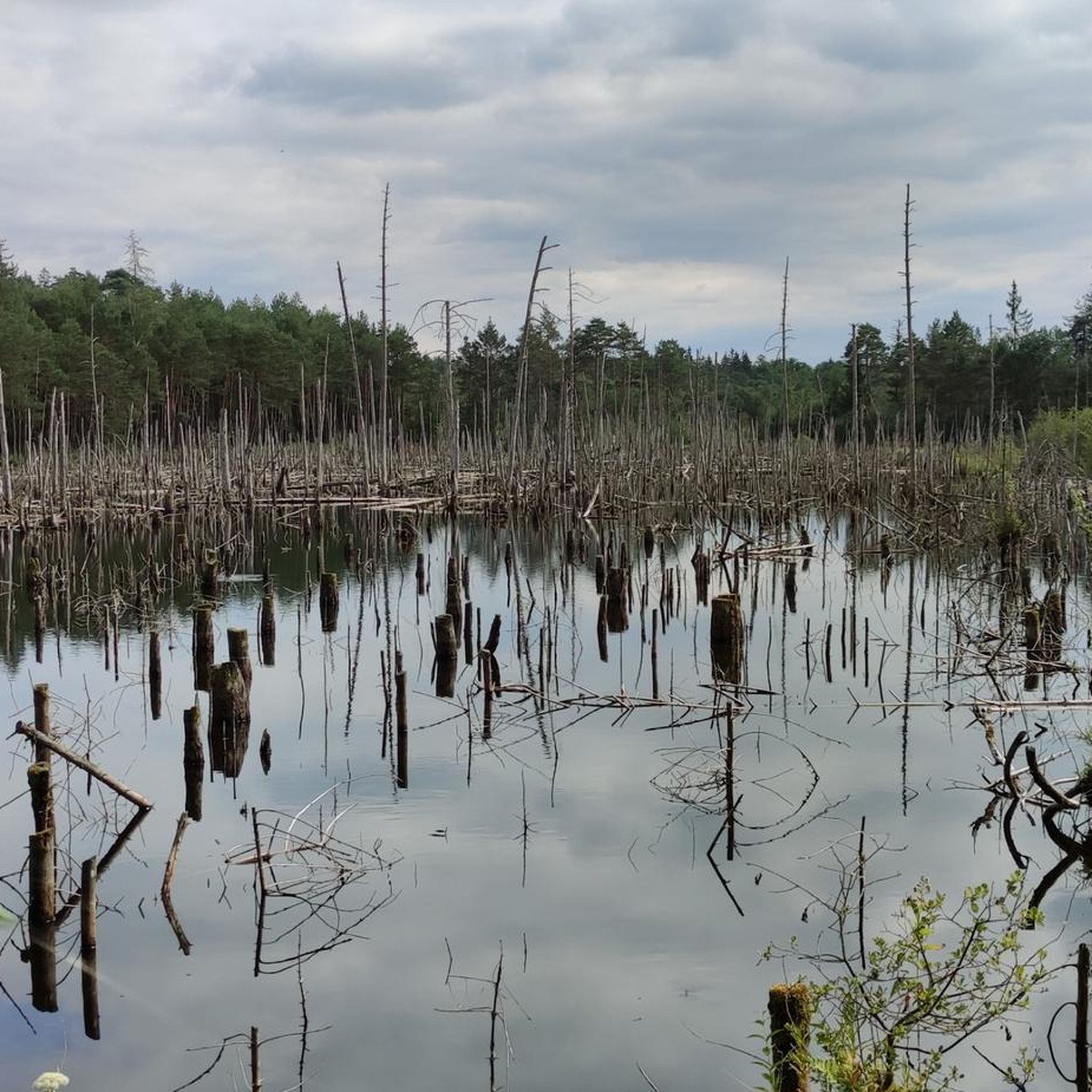
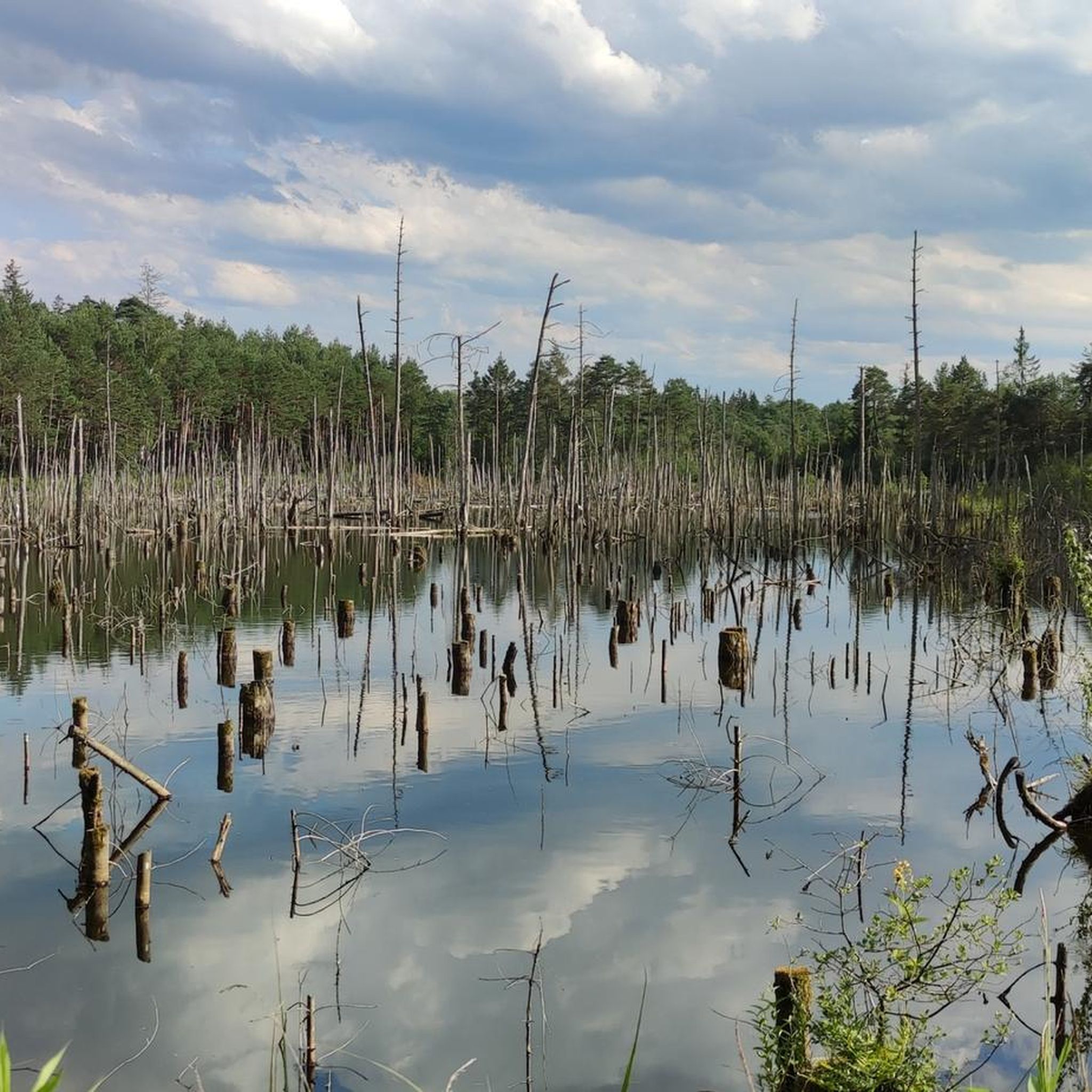
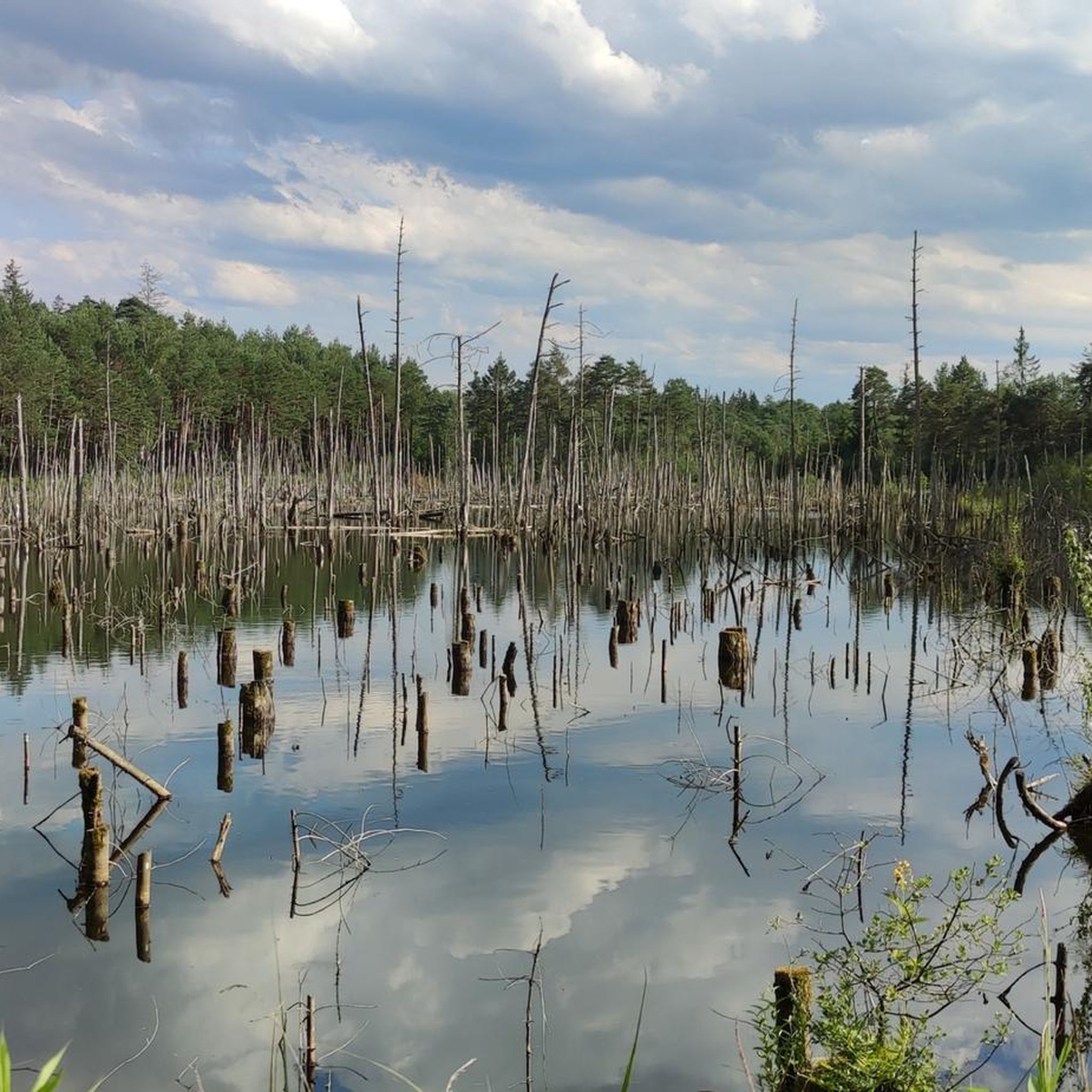
The Entenweiher is an idyllically situated pond within the Rotter Forest. It was formed as a result of historical peat extraction in the northern parts of the forest. A rooty trail winds around the pond, making it a popular spot for walks and nature observation.
What is the <a href="https://www.komoot.com/highlight/4106337" target="_blank" rel="noopener">Lourdes Grotto Dobl</a>?
The Lourdes Grotto Dobl is a large St. Mary's grotto located on a hiking trail. It's a religious building that offers visitors a place for devotion and, on clear days, provides beautiful views of the Alpine panorama. The nearby Haringer Chapel is also part of this area.
What is the <a href="https://www.komoot.com/highlight/2894749" target="_blank" rel="noopener">Rottmühle on the Rott</a>?
The Rottmühle on the Rott is a historical mill, a man-made monument built around the 11th century. Situated on the Rott river, it retains elements of its original structure and offers a glimpse into the region's past. It's a romantic village landmark that invites visitors to stop and explore.
Most popular routes around Rotter Forest

Get inspired with the komoot mobile app


Explore more
Still not found the Highlight you’re looking for? See guides of the top attractions in other regions:
