Attractions and Places To See around Geiseltalsee - Top 20
Best attractions and places to see around Geiseltalsee include a variety of natural and historical sites. Geiseltalsee, Germany's largest artificial lake, was created from a former lignite mining area, transforming the landscape into a significant recreational destination. The region offers extensive opportunities for outdoor activities, including a popular cycle path that encircles the lake. Visitors can explore the unique history of the Geiseltal while enjoying its diverse natural features.
Best attractions and places to see around Geiseltalsee
- The most popular…
Last updated: November 20, 2026
View of Marina Braunsbedra on Lake Geiseltal
Highlight (Segment) • Viewpoint
Translated by Google •
Tip by

Geiseltalsee Beach
Highlight • Beach
Translated by Google •
Tip by

Sign up now to discover places like this
Get recommendations on the best single tracks, peaks, & plenty of other exciting outdoor places.
Geiseltalsee Cycle Path Southeast Side
Highlight (Segment) • Cycleway
Translated by Google •
Tip by

Information Board: The Submerged Villages of Geiseltal
Highlight • Monument
Translated by Google •
Tip by

Geisel Riverbed
Highlight • River
Translated by Google •
Tip by
Sign up for free to discover even more attractions around Geiseltalsee.
Already have an account?
Start today with a free account
Your next adventure awaits.
Popular around Geiseltalsee
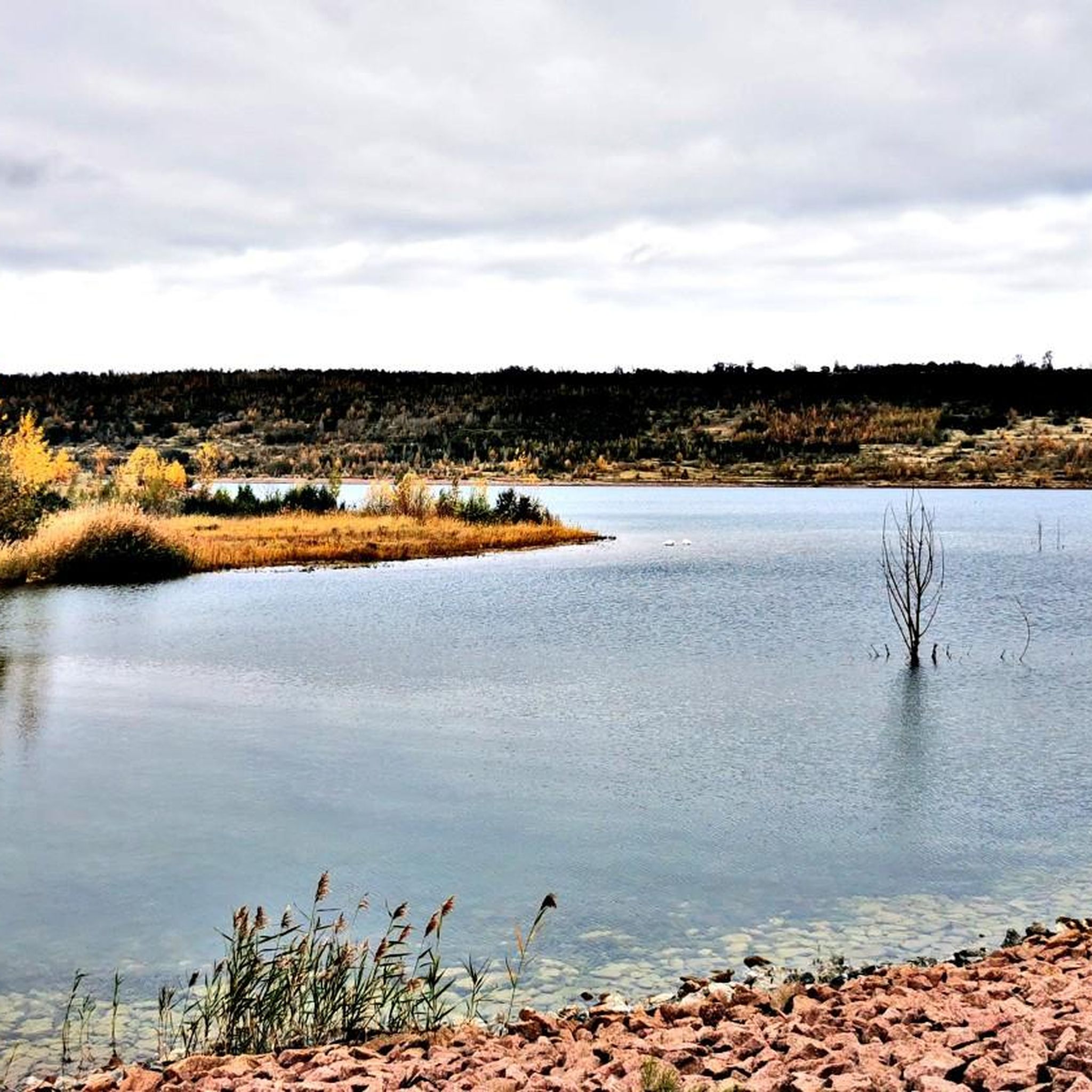
The 11 most beautiful cycle Tours in Germany’s Saale-Unstrut region
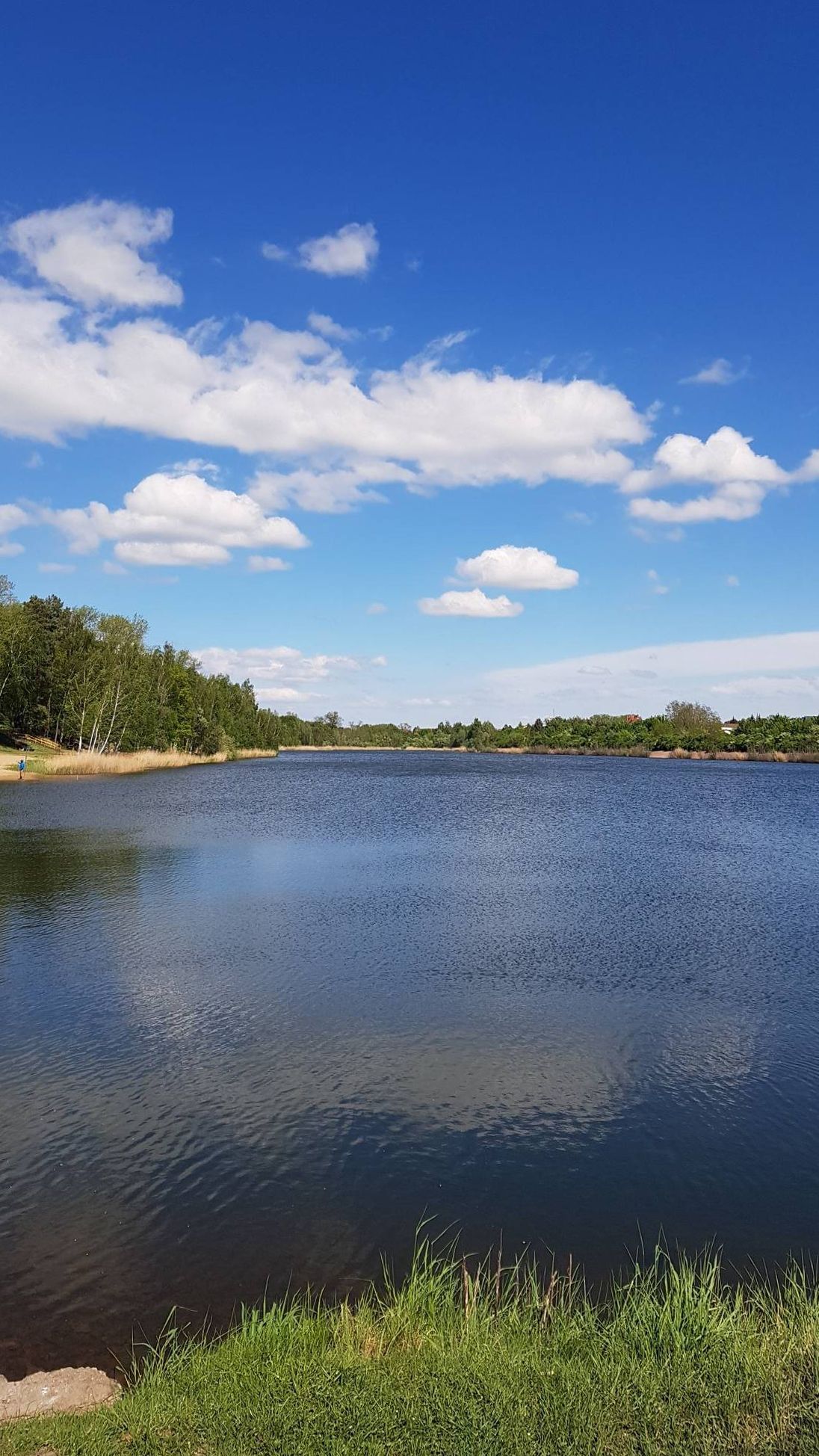
The most beautiful swimming lakes in Saxony-Anhalt
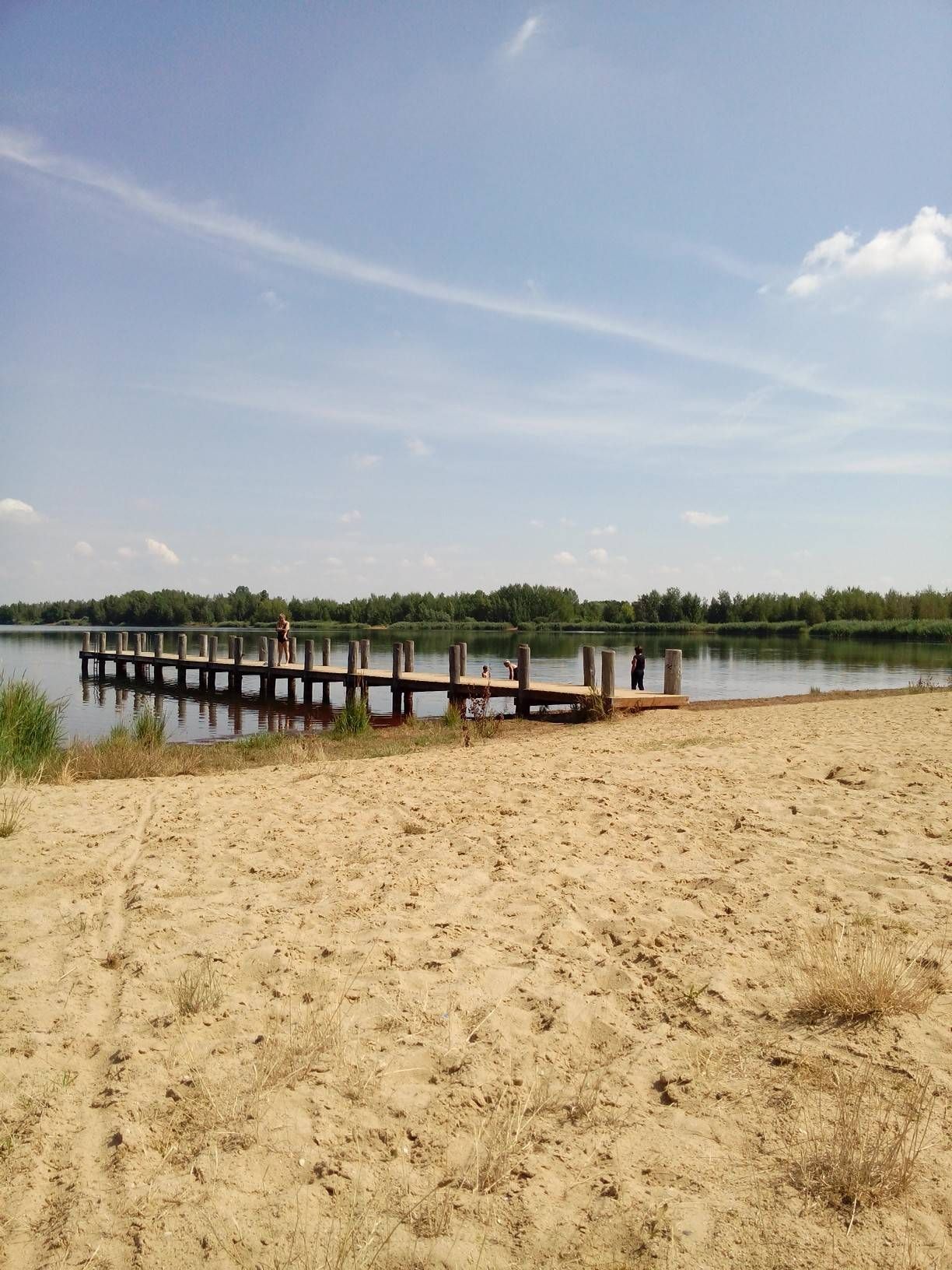
The most beautiful swimming spots around Leipzig
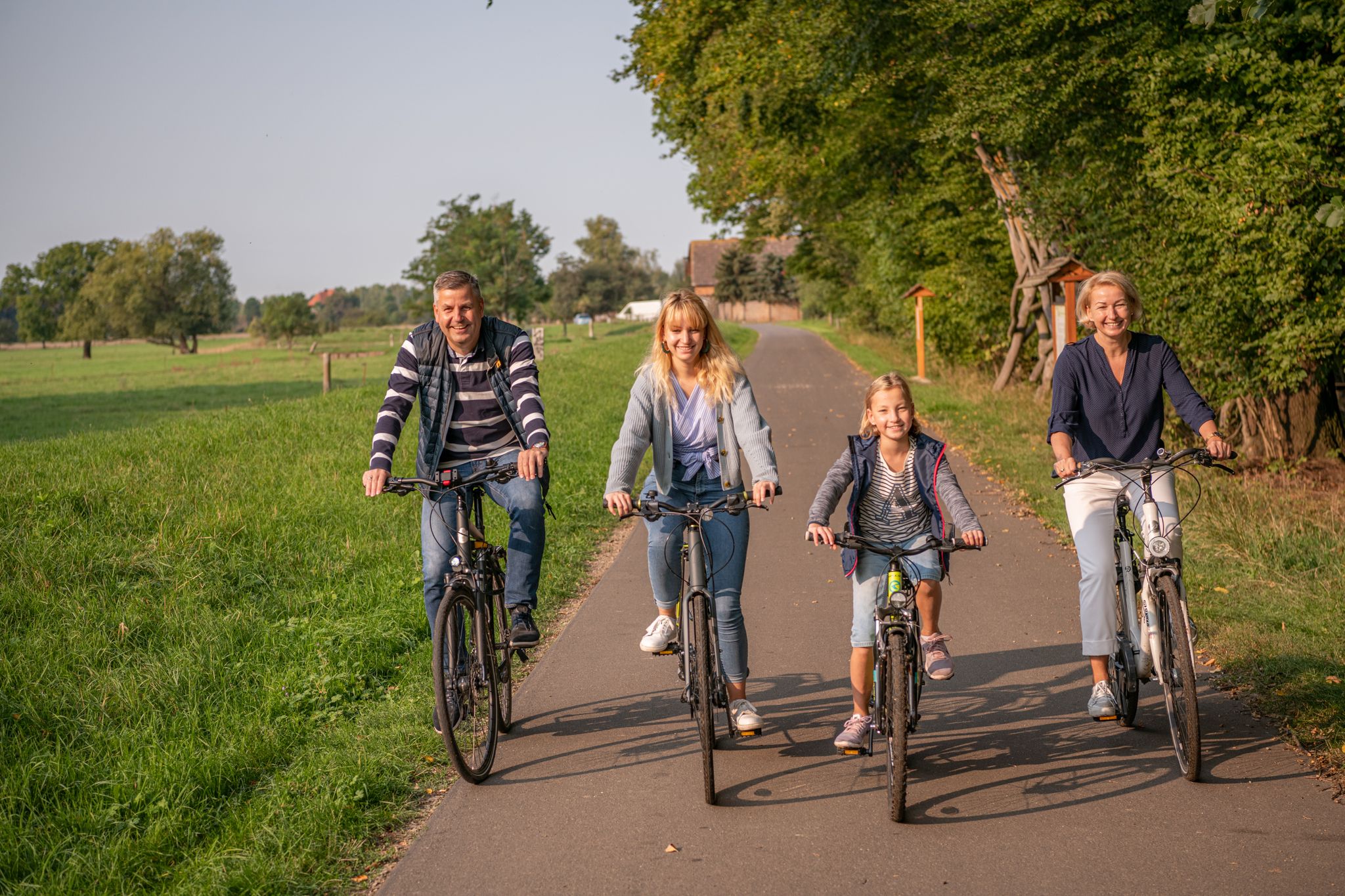
Cycling around Geiseltalsee
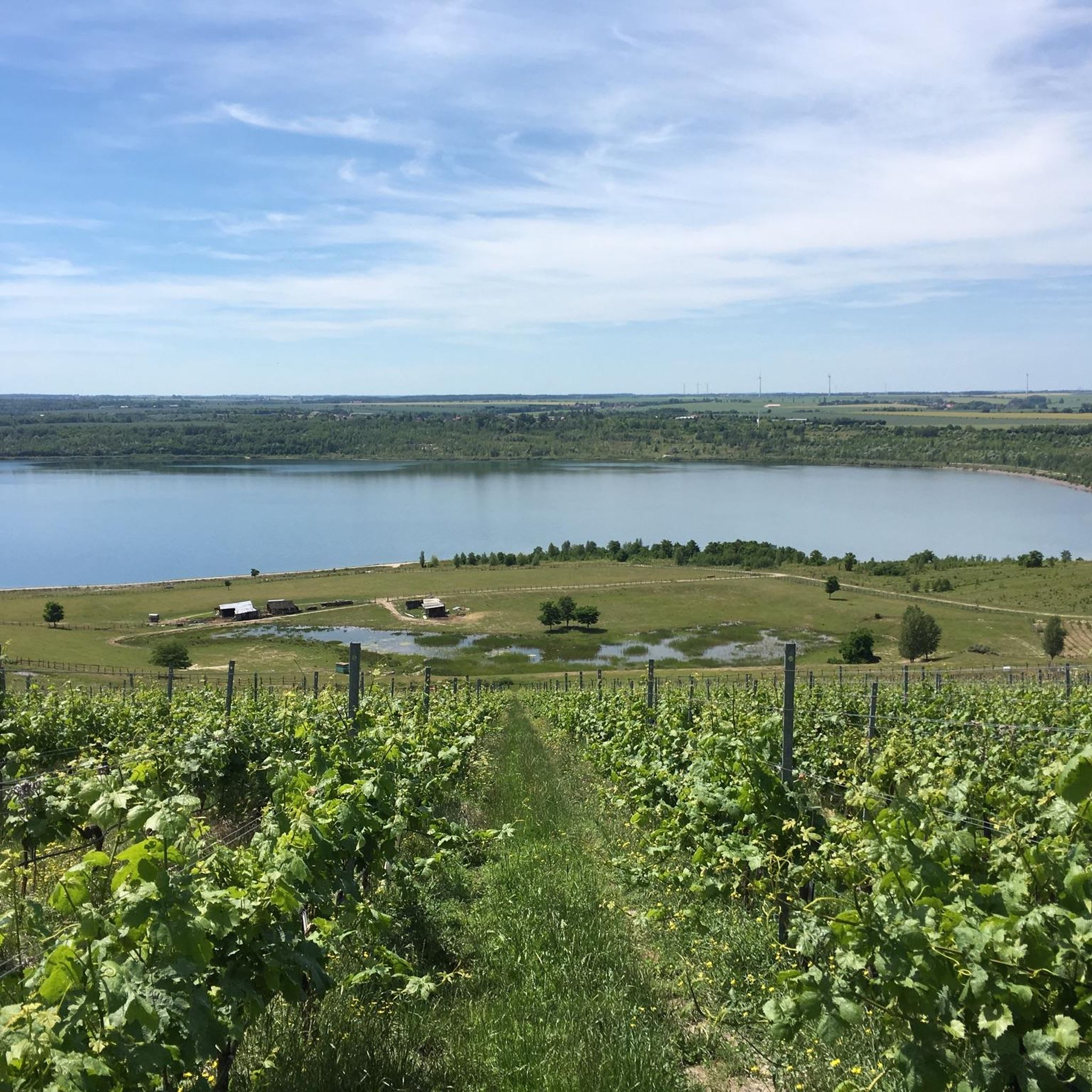
Hiking around Geiseltalsee
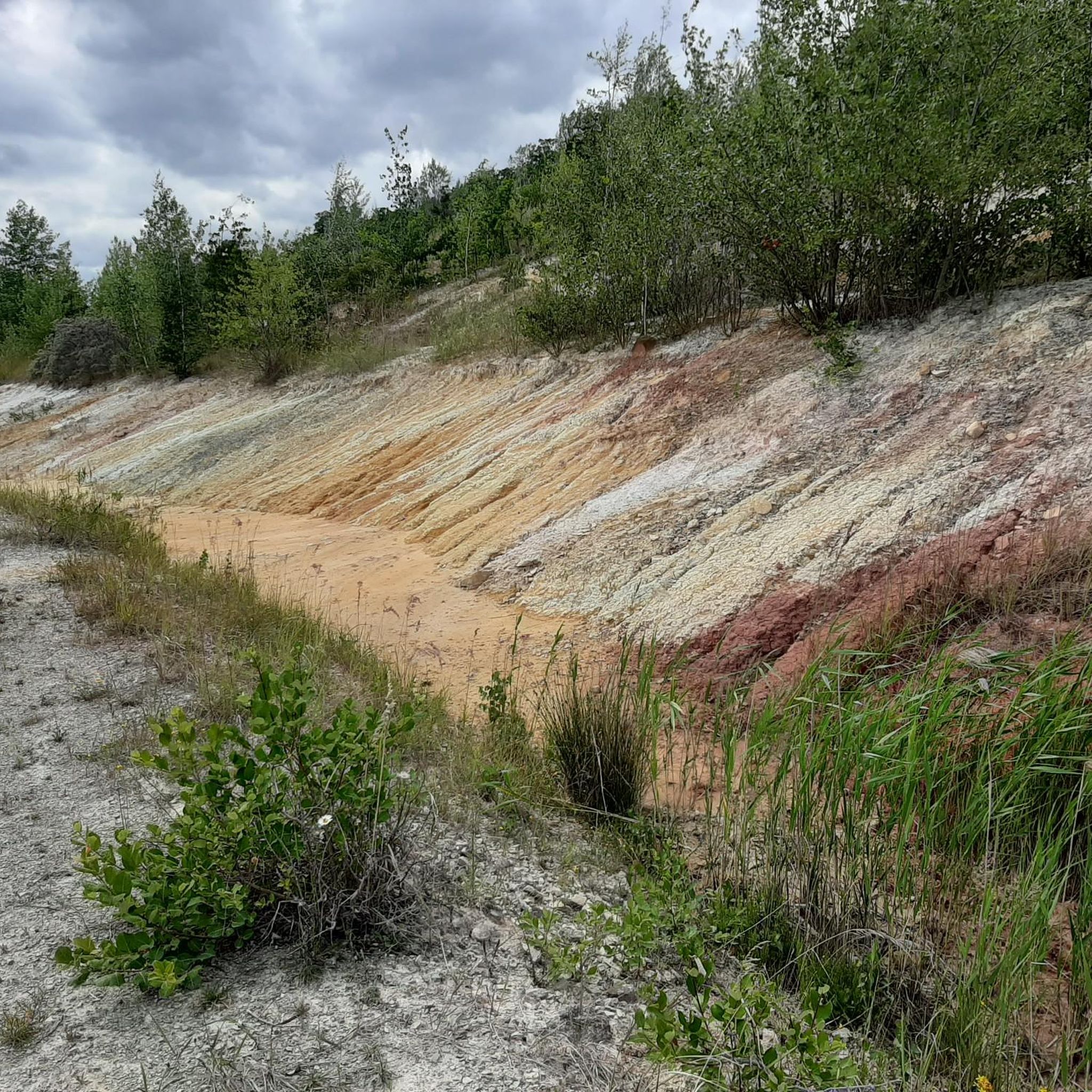
Running Trails around Geiseltalsee
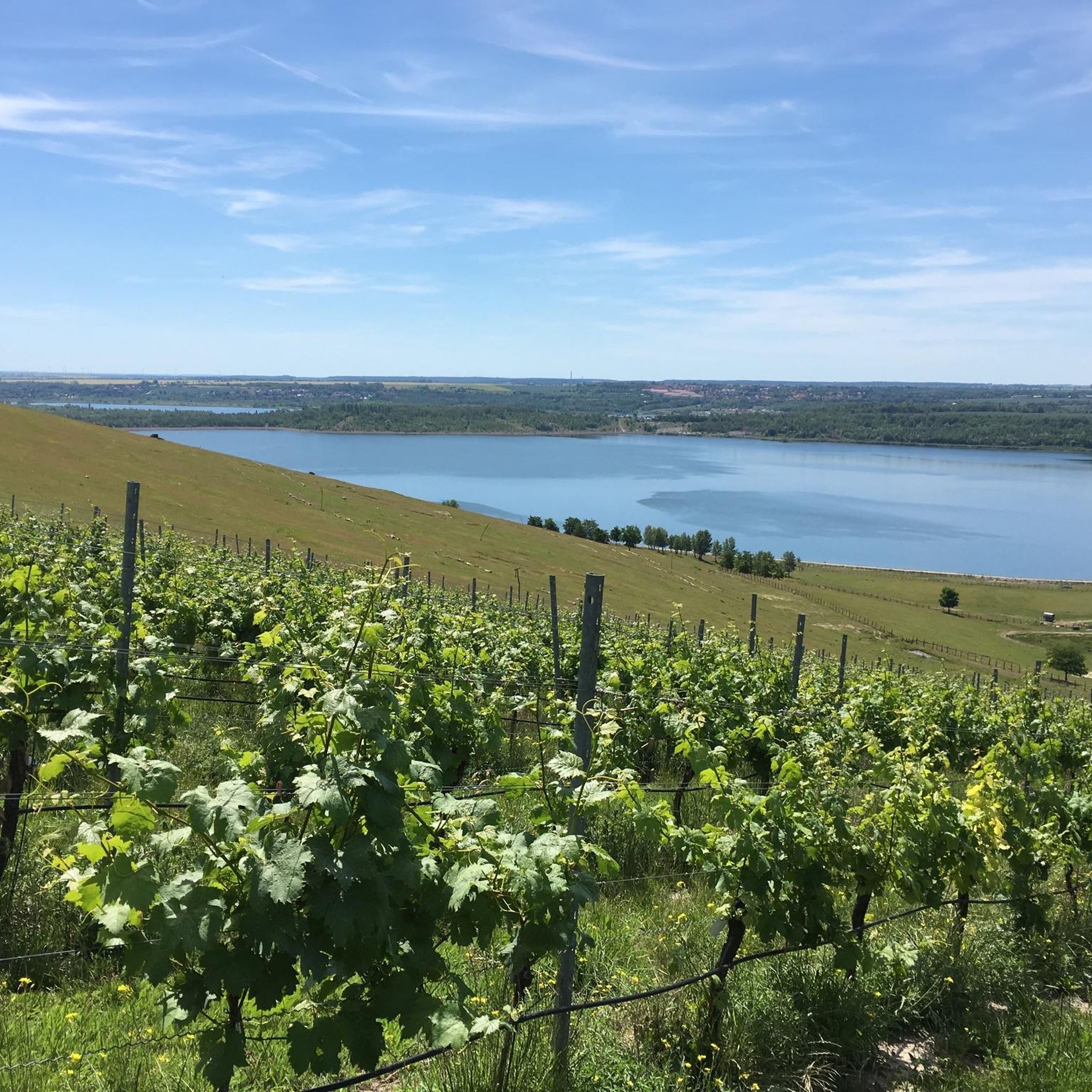
Road Cycling Routes around Geiseltalsee
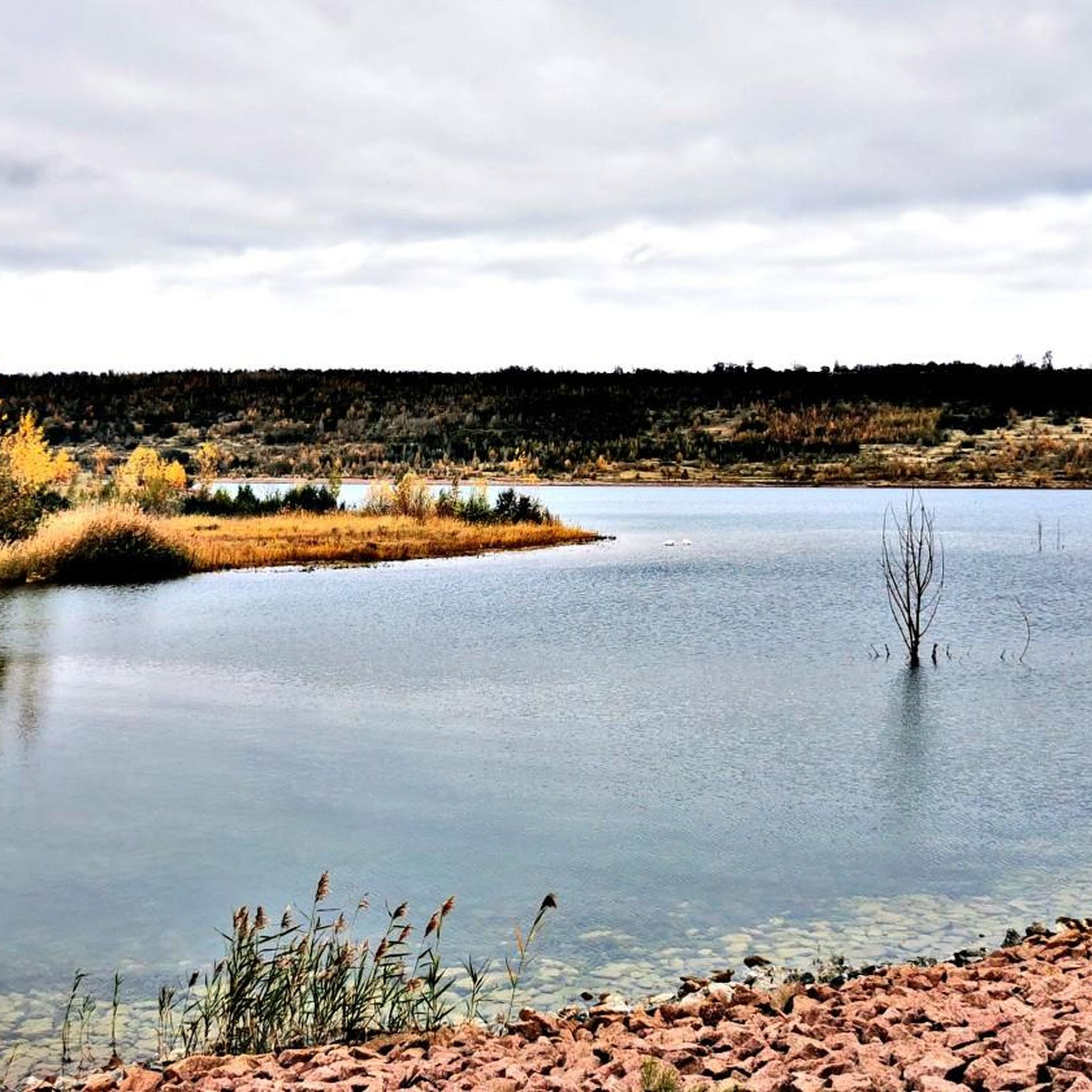
MTB Trails around Geiseltalsee
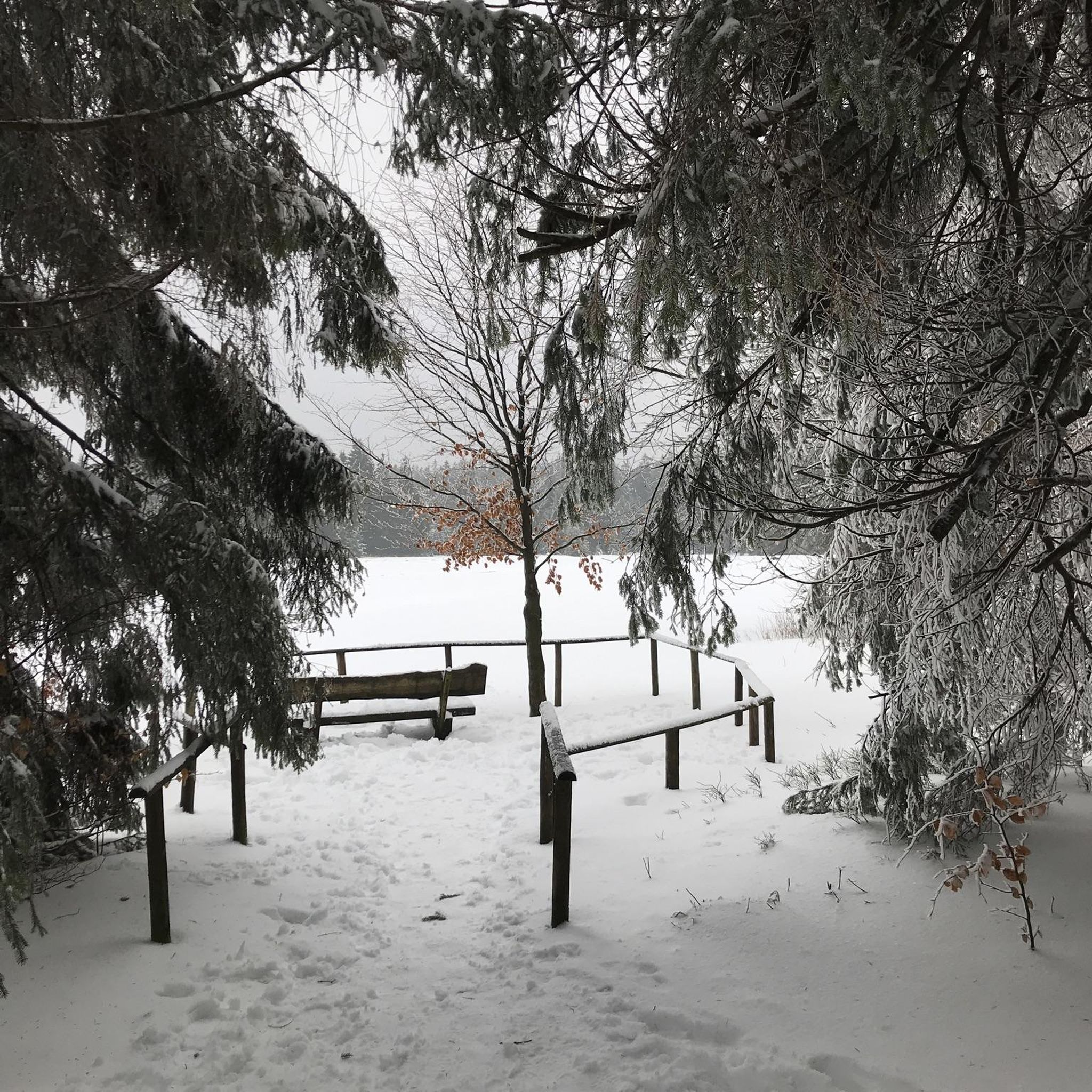
Gravel biking around Geiseltalsee


Tips from the Community

Very nice corner for cycling or walking
0
0

This is a sad history for the disappeared villages.
0
0

A very good idea! . Unfortunately, many signs have now been sprayed and smeared pointlessly🤷♀️, almost unreadable. Destroyed villages - destroyed signs. What a pity!
0
0

What a great destination. At the Geiseltalsee you can bike, run, skate, paddle, sail, dive, swim, bathe, sunbathe, camp, go boating, drink wine, celebrate, relax and and and ... I hope I haven't forgotten anything, because here you can really so much to do ... really recommendable!
11
1

"the dredged villages in the Geiseltal"
9
0
The Geisel is a tributary of the Saale in Saxony-Anhalt and gives its name to the Geiseltal and the Geiseltalsee. The hostage rises in Sankt Micheln, a district of the city of Müchel. The Geiselquelle is referred to as the raid spring and was once one of the largest springs in Central Germany. It arises from the overflow water of an underground groundwater basin, which lies under the shell limestone heights of St. Micheln. The source is at a geographical altitude of 145 m above sea level. NN. The course of the river is almost 24 km long and flows into the Gotthardteich in Merseburg, whose outlet, the Klia, flows into the Saale north of the cathedral provost. The geographic altitude here is 86 m above sea level. NN. The original Geiselmündung in the Saale was south of today's Neumarktbrücke, approximately in the Oelgrube ('Aalgrube') area. With the settlement of the valley between Domberg and Sixti Hügel, the Geisel, which ran through swampy terrain, was canalized and piped in the 19th century. This old drain can still be seen on the south-east corner of the Gotthard pond. Numerous water mills were operated along the Geisel, which was rich in fish. Its course was laid for the first time in 1540 in order to ensure smooth operation of the mills through the gradation. Because of the progressing lignite mining in opencast mines, which led to the formation of the Geiseltalsee, the Geisellauf was rerouted four more times from 1938 to 1965 at the exit from the city of Müchel. There are no more mills today; the hostage carried little water in 2011. Fish live below the spring only as far as St. Ulrich in the water. Source: Wikipedia
15
0

You can find the information boards all around the lake. Many had to evacuate their villages at that time. Today there is and is developing a local recreation area.
1
0

Great and absolutely RR-suitable bike path with great surface! Can be busy on weekends at Pedestrians & E-Bikes + Co KG
1
0
Frequently Asked Questions
Are there family-friendly activities around Geiseltalsee?
Yes, Geiseltalsee offers several family-friendly options. For instance, Stöbnitz Beach features a shallow children's beach, showers, and boat rental, making it ideal for families. The Geiseltalsee Cycle Path Southeast Side is also suitable for families, offering many spots to enjoy the lake.
What kind of outdoor activities can I do at Geiseltalsee?
Geiseltalsee is excellent for outdoor activities, especially cycling. The Geiseltalsee Cycle Path Southeast Side is part of a popular route that encircles the lake, offering scenic views. You can also explore areas like the Geisel Riverbed for cycling or walking. The lake also provides opportunities for boating and diving in designated areas.
Are there historical sites to explore near Geiseltalsee?
Yes, the region has a unique history tied to its past as a lignite mining area. You can find information boards like the Information Board: The Submerged Villages of Geiseltal, which provide insights into the villages that were relocated due to mining. These sites offer a glimpse into the transformation of the landscape.
Can I find accessible routes or attractions for wheelchairs at Geiseltalsee?
Some areas around Geiseltalsee are designed with accessibility in mind. The Information Board: The Submerged Villages of Geiseltal is noted as wheelchair accessible. While the main cycle path is generally well-maintained, it's advisable to check specific sections for suitability, as some parts might be unpaved.
What is the best time of year to visit Geiseltalsee?
The best time to visit Geiseltalsee is typically during the warmer months, from spring to early autumn (April to October), when the weather is pleasant for cycling, swimming, and other outdoor activities. The lake's recreational facilities and beaches are fully operational during this period.
Are there options for swimming at Geiseltalsee?
Yes, swimming is permitted in designated areas. Stöbnitz Beach is a popular spot for swimming, offering a sandy beach and facilities. It's important to only swim in marked areas for safety.
Where can I find good viewpoints around Geiseltalsee?
The entire circumference of Geiseltalsee offers numerous viewpoints, especially along the cycle path. The Geiseltalsee Cycle Path Southeast Side and the West Shore of Lake Geiseltal are known for providing excellent visibility of the water and the surrounding landscape.
Are dogs allowed on trails around Geiseltalsee?
Generally, dogs are welcome on the trails and cycle paths around Geiseltalsee, provided they are kept on a leash. However, specific rules may apply to beaches or nature protection areas, so it's always best to look for local signage.
Are there circular walking or cycling routes around Geiseltalsee?
Yes, a popular circular route for both walking and cycling encircles the entire Geiseltalsee. The Geiseltalsee Cycle Path Southeast Side is a key part of this route, offering a full circumnavigation of Germany's largest artificial lake.
What facilities are available at Geiseltalsee for visitors?
Visitors can find various facilities, especially at popular spots. Stöbnitz Beach offers showers, a rescue tower, and boat rental. Information boards, like the one detailing The Submerged Villages of Geiseltal, also provide amenities and historical context.
What makes Geiseltalsee unique compared to other lakes in the region?
Geiseltalsee stands out as Germany's largest artificial lake, created from a former lignite mining area. Its unique history of landscape transformation, combined with its extensive cycle path and diverse recreational offerings, sets it apart from natural lakes in the region. It offers a blend of industrial heritage and natural beauty.
What should I pack for a visit to Geiseltalsee?
For a visit to Geiseltalsee, especially during warmer months, pack comfortable walking or cycling shoes, swimwear if you plan to use the beaches, sun protection (hat, sunscreen), and plenty of water. A light jacket might be useful for evenings. If cycling, consider bringing a repair kit.
Most popular routes around Geiseltalsee
Most popular attractions around Geiseltalsee

Get inspired with the komoot mobile app


Explore more
Still not found the Highlight you’re looking for? See guides of the top attractions in other regions:
