The best MTB trails around Niederheimbach
4.7
(177)
631
riders
25
rides
Mountain biking around Niederheimbach offers diverse terrain in the picturesque Mainz-Bingen region along the Rhine. The landscape features rolling hills, lush vineyards, and dense forests, providing a scenic backdrop for off-road adventures. The Rhine River Valley defines the area, with routes extending into the surrounding hilly terrain. This varied topography creates opportunities for rides with significant elevation changes, suitable for mountain bikes.
Best mountain bike trails around Niederheimbach
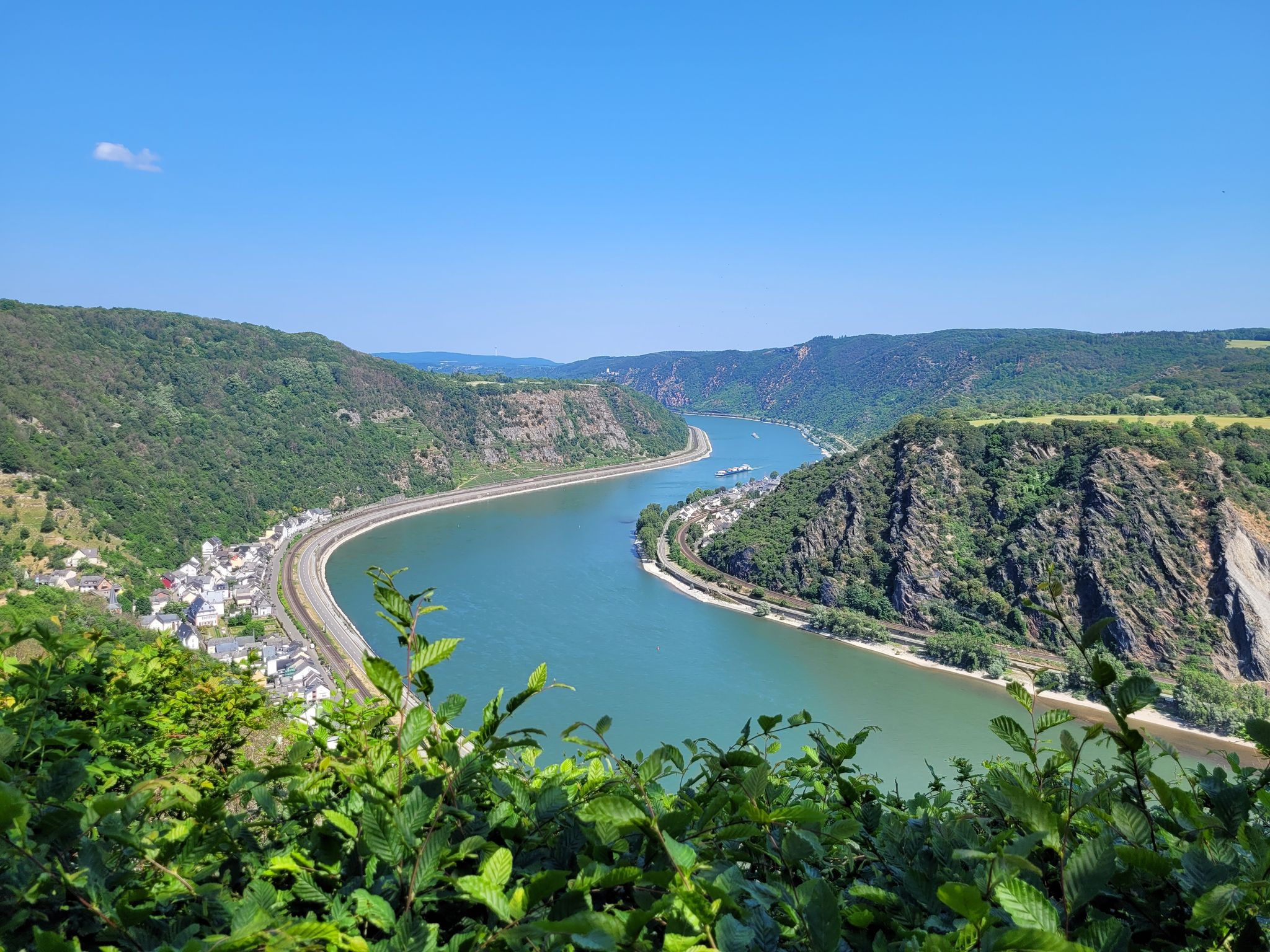
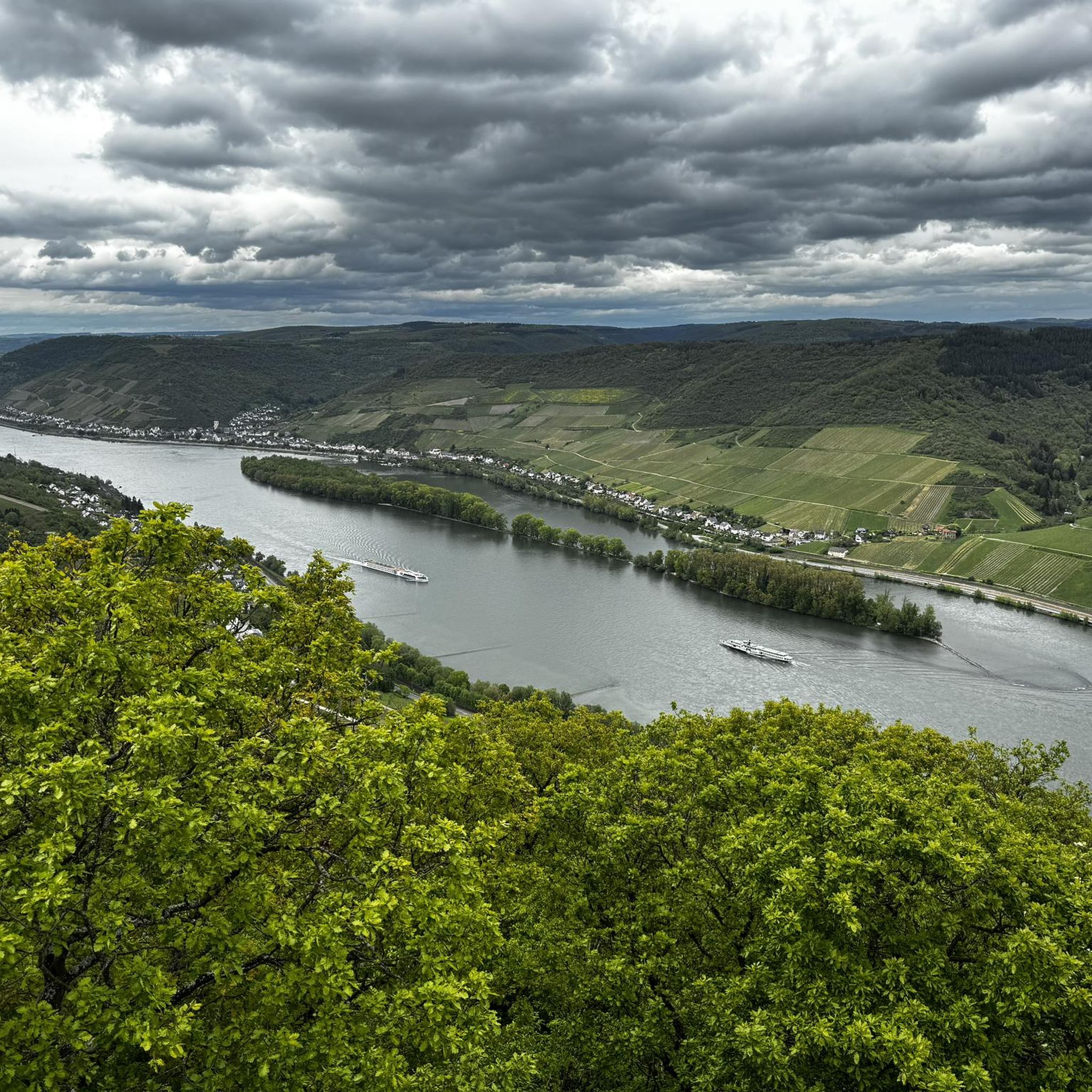
- The most popular mountain bike trail is View of the Loreley Rock…
Last updated: October 4, 2026
4.9
(34)
86
riders
46.3km
04:22
1,140m
1,140m
Hard mountain bike ride. Very good fitness required. Advanced riding skills necessary.
4.8
(48)
245
riders
Moderate mountain bike ride. Good fitness required. Suitable for all skill levels.

4.7
(15)
69
riders
44.6km
02:33
150m
150m
Moderate mountain bike ride. Good fitness required. Suitable for all skill levels.
4.4
(12)
32
riders
35.1km
02:27
530m
530m
Moderate mountain bike ride. Good fitness required. Suitable for all skill levels.
5.0
(6)
20
riders
41.1km
03:16
730m
730m
Moderate mountain bike ride. Good fitness required. Advanced riding skills necessary.
Get access to more routes and recommendations from other explorers.
Already have an account?
Our route recommendations are based on thousands of hikes, rides, and runs completed by other people on komoot.
Start today with a free account
Your next adventure awaits.
Other adventures around Niederheimbach

Tips from the Community

oberwesel a bike ride through is a must
0
0

From the village center in Weiler, continuing the Heilig Kreuz-Weg, a Stations of the Cross with Stations of the Cross leads north into the Binger Wald. It ends at the "Gedenkstätte Belle Kreuz" in the middle of the forest. The site is equipped with an open-air altar and a 10-meter-high wooden cross. The altar area serves as a memorial for the victims of the Second World War. The first Holy Mass took place here in 1955. As early as 1949, the community was founded to establish a Stations of the Cross. In 1951/52, the Stations of the Cross, made of Mayen basalt, could be erected. The Mainz sculptor Adam Winter created the relief panels for the niches of the stations. Since 1961, the remaining work has been completed.
1
0

Flood levels of the last 100 years
0
0

HISTORY OF THE PILGRIMAGE CHURCH Around the year 1400, a knight named Johannes Brömser von Rüdesheim lived. He had inherited the Sterrenberg Castle above Bornhofen. By now he had built two churches: the parish church of Rüdesheim and the pilgrimage church “Noth Gottes” near Rüdesheim. Now he also began in Bornhofen, at the foot of his newly acquired castle, to build a church by extending the already existing church. He died in 1416. The construction of the church was continued after his death until its completion (1435). Thus the present-day pilgrimage church came into being.
2
0
The name Loreley-Felsen originated from the myths and legends of, among others, Clemens Brentano, who wrote a romantic ballad named Loreley. In a 19th-century legend, it is told that the blonde beauty Loreley enchanted the skippers on the Rhine with her singing from the rock, and therefore, despite the dangerous current, they no longer paid attention to their course and the ships crashed against the rock reefs.
2
0
The Loreley is a slate rock formation and is located in the UNESCO World Heritage site Upper Middle Rhine Valley south of Sankt Goarshausen on the eastern right bank of the Rhine at river kilometer 555. With its height of 132 meters (193.14 m above sea level), it towers high on the inside of the Rhine bend, but also has shallows up to 100 meters in the middle of the river. This makes this section of the river one of the most dangerous on the Rhine.
2
0
The BUGA 2029 will offer its visitors the opportunity to experience the beauties of this unique landscape in a new way. For this purpose, garden landscapes and parks are to be created, each with its own character and its own story to present. The program will be complemented by guided tours of historical castles or wine tastings, where guests will be introduced to the history of wine cultivation in the region.
0
0
Frequently Asked Questions
What types of mountain bike trails can I find around Niederheimbach?
Niederheimbach offers a diverse range of mountain bike trails, from easy riverside paths to challenging routes with significant elevation changes through forests and vineyards. The terrain includes rolling hills and steeper sections, providing options for various skill levels. There are nearly 30 mountain bike tours available, with 3 easy, 24 moderate, and 2 difficult routes.
Are there any easy mountain bike trails suitable for beginners in Niederheimbach?
Yes, Niederheimbach has several easy mountain bike trails. An excellent option for beginners is the Rheinstein Castle – Rhine-Nahe-Eck loop from Niederheimbach, which is 17.3 miles (27.9 km) long and offers scenic views of Rheinstein Castle and the confluence of the Rhine and Nahe rivers. Another easy route is the Pfalzgrafenstein Castle – Pfalzgrafenstein Castle (Kaub) loop from Niederheimbach, covering 19.6 miles (31.6 km).
What are some challenging mountain bike routes for experienced riders?
For experienced mountain bikers seeking a challenge, the region offers routes with substantial elevation gain. The Niederheimbach–Lorch Ferry – Nollig Castle Ruins loop from Niederheimbach is a difficult 22.2 miles (35.7 km) trail with nearly 3,112 ft (949 m) of elevation gain, providing a demanding ride through varied terrain.
Are there mountain bike trails that offer scenic viewpoints or historical landmarks?
Many mountain bike trails in Niederheimbach pass by scenic viewpoints and historical landmarks. The region is part of the UNESCO Middle Rhine Valley, featuring numerous castles and panoramic views. You can explore routes that offer glimpses of historic sites like Rheinstein Castle, Pfalzgrafenstein Castle, and the Rossel Ruins. For breathtaking vistas, look for trails near viewpoints such as the Salzkopf Tower or the View of the Rhine and Bingen from the Prinzenkopf.
Can I find circular mountain bike routes in Niederheimbach?
Yes, most mountain bike routes around Niederheimbach are designed as circular loops, allowing you to start and end your ride in the same location. Examples include the View of Marksburg Castle – View of Marksburg Castle loop from Niederheimbach and the View over Bacharach loop from Niederheimbach, both offering diverse scenery.
What is the best season for mountain biking in Niederheimbach?
The Middle Rhine Valley, including Niederheimbach, is generally pleasant for mountain biking from spring through autumn. Spring brings blooming vineyards, while autumn offers vibrant foliage. Summer is also suitable, but it's advisable to start earlier in the day to avoid the midday heat. Winter riding is possible, but trails may be muddy or icy, especially at higher elevations like the Bingen Forest.
Are the mountain bike trails in Niederheimbach family-friendly?
While many trails involve varied terrain and elevation, there are options suitable for families, particularly the easier routes. The region's scenic beauty, with vineyards and castles, can make for an engaging family outing. Consider shorter, less challenging loops, especially those along the Rhine, which tend to have gentler gradients. Always check the route's difficulty and distance to ensure it matches your family's capabilities.
Are dogs allowed on the mountain bike trails in Niederheimbach?
Generally, dogs are welcome on trails in the Niederheimbach region, especially in natural areas like forests and vineyards. However, it's always recommended to keep dogs on a leash, especially when passing through populated areas, near livestock, or in nature reserves. Be mindful of other trail users and ensure your dog is well-behaved and doesn't disturb wildlife.
Where can I park my car when going mountain biking in Niederheimbach?
Niederheimbach, being a smaller municipality, typically offers various parking options, often near the town center or trailheads. Look for designated public parking areas. Many komoot tours start from accessible points where parking is usually available. It's advisable to check local signage for any parking restrictions or fees.
Is public transport available to access mountain bike trails in Niederheimbach?
Niederheimbach is located in the Middle Rhine Valley and is accessible by public transport, particularly by train along the Rhine. The Niederheimbach train station connects to regional lines, making it possible to reach the area without a car. From the station, many trails are within cycling distance. Check local train schedules for connections and any restrictions on carrying bikes.
What do other mountain bikers say about the trails in Niederheimbach?
The mountain bike trails around Niederheimbach are highly rated by the komoot community, with an average score of 4.7 stars from over 120 reviews. Reviewers often praise the diverse terrain, the stunning views of the Rhine Valley and its castles, and the well-maintained paths through forests and vineyards. Many appreciate the variety of routes catering to different skill levels.
Are there cafes or pubs along the mountain bike routes for refreshments?
The Niederheimbach region, with its charming towns and vineyards, offers opportunities for refreshments. While not every trail will have a cafe directly on the route, many routes pass through or near villages where you can find local eateries, pubs, or wineries. Planning your route to include a stop in a town like Bacharach or Lorch can provide a pleasant break.
Most popular routes around Niederheimbach
Most popular attractions around Niederheimbach

Get inspired with the komoot mobile app


Explore more
Browse the best MTB trails in other regions.
