The best cycling routes around the Vilija
4.7
(1364)
14,122
riders
343
rides
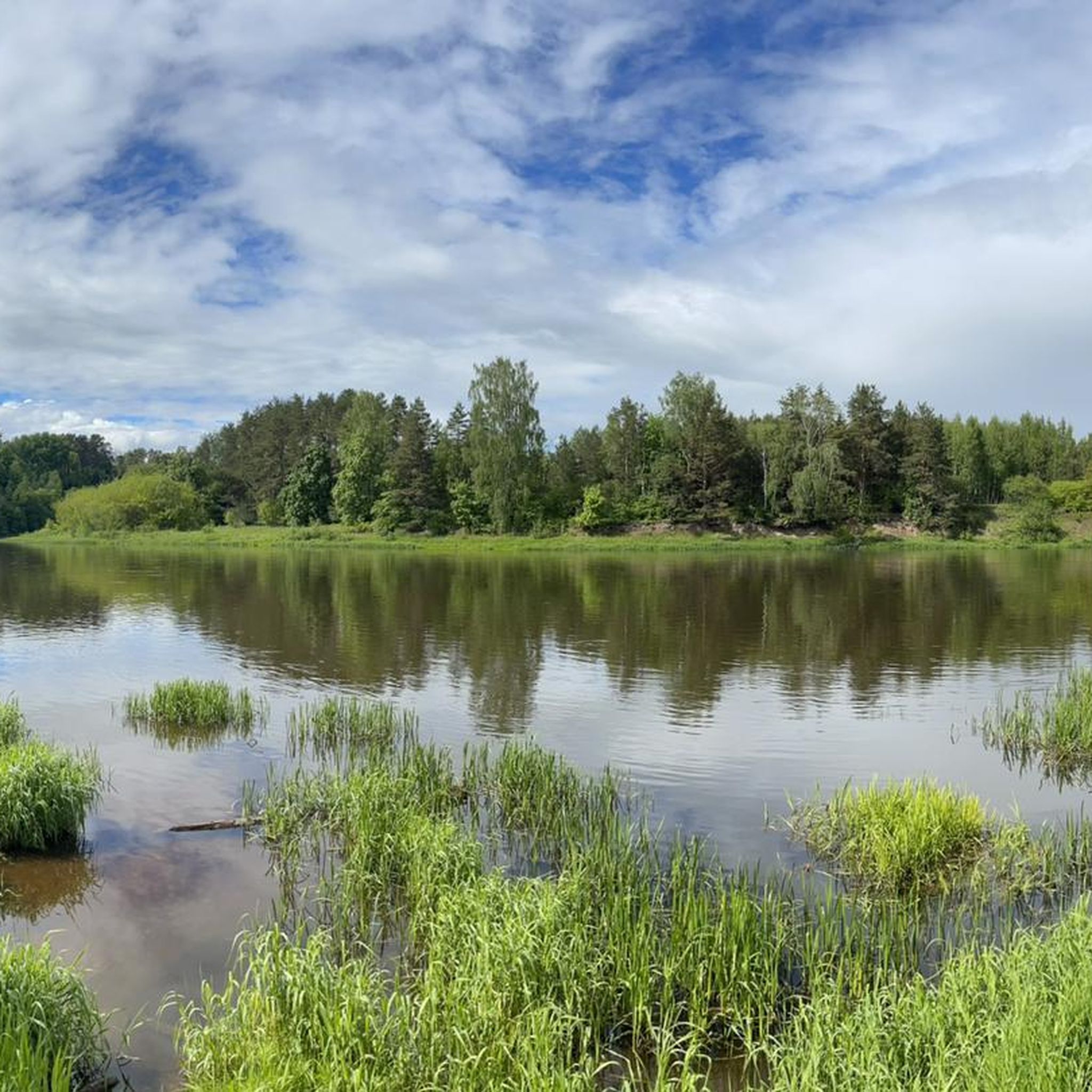
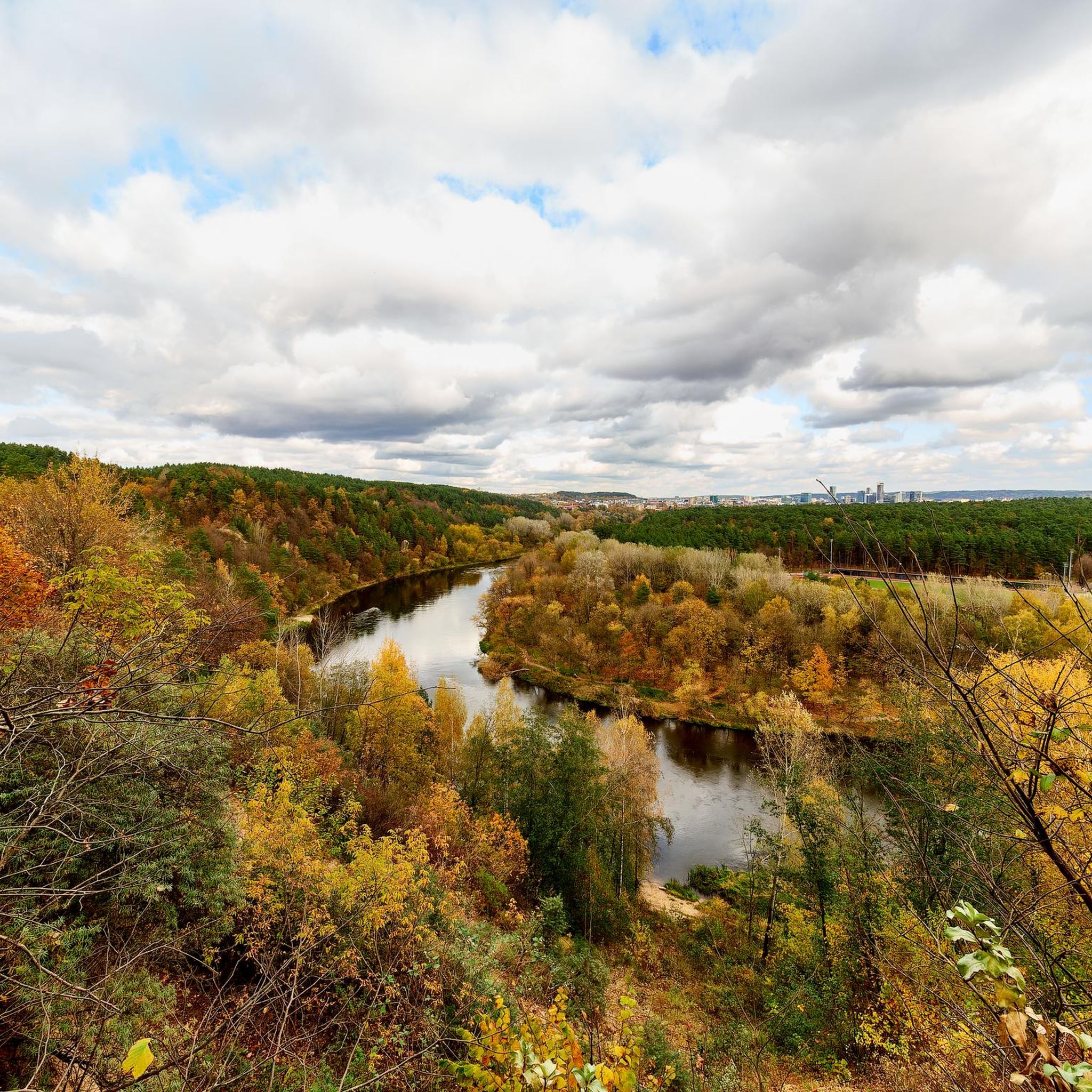
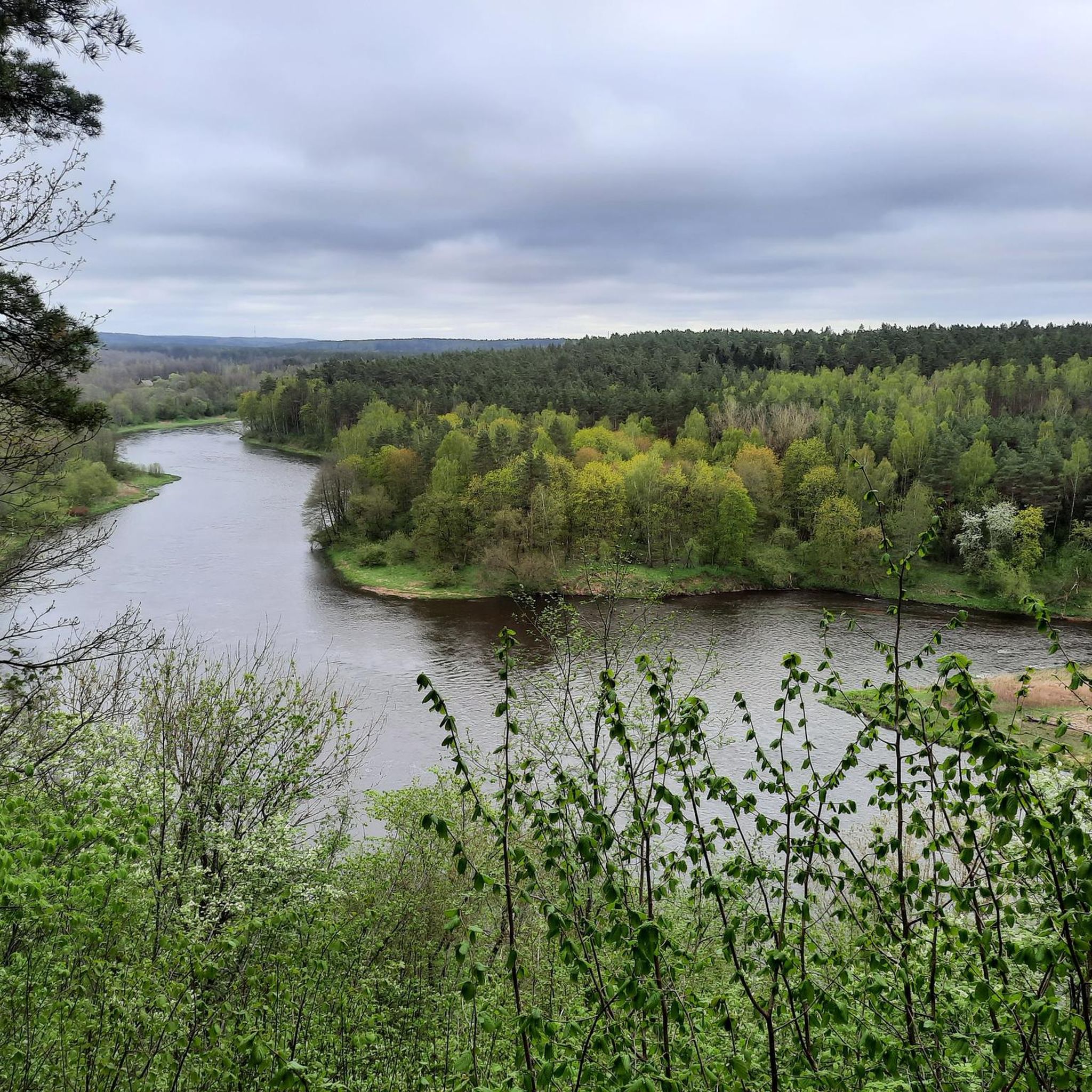
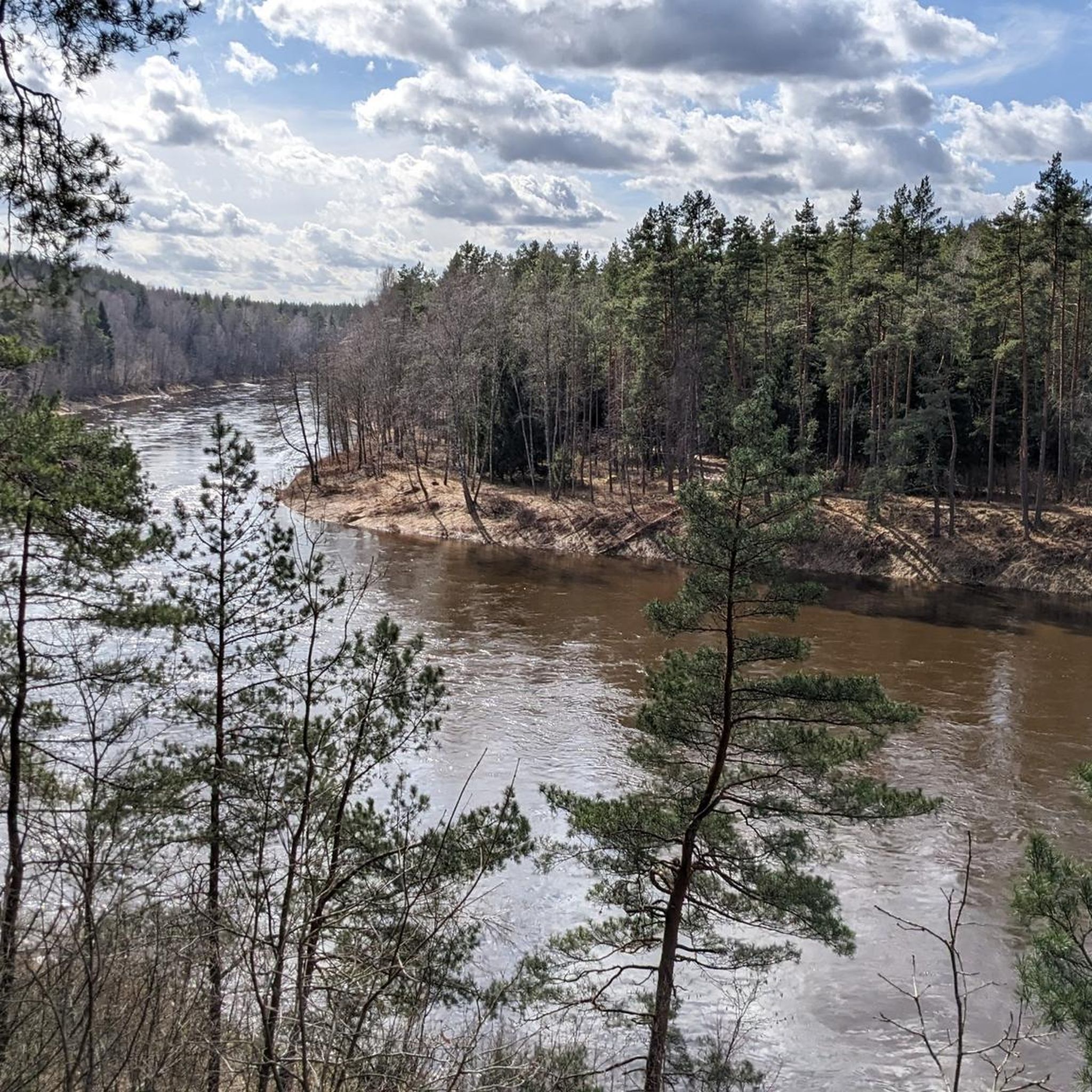
Touring cycling routes around the Vilija (Neris River) navigate a landscape shaped by ancient glaciers, featuring extensive forests and the winding Neris River. The terrain primarily consists of dirt roads and narrower trails, with some asphalt sections, offering generally gentle inclines and descents. This region provides a blend of natural beauty and cultural heritage, making it suitable for various cycling experiences. Cyclists can explore the Neris Regional Park, which encompasses picturesque segments of the Neris Valley.
Best touring cycling routes around the Vilija
- The most popular touring cycling route is Vingis Park Bridge – Vingis Park Amphitheater loop from Vilnius, a 19.2 miles (31.0 km) trail that takes about 1 hour 57 minutes to complete. This moderate route follows the Neris River through Vingis Park.
- Another top favourite among local touring cyclists is Town Hall Square Fountain – Lake Sausas loop from Vilnius, a moderate 25.2 miles (40.5 km) path. This route offers varied terrain around Vilnius, including sections near Lake Sausas.
- Local touring cyclists also love the King Mindaugas Bridge – Žvėrynas Bridge loop from Vilnius, a 10.9 miles (17.5 km) trail leading through urban green spaces and along the Neris River, often completed in about 1 hour 10 minutes.
- Touring cycling around the Vilija is defined by the meandering Neris River, extensive forests, and glacial landscapes. The network offers options for different ability levels, from easy riverside paths to moderate routes with varied terrain.
- The routes in Neris are highly rated by the komoot community with an average score of 4.7 stars from over 1,300 reviews. More than 14,700 touring cyclists have used komoot to explore Neris's varied terrain.
Last updated: July 20, 2026
4.8
(128)
1,188
riders
31.2km
02:00
210m
210m
Moderate bike ride. Good fitness required. Mostly paved surfaces. Suitable for all skill levels.
4.6
(83)
704
riders
40.5km
03:02
380m
380m
Moderate bike ride. Good fitness required. Mostly paved surfaces. Suitable for all skill levels.

Sign up for free
4.8
(74)
518
riders
Moderate bike ride. Good fitness required. Mostly paved surfaces. Suitable for all skill levels.
4.7
(56)
637
riders
Easy bike ride. Great for any fitness level. Mostly paved surfaces. Suitable for all skill levels.
4.7
(25)
359
riders
45.5km
02:52
280m
280m
Moderate bike ride. Good fitness required. Mostly paved surfaces. Suitable for all skill levels.
4.6
(41)
329
riders
26.7km
01:50
250m
250m
Moderate bike ride. Good fitness required. Mostly paved surfaces. Suitable for all skill levels.
4.8
(43)
386
riders
45.9km
02:48
280m
280m
Moderate bike ride. Good fitness required. Mostly paved surfaces. Suitable for all skill levels.
4.8
(31)
327
riders
65.5km
04:00
370m
370m
Moderate bike ride. Good fitness required. Mostly paved surfaces. Suitable for all skill levels.
4.6
(17)
252
riders
18.1km
01:08
110m
110m
Easy bike ride. Great for any fitness level. Mostly paved surfaces. Suitable for all skill levels.
4.8
(19)
269
riders
16.0km
01:04
110m
110m
Easy bike ride. Great for any fitness level. Mostly paved surfaces. Suitable for all skill levels.
Get access to more routes and recommendations from other explorers.
Sign up for free
Already have an account?
Our route recommendations are based on thousands of hikes, rides, and runs completed by other people on komoot.
Start today with a free account
Your next adventure awaits.
Login or Signup

Tips from the Community


A must when you are there
0
0

A beautiful church, built between 1668 and 1675. Its interior is entirely white. It's a bit outside the old town, but the climb is worth it.
1
0
Vilnius Cathedral was built in 1779.
2
1

ChurchDonationContactsGalleryInformation for PilgrimsLietuvių English Polski MENU History Back The Church of Saint Apostles Peter and Paul is located in Antakalnis on a site which once used to be the place of pagan cult. According to one legend the church dates back to the XIV th century. In 1638 a monastery of the Canons Regular of the Lateran was built next to it which therefore was closed in 1864 by Russians. The current buildings, namely the church and the monastery emerged after the Muscovite invasian at the begining of the XVII th century. In 1668 the construction of the new church was began by the Hetman of the Grand Duchy of Lithuania and governor of Vilnius Michal Kazimierz Pac who as it is believed commissioned to build it in gratitude for God for personal salvation during the war with Moscow. The paintings hanging in the presbitery depicting a devout believer are the following: a formal portrait of the founder Michal Kazimierz Pac, a painting of Saint Mary Magdalene of Pazzi, a painting depicting Archangel Michael, and a painting of crusified Jesus. It is said that he last painting (from the previously mentioned) was taken with Pac to wars.
0
0

A very beautiful baroque church
0
0

The Liepų alėja, an avenue of small lime trees that stretches between the park's event stage and the 7.5-hectare Vingio section of the Vilnius University Botanical Garden, is simply breathtaking. The avenue, which was declared a protected botanical natural heritage site in 1996, was created on the site of a former manor house. A summer spa house was built here in 1857 on the initiative of the military governor of Vilnius, V. Nazimov, and the large park created at that time still gives the place a special flair today. For cyclists and nature lovers alike, this location offers a perfect opportunity to experience Vilnius' urban culture in a relaxed and natural environment.
0
0

The Cathedral Basilica of St Stanislaus and St Ladislaus of Vilnius (EN) Cathedral of Vilnius (IT) Vilnius Archcathedral (LT) La cattedra metropolitana dei Santi Stanislao e Ladislao (in Lithuanian Vilnius St. Stanislaus and St. Vladislaus Archcathedral Basilica) is the principal place of culto cattolico di Vilnius, in Lithuania, and cattedrale dell'archidiocesi di Vilnius. taken from Wikipedia
1
1
Frequently Asked Questions
What kind of terrain can I expect on touring cycling routes around the Neris River?
The touring cycling routes around the Neris River, particularly within the Neris Regional Park, feature a diverse landscape shaped by ancient glaciers. You'll primarily encounter dirt roads and narrower trails, with some sections of asphalt. The routes generally follow the winding river, offering gentle inclines and descents, making them suitable for mountain, hybrid, or touring bikes.
Are there easy touring cycling routes suitable for beginners in the Neris region?
Yes, the Neris region offers a good selection of easy touring cycling routes. Out of over 380 routes available, nearly half are classified as easy. An example of an easy route is King Mindaugas Bridge – Žvėrynas Bridge loop from Vilnius, which leads through urban green spaces and along the Neris River.
What are some notable natural features or landmarks to see along the Neris River cycling routes?
The Neris River region is rich in natural beauty and historical sites. You can explore landscapes shaped by ancient glaciers, extensive forests, and the river's meandering paths. Notable features include several observation towers offering panoramic views, natural springs, and designated campfire sites. You might also encounter mythological stones like the Airėnai Stone or the Valai stone. For specific landmarks, consider visiting the Confluence of the Neris and Nemunas Rivers or the Pinyklos Mythical Spring.
Are there any family-friendly touring cycling routes in the Neris region?
Many routes in the Neris Regional Park are considered suitable for families with children, especially those with generally gentle inclines and descents. The dedicated cycling route within the park, which is 28.6 km long, is often recommended for families, though the duration should be considered. Routes like Vingis Park Amphitheater – Žvėrynas Bridge loop from Vilnius offer accessible paths through urban green spaces.
What is the best time of year to go touring cycling around the Neris River?
The Neris region is beautiful throughout the warmer months. Spring and autumn offer pleasant temperatures and vibrant scenery, while summer provides longer daylight hours. The diverse environments, including forests and floodplains, are enjoyable when the weather is mild, making late spring to early autumn generally the best time for touring cycling.
How accessible are the touring cycling routes by public transport or car?
The Neris Regional Park, a central area for cycling, is conveniently accessible. You can reach it by train from major cities like Vilnius or Kaunas. For those traveling by car, parking is generally available near popular starting points for the routes. Within Vilnius, the city is actively improving its cycling infrastructure, making it easier to connect to routes along the river.
Are there any circular touring cycling routes available?
Yes, many touring cycling routes in the Neris region are designed as loops, allowing you to start and end at the same point. For example, the Vingis Park Bridge – Vingis Park Amphitheater loop from Vilnius is a popular circular route following the Neris River. Another option is the Town Hall Square Fountain – Lake Sausas loop from Vilnius, which offers varied terrain.
What do other touring cyclists say about the routes in Neris?
The touring cycling routes in Neris are highly regarded by the komoot community, boasting an impressive average score of 4.7 stars from over 1,300 reviews. More than 14,700 touring cyclists have used komoot to explore the region, often praising the blend of natural beauty, varied terrain, and the peaceful experience of cycling along the winding Neris River.
Can I find historical or cultural sites along the touring cycling paths?
Absolutely. The Neris Valley is rich in history and culture. The river flows near Kernavė, a UNESCO World Heritage site known for its ancient hill forts. Within the regional park, you can find nine mounds, including the Karmazinai hillfort, many with enhanced footpaths and viewing areas. As the river passes through Vilnius, it goes by historical landmarks such as Gediminas Castle and Verkiai Palace. In Kaunas, you can explore the picturesque Old Town and Kaunas Castle.
Are there any longer, more challenging touring cycling routes in the Neris area?
While many routes feature gentle inclines, the region does offer moderate options for those seeking a bit more challenge. For instance, the Neris River – Žirmūnai Beach loop from Žirmūnai is a moderate 42.6 km route with over 229 meters of elevation gain. Overall, there are around 140 moderate and 59 difficult routes out of over 380 total tours, providing options for various fitness levels.
Are dogs allowed on the touring cycling trails in the Neris region?
While specific regulations can vary by exact location, generally, dogs are welcome on many outdoor trails in Lithuania, especially in natural parks, provided they are kept on a leash and owners clean up after them. It's always advisable to check local signage or park rules for the specific section of the Neris Regional Park or other areas you plan to cycle through with your dog.
Where can I find panoramic views along the Neris River cycling routes?
Several observation towers are strategically placed along the cycling routes within the Neris Regional Park, offering stunning panoramic views of the Lithuanian landscape and the winding Neris River. These towers provide excellent opportunities to pause and appreciate the scenic beauty of the region.
Are there any routes that pass through or near urban centers like Vilnius or Kaunas?
Yes, the Neris River flows directly through Vilnius and meets the Nemunas River in Kaunas, so many touring cycling routes incorporate urban sections. For example, the King Mindaugas Bridge – Žirmūnai Beach loop from Vilnius takes you through parts of the capital. These routes often combine natural riverside paths with cityscapes, passing under iconic bridges and near historical landmarks.
Most popular routes around the Vilija
Most popular attractions around the Vilija

Get inspired with the komoot mobile app


Explore more
Browse the best Cycling routes in other regions.
