Top 5 Castles around Campegine
Best castles around Campegine are found in a region rich with historical architecture and local heritage. While Campegine itself features ancient fortified settlements transformed over centuries, the broader province of Reggio Emilia offers impressive medieval fortresses. These sites provide insights into the region's past, from agricultural hubs to strategic military strongholds. The area is characterized by its historical significance and proximity to the Tuscan-Emilian Apennines.
Best castles around Campegine
- The most popular castles is Montechiarugolo Castle, a castle that…
Last updated: November 5, 2026
Montechiarugolo Castle
Highlight • Castle
Translated by Google •
Tip by

Castello di Montecchio Emilia
Highlight • Castle
Translated by Google •
Tip by

Sign up now to discover places like this
Get recommendations on the best single tracks, peaks, & plenty of other exciting outdoor places.
The Legend of the Fairy Bema
Highlight • Castle
La storia e la leggenda
L'arrivo: Bema arriva nel …
Tip by

View of Montechiarugolo
Highlight • Viewpoint
Showing Translation
Tip by
Male
Highlight • Castle
Showing Translation
Tip by
Start today with a free account
Your next adventure awaits.

Tips from the Community

Whether in love or heartbroken, here you can entrust yourself to the luminous soul of the beautiful Fairy Bema, who lived in the Castle of Montechiarugolo, in the province of Parma, a renowned court of humanists and artists. You enter the crenellated manor from the drawbridge. The impregnable fortress with its high walls – defended by machicolations, loopholes, corbels – becomes an elegant Renaissance residence inside. Strolling through the ancient rooms of the Castle of Montechiarugolo, past the splendid gardens adorned with 18th-century statues from the ducal garden of Colorno, you can admire salons, tapestries, period furnishings, frescoes, and flower-scattering putti. The Annunciation attributed to the school of Pisanello stands out. Legend has it that every May 19th around midnight, the ghost of Fairy Bema appears on the castle walls, towards Parma, awaiting the return of her beloved Pio Torelli. A friendly presence that will bring you good luck!
0
0
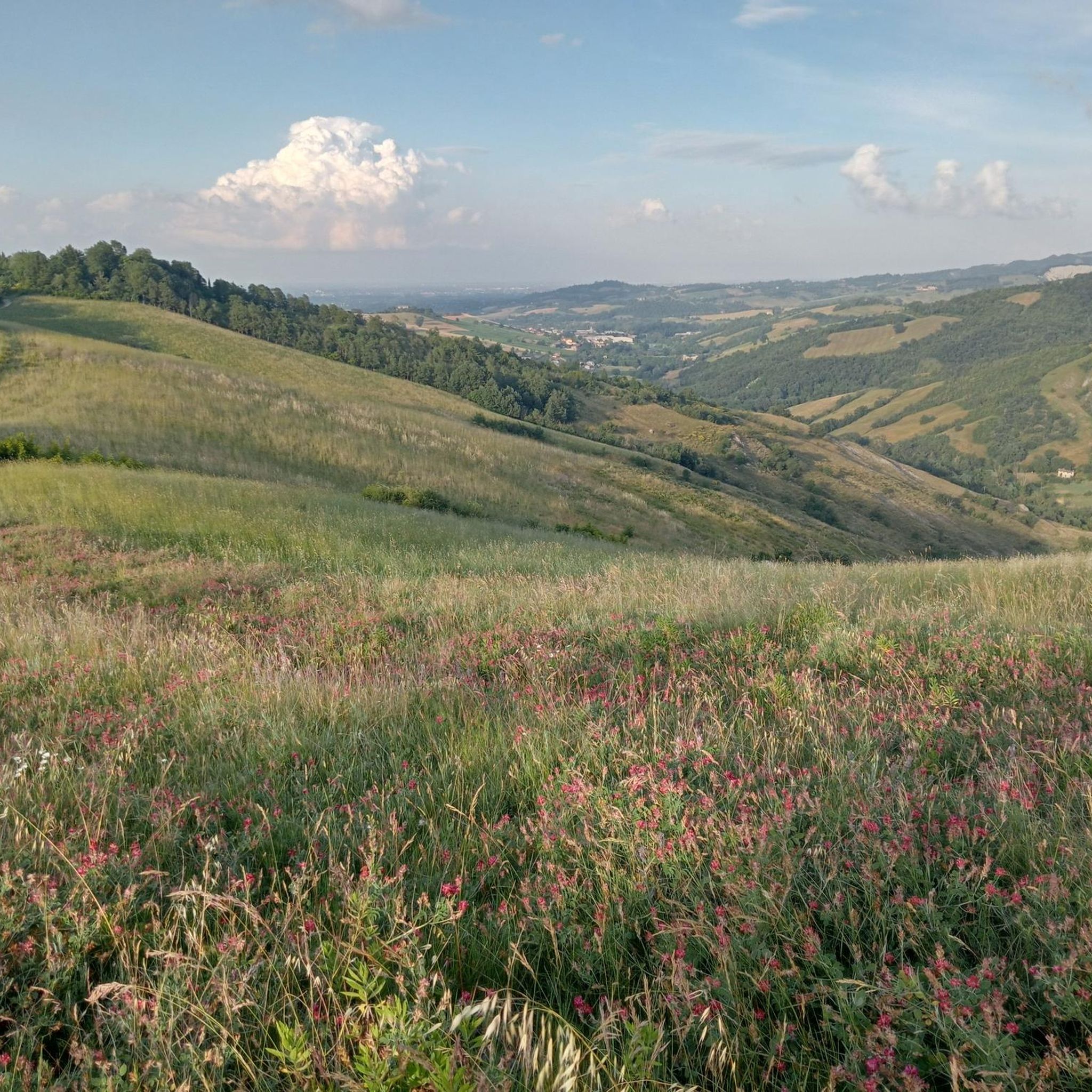
The most famous view of Montechiarugolo is that of its imposing medieval castle perched on a promontory overlooking the Enza stream, dominating the valley between the plain and the first hills of Parma. What to see from Montechiarugolo and its Castle The Enza Valley: The village offers a panoramic view of the Enza stream, marking the natural border between the provinces of Parma and Reggio Emilia. The Apennines: From the loggias and the highest points of the castle, you can enjoy a splendid view stretching to the mountains of the Tuscan-Emilian Apennines. The historic village: Around the manor house, the characteristic cobbled streets and medieval buildings of the town develop, listed among the most beautiful villages in Italy. [1, 2]
0
0
La leggenda della Fata Bema racconta la storia di una giovane e affascinante indovina giunta al Castello di Montechiarugolo nel 1593. La storia e la leggenda L'arrivo: Bema arriva nel borgo per esercitare la sua arte di maga e indovina, conquistando il favore del popolo e dei nobili locali, tra cui il giovane conte Pio Torelli. L'amore e il dramma: Tra Bema e Pio nasce un profondo legame, ma la loro quiete viene spezzata dal duca di Parma, Ranuccio I Farnese. Molto superstizioso e timoroso dell'occulto, il Duca nutre diffidenza verso la ragazza. La fine tragica: La situazione precipita nel 1612 durante la "Gran Giustizia", un evento in cui Ranuccio Farnese fa giustiziare diversi feudatari accusati di congiura, compreso Pio Torelli, che viene decapitato. Il fantasma gentile: Secondo la tradizione popolare, lo spirito benevolo della Fata Bema non ha mai lasciato il Castello di Montechiarugolo. Si narra che ogni anno, durante la notte del 18 maggio il suo fantasma torni ad aggirarsi
0
0
The mastio (or mastio tower) of the Castle of Montecchio Emilia, also known as the clock tower, is the oldest still visible part of the entire fortification, dating back to a thirteenth-century layout. Located in the northeast corner of the Rocca, this imposing keep emerges from the crenellated body of the building and is provided with a complete circuit of machicolations and Ghibelline battlements covered by a roof. Over the centuries, the structure has taken on a central role in the village in the Val d'Enza, reaching a height of 35 meters in the complex of the main tower.
0
0
Halfway between Reggio Emilia and Parma, the Castello di Montecchio Emilia dominates the historic center of the town. The beautiful building stands on a site inhabited since Roman and barbarian times, but its first fortified structure dates back to the 12th century. The first walls rise on a burial ground, along the Enza river valley. Its strategic position allows the Rocca to serve as a military post and a symbol of power. Over the centuries, the Castello di Montecchio passes from the hands of the archbishop of Parma and his allies, the Vicedomini, to those of important families such as the Visconti. In the 15th century the town falls under Este dominion; in 1562 Don Alfonso d'Este obtains the title of Marquisate for the town and the Castle becomes a noble residence. The Este rule Montecchio Emilia until the Unification of Italy in 1861. From the end of the 18th century until 1960 the Castle is used as a prison.
0
0

Beautiful fortified medieval structure. Reference point on the route.
1
0

Very well kept castle, it is the first one you come across coming from Reggio
2
0
You enter the crenellated manor from the drawbridge. The fortress is impregnable due to the high walls - defended by machicolations, slits, corbels - inside an elegant Renaissance residence. Walking through the ancient rooms of the Castle of Montechiarugolo, beyond the splendid gardens embellished with eighteenth-century statues from the ducal garden of Colorno, you can admire the halls, tapestries, period furnishings, frescoes and putti spreading flowers.
1
0
Frequently Asked Questions
What kind of historical sites can I explore around Campegine?
While Campegine itself features historical sites like the ancient fortified settlement of Corte del Gualtirolo and the 15th-century Corte di Valle Re, the broader Reggio Emilia province is home to several traditional castles. These include the historically significant Canossa Castle, the well-preserved Rossena Castle, and Bianello Castle, which offers stunning views.
Are there any family-friendly castles to visit near Campegine?
Yes, Castello di Montecchio Emilia is considered family-friendly. This medieval fortified structure, located between Reggio Emilia and Parma, has a rich history dating back to the 12th century and offers an engaging experience for all ages.
Which castles offer the best panoramic views?
For breathtaking views, Rossena Castle, perched on a volcanic cliff, provides panoramic vistas of the plain and the Tuscan-Emilian Apennine ridge. Bianello Castle also sits on a natural balcony in the first hills of the Reggio Emilia Apennines, offering stunning landscapes. Additionally, the View of Montechiarugolo highlight points to excellent perspectives of its imposing medieval castle and the surrounding Enza valley.
What outdoor activities can I do near these castles?
The area around Campegine is excellent for cycling. You can find numerous routes for various cycling types. For example, explore 'Traffic-free bike rides around Campegine' or 'Cycling around Campegine' for routes that might pass by some historical sites. These guides offer options ranging from easy to moderate difficulty, perfect for exploring the countryside. You can find more details on these routes in the Castles around Campegine guide.
What is the best time of year to visit the castles in the Reggio Emilia area?
Spring and autumn generally offer the most pleasant weather for visiting castles in the Reggio Emilia area, with mild temperatures ideal for exploring both indoor and outdoor areas. Summer can be warm, but also provides longer daylight hours. Winter visits are possible, but some sites might have reduced opening hours, and the weather can be colder.
Are there any unique historical legends associated with the castles?
Yes, Montechiarugolo Castle is famously associated with The Legend of the Fairy Bema. It is said that the benevolent ghost of Fairy Bema, a young soothsayer who fell in love with Count Pio Torelli, still appears on the castle walls every May 19th, awaiting her beloved. Visitors often find this legend adds a magical touch to their visit.
How long should I plan for a visit to a castle?
The duration of a visit can vary depending on the castle. For a site like Montechiarugolo Castle, especially if taking a guided tour, you might spend 1.5 to 2 hours exploring its rooms, gardens, and learning about its history and legends. For larger sites like Canossa Castle with its museum, you might want to allocate half a day. Smaller historical courts like Corte del Gualtirolo might be quicker to explore.
Are there any castles with significant historical events tied to them?
Canossa Castle is perhaps the most famous, known as the symbolic site of the 'Pardon of Canossa' in 1077, where Emperor Henry IV sought forgiveness from Pope Gregory VII. Bianello Castle also played a crucial role, as Matilde of Canossa lived there habitually and hosted Henry IV during his penitence. These castles offer a profound connection to medieval Italian history.
What natural features can I expect to see around these historical sites?
Many of the castles and historical sites are nestled within beautiful natural settings. Corte di Valle Re, for instance, is situated within a nature reserve. Montechiarugolo Castle overlooks the Enza stream, which forms a natural border between provinces. Bianello Castle is located within a 160-hectare protected natural oasis, offering lush greenery and scenic landscapes. The Reggio Emilia Apennines, where many castles are found, provide stunning mountain backdrops.
Is parking available at the castles?
While specific parking details for each castle vary, most major historical sites and castles in the Reggio Emilia province typically have designated parking areas nearby or within walking distance. It's advisable to check the specific castle's official website for the most up-to-date information on parking availability and any associated fees before your visit.
Are there any unique historical residences or fortified farms near Campegine?
Yes, Campegine and its immediate surroundings feature unique historical sites that evolved from fortified settlements. Corte del Gualtirolo, for example, is an ancient fortified settlement transformed by Benedictine monks into a thriving agricultural enterprise. Corte di Valle Re, dating back to the 15th century, is another rural court now integrated into a nature reserve, offering a glimpse into the region's past alongside natural beauty.
Most popular routes around Campegine
Most popular attractions around Campegine

Get inspired with the komoot mobile app


Explore more
Looking for the best castles somewhere else? Discover other guides around Campegine:
