Attractions and Places To See around Lake Bienne - Top 20
Best attractions and places to see around Lake Bienne offer a blend of natural beauty, historical landmarks, and cultural experiences. Located in western Switzerland at the foot of the Jura Mountains, this region sits on a linguistic border, adding to its character. The area provides diverse opportunities for exploration, from its scenic lake shores to its historic villages and significant cultural sites.
Best attractions and places to see around Lake Bienne
- The most popular attractions is Hagneck Dam and Hydroelectric…
Last updated: August 2, 2026
Hagneck Dam and Hydroelectric Power Plant
Highlight • Monument
Translated by Google •
Tip by

Hagneck Canal Mouth
Highlight • River
Translated by Google •
Tip by
Sign up now to discover places like this
Get recommendations on the best single tracks, peaks, & plenty of other exciting outdoor places.
Sign up for free
Twann/Douanne
Highlight • Settlement
Translated by Google •
Tip by
Ligerz village center and church
Highlight • Settlement
From 1120 onwards, various …
Translated by Google •
Tip by
St. Peter's Island
Highlight • Lake
Translated by Google •
Tip by

Sign up for free to discover even more attractions around Lake Bienne.
Sign up for free
Already have an account?
Start today with a free account
Your next adventure awaits.
Login or Signup
Tips from the Community


Unfortunately, the path here goes on the road.
1
0

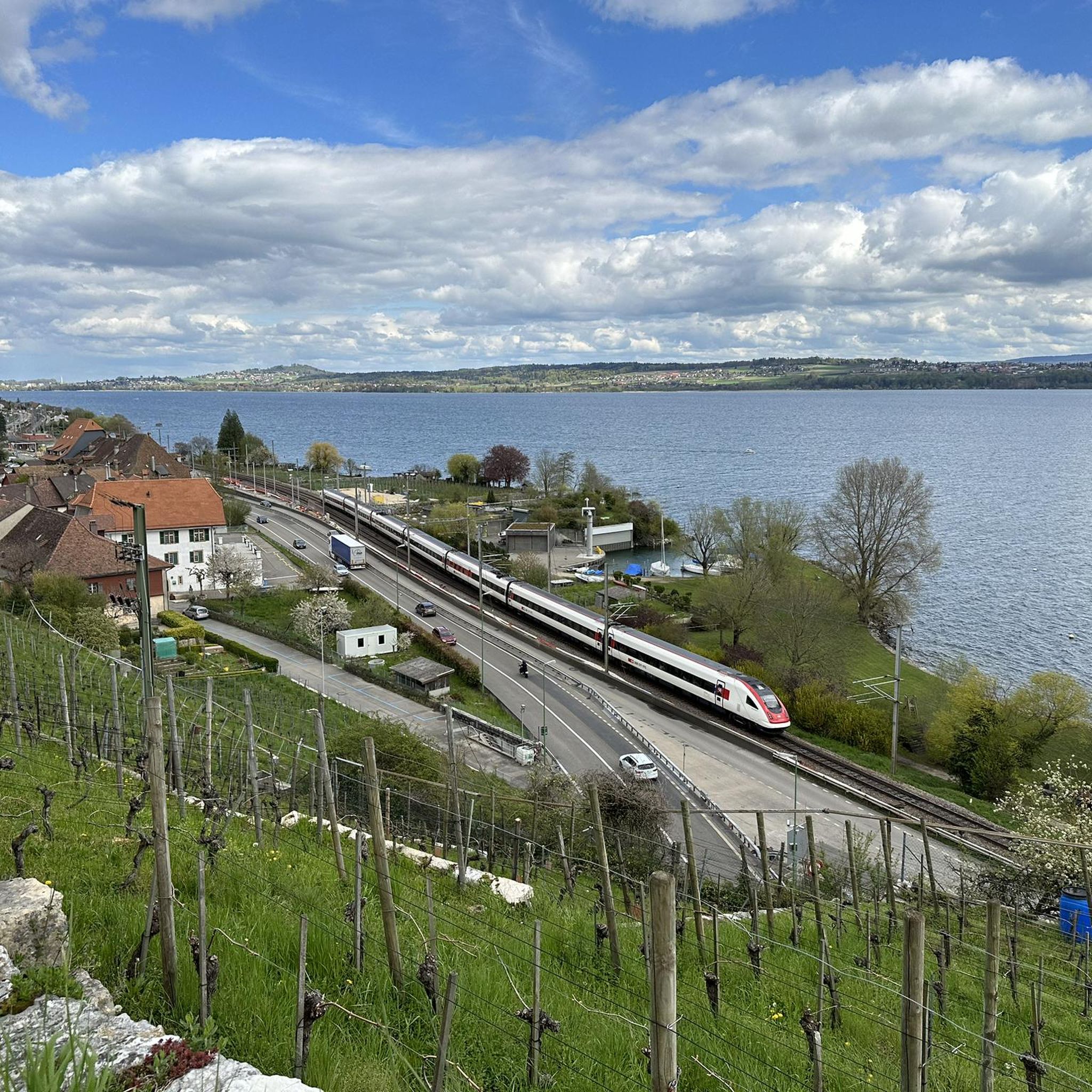
For those using public transport, pay close attention to the train timetable. There is one train per hour between Twann and Biel, and no other means of transport. In winter, there are no boats making this journey.
0
0

Douanne, or Twann in German, is a charming wine-growing village nestled among the vineyards on the shores of Lake Biel. Take the time to explore the cobbled streets, sample fresh lake fish, and soak up the village's Mediterranean atmosphere.
1
0

Cycling around and along here, very interesting and an impressive building
0
0

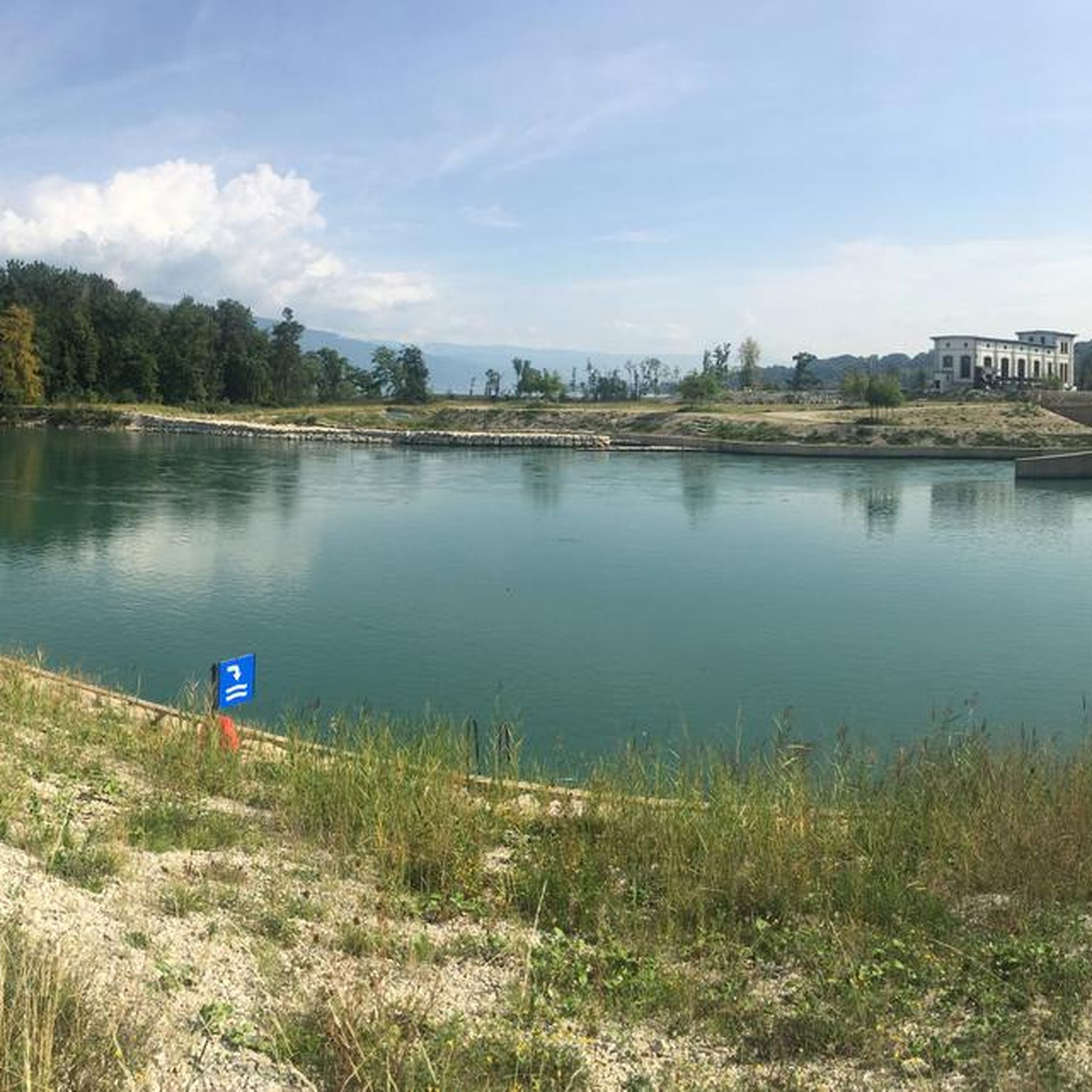
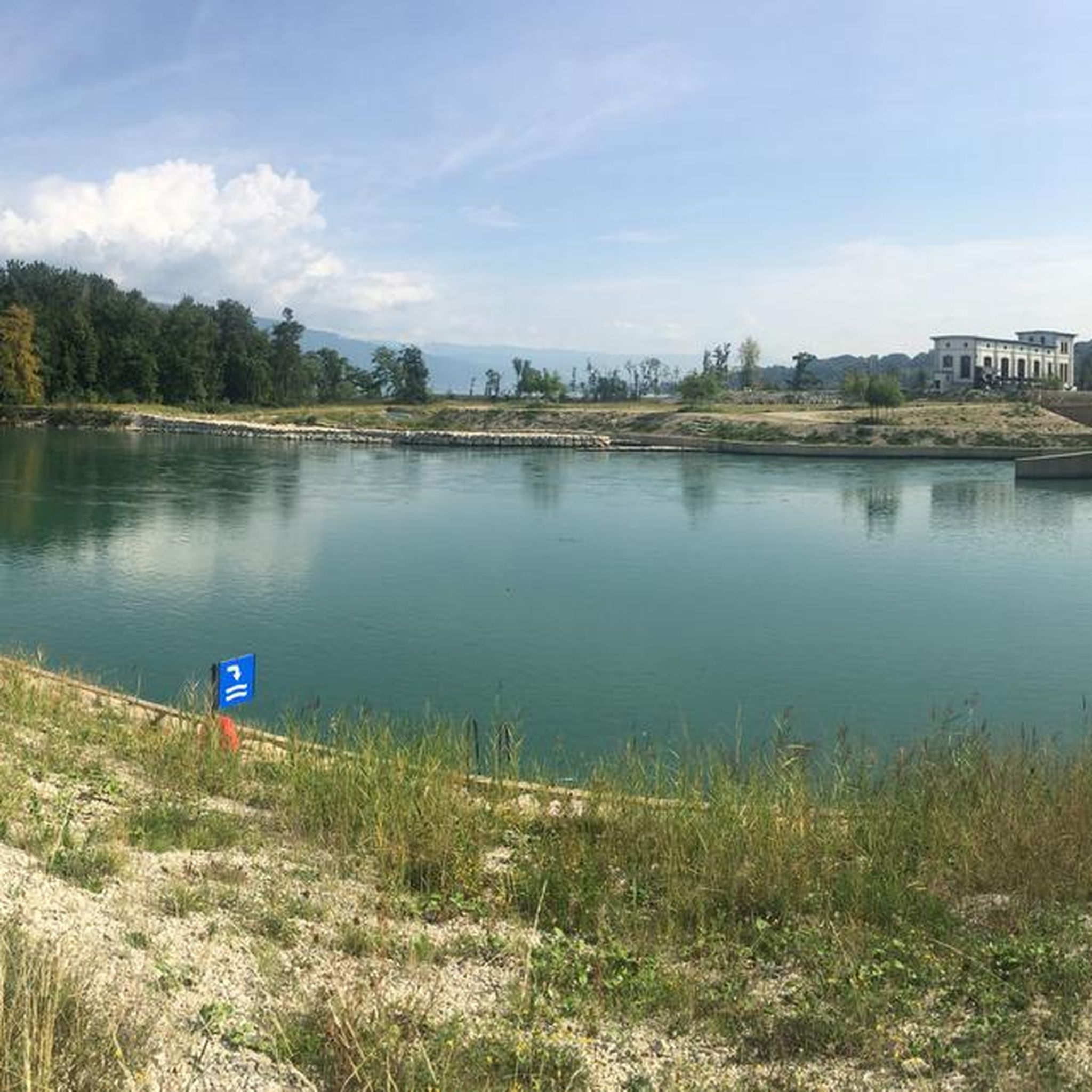
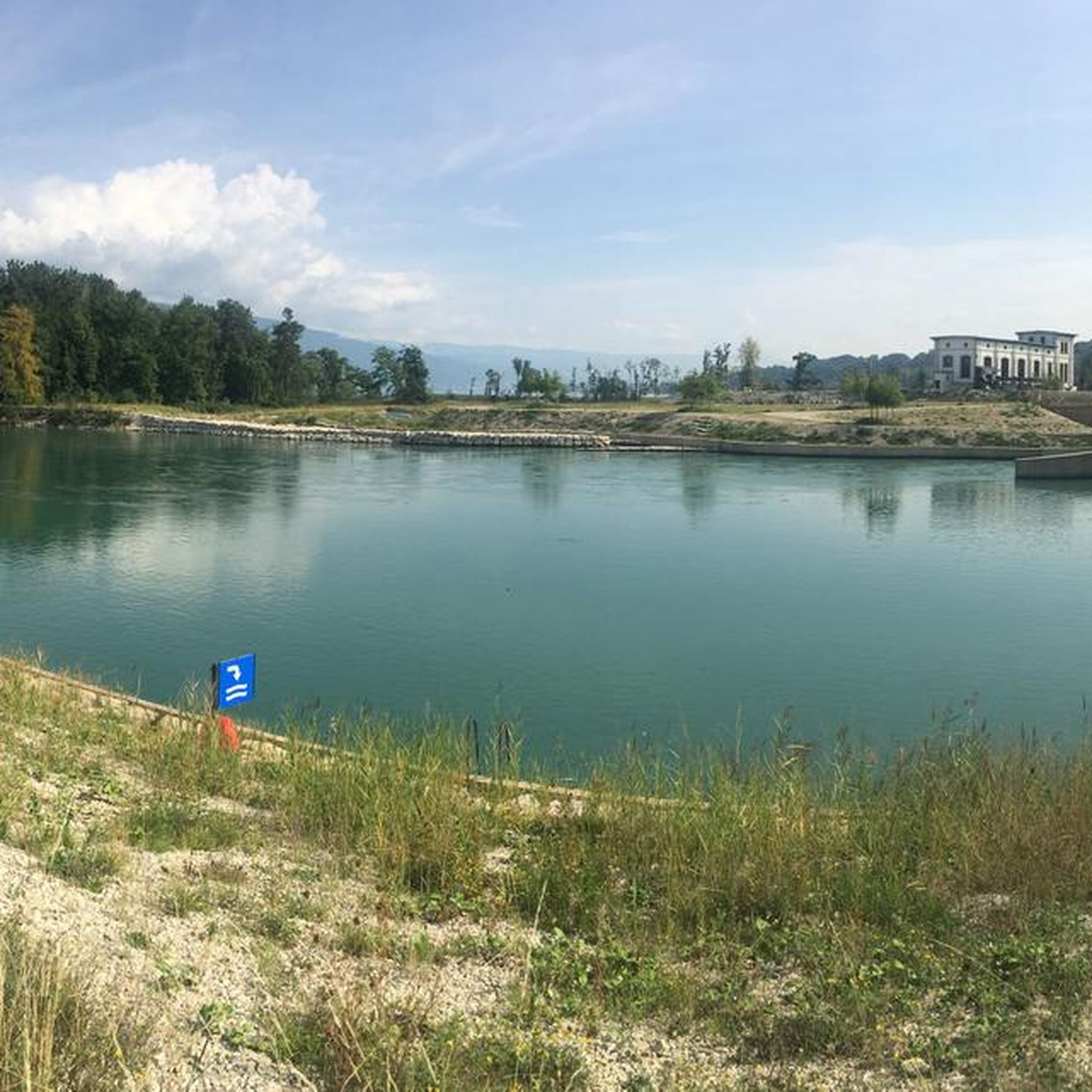
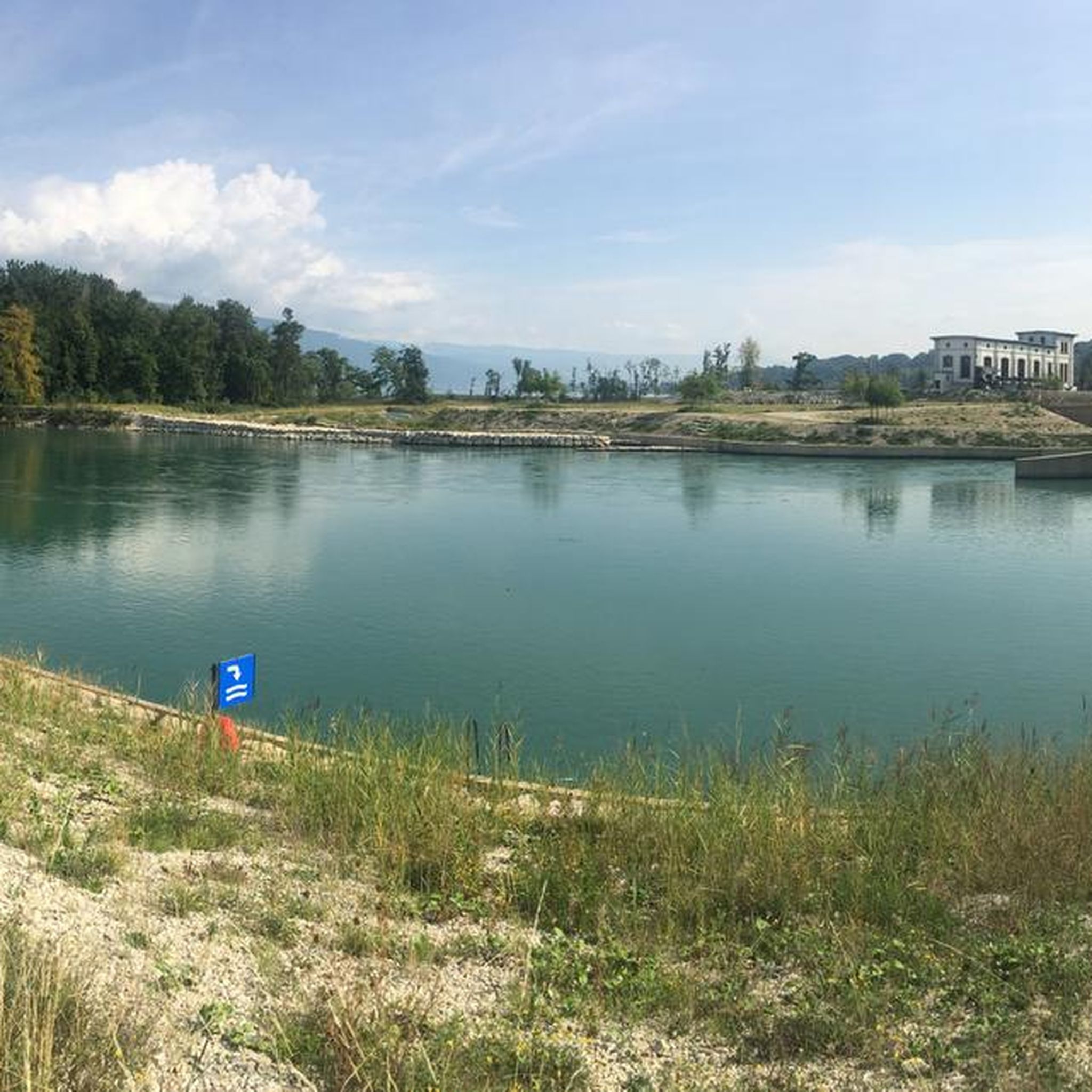
After around four years of construction, the new hydroelectric power station in Hagneck was officially opened in 2015. With its energy production of 110 gigawatt hours, it makes an important contribution to supplying the Zealand region with domestic renewable energy. The Hagneck hydroelectric power station is located in a protected floodplain landscape of national importance. Accordingly, the environmental compatibility of this facility was given priority during the comprehensive renovation. With the new, modern power plant, production was increased by 40 percent without any harm to the environment. A lot of emphasis is placed on renaturation around the power plant. The bypass channel for fish is unique in Switzerland and the newly created floodplain forest is a nature reserve of national importance. This achieves maximum energy efficiency under contemporary, ecological conditions. The Jura water correction is a unique and incomparable pioneering work for the development and reclamation of land. Between 1867 and 1891, a sophisticated canal system was used to lower the water levels of the three lakes of Murten, Neuchâtel and Biel. In the future, the land was protected from flooding, and the de-swamped soil now served the population as fertile agricultural land. This unique structure was completed in the second stage between 1962 and 1973. The heart of the Jura water correction was the eight-kilometer-long canal from Aarberg to Hagneck. In contrast to the Nidau–Büren Canal, which was an actual river correction, the Hagneck Canal created a completely new, artificial river. The construction of the Hagneck Canal was breeding ground for further visionary ideas. The first construction work began in 1897 and the facility was put into operation in the summer of 1899. The construction costs amounted to around 3.6 million francs. Hagneck is one of the oldest hydroelectric power plants in Switzerland - a monument of technology and cultural history. Water to electricity – a masterpiece par excellence. Source https://www.bielerseekrafte.ch/de/hagneck/
1
0
The wine-growing village of Twann stretches along the lake from the Twannbach (border with Ligerz) through Klein-Twann, the village center of Twann with the church, the Moos, the hamlet of Wingreis to the Fluhbach (border with Tüscherz). Towards Jura, the village stretches over the farming hamlet of Gaicht to the Twannberg. The St. Peter's Island also belongs to Twann. Excavations have shown the remains of a Neolithic lakeside settlement in the 4th/3rd millennium BC. The village name can be traced back to the Celtic period around 400-500 BC. The church dates from the early Middle Ages (9th century). In the 12th to 13th centuries, the name Tuana was first mentioned in a document confirming the transfer of an estate to Baron Berchtold von Twann. With Cuno von Twann, the Baronial family of Twann died out. This was followed by the Twing rule (noble rule) in the 15th to 18th centuries. Source https://bielersee-tourismus.ch/twann/
0
0

Confluence Hagneck Canal in Lake Biel - beautiful renatured landscape
0
0
Frequently Asked Questions
What natural features can I explore around Lake Bienne?
Lake Bienne itself is a central natural attraction, ideal for swimming, boating, and picnics. You can also visit the Hagneck Canal Mouth, a renatured river area offering impressive natural views. The region is also known for its vineyards along the northern shore and the scenic Taubenloch Gorge, which features a hiking trail along the river.
What historical and cultural sites can I visit in the Lake Bienne region?
The region offers a rich blend of history and culture. Explore the bilingual Biel/Bienne Old Town with its picturesque fountains and guild houses. Don't miss St. Peter's Island, a historic peninsula where Jean-Jacques Rousseau once resided. Other notable sites include Nidau Castle and the Omega Museum and Swatch Museum (Cité du Temps) in Biel/Bienne, highlighting the city's watchmaking heritage.
Are there any charming wine-making villages to visit around Lake Bienne?
Yes, the northern shore of Lake Bienne is dotted with picturesque wine-making villages. Twann/Douanne is a historic village known for its winding lanes and medieval feel. Nearby, Ligerz village center and church is another small municipality with a rich history of vineyards. You can explore the Vineyard Way (Rebweg) connecting these villages and even visit the Wine Museum in Ligerz.
Are there family-friendly attractions around Lake Bienne?
Many attractions around Lake Bienne are suitable for families. The lake itself offers opportunities for swimming and watersports. The Hagneck Dam and Hydroelectric Power Plant, with its elaborate fish ladder, is an interesting educational visit. St. Peter's Island is a car-free recreational area perfect for walks and picnics. The charming wine villages also offer pleasant strolls for all ages.
How can I reach St. Peter's Island?
St. Peter's Island is accessible by boat from Biel/Bienne, offering a scenic journey. Alternatively, you can reach it on foot or by bike via a land bridge, as it is a car-free area. Many visitors enjoy walking or cycling one way and using a scheduled boat or water taxi for the return.
What cycling routes are available around Lake Bienne?
The Lake Bienne region offers diverse cycling opportunities. You can find routes like the 'Canal view near La Tène – Port de Neuchâtel loop from La Neuveville' (moderate) or the 'St. Peter's Island Nature Paradise – St. Peter's Island loop from Ligerz' (easy). For more options, explore the Cycling around Lake Bienne guide.
Are there good hiking trails near Lake Bienne attractions?
Yes, there are numerous hiking trails. You can enjoy a pleasant, car-free hike to St. Peter's Island. The Vineyard Way (Rebweg) from Biel to La Neuveville offers scenic views over the lake and vineyards. For more challenging options, consider trails in the Taubenloch Gorge or the Plateau de Diesse. Discover more in the Attractions and Places To See around Lake Bienne guide.
What do visitors particularly enjoy about the Lake Bienne area?
Visitors frequently praise the blend of natural beauty and historical charm. The renatured Hagneck Canal Mouth is appreciated for its impressive natural setting. The historic winegrowing village of Twann/Douanne is loved for its idyllic, medieval feel, winding lanes, and opportunities to sample local produce. The overall atmosphere of relaxation and diverse activities, from watersports to exploring historic towns, is highly valued.
What is the best time of year to visit Lake Bienne?
Lake Bienne is beautiful year-round, but the best time largely depends on your preferred activities. Summer (June to August) is ideal for swimming, boating, and enjoying the lake's shores. Spring and autumn offer pleasant temperatures for hiking and cycling through the vineyards, with stunning colors during harvest season. Many boat cruises and outdoor events run from spring through early autumn.
Can I find dog-friendly trails around Lake Bienne?
Yes, many trails around Lake Bienne are dog-friendly. The car-free path to St. Peter's Island is a popular choice for walks with dogs. The Vineyard Way and trails along the lake are also generally suitable, though it's always advisable to keep dogs on a leash, especially near vineyards or protected areas. Always check local regulations for specific trails.
Where can I enjoy swimming or watersports on Lake Bienne?
Lake Bienne is perfect for swimming, especially in its clear waters during summer. You'll find secluded bathing bays, particularly around St. Peter's Island. Various watersports like stand-up paddleboarding, windsurfing, kayaking, and sailing are popular across the lake. The Strandboden area in Biel/Bienne also offers a relaxed atmosphere by the water.
What are the public transport options for visiting attractions around Lake Bienne?
The Lake Bienne region is well-served by public transport. Trains connect Biel/Bienne to major Swiss cities. Local buses and boats provide access to many attractions along the lake, including the charming wine villages and St. Peter's Island. The boat services are a particularly scenic way to explore the northern shore.
Most popular routes around Lake Bienne
Most popular attractions around Lake Bienne

Get inspired with the komoot mobile app


Explore more
Still not found the Highlight you’re looking for? See guides of the top attractions in other regions:
