Top 5 Natural Monuments around Pézenas
Best natural monuments around Pézenas include diverse geological formations and scenic landscapes. The region features unique limestone structures, ancient volcanic sites, and distinctive red earth terrain. These natural areas offer opportunities for exploration and provide insights into the geological history of the Hérault department. The varied natural monuments present a contrast to the historical architecture of Pézenas itself.
Best natural monuments around Pézenas
- The most popular natural monuments is The Fairy Stretcher, a natural_monument that is a limestone formation…
Last updated: October 26, 2026
The Fairy Stretcher
Highlight • Natural Monument
Human imagination has given rise to a legend: fairies used to …
Translated by Google •
Tip by

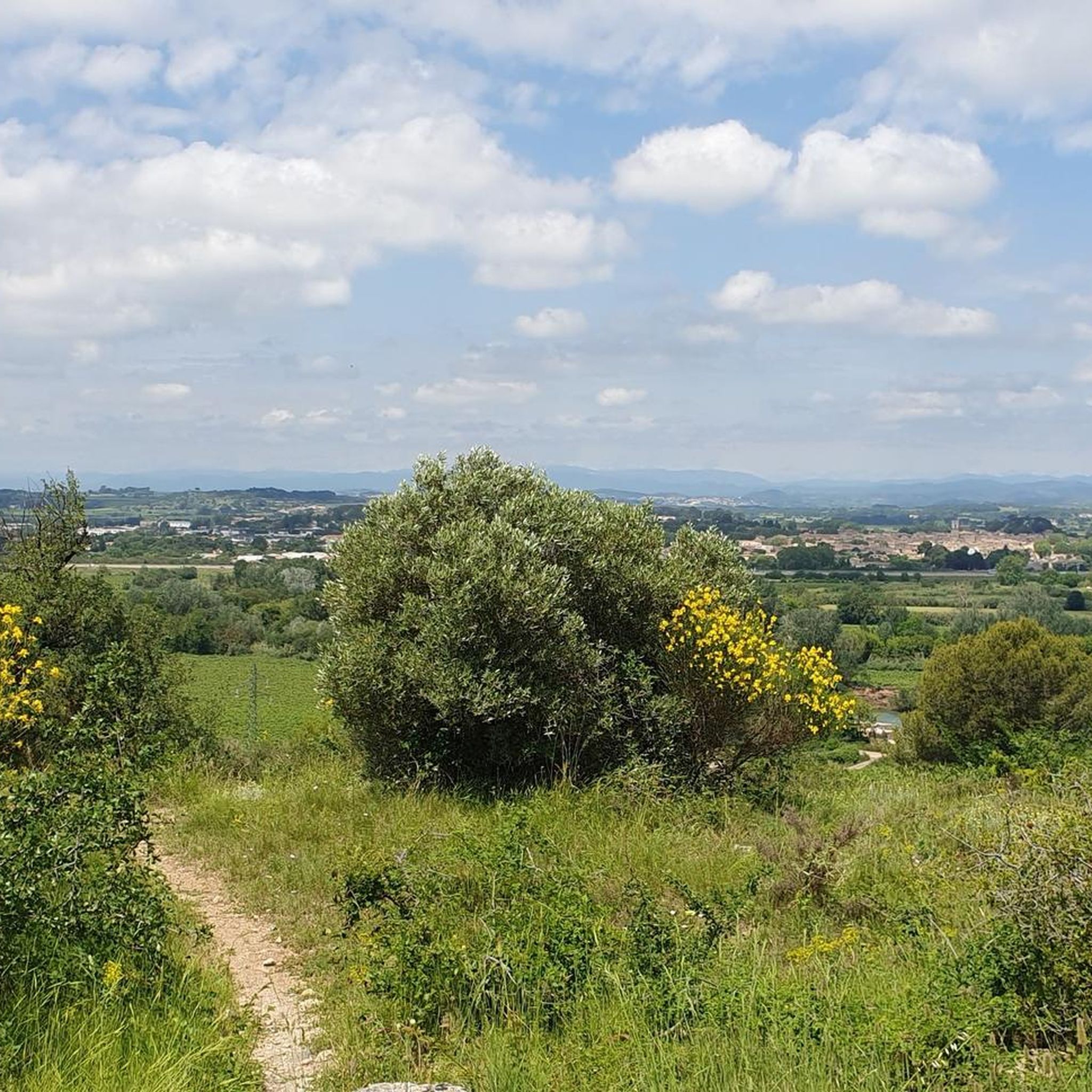
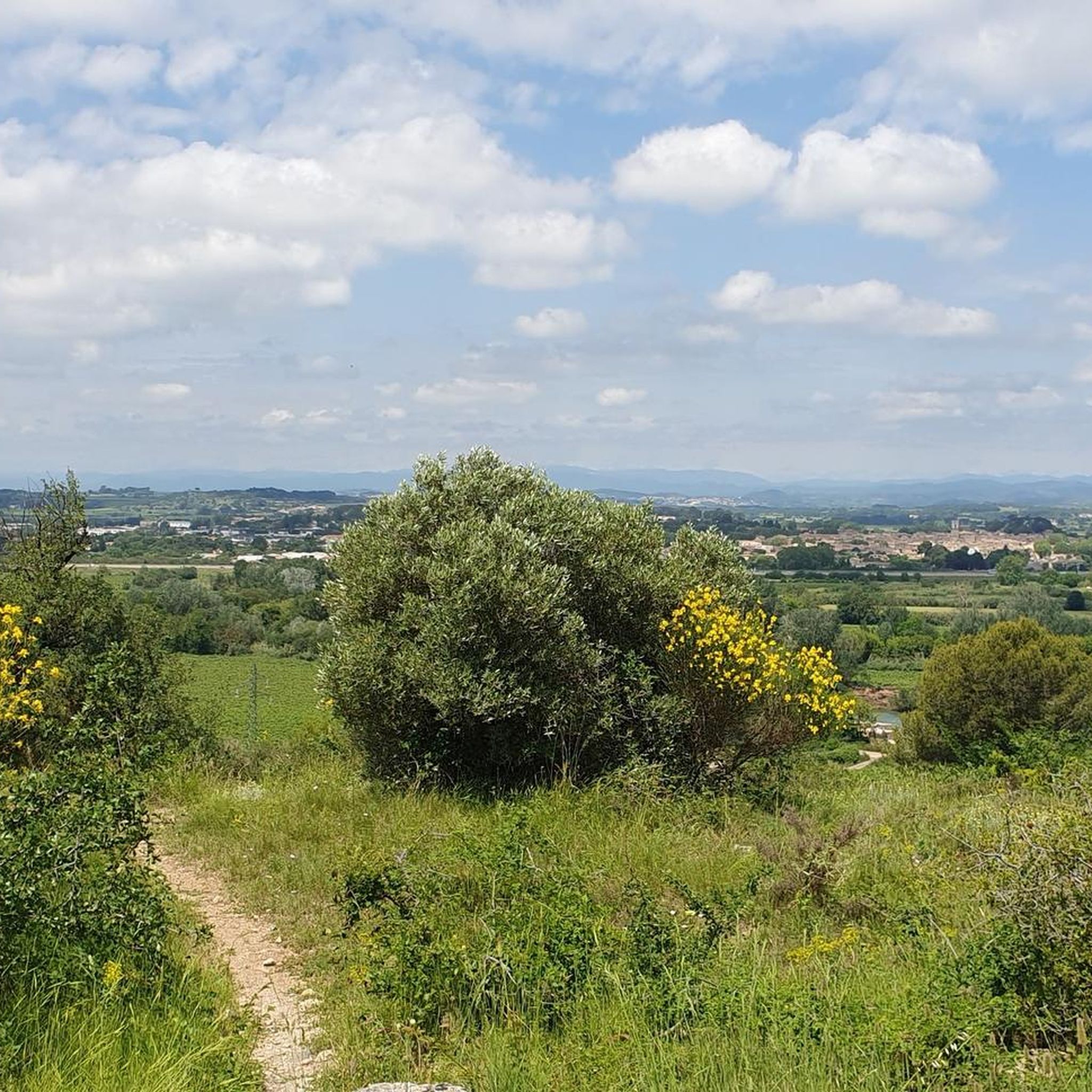
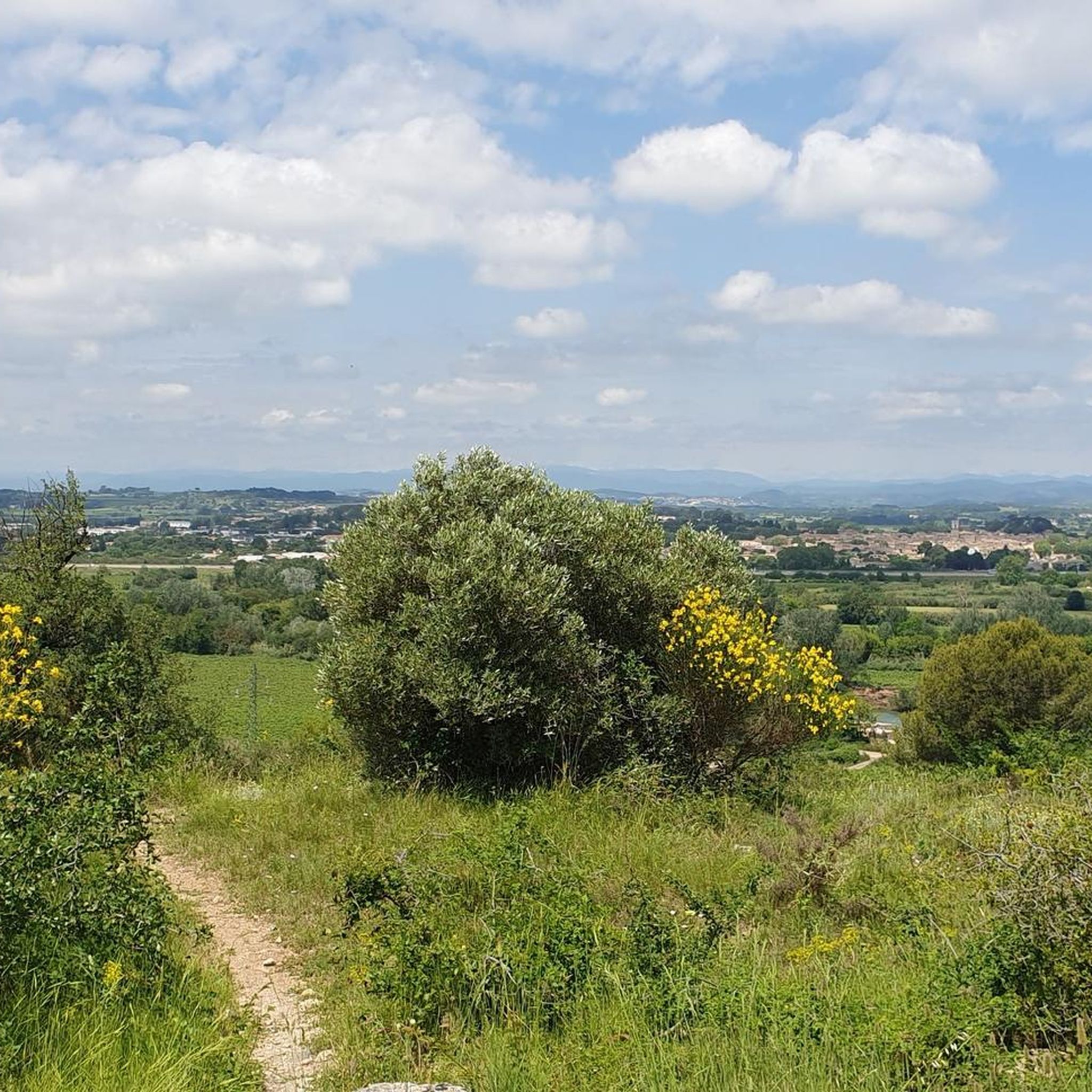
Garrigue around Castelnau-de-Guers
Highlight • Natural Monument
Showing Translation
Tip by

Sign up now to discover places like this
Get recommendations on the best single tracks, peaks, & plenty of other exciting outdoor places.
Red sedimentary rocks
Highlight • Natural
Showing Translation
Tip by

View of the Volcanic Landscape
Highlight • Viewpoint
Showing Translation
Tip by
Les Baumes
Highlight • Natural Monument
Showing Translation
Tip by

Start today with a free account
Your next adventure awaits.


Tips from the Community

The terrain here takes on a reddish hue, but these rocks are not the ruffes of Salagou! These are continental sedimentary formations laid down in the Paleocene, about 65 to 61 million years ago. Deposited by ancient watercourses, the materials formed conglomerates, sandstones (the red gravel observed here), and marly limestones. Their reddish coloration is linked to the presence of iron oxides. The contrast with the ruffes (local name for the red rocks of Salagou) is as chronological as it is geological: formed in the Permian, about 271 million years ago, the ruffes are nearly 200 million years older. They result from the accumulation of fine sediments, notably clay and silt, in continental basins on periodically flooded plains. These deposits, subjected to alternating periods of flooding and drying, gradually consolidated into red pelites, the color of which is also linked to iron oxides.
1
0

🧚🏼♀️ L’Étendoir des Fées – a small moonscape In the middle of the garrigue near Castelnau-de-Guers, this extraordinary landscape suddenly appears. The rock layer, about 50 million years old, made of pink sandstone, was formed by erosion over millions of years and in places really resembles a small moonscape. 🌕👌🏼 The so-called “L’Étendoir des Fées” is about 200 meters long and 50 meters wide. After rain, water collects in the small hollows of the rock and reflects the sky – the place is said to look particularly impressive then. And of course, there is also a fitting legend: On full moon nights, after the rain, fairies are said to have washed their laundry here and then laid it out on the rocks to dry. 🧚🏼♀️ Hence the beautiful name “Fairy’s Drying Place”. An unusual spot of nature in the middle of the Mediterranean garrigue and definitely worth a detour. Greetings Marcus ✌🏼
0
0

The Baumes volcano is the origin of basaltic flows that have shaped a plateau through a process of relief inversion. In addition to its geological interest, it is a natural viewpoint offering a pretty panorama of the surroundings.
0
0
Be careful not to confuse them! These are not ancient volcanoes, but the remains of a mountain range that has undergone erosion. Indeed, unlike the recent volcanism of Salagou (around 1.5 million and 750,000 years ago), the reliefs stretching before you are the vestiges of an ancient mountain range formed nearly 400 million years ago (Hercynian orogeny). Subsequently, hundreds of millions of years of erosion have shaped the landscape you admire today.
3
0
A remarkable geological site, worthy of the legend of the fairies! The rock that constitutes it is sandstone with a carbonate cement, but it is not limestone. Differential erosion, which wears away the less resistant parts of the rock more quickly, has gradually sculpted its surface and formed natural basins (rounded hollows in which water can accumulate). According to legend, on full moon nights, after the rain, the fairies come to wash their laundry in these small basins carved into the sandstone, before spreading it out on the rocks. In Occitan, the place is called "L’espandidou das Fadas".
3
0

This lunar landscape is composed of small mounds of rocks formed by rounded pebbles eroded some 50 million years ago during the flow of waters that covered the region in the Tertiary era.
2
0
The dinosaur egg-laying sites, the red lands, the white rocks, and the Fairy's Waslijn are among the most remarkable geological sites in the municipality. The Fairy's Waslijn is worth the detour as it is an original formation of limestone rocks, deposited at the beginning of the Tertiary era, during the foldings of the Pyrenean-Provençal chain, on a continental plain episodically crossed by rivers.
0
0
271 million years ago, sediments were deposited in large quantities, giving rise to pelites (the scientific name for ruffs), consisting of clays and sandstones. Impossible to miss them! Their red color, due to the iron oxide they contain, is omnipresent here.
2
3
Frequently Asked Questions
What are some of the most unique natural monuments to explore near Pézenas?
The region around Pézenas offers a variety of striking natural monuments. You can discover the dramatic rock formations of the Cirque de Mourèze, the distinctive red earth landscapes of Lake Salagou, or the impressive gorges and caves of the Gorges de l'Hérault, including the The Fairy Stretcher, a unique limestone formation. Don't miss the volcanic remnants like View of the Volcanic Landscape or the Les Baumes volcano, which shaped the local terrain.
Are there opportunities for hiking and outdoor activities around Pézenas' natural monuments?
Absolutely! The natural monuments provide excellent settings for outdoor activities. The Cirque de Mourèze offers various circuits for hiking amidst its colossal limestone formations. Lake Salagou is perfect for water sports, cycling, and hiking around its perimeter. The Gorges de l'Hérault also provide rugged experiences. For more specific routes, you can explore guides like Hiking around Pézenas, which features trails of varying difficulties.
Where can I find impressive viewpoints of the natural landscape near Pézenas?
Several natural monuments offer breathtaking panoramas. The Cirque de Mourèze provides magnificent 180° views of its unique landscape. The View of the Volcanic Landscape offers stunning vistas of ancient volcanic formations. Additionally, the Les Baumes volcano is a natural viewpoint with a pretty panorama of the surroundings. The Garrigue around Castelnau-de-Guers also provides a unique lunar-like landscape view.
What is the best time of year to visit the natural monuments around Pézenas?
The spring (April-June) and autumn (September-October) months are generally ideal for visiting the natural monuments around Pézenas. During these periods, the weather is pleasantly mild, making it comfortable for hiking and outdoor exploration. Summers can be very hot, especially in July and August, which might be less suitable for strenuous activities but perfect for water-based activities at Lake Salagou.
Are there family-friendly natural monuments suitable for children near Pézenas?
Yes, several natural sites are great for families. Lake Salagou is particularly family-friendly, offering swimming, water sports, and easy cycling trails. The Cirque de Mourèze can also be explored with children, with various circuits suitable for different ages. The Garrigue around Castelnau-de-Guers is also listed as family-friendly, offering an interesting landscape for discovery.
Can I bring my dog to the natural monuments around Pézenas?
Many natural areas in the region are dog-friendly, especially for hiking. The Cirque de Mourèze and the trails around Lake Salagou are generally welcoming to dogs, provided they are kept on a leash and owners clean up after them. Always check local signage upon arrival, as specific rules may apply in certain protected areas or during peak seasons.
What kind of geological formations can I expect to see?
The region boasts a fascinating geological history. You'll encounter the unique limestone concretions of the Cirque de Mourèze and The Fairy Stretcher, dating back millions of years. The distinctive red earth around Lake Salagou and the Red sedimentary rocks are formed from pelites rich in iron oxide. You can also observe basaltic formations like Les Orgues Basaltiques and Le Causse Basaltique, remnants of ancient volcanic activity, offering a glimpse into the area's fiery past.
Are there any natural monuments with historical significance?
Yes, the Gorges de l'Hérault area, including the Pont du Diable (Devil's Bridge), is classified as a UNESCO World Heritage site. This area is known not only for its scenic beauty but also for its Romanesque constructions, blending natural grandeur with historical architecture. While the natural formations themselves are ancient, human history has intertwined with these landscapes for centuries.
Are there any hidden natural gems or less-known spots worth visiting?
While popular sites like Cirque de Mourèze and Lake Salagou are well-known, exploring the smaller basaltic formations like Les Orgues Basaltiques in Saint-Thibéry or Le Causse Basaltique near Nizas can offer a quieter, more intimate experience of the region's unique geology. These sites provide a fascinating insight into the volcanic history without the larger crowds.
What kind of cycling routes are available near the natural monuments?
The area around Pézenas offers various cycling opportunities, particularly around Lake Salagou, which has trails suitable for both road cycling and mountain biking. You can find guides like Traffic-free bike rides around Pézenas for racebike enthusiasts or Traffic-free bike rides around Pézenas for mountain biking, featuring routes that pass through scenic natural landscapes and offer different difficulty levels.
Are there opportunities for wild swimming near Pézenas' natural monuments?
Lake Salagou is an excellent destination for swimming, offering clear waters amidst its striking red earth landscape. The Gorges de l'Hérault also feature spots where you can swim in the river, particularly near the Pont du Diable. Always ensure to check local regulations and safety guidelines before swimming in natural bodies of water.
Most popular routes around Pézenas
Most popular attractions around Pézenas

Get inspired with the komoot mobile app


Explore more
Extend your search for the best caves by checking out these guides of the top ones around Pézenas:
