The best traffic-free bike rides around Campo De Criptana
4.9
(19)
596
riders
4
rides
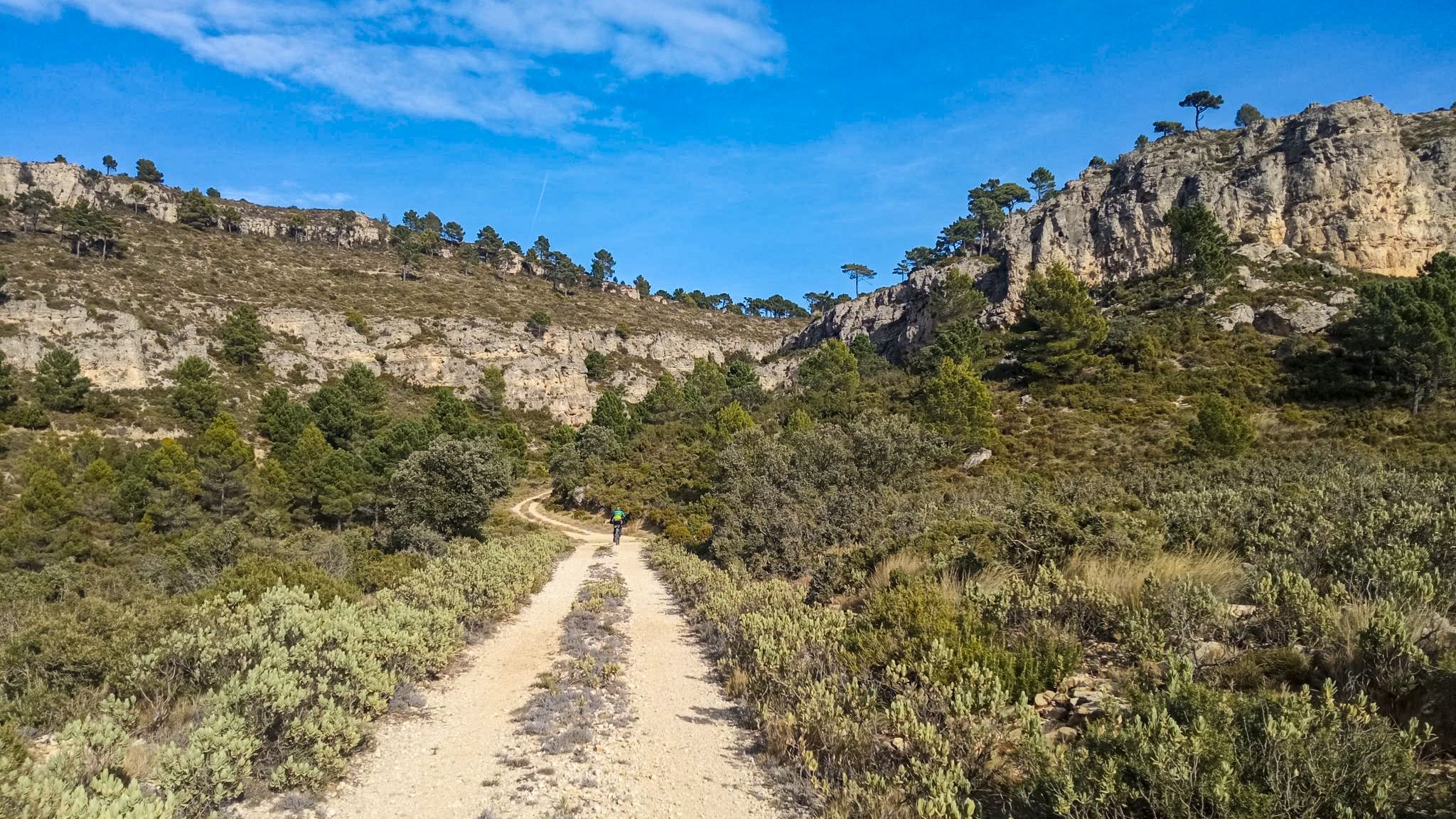
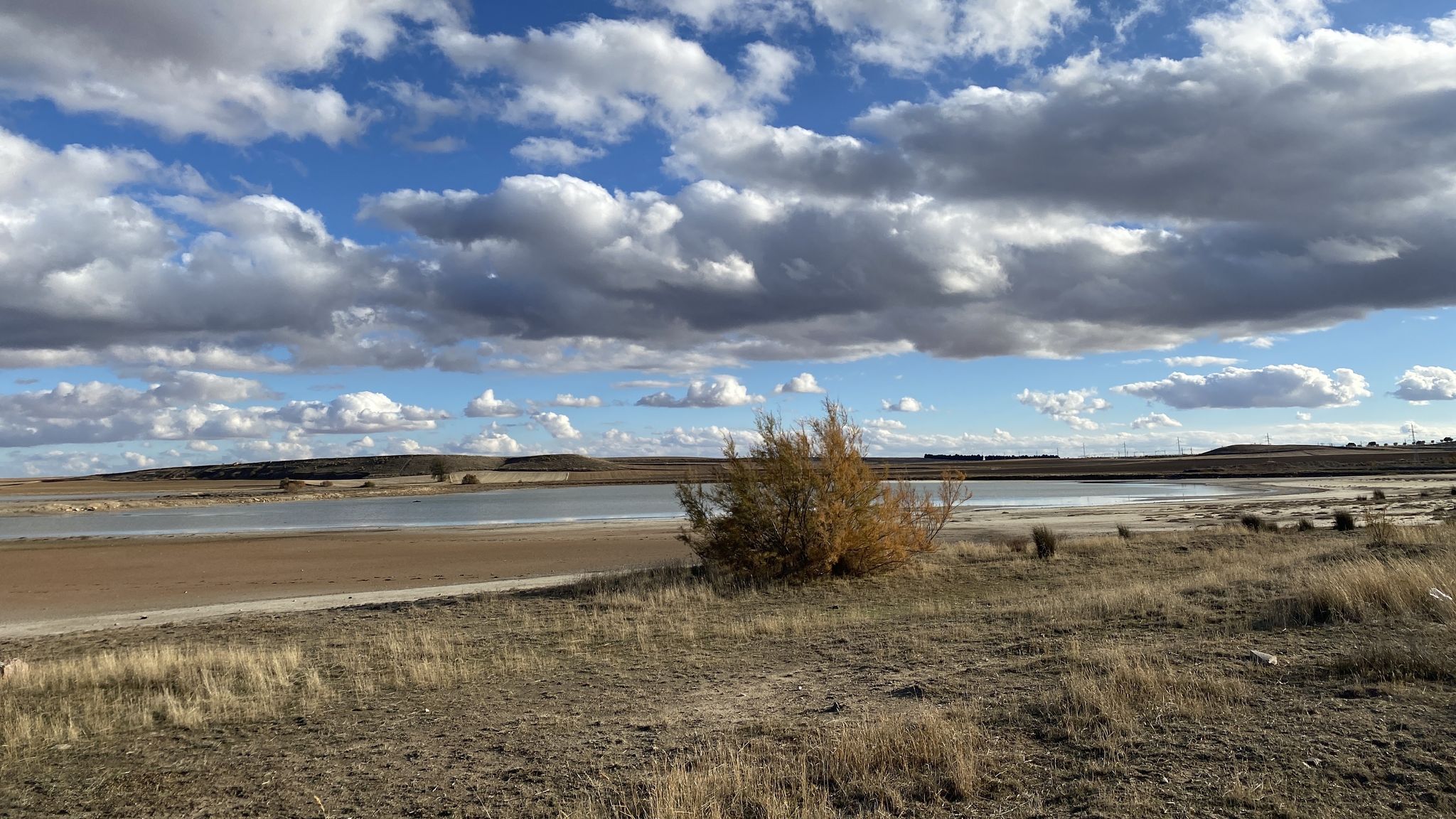
No traffic road cycling routes around Campo De Criptana are characterized by a diverse landscape, transitioning from the elevated Sierra de los Molinos to the expansive, arid La Mancha plains. This region offers varied terrain, including routes that traverse these plains and incorporate riparian zones along the River Záncara. Cyclists will encounter gentle gradients across the flatlands and some elevation changes as routes approach the iconic windmills. The area's physical features provide a mix of long, open stretches and more undulating sections.
Best no traffic road cycling routes around Campo De Criptana
- The most popular no traffic road cycling route is Alcazár de San Juan – Herencia loop from Campo de Criptana, a 55.4 miles (89.2 km) trail that takes 5 hours 16 minutes to complete. This difficult route offers expansive views across the La Mancha plains.
- Another top favourite among local road cyclists is Herencia – Church of Santa Quiteria loop from Campo de Criptana, a moderate 30.9 miles (49.8 km) path. This route combines cultural landmarks with the natural scenery of the plains and surrounding areas.
- Local road cyclists also love the Canal Road loop from Tomelloso, a 26.3 miles (42.3 km) trail leading through the flat, open landscapes of the region, often completed in about 2 hours 15 minutes.
- Road cycling around Campo De Criptana is defined by arid plains, historic windmills atop the Sierra de los Molinos, and occasional riparian zones along the River Záncara. The network offers options for different ability levels, from moderate loops to more challenging routes with significant distances.
- The routes in Campo De Criptana are highly rated by the komoot community with an average score of 4.5 stars from more than 20 reviews. More than 500 road cyclists have used komoot to explore Campo De Criptana's varied terrain.
Last updated: November 9, 2026
23
riders
88.4km
05:13
580m
580m
Hard road ride. Very good fitness required. Some segments of this route may be unpaved and difficult to ride.
10
riders
31.4km
01:36
70m
70m
Easy road ride. Mostly well-paved surfaces and easy to ride.

9
riders
42.3km
02:14
80m
80m
Moderate road ride. Good fitness required. Some segments of this route may be unpaved and difficult to ride.
Our route recommendations are based on thousands of hikes, rides, and runs completed by other people on komoot.
Start today with a free account
Your next adventure awaits.




Tips from the Community

The Plaza de España in Alcázar de San Juan (Ciudad Real) is home to one of the city's most representative symbols: the sculpture of Don Quixote and Sancho Panza, a work that pays homage to Cervantes' immortal characters.
0
0
The Grand Prior's Tower is one of the most emblematic monuments of Alcázar de San Juan (Ciudad Real) and forms part of the Grand Prior's Palace Complex, linked to the Order of Saint John. Built in the 13th century on the remains of the old Muslim citadel, during the Almohad period. Reconquest: It became part of the palace of the Grand Priors of Castile and León of the Hospitaller Order of Saint John of Jerusalem. Expansions: In 1618, under Philip III, a floor was added with windows and plaster ribbed vaults.
8
0
The Posada de los Portales is one of Tomelloso's most emblematic buildings, located in the Plaza de España. Construction: Second half of the 17th century (some sources indicate 1778), as an inn for travelers and merchants. Style: Traditional La Mancha architecture, featuring: A portico supported by four Tuscan columns and two pillars. Wooden galleries with turned balusters, reminiscent of classic courtyard houses. An interior with a primitive kitchen, a large fireplace, and original wooden beams.
5
0
The Herencia Windmills are an essential part of the heritage of this town in La Mancha. Initially built in 1790, these mills were an economical and practical solution to the scarcity of water in the region.
14
0

Historic building. Today it is a public building where the Tomelloso tourist office is installed.
0
0

Old channel that runs parallel to Río Guadiana Viejo and that brings us water from the Peñarroya Reservoir and where depending on the time of year it brings water or not.
1
0
We can access this villa by road from Puerto Lápice, just 12 km away, or through the Autovía de los Viñedos. Herencia owes its creation to the Order of San Juan, during the Reconquest, but its origin dates back centuries, as evidenced by the remains of forts found in the Sierra de los Molinos and Pico del Navajo, from the Bronze Age. In addition to its industrial heritage, Herencia is land of agricultural production, two churches stand out in this municipality: the parish church and the one of the Convent of La Merced, these will be the nucleus of the visit to this town of La Mancha. The church of the Immaculate Conception, from the 18th century, built on top of another from the 13th century, will call our attention for its play of reddish colors given by its construction materials and for its interesting baroque altars, among them the altarpiece of the main altar in the one that highlights an image of the Immaculate Conception from 1819. It also preserves, although deteriorated, a Toledo organ from 1637.
6
0
The most emblematic buildings to visit are: the Posada de los Portales (Historical-Artistic Monument of Provincial Interest); Parish of the Assumption of Our Lady; City hall; Antonio López Torres Museum (declared by the JCCM as an Emblematic Building of the 20th century); Caves; Chimneys of the old alcohol factories, with a height of up to 45 meters; Museo del Carro y Aperos y Labranza: ethnographic museum, which tells us how farmers worked the land and made wine some decades ago. The jewel of this museum, without a doubt, is the "bombo", built using the dry stone technique. More than 2,000,000 stones were used in its construction.
9
0
Frequently Asked Questions
How many no traffic road cycling routes are available in Campo De Criptana?
Komoot offers several dedicated no traffic road cycling routes around Campo De Criptana. These routes are designed to provide a serene cycling experience away from vehicular traffic, allowing you to fully enjoy the unique landscapes of Castilla-La Mancha.
What kind of terrain can I expect on these traffic-free road cycling routes?
The terrain around Campo De Criptana offers a varied experience. You'll find routes that traverse the vast, arid La Mancha plains, providing expansive views. Other paths may lead you through the elevated Sierra de los Molinos, offering some climbs and descents. The region also features riparian zones along the River Záncara and wetlands like Laguna de la Veguilla, adding natural diversity to your ride.
Are there any challenging no traffic road cycling routes for experienced riders?
Yes, for experienced riders seeking a challenge, the region offers routes with significant distance and elevation. For example, the Alcazár de San Juan – Herencia loop from Campo de Criptana is a demanding route covering over 89 kilometers with notable elevation changes, perfect for a longer, traffic-free ride.
What cultural landmarks can I see along the no traffic road cycling routes?
Campo de Criptana is famous for its historic windmills, famously associated with Don Quixote. Many routes will take you past these iconic structures, some of which date back to the 16th century. You might also encounter traditional Manchegan architecture and various hermitages. For example, the Herencia – Church of Santa Quiteria loop from Campo de Criptana offers a blend of cultural and natural scenery.
Are there any natural attractions or viewpoints along these routes?
Absolutely. The routes often provide expansive views of the La Mancha plains. You can also discover natural features like the wetlands of Laguna de la Veguilla, part of the San Juan Lagoon Complex, or the Laguna del Camino de Villafranca. These offer picturesque spots for a break and birdwatching.
What is the best time of year to enjoy traffic-free road cycling in Campo De Criptana?
Spring and autumn are generally the most pleasant seasons for road cycling in Campo De Criptana. The weather is milder, avoiding the intense heat of summer and the cooler temperatures of winter. These seasons offer comfortable conditions for longer rides and enjoying the scenery.
Are there any easier or moderate no traffic road cycling routes suitable for a relaxed ride?
Yes, there are moderate options available for those looking for a less strenuous ride. The Canal Road loop from Tomelloso is a moderate route that offers a pleasant, traffic-free experience with minimal elevation gain, ideal for a relaxed outing.
What do other cyclists say about the no traffic road cycling routes in Campo De Criptana?
The no traffic road cycling routes in Campo De Criptana are highly regarded by the komoot community, with an average rating of 4.5 out of 5 stars from 20 reviews. Cyclists often praise the tranquility of the routes, the unique landscape featuring the iconic windmills, and the opportunity to explore the cultural richness of the region away from busy roads.
Can I find places to eat or drink along these traffic-free routes?
While the routes themselves focus on avoiding traffic, Campo De Criptana and nearby towns offer various cafes and restaurants where you can refuel. It's advisable to plan your stops in advance, especially on longer routes, as services might be sparse in more remote sections of the plains.
Are there any circular no traffic road cycling routes available?
Yes, all the featured no traffic road cycling routes in this guide are circular, meaning they start and end in the same general area. This makes planning your ride and return transport straightforward. Examples include the Alcazár de San Juan – Herencia loop and the Herencia – Church of Santa Quiteria loop.
Where can I park my car to access these traffic-free road cycling routes?
Campo De Criptana offers various parking options within the town, especially near the main attractions like the windmills or the town center. From these points, you can easily connect to the start of many traffic-free routes. Always check local signage for parking regulations.
Most popular routes around Campo De Criptana
Most popular attractions around Campo De Criptana

Get inspired with the komoot mobile app


Explore more
Browse the best Road cycling routes in other regions.
