The best traffic-free bike rides in Pasayten Wilderness
5.0
(1)
57
riders
3
rides
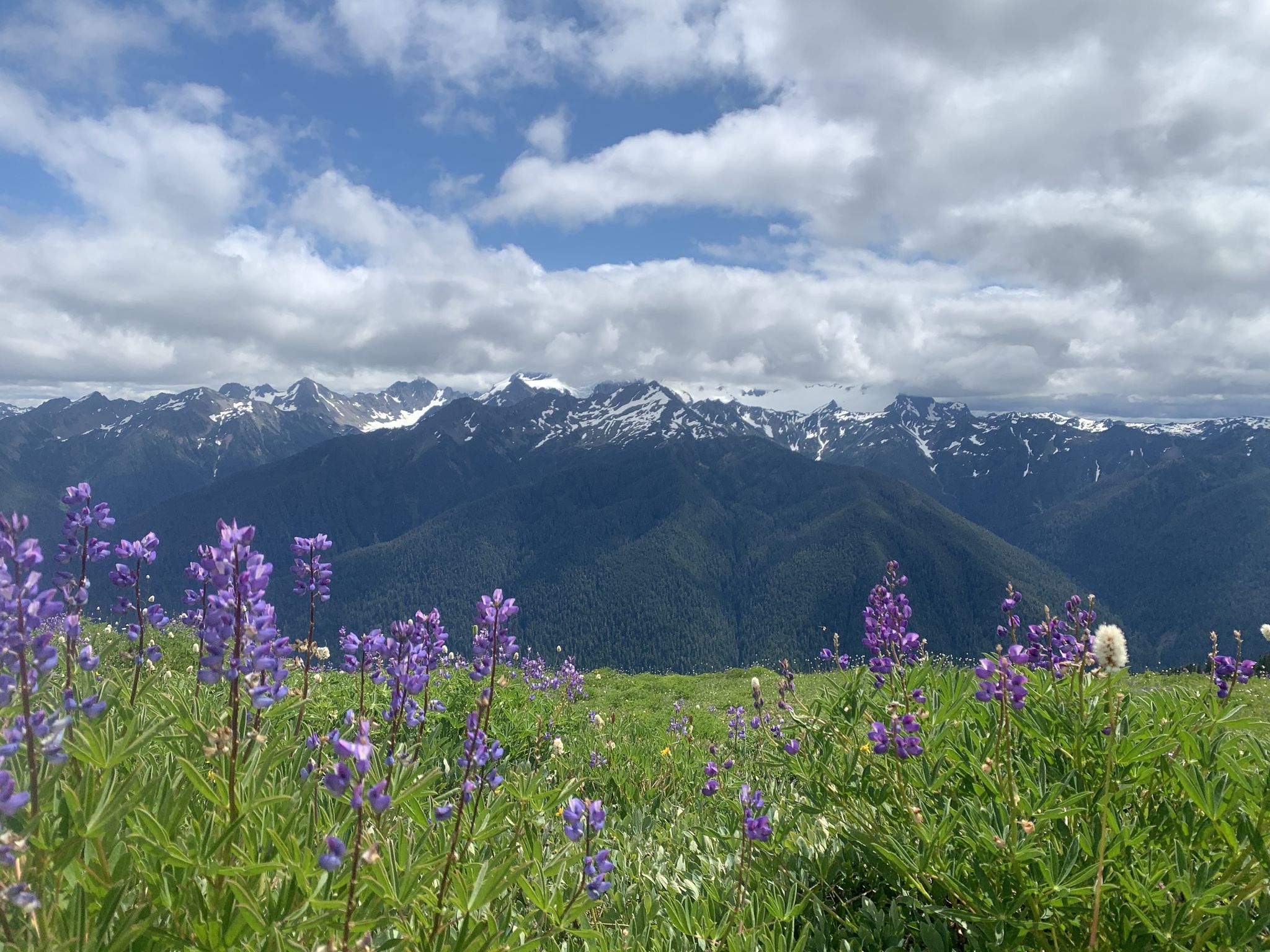
Touring cycling in Pasayten Wilderness offers a challenging and immersive experience across a vast, remote backcountry in north-central Washington state. The region is characterized by nearly 150 peaks exceeding 7,500 feet, over 160 bodies of water, and turbulent waterways carving sharp canyons. Its diverse landscapes range from rugged ridges and dramatic views in the west to open plateaus, grasslands, and alpine tundra in the east, providing varied terrain for no traffic touring cycling routes. The extensive trail network, spanning over…
Last updated: July 29, 2026
6
riders
26.6km
01:49
180m
180m
Moderate bike ride. Good fitness required. Mostly paved surfaces. Suitable for all skill levels.
19
riders
26.6km
02:12
190m
190m
Moderate bike ride. Good fitness required. Mostly paved surfaces. Suitable for all skill levels.

Sign up for free
5.0
(1)
25
riders
95.2km
06:30
1,700m
1,700m
Hard bike ride. Very good fitness required. Mostly paved surfaces. Suitable for all skill levels.
Our route recommendations are based on thousands of hikes, rides, and runs completed by other people on komoot.
Start today with a free account
Your next adventure awaits.
Login or Signup


Tips from the Community

Personally, one of the best bakeries in the world. Honestly. Hidden gem of hidden gems. Only reviewing this on Komoot to keep it relatively "secret". The salted bagettes are unbelievable. Made tofu banh mis with them and there are no words. Only ever been during the winter. XC ski right up to the bakery. Absolutely best way to start off the day.
0
0

Mazama is the last small trail town on the Pacific Crest Trail before the Canadian border. There is a comparatively well-stocked outfitter, a general store, picnic benches and a bite to eat.
3
0
If you have to get on or off the trail, Rainy Pass is a great access point. The iconic Pacific Crest Trail crosses the North Cascades Highway (Highway 20) at this location. There is also a parking lot with a pit toilet a little further north and another one on the other side of the highway.
4
0
Frequently Asked Questions
How many no-traffic touring cycling routes are available in Pasayten Wilderness?
There are several dedicated no-traffic touring cycling routes in the Pasayten Wilderness, offering a range of experiences. Our guide features three distinct routes, including two moderate options and one challenging route for experienced riders.
What is the best time of year for no-traffic touring cycling in Pasayten Wilderness?
The best time for no-traffic touring cycling in Pasayten Wilderness is typically from early July through early October. Trails on the eastern side are usually snow-free by early July, while higher western-side trails may remain blocked until early August. Always check current conditions before planning your trip, as weather can be unpredictable.
Are there any family-friendly no-traffic touring cycling routes in Pasayten Wilderness?
While the Pasayten Wilderness is known for its rugged and challenging terrain, making it more suitable for experienced riders, some sections might be manageable for older, more adventurous families. The routes listed in this guide are rated moderate to difficult, so they may not be ideal for young children or beginner cyclists. Always assess the difficulty and your family's experience level carefully.
What kind of wildlife can I expect to see while cycling in Pasayten Wilderness?
The Pasayten Wilderness is home to diverse wildlife. Cyclists might spot free-roaming mountain goats, deer, moose, and bighorn sheep. It also hosts the largest population of lynx in the Lower 48, though these elusive creatures are rarely seen. Always maintain a respectful distance and carry bear spray as a precaution.
Are there any circular no-traffic touring cycling routes in the area?
Yes, this guide features circular routes for no-traffic touring cycling. For example, the Mazama loop from Yellowjacket Sno-Park and the Mazama loop from Lost River Trailhead are both moderate-difficulty loops. For a more challenging option, consider the difficult Washington Pass – Rainy Pass loop from Ross Dam Powerhouse.
What attractions or points of interest can I see along the no-traffic touring cycling routes?
The Pasayten Wilderness offers numerous natural and historical points of interest. Along your ride, you might encounter the Pacific Crest Trail Northern Terminus, the scenic Middle Fork Pasayten River, or the historic USGS cabin. Other notable features include Dead Lake and various mountain passes like Frosty Pass and Slate Pass, which offer remarkable views.
What is the difficulty level of no-traffic touring cycling in Pasayten Wilderness?
No-traffic touring cycling in Pasayten Wilderness ranges from moderate to difficult. The terrain is rugged, with significant elevation changes and varying trail conditions. While some paths are well-maintained, others may have obstructions from fallen trees, especially in fire-damaged areas. Riders should be prepared for challenging conditions and self-sufficiency.
Are there specific regulations for biking in the Pasayten Wilderness?
The Pasayten Wilderness is a designated wilderness area, and as such, motorized and mechanized transport, including bicycles, are generally restricted on many trails to preserve its wild character. However, there are specific trails and forest service roads outside the core wilderness area or on its boundaries where cycling is permitted. Always consult the Okanogan-Wenatchee National Forest regulations and trail signage to ensure you are on an authorized cycling route.
What do other touring cyclists enjoy most about no-traffic cycling in Pasayten Wilderness?
The Pasayten Wilderness is highly rated by the komoot community, with an average score of 5.0 stars. Reviewers often praise the unparalleled solitude, the dramatic and diverse landscapes, and the challenging yet rewarding nature of the trails. The opportunity for immersive wilderness experiences and breathtaking panoramas are frequently highlighted.
Where can I find parking for no-traffic touring cycling trailheads in Pasayten Wilderness?
Parking for no-traffic touring cycling trailheads is typically available at designated access points on the periphery of the wilderness area. For routes like the Mazama loop from Yellowjacket Sno-Park, parking is available at the sno-park. For the Mazama loop from Lost River Trailhead, parking is at the trailhead itself. Always check specific route details for recommended parking locations.
Are there any permits required for bike touring in Pasayten Wilderness?
While general entry into the Pasayten Wilderness does not typically require a permit, specific activities or overnight stays might. For example, a Northwest Forest Pass or America the Beautiful Pass may be required for parking at some trailheads. Always check with the Okanogan-Wenatchee National Forest Service for the most current information regarding permits for your planned activities, especially for multi-day trips.
Most popular attractions in Pasayten Wilderness

Get inspired with the komoot mobile app


Explore more
Browse the best Cycling routes in other regions.
