Attractions and Places To See around Ebro / Ebre - Top 20
Best attractions and places to see around Ebro / Ebre encompass a diverse landscape, from the expansive Ebro Delta Natural Park to the mountainous Els Ports Natural Park. The region is characterized by the Ebro River, which flows through historical cities like Tortosa and offers various water activities. Cultural sites include ancient castles, prehistoric cave paintings, and modernist wineries. This area provides a blend of natural beauty and historical significance.
Best attractions and places to see around Ebro / Ebre
- The most popular attractions is Logroño Stone Bridge, a bridge that crosses the Ebro river next to the old town of Logroño. This stone bridge is a significant landmark on the pilgrimage route to St. James.
- Another must-see spot is Galacho-Pontoneros Trail, a trail that runs parallel to the Ebro river. This path is known for its natural setting and is suitable for walking and cycling.
- Visitors also love Third Millennium Bridge, a modern bridge offering views over the Ebro. It serves as a link between the neighborhoods of La Almozara and Actur-Rey Fernando.
- Ebro / Ebre is known for its natural features like the Ebro Delta and Els Ports Natural Park, historical sites such as Miravet Castle, and cultural experiences including the Cathedrals of Wine. The region offers a variety of attractions to explore.
- The attractions around Ebro / Ebre are appreciated by the komoot community, with more than 260 upvotes and 50 photos shared by visitors.
Last updated: October 9, 2026
Logroño Stone Bridge
Highlight • Bridge
Translated by Google •
Tip by

Galacho-Pontoneros Trail
Highlight (Segment) • Trail
Translated by Google •
Tip by

Sign up now to discover places like this
Get recommendations on the best single tracks, peaks, & plenty of other exciting outdoor places.
Third Millennium Bridge
Highlight • Bridge
Translated by Google •
Tip by

Basilica of Our Lady of the Pillar
Highlight • Religious Site
Translated by Google •
Tip by

Turquoise Pools and Waterfalls of Orbaneja del Castillo
Highlight • Waterfall
Translated by Google •
Tip by

Sign up for free to discover even more attractions around Ebro / Ebre.
Already have an account?
Start today with a free account
Your next adventure awaits.
Popular around Ebro / Ebre
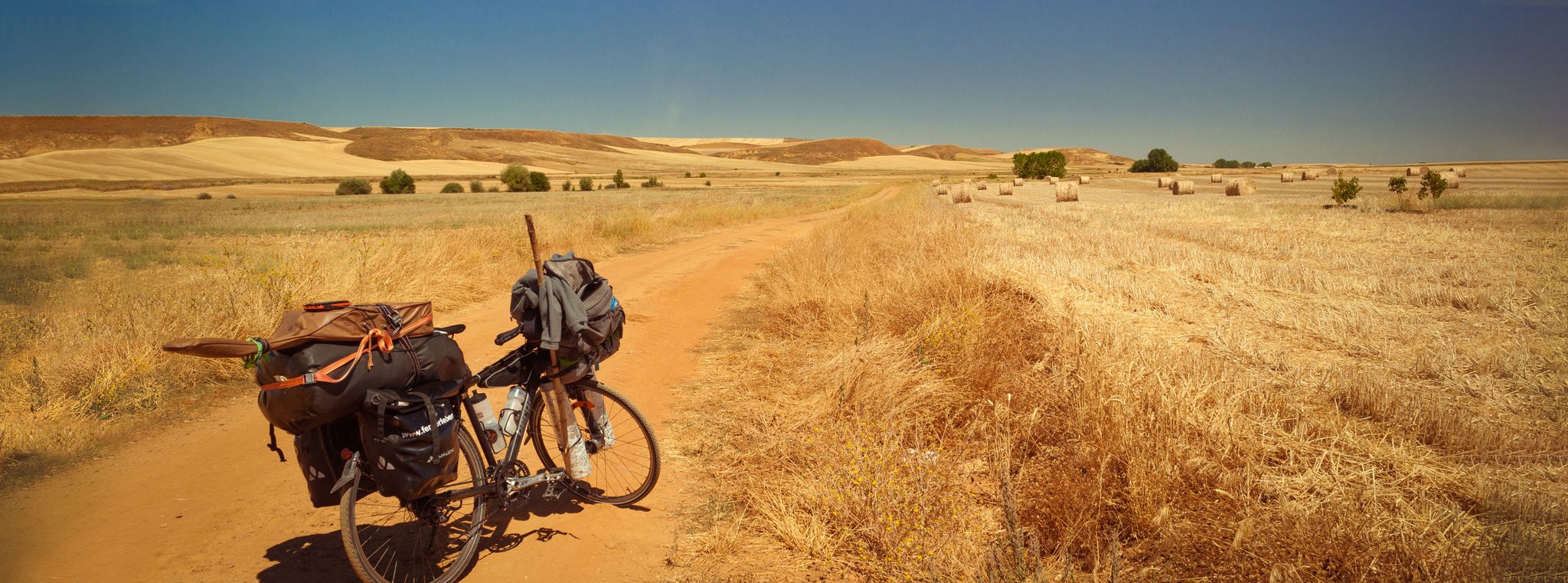
Camino Francés and Camino Finisterre – Cycling pilgrimages in Spain
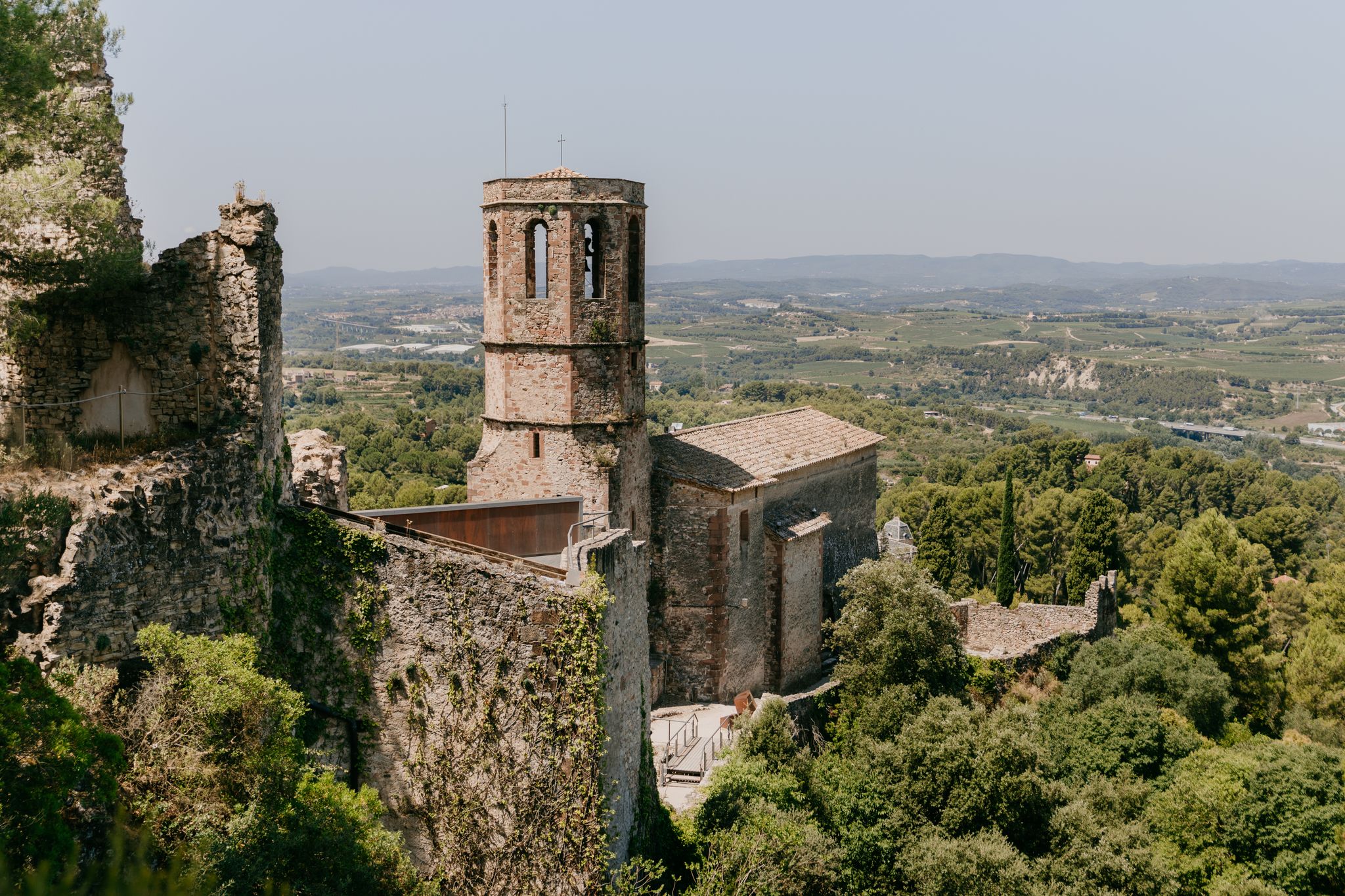
Catalonia by bike — Itineraries between culture and nature
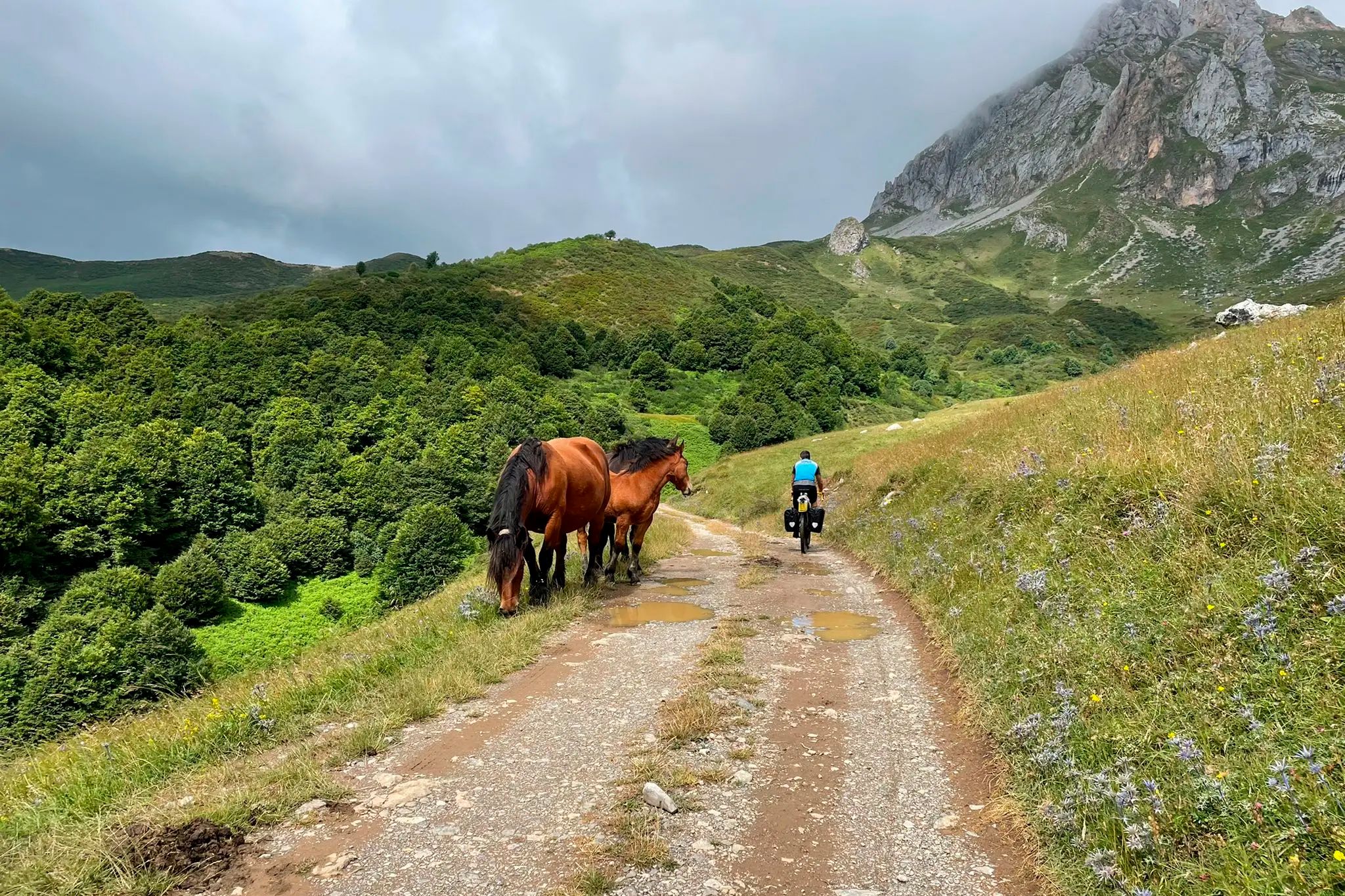
TransCantabrica – Extreme mountain biking in northern Spain
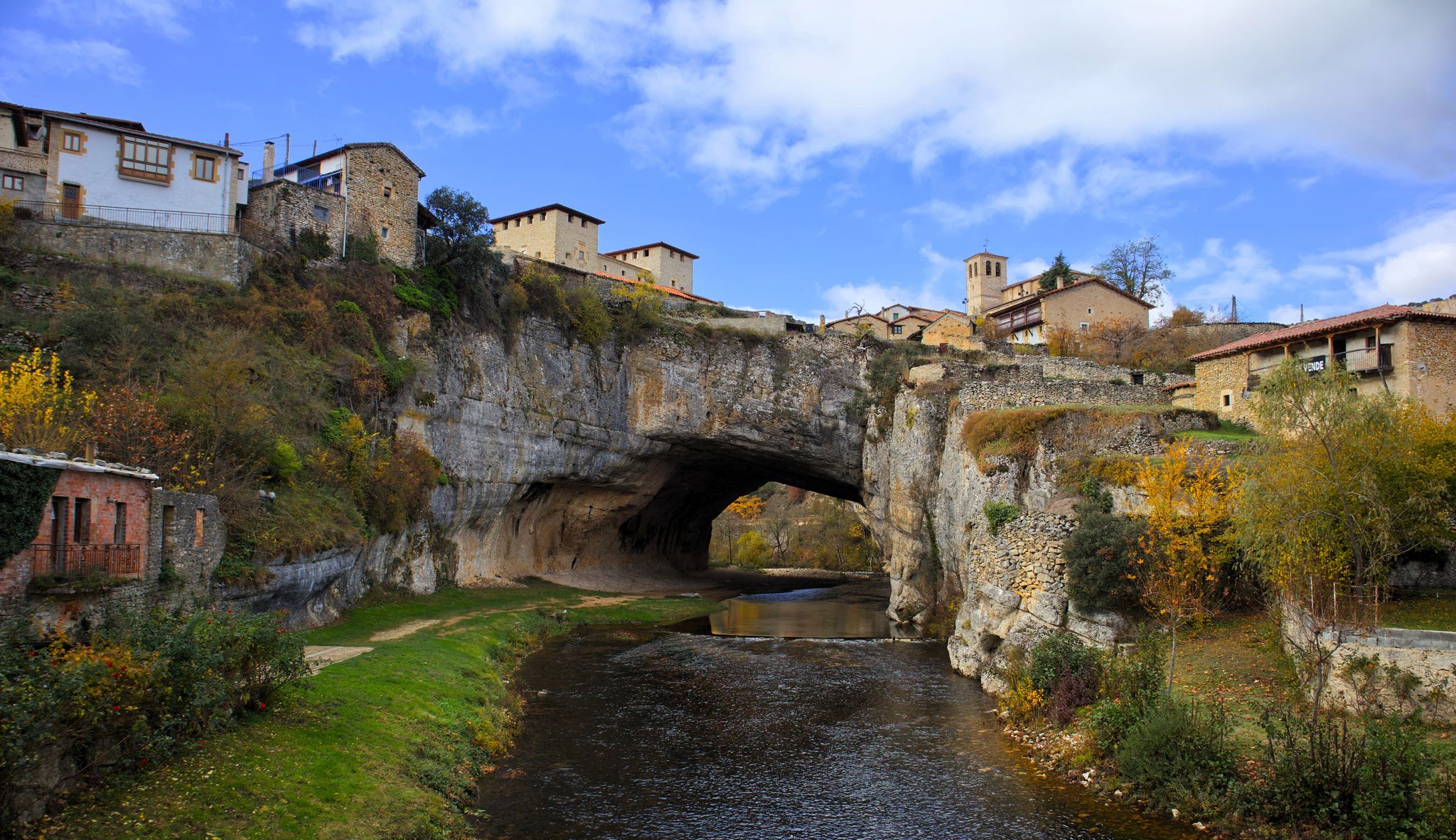
Endless valleys and historic villages – Route of the Senses (GR 85)
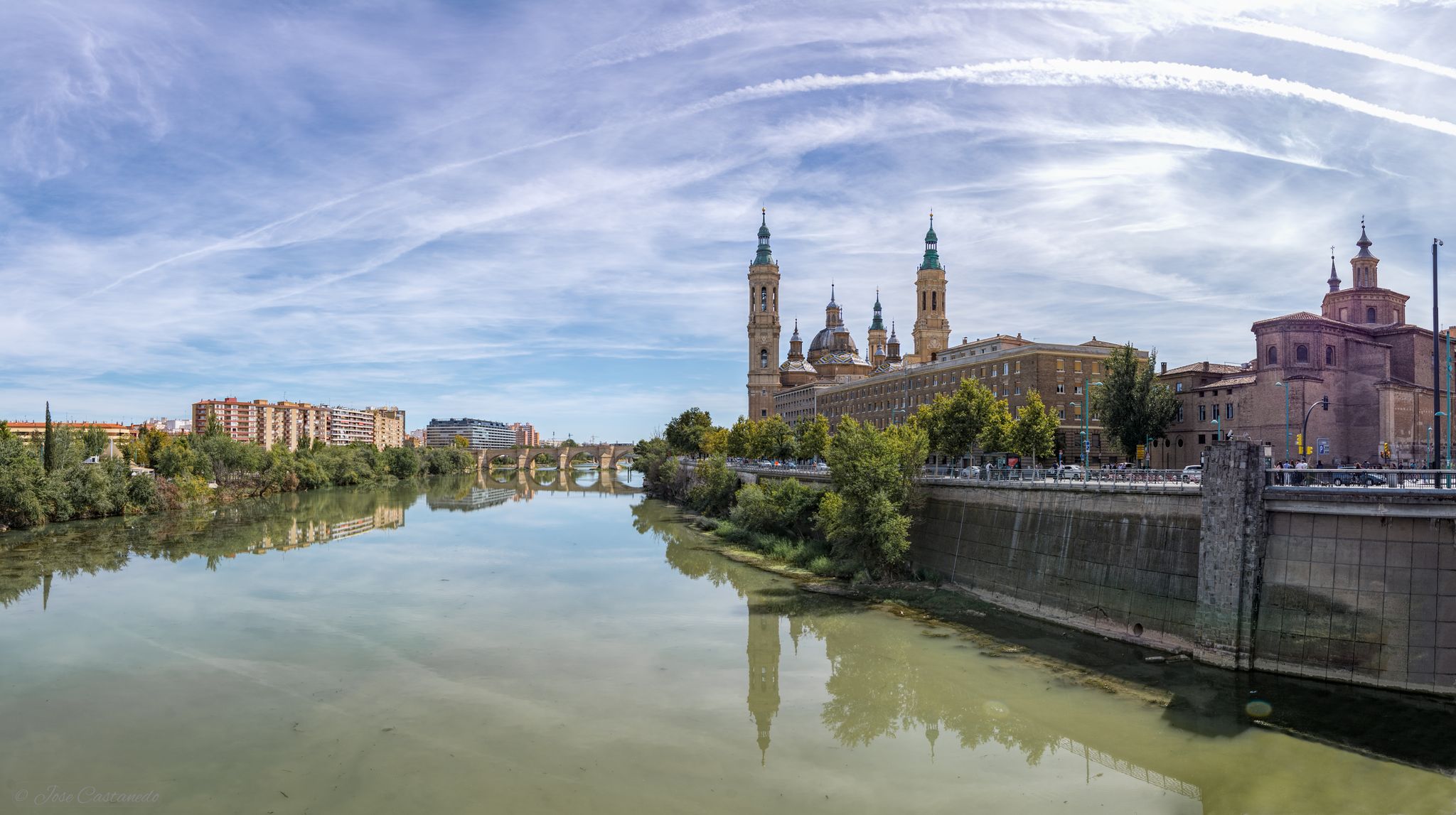
A river getaway – Ebro Natural Trail (GR 99)
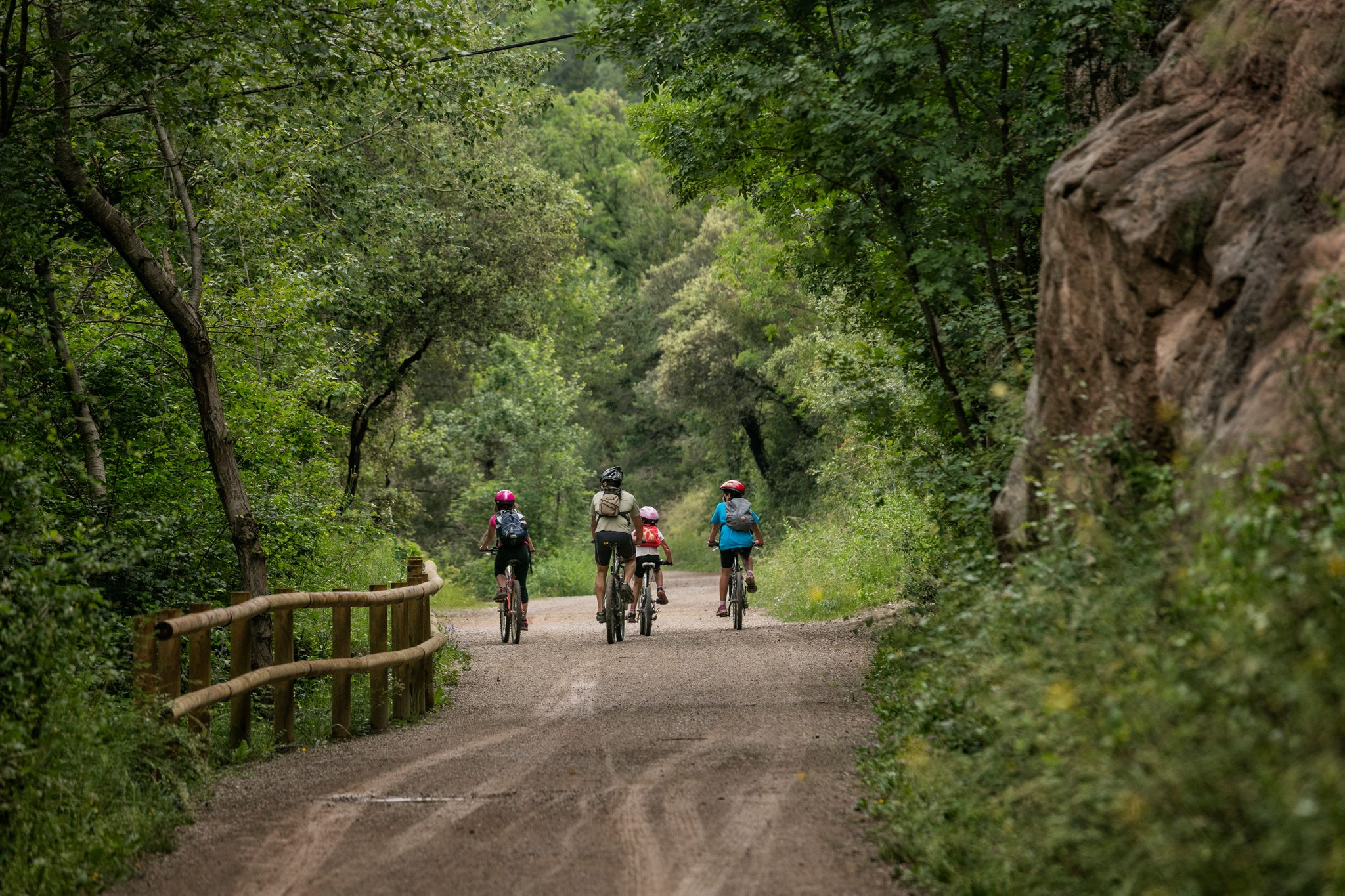
Discover Catalonia on your bike
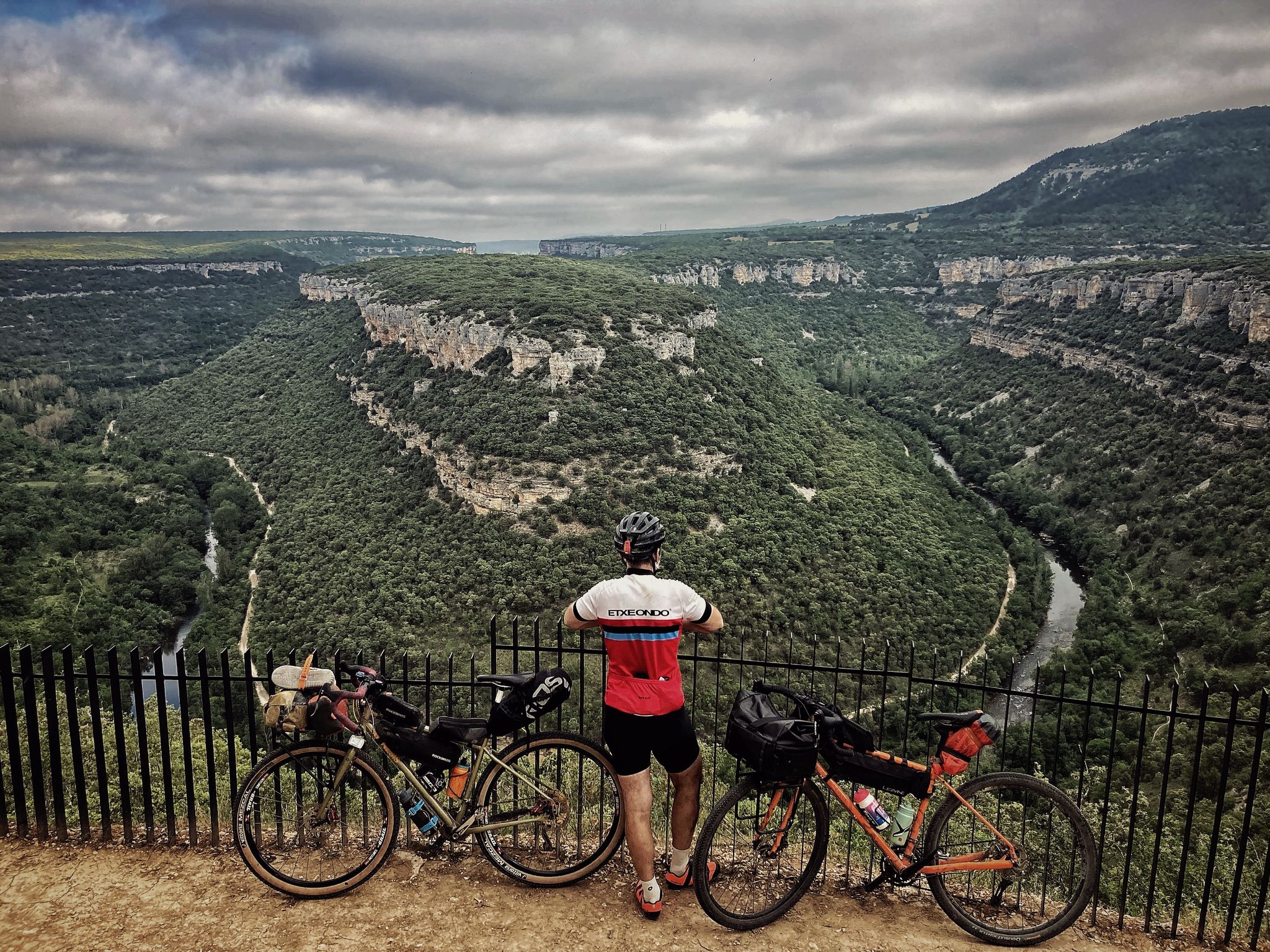
Spain's great river by bike – the Ebro Nature Trail
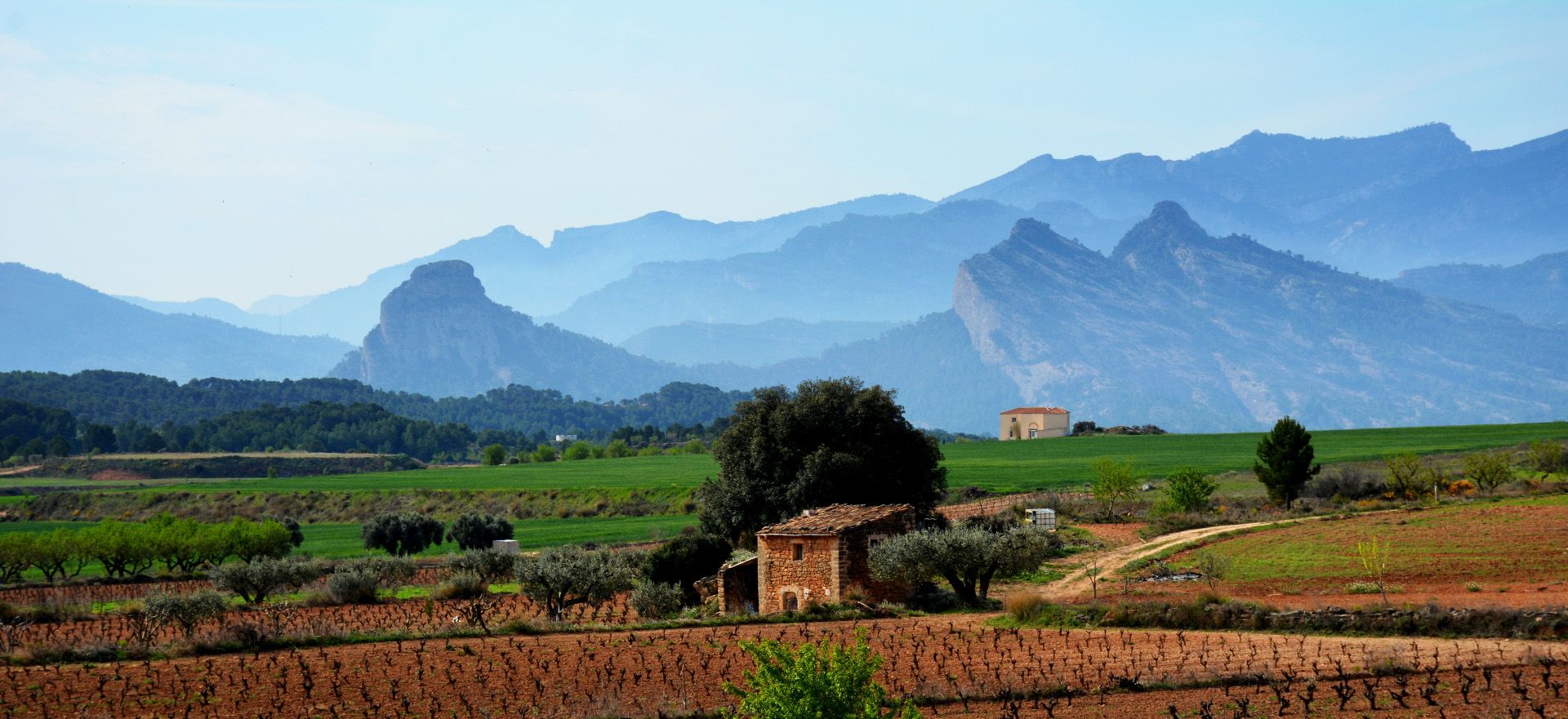
From the heart of southern Catalonia – GR 171
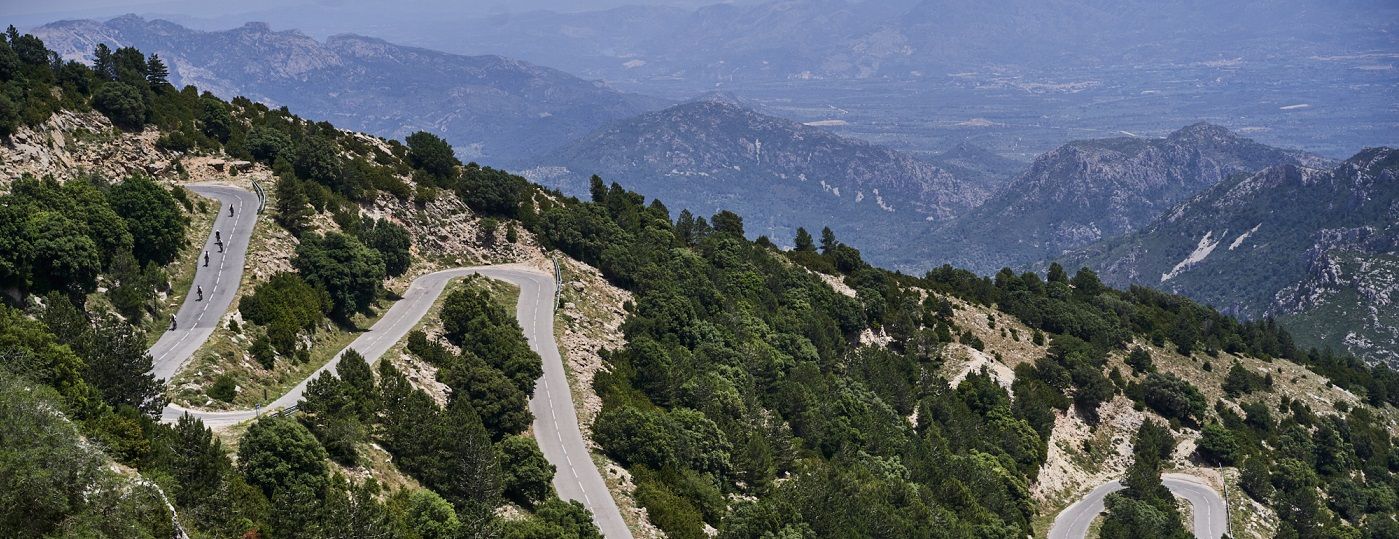
Explore Spain’s Ebro lands – a cycling paradise
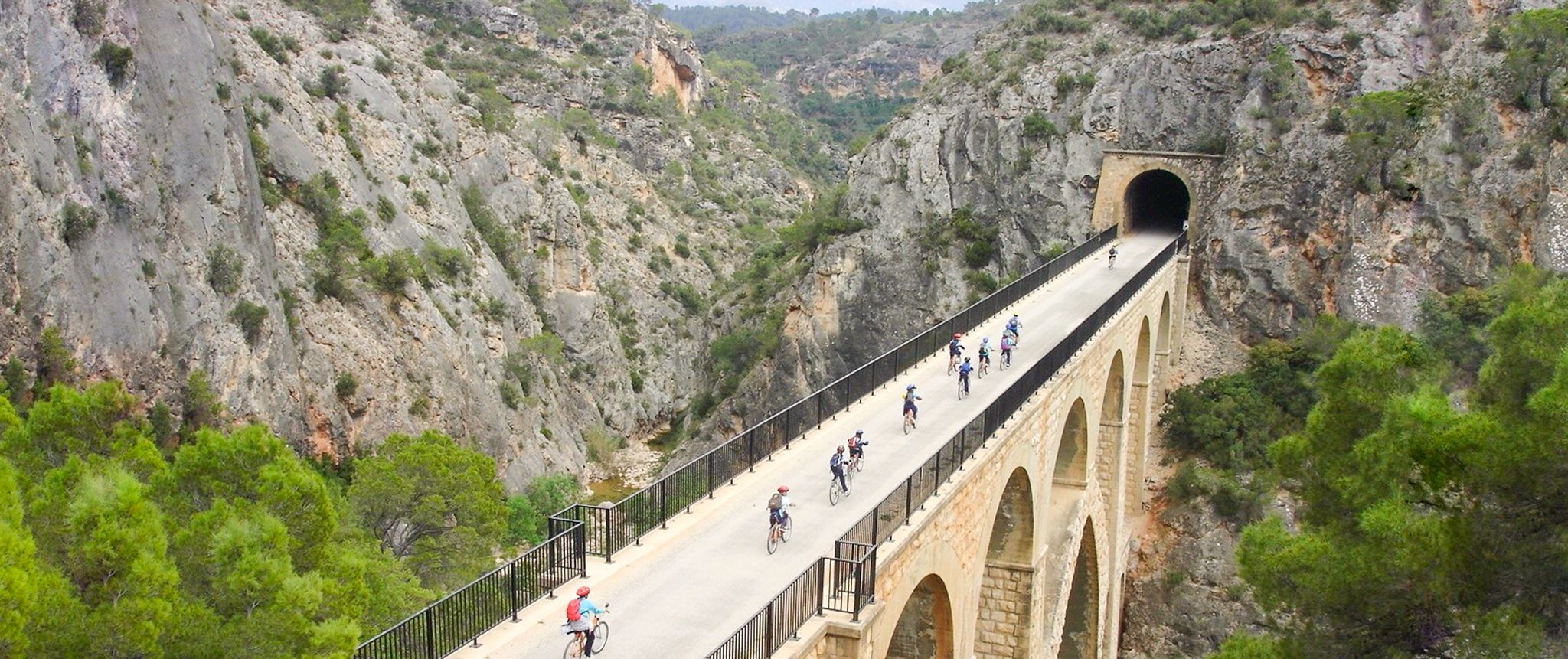
Vías Verdes – traffic-free cycling along railway history in Spain
Other adventures around Ebro / Ebre


Tips from the Community

The waterfall looks magically beautiful, widening as it cascades over the limestone basins. From the bridge at the foot of the waterfall, you can look into the large lower basins, where the water has a turquoise-blue color. The scene could also fit well into a fantasy film, at the center of a valley of fairies or elves. Light was very good for taking photos in the late morning. If, however, you arrive only in the early evening, the sun is above the waterfall and is blinding - but then the large basins on the other side of the bridge at the foot of the waterfall are particularly beautiful.
0
0

The waterfall springs from the Cueva del Agua from a height of over 20 meters, at the base of the rocky cirque that embraces the village, originating from an aquifer located in the subsoil of the Páramo de Bricia, and it leaps everywhere, dividing the village into two halves, the Villa and the Puebla, and descends among the stone houses, creating a most photogenic scene.
2
0

A spectacular area for hiking trails
0
0

It's still just a bike lane on a 6-lane avenue, but any bridge that crosses the Ebro is worth a stop, and the architecture of this one is quite impressive (I seem to remember that at the time it was the largest concrete arch built in Spain).
0
0

A very fun trail near the Juslibol swamps. Not recommended during the rainy season, as it floods easily.
0
0

It is beautiful on its own, but if we add the depths of the town from which it arises... visit it!
8
0

The stone bridge is one of the four bridges that cross the Ebro in Logroño. It is also called the bridge of San Juan de Ortega. The current structure was built in 1884 after the previous bridge collapsed in 1871. As one of the city's symbols, the bridge, which is used to enter the town on the Way of St. James, can also be seen on its coat of arms. https://www.spain.info/de/highlights/steinbruecke/
2
0

Rivers like the Ebro were a big challenge for pilgrims in the centuries before. That's why the Way of St. James always runs along traffic routes with bridges. The larger cities are always found where there are large bridges. The motorways and national roads now have their own paths. And that's a good thing.
2
0
Frequently Asked Questions
What natural features can I explore in the Ebro / Ebre region?
The Ebro / Ebre region is rich in natural beauty. A major highlight is the Ebro Delta Natural Park, an expansive wetland known for its rice fields, lagoons, and sandy beaches like Trabucador Beach. It's a prime spot for birdwatching, especially at La Tancada and Encanyissada lagoons. Another significant natural area is Els Ports Natural Park, a limestone mountain range offering diverse flora and fauna, including wild goats. You can also visit the Sebes i Meandre de Flix Natural Reserve along the Ebro River, known for forest birds and wooden walkways.
Are there any historical or cultural sites worth visiting in the Ebro / Ebre region?
Absolutely. The region boasts a rich history. Tortosa, known as the 'Renaissance city,' features the Moorish La Suda Castle, the 16th-century Reials Col·legis, and the Santa Maria Gothic-style Cathedral. Don't miss Miravet Castle, a spectacular Templar Knights' castle overlooking the Ebro River. For ancient history, the Ulldecona Cave Paintings are a UNESCO World Heritage Site with 8,000-year-old prehistoric art. You can also explore towns like Horta de Sant Joan, which has strong connections to Pablo Picasso, and the unique 'Cathedrals of Wine' in Pinell de Brai and Gandesa, showcasing Modernist architecture.
What kind of outdoor activities can I do around Ebro / Ebre?
The Ebro / Ebre region is ideal for various outdoor activities. The Ebro River itself offers opportunities for boat trips, fishing, kayaking, and paddle surfing. The area has an extensive network of flat paths, bike lanes, and greenways perfect for cycling, hiking, and horseback riding. For cycling, consider routes like the Ecomuseum - River Mouth Cycle Route or the Vía Verde de Tortosa a Xerta. Hiking is popular in Els Ports Natural Park and around the Ebro Delta. You can also find trails like the Galacho-Pontoneros Trail along the river.
Are there family-friendly attractions or activities in the Ebro / Ebre region?
Yes, the Ebro / Ebre region offers several family-friendly options. The Ebro Delta Natural Park is great for families, with easy walks, birdwatching opportunities (flamingos are a highlight), and beaches like Trabucador Beach for swimming and water sports. The Basilica of Our Lady of the Pillar is also listed as family-friendly. The MónNatura Delta de l'Ebre Cultural Centre provides interactive insights into local wildlife and traditional fishing, which can be engaging for children. Many of the cycling routes, especially the greenways, are suitable for families.
Where can I go birdwatching in the Ebro / Ebre region?
The Ebro Delta Natural Park is a premier destination for birdwatching. It's home to over 350 different bird species, including large flocks of flamingos, avocets, stilts, and herons. Key spots within the Delta for birdwatching include the La Tancada and Encanyissada lagoons. The best time for birdwatching is typically during spring and autumn migration periods, but flamingos can often be seen year-round.
What are some unique viewpoints in the Ebro / Ebre region?
For impressive panoramic views, visit La Foradada in the Montsià mountain range, which offers a distinctive hole in the rock framing the Ebro Delta. The Third Millennium Bridge provides wonderful views over the Ebro River in Zaragoza. Miravet Castle, perched on a cliff, also offers stunning vistas of the Ebro River. The Punta del Fangar and its Lighthouse in the Ebro Delta provide a unique, remote landscape view, especially at sunset.
What is the local cuisine like in the Ebro / Ebre region?
The local gastronomy in the Ebro / Ebre region is heavily influenced by its natural surroundings. You can indulge in fresh rice dishes, often made with rice from the Delta's vast fields. Duck is another regional specialty. Given its coastal and river access, a variety of seafood is prominent, including mussels, oysters, prawns, and razor shells. Visiting mussel farms in the Alfacs and Fangar bays for fresh tastings is a popular culinary experience.
Are there any easy hiking trails in the Ebro Delta?
Yes, the Ebro Delta is generally flat, making it ideal for easy hikes and walks. Many paths wind through the rice fields, along lagoons, and to the sandy beaches. The trails around the La Tancada and Encanyissada lagoons are typically flat and accessible, perfect for a leisurely stroll and birdwatching. The walk to Punta del Fangar and its Lighthouse is also relatively flat, though it can be long.
What is the significance of the Ebro River in the region?
The Ebro River is the central artery of the region, shaping its landscape, history, and culture. It flows through historical cities like Tortosa and provides numerous opportunities for recreation, including boat trips, fishing, kayaking, and paddle surfing. Its mouth into the Mediterranean Sea is a unique natural landscape within the Ebro Delta. Historically, it was a vital transport route and played a significant role in events like the Battle of the Ebro during the Spanish Civil War.
Can I find any UNESCO World Heritage Sites in the Ebro / Ebre area?
Yes, the Ebro / Ebre region is recognized as a UNESCO Biosphere Reserve, highlighting its diverse natural landscape. Additionally, the Ulldecona Cave Paintings are a specific UNESCO World Heritage Site, featuring over ten Neolithic Era caves with 8,000-year-old paintings depicting hunting scenes.
What are some lesser-known or 'hidden gems' in the Ebro / Ebre region?
Beyond the main attractions, consider exploring the Ullals de Baltasar, freshwater springs surrounded by eucalyptus trees, offering a unique natural landscape within the Delta. The 'Cathedrals of Wine' in towns like Pinell de Brai and Gandesa are architectural marvels often overlooked. For a poignant historical experience, visit Pueblo Viejo in Corbera d'Ebre, a preserved village serving as a testimony to the Spanish Civil War. Ascó, with its Arab tower and historic core, also offers a glimpse into the region's Moorish past.
What is the best time of year to visit the Ebro / Ebre region?
The best time to visit depends on your interests. For birdwatching, spring (March-May) and autumn (September-November) are ideal due to migration. Summer (June-August) is popular for beach activities and water sports, though it can be hot. Spring and autumn also offer pleasant temperatures for hiking and cycling. The annual Renaissance Festival in Tortosa takes place in July. The region's diverse attractions mean there's something to enjoy in every season, but spring and autumn generally offer the most comfortable weather for outdoor exploration.
Most popular routes around Ebro / Ebre
Most popular attractions around Ebro / Ebre

Get inspired with the komoot mobile app


Explore more
Still not found the Highlight you’re looking for? See guides of the top attractions in other regions:
