The best traffic-free bike rides in Parc National De Garajonay
4.4
(58)
1,428
riders
3
rides
Road cycling in Parc National De Garajonay offers routes through a unique volcanic landscape, characterized by deep ravines, undulating hillsides, and ancient Laurisilva forest. The park's terrain features significant elevation changes, providing a challenging experience for road cyclists. Numerous springs and streams contribute to the lush environment, supporting a diverse ecosystem. The highest point, Alto de Garajonay, reaches 1,487 meters, offering expansive views across the island.
Best no traffic road cycling routes in Parc National De Garajonay
- The most popular no traffic road cycling route is Viewpoint of La Cumbrecita – El Contadero Parking loop from Las Creces, a 36.5 miles (58.7 km) trail that takes 3 hours 43 minutes to complete. This route features significant climbs and panoramic viewpoints.
- Another top favourite among local road cyclists is Alojera Beach – Descent to Vallehermoso loop from Tamargada, a difficult 30.5 miles (49.0 km) path. This route includes a substantial descent towards the coast, showcasing varied natural scenery.
- Local road cyclists also love the Chipude Village – View of El Hierro loop from Lomo Morriña, a 51.1 miles (82.3 km) trail leading through challenging terrain with views of neighboring islands, often completed in about 5 hours 42 minutes.
- Road cycling in Parc National De Garajonay is defined by ancient Laurisilva forests, volcanic hills, and deep ravines. The network offers options primarily for experienced road cyclists seeking challenging ascents and descents.
- The routes in Parc National De Garajonay are highly rated by the komoot community with an average score of 4.0 stars from over 40 reviews. More than 800 road cyclists have used komoot to explore Parc National De Garajonay's varied terrain.
Last updated: August 5, 2026
1.0
(1)
12
riders
58.7km
03:43
1,650m
1,650m
Hard road ride. Very good fitness required. Some segments of this route may be unpaved and difficult to ride.
7
riders
44.4km
02:55
1,390m
1,390m
Hard road ride. Very good fitness required. Mostly well-paved surfaces and easy to ride.

Sign up for free
7
riders
82.3km
05:43
2,740m
2,740m
Hard road ride. Very good fitness required. Some segments of this route may be unpaved and difficult to ride.
19
riders
Easy road ride. Great for any fitness level. Mostly well-paved surfaces and easy to ride.
5.0
(1)
23
riders
Moderate road ride. Good fitness required. Mostly well-paved surfaces and easy to ride.
Our route recommendations are based on thousands of hikes, rides, and runs completed by other people on komoot.
Start today with a free account
Your next adventure awaits.
Login or Signup

Other adventures in Parc National De Garajonay


Tips from the Community

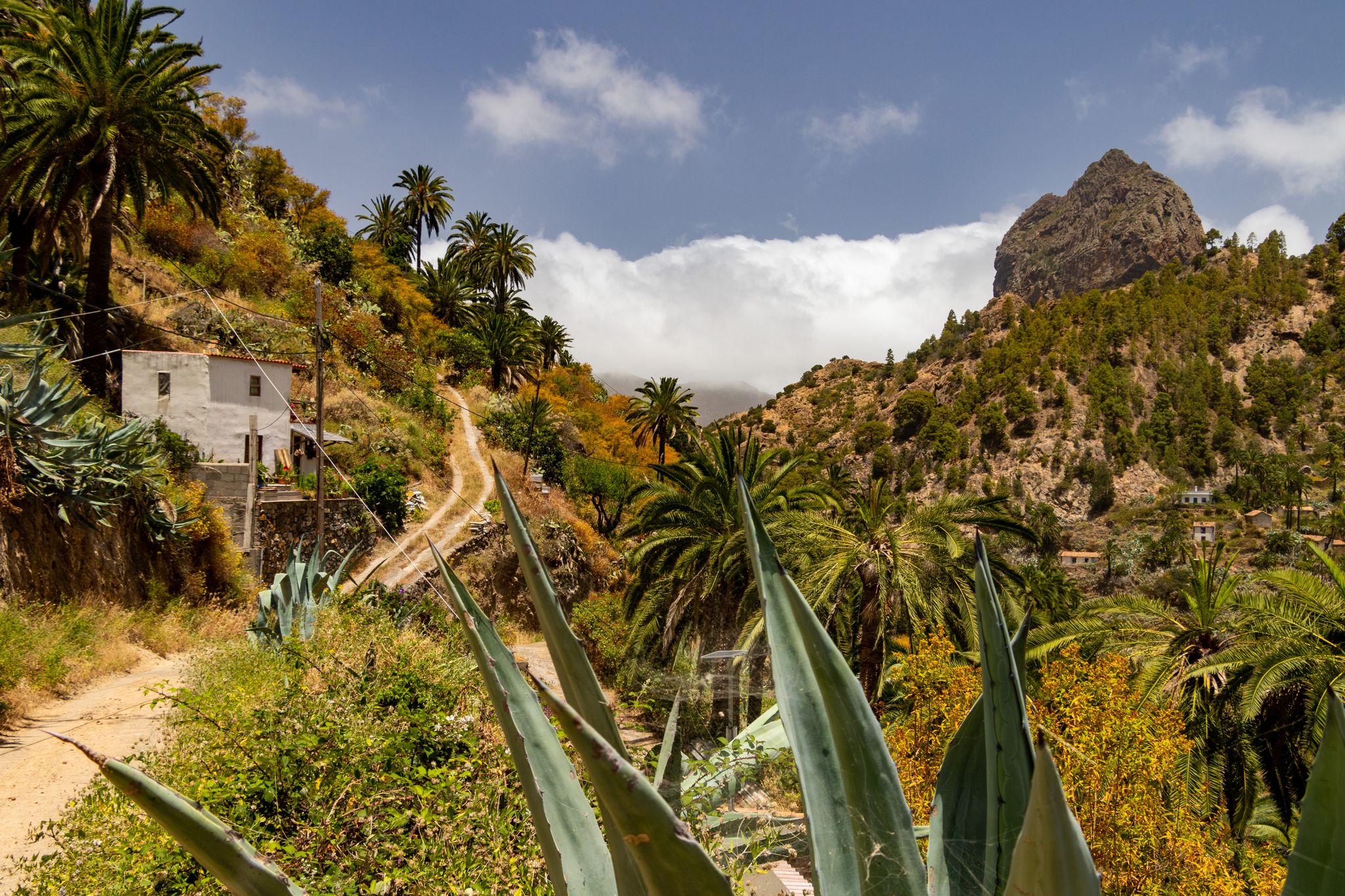
Small reservoir well known on La Gomera for the landscape it forms between palm groves, ravines, and houses hanging on the hillside. Built within the island's historic hydraulic system, it helped for decades to store water for crops and supply in a land where every drop has always been important. When it rains heavily and the dam overflows, many locals still climb up here to watch the water run, something that has almost become a local tradition.
1
0
Mirador de la Curva del Queso One of those spots where it's worth stopping, even if just for a minute. The road twists through ravines, and suddenly an immense panorama of La Gomera's volcanic relief appears. It's very typical to see fog rolling in and out at high speed, while below the valley remains completely clear. A perfect corner to take a breath, snap a photo, and keep cycling.
0
0

anyone looking for quite comfortable and joint-friendly paths - amidst all the steep trails of La Gomera - will find them here - and "incidentally" there is also the island's "roof"... an area for relaxation...
0
0

We stopped for a cortado because a heavy rain shower interrupted our walk.
0
0


The place isn't particularly large and doesn't offer anything extraordinary. However, since the ferry docks here, you can easily spend an hour or two strolling around or having something to eat.
0
2

Just before Valle Gran Rey, the valley opens up – an ideal moment for photos. It's best to stop at one of the wide bends before the road narrows.
0
0

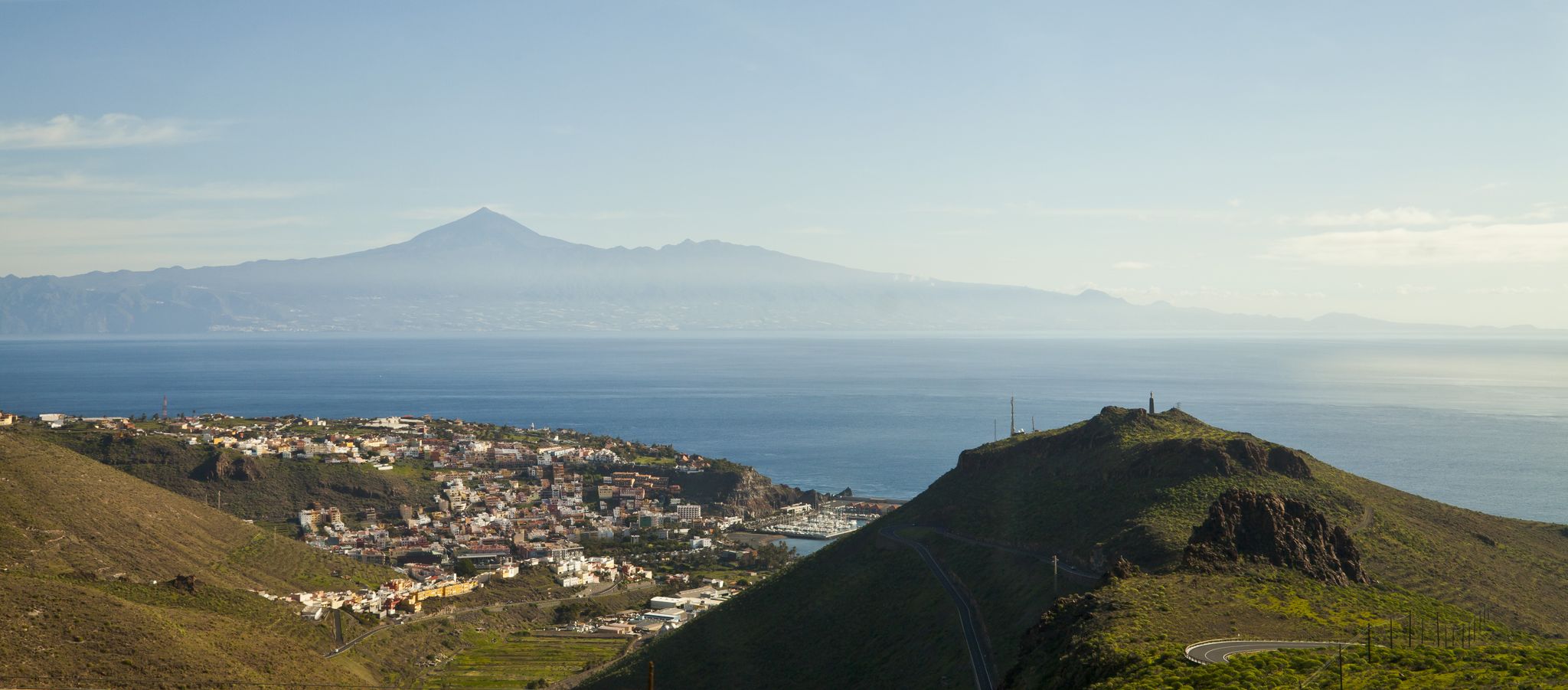
San Sebastian is a wonderfully beautiful place. It has many small boutiques, cafés, and restaurants. The harbor is also beautiful to look at.
1
1
Frequently Asked Questions
What makes Parc National De Garajonay ideal for no-traffic road cycling?
The park is renowned for its unique ancient Laurisilva forest and dramatic volcanic terrain, offering a constantly undulating landscape with significant elevation changes. Many roads within the park, especially those starting from higher elevations like Laguna Grande, are practically traffic-free, providing an immersive and challenging experience for road cyclists.
What kind of challenges can I expect on these road cycling routes?
The routes in Parc National De Garajonay are generally challenging, featuring significant climbs and descents due to the volcanic terrain. For example, the Chipude Village – View of El Hierro loop from Lomo Morriña covers over 82 km with nearly 2744 meters of elevation gain, making it suitable for experienced cyclists seeking a demanding ride.
Are there any circular no-traffic road cycling routes available?
Yes, several routes are designed as loops, allowing you to start and finish at the same point. Examples include the challenging Viewpoint of La Cumbrecita – El Contadero Parking loop from Las Creces, which is nearly 59 km long, and the Viewpoint of La Cumbrecita loop from Alto de Garajonay, spanning over 44 km.
What natural features or landmarks can I see along the routes?
You'll encounter stunning natural features and viewpoints. The park is famous for its ancient Laurisilva forest, which you can experience directly on routes. Notable landmarks include the highest point, Alto de Garajonay, offering panoramic views, and impressive volcanic formations like Roque de Agando. Many routes pass through or near these iconic spots.
What is the best time of year for road cycling in Parc National De Garajonay?
The park's climate is characterized by consistent temperatures and high humidity year-round, making it suitable for cycling in most seasons. However, the constant mist and dense vegetation create a fresh atmosphere, which can be particularly pleasant during warmer months. Always check local weather forecasts before heading out.
Are there any family-friendly no-traffic road cycling options?
While many routes in the park are rated as difficult due to significant elevation changes, there is an easier option available. The Bar La Curva – Fred Olsen Ferry to Tenerife loop from San Sebastián de la Gomera is an easy 9 km route with minimal elevation, which might be more suitable for families or those looking for a less strenuous ride, though it includes a ferry connection.
Where can I park my car when starting a road cycling route?
Starting points like Laguna Grande are excellent for accessing the park's roads and often offer parking facilities. These higher-altitude starting points also help avoid some of the toughest climbs from the coast, allowing for a more focused experience on the traffic-free sections within the park.
What do other road cyclists enjoy most about cycling in Parc National De Garajonay?
The komoot community highly rates the cycling experience here, with an average score of 4.0 stars from 46 ratings. Reviewers often praise the unique immersion in the ancient Laurisilva forest, the challenging yet rewarding ascents, and the breathtaking panoramic views from various miradores, all on generally low-traffic roads.
Can I bring my dog on the road cycling routes?
Parc National De Garajonay is a protected area. While dogs are generally allowed in some parts of the park, specific regulations apply, especially within the core Laurisilva forest areas, to protect the delicate ecosystem. It's advisable to check the official park regulations regarding pets before planning your ride.
Are there places to eat or find refreshments near the cycling routes?
While the park itself is a natural reserve, villages and towns surrounding it, such as Vallehermoso, offer amenities like cafes and restaurants. Planning your route to pass through or near these settlements can provide opportunities for refreshments and meals. Starting points like Laguna Grande may also have basic facilities.
How long does it typically take to complete a no-traffic road cycling route in the park?
The duration varies significantly based on the route's length and elevation gain. For instance, the Alojera Beach – Descent to Vallehermoso loop from Tamargada, a difficult 49 km route with over 1800 meters of ascent, typically takes around 3 hours and 30 minutes to complete, not including stops.
Are there any specific viewpoints worth stopping at during a ride?
Absolutely. The park is dotted with numerous panoramic viewpoints that offer spectacular vistas. Miradores such as Igualero, Mirador del Rejo, Mirador del Bailadero, and Miradores de Los Roques provide excellent opportunities to pause, rest, and appreciate the deep ravines, laurisilva-covered hillsides, and dramatic geological formations like the Roques.
Most popular routes in Parc National De Garajonay
Most popular attractions in Parc National De Garajonay

Get inspired with the komoot mobile app


Explore more
Browse the best Road cycling routes in other regions.
