The best cycling routes around Landsberg
4.5
(379)
1,314
riders
131
rides
Touring cycling around Landsberg am Lech offers diverse landscapes, from the Lech River valley to the rolling hills of Upper Bavaria. The region is characterized by well-maintained paths along rivers and lakes, expansive fields, and access to the foothills of the Bavarian Pre-Alps. Cyclists can explore historical towns and natural features, with routes varying in elevation and terrain.
Best touring cycling routes around Landsberg
- The most popular touring cycling route is Neue Luppe – Raßnitzer See Beach loop from Zöberitz…
Last updated: October 13, 2026
4.8
(20)
64
riders
165km
09:52
590m
590m
Hard bike ride. Very good fitness required. Mostly paved surfaces. Suitable for all skill levels.
3.9
(21)
55
riders
Easy bike ride. Great for any fitness level. Mostly paved surfaces. Suitable for all skill levels.

4.7
(15)
73
riders
46.4km
02:53
250m
250m
Hard bike ride. Good fitness required. You may need to push your bike for some segments of this route.
4.8
(21)
48
riders
Easy bike ride. Great for any fitness level. Mostly paved surfaces. Suitable for all skill levels.
4.4
(19)
44
riders
Easy bike ride. Great for any fitness level. Mostly paved surfaces. Suitable for all skill levels.
Get access to more routes and recommendations from other explorers.
Already have an account?
Our route recommendations are based on thousands of hikes, rides, and runs completed by other people on komoot.
Start today with a free account
Your next adventure awaits.
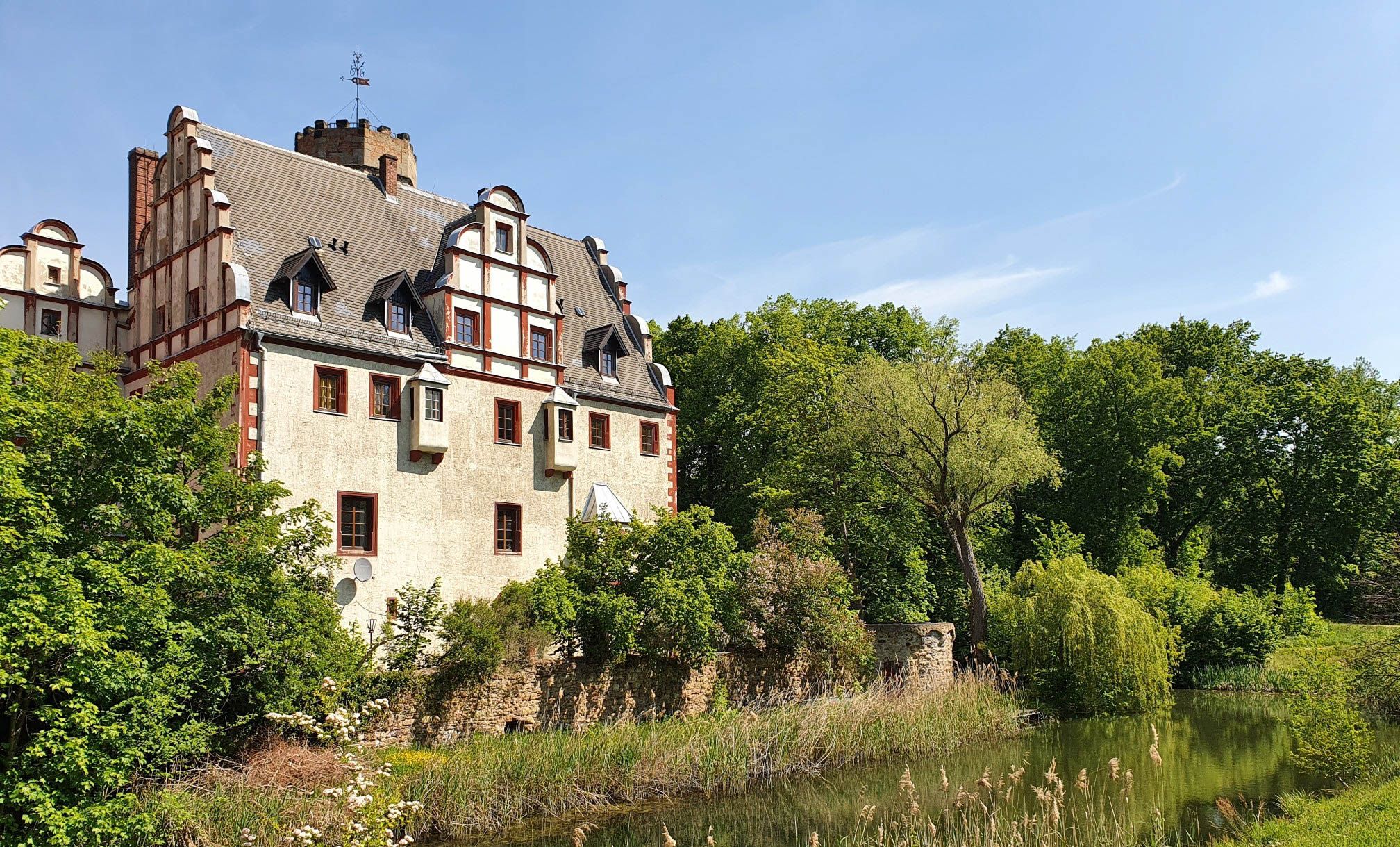
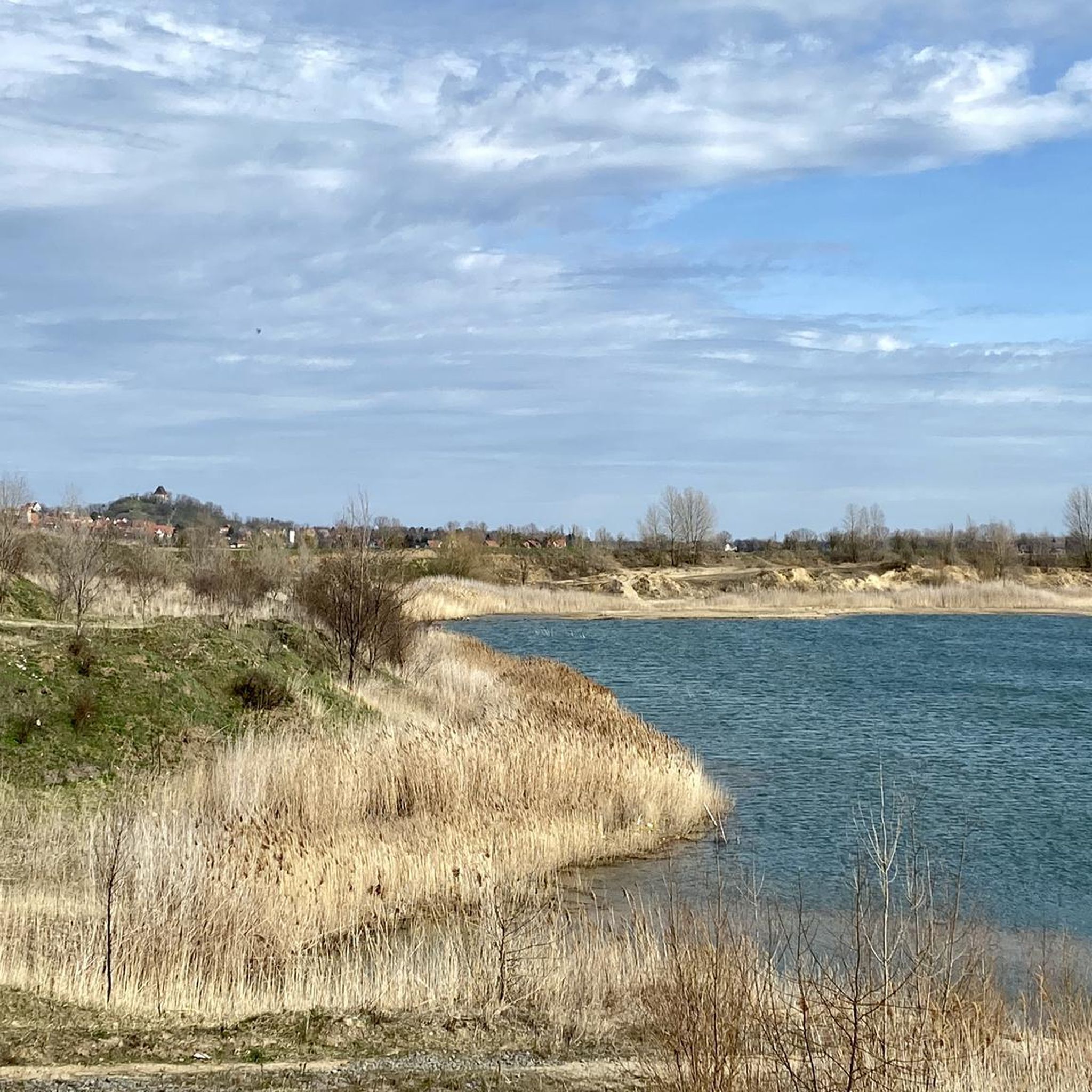
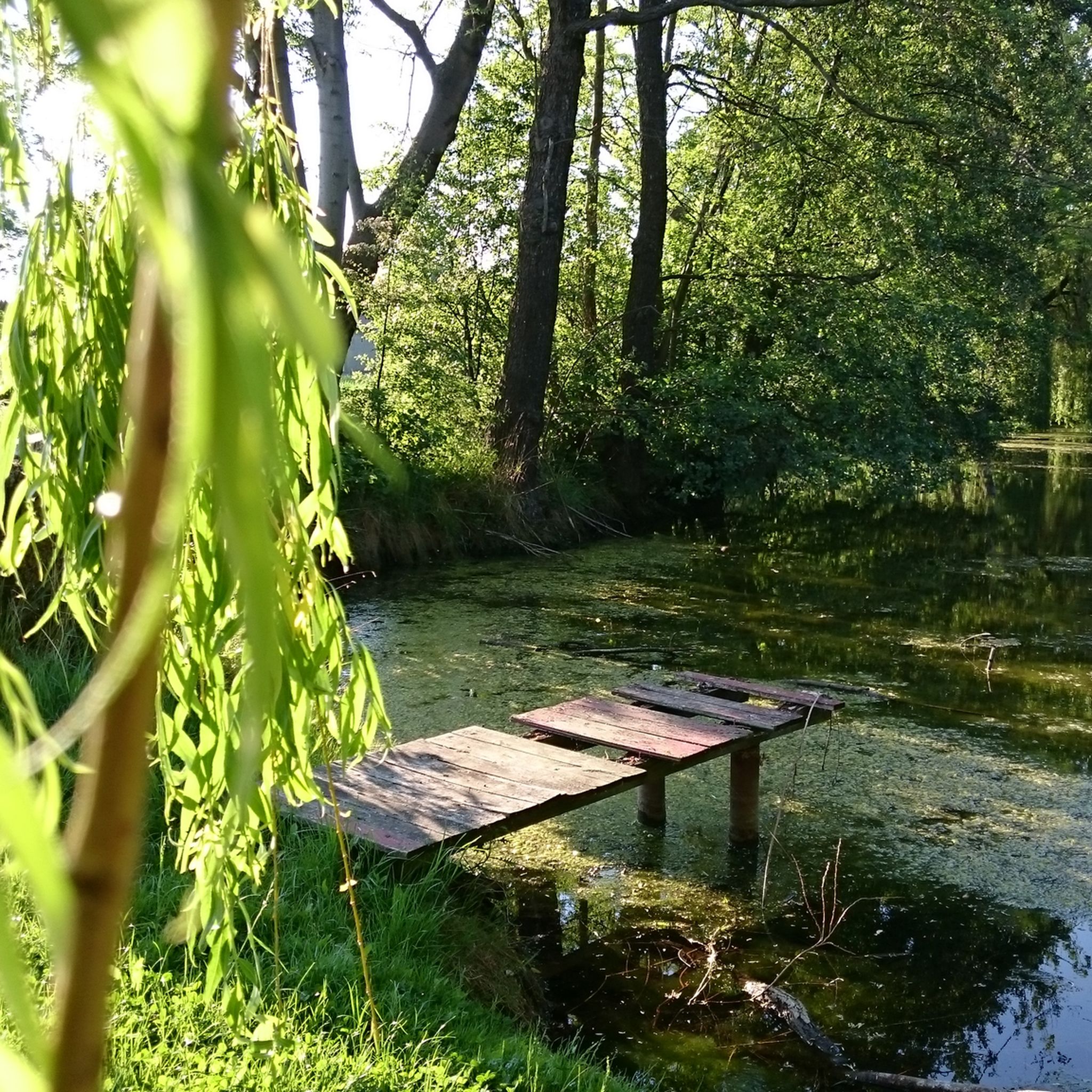

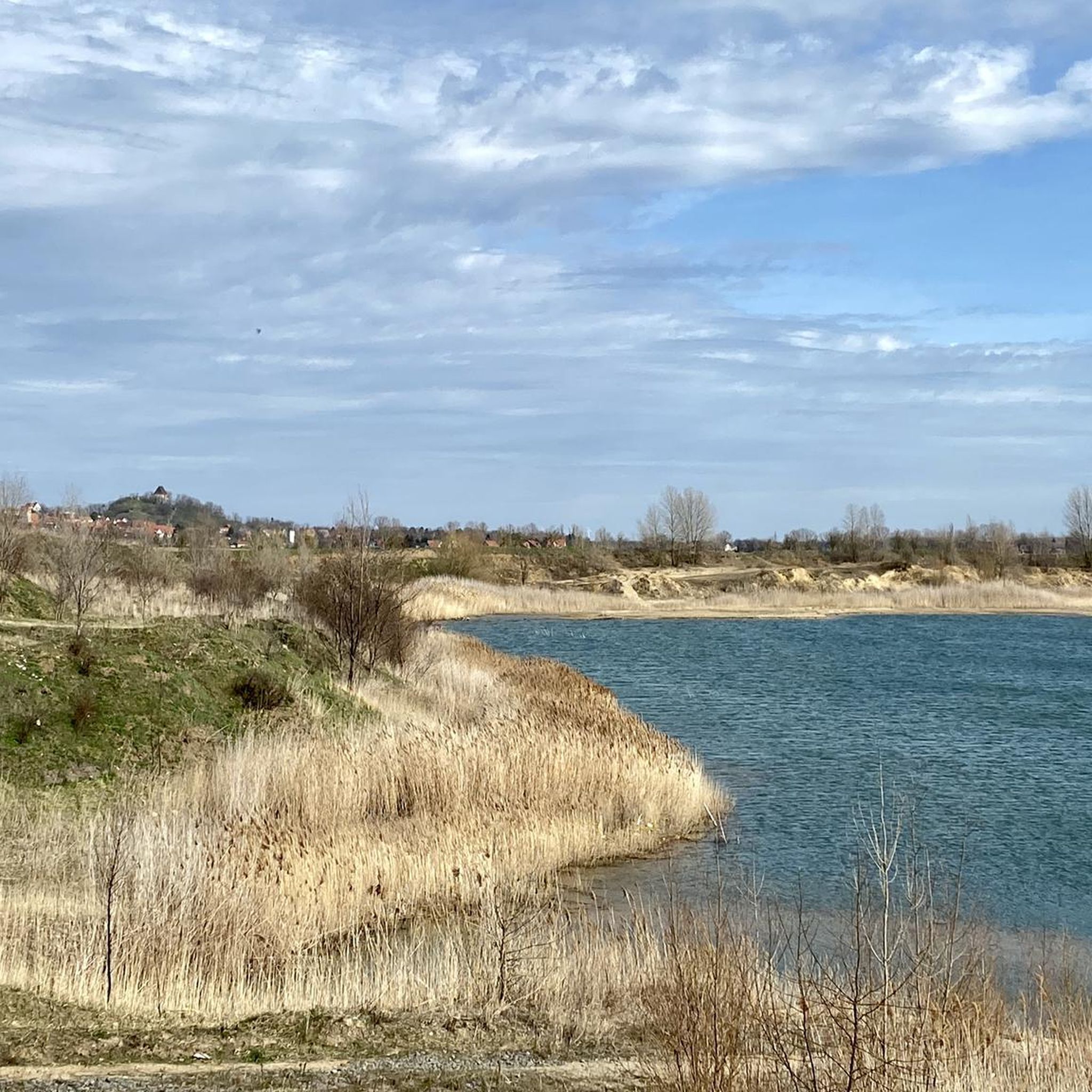
Other adventures around Landsberg

Tips from the Community

The Petersberg is far more than just a prominent landmark for drivers on the A 14 near Halle (Saale). At 250 meters, it is the highest elevation in the Saalekreis and offers an exciting mix of history, nature, and recreational fun. The heart of the summit. The Romanesque church from the 12th century was once the private monastery of the Wettins (an important German princely family) and serves as a burial place for their early ancestors. Today, the monastery is enlivened by the Protestant community of Christusbruderschaft Selbitz.
0
0


Well-attended on sunny days. Ideal for road cyclists.
0
0

Many places to rest, right by the lake.
0
0

The historic clay wall is the so-called "White Wall".
0
0

The museum on the Petersberg is highly recommended as there are always different exhibitions.
0
0
The old clay wall from Gut Seeben. It borders the Franzosensteinweg!!!
0
0
The town and monastery church of St. James Major and the Augustinian canonry of St. Clemens have been offering people the opportunity to hear God's word, to pray and to sing for almost nine centuries. It is dedicated to James the Elder, to whose grave in Santiago de Compostela people have been making pilgrimages since the 8th century. It is therefore reasonable to assume that the Brehna parish church is a remote stop on the Way of St. James and that even in pre-Reformation times people found peace and contemplation in the church on their way south. This is why it was opened to travelers after renovation in 2003. The history of the church is closely linked to the history of Dietrich I, Hedwig von Brehna and Katharina von Bora. The original part of the church is Romanesque: the west transept tower from the 10th century, which probably once served as a watchtower or protective castle. The church tower walls are two meters thick. The nave to the east is also Romanesque. It was built as a single-nave quarry stone building. In 1156, Friedrich I took over the county of Brehna. After his death, his wife Hedwig von Bora founded St. Clemens zu Brehna on August 15, 1201 and made it her widow's residence. The collegiate church was consecrated in 1202. In 1290, a house for canonesses was built. The most famous student of the collegiate church was Katharina von Bora, who was educated there between 1504 and 1508. After the Reformation, the monastery began to decline. It was destroyed in the Thirty Years' War. All that remains is the substructure of the chapter house and the collegiate church as half of the nave of the entire choir. In the 17th century, the church tower was raised, but it collapsed in the great city fire of 1713. The fragments of the four church tower bells were cast into a large bell a year later, which has survived to this day. The external form of the church has essentially remained unchanged to this day. As a symbol for travelers, the scallop shell, which is named after the patron saint of the church, can be found on the patron's box in the western part of the church. The wooden pulpit and the buttresses attached to the nave from the 16th century have been preserved to this day. The furnishings of the parish church were mainly created in the 17th and 18th centuries. The late Gothic winged altar decorated with baroque elements is noteworthy. The confessionals date from the early 18th century. The town and monastery church is surrounded by the churchyard, which was used as a cemetery until 1900. There is now a park of around two hectares with various tombs from the classicism and the Wilhelminian period. The renovation of the town and monastery church is also financed with donations from the Friends of the Town and Monastery Church Association, which organizes regular events every year.[1] Source https://de.wikipedia.org/wiki/St._Jakobus_und_St._Clemens_(Brehna)
4
0
Frequently Asked Questions
How many touring cycling routes are available around Landsberg?
Landsberg offers a wide variety of touring cycling routes, with nearly 140 different tours available. These range from easy, leisurely rides to more challenging, longer journeys, ensuring options for all skill levels.
What types of landscapes can I expect to see while cycling in Landsberg?
The region around Landsberg am Lech boasts diverse landscapes. You can cycle along the picturesque Lech River valley, explore the serene shores of Lake Ammersee, or traverse the rolling hills and expansive fields of Upper Bavaria. Routes also venture towards the foothills of the Bavarian Pre-Alps, offering stunning views.
Are there any easy touring cycling routes suitable for beginners or a relaxed ride?
Yes, Landsberg has many easy routes. For a gentle ride through open landscapes, consider the White Wall (Gut Seeben) – Plößnitz Windmill loop from Plößnitz, which is an easy 25.3 km path. Another accessible option is the Red Arch of Brehna – Old Park loop from Landsberg, covering 18.1 km with minimal elevation changes.
What are some of the longer touring cycling routes in the area?
For those seeking a longer adventure, the Neue Luppe – Raßnitzer See Beach loop from Zöberitz is a challenging 164 km route featuring significant elevation changes and diverse scenery, typically taking nearly 10 hours to complete.
Can I find routes that incorporate historical or cultural landmarks?
Absolutely. Landsberg is part of the famous Romantic Road, and many cycling routes lead to historical towns and cultural highlights. You can explore the historic old town of Landsberg itself, or cycle towards landmarks like the Andechs Monastery. The Petersberg Monastery Ruins – Petersberg Monastery loop from Niemberg is a moderate 46.2 km trail that takes you past significant historical sites like the Petersberg Monastery Ruins and the Petersberg Monastery and Collegiate Church of St. Peter.
What do other touring cyclists say about the routes in Landsberg?
The touring cycling routes in Landsberg are highly regarded by the komoot community, holding an impressive average rating of 4.5 out of 5 stars from over 300 reviews. Cyclists frequently praise the well-maintained paths, the variety of landscapes, and the opportunities to combine nature with cultural exploration.
Are there any specific natural features or attractions to look out for on the routes?
Yes, the region is rich in natural beauty. Beyond the Lech River and Ammersee, you might encounter unique geological formations like the Galgenberg Gorge. Some routes also pass by interesting natural areas such as Gimritzer Park or offer views from elevated points like Kellerberg.
Are there any routes that follow historical paths, like ancient Roman roads?
Yes, sections of cycling paths near Landsberg, particularly between Landsberg and Schongau, trace the ancient Roman road Via Claudia Augusta. This offers a unique historical dimension to your cycling experience, allowing you to follow in the footsteps of ancient travelers.
What is the Ammersee cycling experience like?
Cycling around Lake Ammersee is a popular choice, with a scenic loop of approximately 46 km. The route primarily uses dedicated cycle paths, forest trails, and low-traffic roads, offering beautiful views of the lake and access to quieter areas, especially in the southern moorland regions.
Are there any routes that are particularly good for exploring the local villages and countryside?
Many routes in Landsberg wind through idyllic villages and expansive fields, characteristic of Upper Bavaria. The Gollma Church – Spitzberg Quarry loop from Landsberg (bei Halle/Saale), an easy 19.1 km ride, offers a pleasant journey through the local countryside, passing by points of interest like the Burial Mound on Spitzberg.
What kind of terrain can I expect on the Lech Cycle Route section near Landsberg?
The Lech Cycle Route near Landsberg offers diverse terrain. It traces the course of the Lech River, featuring mostly paved and well-maintained paths. You'll experience stunning river views and cycle through varied landscapes, from more mature river sections to areas that hint at the wild alpine origins of the river further south.
Most popular routes around Landsberg
Most popular attractions around Landsberg

Get inspired with the komoot mobile app


Explore more
Browse the best Cycling routes in other regions.
