Top 3 Castles around Abbadia San Salvatore
Best castles around Abbadia San Salvatore are found in and around this charming town, nestled on the slopes of Monte Amiata. The area is characterized by its well-preserved medieval core, which developed around the significant Abbey of San Salvatore. This region offers a blend of historical settlements and fortified structures, providing insight into medieval Tuscan life. Visitors can explore various castles and fortified villages that dot the landscape near Abbadia San Salvatore.
Best castles around Abbadia San Salvatore
- The most…
Last updated: October 1, 2026
Radicofani Fortress
Highlight • Castle
Village to see but it makes you want with its climb on dirt road is not forgotten
Translated by Google •
Tip by

Historic center of Arcidosso
Highlight • Castle
Translated by Google •
Tip by

Sign up now to discover places like this
Get recommendations on the best single tracks, peaks, & plenty of other exciting outdoor places.
Castello di Arcidosso
Highlight • Castle
Showing Translation
Tip by

Tarugi Tower – La Torraccia
Highlight • Castle
Showing Translation
Tip by

Castello di Potentino
Highlight • Castle
Showing Translation
Tip by

Start today with a free account
Your next adventure awaits.
Popular around Abbadia San Salvatore

Other adventures around Abbadia San Salvatore

Tips from the Community

The Castle of Arcidosso (also known as Rocca Aldobrandesca) is one of the oldest and best-preserved medieval fortresses in Italy and Europe, dating back to a period between the 9th and 10th centuries. Located at the highest point of the historic center of Arcidosso, on Monte Amiata, the building was constructed on pre-existing Lombard structures by the powerful Aldobrandeschi family.
0
0


The complex is located a short distance from the famous La Foce estate, which was purchased in 1924 by Iris and Antonio Origo. Land Reclamation: When the Marquis and Marchioness Origo arrived, the area surrounding the Tarugi Tower was extremely arid and impoverished. The Casella farm was part of that vast system of farmsteads that were reclaimed and modernized thanks to the social and agricultural commitment of Iris Origo—an effort also chronicled in her celebrated book, War in Val d'Orcia.
0
0
The Tarugi Tower (Torre Tarugi) is a medieval structure located in the Val d'Orcia, within the municipality of Pienza. Today, it is part of a rural complex known as Podere Casella Tarugi. While the name "Tarugi" may call to mind the famous palace in Montepulciano, this tower has its own distinct history tied to territorial surveillance and the subsequent land reclamation of the area. History and Architecture Medieval Origins: The tower presumably dates back to the 12th century. Originally, it was not intended as a residence, but as a strategic watchtower and defensive outpost. Its elevated position allowed for the monitoring of movements between the Val d'Orcia and the Val di Chiana, situated not far from the historic Via Francigena. Transformation into a Farmhouse: Starting in the 18th century, as its military function became obsolete, the tower was integrated into an agricultural structure and converted into a farmhouse (podere). It became a central hub for the families of sharec
0
0
The complex is located a short distance from the famous Tenuta de La Foce, purchased in 1924 by Iris and Antonio Origo. • La Bonifica: When the Origo marquises arrived, the area around Torre Tarugi was extremely arid and poor. The Casella estate was part of that vast system of farms that were recovered and modernized thanks to the social and agricultural commitment of Iris Origo, also described in her famous book "Guerra in Val d'Orcia".
0
0
La Torre Tarugi is a medieval structure located in Val d'Orcia, in the municipality of Pienza, and is part of a rural complex now known as Podere Casella Tarugi. Although the name "Tarugi" recalls the famous palace in Montepulciano, this tower has its own history linked to the control of the territory and the subsequent reclamation of the area. History and Architecture • Medieval Origins: The tower presumably dates back to the 12th century. Initially, it was not a dwelling, but a strategic watchtower and defense structure. Its elevated position allowed it to monitor movements between Val d'Orcia and Val di Chiana, being not far from the Via Francigena. • Transformation into a Farmhouse: Starting from the 18th century, with the decline of its military function, the tower was integrated into an agricultural structure and transformed into a farmhouse (podere). It became a reference point for the sharecropper families who worked the surrounding lands.
0
0

A real castle that is also a working organic farm, where excellent artisanal olive oil and single-varietal wines are produced.
0
0

To be fair, this is not the area of Arcidosso but Castel Porrona, Cinigiano the municipality.... 25 km from Arcidosso. To clarify..
0
0
Frequently Asked Questions
What historical sites can I explore in Abbadia San Salvatore beyond castles?
Abbadia San Salvatore itself is a rich historical site. The medieval village, often called a 'mountain castle,' offers charming streets, Gothic and Renaissance houses, and the 13th-century Church of Santa Croce. The town's namesake, the Abbey of San Salvatore, is a profound architectural treasure with a unique crypt dating back to the 7th century and 17th-century frescoes.
What is unique about the architecture of castles in this region?
The castles and fortified villages in this area, particularly the historic center of Abbadia San Salvatore, are often built from local volcanic rock, giving them a distinctive dark grey appearance. Structures like the Rocca Aldobrandesca in Piancastagnaio feature quadrilateral shapes with steep, high walls and well-preserved defensive elements like corbelled battlements and multiple towers.
Are there other medieval villages with castles near Abbadia San Salvatore worth visiting?
Yes, several medieval villages in the vicinity offer fascinating castle experiences. Beyond Abbadia San Salvatore's own fortified core, you can visit Piancastagnaio, home to the impressive Rocca Aldobrandesca. Other recommended villages with castles include Santa Fiora, Arcidosso (with its Aldobrandesca Fortress of Arcidosso), and Roccalbegna.
What outdoor activities can I combine with a visit to the castles?
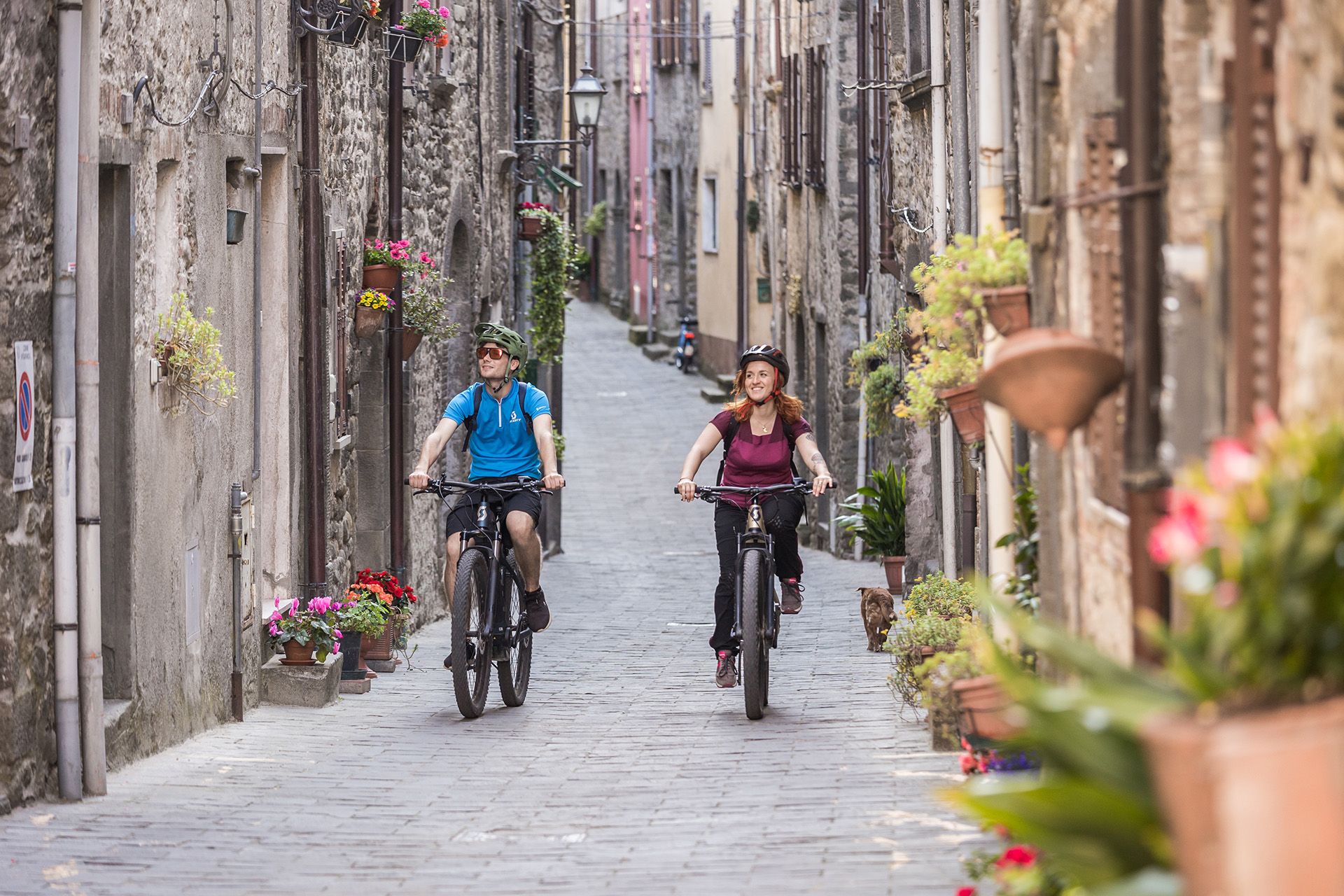
The Monte Amiata region around Abbadia San Salvatore is excellent for outdoor activities. You can find numerous routes for running, cycling, and gravel biking. For example, explore the running trails, enjoy traffic-free bike rides, or tackle challenging gravel biking routes that often pass through scenic landscapes and near historic sites.
Are there hiking trails near the castles around Abbadia San Salvatore?
Absolutely. The area offers various hiking opportunities. You can find trails that lead to scenic viewpoints or connect different medieval villages. For instance, the 'Ascent to Monte Amiata — Ring tour' is a challenging option, or you can explore gentler loops like 'Abbadia San Salvatore loop from Abbadia San Salvatore' from the running trails guide, which can also be enjoyed as hikes.
Can I find scenic viewpoints from the castles?
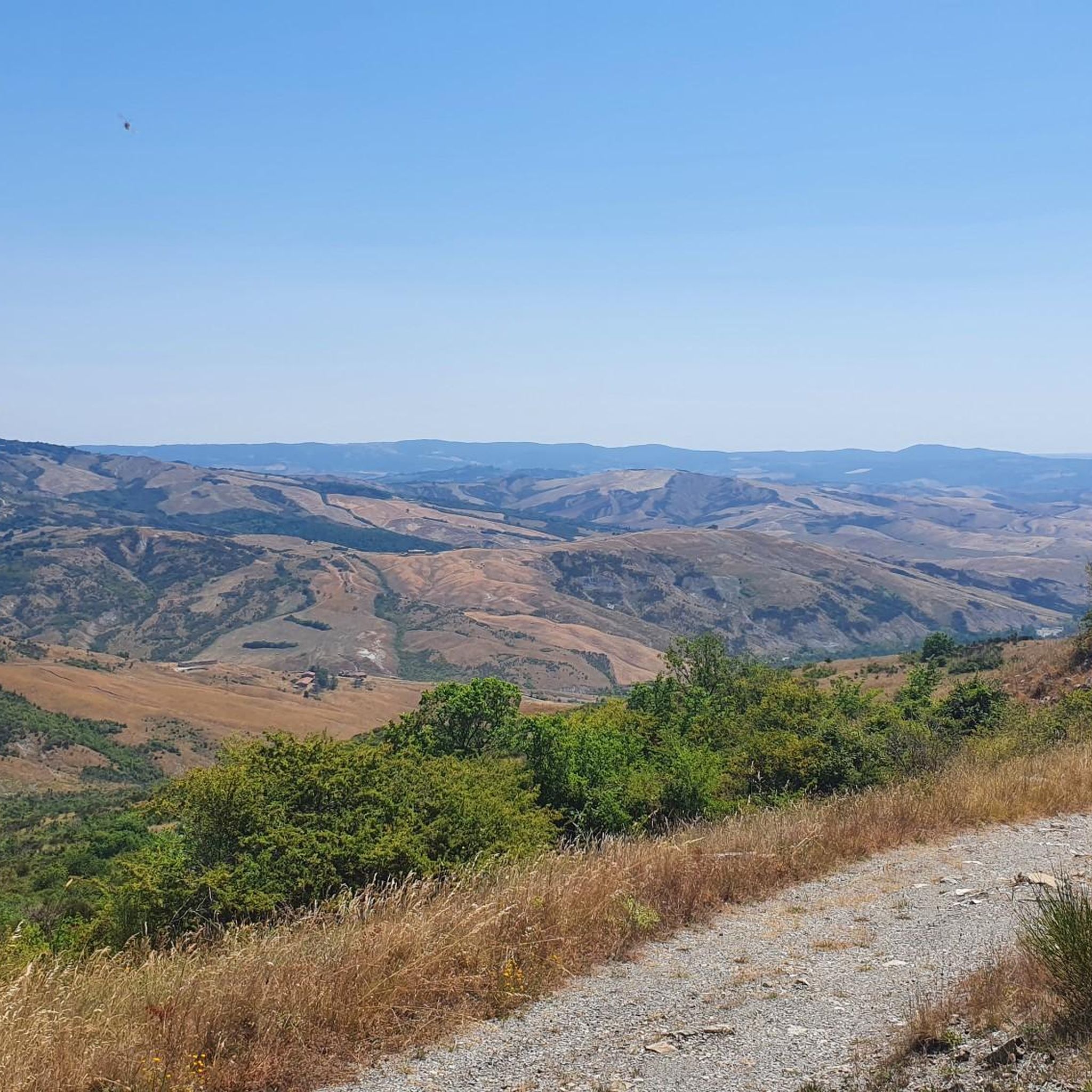
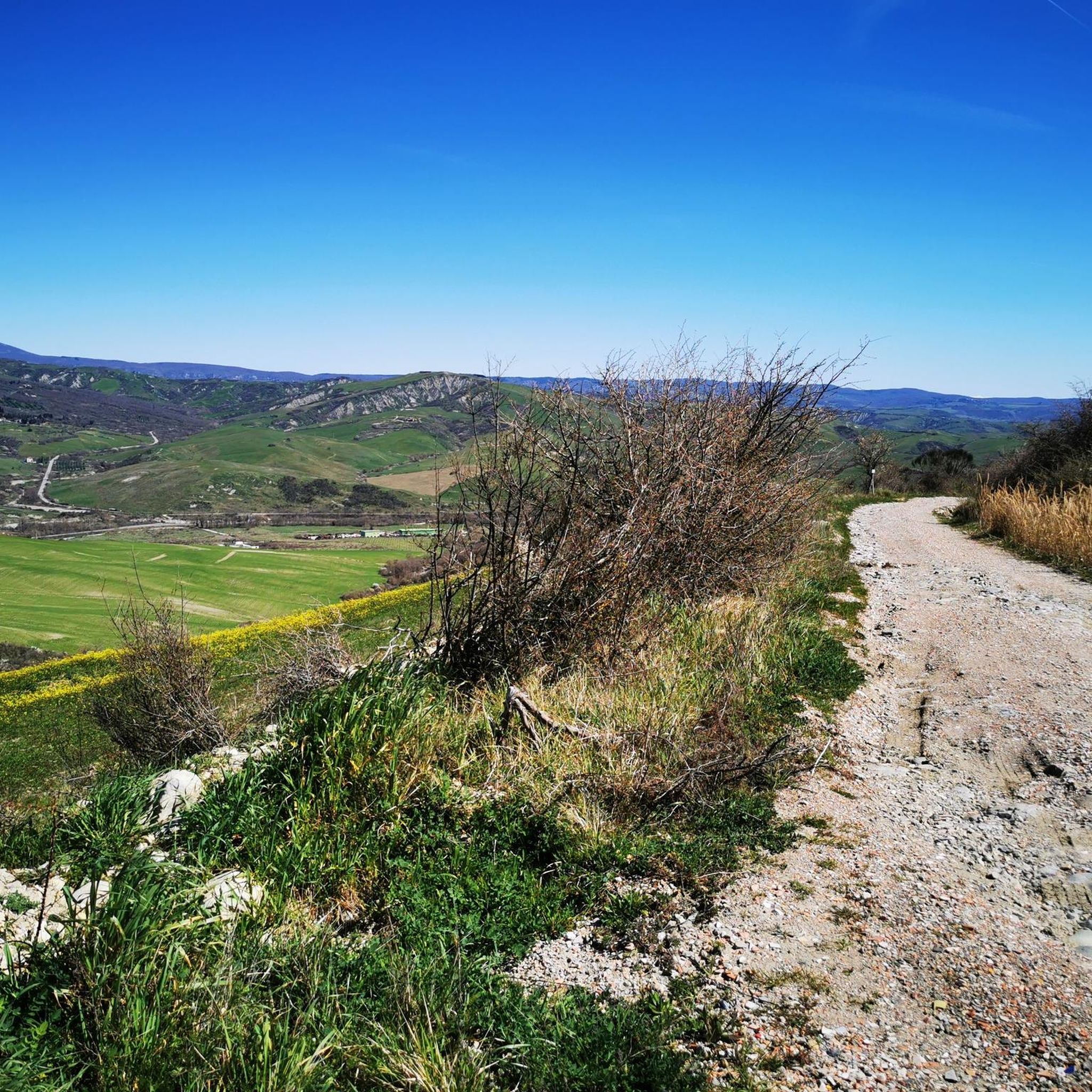
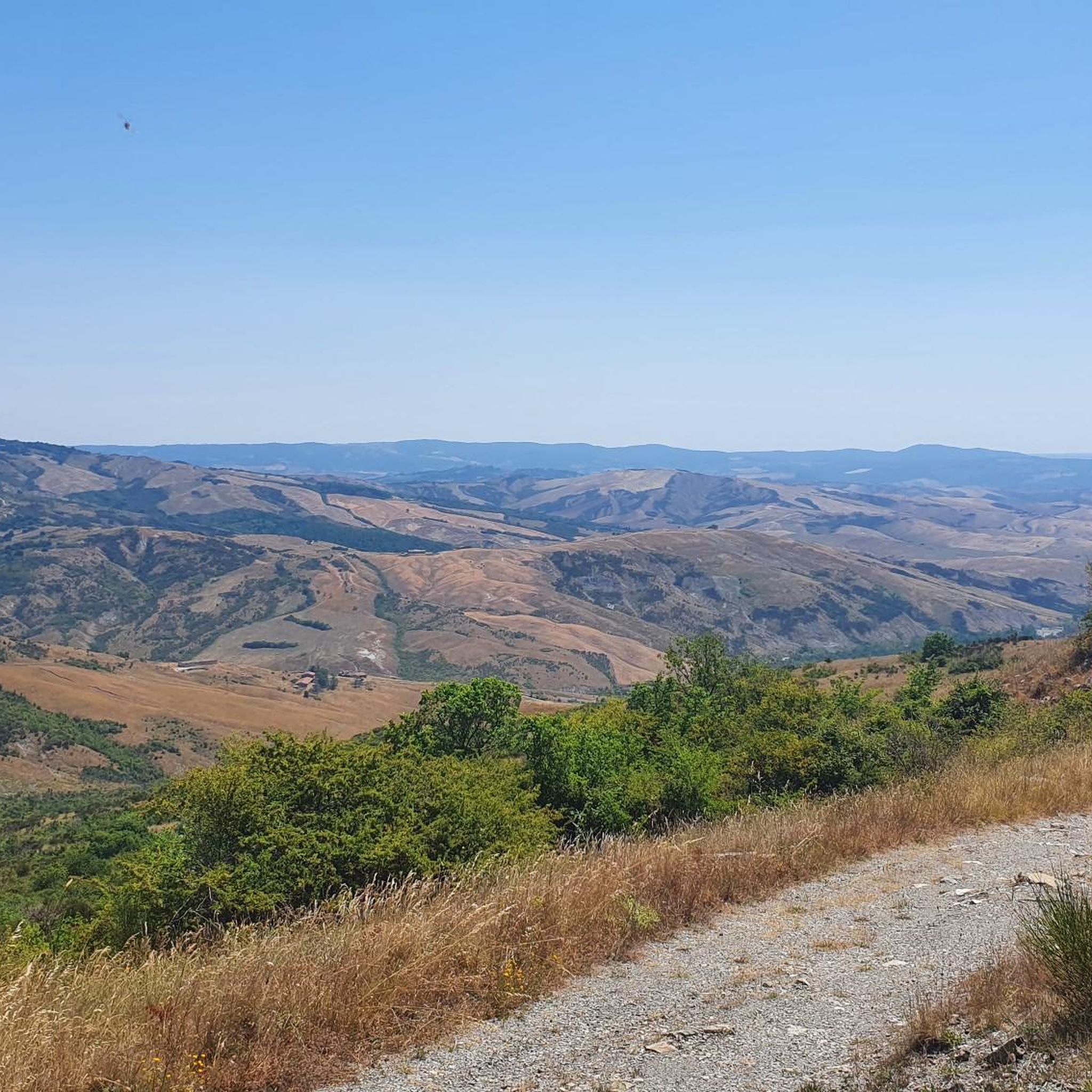
Yes, many castles in the region offer breathtaking panoramic views. From the top of the Radicofani Fortress or the Rocca di Radicofani, you can enjoy incredible landscapes stretching over the Tuscan hills towards Siena and even glimpse Lake Bolsena to the south. The Aldobrandesca Fortress of Arcidosso also provides commanding views over the town and surrounding area.
What is the best time of year to visit the castles around Abbadia San Salvatore?
Spring (April-May) and Autumn (September-October) are generally the best times to visit. The weather is pleasant for exploring, and the landscapes are particularly beautiful with blooming flowers or vibrant fall foliage. Summer can be warm, but the higher elevation of Monte Amiata offers some respite. Winter visits are possible, but some facilities might have reduced hours, and access can be affected by snow at higher altitudes.
Are the castles around Abbadia San Salvatore family-friendly?
Many of the castles and medieval villages are suitable for families. Children often enjoy exploring the ancient streets, imagining knights and princesses within the fortress walls, and climbing towers for views. The historic center of Abbadia San Salvatore and the Rocca Aldobrandesca in Piancastagnaio offer engaging experiences for all ages. Always check specific castle accessibility for very young children or strollers.
Is parking available at the castles?
Parking is generally available in or near the medieval villages and castle sites. For example, in Abbadia San Salvatore, there are parking areas outside the historic center, allowing for pedestrian exploration. Similarly, villages like Piancastagnaio and Radicofani have designated parking. It's advisable to check local signage upon arrival for the most convenient spots.
How long should I plan for a visit to the castles in the area?
To fully appreciate the main sites, such as the medieval village and Abbey of San Salvatore, and one or two nearby castles like Rocca Aldobrandesca or Radicofani, plan for at least a full day. If you wish to explore multiple villages and combine your visit with hiking or cycling, a weekend or several days would allow for a more relaxed and in-depth experience.
What do visitors enjoy most about the castles in this area?
Visitors frequently praise the stunning panoramic views from fortresses like Rocca di Radicofani, which offers vistas of the surrounding landscape day and night. The well-preserved medieval architecture, the sense of stepping back in time, and the charming atmosphere of the villages built around these castles are also highly appreciated. The unique blend of history and natural beauty makes for a memorable experience.
Where can I find cafes or restaurants near the castles?
Most medieval villages, including Abbadia San Salvatore, Piancastagnaio, and Radicofani, have local cafes, trattorias, and restaurants where you can enjoy traditional Tuscan cuisine. These establishments are typically found within or just outside the historic centers, offering convenient options for a meal or a coffee break during your castle explorations.
Most popular routes around Abbadia San Salvatore
Most popular attractions around Abbadia San Salvatore

Get inspired with the komoot mobile app


Explore more
Looking for the best castles somewhere else? Discover other guides around Abbadia San Salvatore:
