The best traffic-free bike rides around Triora
4.0
(6)
266
riders
4
rides
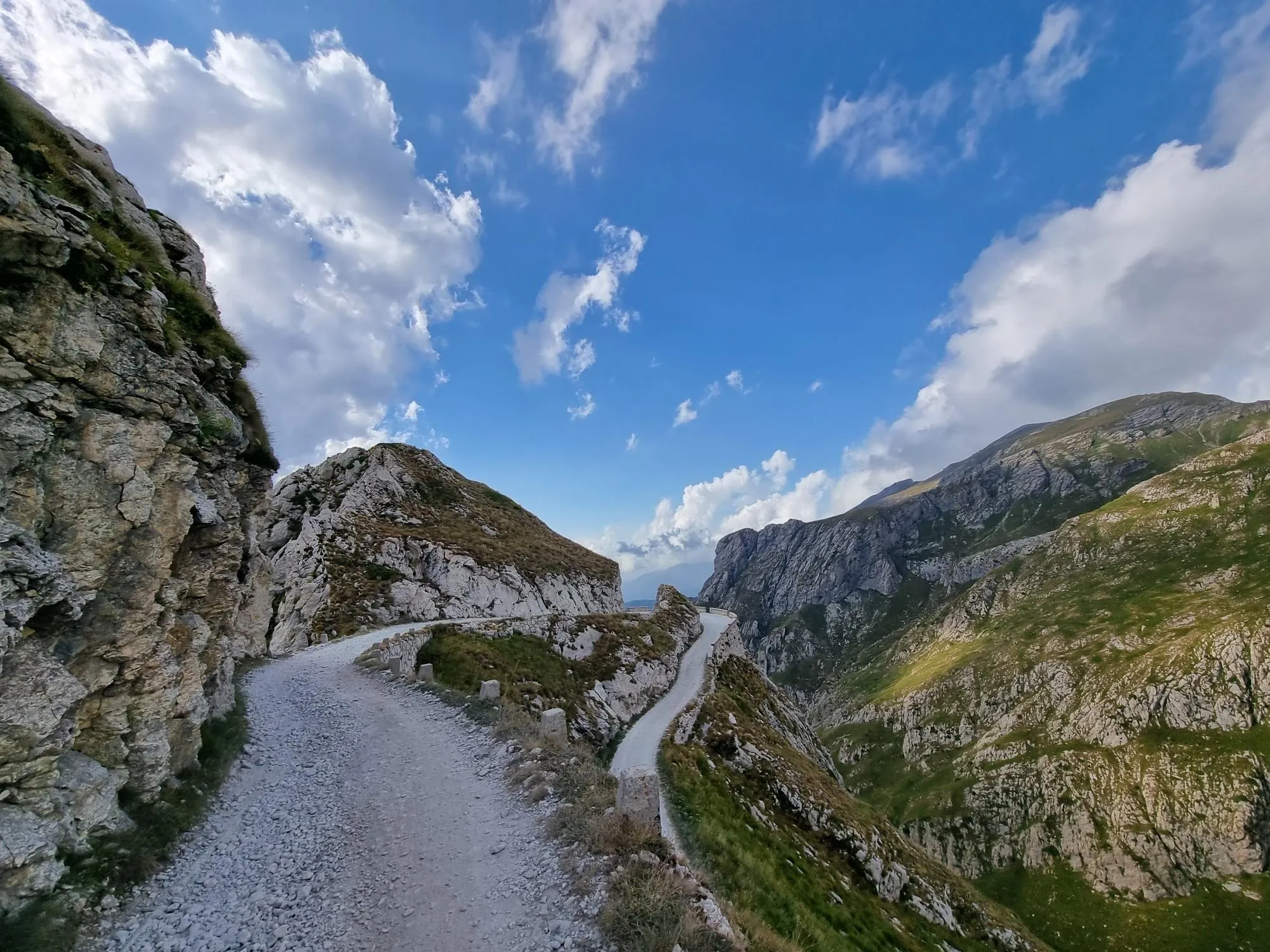
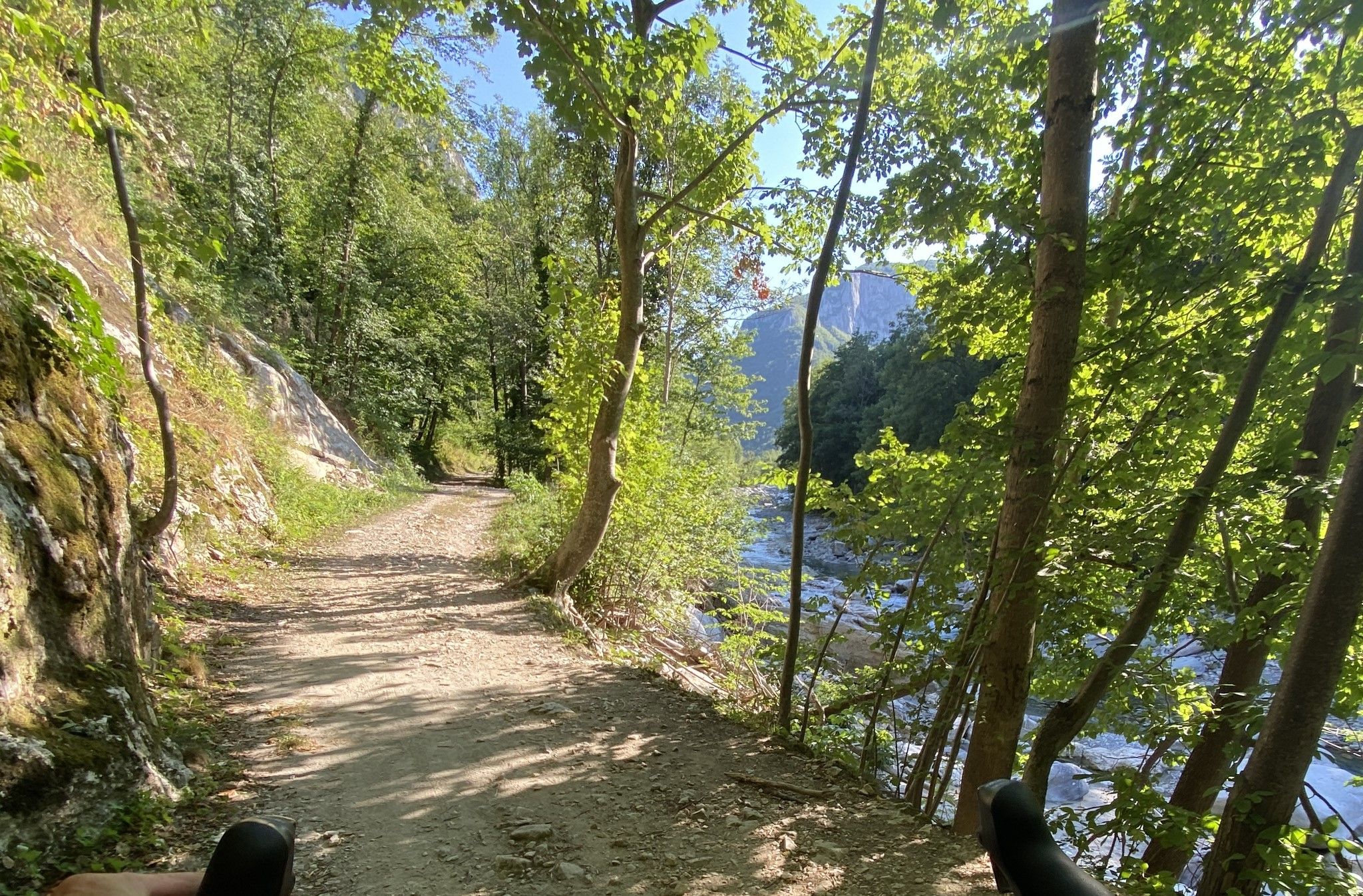
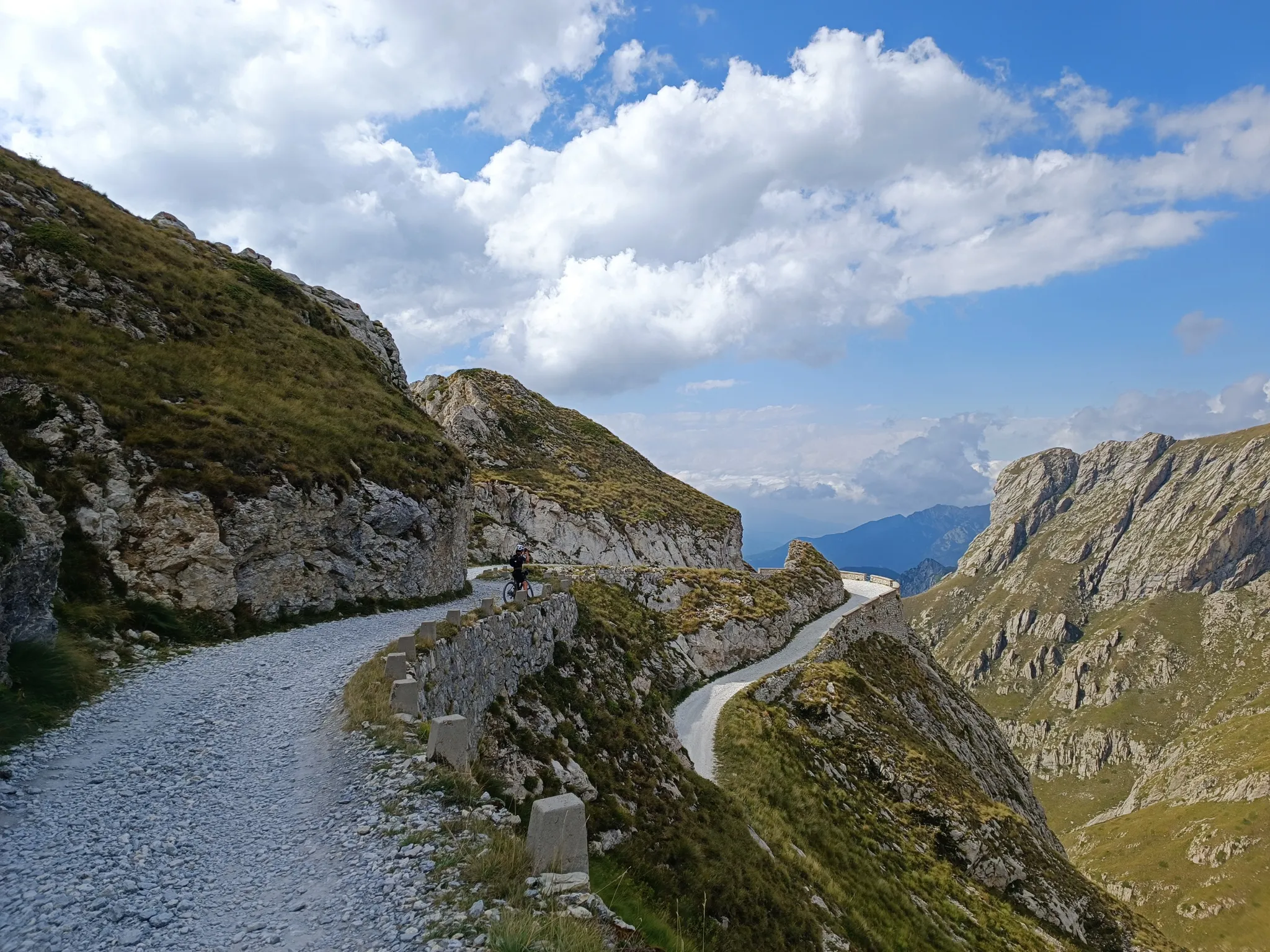
No traffic gravel bike trails around Triora are found within the Ligurian Alps, characterized by mountainous landscapes and varied elevations. The region features an extensive network of trails that traverse dense broadleaf and coniferous forests, alpine pastures, and old military roads. These routes offer significant elevation gains, providing a challenging environment for gravel biking. The terrain includes valley paths and more demanding alpine sections, with panoramic views of the Ligurian landscape and the Argentina Valley.
Best no traffic gravel bike…
Last updated: October 5, 2026
4.8
(5)
201
riders
87.0km
09:40
2,400m
2,400m
Hard gravel ride. Very good fitness required. You may need to push your bike for some segments of this route.
47
riders
107km
09:02
3,510m
3,510m
Hard gravel ride. Very good fitness required. Mostly paved surfaces. Suitable for all skill levels.

3.0
(2)
12
riders
38.1km
03:43
1,110m
1,110m
Hard gravel ride. Very good fitness required. Mostly paved surfaces. Suitable for all skill levels.
2
riders
58.4km
05:02
1,890m
1,890m
Hard gravel ride. Very good fitness required. Mostly paved surfaces. Suitable for all skill levels.
Our route recommendations are based on thousands of hikes, rides, and runs completed by other people on komoot.
Start today with a free account
Your next adventure awaits.
Other adventures around Triora


Tips from the Community

Very beautiful mountain village from where you can start to endlessly many MTB trails. The trails are absolutely top.
0
0

I was at Collemelosa, the food is great
0
0

A bridge, only angled with natural stones, that actually leads to nowhere…😅? Was inaugurated by the Principality of Monaco
0
0

Exploit technique or work of the devil? The Pont du Coq immediately surprises with its improbable angle above the Levenza. It was rebuilt in 1710 after a flood destroyed the old medieval bridge.
0
0

beautiful view at Col Melosa
1
0

Beautiful landscapes immersed in nature. At times it looks like a lunar landscape.
0
0

Highly recommended, stock up on water
0
0

Former military hospital now converted in a mountain refuge, towering over the valley, can be seen from anywhere
0
0
Frequently Asked Questions
How many traffic-free gravel bike trails are available around Triora?
There are 3 dedicated traffic-free gravel bike trails around Triora featured in this guide. These routes offer challenging terrain and stunning views, perfect for experienced gravel bikers.
What kind of terrain can I expect on the no-traffic gravel trails near Triora?
The terrain around Triora is predominantly mountainous with varied elevations, offering a mix of challenging climbs and scenic descents. You'll encounter extensive networks of trails, including old military roads, that wind through dense broadleaf and coniferous forests and alpine pastures. Some segments may require a good to very good fitness level, and occasionally, even pushing your bike.
Are there any circular no-traffic gravel routes in the Triora area?
Yes, several routes are designed as loops, allowing you to start and finish in the same location. For example, the challenging Via del Sale Loop offers an epic gravel biking experience, while the Pas du Tanarel – Lower Peirafica loop from Ùpega is another demanding circular option.
What scenic views or natural features can I expect on these traffic-free gravel trails?
The trails offer breathtaking panoramic views of the Ligurian landscape, the Argentina Valley, and from higher elevations like Monte Saccarello, you can even see as far as France. Key natural features include the wooded valleys, crystal-clear rivers, and the alpine scenery around Monte Saccarello and Monte Saccarello Summit Monument. You might also encounter highlights like Marta's Balcony, a stunning viewpoint.
What is the best time of year to ride traffic-free gravel trails in Triora?
The best time for gravel biking in Triora is typically from spring through autumn. During these seasons, the weather is generally more stable, and the trails are less likely to be affected by snow or heavy rains, which can make some of the higher alpine sections impassable or very challenging. Always check local weather conditions before heading out.
Are there any particularly challenging no-traffic gravel routes for experienced riders?
Absolutely. All the routes featured in this guide are rated as 'difficult' due to significant elevation gains and technical sections. The Via del Sale Loop, for instance, covers nearly 87 km with over 2400 meters of elevation gain, winding along mountainsides at altitudes between 1800 and 2100 meters. Another demanding option is the Pas du Tanarel – Lower Peirafica loop from Ùpega, which is over 100 km long with more than 3500 meters of climbing.
What do other gravel bikers say about the traffic-free trails in Triora?
The komoot community highly rates the gravel biking experience in Triora, with an average score of 5.0 stars. Reviewers often praise the stunning natural beauty, the challenging yet rewarding terrain, and the sense of wilderness found on these traffic-free routes. The panoramic views and the extensive network of old military roads are frequently highlighted as major draws.
Are there any cultural or historical points of interest near the gravel trails?
While the trails focus on natural beauty, Triora itself is a medieval village known for its rich history, often called the 'Village of Witches.' You can explore its well-preserved stone houses and narrow cobblestone streets. Some paths connect with nearby woodlands, blending historical exploration with nature. The region also features old military roads, which are historical artifacts in themselves.
What should I know about parking when accessing these traffic-free gravel trails?
While specific parking areas for each trail are not detailed here, Triora and nearby villages typically offer parking facilities. It's advisable to check local parking options in Triora or the starting points of specific routes like Ùpega or La Brigue before your trip, especially during peak seasons, to ensure convenient access to the trails.
Are there any options for shorter, less demanding traffic-free gravel rides in the area?
The routes featured in this guide are all rated as 'difficult,' indicating they are best suited for experienced riders seeking a significant challenge. While the Sea Brig – Fontaine Dux loop from La Brigue is the shortest at 34 km, it still involves over 1000 meters of elevation gain. For easier options, you might need to explore other guides or local resources for less strenuous paths, as this guide focuses on more demanding, traffic-free gravel adventures.
Can I combine gravel biking with exploring other outdoor activities in the Triora region?
Absolutely. The Triora region, nestled in the Ligurian Alps, is a hub for various outdoor activities. Beyond gravel biking, you can explore numerous hiking trails, and the area is part of the Ligurian Alps Park, offering opportunities for appreciating diverse flora and fauna. For those interested in more technical riding, there are also dedicated bike parks around Triora with highlights like Goina Singletrack Junction and Drega Mega Trail.
Most popular attractions around Triora

Get inspired with the komoot mobile app


Explore more
Browse the best Gravel rides in other regions.
