The best hikes from bus stations around Gniezno
4.9
(35)
520
hikers
32
hikes
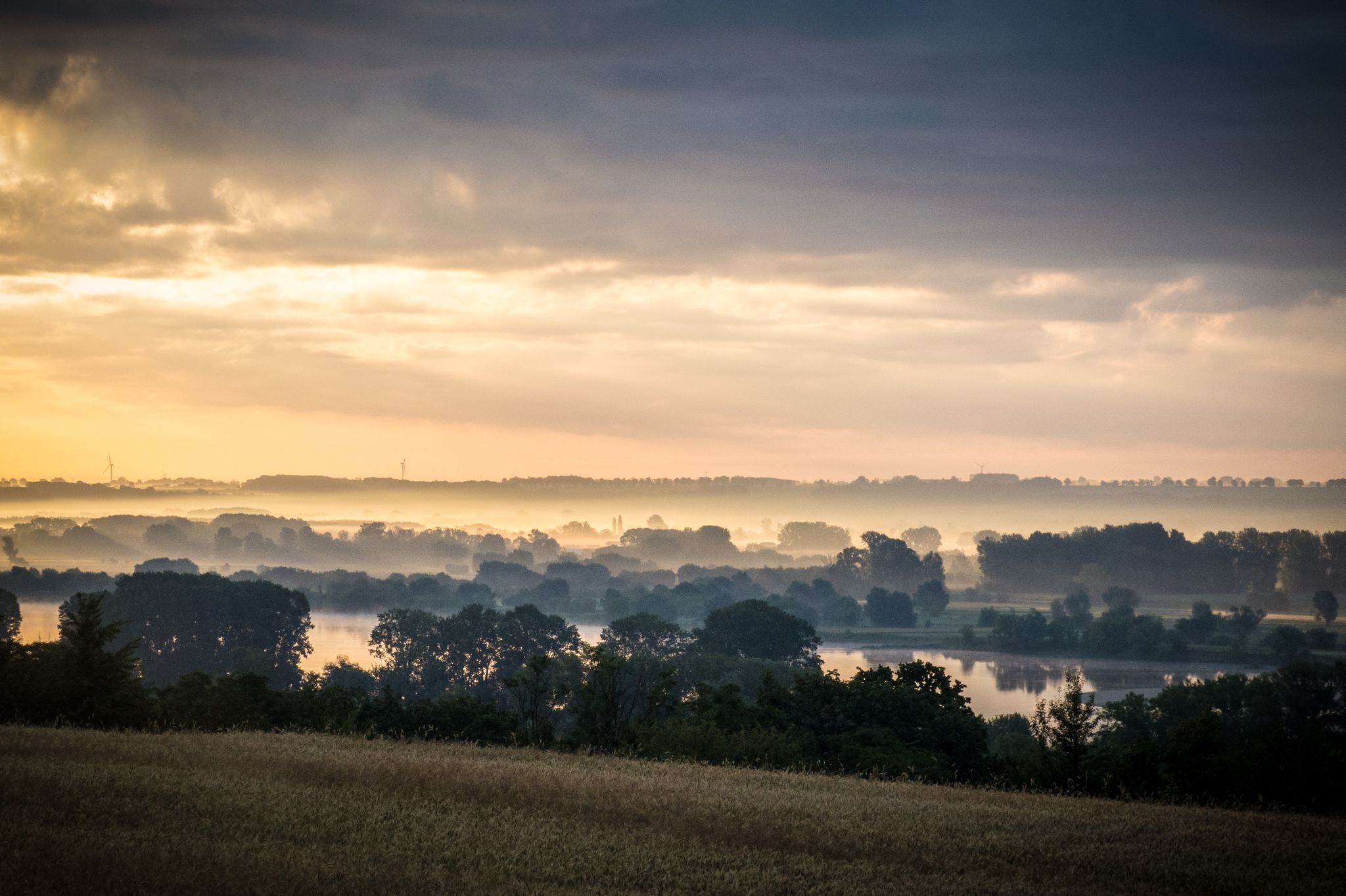
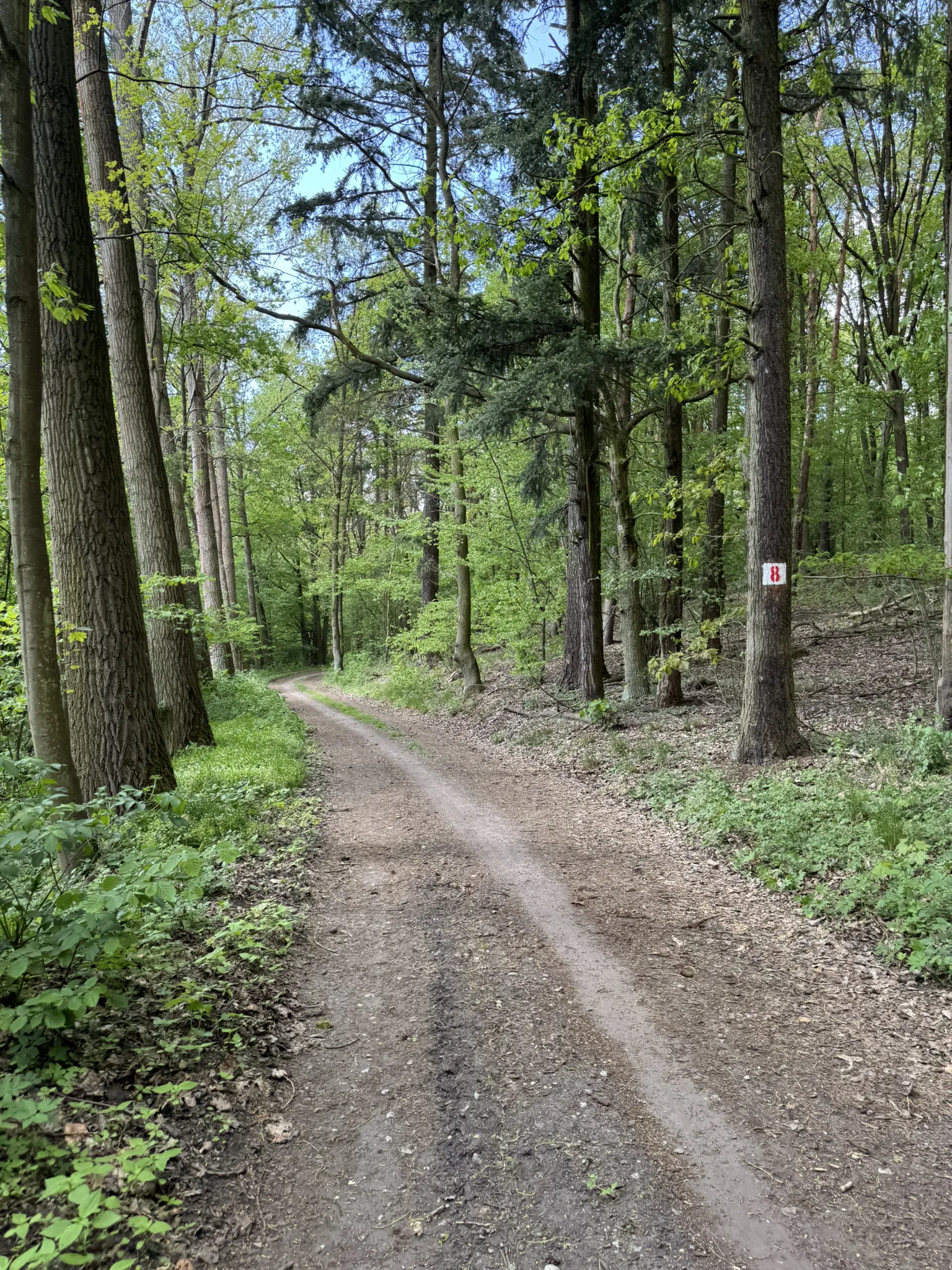
Bus station hiking trails around Gniezno traverse a landscape characterized by moraine hills, periglacial lakes, and expansive forests. The region features gentle elevations, making it suitable for various fitness levels. Prominent natural features include Lakes Winiary, Jelonek, and Swietokrzyskie, which offer accessible lakeside paths. The broader area also contains extensive forests and moraine hills, providing varied terrain for exploration.
Best bus station hiking trails around Gniezno
- The most popular bus station hiking route is Jezioro Winiary loop from Gniezno,…
Last updated: May 14, 2026
4.9
(14)
99
hikers
4.60km
01:12
30m
30m
Easy hike. Great for any fitness level. Easily-accessible paths. Suitable for all skill levels.
5.0
(1)
58
hikers
4.24km
01:06
30m
30m
Easy hike. Great for any fitness level. Easily-accessible paths. Suitable for all skill levels.

Sign up for free
5.0
(1)
8
hikers
5.25km
01:21
30m
30m
Easy hike. Great for any fitness level. Easily-accessible paths. Suitable for all skill levels.
3.0
(1)
3
hikers
7.28km
01:54
60m
60m
Easy hike. Great for any fitness level. Easily-accessible paths. Suitable for all skill levels.
5.0
(1)
8
hikers
4.18km
01:04
10m
10m
Easy hike. Great for any fitness level. Easily-accessible paths. Suitable for all skill levels.
Get access to more routes and recommendations from other explorers.
Sign up for free
Already have an account?
Our route recommendations are based on thousands of hikes, rides, and runs completed by other people on komoot.
Start today with a free account
Your next adventure awaits.
Login or Signup


Tips from the Community

Gniezno Cathedral is considered one of the most important religious buildings in Poland. Since the 15th century, the church has served as both the seat of the Archbishop of Gniezno and the Primate of Poland. The Gniezno Double Doors, made of bronze, are of great significance on a European scale.
2
0

The original bronze monument was designed by sculptor Marcin Rożek and unveiled by President Ignacy Mościcki on May 30, 1929, but was destroyed by German forces during the 1939 September Campaign. The current monument, standing 4.75 meters tall on a nearly 4-meter pedestal, was recreated by sculptor Jerzy Sobociński based on the original design and unveiled on May 9, 1985.
1
0
A Roman Catholic church originally built as a Protestant garrison church in the first half of the 19th century, designed by Karl Friedrich Schinkel and consecrated in 1842. The brick building features arcade-style architecture with a square plan, a four-story tower, and empires surrounding the interior. After World War II in 1945, the church was transferred to the Catholic Church and rededicated to the Virgin Mary Queen of Poland.
2
0
The contemporary urban layout of Gniezno cast in bronze with descriptions in Braille
2
0
The sculpture was unveiled on 2018 as the final piece of Gniezno's Royal Route project, depicting Poland's first king who was crowned in 1025. The statue stands in front of the Old Town Hall on Chrobrego Street, representing the ruler who led the famous Congress of Gniezno in 1000 AD when Emperor Otto III visited the city. This is the third sculpture commemorating Bolesław the Brave in Gniezno, completing a collection of five royal statues honoring kings crowned here.
2
0
The Market Square is located in the Old Town on Panieński Hill, one of Gniezno. After a devastating fire in 1819 that destroyed most of Gniezno, the square was rebuilt according to new urban planning that created a spatial axis between the cathedral and the evangelical church, with only two original medieval buildings surviving. Today the cobblestone square features a fountain inaugurated in 2014, and during winter months it hosts a 10-12 meter Christmas tree and an ice rink that has operated since 2008.
2
0
A Gothic archcathedral located on Lech Hill, serving as the burial place of Saint Adalbert and the site of five royal coronations since 1000 AD. Known as the "Mother of Polish Churches," it has been the seat of Polish primates and was designated as a minor basilica in 1931. The cathedral houses the famous Gniezno Doors, bronze doors from around 1175 that depict scenes from Saint Adalbert's life.
2
0
The bell originally produced the musical note E-flat and bears the maker's inscription on its cap between ornamental bands.
2
1
Frequently Asked Questions
How many hiking trails are accessible directly from bus stations around Gniezno?
There are over 30 hiking trails in the Gniezno region that are easily accessible from bus stations, offering a convenient way to start your outdoor adventure without needing a car. Most of these routes are classified as easy, making them suitable for a wide range of hikers.
What kind of terrain can I expect on bus-accessible hikes in Gniezno?
The Gniezno region features diverse terrain, including gentle moraine hills, periglacial lakes, and expansive forests. You'll find many trails offering pleasant lakeside paths, such as the Jezioro Winiary loop from Gniezno, as well as routes through lush greenery and city parks. While most elevations are gentle, some forest areas provide a more immersive natural experience.
Are there any family-friendly hiking routes from Gniezno bus stations?
Yes, Gniezno offers several family-friendly options. Many routes are easy and relatively short, perfect for families with children. The Gniezno Market Square – Taster Rabbit Statue loop from Gniezno is a great example, combining a pleasant walk with the fun of spotting the unique rabbit statues of the Royal Trail.
Can I bring my dog on these bus-accessible hiking trails?
Generally, dogs are welcome on most hiking trails in the Gniezno region, especially those in natural areas like forests and around lakes. However, it's always advisable to keep your dog on a leash, particularly in more populated areas or near wildlife. Always check local regulations for specific parks or protected areas.
What natural features or landmarks can I see along these routes?
Many trails offer scenic views of Gniezno's three prominent lakes: Winiary, Jelonek, and Swietokrzyskie. You can explore the tranquil Jelonek Lake Path or enjoy views of the Jelonek Lake and the view of Gniezno Cathedral. The Royal Trail, which includes routes like the Taster Rabbit Statue – Gniezno market loop from Gniezno, also guides you past historical statues and the charming rabbit sculptures throughout the city.
Are there any circular hiking routes available from Gniezno bus stations?
Yes, many of the bus-accessible routes in Gniezno are circular, allowing you to start and end your hike at the same convenient location. The Jezioro Winiary loop from Gniezno is a popular circular trail, offering pleasant views and an easy walk around the lake.
What do other hikers enjoy most about hiking from bus stations in Gniezno?
The komoot community highly rates the hiking experience in Gniezno, with an average score of 4.9 stars. Reviewers often praise the convenience of public transport access, the variety of easy-to-moderate trails, and the beautiful blend of natural landscapes with historical city attractions. The well-maintained paths around the lakes and through city parks are frequently highlighted.
Are there any historical sites or points of interest accessible on these hikes?
Absolutely. Gniezno is rich in history. Many routes, such as the Gniezno market – Taster Rabbit Statue loop from Gniezno, will take you through the historic Gniezno market and past significant landmarks like the Gniezno Cathedral. The Royal Trail itself is a historical journey, connecting you with the city's past as the first capital of Poland.
What is the best time of year to hike around Gniezno?
Gniezno offers enjoyable hiking experiences throughout the year. Spring brings blooming nature and mild temperatures, while autumn showcases beautiful fall foliage. Summer is ideal for lakeside walks, and even winter can be picturesque, especially around the frozen lakes and snow-dusted forests, though some paths might be slippery. Always check weather conditions before heading out.
Are there any longer or more challenging routes accessible by bus?
While most bus-accessible routes in Gniezno are easy, there are some moderate options for those seeking a bit more challenge. These often involve slightly longer distances or more varied terrain within the moraine hills and forests surrounding the city. For example, the Gniezno market – Taster Rabbit Statue loop from Gniezno is one of the longer easy routes, providing a good extended walk.
Can I find places to eat or drink near the bus station hiking trails?
Yes, especially for routes that pass through or start in Gniezno city center, you'll find various cafes, restaurants, and shops. The Gniezno market area, a common starting or ending point for many trails like the Statue of Bolesław the Brave – Gniezno market loop from Gniezno, offers numerous options for refreshments and meals after your hike.
Most popular routes around Gniezno
Most popular attractions around Gniezno

Get inspired with the komoot mobile app


Explore more
Browse the best Hikes in other regions.
