The best traffic-free bike rides around Ostrzeszów
4.4
(7)
46
riders
18
rides
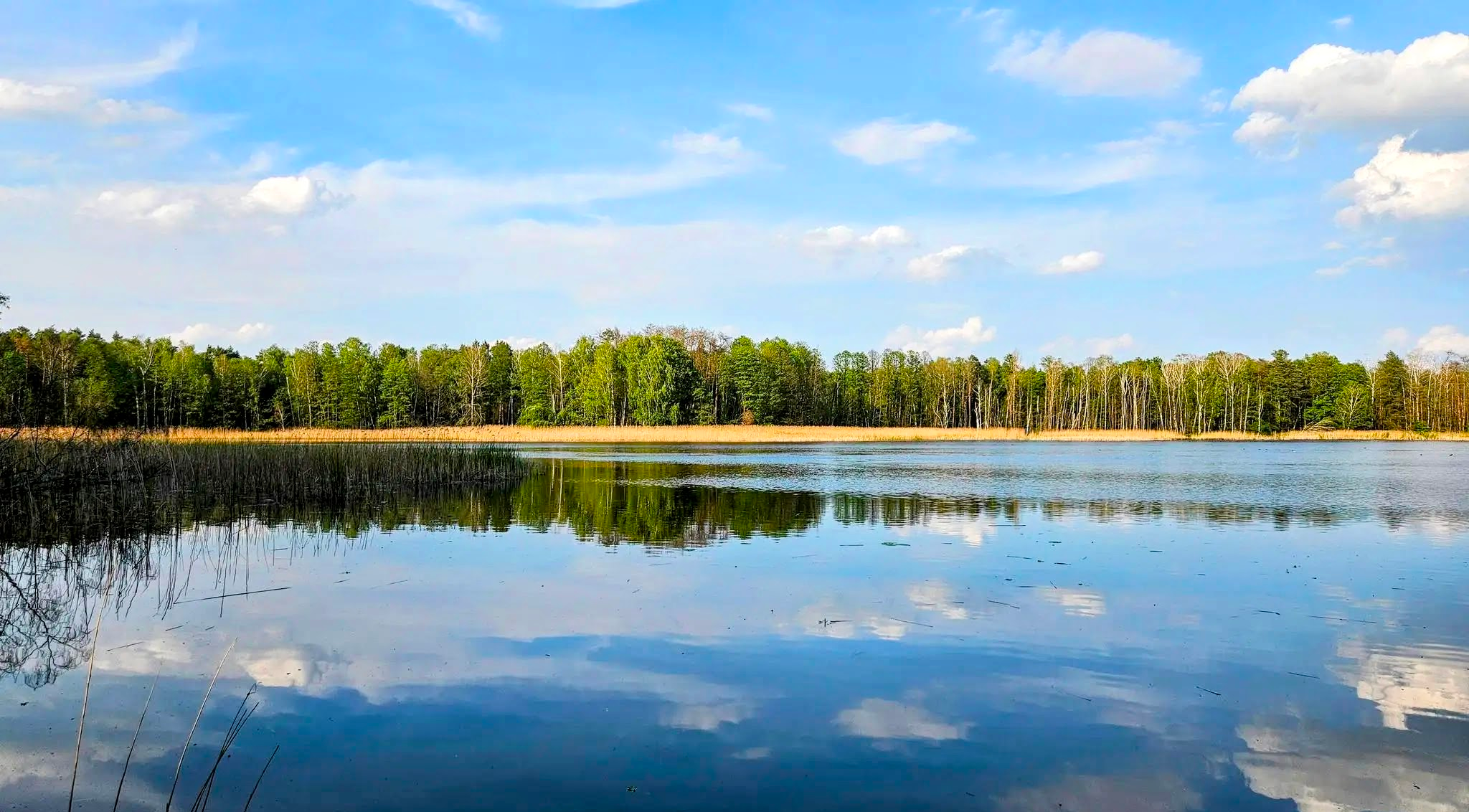
Gravel biking around Ostrzeszów offers routes through a landscape characterized by rolling hills and dense forests. The region features the Ostrzeszów Hills, including elevations like Kobyla Góra and Bałczyna, which provide varied terrain. Cyclists can explore shaded routes within nature reserves such as "Pieczyska" and "Jodły Ostrzeszowskie." This area provides a mix of climbs, descents, and flat sections suitable for gravel biking.
Best no traffic gravel bike trails around Ostrzeszów
- The most popular no traffic gravel bike trail is Market Square in Ostrzeszów – Stary Młyn loop from Ostrzeszów, a 23.8 miles (38.2 km) moderate trail that takes 2 hours 45 minutes to complete. This route offers a diverse experience through the local landscape.
- Another top favourite among local gravel bikers is Evangelical Church in Goszcz – Palace in Goszcz loop from Syców, a moderate 38.2 miles (61.5 km) path. This route traverses varied terrain, including forested sections and open areas.
- Local gravel bikers also love the Bałczyna Viewpoint – Kępno Railway Station loop from Kępno, a 23.9 miles (38.5 km) trail leading through the Ostrzeszów Hills, often completed in about 2 hours 23 minutes.
- Gravel biking around Ostrzeszów is defined by rolling hills, dense forests, and nature reserves, offering scenic views and varied surfaces. The network provides options for different ability levels, from easy rides to more challenging trails.
- The routes in Ostrzeszów are highly rated by the komoot community with an average score of 4.5 stars from more than 6 reviews. More than 40 gravel bikers have used komoot to explore Ostrzeszów's varied terrain.
Last updated: May 14, 2026
4.5
(4)
19
riders
38.2km
02:45
240m
240m
Moderate gravel ride. Good fitness required. Mostly paved surfaces. Suitable for all skill levels.
2
riders
61.5km
04:20
380m
380m
Moderate gravel ride. Good fitness required. Mostly paved surfaces. Suitable for all skill levels.

Sign up for free
2
riders
47.0km
03:10
200m
200m
Moderate gravel ride. Good fitness required. Mostly paved surfaces. Suitable for all skill levels.
4.0
(1)
2
riders
38.5km
02:23
200m
200m
Moderate gravel ride. Good fitness required. Mostly paved surfaces. Suitable for all skill levels.
2
riders
17.5km
01:07
50m
50m
Easy gravel ride. Great for any fitness level. Mostly paved surfaces. Suitable for all skill levels.
Get access to more routes and recommendations from other explorers.
Sign up for free
Already have an account?
Our route recommendations are based on thousands of hikes, rides, and runs completed by other people on komoot.
Start today with a free account
Your next adventure awaits.
Login or Signup



Other adventures around Ostrzeszów

Tips from the Community

The Protestant castle church was built by the von Reichenbach family in 1742. The church has been unused since 1945, and as a result, valuable objects from the church have likely gone missing. The church building is currently being restored for use again.
0
0
The castle in Goszcz was once considered one of the most beautiful Baroque castles in Silesia. The current building dates back to 1755. In December 1947, the castle burned down and has been a ruin ever since. Some parts of the side wings have been restored; one now houses a café. The ruins of the main building are completely secured and can be explored from the inside. There is even a metal staircase leading to the top, from where you have an even better view of the ruins. Large-format photographs depicting the castle's former interior are displayed on the ground. All in all, a very worthwhile place to visit!
1
0

The von Reichenbach Palace (ruins), the first palace in Goszcz, was built between 1730 and 1740 on the site of a 12th-century castle. However, it was destroyed by a massive fire in 1749. Between 1749 and 1755, a new palace was built, designed by the Silesian Baroque architect Karl Martin Frantz. The entire manor-palace complex was grouped around a rectangular courtyard, the main axis of which was the palace building. Three entrance gates led to it. Until January 1945, the building belonged to the Reichenbach family, then it was occupied by Soviet troops and subsequently placed under the management of the local administration. On Christmas Eve 1947, a fire broke out in the palace. Despite the efforts of the fire brigade, the palace burned to the ground and was never rebuilt. In 2013, the Twardogóra commune authorities renovated some of the buildings on the western side of the complex, outbuilding I, palace servants' house I and the building connecting them.
0
0

Tree felling and removal, road in very poor condition.
0
0

It is a wooden temple from 1758, covered with a shingle roof. Inside, semi-folk polychrome from the 18th century, on the wall of the presbytery, images of the evangelists among plant decorations. Several late Gothic sculptures. A painting of the Crucifixion with figures of the founders in Polish costumes from the 16th-17th centuries and a painting of the Madonna and Child surrounded by musical angels from around the mid-17th century.
0
0

Bałczyna (often called Bełczyna) is the highest elevation of the Ostrzeszowskie Hills, rising to 278 m above sea level. It is a popular viewing point, from which, in good weather, you can even see the chimneys of the Bełchatów Power Plant. At the top, there is a monument to soldiers from 1939 and a stone table with the cardinal directions, which makes this place an attractive destination for trips. Over the years, Bełczyna has served as a place for rest, skiing, motocross and paragliding. There are three trails leading to the hill, including the Transwielkopolska Bicycle Route - it is worth having an MTB, because the terrain can be varied.
2
0
A very nice place to rest on the way to the palace in Antonin
0
0
Church of St. Nicholas from 1780-81. Built from the foundation of Jan and Elżbieta Siewierski, Józef Wojakowski and Jan Grzymała Wiewiórkowski, by master Jan Kurzawa. Restored in the 1980s. A wooden church, single-nave, log construction. Not oriented. Two chapels on the sides, creating an apparent transept, closed rectangularly with ridges lower than the main nave. Smaller presbytery from the nave, closed on three sides with a side sacristy. Porch on the side of the nave. Low tower of post-and-beam construction, with a porch in the ground floor at the front. Topped with a tented roof with a tin, onion-shaped dome. Double-ridge roof, covered with sheet metal with a turret for a bell tower. Topped with an onion-shaped dome with a lantern. Flat ceiling inside with coffered decoration. Choir supported by two columns with a late Baroque organ prospect from the 2nd half of the 18th century. Main altar (founded by the Szyszkowski family) in the late Renaissance style with the Ostoja coat of arms, made by Jan Sifers in 1646. Rococo side altars from the 2nd half of the 18th century. Baroque pulpit from the mid-17th century. Two folk Baroque crucifixes. Numerous sculptures from the 17th and 18th centuries. Two contemporary paintings by Norbert Skupniewicz. Wooden belfry, not estimated, covered with a metal roof. Rectory from the late 20th century. Church surrounded by old oaks and beeches.
0
0
Frequently Asked Questions
How many no-traffic gravel bike trails are available around Ostrzeszów?
There are 14 curated no-traffic gravel bike trails around Ostrzeszów, offering a variety of experiences. These include 6 easy routes perfect for a relaxed ride and 8 moderate routes for those seeking a bit more challenge.
What is the best time of year for gravel biking in Ostrzeszów?
The best time to enjoy gravel biking around Ostrzeszów is during the spring and summer months (April to September). The weather is generally pleasant, and the countryside is vibrant, making for scenic rides through the region's rolling hills and lush forests.
Are there any family-friendly no-traffic gravel routes in Ostrzeszów?
Yes, Ostrzeszów offers several easy-grade routes suitable for families looking for traffic-free gravel biking. An excellent option is the Dębnica Lake – Old Oak loop from gmina Przygodzice, which provides a gentle ride through pleasant scenery.
Can I find circular gravel bike routes without traffic around Ostrzeszów?
Absolutely. Many of the no-traffic gravel routes around Ostrzeszów are designed as loops, allowing you to start and finish at the same point. For example, the Market Square in Ostrzeszów – Stary Młyn loop offers a moderate circular ride, taking you through varied landscapes.
What kind of scenery can I expect on these gravel bike trails?
The no-traffic gravel trails around Ostrzeszów offer diverse and picturesque scenery. You'll ride through rolling hills, dense forests, and nature reserves like 'Pieczyska' and 'Jodły Ostrzeszowskie'. The region is also home to the Ostrzeszów Hills, providing elevated views, and you might encounter tranquil ponds or open fields.
Are there any notable landmarks or attractions along the no-traffic gravel routes?
Yes, you can discover several interesting landmarks. The region's highest point, Krzyż Wielkopolski on Kobyla Góra, offers expansive views. You might also encounter historic wooden churches, such as the Holy Trinity Wooden Church in Marcinki, or the Church of the Nativity of the Blessed Virgin Mary in Myślniew, adding cultural interest to your ride.
What do other gravel bikers say about the trails in Ostrzeszów?
The komoot community highly rates the gravel biking experience in Ostrzeszów, with an average score of 4.5 out of 5 stars. Reviewers often praise the quiet, traffic-free nature of the routes, the beautiful natural landscapes, and the variety of terrain suitable for gravel bikes.
Are there any routes that offer particularly scenic views?
For truly scenic views, consider routes that take you into the Ostrzeszów Hills. The Bałczyna Viewpoint – Kępno Railway Station loop, for instance, includes the Bałczyna elevation, offering great vistas of the surrounding countryside. The Beautiful views – Pond loop from Mąkoszyce also lives up to its name with lovely natural panoramas.
Is public transport an option for accessing these gravel trails?
While specific public transport links directly to trailheads can vary, Ostrzeszów itself is accessible by regional public transport. From the town, you can often cycle to the start of many no-traffic gravel routes. It's advisable to check local bus or train schedules for connections to smaller towns near specific trail starting points.
Are there any specific challenges or features to be aware of on Ostrzeszów's gravel trails?
The Ostrzeszów region is characterized by rolling hills, so while many routes are traffic-free, expect some climbs and descents, especially in the Ostrzeszów Hills area. These provide a good workout and rewarding views. The terrain is generally well-suited for gravel bikes, offering a mix of forest paths, dirt roads, and quieter paved sections.
Can I find longer distance no-traffic gravel cycling routes in the area?
Yes, for those looking for longer rides, some routes extend beyond 50 km. The Evangelical Church in Goszcz – Palace in Goszcz loop from Syców is a good example, offering over 60 km of cycling through varied landscapes, ensuring a substantial and traffic-free gravel adventure.
Most popular routes around Ostrzeszów
Most popular attractions around Ostrzeszów

Get inspired with the komoot mobile app


Didn’t find what you were looking for?
Check out more Gravel rides throughout Ostrzeszów below and find the perfect route in your destination.
Explore more
Browse the best Gravel rides in other regions.
