The best traffic-free bike rides in George Washington And Jefferson National Forest
4.4
(11)
178
riders
27
rides
Gravel biking in George Washington And Jefferson National Forest offers extensive opportunities across 1.8 million acres of varied terrain. The region features a comprehensive network of forest roads and trails, with over 1,100 miles accessible to bicycles. This landscape is characterized by river valleys, mountain peaks, and significant elevation changes, providing diverse riding conditions. Geological formations including sandstone, shale, and limestone contribute to the varied routes available for gravel cyclists.
Best no traffic gravel bike trails in George Washington And…
Last updated: May 27, 2026
7
riders
56.5km
04:12
1,360m
1,360m
Hard gravel ride. Very good fitness required. Mostly paved surfaces. Suitable for all skill levels.
8
riders
55.5km
03:47
1,160m
1,160m
Hard gravel ride. Very good fitness required. Mostly paved surfaces. Suitable for all skill levels.

Sign up for free
7
riders
102km
06:59
2,030m
2,030m
Hard gravel ride. Very good fitness required. Mostly paved surfaces. Suitable for all skill levels.
5.0
(1)
10
riders
42.9km
02:47
720m
710m
Hard gravel ride. Very good fitness required. Mostly paved surfaces. Suitable for all skill levels.
7
riders
131km
09:52
2,590m
2,590m
Hard gravel ride. Very good fitness required. Mostly paved surfaces. Suitable for all skill levels.
Get access to more routes and recommendations from other explorers.
Sign up for free
Already have an account?
Our route recommendations are based on thousands of hikes, rides, and runs completed by other people on komoot.
Start today with a free account
Your next adventure awaits.
Login or Signup
Popular around George Washington And Jefferson National Forest
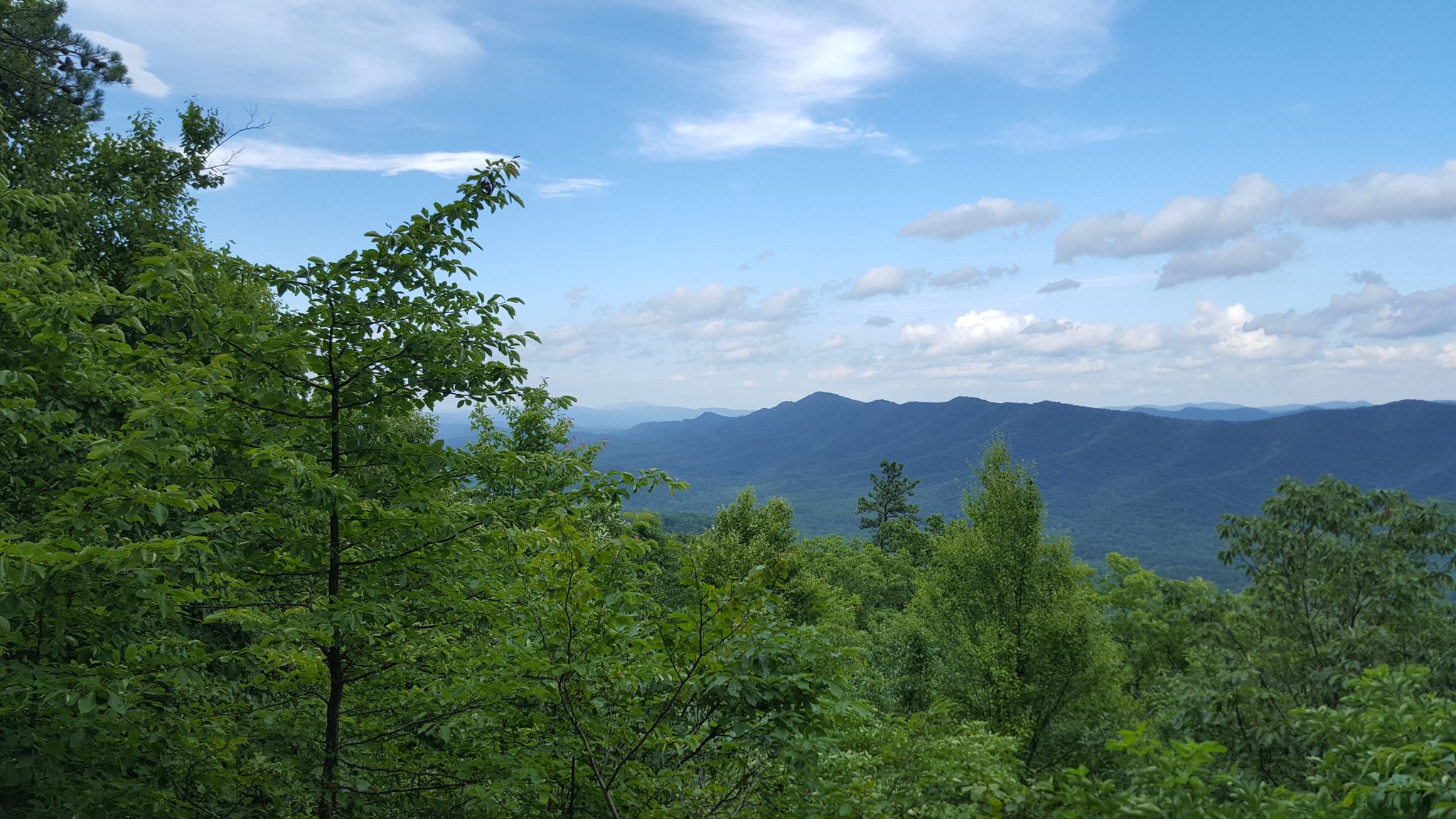
Tuscarora Trail — A remote trek across the backbone of Appalachia
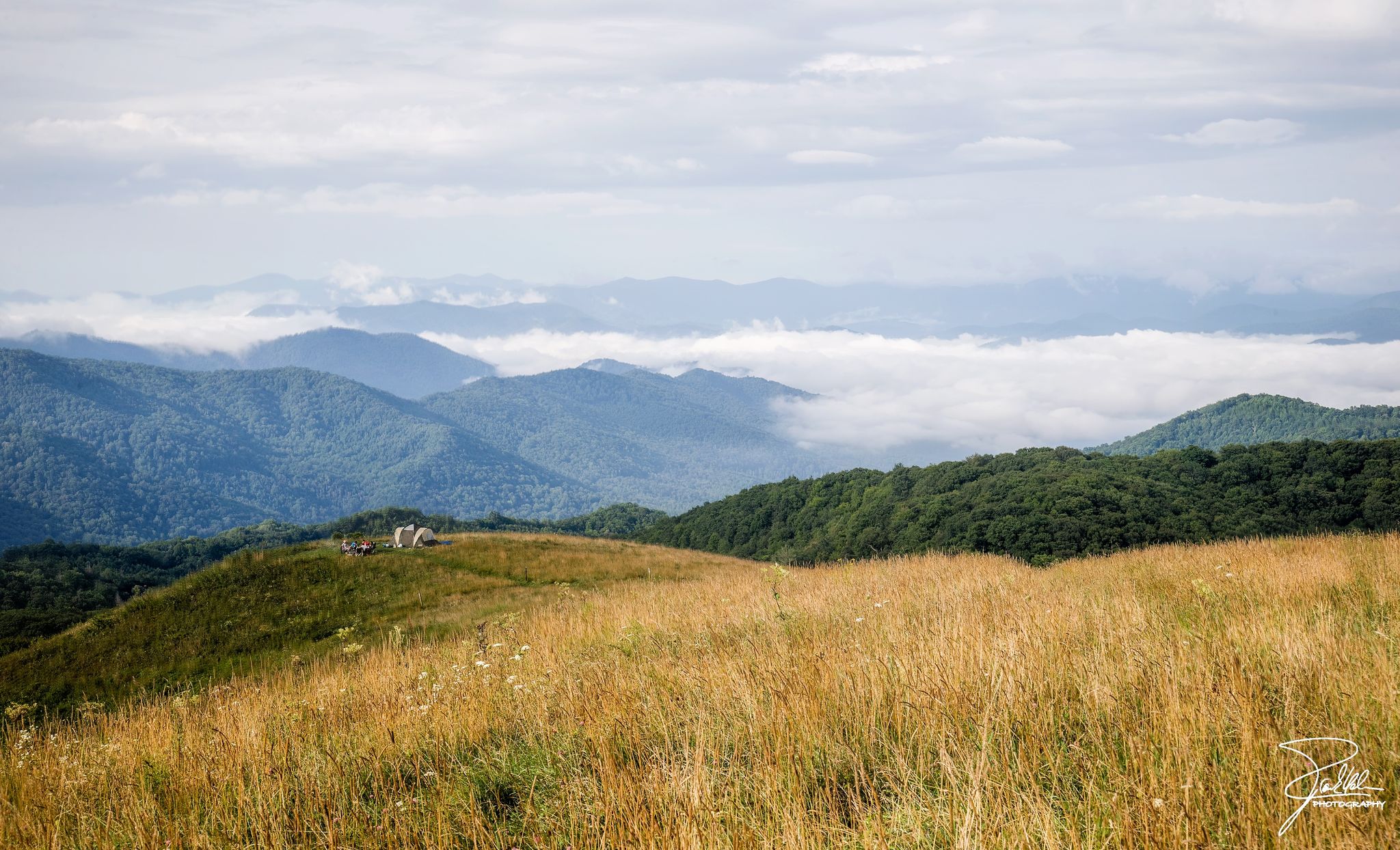
The Appalachian Trail — America's most iconic long-distance hike
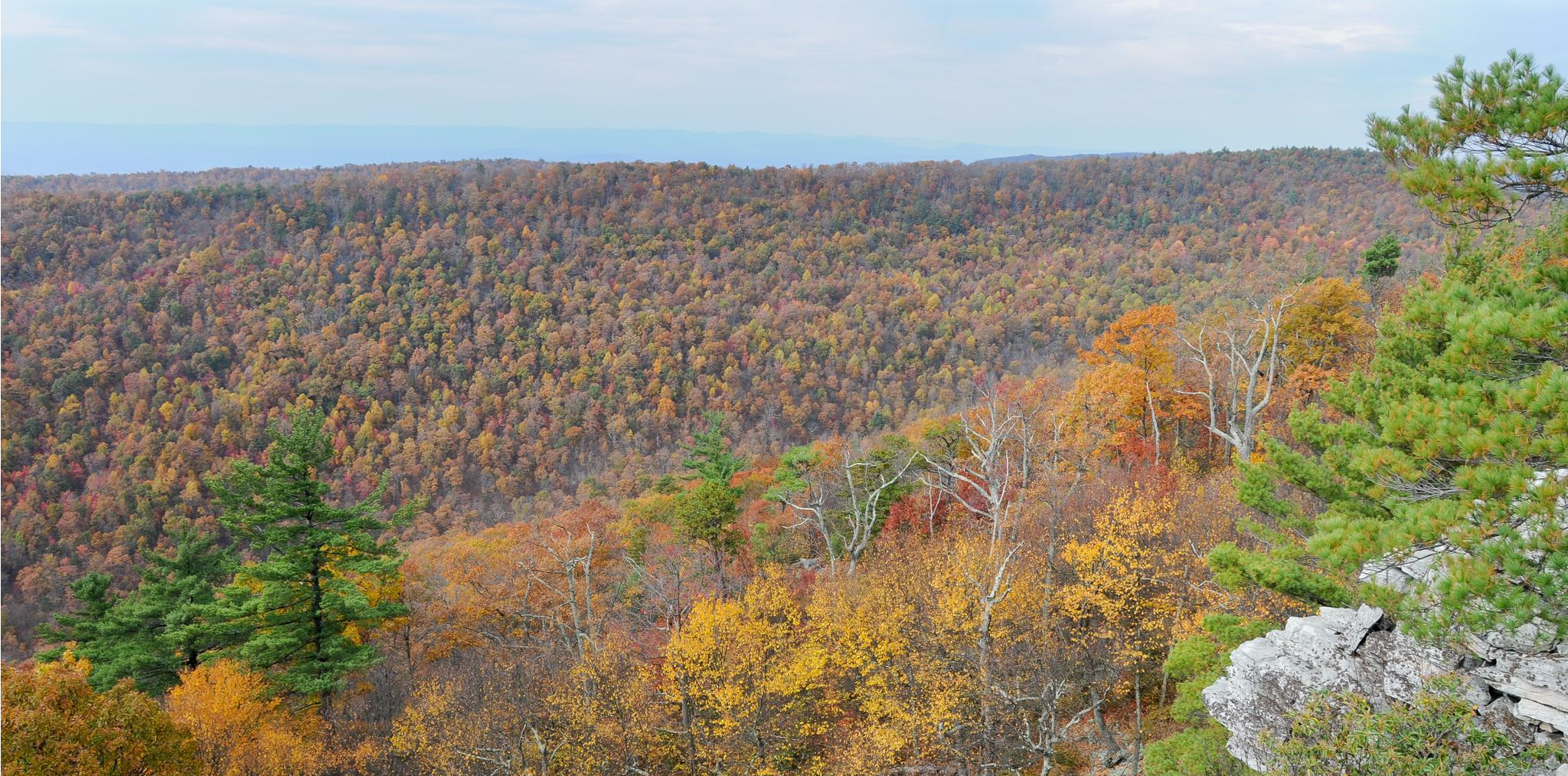
Massanutten Trail loop — Forested ridges & scenic valleys

Traffic-free bike rides in George Washington And Jefferson National Forest
Traffic-free bike rides in George Washington And Jefferson National Forest
Other adventures in George Washington And Jefferson National Forest


Tips from the Community

Nice and flat gravel road along the ridge with some great views
0
0
Steep climb over approx .5 mi on sometimes loose gravel. Incline >10%
0
0
Single trail along Lake Laura. Very technical to ride on gravel bike with tree roots and sharp rocks. MTB better suited.
2
0

Lake Laura invites you to enjoy serenity, with a grassy beach, swimming, boating, fishing, and a 3-mile hiking trail. The year-round nature trail, suitable for all ages, offers a delightful two-hour hike.
0
0
Frequently Asked Questions
What kind of terrain can I expect on the no-traffic gravel bike trails in George Washington And Jefferson National Forest?
The George Washington and Jefferson National Forest offers a diverse range of terrain for gravel biking. You'll encounter everything from well-maintained forest roads to more rugged, unpaved surfaces. The region is characterized by river valleys, mountain peaks, and significant elevation changes, ensuring a dynamic experience. Routes like the Grindstone Mountain – Briery Branch Reservoir loop feature mountainous landscapes, while others might traverse gentler, rolling hills.
Are there any easy no-traffic gravel bike trails suitable for beginners in the George Washington And Jefferson National Forest?
While many of the gravel routes in the George Washington and Jefferson National Forest are rated as difficult, there are options that cater to varying skill levels. The forest's extensive network of over 1,100 miles of trails accessible to bicycles, plus numerous open forest roads, means you can find less strenuous sections. Look for routes with lower elevation gains if you're just starting out, though specific 'easy' no-traffic gravel routes are less common in the more challenging parts of the forest.
What are some notable natural features or landmarks I can see along the gravel bike routes?
The George Washington and Jefferson National Forest is rich with natural beauty. You can explore majestic mountains and scenic overlooks, such as those found near Humpback Rocks Trail or Sharp Top Mountain. The forest also boasts numerous waterfalls and waterways, including Shamokin Falls and Cascade Falls. Many routes offer panoramic views, especially those climbing to higher elevations like the Briery Branch Reservoir – Stoney Ridge Overlook loop.
Can I bring my dog on the gravel bike trails in the George Washington And Jefferson National Forest?
Generally, dogs are welcome on trails within the George Washington and Jefferson National Forest, provided they are kept on a leash. It's always a good idea to check specific trail regulations before you go, as some wilderness areas or designated recreation sites might have different rules. Ensure your dog is comfortable with the distance and terrain, and always pack enough water for both of you.
What is the best time of year to go gravel biking in the George Washington And Jefferson National Forest?
The George Washington and Jefferson National Forest offers beautiful gravel biking experiences year-round, with each season presenting its unique charm. Spring brings vibrant wildflowers, while autumn is renowned for its fiery foliage, making these seasons particularly popular. Summer offers lush greenery, but can be hot and humid. Winter riding is possible, especially on lower elevation routes, but be prepared for colder temperatures and potential snow or ice, particularly at higher altitudes.
Are there any circular no-traffic gravel bike routes available?
Yes, many of the gravel bike routes in the George Washington and Jefferson National Forest are designed as loops, allowing for a continuous ride without retracing your steps. Examples include the challenging Grindstone Mountain – Briery Branch Reservoir loop and the Briery Branch Reservoir – Stoney Ridge Overlook loop. These circular routes are excellent for exploring different sections of the forest and returning to your starting point.
How long are the typical no-traffic gravel bike trails in this region?
The length of gravel bike trails in the George Washington and Jefferson National Forest varies significantly. You can find routes ranging from moderate excursions to epic journeys. For instance, the Lake Laura – Lake Laura loop is around 43 km, while the extensive Devils Hole Mountain – Adams Cave loop stretches over 131 km. The forest's vastness allows for rides of almost any desired duration.
Where can I find parking for the gravel bike trails?
The George Washington and Jefferson National Forest has numerous access points and recreation sites, many of which offer designated parking areas. Trailheads for popular routes often have parking lots. It's advisable to check the specific starting point of your chosen route on Komoot, as detailed parking information is usually provided there. Some areas might require a day-use fee or permit, so it's good to check in advance.
What is the overall difficulty level of gravel biking in the George Washington And Jefferson National Forest?
Gravel biking in the George Washington and Jefferson National Forest tends to lean towards the more challenging side. Out of the 28 routes listed, 23 are rated as difficult, with significant elevation gains. For example, the Long Mountain loop involves over 2000 meters of ascent. While there are moderate options, riders should generally be prepared for strenuous climbs and varied terrain.
Are there any amenities like cafes or accommodation near the gravel bike trails?
The George Washington and Jefferson National Forest is a vast, largely undeveloped area, so amenities like cafes and dedicated accommodations are not typically found directly on the trails. However, surrounding towns and communities offer various services. The forest itself has around 200 recreation sites, including campgrounds and picnic areas, which can facilitate multi-day adventures. For more extensive services, you'll need to venture into nearby towns.
What do other gravel bikers enjoy most about the George Washington And Jefferson National Forest?
The George Washington and Jefferson National Forest is highly rated by the Komoot community, with an average score of 4.2 stars. Reviewers often praise the expansive, traffic-free nature of the trails, the stunning natural beauty, and the challenging yet rewarding climbs that lead to panoramic mountain vistas. The sense of solitude and immersion in nature is a frequently highlighted aspect of the experience.
Is public transport an option to reach the gravel bike trailheads?
Due to the remote and expansive nature of the George Washington and Jefferson National Forest, public transport options to reach specific gravel bike trailheads are generally very limited or non-existent. Access is primarily by private vehicle. Planning your route with a car is usually the most practical way to get to the starting points of these no-traffic gravel trails.
Most popular routes in George Washington And Jefferson National Forest
Most popular attractions in George Washington And Jefferson National Forest

Get inspired with the komoot mobile app


Explore more
Browse the best Gravel rides in other regions.
