The best hikes from bus stations in Denali National Park
4.7
(228)
2,299
hikers
10
hikes
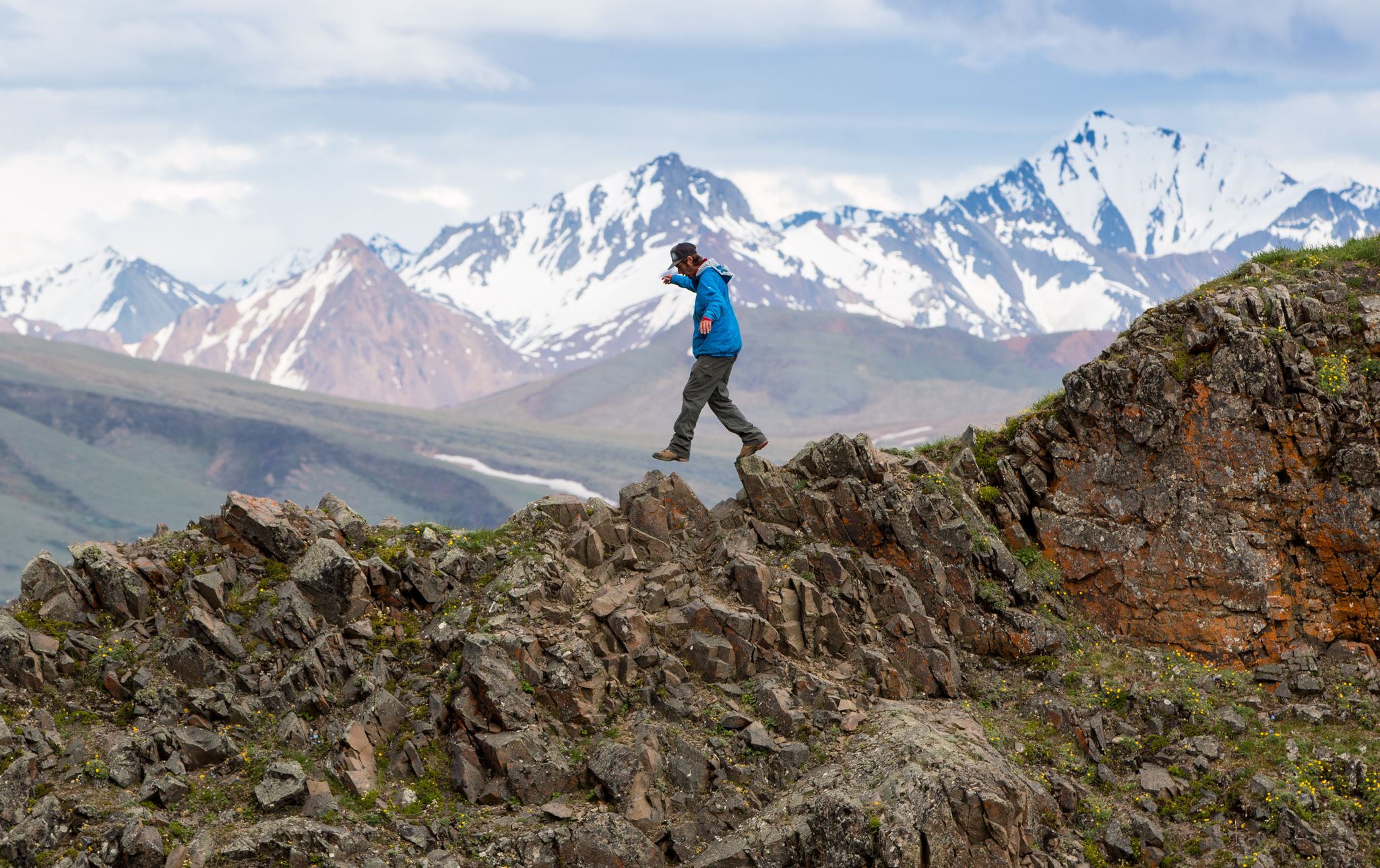
Hiking in Denali National Park offers access to a vast, untamed wilderness characterized by diverse ecosystems. The region features dense spruce and birch forests, expansive wildflower meadows, high tundra ridges, and glacier-carved valleys, all set against the backdrop of the Alaska Range. Significant elevation changes are common, transitioning from lower boreal forests to alpine tundra. This varied terrain provides a range of experiences for hikers exploring the park's bus station hiking trails.
Best bus station hiking trails in Denali National…
Last updated: May 11, 2026
4.9
(28)
287
hikers
7.29km
02:32
400m
460m
Moderate hike. Good fitness required. Easily-accessible paths. Suitable for all skill levels.
1
hikers
1.85km
00:31
30m
30m
Easy hike. Great for any fitness level. Easily-accessible paths. Suitable for all skill levels.

Sign up for free
1
hikers
3.21km
01:39
270m
280m
Moderate hike. Great for any fitness level. Mostly accessible paths. Sure-footedness required.
4
hikers
9.18km
02:23
60m
60m
Moderate hike. Good fitness required. Easily-accessible paths. Suitable for all skill levels.
1.22km
00:23
40m
50m
Easy hike. Great for any fitness level. Easily-accessible paths. Suitable for all skill levels.
Get access to more routes and recommendations from other explorers.
Sign up for free
Already have an account?
Our route recommendations are based on thousands of hikes, rides, and runs completed by other people on komoot.
Start today with a free account
Your next adventure awaits.
Login or Signup
Popular around Denali National Park
Other adventures in Denali National Park


Tips from the Community

You can snack on wild blueberries along the Savage Alpine Trail. You can also quickly collect a few in a small container for breakfast. ;) Simply delicious.
0
0

This day use area doubles as the trailhead for the Savage River and Savage Alpine trails. It's most easily reached via the free Savage River Shuttle, a bus that does continuous loops from the park entrance to here and can also pick you up if you choose to hike one-way on the Savage Alpine Trail. If you have your own vehicle you can drive to this trailhead, but the limited parking fills up fast.
1
0

The Eielson Visitor Center has been around since the 1930s and is open during the daytime most of the summer. The restrooms are accessible 24/7, and there are some hiking trails on the property (not open to bikes). This is an awesome spot along the park's road to stop and take in some of the views that you get being this high up in elevation.
1
0
Blueberry Hill Trail is a short ~mile long trail that offers a cool view of Wonder Lake. Mount Denali towers in the background on a clear day, too.
0
0
The McKinley Bar Trail stretches from the Wonder Lake Campground to an overlook of the McKinley River. The trail is well-kept, but it can become overgrown and flooded at times during the rainy season. There are some boardwalks in the areas more prone to puddles, and this can be a pretty sweet, secluded run in the later summer months.
0
0

Blueberry Hill Trailhead it located on the northern end of Wonder Lake. Blueberry Hill Trail is a short, relatively easy hike with phenomenal views of Denali and the Alaskan Range over the waters of Wonder Lake. In the summer it can be buggy, but you also are treated to a trail lined with blueberries! Snack on these wild berries as you hike, take in the views, and look for waterfowl along this lovely trail.
0
0
The views from the remote Wonder Lake are an iconic part of Denali National Park. From Wonder Lake you can see the expanse of the of the Alaska Range with exceptionally great views of Denali. On clear, calm days, the mountains are reflected on the large lake; this vista is the photographers dream! Although this area is much wetter than other parts of the park and can be buggy, it is still well worth the long bus ride there. You also have opportunities to see many animals including waterfowl at the lake. The Wonder Lake Campground is a popular and equally scenic place to stay not far from this overlook.
0
0
The McKinley River Bar Trail is in one of the furthest points in the park by the famous Wonder Lake. This flat out and back trail takes you through brushy wetlands, over wooden boardwalks, and to the rocky, open banks of the large, glacier-fed McKinley River. This hike can be very buggy due to the swampy terrain so, if possible, it is best to complete it in June or late August when the mosquitos are fewer. This is an amazing hike in a unique, remote part of the park.
0
0
Frequently Asked Questions
How many hiking trails are accessible directly from bus stations in Denali National Park?
There are 10 curated hiking routes in Denali National Park that are easily accessible from bus stations. These routes offer a range of experiences, from easy strolls to more challenging ascents, allowing you to explore the park's diverse landscapes.
What kind of terrain can I expect on bus station hikes in Denali National Park?
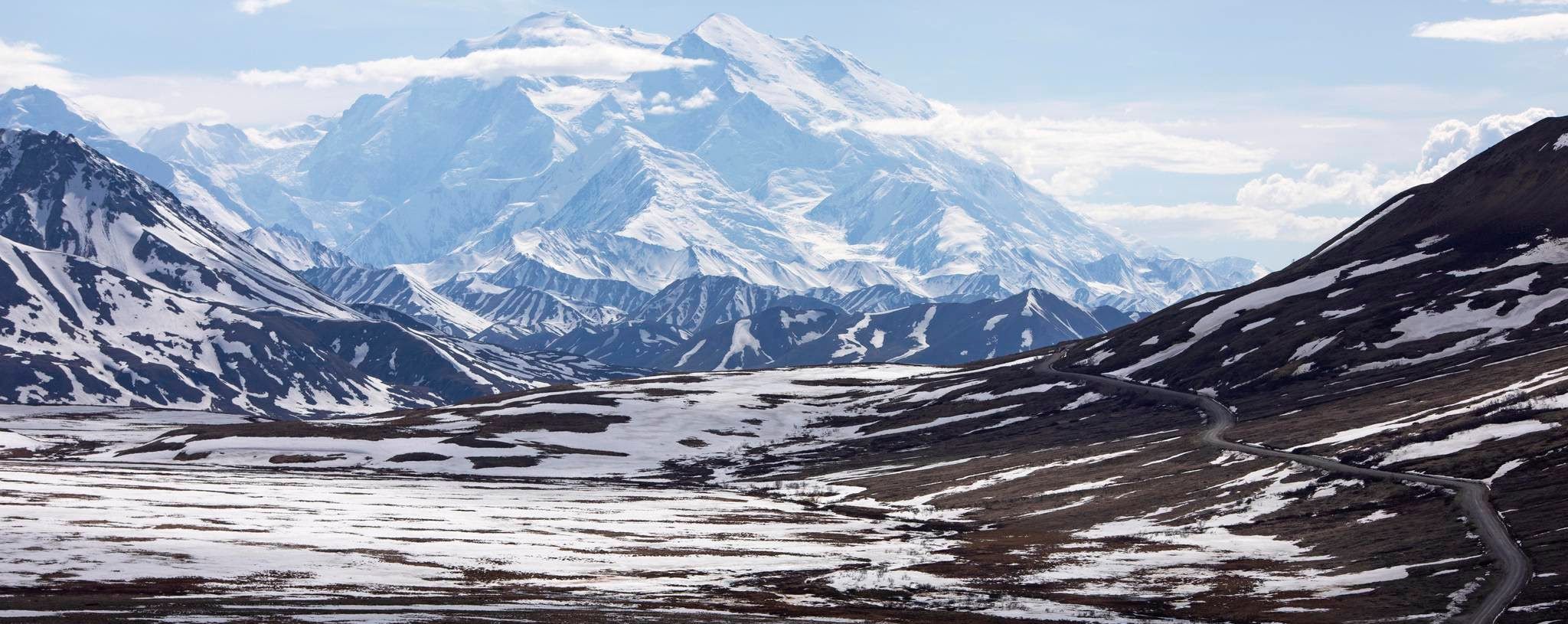
The trails accessible from bus stations in Denali National Park traverse a variety of landscapes. You can expect to hike through dense spruce and birch forests, across open wildflower meadows, and along high tundra ridges. Many routes also offer significant elevation changes, providing panoramic views of the Alaska Range and, on clear days, Mount Denali itself.
Are there any easy, family-friendly hikes from bus stops?
Yes, there are several easy options perfect for families. The Blueberry Hill Trail is a short, gentle loop, and the Tundra Loop Trail offers an accessible introduction to the park's unique tundra environment. These trails are generally less strenuous and provide opportunities for wildlife viewing in a relaxed setting.
What are some of the best viewpoints or natural features to see on these trails?
Many bus station trails lead to incredible viewpoints and natural features. The Savage Alpine Trail offers sweeping views, including the Rocky Ridge on Savage Alpine Trail. You might also encounter the stunning Polychrome Pass or enjoy views of The Triple Lakes on longer routes. Keep an eye out for wildlife near waterways like the Nenana River.
What do other hikers enjoy most about bus station trails in Denali National Park?
The bus station trails in Denali National Park are highly rated by the komoot community, with an average score of 4.75 stars from 228 reviews. Reviewers often praise the unparalleled wilderness experience, the chance to spot diverse wildlife, and the breathtaking panoramic views of Mount Denali and the Alaska Range that many of these trails offer.
Are there any longer, more challenging hikes accessible by bus?
For those seeking a more strenuous experience, the McKinley Bar Trail provides a longer adventure through varied landscapes. Another moderate option is the Eielson Alpine Trail, which offers significant elevation gain and rewarding vistas, including some of the best vantage points for Denali.
What is the best time of year to hike these trails?
The prime hiking season in Denali National Park typically runs from late May to early September. During this period, trails are generally clear of snow, wildflowers are in bloom, and wildlife is active. Clear days offer the best chances for views of Mount Denali. Always check current park conditions before heading out, as weather can change rapidly.
Do I need a permit to hike the bus station trails in Denali National Park?
While you don't typically need a specific hiking permit for day hikes on established trails in Denali National Park, you will need to adhere to park regulations. For detailed information on park entry, bus passes, and any specific area restrictions, it's always best to consult the official National Park Service website: nps.gov/dena/planyourvisit/dayhiking.htm.
What kind of wildlife can I expect to see on these hikes?
Denali National Park is renowned for its abundant wildlife. On bus station trails, hikers often have the chance to spot animals such as moose, caribou, Dall sheep, and various bird species. Bears are also present, so it's crucial to be bear-aware and carry bear spray. Keep a respectful distance and never feed wildlife.
Are there any loop trails accessible from bus stops?
Yes, several loop options are available. The Blueberry Hill Trail and the Tundra Loop Trail are excellent easy loop choices. For a more challenging loop with significant elevation, consider the Savage Alpine Trail, which offers a rewarding circular experience with stunning views.
Most popular attractions in Denali National Park

Get inspired with the komoot mobile app


Explore more
Browse the best Hikes in other regions.
