The best city hikes and walks around Norte O Antequera
4.3
(4253)
28,891
hikers
5
hikes
Urban hiking trails around Norte O Antequera traverse a landscape characterized by historical town centers, views of surrounding hills, and areas near significant natural features. The region offers a blend of urban exploration and accessible paths that connect towns with their immediate natural surroundings. These routes often feature historical architecture, local landmarks, and glimpses of the broader Andalusian countryside.
Best urban hiking trails around Norte O Antequera
- The most popular urban hiking route is Álora – Álora Town Hall loop…
Last updated: May 10, 2026
4.7
(3)
13
hikers
4.09km
01:10
90m
90m
Easy hike. Great for any fitness level. Easily-accessible paths. Suitable for all skill levels.
7
hikers
7.33km
01:56
60m
60m
Easy hike. Great for any fitness level. Easily-accessible paths. Suitable for all skill levels.

Sign up for free
1
hikers
2.76km
00:49
80m
80m
Easy hike. Great for any fitness level. Easily-accessible paths. Suitable for all skill levels.
5.0
(1)
18
hikers
3.55km
01:01
90m
90m
Easy hike. Great for any fitness level. Easily-accessible paths. Suitable for all skill levels.
Our route recommendations are based on thousands of hikes, rides, and runs completed by other people on komoot.
Start today with a free account
Your next adventure awaits.
Login or Signup
Popular around Norte O Antequera
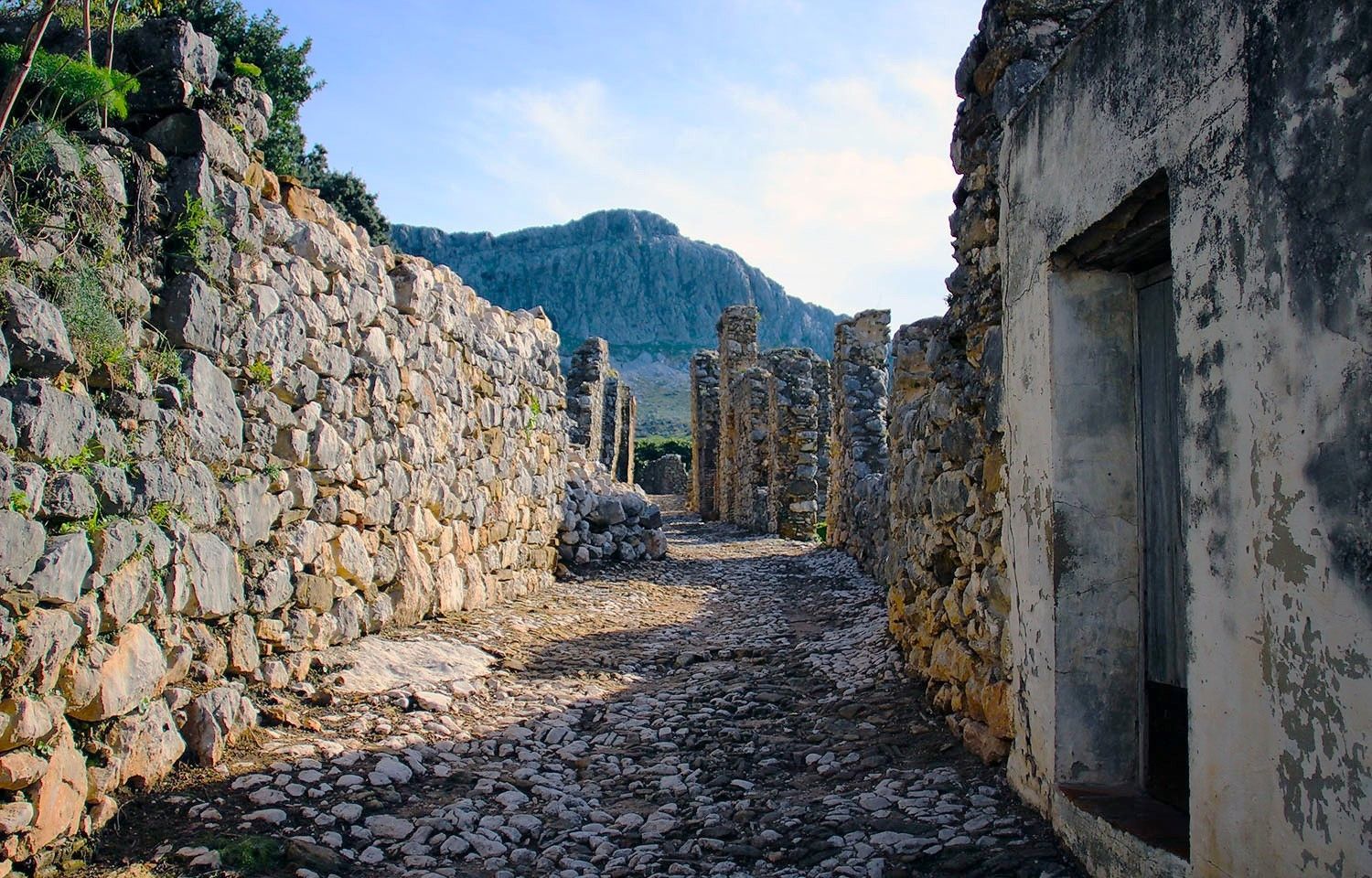
Andalusia without limits – Tarifa to La Puebla de Don Fabrique on the GR 7
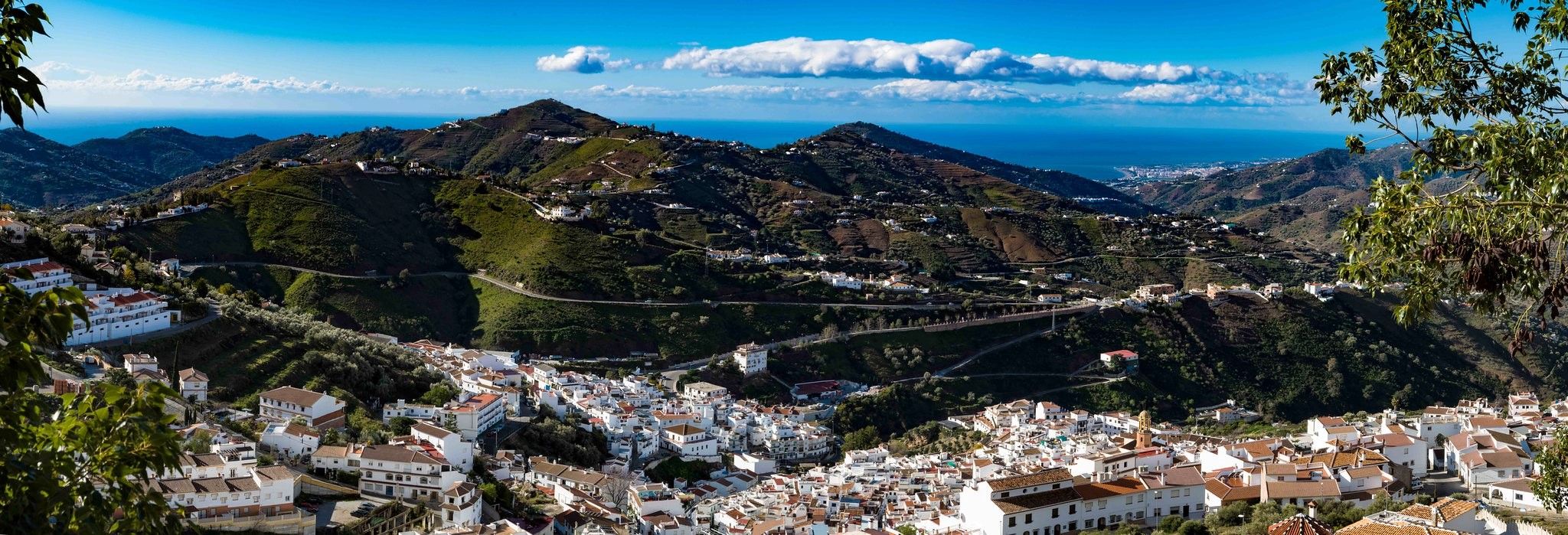
Hike between sea and mountains — Gran Senda de Málaga (GR 249)
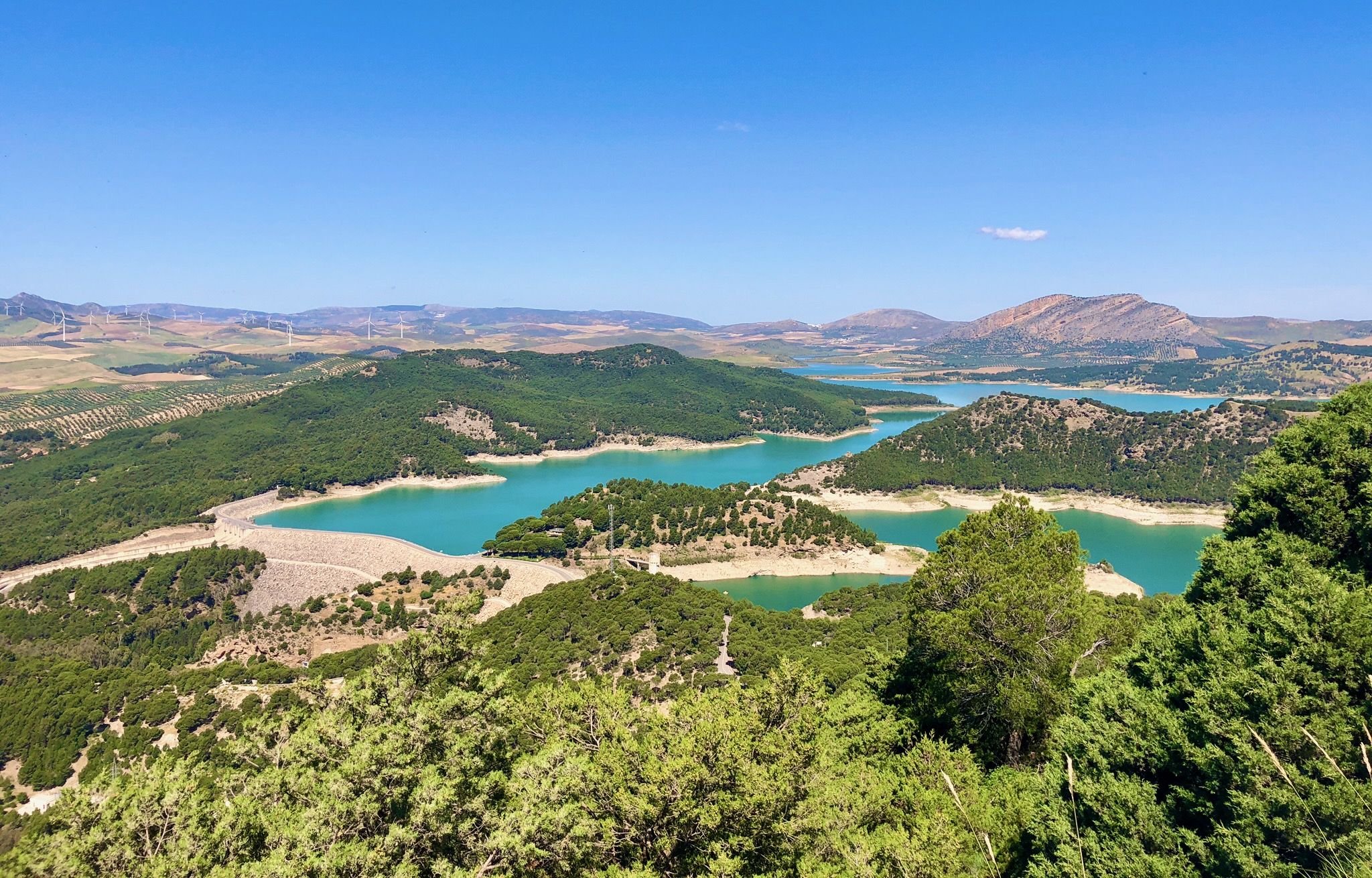
Seven days walking along the Gran Senda de Málaga (GR 249)
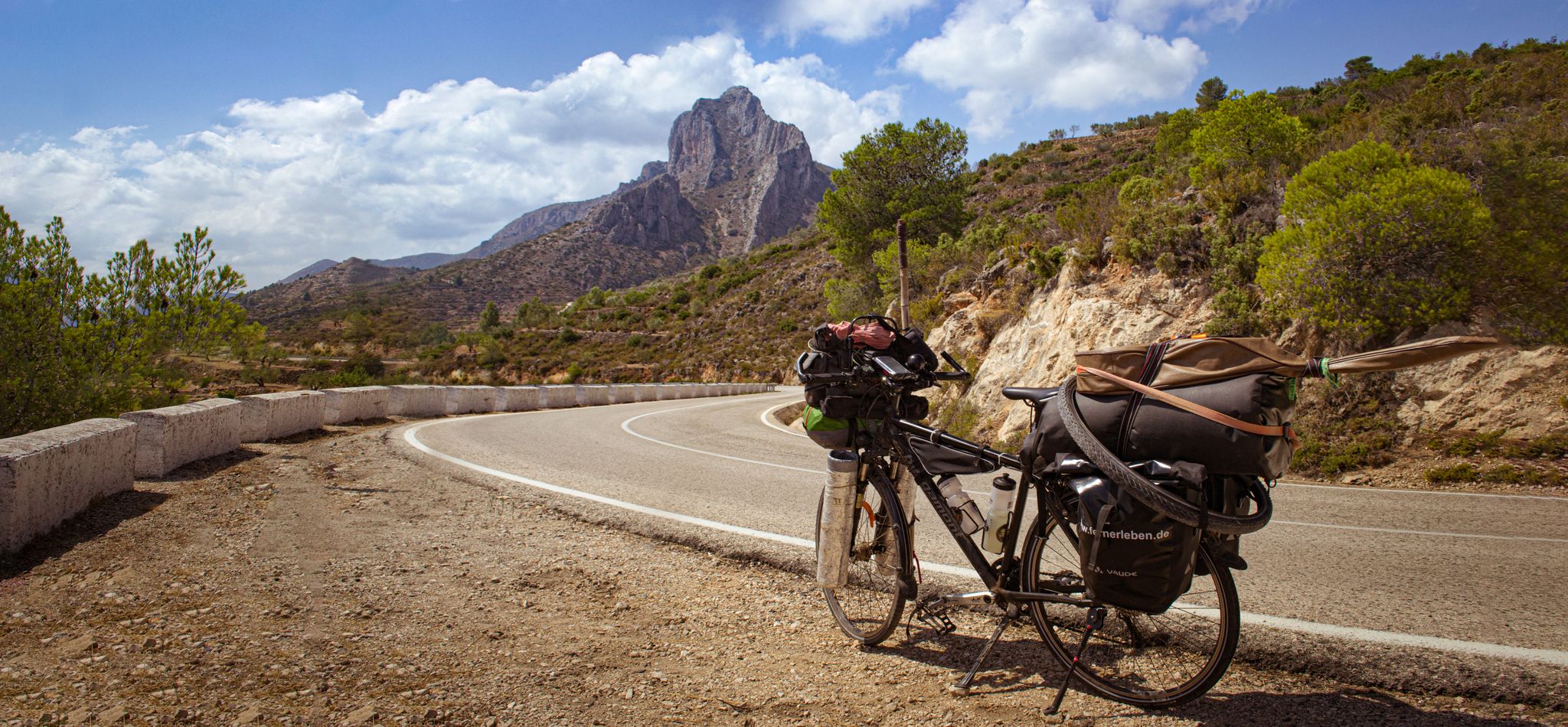
On the road to the sun — bikepacking to southeast Spain
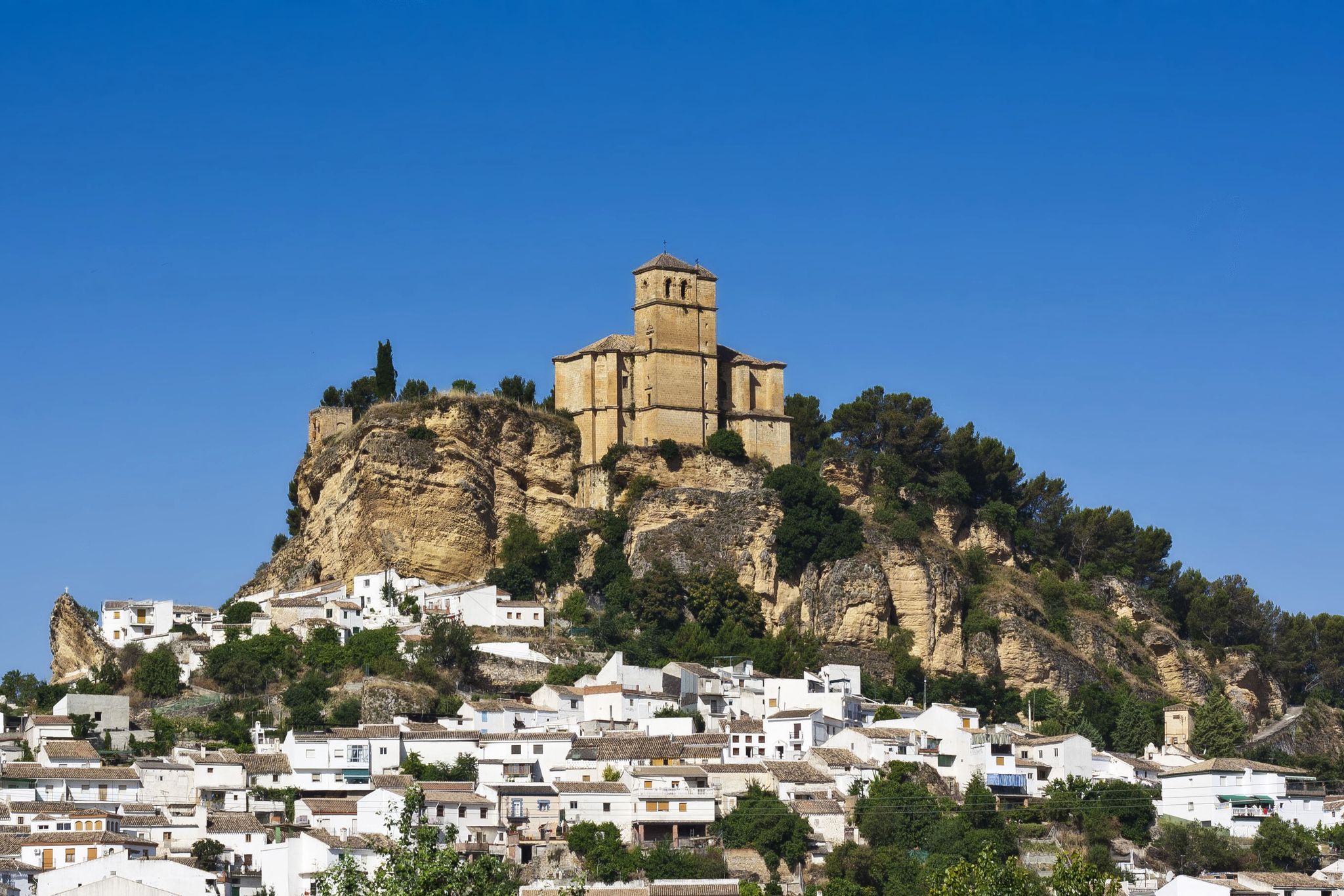
Washington Irving – cycle through the Arab vestiges of Andalusia
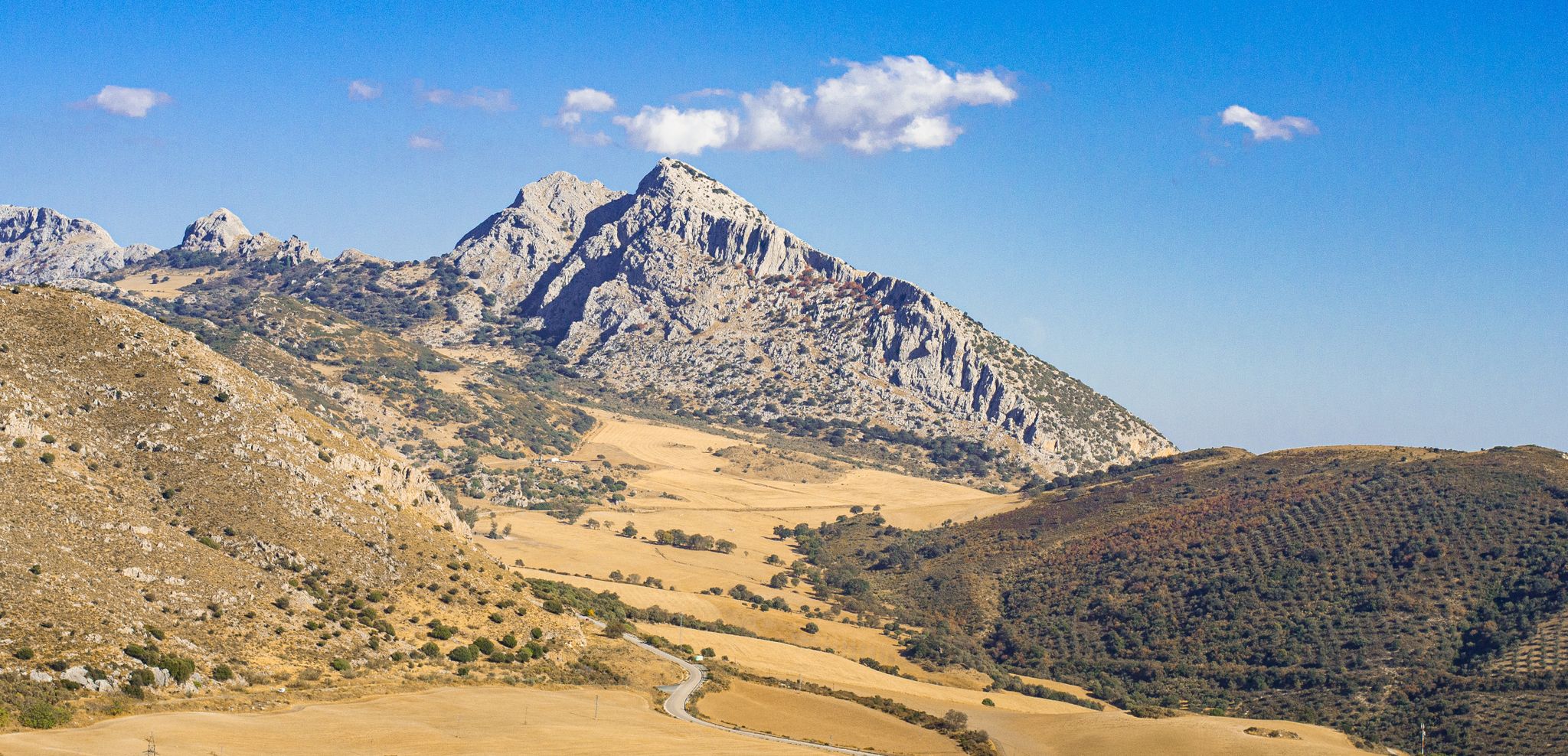
The beauty of the Andalusian mountains – Transandalus southern section
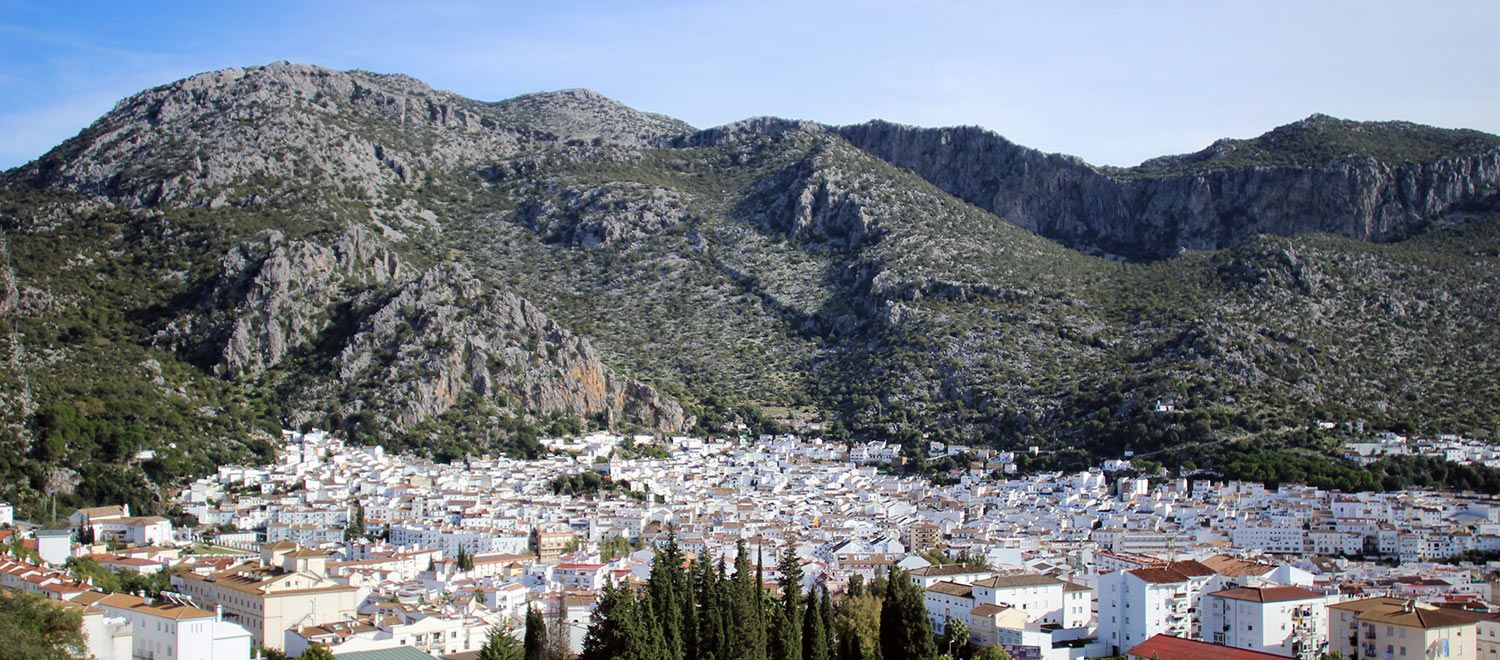
Explore the Betic Mountains on two wheels – Altravesur
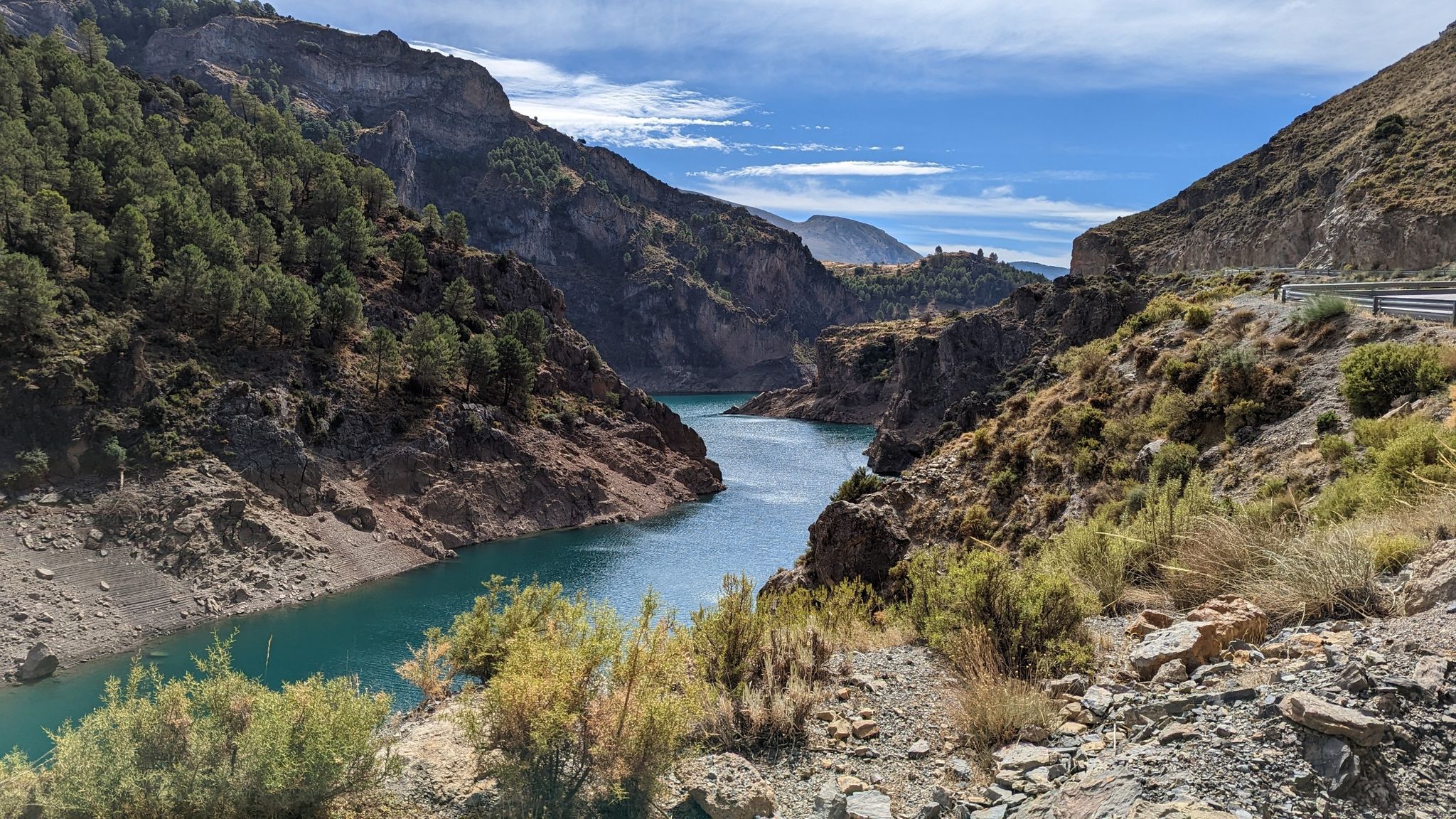
A journey through the Spanish hinterland – cycling across Andalusia
Other adventures around Norte O Antequera


Tips from the Community

Arguably the most important church in Álora, this monumental structure dominates the historic city center. Built in the 17th century, it is one of the largest churches in the Diocese of Málaga. The building has a rectangular floor plan with three naves, articulated by sturdy columns and round arches. The wooden roof structure lends the interior a warm atmosphere. Inside, one finds frescoes, sculptures, and religious artworks from the 17th and 18th centuries. While the exterior of the church appears rather simple, it is defined by its striking bell tower. As a religious and cultural center, it is closely intertwined with the history and social life of Álora.
1
0
Plaza Fuente Arriba is the heart of Álora's historic center. Its name literally means "Upper Spring Square"—hence the lower Plaza Baja. Since the beginning of the 20th century, the plaza has been an important meeting place for locals and visitors alike. A small Franciscan convent from the 17th century once stood here, but it was sadly destroyed during the Spanish Civil War. Afterwards, the square was redesigned to be the open space we see today. Plaza Fuente Arriba is now a vibrant place, with several charming cafés, small bars, and restaurants where you can enjoy a drink or a meal.
0
0
The Álora Town Hall (Casa Consistorial) is the seat of the city's municipal administration. The current building dates from the late 19th century, after the municipality acquired the land in 1898 to establish a permanent administrative center. Architecturally, the Town Hall is simple and functional, typical of smaller Andalusian towns of that era. It is not intended as a monumental structure, but rather as a practical administrative building that blends harmoniously into the historic town center.
1
0
The Mirador de Cervantes is a small, officially designated viewpoint in the historic center of Álora. From here, one can enjoy a beautiful view of the town, the Arroyo Hondo gorge, and the Guadalhorce Valley. The location offers a peaceful moment to admire the town's historic layout and the surrounding landscape. The viewpoint is dedicated to the writer Miguel de Cervantes, who lived in the region for a time. A ceramic mural depicting Don Quixote and Sancho Panza commemorates his literary legacy and subtly connects the viewpoint to the cultural and literary history of Spain.
1
0
The Arab castle of Álora, also known as Castillo de Álora, sits atop Cerro de las Torres overlooking the town and is one of the most important historical structures in the region. The fortress, in its present form, dates back to the Moorish rule of the Middle Ages, although the site had been used and fortified in earlier periods. Due to its strategic location, the castle controlled the Guadalhorce Valley and served both military and administrative purposes. It was captured by Christian troops in 1484 during the Reconquista. Remaining are sections of the imposing curtain walls, square towers, and a horseshoe-arched gate, typical of Islamic military architecture. Within the complex are also remnants of later Christian buildings, including a chapel built over a former mosque. The castle has been a listed building (Bien de Interés Cultural) since 1931 and offers a wide view over Álora and the Guadalhorce valley from its elevated position.
1
0
The “La Faenera” monument in the center of Álora is dedicated to the women who once worked in agriculture, particularly in the harvesting and processing of citrus fruits in the Guadalhorce Valley. The bronze sculpture, created in 1974 by sculptor Marino Amaya, depicts a young woman in traditional dress carrying a basket full of fruit. It symbolizes the arduous yet essential work of the so-called faeneras and honors their contribution to rural life and the economic development of the region. Located at a prominent intersection in the town center, the monument is considered one of Álora's most emblematic landmarks. It not only commemorates the historical role of women in agriculture but also reflects the cultural identity and traditions of the community.
3
0

The Castillo de Álora, also known as the Castle of Álora, stands on a hill above the town and forms an impressive landmark. The castle's origins date back to Roman times, but the current structure dates largely from the Moorish period (Al-Andalus), particularly from the 9th and 10th centuries. The Moors used the fortress's strategic location to monitor the Guadalhorce Valley and protect themselves from Christian attacks. The horseshoe portal, a typical element of Islamic architecture, is particularly noteworthy. Sections of the castle walls, a Moorish tower, and a small Christian chapel added after the Reconquista still remain. From the castle grounds, you can enjoy magnificent panoramic views over the valley, the village of Álora, and the surrounding Sierra de Huma mountains. Today, the castle is a cultural landmark and a popular viewpoint. It tells the eventful history of the region – from Romans to Moors to the Christian reconquest.
0
0
Álora is a small town in the province of Málaga in Andalusia, about 40 kilometers northwest of Málaga city. It is located in the Valle del Guadalhorce, an agricultural region, and has a population of around 13,000. The town is known for its typical Andalusian architecture with white houses and narrow streets. Álora has a long history dating back to Roman times. Later, under Moorish rule, it was of strategic importance, as can still be seen today in the Castillo de Álora – a castle located on a hill above the town. Today, Álora is primarily a starting point for visitors to the Caminito del Rey, a well-known hiking route through the Desfiladero de los Gaitanes gorge. Despite its growing tourist importance, the town remains relatively quiet and has retained its traditional character. There are a few bars, small shops and a few sights such as churches and museums, but overall, Álora is a rather tranquil place.
0
0
Frequently Asked Questions
How many urban hiking trails are available in Norte O Antequera?
There are 5 urban hiking trails available in Norte O Antequera, all rated as easy, making them accessible for most hikers.
What makes urban hiking in Norte O Antequera unique?
Urban hiking in Norte O Antequera offers a unique blend of historical cityscapes and stunning natural backdrops. While the trails themselves are within or very close to urban areas, the region is renowned for its dramatic karstic landscapes, such as those found in El Torcal Natural Park, and historical sites like the Antequera Dolmens Site. You'll experience routes that weave through charming towns like Álora, often with views of the surrounding mountains and valleys.
Are there any family-friendly urban hiking routes in Norte O Antequera?
Yes, all the urban hiking routes in Norte O Antequera are rated as easy, making them suitable for families. For example, the Álora Town Hall – Álora Castle loop from Álora is a shorter, pleasant walk that explores the town and its historic castle.
Are the urban hiking trails in Norte O Antequera circular?
Yes, many of the urban hiking trails in Norte O Antequera are designed as circular routes, allowing you to start and end at the same point. Examples include the Mirador Puerta de Granada loop from Antequera Dolmens Site and the various loops around Álora.
What can I see along the urban hiking trails in Norte O Antequera?
Along the urban hiking trails, you can explore the charming streets of towns like Álora and Antequera. Some routes offer views of significant natural monuments and attractions in the wider region, such as the distant karstic formations of The Torcal of Antequera or the dramatic gorge of Caminito del Rey. You might also encounter historical landmarks and local architecture.
What is the best time of year for urban hiking in Norte O Antequera?
The best time for urban hiking in Norte O Antequera is typically during the spring (March to May) and autumn (September to November) months. During these seasons, the weather is milder and more pleasant for walking. Summers can be very hot, while winters are generally mild but can have occasional rain.
Are there any viewpoints along the urban hiking trails?
Yes, some urban trails offer excellent viewpoints. For instance, the Mirador Puerta de Granada loop from Antequera Dolmens Site provides scenic vistas. Many routes through towns like Álora also lead to elevated points, offering panoramic views of the town and the surrounding landscape.
What do other hikers enjoy most about urban hiking in Norte O Antequera?
The komoot community highly rates the hiking experience in Norte O Antequera, with an average score of 4.2 stars. Reviewers often praise the accessibility of the easy trails, the blend of urban exploration with natural beauty, and the opportunity to discover historical towns like Álora and Antequera.
Are there any longer urban routes for a more extended walk?
For a longer urban walk, consider the Mirador Puerta de Granada loop from Antequera Dolmens Site, which covers over 7 kilometers. This route allows for a more extended exploration while remaining within an easy difficulty level.
Can I find urban trails that connect to historical sites?
Yes, several urban trails are situated near or offer views of historical sites. The Mirador Puerta de Granada loop from Antequera Dolmens Site starts near the renowned Antequera Dolmens Site, a UNESCO World Heritage site. The Álora Town Hall – Álora Castle loop from Álora also takes you past the historic Álora Castle.
Is public transport available to access urban hiking trailheads in Norte O Antequera?
Public transport options vary by specific trailhead. Larger towns like Antequera and Álora are generally well-connected by regional buses or trains. For trails starting directly within these towns, you can often reach the trailhead by local public transport or on foot from the town center. It's advisable to check local transport schedules for specific routes.
Most popular routes around Norte O Antequera
Most popular attractions around Norte O Antequera

Get inspired with the komoot mobile app


Explore more
Browse the best Hikes in other regions.
