The best hikes from bus stations around Sierra de Huelva
4.5
(1017)
4,499
hikers
19
hikes
Bus station hiking trails around Sierra de Huelva traverse a landscape characterized by extensive Mediterranean forests, including cork oaks, holm oaks, and chestnut trees, alongside the distinctive dehesa, an open woodland crucial for local wildlife. The region features gently sloping mountain ranges with peaks generally under 1000 meters, and a dense network of rivers and streams. This area offers varied terrain for hiking, from ancient rural roads to paths through traditional villages.
Best bus station hiking trails around Sierra de…
Last updated: October 7, 2026
5.0
(2)
7
hikers
6.27km
02:08
310m
310m
Hike the Alajar, La Peña and its Villages Trail, a moderate 3.9-mile route with 1027 feet of gain through scenic Spanish countryside.
1.0
(1)
8
hikers
14.5km
04:04
290m
290m
Hike the moderate 9.0-mile Peña del Hierro and Río Tinto Source Trail, exploring a Mars-like landscape with red waters and ancient mines.

2
hikers
7.94km
02:10
120m
120m
Hike a moderate 4.9-mile (7.9 km) circular trail through forests and past the unique reddish Río Tinto near Zalamea la Real.
21.5km
06:21
570m
570m
Hard hike. Very good fitness required. Easily-accessible paths. Suitable for all skill levels.
5.0
(1)
8
hikers
Moderate hike. Good fitness required. Easily-accessible paths. Suitable for all skill levels.
Get access to more routes and recommendations from other explorers.
Already have an account?
Our route recommendations are based on thousands of hikes, rides, and runs completed by other people on komoot.
Start today with a free account
Your next adventure awaits.
Popular around Sierra de Huelva

Hikes from bus stations in Sierra De Aracena Y Picos De Aroche

Hikes from bus stations around National Park Sierra de Aracena y Picos de Aroche

Hikes from bus stations in Sierra De Aracena Y Picos Dearoche
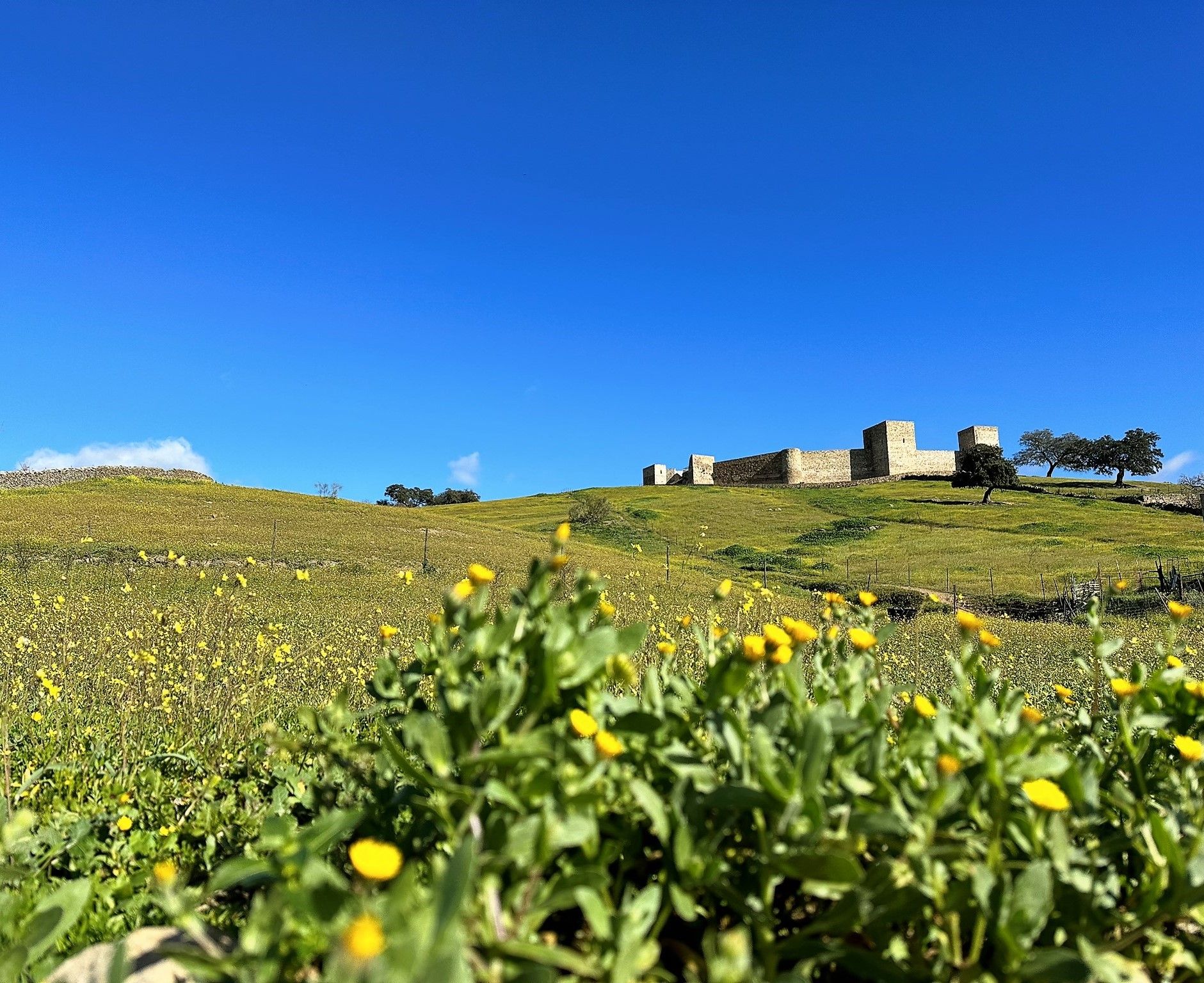
Dehesas and castles of Sierra Morena – Huelva and Seville on foot (GR 48)
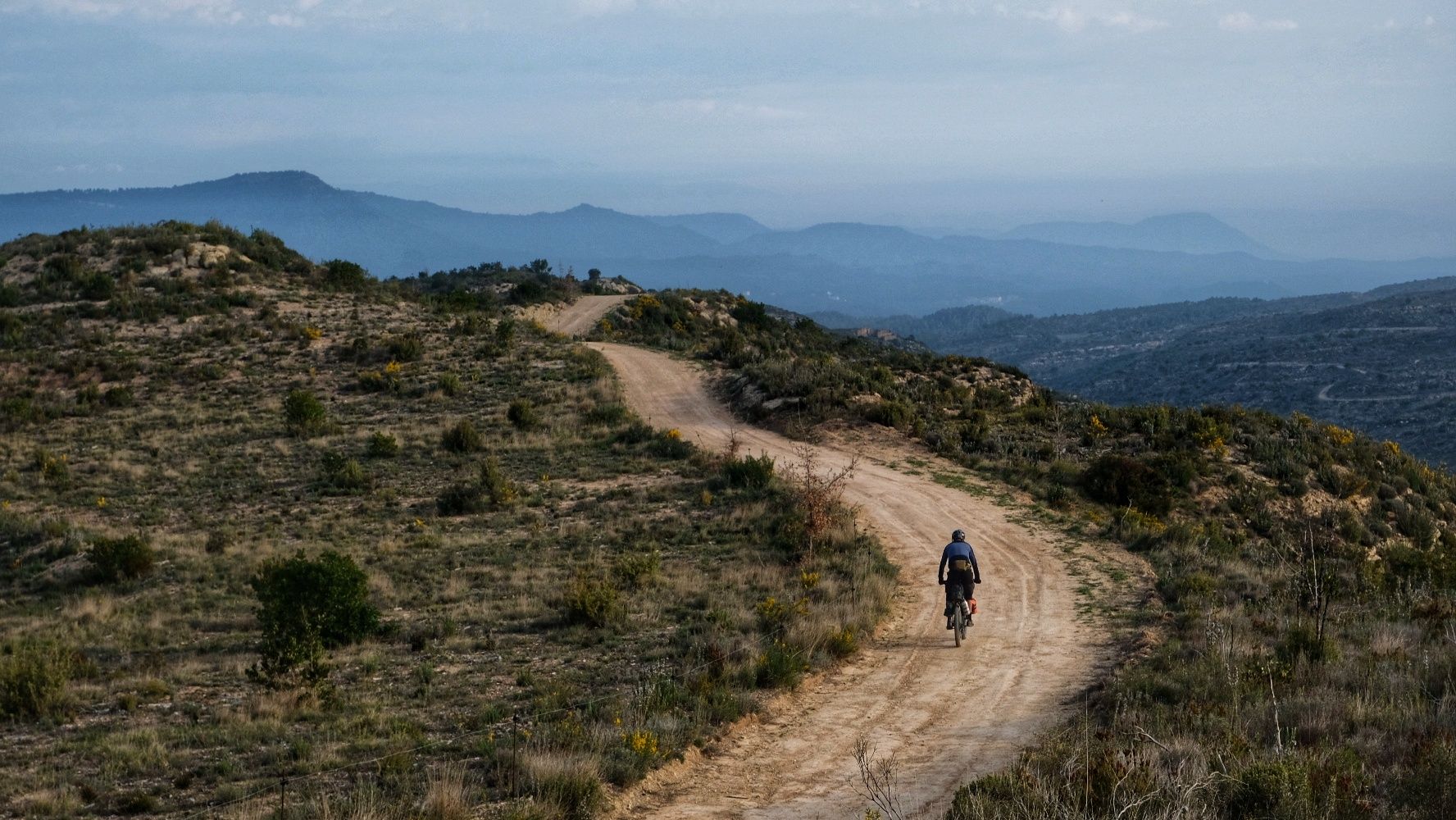
European Divide Trail — 7,600 km across the continent
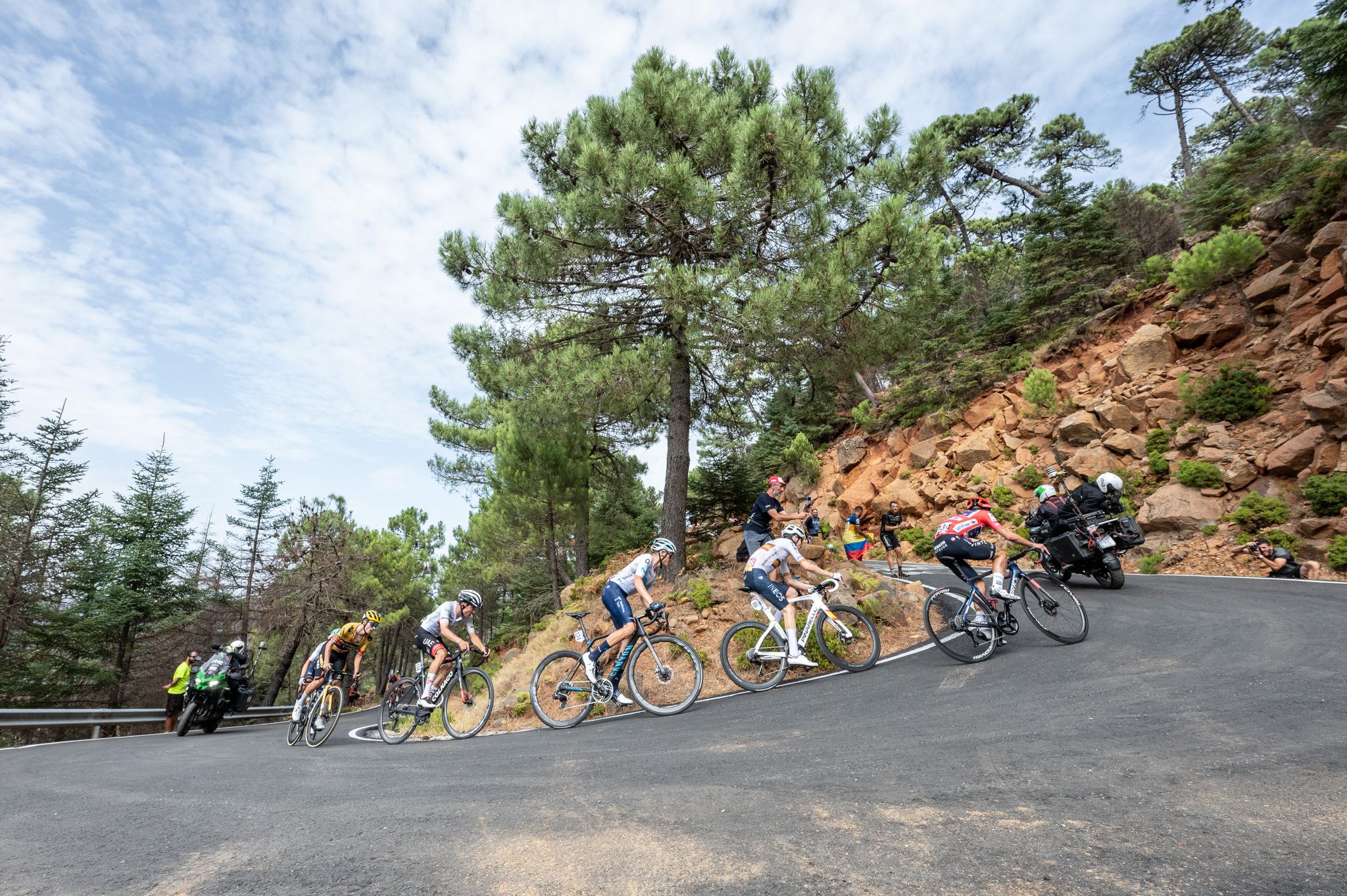
La Vuelta 26 — All Official Stages
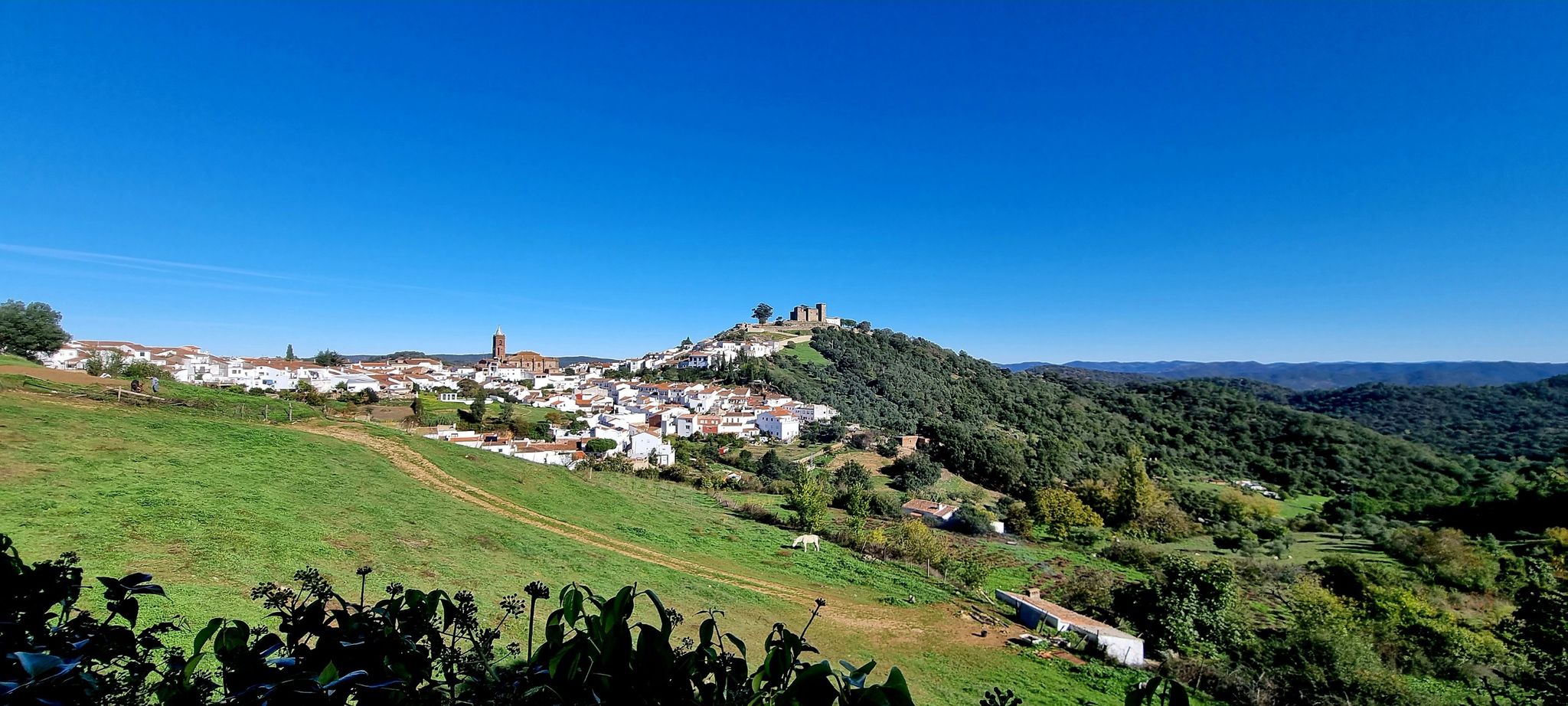
European Divide Trail across the Iberian Peninsula – south
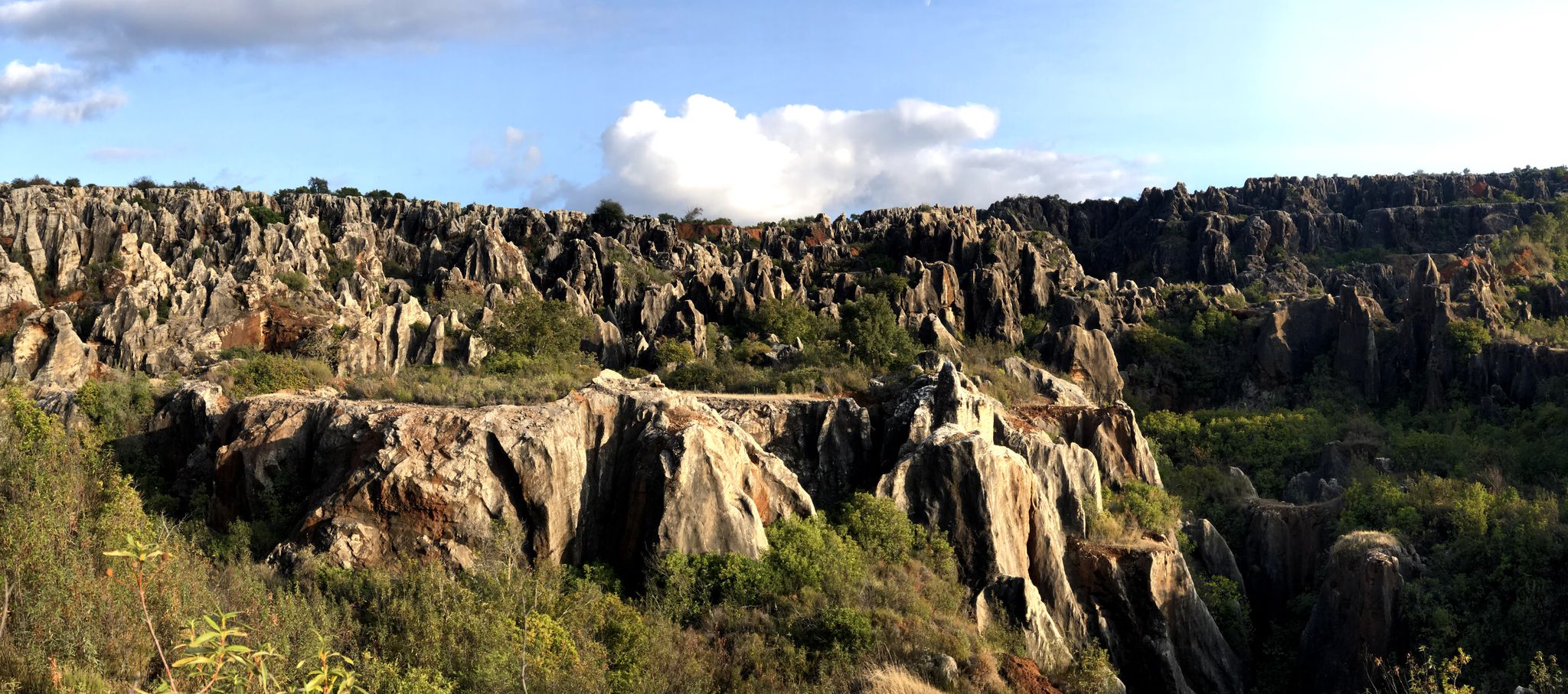
Cycling among the mysterious faults – Sierra Morena (GR 48)
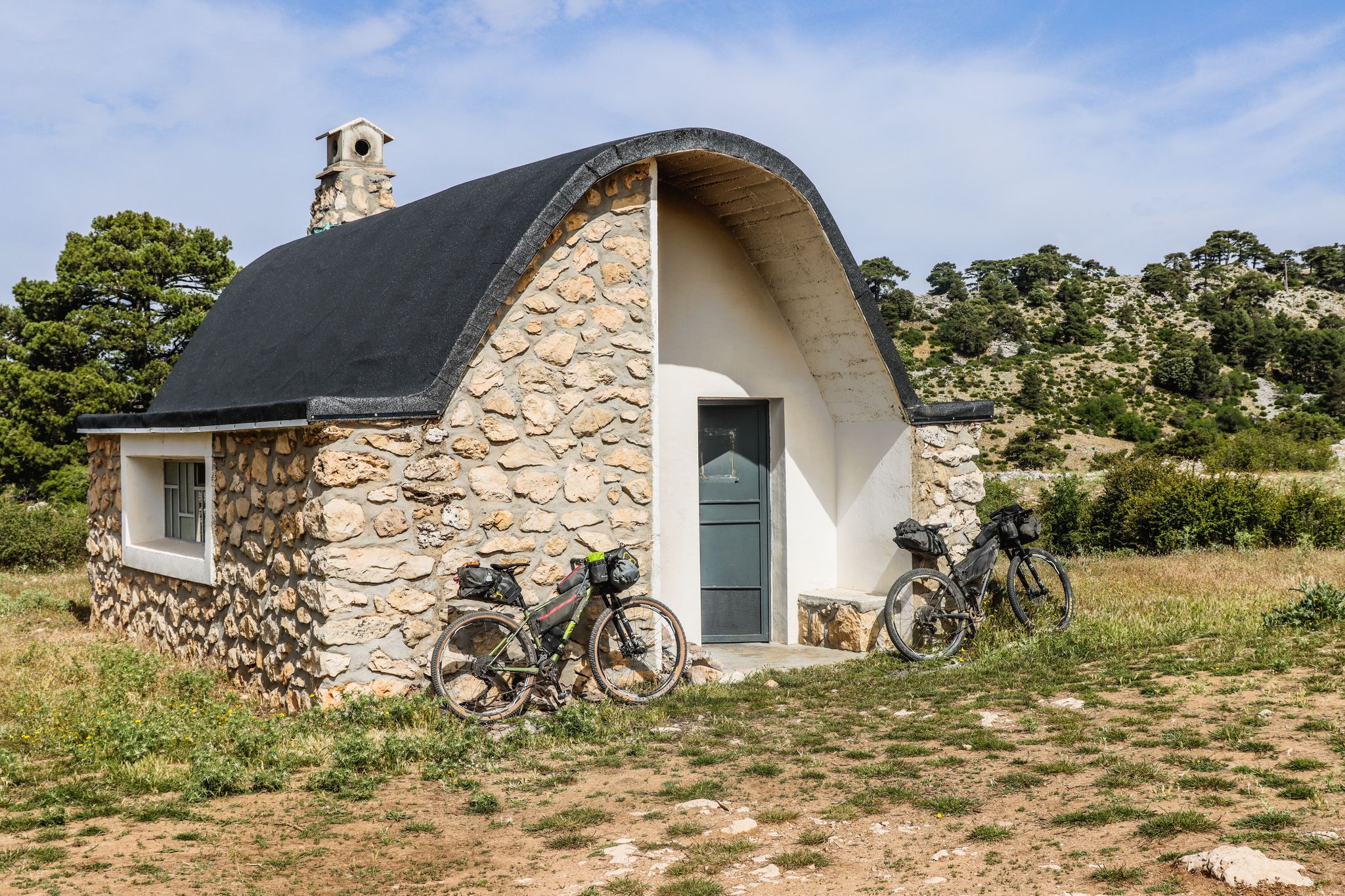
Wild and free Andalusia – Transandalus through the interior
Other adventures around Sierra de Huelva


Tips from the Community

Pretty town near the Portugal-Spain border at the foot of the Ficalho hill that gives the town its name. It can be reached from Rosal de al Frontera (SP) by a picturesque road through the hill that crosses the border.
0
0

The Peña del Hierro Viewpoint, located in Nerva (Huelva), is part of the Riotinto Mining Park and offers one of the most impressive views of the source of the Tinto River, as well as the mining crater of the old pyrite mine.
1
0
The source of the Tinto River is located in the municipality of Nerva, in the province of Huelva, Andalusia, and is one of the most unique landscapes in Europe due to its reddish color and its scientific and geological value.
1
0
This church, built in the 18th century, stands out for its Baroque architecture and impressive bell tower. Inside, you'll find carved wooden altarpieces and frescoes that create an atmosphere of peace and contemplation. In addition to its religious significance, the church is also a center for community and cultural activities. Various religious events and festivals are held here, such as processions and solemn masses in honor of San Isidro Labrador.
2
0
One of the most recommended routes is the circular route from Oliva de la Frontera, which is approximately 7.32 km long and suitable for all fitness levels. Another option is the route from Zahinos to the reservoir, which is a little longer at 14.5 km and requires a good level of fitness.
5
0

Vila Verde Ficalho has history. It is a village located in the easternmost part of the municipality of Serpa, bordering the Spanish town of Rosal de la Frontera and belonging to the territory known as the Left Bank of the Guadiana. Our people have ancient traditions and historical records that extol them. All the landscape, historical and cultural settings make this border village very special, both for its inhabitants and visitors. Its area measures approximately 10,402,3909 hectares, and the town is flanked by the Ficalho mountain range, which is approximately 518 metres high. Throughout our region, you can see mountains, valleys, hills, dotted with trees, wells and springs. All the archaeological heritage found here reveals bits and pieces of the passage of various peoples through our land, from the Paleolithic era, when man was still a gatherer, to the Neolithic era (3500 BC), to the Visigoths, the Romans (where the city of Finis possibly existed), and the Arab people who left us several customs. The exact date of the founding of our town as a historical place is unknown; hypothetically, it was in the 1940s, in the 13th century, at the end of the reign of D. Sancho II and the beginning of the reign of D. Afonso III. Our people are mainly dedicated to agriculture, although artisanal agriculture is still being seen, new technologies are beginning to be used. There has been a significant decrease in commercial activity, many establishments have been closing and we no longer see, as we once did, clusters of Spanish people. It is worth noting that tourism is likely to increase in this area; in recent months, some have appeared in our town. tourists who have shown a fondness for this small village with an aging population.
2
0
The Zaos Reservoir is located in Oliva de la Frontera, in the province of Badajoz, Extremadura. This reservoir is a popular spot for outdoor activities such as hiking and cycling. Several trails surround the reservoir, offering picturesque views and the opportunity to enjoy nature.
7
0

Today's town was created in 1232 as part of the new settlements after the Reconquista under King D. Sancho II. The community is characterized by agriculture, particularly by the striking olive groves. It has always been known for its olive oil, wine and honey. Ficalho's coat of arms shows a honey bee and olive tree branches.
3
1
Frequently Asked Questions
How many bus station accessible hiking trails are available in Sierra de Huelva?
There are 17 hiking routes in Sierra de Huelva that are accessible from bus stations. These include 2 easy, 14 moderate, and 1 difficult trail, offering options for various fitness levels.
What is the best time of year to go hiking from bus stations in Sierra de Huelva?
The best time for hiking in Sierra de Huelva is from spring to fall, generally avoiding the intense heat of July and August. Spring and autumn offer pleasant temperatures and lush landscapes, while winter can also be suitable with cooler weather.
Are there any easy, family-friendly routes accessible by bus in Sierra de Huelva?
Yes, there are easy routes suitable for families. While specific family-friendly features like playgrounds aren't always highlighted, the region's gently sloping terrain and charming villages make many shorter, easy trails enjoyable. Look for routes with lower elevation gain and shorter distances for a comfortable family outing.
Can I find circular hiking routes that start and end at a bus station?
Yes, many routes in Sierra de Huelva are designed as circular trails, allowing you to start and finish at the same point, which is ideal when relying on public transport. An example is the Zalamea la Real and its hills - circular route, offering a moderate 7.9 km loop.
What kind of natural attractions can I expect to see on these bus-accessible trails?
The Sierra de Huelva boasts diverse natural beauty. You can expect lush Mediterranean forests of cork and holm oaks, picturesque streams, and the unique 'dehesa' landscape. A must-see natural wonder is the Grotto of the Marvels in Aracena, an impressive underground cave system. The region also features the 'El Chorro' waterfall in Santa Ana la Real and the scenic Embalse de Aracena reservoir.
Are there any historical landmarks or cultural sites along the bus station hiking trails?
Absolutely. The region is rich in history. You can explore ancient castles like Aracena Castle or Cortegana Castle. The unique 9th-century Mosque of Almonaster la Real is another significant historical site. Many trails also pass through charming white villages, offering a glimpse into traditional Andalusian life.
What do other hikers enjoy most about hiking in Sierra de Huelva?
The komoot community highly rates hiking in Sierra de Huelva, with an average score of 4.5 stars from over 800 ratings. Reviewers often praise the region's tranquil woodlands, the well-preserved traditional villages, and the extensive network of trails that cater to all levels, making it a rewarding experience for nature lovers and history enthusiasts alike.
Are there any trails that offer views of the historic Rio Tinto mining area?
Yes, some trails provide insights into the region's mining heritage. The Peña del Hierro and Río Tinto Source Trail is a moderate 14.5 km route that allows you to explore the unique, reddish landscapes shaped by the historic Rio Tinto mines and its source.
Which bus-accessible trails are good for experiencing the traditional white villages?
Many routes connect the picturesque white villages of Sierra de Huelva. The Alajar, La Peña and its Villages Trail is an excellent moderate option, covering about 6.3 km and allowing you to immerse yourself in the charm of these traditional settlements and their surrounding landscapes.
What should I wear for hiking in Sierra de Huelva, especially when using public transport?
Given the varied terrain and potential for changing weather, it's advisable to wear comfortable, layered clothing suitable for hiking. Sturdy hiking boots are recommended for stability on uneven paths. Always carry water, snacks, sun protection (hat, sunscreen), and a rain jacket, especially outside of the driest months. Check the local forecast before you go.
Are there any longer, more challenging bus-accessible hikes for experienced hikers?
For experienced hikers seeking a challenge, there are longer and more difficult routes. An example is the Vila Verde de Ficalho (PT) from Rosal de la Frontera (SP) trail, which is a difficult 21.5 km route that even crosses into Portugal, offering a demanding and rewarding experience.
Most popular routes around Sierra de Huelva
Most popular attractions around Sierra de Huelva

Get inspired with the komoot mobile app


Didn’t find what you were looking for?
Check out more Hikes throughout Sierra de Huelva below and find the perfect route in your destination.
Explore more
Browse the best Hikes in other regions.
