The best hikes from bus stations around Campiña
4.6
(389)
2,570
hikers
157
hikes
Bus station hiking trails around Campiña offer diverse landscapes, primarily characterized by river valleys and agricultural plains. The region features areas along the Jarama and Henares rivers, providing routes with views of limestone cliffs and riparian forests. Hikers can explore trails within natural parks such as Parque Natural Los Cerros, which includes varied terrain and Mediterranean vegetation. These routes often traverse open fields, riverbanks, and gentle hills, making them accessible for a range of abilities.
Best bus station hiking trails…
Last updated: May 10, 2026
5.0
(1)
12
hikers
12.5km
03:13
60m
60m
Hike a moderate 7.8-mile (12.5 km) circular route along the Jarama River, exploring historical sites and scenic views near Talamanca del Jar
5.0
(5)
12
hikers
11.8km
03:00
40m
40m
Moderate hike. Good fitness required. Easily-accessible paths. Suitable for all skill levels.

Sign up for free
1
hikers
9.39km
02:24
30m
30m
Moderate hike. Good fitness required. Easily-accessible paths. Suitable for all skill levels.
Hard hike. Very good fitness required. Easily-accessible paths. Suitable for all skill levels.
4.4
(12)
65
hikers
Moderate hike. Good fitness required. Easily-accessible paths. Suitable for all skill levels.
Get access to more routes and recommendations from other explorers.
Sign up for free
Already have an account?
Our route recommendations are based on thousands of hikes, rides, and runs completed by other people on komoot.
Start today with a free account
Your next adventure awaits.
Login or Signup
Popular around Campiña
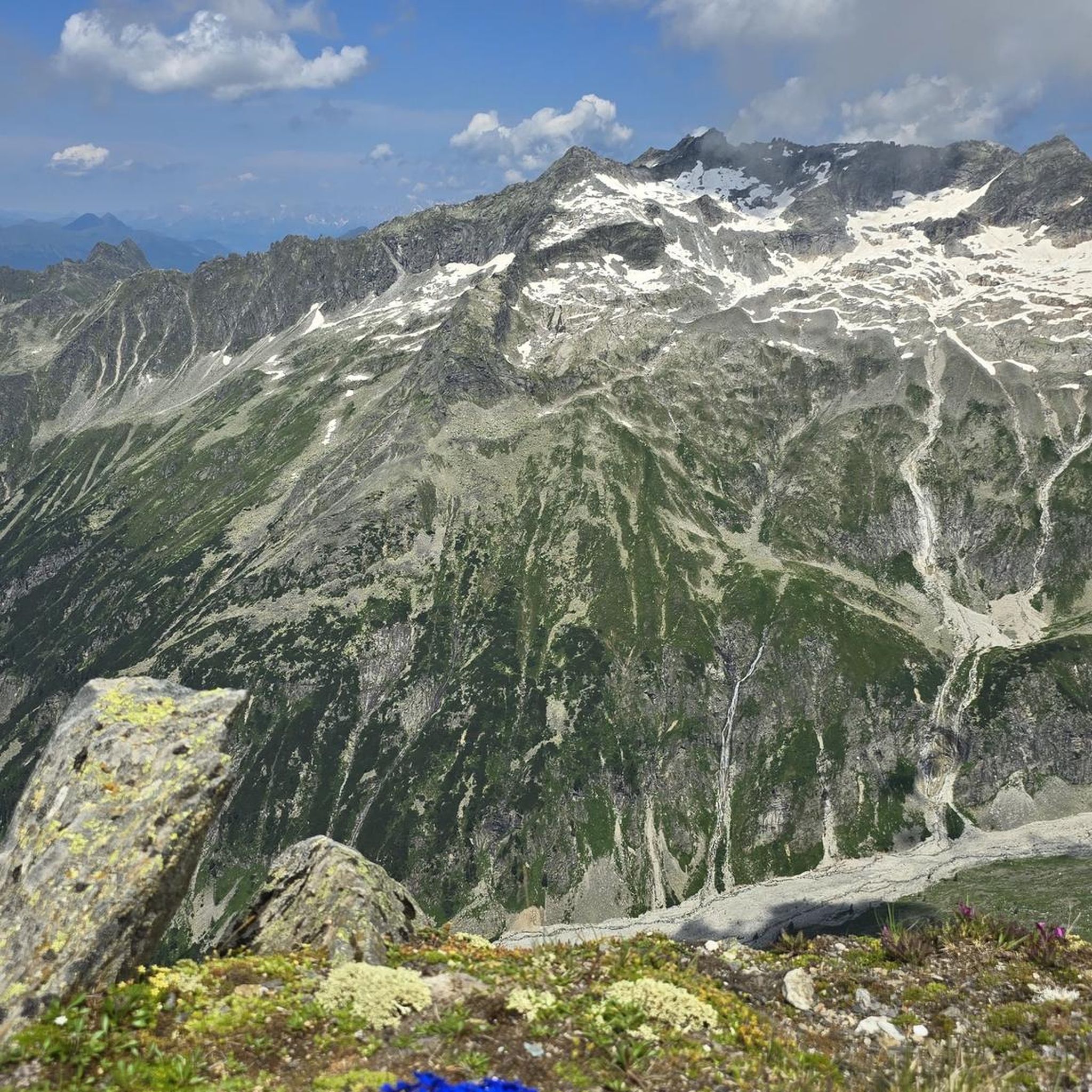
Hikes from bus stations in Parque Natural Los Cerros
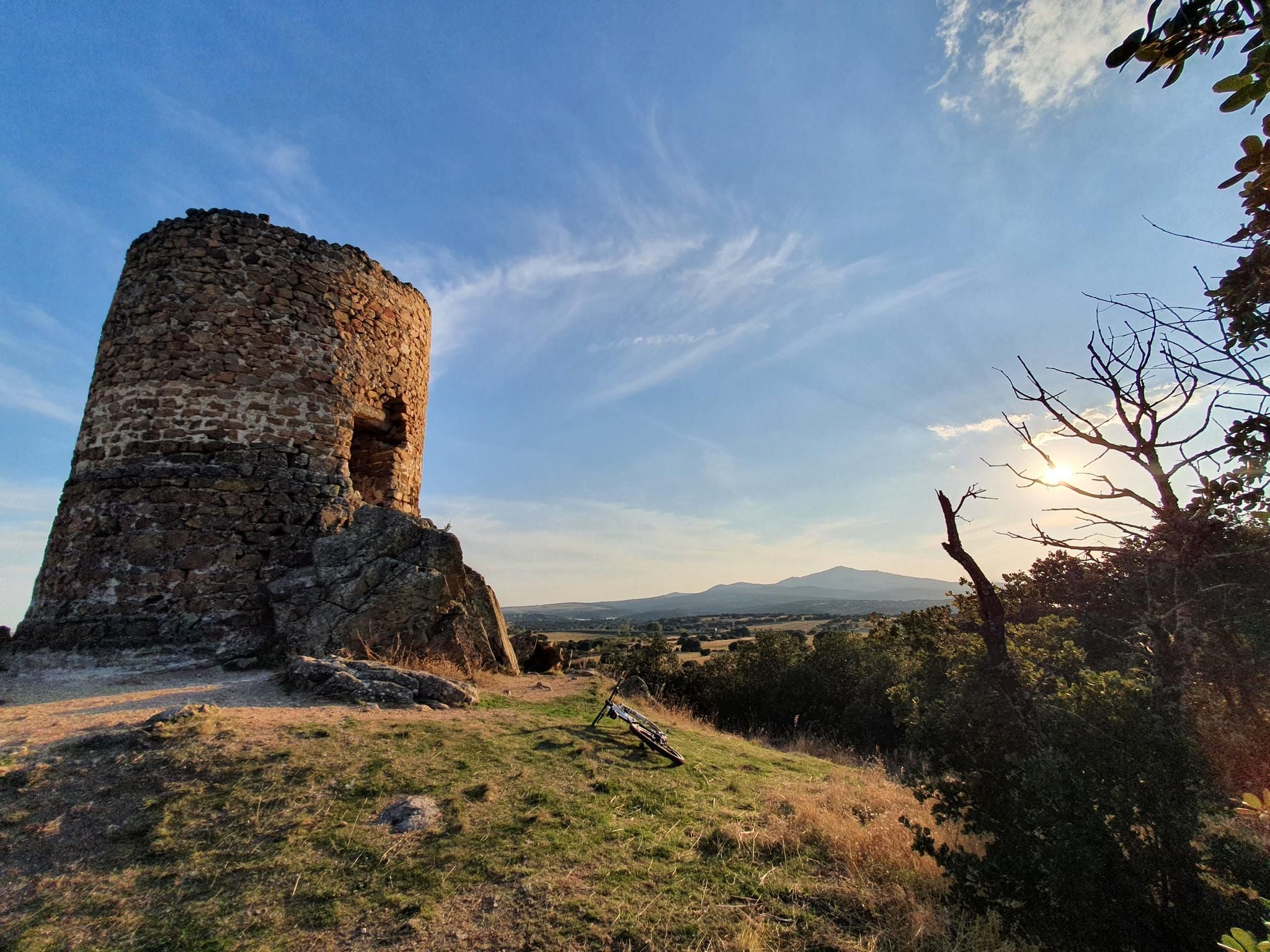
Along the paths of Marca Media — Route of the watchtowers of Madrid
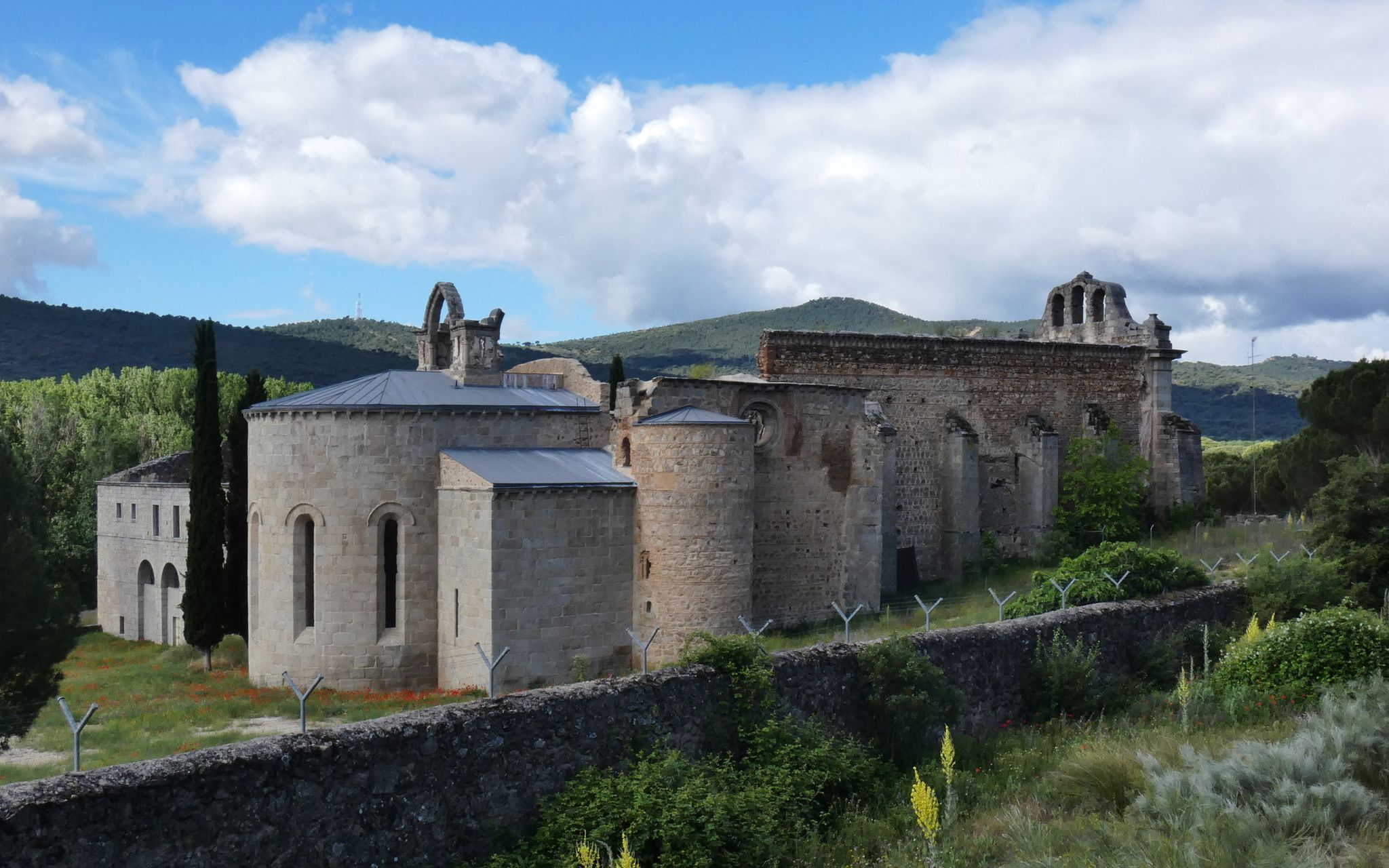
Madrid’s mediaeval castles and hidden gems by gravel bike
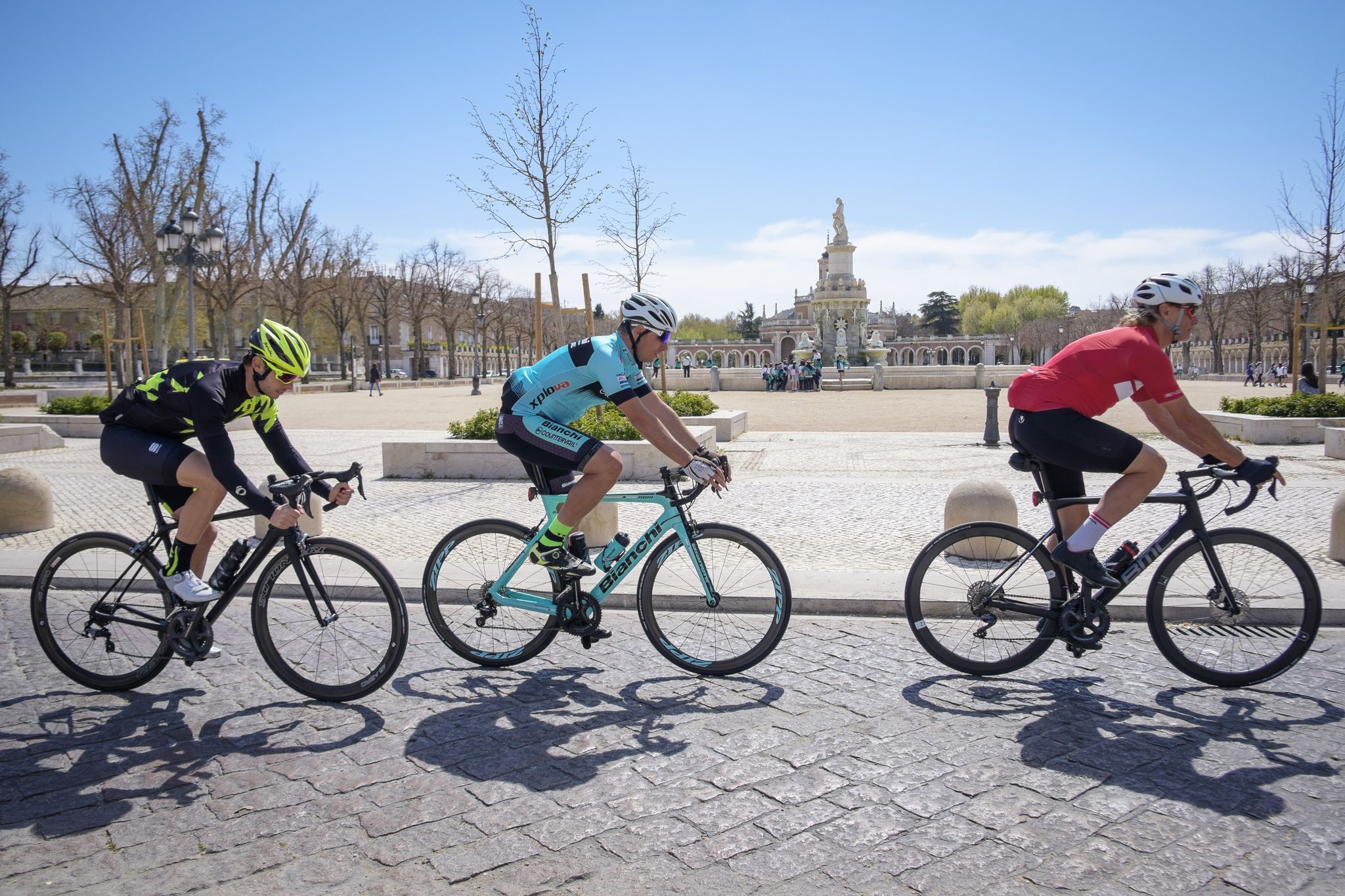
Ports, countryside and rivers – Tour of Madrid by road bike
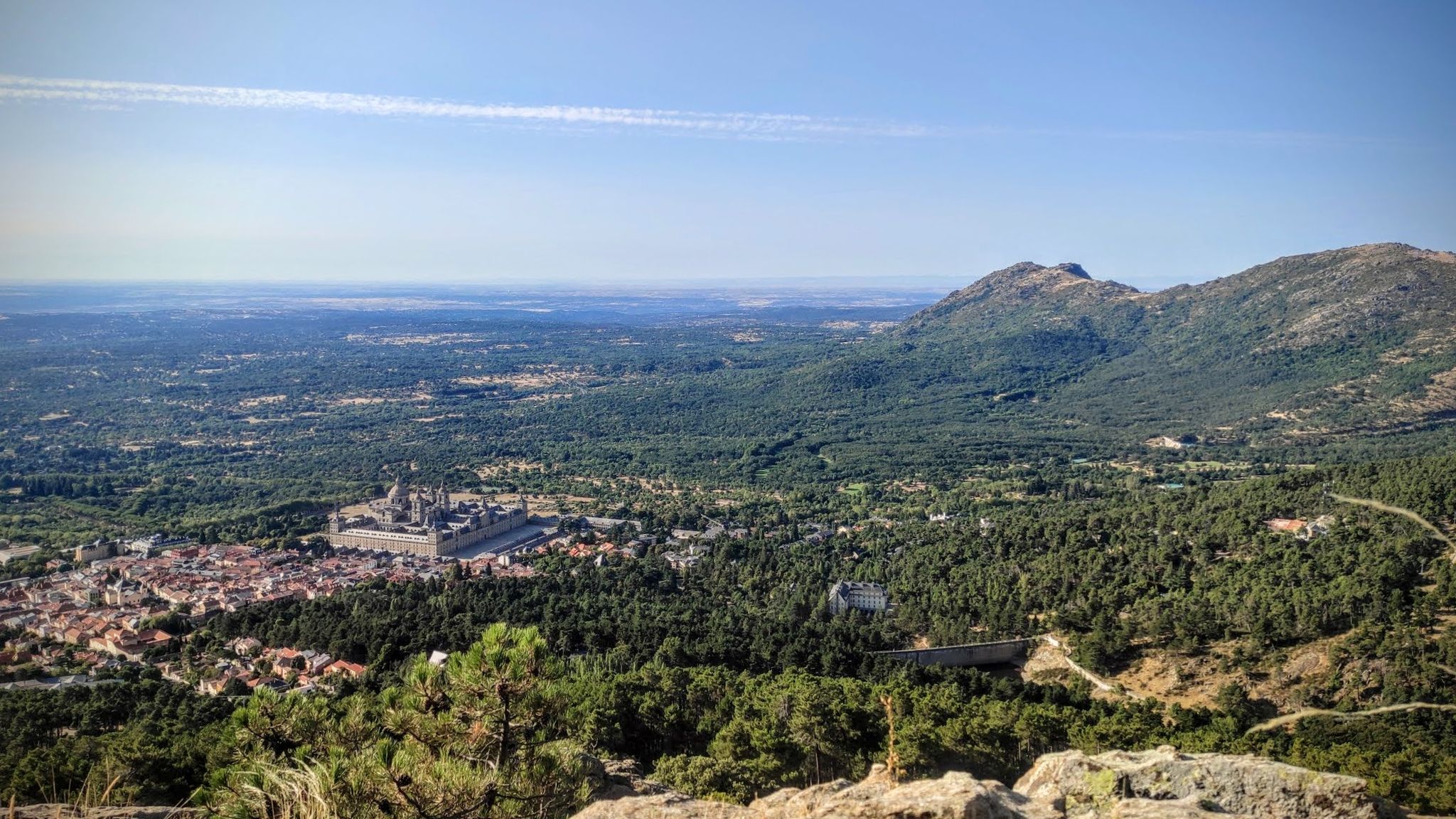
Sierras, countryside, reservoirs and history – Tour of Madrid gravel
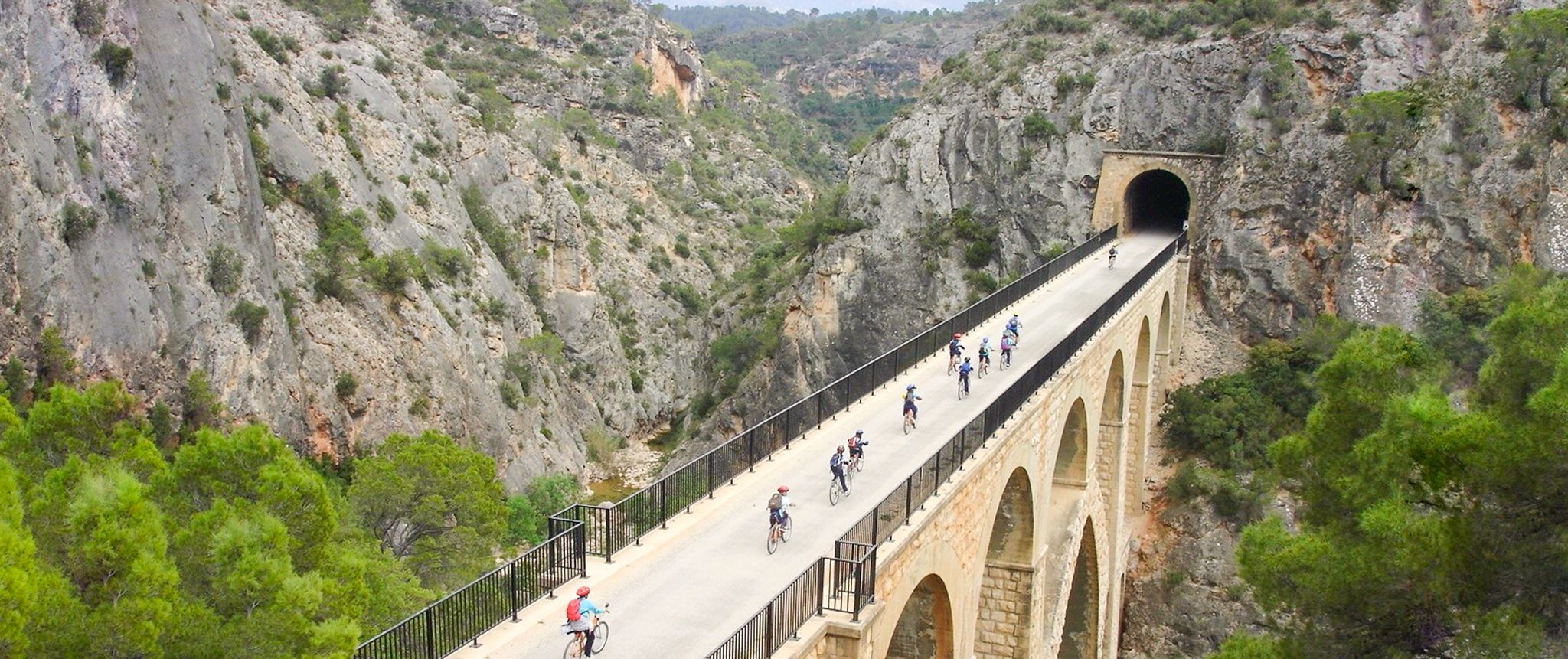
Vías Verdes – traffic-free cycling along railway history in Spain
Other adventures around Campiña


Tips from the Community

The historic center of Talamanca de Jarama is one of the most interesting medieval ensembles in the Community of Madrid, boasting a rich heritage and a history dating back to the Iron Age. It is associated with the ancient Roman city of Armántica and later became a fortified medina founded by Emir Muhammad I in 852 to protect the Jarama River route. Muslim period: It reached its peak as a military and cultural center, with walls and a Koranic school. Reconquest: In 1085, it fell into Christian hands and became an important commercial center under the Archbishopric of Toledo. Later centuries: It preserves Roman, Visigothic, Arab, and Christian traces, giving it a unique character.
17
0
It forms part of a circular hiking route starting from the center of Talamanca, passing through several historical and natural sites. Features: It is a simple pedestrian suspension bridge that crosses the Jarama River in a natural setting. It is located approximately 6.3 km from the start of the route in the town.
13
0
It is located in the center of the municipality, near the Church of the Nativity of Our Lady, which is the main religious monument of the town.
3
0
The Market Square in Valdetorres de Jarama is one of the most emblematic spaces in the town center, where commercial and social activities have traditionally taken place. Although it is not a large permanent market, its name refers to its historical function as a meeting point for the exchange of agricultural and livestock products, closely linked to the local economy.
3
0
It has five arches; the first (closest to the town center) is the largest and oldest. It was built with limestone blocks, dolomite, and river stones from the Jarama River. It includes cutwaters shaped like the prow of a ship, which reinforce the structure against river flooding. The bridge no longer crosses the Jarama River, which has shifted its course eastward, but it remains a testament to historical engineering.
6
0
The Roman Bridge of Talamanca del Jarama is one of the town's most prominent monuments and a symbol of its ancient history. Although it is called "Roman," its current structure is the result of medieval and Renaissance renovations. The original bridge may have been built in the 2nd century AD as part of a secondary Roman road connecting Plasencia with Caesar Augusta (Zaragoza). It was renovated by the Archbishopric of Toledo starting in 1091 and again in the 16th century, as indicated by an inscription on one of its arches. In the 20th century, it was restored in 1973 and converted into a recreational area.
7
0
The Apse of the Miracles, also known as El Morabito, is one of the most emblematic monuments of Talamanca del Jarama and a jewel of Castilian-Leonese Romanesque-Mudéjar architecture. Built in the mid-13th century, it is the only remaining vestige of an old medieval church. It was originally the Hermitage of San Nicolás, although today only the apse remains. Its architectural style, Romanesque-Mudéjar, is characterized by the use of brick and spread from León throughout Castile and as far as Madrid and Guadalajara. Excavations in the Plaza de la Constitución, where it is located, revealed Roman and Visigothic remains, suggesting that the site was occupied from very ancient times.
7
1
The Church of San Juan Bautista in Talamanca del Jarama is one of the most important monuments in the municipality and an excellent example of religious architecture with Romanesque and Renaissance elements. It was built in the late 12th or early 13th century in the Romanesque style. The Romanesque apse is the oldest and most artistic element, consisting of five sections separated by engaged columns. In the 16th century, the main body of the church was demolished and rebuilt in the Renaissance style, with three naves separated by limestone arches. In the 17th century, the Avendaños Chapel was added to the presbytery. It was declared a Site of Cultural Interest on June 3, 1931.
10
0
Frequently Asked Questions
How many bus station hiking trails are available in Campiña?
There are over 150 hiking trails in Campiña that are accessible from bus stations, offering a wide range of options for all skill levels. This includes more than 80 easy routes and over 70 moderate ones.
Are there easy bus-accessible hiking trails in Campiña for beginners?
Yes, Campiña offers many easy bus-accessible trails perfect for beginners. For instance, the Caserío de Silillos — circular desde Valdetorres de Jarama route is a moderate option that is relatively flat, providing a pleasant experience without significant elevation changes.
Can I find circular hiking routes accessible by bus in Campiña?
Absolutely. Many bus-accessible routes in Campiña are circular, allowing you to start and end at the same point without needing to retrace your steps. Examples include the Talamanca de Jarama River Loop and the Route of the Alameda — circular from Valdetorres de Jarama.
What kind of landscapes can I expect on bus-accessible hikes in Campiña?
Hikes in Campiña accessible by bus offer diverse landscapes. In the Spanish Campiña, you'll find picturesque agricultural lands with olive groves, sunflower, and cereal fields, especially vibrant in spring. Trails often follow riverbeds like the Jarama or Guadajoz, featuring riparian poplar forests and Mediterranean vegetation such as holm oaks and mastic trees. You might also encounter limestone cliffs and scenic vistas.
Are there any historical landmarks or points of interest along bus station hiking trails?
Yes, several bus-accessible trails pass by significant historical landmarks. For example, the Henares River – Ruins of Alcalá la Vieja Fortress loop takes you past the Ruins of Alcalá la Vieja Fortress. Other highlights in the region include the Goyeneche Palace of Nuevo Baztán and the Town Gate of Talamanca de Jarama.
Are bus-accessible trails in Campiña suitable for families?
Many of the easier and moderate bus-accessible trails in Campiña are suitable for families. Look for routes with lower elevation gain and shorter distances, often found along river paths or through agricultural areas, which provide pleasant and manageable walks for all ages.
Can I bring my dog on bus-accessible hikes in Campiña?
Generally, dogs are welcome on many hiking trails in Campiña, but it's always best to check local regulations for specific areas like natural parks (e.g., Parque Natural Los Cerros). Always keep your dog on a leash and ensure you clean up after them.
What is the best time of year to go hiking from a bus station in Campiña?
Spring (March to May) is an excellent time to hike in Campiña, as the agricultural fields burst with color and the weather is generally mild. Autumn (September to November) also offers pleasant temperatures and beautiful scenery. Summers can be very hot, making early mornings or late afternoons preferable, while winters are generally mild but can be damp.
Are there any specific trails that offer good opportunities for wildlife spotting?
Trails that follow river courses or pass through areas with Mediterranean vegetation, such as holm oaks and mastic trees, often provide good opportunities for wildlife spotting. Keep an eye out for local fauna like foxes and Egyptian mongooses, particularly in quieter sections of the trails.
Do I need permits for any of the bus-accessible hiking trails in Campiña?
Most general hiking trails in Campiña do not require permits. However, if you plan to hike within specific protected areas or natural parks, it's advisable to check their official websites for any specific regulations or permit requirements, especially for larger groups or certain activities.
What do other hikers say about the bus-accessible trails in Campiña?
The bus-accessible trails in Campiña are highly rated by the komoot community, with an average score of 4.57 out of 5 stars. Reviewers often praise the accessibility, the diverse landscapes, and the opportunity to explore both natural beauty and historical sites easily using public transport.
How long do bus-accessible hikes typically take in Campiña?
The duration of bus-accessible hikes in Campiña varies greatly depending on the route's length and difficulty. You can find shorter, easy walks that take a couple of hours, as well as longer, more challenging routes like the Talamanca de Jarama, Valdepiélagos y El Casar — circular desde Valdetorres de Jarama, which can take over 7 hours to complete.
Most popular routes around Campiña
Most popular attractions around Campiña

Get inspired with the komoot mobile app


Didn’t find what you were looking for?
Check out more Hikes throughout Campiña below and find the perfect route in your destination.
Explore more
Browse the best Hikes in other regions.
