The best traffic-free bike rides around Lac Du Saut De Vezoles
4.6
(149)
1,383
riders
21
rides
No traffic touring cycling routes around Lac Du Saut De Vezoles traverse a diverse landscape within the Haut-Languedoc Regional Natural Park, characterized by moors, forests, and plateaus. The region features significant water bodies like Lac de Vézoles and the dramatic Saut de Vezoles waterfall, alongside the Gorges du Bureau. Cyclists can explore varied terrain including lakeside paths, forested areas, and routes that incorporate local dams and surrounding hills. The area is well-suited for touring cycling, notably featuring the Passa Païs…
Last updated: October 10, 2026
6
riders
18.4km
01:35
220m
220m
Hard bike ride. Good fitness required. You may need to push your bike for some segments of this route.
3
riders
20.9km
01:42
420m
410m
Moderate bike ride. Good fitness required. Mostly paved surfaces. Suitable for all skill levels.

17
riders
37.6km
03:20
750m
750m
Hard bike ride. Very good fitness required. Mostly paved surfaces. Suitable for all skill levels.
13
riders
31.8km
02:59
640m
640m
Hard bike ride. Very good fitness required. You may need to push your bike for some segments of this route.
4.0
(1)
11
riders
27.7km
02:50
820m
820m
Hard bike ride. Very good fitness required. Mostly paved surfaces. Suitable for all skill levels.
Get access to more routes and recommendations from other explorers.
Already have an account?
Our route recommendations are based on thousands of hikes, rides, and runs completed by other people on komoot.
Start today with a free account
Your next adventure awaits.
Popular around Lac Du Saut De Vezoles
Tips from the Community

Nestled in the mountains of Haut-Languedoc, the Vézoles lake is a dam lake. Built in the mid-20th century for hydroelectric production, it retains the waters of the upper Agout valley in a narrow and largely wooded site, characteristic of the high plateaus of the massif. Located in a transition zone between the large Atlantic and Mediterranean watersheds, this body of water is set in a unique setting.
2
0
Located in the Jaur valley, in the heart of the Hauts cantons of the Hérault, Riols is a vast rural village typical of the Haut-Languedoc. The village is intimately linked to the history of the abbey of Saint-Pons-de-Thomières, founded in the 10th century, on which it long depended. From the Middle Ages onwards, Riols was part of a network of monastic possessions. Even today, the old center retains its valley setting, crossed by the Jaur, around which the main routes and activities developed. The Pont-Vieux and several structures on the river bear witness to this close relationship between the village and its watercourse.
2
0
Vast reservoir of Haut-Languedoc, the Raviège offers a landscape mixing water, forests and hills. A peaceful setting, punctuated by beautiful openings onto the water body from the surrounding roads.
2
0
The west side of the Vézoles lake runs along the bank in a peaceful forest atmosphere, with several openings onto the reservoir's waters and the surrounding reliefs.
3
0
The Vézoles lake dam, commissioned in 1956 for hydroelectric production, holds back the waters of the Bureau stream in the heart of the Haut-Languedoc region. The site is located in a high plateau area where waters are divided between the large Atlantic and Mediterranean watersheds, giving this relief a particular dimension. From the dam, the lake appears nestled in a forest setting, in a calm and wild atmosphere, typical of the massif's mid-mountain regions.
3
0

A very beautiful trail that goes around the lake, essentially in the shade
0
0

The village of Riols, a small industrial center specializing in draperies and woolens in the 19th century, is located on the "Passa Païs" greenway. Points of interest include the Banasse bridge over the Jaur river, the Church of Saint Peter and Paul, and its main thoroughfare, Rue Basse.
1
0

The town of Riols is located between Saint Pons de Thomières and Olargues, on the Passa Païs greenway. On either side of the Jaur valley, from Lake Vesoles to the former 19th-century Ardouane Abbey, this very large town has many hiking trails leading to the Monts du Somail. The magnificent Banasse bridge over the Jaur, as well as the Saint-Pierre-et-Paul church and the layout of Rue Basse, the main artery, bear witness to the prosperity of the textile industry, particularly drapery, from the 16th century. From the village, a small road leads to the Cabarétou pass, a real challenge for sporty cyclists. The Passa Païs Greenway invites fans of gentle journeys to daydream... The Notre-Dame-de-Trédos chapel, as emblematic as it is majestic, is worth the hike or bike ride leading to its doors. Our tips for starting your bike, walking, trail rides... in Riols: - The Place du Foirail car park is ideal if you are using your vehicle to get to the start. It is located on the right bank of the Jaur, south of the village. - Riols is served by LIO / Hérault Transport bus lines 682 and 685: https://plan.lio-occitanie.fr/fr/horaires/Riols/arret/RIOLS%20-%20CENTRE/LIO:1002511 - During the summer, from the beginning of July to the end of September, between Saint Pons de Thomières and Bédarieux, the buses on line 682 are equipped with racks allowing the transport of 6 bikes. A telephone reservation service is set up (09 72 57 44 45). A little bit of history: The history of Riols is linked to that of Saint-Pons-de-Thomières: in 936, the founding act of the abbey mentions the donation made to the monastery by Raymond Pons, Count of Toulouse, of the lands of Tarbouriech, Coumayres, Condades, Cassillac and Rieulets. In 940, the Archbishop of Narbonne gave the churches of Saint-Pierre-de-Riols and Notre-Dame-de-Tredos to the Abbot of Saint-Pons. In 1318, when the diocese of Saint-Pons was created, the Abbot became bishop and the monks formed the chapter of the cathedral. The income of the abbey was then separated: in Riols, the chapter retained the seigneurial rights over the lands of Garrigues, while the bishop retained the rest of the seigneury. During the Revolution, the rare possessions of the clergy and emigrants were sold. In the 19th century, Riols, with more than 2,000 inhabitants, became a small industrial center, with more than a dozen clothiers and wool mills.
1
0
Frequently Asked Questions
How many no-traffic touring cycling routes are available around Lac Du Saut De Vezoles?
There are nearly 20 dedicated no-traffic touring cycling routes around Lac Du Saut De Vezoles. These routes offer a range of difficulties, from easy to challenging, allowing cyclists of all experience levels to explore the beautiful Haut-Languedoc Regional Natural Park.
What kind of terrain can I expect on these no-traffic touring cycling routes?
The terrain varies significantly, offering a diverse cycling experience. You'll find lakeside paths, dense forested areas, and routes that traverse local dams and waterfalls. Many routes also include sections through surrounding hills, moors, and heath landscapes, with changing scenery from pine forests to vast meadows and fern-covered areas. The region is known for its wild beauty within the Haut-Languedoc Natural Park.
Are there any easy no-traffic touring cycling routes suitable for beginners or families?
Yes, there are several easier options. While many routes are rated moderate or difficult, komoot lists 4 easy touring cycling routes in the area. The Riols loop from Langlade is a moderate option that offers a good balance of challenge and scenic beauty, covering about 20.8 km.
What natural attractions can I see along the no-traffic touring cycling routes?
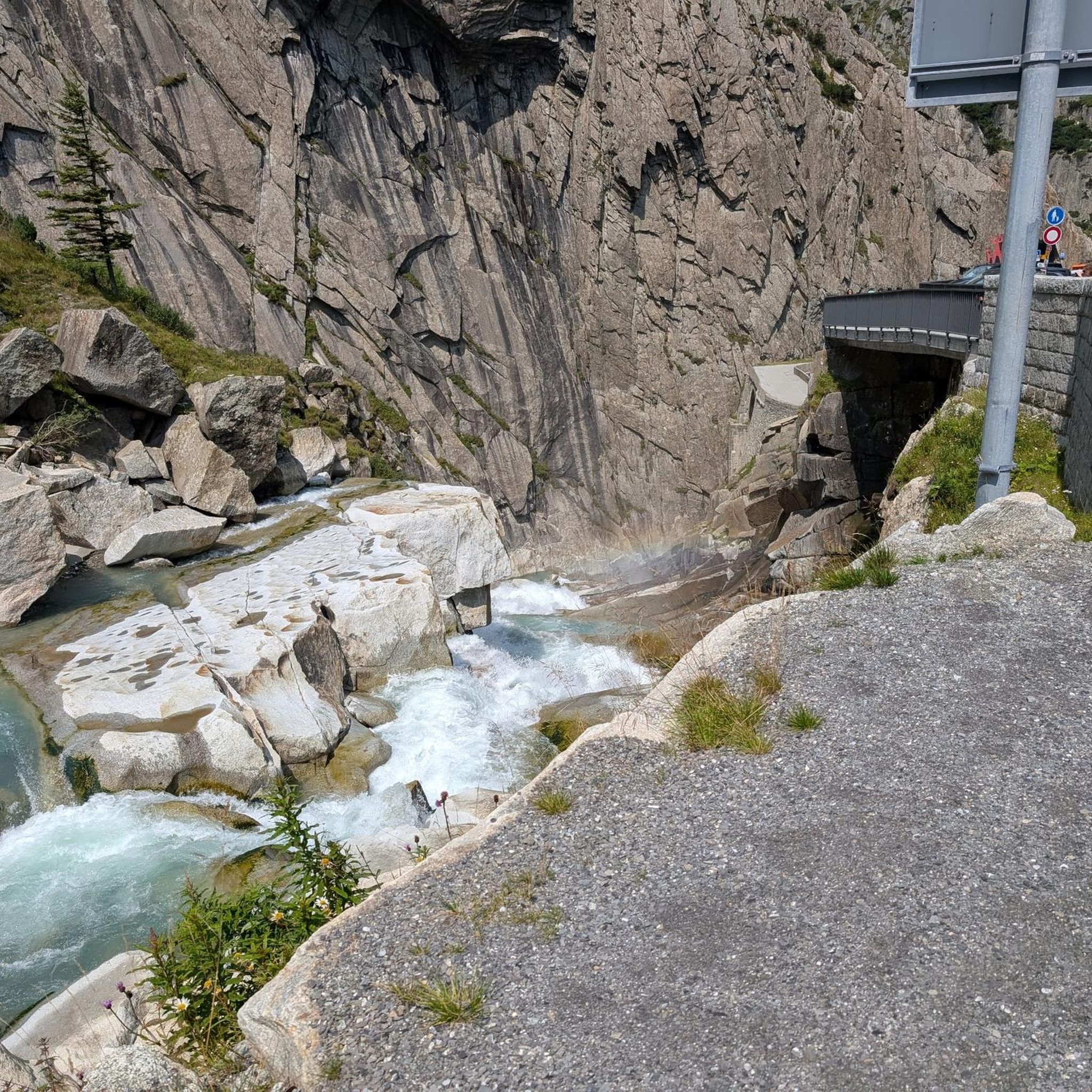
The routes often pass by stunning natural features. You can expect to see the beautiful Lac de Vézoles itself, the dramatic Saut de Vezoles Waterfall where the Bureau stream plunges, and sections of the Gorges du Bureau. The region's diverse landscapes include moors, forests, and plateaus, offering panoramic views of the Haut-Languedoc Natural Park.
Are there any circular no-traffic touring cycling routes available?
Yes, many of the no-traffic touring cycling routes around Lac Du Saut De Vezoles are circular, allowing you to start and end at the same point. An example is the Vézoles Lake Dam – Vézoles lakeside loop from Tour du Lac de Vésoles, which offers a scenic 19.2 km ride around the lake.
What do other touring cyclists enjoy most about cycling in Lac Du Saut De Vezoles?
The komoot community highly rates the touring cycling experience here, with an average score of 4.6 stars from 168 ratings. Reviewers often praise the region's wild and varied landscapes, the tranquility of the no-traffic routes, and the stunning natural features like the lake and waterfall. The sense of immersion in nature and the diverse terrain are frequently highlighted.
Is the Passa Païs greenway suitable for no-traffic touring cycling in this region?
Absolutely. The Passa Païs greenway, built on an old railway line, is a prominent feature in the Haut-Languedoc Regional Natural Park and is ideal for no-traffic touring cycling. It offers a safe, protected, and mostly flat route, making it suitable for all abilities, including families. It connects charming Languedoc villages and is free of motorized traffic for most of its length.
Are there any challenging no-traffic touring cycling routes for experienced riders?
Yes, for experienced riders seeking a challenge, there are 12 routes rated as difficult. The Espinousse Pass – Fontfroide Pass (972 m) loop from Fraisse-sur-Agout is a demanding 43.7 km route with significant elevation gain, offering a rewarding experience through the mountainous terrain of the Haut-Languedoc.
What is the best time of year to go touring cycling around Lac Du Saut De Vezoles?
The Haut-Languedoc region, including Lac Du Saut De Vezoles, is generally pleasant for cycling from spring through autumn. Spring offers lush greenery and blooming wildflowers, while autumn provides vibrant foliage. Summers can be warm but are often mitigated by the higher elevations and shaded forest paths. Always check local weather forecasts before your ride.
Are there any routes that offer views of other lakes in the region?
Yes, Lac de Vézoles is one of four lakes along the "Route des Lacs." Routes like the Salvetat-sur-Agout – Lake Raviège loop from Col du Cabarétou can take you towards other significant water bodies in the area, allowing you to experience more of the region's aquatic landscapes.
Can I find routes that combine cycling with views of dramatic waterfalls?
Definitely. The region is home to the impressive Saut de Vezoles Waterfall, where the Bureau stream dramatically plunges. Several routes are designed to pass by or offer views of this natural spectacle. The Gorges du Bureau also feature numerous cascades, providing a dynamic and scenic backdrop to your ride.
Are there any routes that explore the higher elevations or passes in the area?
Yes, the region includes routes that ascend to higher elevations and passes, offering expansive views. For example, the Fontfroide Pass – Vézoles Lake Dam loop from Fraisse-sur-Agout takes you over Fontfroide Pass, providing a challenging ride with rewarding vistas of the surrounding Haut-Languedoc landscape.
Most popular routes around Lac Du Saut De Vezoles

Get inspired with the komoot mobile app


Explore more
Browse the best Cycling routes in other regions.
