The best traffic-free bike rides around Ridderkerk
4.2
(188)
2,126
riders
53
rides
No traffic touring cycling routes around Ridderkerk are characterized by flat polderlands and extensive riverine areas, offering a smooth riding experience. The region features well-maintained cycling paths that connect nature reserves with urban areas. Notable natural features include the Crezee Polder, Donck Forest, and the expansive Waalbos, providing diverse scenery for cyclists. The terrain is generally flat, making it suitable for easy to moderate touring cycling.
Best no traffic touring cycling routes around Ridderkerk
- The most popular no traffic touring…
Last updated: November 6, 2026
4.0
(3)
37
riders
18.2km
01:05
20m
20m
Easy bike ride. Mostly paved surfaces.
5.0
(1)
35
riders
8.17km
00:28
10m
10m
Easy bike ride. Mostly paved surfaces.

4.7
(7)
22
riders
20.6km
01:10
20m
20m
Easy bike ride. Mostly paved surfaces.
5.0
(3)
24
riders
Easy bike ride. Mostly paved surfaces.
19
riders
7.98km
00:30
10m
10m
Easy bike ride. Mostly paved surfaces.
Get access to more routes and recommendations from other explorers.
Already have an account?
Our route recommendations are based on thousands of hikes, rides, and runs completed by other people on komoot.
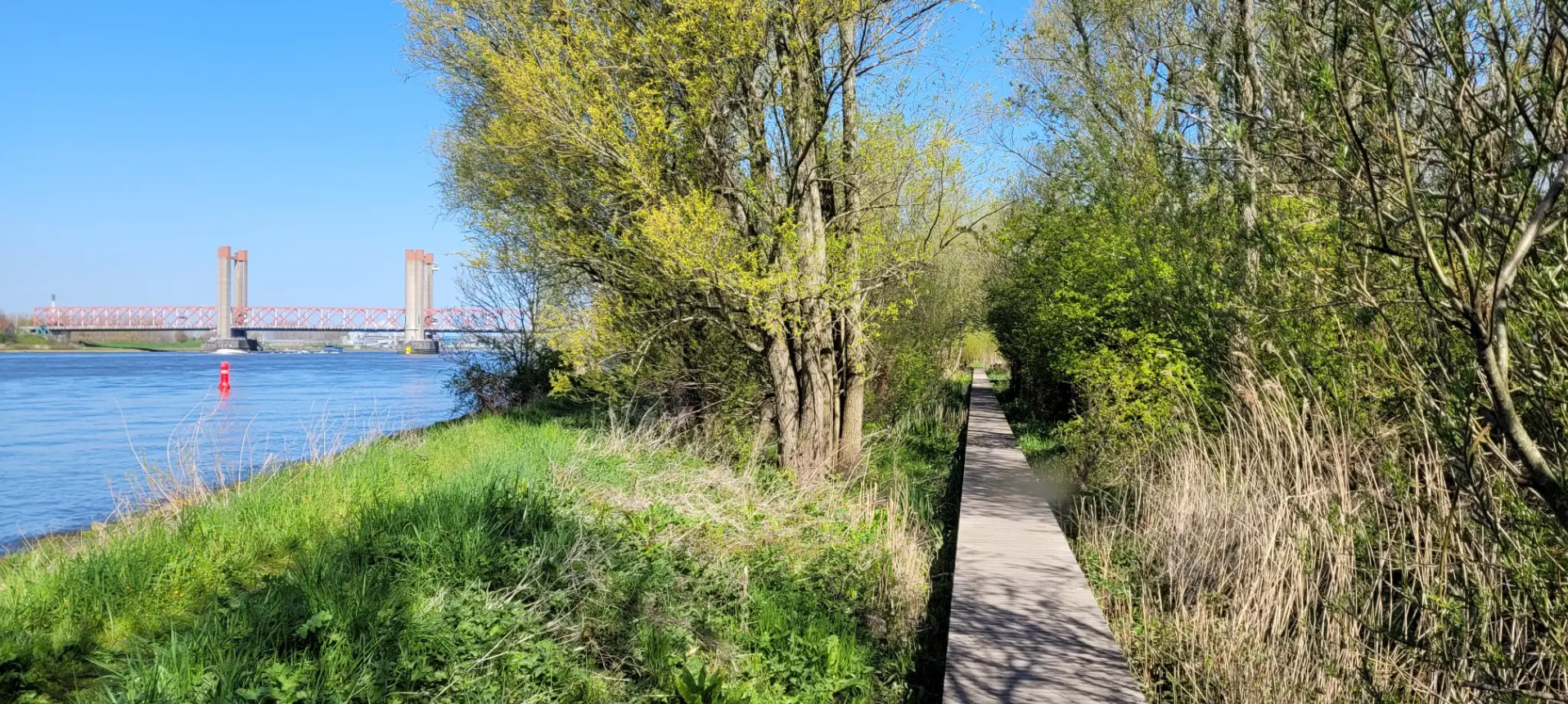
Other adventures around Ridderkerk

Tips from the Community

The mill is still in operation and they grind wheat, spelt and rye from grain kernels into fine flour. Their flour goes to the baker every week and of course they also sell it in the mill itself. The mill is a National Monument and was built in 1822. The mill (shop) is open every Saturday between 10.00-16.00.
0
0

Huys ten Donck is a monumental country house dating from 1746, located in Ridderkerk, South Holland. It is surrounded by a beautiful 18th-century park in the English landscape style. The house is still privately occupied by descendants of the original family and is occasionally open for tours, events, and weddings. The estate is also popular for walking in the green surroundings.
5
0

The Waterbus zips through Dutch waterways at 30–40 km/h (18.6–25 mph), powered by engines up to 700 kW. Captains expertly maneuver these powerful ferries in tight docks—quickly parking to unload passengers and bikes, then smoothly powering off to the next stop. You’ll feel surprising acceleration with noticeable g-forces as it pulls away. Loud sirens warn of arrivals and departures, so stay alert near docks. Regular bikes ride free onboard, making it ideal for bikepackers. Cargo bikes are generally not permitted, but bikepacking bikes loaded with bags usually board without issue. Boarding early helps secure space, especially during busy times. The Waterbus is a fast, practical way to blend scenic cycling with speedy water crossings on your Dutch bikepacking adventures.
1
0

In the municipality of Ridderkerk, in the Riederwaard near Slikkeveer, lies the castle ruin of the noble Van Woude family, which held a fiefdom belonging to the count. Construction of the castle began in 1372 but was never completed because the Riederwaard flooded in 1373. The existing walls withstood the flood, but were torn down during the Hook and Cod Wars. During the St. Elizabeth's Flood in 1421, the remains were covered with a layer of clay. The castle measured approximately fifteen by twenty meters. A wall divided the building lengthwise into two naves. There was at least one floor, which likely housed a representative hall. The ground floor resembled a cellar lit by slit windows. Because the rising walls were only 50 to 65 centimeters thick, Huis te Woude likely served residential purposes rather than defense.
0
0
This house is called "Het Koetshuis" (The Coach House). It was formerly owned by Piet Smit, director of N.V. Machinefabriek en Scheepswerf P. Smit Jr. (Machine Factory and Shipyard P. Smit Jr.). Downstairs were the stables for the horses, and upstairs was where the coachmen and grooms lived. The coach house has been converted into a residence and is currently occupied by the owners of the Schram shipyard in Bolnes.
0
0
The Kersenboom windmill (popularly known as the Rezoordse Molen) is a so-called ground-sailer (national monument) built in 1822. The mill was moved and restored in the period 1991-1993.
0
0

The windmills of Kinderdijk are on the Unesco World Heritage List. There are 19 windmills in total.
2
0

drives quite frequently during the day, I estimate every 15 minutes
3
0
Frequently Asked Questions
How many no-traffic touring cycling routes are available in Ridderkerk?
There are over 40 easy touring cycling routes around Ridderkerk that are designed to be traffic-free, offering a peaceful experience through the region's polderlands and natural areas.
What kind of landscapes can I expect on these no-traffic cycling routes?
The routes primarily traverse flat polderlands and riverine areas, offering scenic views and a smooth riding experience. You'll also find paths through natural reserves like the Crezee Polder and the Waalbos, which are known for diverse flora, fauna, and birdlife.
Are there any circular no-traffic cycling routes in Ridderkerk?
Yes, many of the no-traffic routes in Ridderkerk are circular, allowing you to start and end at the same point. For example, the Kinderdijk Windmills – Kinderdijk Windmills loop from Ridderkerk is a popular circular option that takes you past the iconic UNESCO World Heritage site.
What are some notable attractions or points of interest along these routes?
You can cycle past the famous Kinderdijk Windmills, a UNESCO World Heritage site. Other points of interest include the historic Huys ten Donck estate and the diverse natural landscapes of the Crezee Polder, where you might spot the Crezéepolder Information Board. The region also features the Kralingse Forest and the historic Huis te Woude Castle ruins.
Are the no-traffic cycling routes in Ridderkerk suitable for families?
Absolutely. The generally flat terrain and well-maintained, car-free paths make Ridderkerk an excellent destination for family cycling. Routes like the Path Through Waalbos – 't Waaltje loop from Ridderkerk offer a safe and enjoyable experience for all ages.
What is the best time of year to go touring cycling in Ridderkerk?
The best time to visit Ridderkerk for touring cycling is typically from spring through early autumn (April to October). During these months, the weather is generally mild and pleasant, and the polder landscapes are at their most vibrant. The well-maintained paths are accessible year-round, but spring and summer offer the most comfortable conditions.
Can I bring my dog on these no-traffic cycling routes?
Many of the natural areas and parks in Ridderkerk, such as the Waalbos and Oosterpark, are dog-friendly, often requiring dogs to be on a leash. It's always best to check specific local regulations for each route or park you plan to visit to ensure a pleasant experience for everyone.
Where can I find parking for these no-traffic cycling routes?
Ridderkerk offers various parking options, particularly near popular starting points for cycling routes. You can often find parking facilities in the town center or at the entrances to larger parks and natural areas like the Waalbos. For routes heading towards Kinderdijk, there are designated parking areas available near the windmill complex.
Are there cafes or restaurants along the no-traffic cycling routes in Ridderkerk?
Yes, you'll find cafes and restaurants in Ridderkerk's old village center and near popular attractions. The Oosterpark, for instance, has a pancake house. For routes passing through Kinderdijk, there are also options for refreshments. It's a good idea to plan your stops in advance, especially on longer routes.
How do other cyclists rate the no-traffic touring routes in Ridderkerk?
The no-traffic touring cycling routes in Ridderkerk are highly regarded by the komoot community, with an average rating of 4.2 out of 5 stars from over 180 reviews. Cyclists often praise the peaceful, car-free environment, the beautiful polder scenery, and the well-maintained paths that make for a relaxing ride.
What is the longest no-traffic touring route available?
One of the longer no-traffic touring routes is the Kinderdijk Windmills – Kinderdijk Windmills loop from Ridderkerk, which covers approximately 33 kilometers. This route offers an extensive tour through the polders and past the iconic windmills, providing a good distance for a leisurely day trip.
Can I access these routes using public transport?
Ridderkerk is well-connected by public transport, making it accessible for cyclists. You can reach Ridderkerk by bus from Rotterdam or Dordrecht, and many routes start conveniently from the town center or easily reachable points. Check local public transport schedules for the best connections to your chosen starting point.
Most popular attractions around Ridderkerk

Get inspired with the komoot mobile app


Explore more
Browse the best Cycling routes in other regions.
