The best traffic-free bike rides around Ijsselstein
4.8
(113)
1,042
riders
1
ride
No traffic gravel bike trails around Ijsselstein traverse the predominantly flat Dutch polder landscape, characterized by expansive green meadows, intricate water systems, and traditional farmhouses within the "Groene Hart" region. The terrain primarily consists of unpaved paths alongside rivers like the Lek and Hollandse IJssel, as well as numerous canals. While generally flat, routes offer varied surfaces from smooth dirt roads to some singletrack segments, providing diverse gravel biking experiences.
Best no traffic gravel bike trails around Ijsselstein
- The most…
Last updated: July 20, 2026
4.7
(31)
336
riders
57.0km
02:45
100m
100m
Moderate gravel ride. Good fitness required. Mostly paved surfaces. Suitable for all skill levels.
4.7
(81)
614
riders
53.5km
02:41
100m
100m
Moderate gravel ride. Good fitness required. Mostly paved surfaces. Suitable for all skill levels.

Sign up for free
5.0
(1)
76
riders
56.8km
02:50
100m
100m
Moderate gravel ride. Good fitness required. Mostly paved surfaces. Suitable for all skill levels.
16
riders
Moderate gravel ride. Good fitness required. Mostly paved surfaces. Suitable for all skill levels.
Our route recommendations are based on thousands of hikes, rides, and runs completed by other people on komoot.
Start today with a free account
Your next adventure awaits.
Login or Signup




Tips from the Community

Enjoy one of the delicious homemade cakes here.
0
0

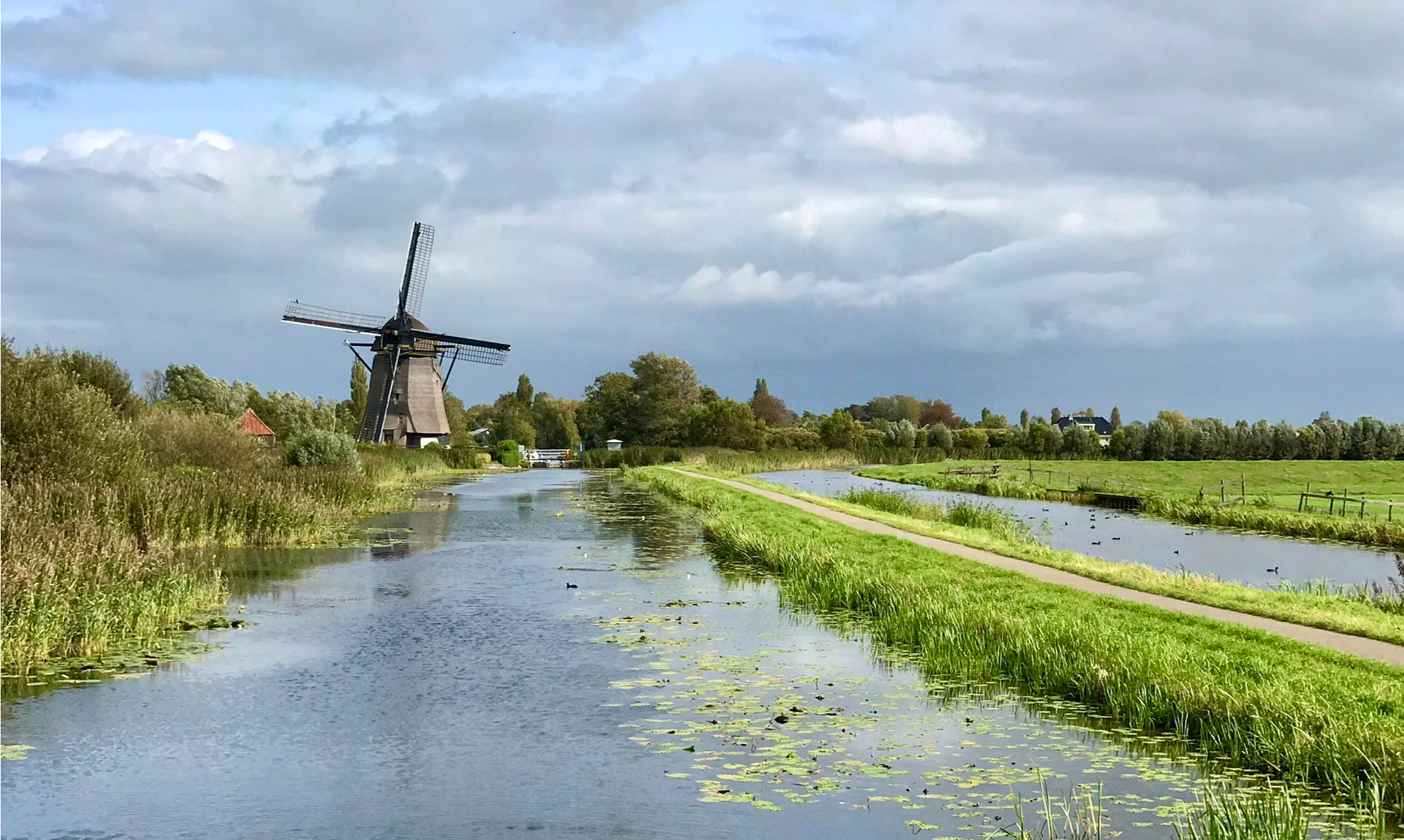
The drainage of the Breukelerveen and Tienhoven water board was originally carried out by two barges (built in 1649 and 1684) at the northern end of the Scheendijk-Noord in Breukelen. They discharged their water directly south of the Weersluis lock into the Vecht River. The mills were shut down in 1830 and demolished in 1840. By that time, the area of the Loosdrechtse Plassen had been created by peat extraction. In the eastern corner of Tienhoven, the land remained in agricultural use, and the farmers there suffered from significant flooding. They joined forces, established the Oostelijke Binnenpolder (Eastern Inner Polder), and had their own mill built, which discharged water into the Breukeleveen and Loosdrechtse Plassen. The necessary land was purchased in 1831, and the mill and adjacent lock were put into operation in 1833. It is suspected that an old upper house (from a demolished mill) was used in its construction. (https://www.molens.nl/ontdek-molens/alle-molens/de-trouwe-wachter-te-tienhoven)
2
0
The origin of this boulder is not entirely clear. However, you can easily test for yourself on site whether it actually bleeds when you prick it.
3
0


The Dutch really have a wide and well-maintained cycling network.
2
0
Very beautiful surroundings, the bike path runs quite directly through it and sometimes has limited visibility. The most beautiful places here can only be reached on foot, which is really worth it.
1
0

Beautiful landscape at sunrise...
0
0

That it can be a bit busy here sometimes seems inevitable to me. That's what you get with such a beautiful spot.
0
0
Frequently Asked Questions
How many no-traffic gravel bike trails are available around Ijsselstein?
Komoot currently features 3 moderate no-traffic gravel bike trails around Ijsselstein. These routes are specifically curated to offer a peaceful riding experience away from vehicular traffic, allowing you to fully immerse yourself in the Groene Hart's natural beauty.
What kind of terrain can I expect on no-traffic gravel routes near Ijsselstein?
The terrain around Ijsselstein is predominantly flat polder landscape, characterized by expansive green meadows and intricate water systems. You'll encounter a variety of unpaved surfaces, from smooth dirt roads along rivers and canals to potentially more technical singletrack and sand segments, offering a diverse gravel riding experience. The region is known for its well-developed cycling infrastructure, often with accompanying paths along waterways like the Lek and Hollandse IJssel.
Are there any family-friendly no-traffic gravel routes in the Ijsselstein area?
While the listed routes are rated as moderate, the generally flat polder landscape around Ijsselstein makes many unpaved paths suitable for families, especially those with some cycling experience. The focus on 'no traffic' ensures a safer and more relaxed environment for younger riders. Look for routes that stick to wider, well-maintained dirt paths along canals and rivers for the easiest experience.
What are the typical distances and elevation gains for gravel routes around Ijsselstein?
The no-traffic gravel routes around Ijsselstein typically range from 52 to 55 kilometers in distance. Given the flat polder landscape of the Groene Hart, elevation gains are minimal, usually around 90-97 meters per route. This makes them ideal for longer, relaxed rides without significant climbing challenges.
What landmarks or points of interest can I see along the no-traffic gravel trails?
Many gravel routes in the Ijsselstein area connect historical towns and pass by traditional Dutch windmills, offering cultural points of interest. For example, the route The Faithful Watchman Windmill – Stulpselaan Gravel Path loop from Maarssen passes by a notable windmill. You might also encounter highlights like Oudegracht, Utrecht or the Buitenwegse Mill and Westbroekse Mill, providing picturesque scenery and a connection to the region's history.
What is the best time of year for gravel biking in Ijsselstein?
Spring (April-May) and early autumn (September-October) are generally considered the best times for gravel biking in Ijsselstein. During these periods, the weather is typically mild, and the polder landscapes are vibrant with greenery or autumn colors. Summer can also be pleasant, but be prepared for potentially warmer temperatures. Winter rides are possible, but some unpaved sections might be muddy or wet.
Are there any circular no-traffic gravel routes available?
Yes, all the featured no-traffic gravel routes around Ijsselstein are designed as loops, allowing you to start and end at the same point. Examples include the Oudegracht, Utrecht – Roedenlaan Gravel Path loop from Utrecht Centraal and the Roedenlaan Gravel Path – Hoorneboeg Heath loop from Maarssen, providing convenient options for your ride.
Where can I park my car to access these traffic-free gravel trails?
While specific parking details vary by starting point, many of these routes are accessible from towns like Maarssen or Utrecht, which offer public parking facilities. For routes starting further out, look for designated parking areas near recreational zones or small villages. Always check local parking regulations before you go.
Can I reach the starting points of these gravel routes by public transport?
Yes, many starting points for gravel routes in the wider Ijsselstein area, especially those originating from larger towns like Utrecht or Maarssen, are well-connected by public transport. The Dutch cycling infrastructure often integrates well with train stations, making it feasible to bring your bike on regional trains to access various starting points.
What do other gravel bikers enjoy most about the no-traffic routes around Ijsselstein?
The komoot community highly rates the cycling experience around Ijsselstein, with an average score of 4.7 stars. Reviewers often praise the tranquility of the polder landscapes, the scenic views along the rivers and canals, and the opportunity to explore the Groene Hart away from busy roads. The varied unpaved surfaces also provide an engaging ride for gravel enthusiasts.
Are there cafes or refreshment stops along these no-traffic gravel routes?
While the routes themselves focus on natural, traffic-free paths, they often pass through or near charming Dutch villages and towns. These locations typically offer opportunities for refreshment, including cafes, bakeries, or small shops where you can refuel. It's always a good idea to carry some snacks and water, especially on longer stretches between towns.
Most popular routes around Ijsselstein
Most popular attractions around Ijsselstein

Get inspired with the komoot mobile app


Explore more
Browse the best Gravel rides in other regions.
