The best traffic-free bike rides around Sabugal
4.7
(3)
937
riders
17
rides
Road cycling around Sabugal offers diverse terrain, characterized by mountainous landscapes, river valleys, and verdant meadows. The region features significant elevation changes, providing both challenging climbs and rewarding descents. Cyclists can explore areas around the Côa River, which carves picturesque routes through green meadows and past historic villages. The presence of varied topography ensures a range of experiences for road cyclists.
Best no traffic road cycling routes around Sabugal
- The most popular no traffic road cycling route is Border with…
Last updated: May 10, 2026
1
riders
Moderate road ride. Good fitness required. Mostly well-paved surfaces and easy to ride.
25
riders
Hard road ride. Very good fitness required. Mostly well-paved surfaces and easy to ride.

Sign up for free
9
riders
43.2km
01:56
480m
480m
Moderate road ride. Good fitness required. Mostly well-paved surfaces and easy to ride.
9
riders
72.2km
03:14
780m
780m
Moderate road ride. Good fitness required. Mostly well-paved surfaces and easy to ride.
8
riders
43.0km
01:55
480m
480m
Moderate road ride. Good fitness required. Mostly well-paved surfaces and easy to ride.
Get access to more routes and recommendations from other explorers.
Sign up for free
Already have an account?
Our route recommendations are based on thousands of hikes, rides, and runs completed by other people on komoot.
Start today with a free account
Your next adventure awaits.
Login or Signup


Tips from the Community

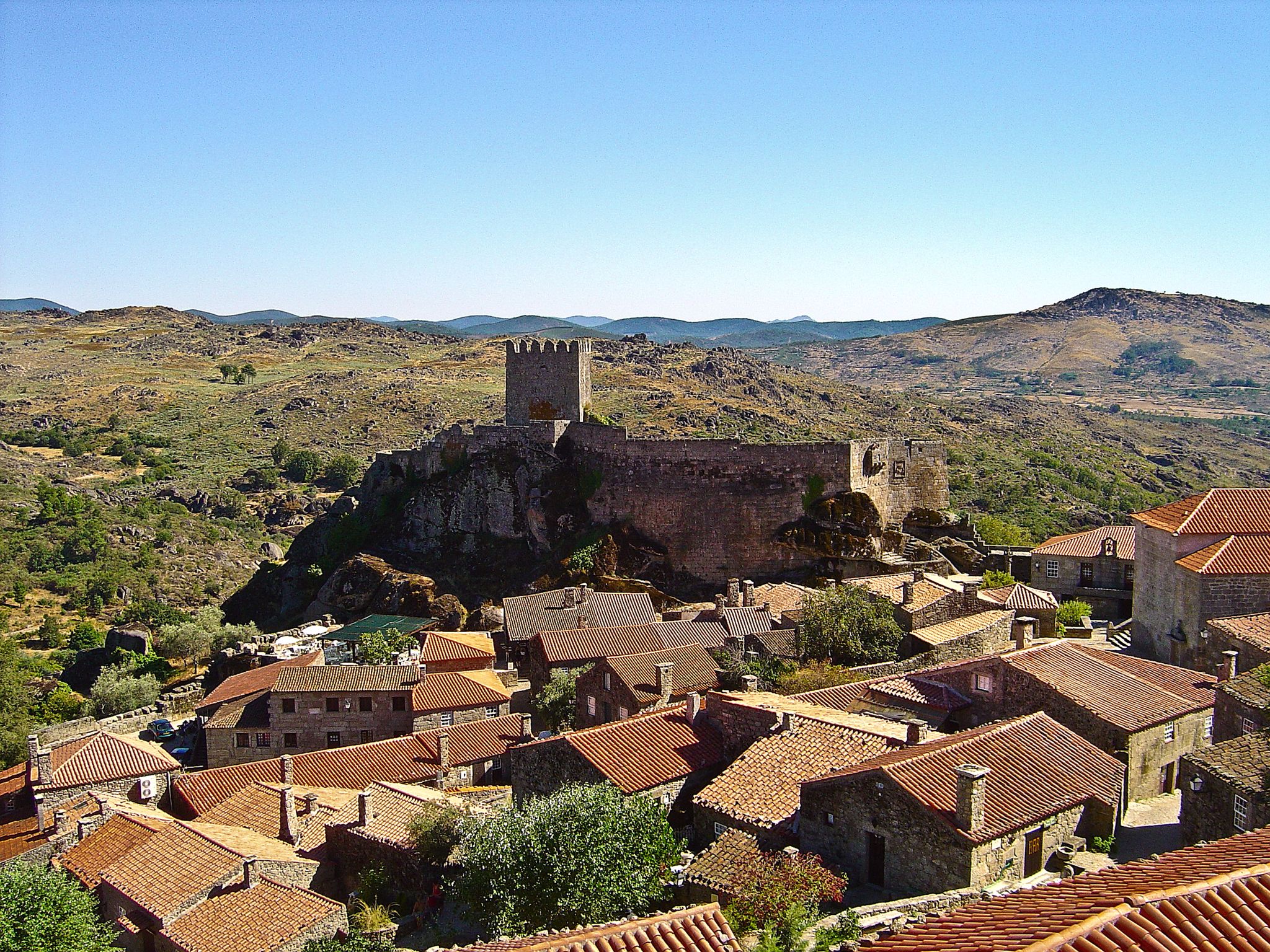
Sabugal Castle is one of the most imposing and well-preserved medieval fortifications in Portugal. It is known as the "Castle of the Five Corners" due to the unusual shape of its impressive pentagonal keep, the castle's most iconic feature. Its pentagonal (five-cornered) plan is considered unique in Portuguese military architecture. It is approximately 30 meters high and offers incredible views. The castle has a double ring of walls. You can walk along the ramparts on top of the walls for a panoramic view over the city and the Côa River. From the top, you can see the Côa River winding its way through the city and the natural landscape of the Serra da Malcata mountain range.
0
0
Sabugal, a town that deserves a visit to its castle and the entire surrounding area, especially the magnificent river beach on the Côa River.
0
0

This pillory was built in the 16th century in the Manueline style. It has been classified as a property of public interest since 1933.
1
0

Soito, also called Souto, is now a village, a title it acquired in 1999. The name comes from the chestnut trees that once graced the local landscape. As early as 1527, according to the Royal Register, this was the most important center of the municipality, with 160 residents.
1
0
Among the secret corners of Portugal, the Côa River is a discreet treasure. It rises in Fóios and flows through valleys and hills until it joins the Douro River in Vila Nova de Foz Côa. Even here, where it flows gently and seems like just a trickle, the valley reveals all its magic. It's the ideal place to rest for a moment, cool your feet, and let yourself be enveloped by the river's serenity before resuming your journey.
1
0
Built on the Côa River, Sabugal Castle preserves centuries of borders and memory. Once part of the Kingdom of León, it passed to Portugal in 1297 and became a strategic staging ground for the Portuguese-British troops during the Third French Invasion. Today, it continues to stand as a living testament to the long history of one of Europe's oldest nations.
1
0

Built on the Côa River, its main function is the production of hydroelectric energy and, to a lesser extent, the water supply and regulation of the river flow. Completed in 2000, its creation gave rise to a reservoir that is partially located within the Serra da Malcata Nature Reserve, a protected area of great ecological importance
1
0
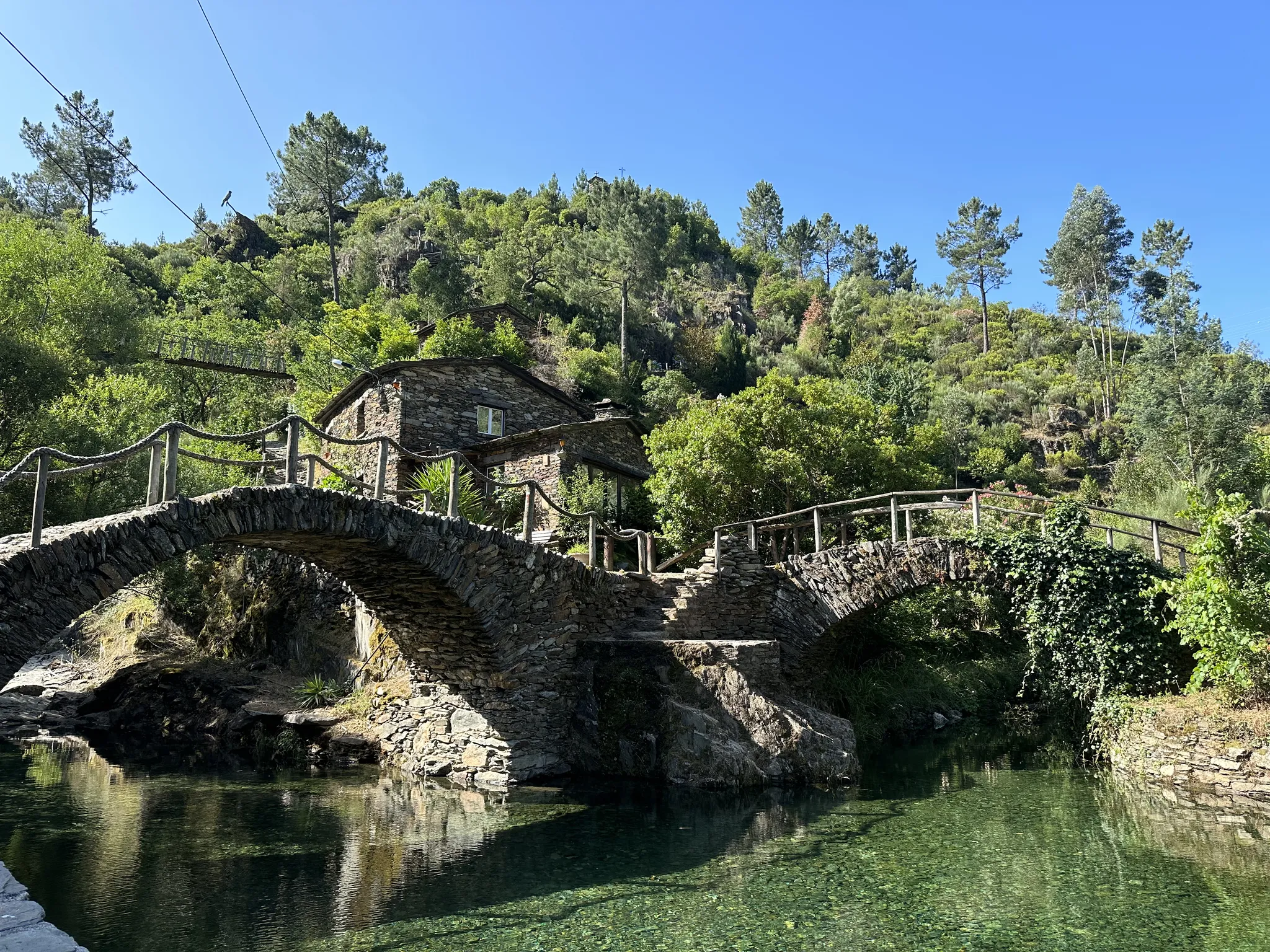
Here you cross a small asphalt bridge that connects the two banks of the river surrounded by vegetation and enter the Serra da Malcata nature reserve.
1
0
Frequently Asked Questions
How many no-traffic road cycling routes are available around Sabugal?
Komoot offers 17 dedicated no-traffic road cycling routes around Sabugal. These routes are designed to provide a peaceful and scenic experience away from busy roads, allowing you to fully immerse yourself in the region's natural beauty.
What kind of terrain can I expect on no-traffic road cycling routes in Sabugal?
Sabugal's landscape features a compelling blend of mountainous terrain, river valleys, and verdant meadows. You can expect varied routes, from challenging climbs with significant elevation gains, such as the Bridge over the Côa River – Barragem do Sabugal loop which has over 1,600m of ascent, to more serene rides through green meadows along river valleys. The region provides smooth asphalt and generally low-traffic roads, especially in rural areas.
Are there any easy or beginner-friendly no-traffic road cycling routes in Sabugal?
Yes, Sabugal offers a couple of easy no-traffic road cycling routes, perfect for beginners or those seeking a more relaxed ride. These routes typically feature less elevation gain and shorter distances, allowing for a comfortable introduction to the region's quiet roads.
Can I find circular no-traffic road cycling routes in the Sabugal area?
Absolutely. Many of the no-traffic road cycling routes around Sabugal are circular, allowing you to start and end your ride in the same location. An example is the Border with Portugal - from Aldeia da Ponte to Fuenteguinaldo route, which offers a scenic loop through the lands of Rebollar.
What historical landmarks or natural features can I see along these quiet cycling routes?
The no-traffic routes often pass by or lead to significant historical and natural attractions. You can cycle towards the impressive Sabugal Castle, known for its unique pentagonal keep, or explore routes near the picturesque Historic Village of Sortelha. The Côa River Valley also offers beautiful natural scenery, with opportunities to see river beaches and lush riparian forests.
Is the Grande Rota do Vale do Côa suitable for road cycling with low traffic?
The Grande Rota do Vale do Côa, a 200 km linear trail, follows the Côa River and offers picturesque sections with green meadows and large trees. While some parts might be unpaved, many surrounding roads and sections leading through historic villages like Vilar Maior and Badamalos are suitable for road cycling and generally feature low traffic, especially in rural areas, making for a pleasant experience.
What is the best time of year to enjoy no-traffic road cycling in Sabugal?
The region is generally pleasant for cycling during spring (April-June) and autumn (September-October) when temperatures are milder and the landscapes are vibrant. Summer can be hot, but early mornings or late afternoons can still offer enjoyable rides. Winter cycling is possible, but be prepared for cooler temperatures and potentially more unpredictable weather in the mountainous areas.
Are there options for family-friendly no-traffic road cycling in Sabugal?
While many routes involve some elevation, there are easier, shorter options that can be suitable for families. Focus on routes with lower difficulty grades and less elevation gain. The quiet, rural roads inherently offer a safer environment for families compared to busier main roads.
Where can I park my car when starting a no-traffic road cycling route in Sabugal?
In Sabugal and the surrounding historic villages, you'll typically find public parking areas. For routes starting in smaller villages, parking is often available near the village center or local amenities. It's advisable to check specific starting points for the most convenient parking options.
Can I find cafes or places to rest along the no-traffic road cycling routes?
Many routes pass through or near historic villages such as Sortelha, Alfaites, and Vilar Maior. These villages often have local cafes, restaurants, or small shops where you can refuel and rest. Sabugal town itself offers a wider range of amenities for cyclists.
What are the typical distances and elevations for no-traffic road cycling routes in Sabugal?
The no-traffic road cycling routes in Sabugal vary significantly. You can find moderate routes like the Navasfrías Town Center – Puente del Villar loop, which is around 43 km with about 480m of elevation gain. For a more challenging experience, routes like the Bridge over the Côa River – Barragem do Sabugal loop extend over 100 km with more than 1,600m of ascent, catering to various fitness levels.
What should I bring for a no-traffic road cycling trip in Sabugal?
Given the varied terrain and rural nature of many routes, it's recommended to bring sufficient water, snacks, a basic repair kit (including spare tubes), and appropriate clothing for changing weather conditions. A GPS device or a loaded komoot tour is also highly advisable for navigation, as signage might be sparse in some quieter areas.
Most popular attractions around Sabugal

Get inspired with the komoot mobile app


Explore more
Browse the best Road cycling routes in other regions.
