The best traffic-free bike rides around Barcelos
4.4
(457)
4,632
riders
46
rides
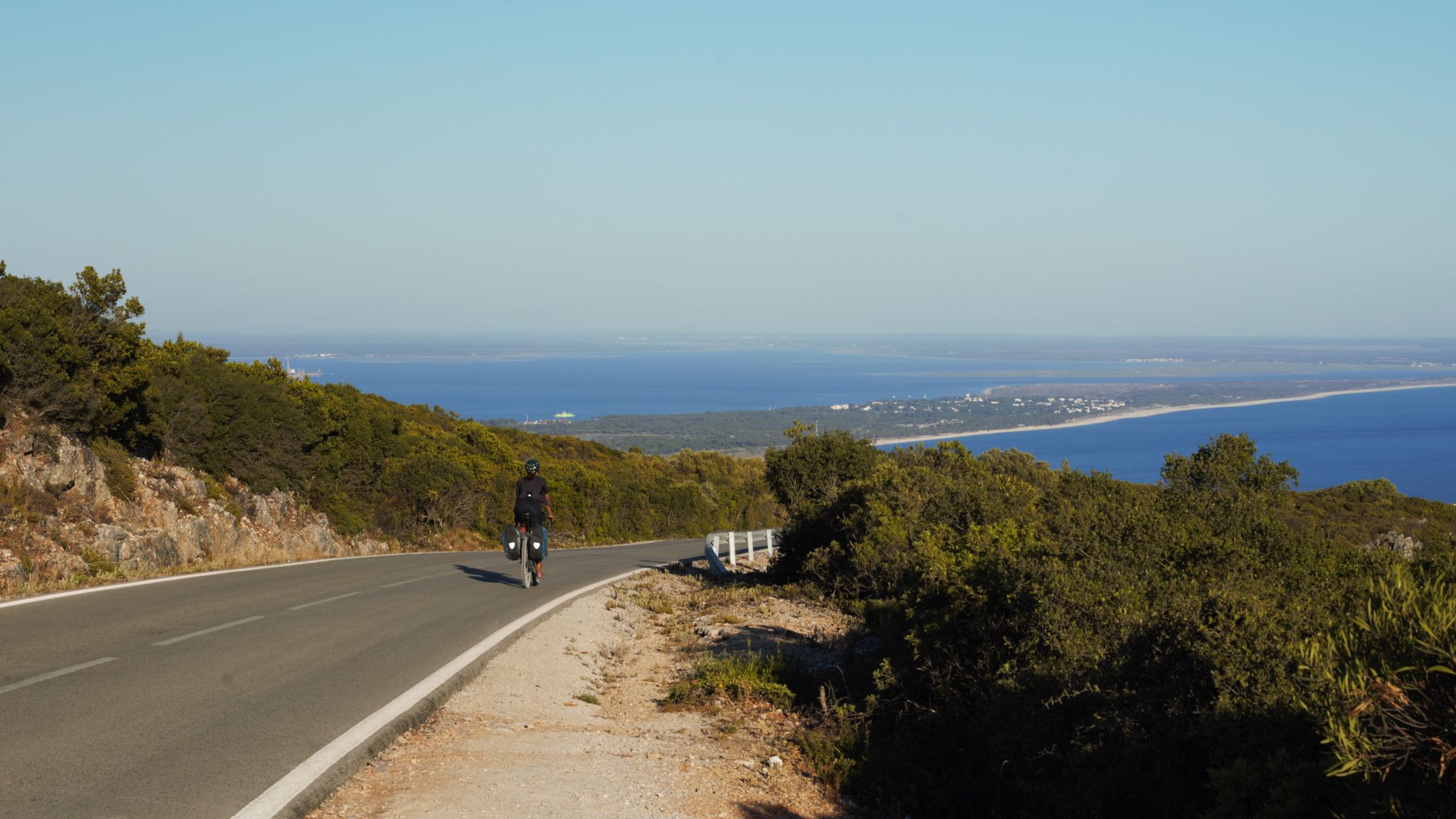
No traffic touring cycling routes around Barcelos traverse the verdant Minho region of northern Portugal, characterized by rolling vineyards, forested hills, and the Cávado River. The landscape offers a mix of peaceful rural countryside and riverside paths. Elevated viewpoints provide panoramic vistas extending towards the Atlantic coast. The area also integrates sections of the Camino Português de Santiago, offering historical and scenic cycling experiences.
Best no traffic touring cycling routes around Barcelos
- The most popular no traffic touring cycling route…
Last updated: November 6, 2026
24
riders
43.0km
03:34
550m
550m
Hard bike ride. Very good fitness required. Mostly paved surfaces.
16
riders
46.4km
04:00
890m
890m
Hard bike ride. Very good fitness required. Mostly paved surfaces.

12
riders
18.1km
01:04
100m
100m
Easy bike ride. Mostly paved surfaces.
11
riders
29.3km
01:55
250m
250m
Moderate bike ride. Good fitness required. Mostly paved surfaces.
10
riders
32.3km
02:45
710m
710m
Hard bike ride. Very good fitness required. Mostly paved surfaces.
Get access to more routes and recommendations from other explorers.
Already have an account?
Our route recommendations are based on thousands of hikes, rides, and runs completed by other people on komoot.
Start today with a free account
Your next adventure awaits.



Tips from the Community

Architecture and Highlights The building is an example of local religious architecture, with a T-shaped floor plan and a single nave, resulting from expansions of the original chancel. Style: Combines Baroque, Rococo, and Neoclassical elements. Facade: The main facade has a gable, flanked by a quadrangular bell tower. The main portal with a segmental arch is topped by an aedicule that houses the image of the patron saint. Interior: The interior, although simple, is well preserved and inviting to prayer, as noted by visitors.
1
0
The Parish Church of Santa Maria de Martim, located in the parish of Martim, in the municipality of Barcelos, is a remarkable religious building with architectural elements ranging from Baroque to Neoclassical.
1
0


One of the first news concerning Amoso dates from 1077, confirming the existence of the parish of Santa Eulália. Implanted in a low and marshy place, the Church of the former monastery of Arnoso has a location that is not common in the Portuguese Romanesque and that could have been one of the causes of the reduction of the its constructive program. Although it is not possible to confirm its place of origin, the date of 1156 is inscribed on the tympanum of the south portal. Another epigraph, now detached, was removed during the restoration work carried out by the DGEMN from the outer face of the north wall. of the nave, next to the first buttress. Its original position seems to confirm the date of one of the phases of the Romanesque construction: | 124. The walls of the most eastern portion of the nave are lined with blind arcades, as they were initially intended for the transept, indicating a program designed for the construction of a temple on a larger scale. At the head, the figurative sculpture stands out, whose meaning seems to be that of struggle, tension and threat, pointing to the presence of evil forces and to the permanent struggle between man and evil entities.
1
0

The Monastery of São Pedro de Rates (Portuguese: Mosteiro de Rates) is a former Benedictine abbey located in the parish of São Pedro de Rates, in the municipality of Póvoa de Varzim, in the Porto district, northern Portugal. All that remains of the former monastery complex today is the Romanesque church Igreja de São Pedro de Rates, also known as the Românica de Rates, dedicated to its patron saint, São Pedro de Rates. Due to its art-historical significance as the "nucleus" of Portuguese Romanesque architecture and its historical significance for the emerging Kingdom of Portugal, the church was registered and protected as a National Monument in 1910. (Source: https://de.wikipedia.org/wiki/Kloster_S%C3%A3o_Pedro_de_Rates)
5
1

The bike path from Famalicão to Povòa do Varzim runs along the route of the old railway line. Very interesting part of Balazar with broken shelters and station sign (or better -stein). The past can be guessed here. https://de.m.wikipedia.org/wiki/Linha_da_P%C3%B3voa?wprov=sfla1
0
0
Frequently Asked Questions
How many no-traffic touring cycling routes are available around Barcelos?
Barcelos offers a wide selection of no-traffic touring cycling routes, with over 50 options to explore. These routes cater to various skill levels, from easy to difficult, ensuring there's something for every touring cyclist.
What kind of landscapes can I expect on these traffic-free cycling routes?
The no-traffic routes around Barcelos traverse the verdant Minho region, offering a diverse tapestry of landscapes. You'll cycle through peaceful rural countryside, past rolling vineyards, and forested hills. The prominent Cávado River is a central feature, with many routes offering pleasant riverside paths and glimpses towards the Atlantic coast. Elevated viewpoints also provide impressive panoramic vistas.
Are there any easy, traffic-free touring routes suitable for beginners or families?
Yes, Barcelos has several easy, traffic-free touring routes perfect for beginners or families. An excellent option is the Church of São Pedro de Rates loop from Cavalões, which is approximately 17 km long with minimal elevation gain, offering a relaxed ride through the scenic countryside.
What historical landmarks or attractions can I see along the no-traffic cycling routes?
Many routes incorporate historical landmarks. You can cycle past the medieval bridge over the Cávado River, dating back to the 14th century. Other notable historical structures include the Stone Bridge over the Neiva River and the Fão Bridge. The town of Barcelos itself, with its Archaeological Museum, Romanesque parish church, and Pottery Museum, is also a significant attraction often passed or visited by cyclists.
Are there any circular no-traffic touring routes available?
Yes, many of the no-traffic touring routes around Barcelos are circular, allowing you to start and end at the same point. For example, the Parque Perez – Chapel of Saint Sebastian loop from Vila Boa offers a moderate, circular ride through varied terrain, including forested hills.
What is the best time of year to go touring cycling in Barcelos?
The Minho region, including Barcelos, is known for its verdant landscapes, suggesting pleasant cycling conditions outside of the hottest summer months. Spring and autumn generally offer mild temperatures and beautiful scenery, making them ideal for touring cycling. Always check local weather forecasts before heading out.
What do other touring cyclists enjoy most about the no-traffic routes in Barcelos?
The no-traffic touring routes in Barcelos are highly rated by the komoot community, with an average score of 4.1 stars. Reviewers often praise the peaceful rural scenery, the well-maintained paths along the Cávado River, and the opportunity to discover charming villages and historical sites away from busy roads.
Can I find routes that offer panoramic views of the region?
Absolutely. Several routes in the Barcelos area lead to elevated viewpoints. The Franqueira Sanctuary, for instance, offers impressive panoramic views extending to the Atlantic coast and eastward towards Braga. Other hilltops like Monte de Facho, Monte de São Gonçalo, and Monte de Airó also provide stunning vistas, often incorporated into more challenging routes like the Parish Church of Nine – Solar de Vila Meã loop from Nine.
Are there any routes that follow the Camino Português de Santiago?
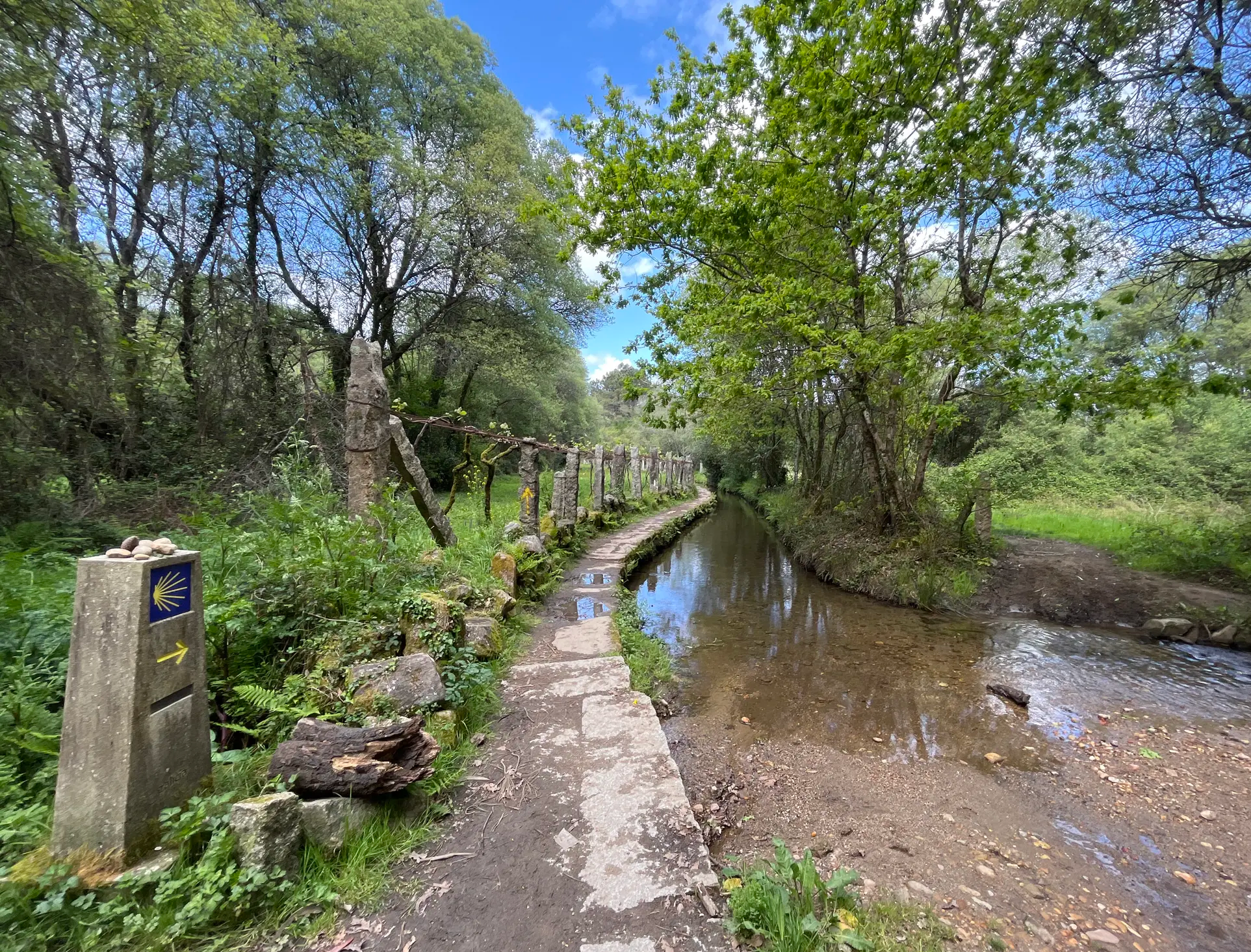
Yes, Barcelos is a significant stop on the Central Camino route of the Portuguese Way to Santiago de Compostela. While not exclusively traffic-free, sections of the Camino from Barcelos to Ponte de Lima are particularly praised for their peaceful and rural scenery, making them ideal for touring cyclists seeking a spiritual and scenic journey.
Are there any longer, more challenging no-traffic touring routes for experienced cyclists?
For experienced cyclists seeking a challenge, Barcelos offers several difficult, traffic-free touring routes. The Barcelos Medieval Bridge – Barcelos Rooster loop from Barcelos is a demanding option, covering over 45 km with significant elevation gain, providing a rewarding ride through diverse terrain and historical points of interest.
What natural features can be found near the cycling routes?
Beyond the Cávado River, the region boasts several natural highlights. You can find the Neiva Estuary and the Rio Neiva Estuary, known for their birdlife. The area also features beautiful beaches like Ofir Beach and Belinho Beach, which can be accessed or viewed from certain routes.
Most popular attractions around Barcelos

Get inspired with the komoot mobile app


Explore more
Browse the best Cycling routes in other regions.
