The best traffic-free bike rides around Laroque
4.5
(46)
987
riders
16
rides
No traffic road cycling routes around Laroque offer diverse terrain situated between the Languedoc plain and the Cévennes mountains. The region features varied landscapes, from flatter stretches to undulating terrain and climbs in the Cévennes foothills. The Hérault River carves impressive gorges, and the area is characterized by limestone landscapes and hillside vineyards. This geographical position provides a range of road cycling experiences for different ability levels.
Best no traffic road cycling routes around Laroque
- The most popular no traffic…
Last updated: May 8, 2026
21
riders
59.6km
02:47
620m
620m
Moderate road ride. Good fitness required. Mostly well-paved surfaces and easy to ride.
14
riders
48.2km
02:10
420m
420m
Moderate road ride. Good fitness required. Mostly well-paved surfaces and easy to ride.

Sign up for free
13
riders
11.5km
00:29
60m
60m
Easy road ride. Great for any fitness level. Mostly well-paved surfaces and easy to ride.
9
riders
42.6km
01:58
430m
430m
Moderate road ride. Good fitness required. Mostly well-paved surfaces and easy to ride.
5.0
(1)
6
riders
37.4km
01:33
140m
140m
Moderate road ride. Great for any fitness level. Some segments of this route may be unpaved and difficult to ride.
Get access to more routes and recommendations from other explorers.
Sign up for free
Already have an account?
Our route recommendations are based on thousands of hikes, rides, and runs completed by other people on komoot.
Start today with a free account
Your next adventure awaits.
Login or Signup
Popular around Laroque
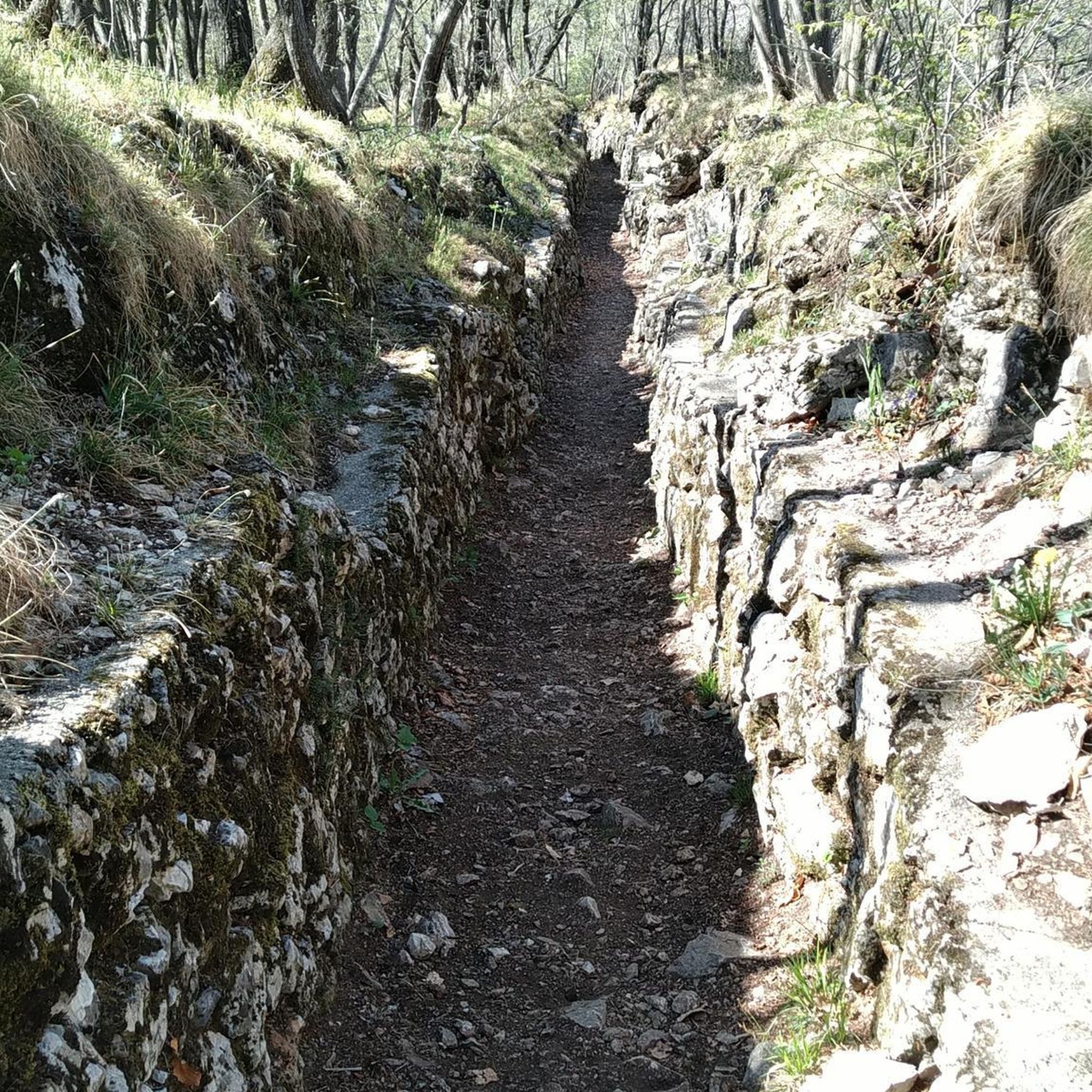

Tips from the Community

In 1079, the Benedictine abbot Gérard de Corbie and about ten monks and knights founded Notre-Dame de La Sauve-Majeure in the large forest (in Latin Silva Major) of the Entre-deux-Mers. The support of the dukes of Aquitaine and the pilgrimage to Santiago de Compostela favored a rapid boom. At its peak in the 12th and 13th centuries, the abbey had about a hundred monks. The Hundred Years' War precipitated its decline.
0
0

Beautiful passage with a train relic recalling the history of the place, formerly a railway.
0
0

At the Creon station, several information panels about the history of the railway line are offered, and wagons and engines that operated on this line can be seen.
0
0
Good place for a coffee, crepes.. or lunch.
0
0

Budos Castle is the work of Raymond Guilhem de Budos, nephew of Pope Clement V. Largely supported by his uncle, he rebuilt the old family castle in 1306, adopting the architectural features of the neighboring Château de Villandraut, as evidenced by the following document from King Edward I, written from Wynten on March 9, 1306, to the Seneschal of Gascony[4]: "The Knight of Budos, nephew of Clement V, Sovereign Pontiff, has begged us to allow him to crenellate his house in Budos, to surround it with walls, towers, moats, and finally to fortify it. Out of respect for the Sovereign Pontiff, and because a fortress of this nature will protect not only our possessions in this part of Guienne, but also the subjects of the Pope's nephew, we grant the aforementioned Raymond permission to fortify his castle and we grant it to him, his heirs, and successors in perpetuity, and we undertake not to disturb him in any way in this possession." In 1422-23, the King of England took possession of the castle and placed Pons, Lord of Castillon, in charge. Around 1433, Henry VI granted the lands and the castle to the Duke of Gloucester. In 1446-47, Budos was given to Gaston IV of Foix-Béarn, Count of Foix, following the death of the Earl of Gloucester. After the conquest of Guyenne, the Budos family, which had supported the cause of France, regained possession of its lordships in Guyenne. Purchased from the Budos family by Raymond de La Roque in 1571, Budos Castle suffered a severe assault in 1652 during the Fronde Wars. Lasserre ransacked, pillaged, and burned its archives. The Budos lordship remained in the La Roque family until the Revolution, which nearly destroyed it. It was sold as national property and used as a quarry to build dikes on the Ciron. In 1841, the Gironde Historical Monuments Commission was informed of this by Léo Drouyn. In 1860, it became the property of Léon de Brivazac, son of Delphine Catherine de La Roque de Budos (born at the castle in 1789). Five descendants (including Savary de Beauregard) entrusted it to the Adichats association, which brings together young people to enhance and preserve what can be preserved. The castle was registered as a historic monument in 1988
0
0


Frequently Asked Questions
How many no traffic road cycling routes are available around Laroque?
There are over 10 dedicated no traffic road cycling routes around Laroque, offering a variety of experiences for different skill levels. You'll find routes ranging from easy, flat rides to more challenging ascents into the foothills.
What is the best time of year for no traffic road cycling in Laroque?
Laroque benefits from a Mediterranean climate, making it suitable for outdoor activities for much of the year. Spring and autumn offer ideal conditions with mild temperatures and less intense sun. Summers can be hot and dry, so early morning or late afternoon rides are recommended during this season. Winters are generally mild and sunny.
What are the general difficulty levels of no traffic road cycling routes in Laroque?
The no traffic road cycling routes around Laroque cater to various abilities. You'll find several easy routes, perfect for a relaxed ride, alongside a greater number of moderate routes that include some climbs and descents, especially as you venture towards the Cévennes foothills. There are no routes currently classified as difficult in this selection.
Are there any circular no traffic road cycling routes in Laroque?
Yes, many of the no traffic road cycling routes around Laroque are designed as circular loops, allowing you to start and finish in the same location. For example, the Château de la Benauge. – Verdelais loop from Mourens offers a scenic circular ride.
What kind of landscapes can I expect on no traffic road cycling routes around Laroque?
The routes offer a diverse landscape, transitioning from the Languedoc plain to the foothills of the Cévennes mountains. You can expect to cycle alongside the crystal-clear Hérault River, through areas with limestone features, and past hillside vineyards. The terrain varies from flatter stretches to undulating roads with scenic views.
What historical landmarks can I see along no traffic road cycling routes near Laroque?
Several routes pass by historical points of interest. You might encounter the medieval village of Laroque itself, or ride near the impressive Château de la Benauge. Other historical sites in the wider area include the 14th-century Saint-Étienne-d'Issensac Bridge and remnants of old castles and chapels.
Are there any natural features or viewpoints to enjoy on these routes?
Absolutely. The region is rich in natural beauty. You'll find opportunities to enjoy views of the Hérault River gorges and potentially spot natural springs like the Gornies spring. While not directly on a no-traffic road cycling route, the nearby La Vis Waterfall is a notable natural attraction in the area.
Is parking available for cyclists near the no traffic routes in Laroque?
Yes, parking is generally available in and around Laroque, particularly in the villages and towns that serve as common starting points for these routes. It's advisable to check local signage for specific parking regulations and availability.
Can I access these routes using public transport?
While Laroque is a charming village, public transport options directly to the starting points of all no traffic road cycling routes might be limited. It's best to check regional bus services or train connections to larger nearby towns like Montpellier and plan your cycling journey from there, potentially combining it with a short ride to Laroque.
Are there family-friendly no traffic road cycling routes in Laroque?
Yes, there are easy-grade routes that are well-suited for families looking for a relaxed cycling experience away from traffic. These routes typically feature minimal elevation gain and smooth surfaces, making them enjoyable for all ages. For example, the Saint-Martin Church of Arbi loop from Porte-de-Benauge is an easy option.
What do other road cyclists enjoy the most about no traffic road cycling in Laroque?
The no traffic road cycling routes around Laroque are highly rated by the komoot community, with an average score of 4.5 stars. Reviewers often praise the tranquility of the routes, the beautiful and varied landscapes, and the opportunity to explore charming medieval villages and historical sites without the disturbance of vehicle traffic.
Are there cafes or places to stop for refreshments along the no traffic road cycling routes?
Many routes pass through or near small villages where you can find local cafes, bakeries, or restaurants to refuel. Laroque itself offers amenities. It's always a good idea to carry sufficient water and snacks, especially on longer rides, as services might be spaced out between villages.
Most popular attractions around Laroque

Get inspired with the komoot mobile app


Explore more
Browse the best Road cycling routes in other regions.
