The best traffic-free bike rides around Thésée
4.3
(4)
55
riders
8
rides
Gravel biking around Thésée, nestled in the Loire Valley, offers varied landscapes with minimal elevation changes, making it accessible for cyclists. The region is characterized by gentle river valleys, dense forests, and vineyards, providing numerous "chemins gravilloneux" (gravel paths). These routes often traverse along the Cher River and its tributaries, featuring unique "Falun" tracks, which are fine white limestone gravel paths. The terrain is well-suited for no traffic gravel bike trails, winding through natural settings and past historical sites.
Best…
Last updated: May 24, 2026
4.7
(3)
10
riders
46.3km
02:40
110m
110m
Moderate gravel ride. Good fitness required. Mostly paved surfaces. Suitable for all skill levels.
10
riders
43.7km
02:32
110m
110m
Moderate gravel ride. Good fitness required. Mostly paved surfaces. Suitable for all skill levels.

Sign up for free
6
riders
56.5km
03:19
190m
190m
Moderate gravel ride. Good fitness required. Mostly paved surfaces. Suitable for all skill levels.
8
riders
Moderate gravel ride. Good fitness required. Mostly paved surfaces. Suitable for all skill levels.
4
riders
38.0km
02:17
180m
180m
Moderate gravel ride. Good fitness required. Mostly paved surfaces. Suitable for all skill levels.
Get access to more routes and recommendations from other explorers.
Sign up for free
Already have an account?
Our route recommendations are based on thousands of hikes, rides, and runs completed by other people on komoot.
Start today with a free account
Your next adventure awaits.
Login or Signup
Popular around Thésée

Tips from the Community

Did you know: During the First World War, the castle was converted into a hospital for wounded soldiers by its owner, Simonne Menier (of the Menier chocolate family). – Long rows of camp beds lined the large gallery above the Cher River. – More than 2,000 wounded were reportedly cared for within the castle walls. A bizarre contrast: the ornate Renaissance halls as a place for bandages, operations, and recovery.
3
0

Today the chateau functions as a hotel/restaurant – nice surroundings, good food, very friendly staff, and still at acceptable prices.
1
0

From here you can admire the castle in peace and quiet.
0
0


The Collegiate Church of Saint-Aignan is a French church located in the center of the city of Orléans, on the north bank of the Loire River, in the Loiret department in the Centre-Val de Loire region. It is dedicated to Saint Aignan, Bishop of Orléans. This beautiful church was originally built for the cult of Saint Aignan, whose relics were kept in the crypt. The current basilica, begun by Charles VII in 1438 but completed in 1509 by Louis XII, is not the first construction, as traces of buildings dating from the 6th, 9th, 11th, 14th, and 15th centuries have been found. They were all destroyed by fire, floods, or human hands. The people of Orléans, and in particular the canons, have always been keen to rebuild this building because Saint Aignan is an important figure in the history of Orléans, due to the role he played against the barbarians in the 5th century. While bishop of the city, he is said to have miraculously defended it against the Hun invasion in 451. https://www.tourismeloiret.com/fr/diffusio/visites/collegiale-saint-aignan-orleans_TFOPCUCEN045V501HHG
3
0
Saint Aignan, who died in 453 after defending the people of Orleans against the Huns, was buried in a first tomb. As veneration of his relics grew, a basilica was built. A community of monks settled there, and canons replaced them in the 9th century. Following the damage caused by Norman attacks and the fire of 999, Charles the Bald began reconstruction, and Robert the Pious completed the Romanesque church with its crypt housing the relics of Saint Aignan. This church was consecrated on June 14, 1029. We will soon celebrate its millennium. https://collegiale-saintaignan-dorleans.fr/la-crypte/
4
0

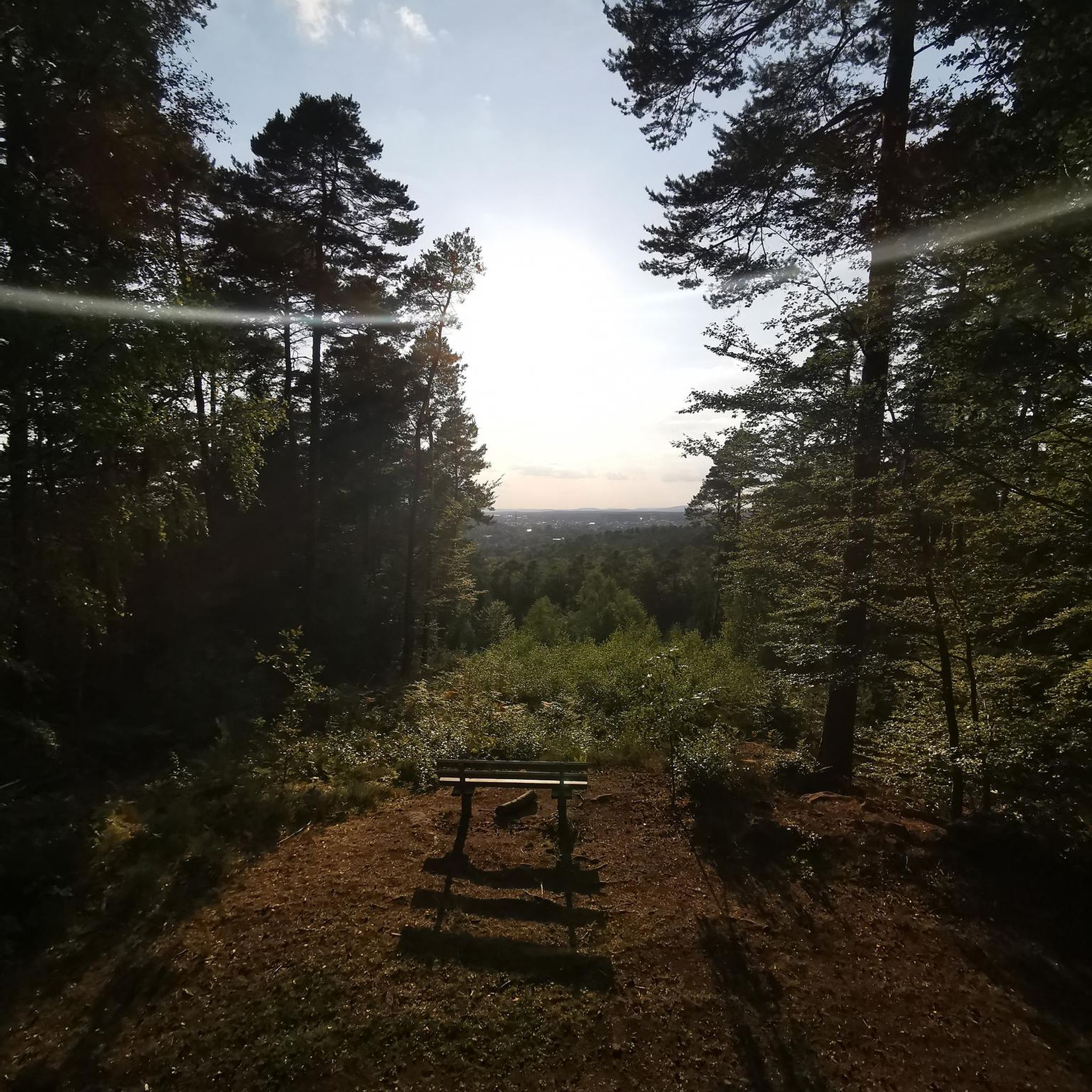
Great photo spot for the castle
0
0
Collegiate Church of Saint-Aignan https://fr.wikipedia.org/wiki/Coll%C3%A9giale_Saint-Aignan_de_Saint-Aignan
3
0
Frequently Asked Questions
What kind of terrain can I expect on the no-traffic gravel bike trails around Thésée?
The region around Thésée, nestled in the Loire Valley, offers a diverse and generally gentle terrain perfect for gravel biking. You'll encounter a mix of 'chemins gravilloneux' (gravel paths), often along river valleys, through dense forests, and winding past vineyards. A unique feature of the Loire Valley are the 'Falun' tracks, which are fine white limestone gravel paths formed from ancient seabeds, providing a distinct cycling experience.
Are there any family-friendly no-traffic gravel bike routes in the area?
Yes, the gentle terrain and minimal elevation changes in the Loire Valley make many routes suitable for families. While all routes listed are of moderate difficulty, they are generally accessible. For example, the Troglodyte houses in Bourré – Saint-Aignan Church loop from Saint-Aignan - Noyers offers a relatively flat ride with interesting sights that can be enjoyed by various skill levels.
What historical sites or natural features can I explore along these gravel trails?
Thésée and its surroundings are rich in history and natural beauty. You can cycle past vineyards, along the Cher River, and through forests. Notable historical attractions include the Gallo-Roman ruins at Les Maselles and unique troglodyte dwellings carved into soft rock. Many routes also pass by impressive castles. For instance, the Chenonceau Castle – The Banks of the Cher loop from Thésée takes you near the famous Château de Chenonceau, and the Bridge Over the Cher – View over St Aignan loop from Montrichard offers views of the Cher River and nearby towns. You can also visit highlights like the Troglodyte houses in Bourré or the Montrichard Fortress.
Are there circular gravel bike routes available around Thésée?
Yes, all the no-traffic gravel bike routes featured in this guide are circular, allowing you to start and end your ride at the same point. This makes planning your trip and logistics, such as parking, much simpler. An example is the Château de Chissay – Mon Jardin Café loop from Thésée.
What is the best time of year for gravel biking in Thésée?
The Loire Valley is generally pleasant for cycling from spring through autumn. Spring offers blooming landscapes and mild temperatures, while autumn provides beautiful fall foliage and comfortable riding conditions. Summers can be warm, but the routes often pass through forests or along rivers, offering some shade. Winter riding is possible, but be prepared for cooler temperatures and potentially wetter conditions on some paths.
Where can I park my car when starting a gravel bike ride in Thésée?
Many of the routes start from towns or villages that offer public parking facilities. For instance, routes originating from Thésée, Montrichard, or Saint-Aignan - Noyers will have parking options available in or near the town centers. It's always a good idea to check local parking regulations upon arrival.
Are there any cafes or places to eat along the no-traffic gravel bike trails?
Yes, the routes often pass through or near charming villages and towns where you can find cafes, bakeries, and restaurants. The Loire Valley is known for its culinary delights and local wines. For example, the Château de Chissay – Mon Jardin Café loop from Thésée specifically mentions a café, indicating opportunities for refreshment during your ride.
What is the typical difficulty level of these no-traffic gravel bike trails?
The no-traffic gravel bike trails around Thésée are generally rated as moderate. This means they are suitable for riders with some experience, featuring varied terrain including gravel paths, and some gentle ascents and descents. The region's minimal elevation changes ensure that climbs are not overly strenuous, making them enjoyable for a wide range of cyclists.
Can I access these gravel bike trails using public transport?
While Thésée itself is a smaller village, some larger towns in the Loire Valley region are accessible by train, and local bus services might connect to surrounding areas. However, for maximum flexibility and to reach specific trailheads, traveling by car is often the most convenient option. Always check current public transport schedules and bike carriage policies before planning your trip.
Are there any permits or special requirements needed to cycle these gravel trails?
Generally, no special permits are required for gravel biking on public paths and roads in the Thésée region of the Loire Valley. However, always respect private property, follow local signage, and adhere to any specific rules posted in natural areas or near historical sites. The 'Cœur de France à Vélo' (V46) route, which includes gravel sections, is a recognized cycling itinerary and freely accessible.
What makes the gravel biking experience in Thésée unique?
The unique combination of the region's 'chemins gravilloneux' and the distinctive 'Falun' tracks (fine white limestone gravel from ancient seabeds) offers a special gravel biking experience. Beyond the terrain, the routes are steeped in history, passing through vineyards, along the Cher River, and by Gallo-Roman ruins and troglodyte dwellings, providing a rich cultural backdrop to your ride. The low traffic nature of these paths ensures a peaceful and immersive journey through the French countryside.
How long are the no-traffic gravel bike routes around Thésée?
The routes vary in length, offering options for different preferences. For example, the Château de Chissay – Mon Jardin Café loop from Thésée is approximately 38 km, while the Chenonceau Castle – The Banks of the Cher loop from Thésée extends to about 56.5 km. This variety allows you to choose a ride that fits your desired duration and fitness level.
Most popular attractions around Thésée

Get inspired with the komoot mobile app


Explore more
Browse the best Gravel rides in other regions.
