The best traffic-free bike rides around Mortefontaine-En-Thelle
4.5
(31)
962
riders
29
rides
Road cycling around Mortefontaine-En-Thelle offers diverse routes through the Oise department, characterized by a blend of historical domains, extensive lakes, and woodlands. The terrain features both flat sections and hills, providing varied elevation gains for cyclists. This region is known for its picturesque quality, with natural relief, springs, and water bodies forming scenic backdrops for rides. Paved surfaces are common, making the area suitable for no traffic road cycling routes.
Best no traffic road cycling routes around Mortefontaine-En-Thelle
- The most…
Last updated: May 24, 2026
29
riders
92.2km
04:16
780m
780m
Moderate road ride. Good fitness required. Some segments of this route may be unpaved and difficult to ride.
11
riders
Moderate road ride. Good fitness required. Some segments of this route may be unpaved and difficult to ride.

Sign up for free
5
riders
40.2km
01:50
380m
380m
Moderate road ride. Good fitness required. Mostly well-paved surfaces and easy to ride.
7
riders
48.1km
02:13
470m
470m
Moderate road ride. Good fitness required. Mostly well-paved surfaces and easy to ride.
4
riders
60.4km
02:38
480m
480m
Moderate road ride. Good fitness required. Mostly well-paved surfaces and easy to ride.
Get access to more routes and recommendations from other explorers.
Sign up for free
Already have an account?
Our route recommendations are based on thousands of hikes, rides, and runs completed by other people on komoot.
Start today with a free account
Your next adventure awaits.
Login or Signup
Popular around Mortefontaine-En-Thelle
Tips from the Community

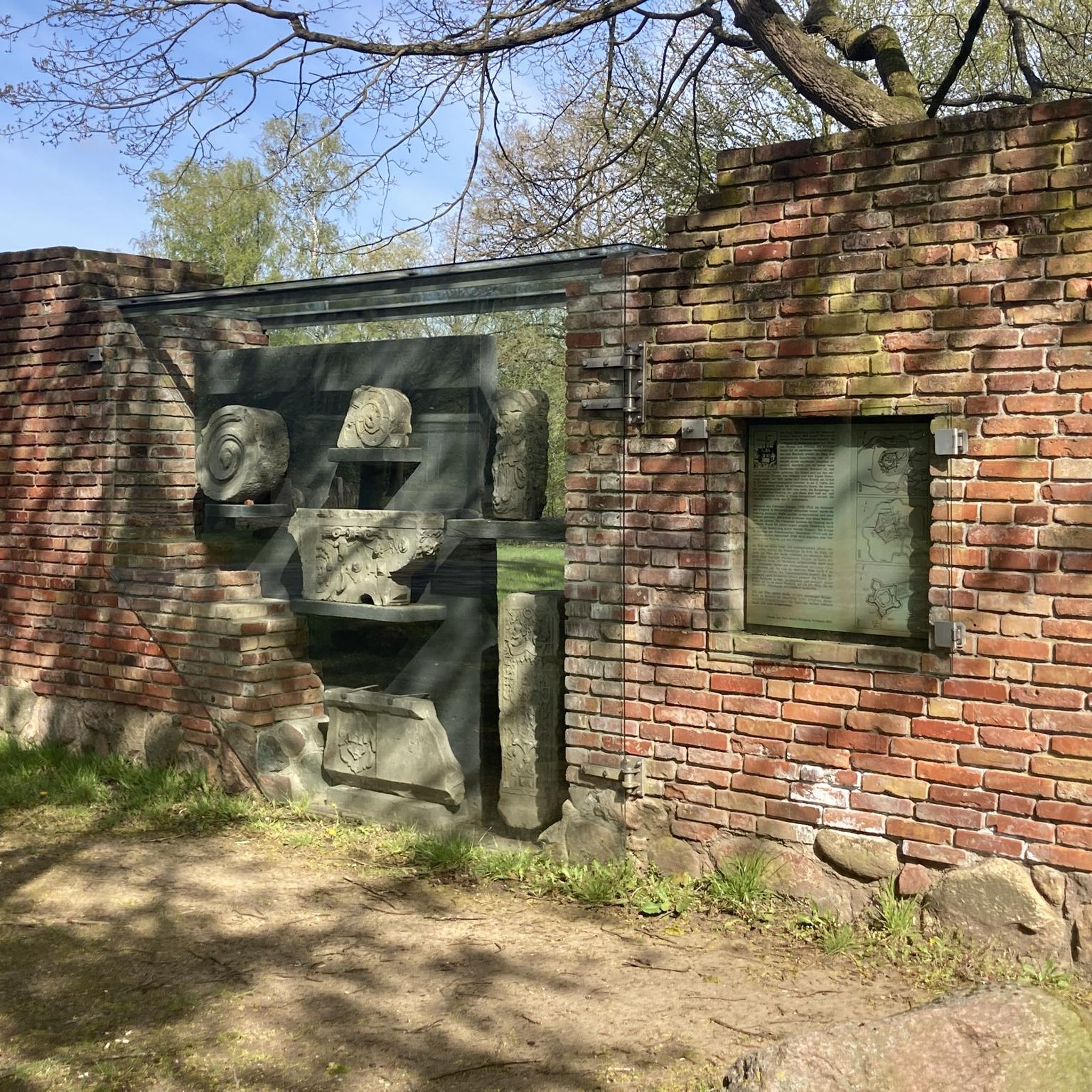
A wall now traces its original layout onto the ground, offering visitors a glimpse into its religious and architectural past.
1
0

The Cathedral of Beauvais is one of the most important Gothic churches in France 🇫🇷!
2
0

A very great caricaturist of the 19th century.
0
0

Behind the cathedral you can still find a piece of the city fortifications dating from the 4th century, originally 1370 meters long and with 18 towers. The wall is decorated with cubic stones in the Pastoreaux pattern, which can be found similarly on the remains of the historic Roman city wall around Cologne. In the Middle Ages, the wall served to demarcate the episcopal district.
1
0
It is always nice to meet old friends again, especially when it happens unexpectedly. When you enter the wonderful but only half-finished cathedral of Beauvais, you are greeted by the famous image of St. Peter from St. Peter's Basilica. This fits with the building's claim: the highest Gothic vault, the highest church tower, the largest church in France. However, it is a Gothic Babel: the vault and tower collapsed, and that was the end of money and Gothic architecture. The cathedral is a huge torso, the nave of which is a comparatively tiny Romanesque building that stands lost in front of the huge, centuries-old temporary dividing wall that the nave was supposed to replace.
1
0
The collegiate church of Saint Barthelemy, founded in 1037, was secularized during the French Revolution and converted into a residential building. After war damage and demolition, the preserved choir today reminds us of the former building.
2
0
The cathedral beckons. Curious, you want to rush into the interior, but the entrance is worth slowing down. The huge portal rises high into the sky. There are no religious figurines here: one wonders whether this is a financial consequence of the failed construction of the tower of Beauvais or whether the iconoclastic French Revolution has struck. Instead, the tendrils hide many mythical creatures and monsters worth seeing, waiting to be discovered. A somewhat threatening fairy-tale world. Behind them are the enormous carved doors, which are unparalleled with their sculptural Gothic scenes. And finally, Peter himself welcomes you into the church. You know him: an image of the famous statue in St. Peter's Basilica, which illustrates the claim of the cathedral's builders: Amiens was supposed to have the largest church in France, but unfortunately the over-high vaults and the world's highest over-high tower collapsed and inside, massive wooden struts hold up the fragile statics. A Gothic Babel. But the cathedral also holds the record as a torso: the highest vaults are 48.5 metres high.
1
0
Frequently Asked Questions
How many no-traffic road cycling routes are available around Mortefontaine-En-Thelle?
There are over 25 dedicated no-traffic road cycling routes around Mortefontaine-En-Thelle. These routes are designed for road bikes and offer a mix of easy and moderate challenges, ensuring a pleasant ride away from vehicular traffic.
What kind of terrain can I expect on these no-traffic road cycling routes?
The routes primarily feature paved surfaces, ideal for road cycling. You can expect diverse terrain, including both flat stretches through picturesque landscapes and some challenging hills that add variety and a sense of accomplishment to your ride. The region is known for its natural relief and varied topography.
Are there any family-friendly no-traffic cycling options?
Yes, the region offers several easy routes suitable for families. The Chemin des Marais de Chambly is highlighted as a very beautiful bike path with no difficulty, making it an accessible and enjoyable option for cyclists of all ages. Look for routes marked as 'easy' for the most family-friendly experiences.
What are the best times of year for no-traffic road cycling in Mortefontaine-En-Thelle?
The spring and autumn months generally offer the most pleasant conditions for road cycling, with mild temperatures and beautiful scenery. Summer can also be enjoyable, especially in the shaded woodland areas. It's always a good idea to check local weather forecasts before heading out.
What can I see along the no-traffic road cycling routes?
Many routes pass through or near charming villages and historical sites. You might encounter the Musée de la Nacre et de la Tabletterie in Méru, the historic Lavoir of Mesnil Saint-Martin, or the serene Étang de Saint-Félix. The Mortefontaine domain itself offers picturesque qualities with lakes and woodlands.
Are there any circular no-traffic road cycling routes?
Yes, many of the routes are designed as loops, allowing you to start and end in the same location. For example, the Labbeville Church – Villa Daumier loop offers a substantial ride, while the Château de Montherlant loop from Méru provides a moderate option.
What do other road cyclists enjoy most about cycling in Mortefontaine-En-Thelle?
The area is highly rated by the komoot community, with an average score of 4.5 stars from over 30 reviews. Reviewers often praise the quiet, picturesque routes, the diverse landscapes ranging from woodlands to lakes, and the opportunity to explore charming villages and historical sites away from heavy traffic.
Are there any routes that feature historical landmarks or châteaux?
Absolutely. The region is rich in history. You can explore routes like the Collegiate Church of Saint-Barthélemy – Beauvais Cathedral loop, which takes you past significant architectural heritage. The Mortefontaine domain itself, with its historical châteaux and landscaped parks, provides a beautiful backdrop for many rides.
Where can I find parking for these no-traffic road cycling routes?
Many routes start from villages or towns that offer public parking facilities. For routes originating from places like Méru or Laboissière – Le Déluge, you can typically find parking in the town centers or designated areas. It's advisable to check specific route details for recommended starting points and parking information.
Are there any challenging no-traffic road cycling routes for experienced riders?
While there are no routes explicitly rated as 'difficult' in this selection, many moderate routes offer significant elevation gains and longer distances that will challenge experienced riders. For instance, the Marcheroux Abbey loop features notable climbs and a good distance to test your endurance.
Can I access these routes using public transport?
Access to the starting points of some routes may be possible via regional public transport, particularly trains to larger towns like Méru. However, public transport options can be limited in rural areas. It's recommended to plan your journey in advance and check local transport schedules and bicycle carriage policies.
Are there any specific natural features to look out for on the rides?
Yes, the region is known for its beautiful natural features. You'll often cycle alongside or near extensive lakes, such as the grand lac de l'Epine and the lac de Vallière, which provide serene backdrops. The routes also traverse various woodlands and green spaces, offering shaded paths and natural beauty.
Most popular routes around Mortefontaine-En-Thelle
Most popular attractions around Mortefontaine-En-Thelle

Get inspired with the komoot mobile app


Explore more
Browse the best Road cycling routes in other regions.
