The best traffic-free bike rides around Thoury
4.6
(35)
1,434
riders
8
rides
No traffic road cycling routes around Thoury are characterized by the flat, open landscapes of the Loire Valley, offering accessible cycling experiences. The region features a network of quiet, paved roads that traverse rural areas, often alongside the Loire River. Cyclists can expect gentle elevation changes, making it suitable for various fitness levels. The terrain primarily consists of agricultural land, forests, and historic villages, providing a scenic backdrop for road cycling.
Best no traffic road cycling routes around Thoury
- The…
Last updated: May 23, 2026
13
riders
30.0km
01:30
130m
130m
Moderate road ride. Great for any fitness level. Some segments of this route may be unpaved and difficult to ride.
11
riders
60.3km
02:49
150m
150m
Moderate road ride. Good fitness required. Mostly well-paved surfaces and easy to ride.

Sign up for free
10
riders
17.6km
00:40
40m
40m
Easy road ride. Great for any fitness level. Mostly well-paved surfaces and easy to ride.
7
riders
54.8km
02:23
200m
200m
Moderate road ride. Good fitness required. Some segments of this route may be unpaved and difficult to ride.
6
riders
30.9km
01:40
120m
120m
Moderate road ride. Great for any fitness level. Some segments of this route may be unpaved and difficult to ride.
Get access to more routes and recommendations from other explorers.
Sign up for free
Already have an account?
Our route recommendations are based on thousands of hikes, rides, and runs completed by other people on komoot.
Start today with a free account
Your next adventure awaits.
Login or Signup


Other adventures around Thoury

Tips from the Community

The Solognot village of 1255 inhabitants (INSEE figure 2022) Ligny-le-Ribault is located, between La Ferté-Saint-Aubin and Chambord, in the heart of Sologne. Just 1h30 from Paris, Ligny-le-Ribault offers you intense moments.... The dynamism of the traders, artisans and associations make Ligny-le-Ribault a lively village where it is good to live. Amidst forests, ponds, moors and heathers... for fishing, hunting, hiking or listening to the deer's roar in autumn, our village offers you a charming discovery.
0
0
Ideal for a picnic
0
0

A Millennial Church The Church of Saint-Sulpice, established as a parish in 1050, is a modest building steeped in history. Formerly part of the Diocese of Orléans, it joined the Diocese of Blois in 1823. It was given in 1105 to the Abbey of Micy-Saint-Mesmin by Sanche, Lord of La Ferté-Hubert. While the Collegiate Church of Saint-Gervais-et-Saint-Protais, once a neighbor, no longer exists, Saint-Sulpice remains a testament to the region's medieval past. La Ferté-Saint-Cyr is also the birthplace of Blessed Daniel Brottier, founder of the National Union of Veterans. Located near the castles of Chambord and Talcy, as well as the Sologne Nature Reserve, the church attracts visitors and worshippers eager to discover this heritage.
0
0
The Church of Saint-Martin is a modest building, but representative of the Sologne region. It consists of a single nave, 15 meters long by 7.50 meters wide, extended by a wider chancel, 10.50 meters long by 8 meters wide. The nave dates from the 12th century and is built of small, irregular rubble stones* and various reclaimed materials (iron burls have even been found in the walls). Dressed stone (lake limestone) is reserved for the quoins and window and door surrounds. The west door is Romanesque: a semicircular arch with an extradosed stringcourse of diamond points (the surrounds have been altered). It is surmounted by a narrow, rather archaic window with a gunport-like vault and no rebate, which has recently been reopened and fitted with a newly created stained-glass window. Traces of two other similar Romanesque windows have been discovered and preserved on the south and north walls of the nave. A beautiful basket-handle arched "door of the dead" was also discovered to the south. The current stained-glass windows were added no later than the early 20th century. In 2003, the entire structure was restored with a lime plaster finish and tufa stone window and door frames. The apse, flanked by brick buttresses laid in a diamond pattern, is characteristic of the early 16th century. The removal of the plasterwork revealed two large segmental arched windows to the south (dating from the 17th or 18th centuries). The sacristy roof was restored with flat tiles, and its doorway was rebuilt with dressed stone and an oak lintel. The church has a small timber-framed bell tower (17th century?) overlooking the west facade. The nave roofs are now covered in slate, whereas they were originally covered in local tiles, as was the sacristy (built in the late 18th or early 19th century). Inside, the church remains in its 19th-century state. While the 17th-century timber frame has disappeared, the building still possesses an interesting 15th- or 16th-century timber frame, with tie beams adorned with rather naive corbels. The king posts and wooden vault were modified later, culminating in the 19th century with a low-pitched plaster vault on laths. A complete 15th-century truss, with a molded king post, base, and capital, is hidden between the west gable wall and the bell tower. While the interior plasterwork was redone a few years ago, the work carried out in 2002 and 2003 uncovered remnants of mural paintings on the west side, by clearing the Romanesque window (which had been blocked during the installation of the bell tower). A faux-ashlar decoration with double ochre-red joints is still clearly visible. The church retains most of its furnishings from after the Counter-Reformation: the pulpit, the altar with its altarpiece (decorated with a Charity of Saint Martin, a copy from 1867), and the baptismal font.
0
0

Timeless road, moss in the middle of the road, but very smooth.
0
0

Warning: road closed after 3-4km in August 2025. A municipal decree dated 2024 indicates that the road is impassable. There is no indication that the situation will change quickly. A diversion via forest paths is possible if you have a gravel bike.
0
0

At the heart of one of the most beautiful deer populations in France, discover the fascinating world of the deer in this museum dedicated to them. In an authentic Sologne building, immerse yourself in the life of this majestic animal through a fun and educational tour. Understand the evolution of its antlers, learn to recognize its prints, and discover the secrets of its roar.
0
0

It's the Bracieux market hall, not Selles-sur-Cher. I don't know how we can change that.
0
0
Frequently Asked Questions
How many no traffic road cycling routes are available around Thoury?
There are 5 dedicated no traffic road cycling routes around Thoury, offering a variety of distances and difficulties for you to explore the picturesque landscapes of the Loire Valley.
What kind of terrain can I expect on these traffic-free road cycling routes?
The routes around Thoury feature a mix of well-maintained paved surfaces, ideal for road cycling. While generally flat, some routes include gentle elevation changes, providing a pleasant challenge without significant climbs. The region is known for its rolling countryside, offering scenic views throughout your ride.
Are there easy, traffic-free road cycling routes suitable for beginners?
Yes, Thoury offers easy, traffic-free road cycling routes perfect for beginners. For example, the Muides-sur-Loire Bridge loop from Mer is an easy 42.2 km ride with minimal elevation gain, allowing for a relaxed and enjoyable experience.
Are there longer, more challenging traffic-free road cycling routes for experienced cyclists?
For experienced cyclists seeking a longer challenge, the region offers routes like the Muides-sur-Loire Bridge – Saint Secondin Church loop from Mer. This route spans over 105 km and features more significant elevation, requiring good fitness to complete.
What landmarks or points of interest can I see along these no traffic road cycling routes?
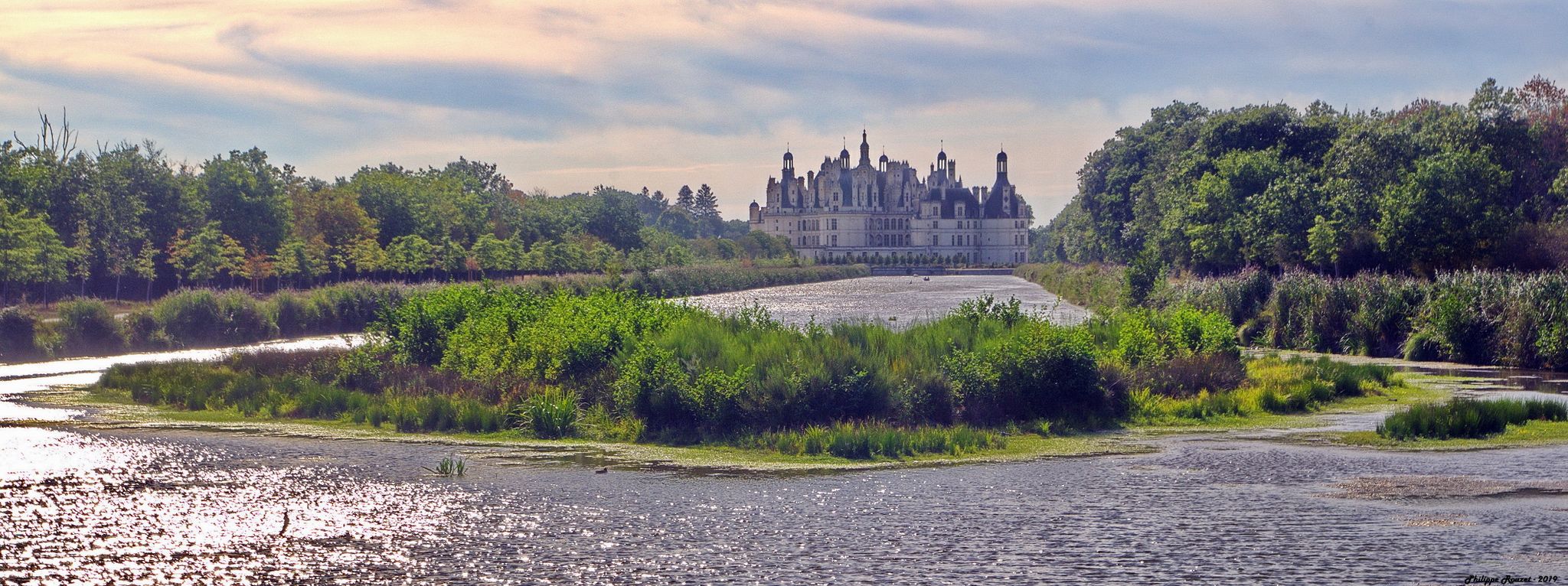
Many routes offer glimpses of the region's rich heritage. You can cycle past the magnificent Chambord Castle, explore the charming Saint-Dyé-sur-Loire village center, or discover the historic Stables of Marshal de Saxe. The Forest Cycle Path Near Chambord also offers a beautiful natural setting.
Can I find circular no traffic road cycling routes in Thoury?
Yes, several of the traffic-free road cycling routes around Thoury are circular, allowing you to start and end at the same point. Examples include the Old market hall of Bracieux – Road section loop from Bracieux and the Chambord Castle – Chambord Castle loop from Chambord.
Is parking available near the starting points of these traffic-free routes?
Yes, many of the routes start from towns like Mer, Bracieux, or Chambord, where public parking is generally available. It's advisable to check local signage for specific parking regulations and availability before your ride.
Are these traffic-free routes suitable for families?
Absolutely! The easy and moderate traffic-free routes, with their well-paved surfaces and minimal traffic, are ideal for family outings. The shorter loops, especially those around the châteaux, offer a safe and enjoyable way to explore the region together.
What is the best time of year for no traffic road cycling in Thoury?
The spring (April-May) and autumn (September-October) months are generally considered the best for road cycling in Thoury. The weather is mild, and the natural scenery, including vineyards and forests, is particularly beautiful. Summer can also be pleasant, but it's advisable to start earlier in the day to avoid the midday heat.
What do other road cyclists enjoy the most about road cycling in Thoury?
The komoot community highly rates the road cycling experience in Thoury, with an average score of 4.5 stars. Reviewers often praise the quiet, well-maintained roads, the stunning views of the Loire Valley châteaux, and the overall peaceful atmosphere that allows for an immersive cycling experience away from traffic.
Can I connect to the Loire à Vélo route from Thoury?
Yes, Thoury's location provides excellent access to the renowned Loire à Vélo cycling route. This allows cyclists to extend their traffic-free rides and discover the extensive cultural and natural heritage along the Loire River, including vineyards and historic towns, offering options for multi-day trips.
Most popular attractions around Thoury

Get inspired with the komoot mobile app


Explore more
Browse the best Road cycling routes in other regions.
