The best traffic-free bike rides around Bubry
4.1
(54)
2,723
riders
90
rides
No traffic road cycling routes around Bubry are characterized by the region's diverse terrain, featuring wooded hillsides, rural landscapes, and the scenic Blavet River valley. The area offers a network of well-maintained paths and quiet country lanes, providing varied cycling experiences. This part of Morbihan, Brittany, is known for its extensive greenways and car-free options, making it suitable for road cyclists seeking tranquil rides. The landscape includes gentle ascents and descents, with elevations generally under 200 meters, presenting a mix…
Last updated: October 6, 2026
3.5
(2)
57
riders
111km
05:09
1,060m
1,060m
Hard road ride. Very good fitness required. Some segments of this route may be unpaved and difficult to ride.
3.0
(1)
23
riders
46.4km
02:04
500m
500m
Moderate road ride. Good fitness required. Mostly well-paved surfaces and easy to ride.

14
riders
70.1km
03:22
770m
770m
Moderate road ride. Good fitness required. Mostly well-paved surfaces and easy to ride.
5.0
(1)
10
riders
82.1km
04:05
890m
890m
Moderate road ride. Good fitness required. Mostly well-paved surfaces and easy to ride.
7
riders
27.7km
01:13
270m
270m
Easy road ride. Great for any fitness level. Mostly well-paved surfaces and easy to ride.
Get access to more routes and recommendations from other explorers.
Already have an account?
Our route recommendations are based on thousands of hikes, rides, and runs completed by other people on komoot.
Start today with a free account
Your next adventure awaits.

Other adventures around Bubry

Tips from the Community

Like all the narrow roads up here in the area, this one is highly recommended. No traffic, top-quality asphalt, undulating terrain.
0
0

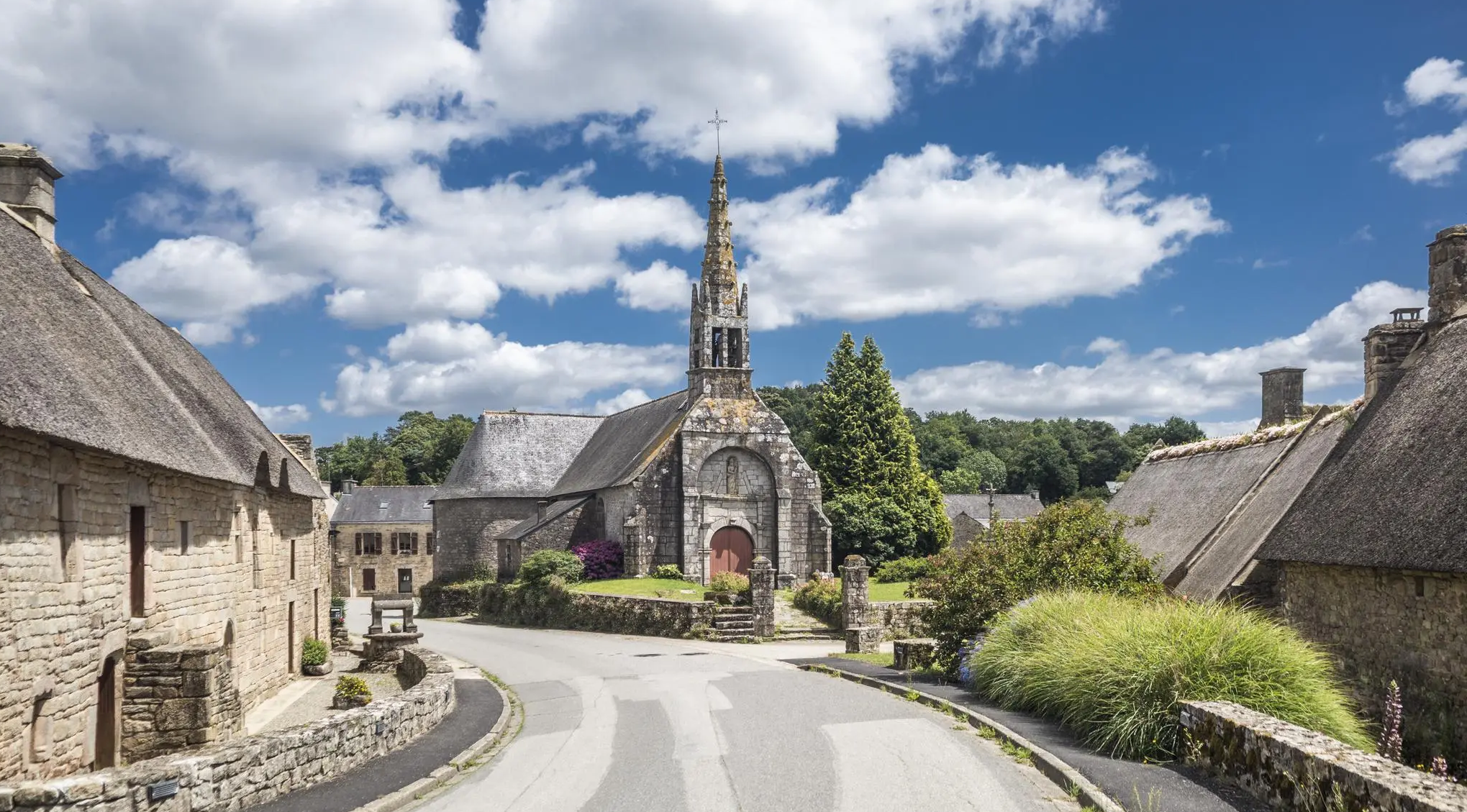
Built in 1865 by the Countess of Cossé-Brissac, this chapel was built in homage to Saint Anne, in accordance with the promise made at the birth of her daughter. It is distinguished by its door surmounted by a rosette-shaped stained-glass window and a steeple with a granite balcony. Modest in size, the chapel was initially reserved exclusively for the service of the lords of the manor.
0
0
Bat House: A unique museum in France entirely dedicated to the ladies of the night. You'll discover everything about their lifestyle and preconceived notions through a modern, playful, and accessible exhibition design. You'll observe the Greater Horseshoe Bat live on the church roof. In summer, don't miss "Bat Nights," a magical experience offered by the museum by reservation. Our Lady of Kernascléden Church: The parish church, which was once a simple chapel, was built between 1420 and 1464. It is one of the finest examples of Flamboyant Gothic art in Brittany, recognizable by its slender lines, sculpted decorations, and rich architecture. It is a veritable lacework of stone carved from granite. You'll also see the Danse Macabre there. A terrifying masterpiece depicting the triumph of death. As you enter the village, just 200 m on your left, you will find the Notre-Dame fountain.
1
0
Its origins lie in a feudal mound built around 1050 by a lord named Guégant. Established as a principality in 1570, the commune preserves a rich historical heritage, such as the Queen's Baths (currently the Tourist Office), medieval walls, the guard tower, the gatehouse of the Rohan castle, the Limbour house and numerous half-timbered houses. In the village, there is also the Notre-Dame de la Fosse church which dates from the 19th century. The current church replaces an older building which once served as a collegiate church. Capital of the Pays Pourlet and labeled "Small town of character", Guémené is also known throughout France for its famous andouille, celebrated every year during the big festival which takes place on the 4th Sunday of August. It is renowned for the artisanal production of authentic “andouille de Guémené”, recognizable by its concentric appearance when cut.
1
0
Built in the 17th century, the building was destroyed by lightning on March 5, 1959. It had a Latin cross plan finished with three-sided gables at the choir and transepts. The new church dates from 1962. Materials from the old building were reused as much as possible for its construction. It was reoriented so that its main facade aligned with the town square. Its general shape remains that of a Latin cross. The bell tower stands outside the building. It is composed of a square granite tower, topped with a balustrade, an openwork polygonal drum, and a thin slate spire. Since 2006, the church has housed a monumental fresco: The Washing of the Feet (oil on canvas, 4 m x 6 m), the work of Yannig Guillevic. Near the church stands the cross from the old cemetery, whose four sculpted sides depict scenes from the life of Christ: his baptism, his arrest in the Garden of Olives, his flagellation, and the carrying of the cross. For those with a sweet tooth, the Pâtisseries Gourmandes shop in Saint-Tugdual is a must-visit. It offers a wide range of Breton specialties such as madeleines, pound cakes, galettes, and biscuits, all at very attractive prices.
0
0
Labeled "Commune du patrimoine rural de Bretagne", this commune is endowed with an important architectural and historical heritage of great value such as churches, chapels, fountains, castles and manors and remarkable villages in the town as well as in the Ploërdutaise countryside. In the town, there is the church dedicated to Saint Idult in the 11th century and subsequently dedicated to Saint Pierre in the 15th century. It is one of the rare examples of Romanesque art in Brittany. From the outside, the church in the shape of a Latin cross displays a length that seems disproportionate to the squat silhouette of the bell tower pierced on each side by small loophole windows. Inside the south porch, near the ossuary, sandpits are carved with crocodile heads. Ask for the keys at the Town Hall to enter.
0
0


Idyllic segment of the path along the wooded park of the Haras National. The small guinguette at the level of the Bergerie is a nice place to take a break. The Blavet canal allows you to join the Nantes to Brest canal, which crosses Brittany from East to West.
1
0
Frequently Asked Questions
How many no-traffic road cycling routes are available around Bubry?
There are nearly 100 dedicated no-traffic road cycling routes around Bubry, catering to various skill levels. These routes offer a peaceful way to explore the picturesque landscapes of Brittany.
What kind of terrain can I expect on the no-traffic road cycling routes in Bubry?
The routes around Bubry feature diverse terrain, from gentle stretches along riverbanks to more challenging climbs through wooded hillsides. You'll find mostly well-paved surfaces, making for an enjoyable ride. For example, the Menhir de Kerlivio – Côte de Plouay loop from Inguiniel offers a moderate challenge with varied elevation.
Are there any easy no-traffic road cycling routes suitable for beginners in Bubry?
Yes, Bubry offers 18 easy no-traffic road cycling routes, perfect for beginners or those looking for a relaxed ride. These routes typically have less elevation gain and shorter distances, allowing you to enjoy the scenery at a comfortable pace.
What are some notable landmarks or points of interest I can see along the no-traffic road cycling routes?
Many routes pass by historical and natural attractions. You can discover charming chapels like the Chapelle Sainte-Anne des Bois or the Saint-Nicodème Chapel. The Blavet Riverbanks also offer beautiful scenic views and are often part of the cycling network.
Are there any long-distance no-traffic road cycling routes for experienced cyclists?
Yes, for experienced cyclists seeking a challenge, there are 8 difficult routes, including longer options. The Forest Road Crossing – Blavet River loop from Kermoisan is a demanding route covering over 110 km with significant elevation gain, perfect for a full day's adventure.
What is the best time of year to enjoy no-traffic road cycling in Bubry?
Brittany, including Bubry, is generally pleasant for cycling from spring through autumn. The weather is typically mild, and the landscapes are vibrant. Summer offers longer daylight hours, while spring and autumn provide cooler temperatures and fewer crowds. Always check local weather forecasts before heading out.
Can I find circular no-traffic road cycling routes around Bubry?
Many of the no-traffic road cycling routes around Bubry are designed as loops, allowing you to start and finish in the same location. For example, the CHÂTEAU DE LA FOREST – Village of Lanvaudan loop from Inguiniel is a moderate circular route that takes you through varied scenery.
What do other road cyclists enjoy most about the no-traffic routes in Bubry?
The area is highly rated by the komoot community, with an average score of 4.1 stars from 58 ratings. Reviewers often praise the tranquility of the routes, the beautiful natural surroundings, and the well-maintained surfaces that make for a smooth, car-free cycling experience.
Are there any routes that follow river or canal paths, like greenways, in the Bubry area?
Yes, the Bubry area benefits from its proximity to the Blavet River, along which the V8 greenway runs. This greenway offers peaceful, scenic rides along historic towpaths, often shared with La Vélodyssée. These paths are well-laid out and traverse wooded hillsides, providing a truly traffic-free experience.
Are there any villages or towns along the routes where I can stop for a break?
Yes, many routes pass through or near charming villages. The From Quistinic to the Blavet – Bubry loop from Mane Bleï, for instance, takes you through areas with opportunities to stop. The Village of Lanvaudan is also a notable stop, offering a glimpse into traditional Breton life.
How can I find more information about cycling in the wider Brittany region?
For broader information on cycling in Brittany, including long-distance routes and the extensive network of paths, you can consult resources like Brittany Tourism or France Vélo Tourisme. These sites provide valuable context on the region's cycling infrastructure.
Most popular attractions around Bubry

Get inspired with the komoot mobile app


Explore more
Browse the best Road cycling routes in other regions.
