The best traffic-free bike rides around La Livinière
4.1
(34)
241
riders
20
rides
No traffic gravel bike trails around La Livinière offer diverse terrain for off-road cycling. The region, part of the Minervois, features rolling vineyards, fragrant garrigue, and limestone plateaus. Gravel bikers can explore paths along the Canal du Midi and through the foothills of the Montagne Noire, providing varied elevations and scenic routes. This landscape composition ensures a mix of open and sheltered routes suitable for gravel biking.
Best no traffic gravel bike trails around La Livinière
- The most popular no traffic gravel bike trail is Fresquel Lock – Canal du Midi Bridge loop from La Redorte, a 74.0 miles (119.1 km) trail that takes 7 hours to complete. This route offers extensive riding along the Canal du Midi with varied terrain.
- Another top favourite among local gravel bikers is Fresquel Lock – Trèbes Triple Locks loop from La Redorte, a moderate 38.6 miles (62.2 km) path. This trail combines canal-side riding with views of the historic triple locks.
- Local gravel bikers also love the Port of Homps – View of Argens-Minervois loop from Homps, a 9.1 miles (14.7 km) trail leading through vineyards and along the Canal du Midi, often completed in about 45 minutes.
- Gravel biking around La Livinière is defined by expansive vineyards, limestone plateaus, and the tranquil paths of the Canal du Midi. The network offers options for easy no traffic gravel bike trails as well as more challenging routes, catering to different ability levels.
- The routes in La Livinière are highly rated by the komoot community with an average score of 4.2 stars from more than 20 reviews. More than 200 gravel bikers have used komoot to explore La Livinière's varied terrain.
Last updated: November 3, 2026
4.7
(20)
107
riders
63.5km
04:02
180m
180m
Moderate gravel ride. Good fitness required. Mostly paved surfaces.
3.0
(1)
29
riders
32.4km
02:30
90m
90m
Moderate gravel ride. Good fitness required. Mostly paved surfaces.

4.9
(8)
47
riders
130km
07:41
330m
330m
Hard gravel ride. Very good fitness required. Mostly paved surfaces.
4.7
(3)
37
riders
31.0km
01:31
60m
60m
Easy gravel ride. Mostly paved surfaces.
8
riders
19.4km
01:16
40m
40m
Easy gravel ride. Mostly paved surfaces.
Get access to more routes and recommendations from other explorers.
Already have an account?
Our route recommendations are based on thousands of hikes, rides, and runs completed by other people on komoot.
Start today with a free account
Your next adventure awaits.
Popular around La Livinière

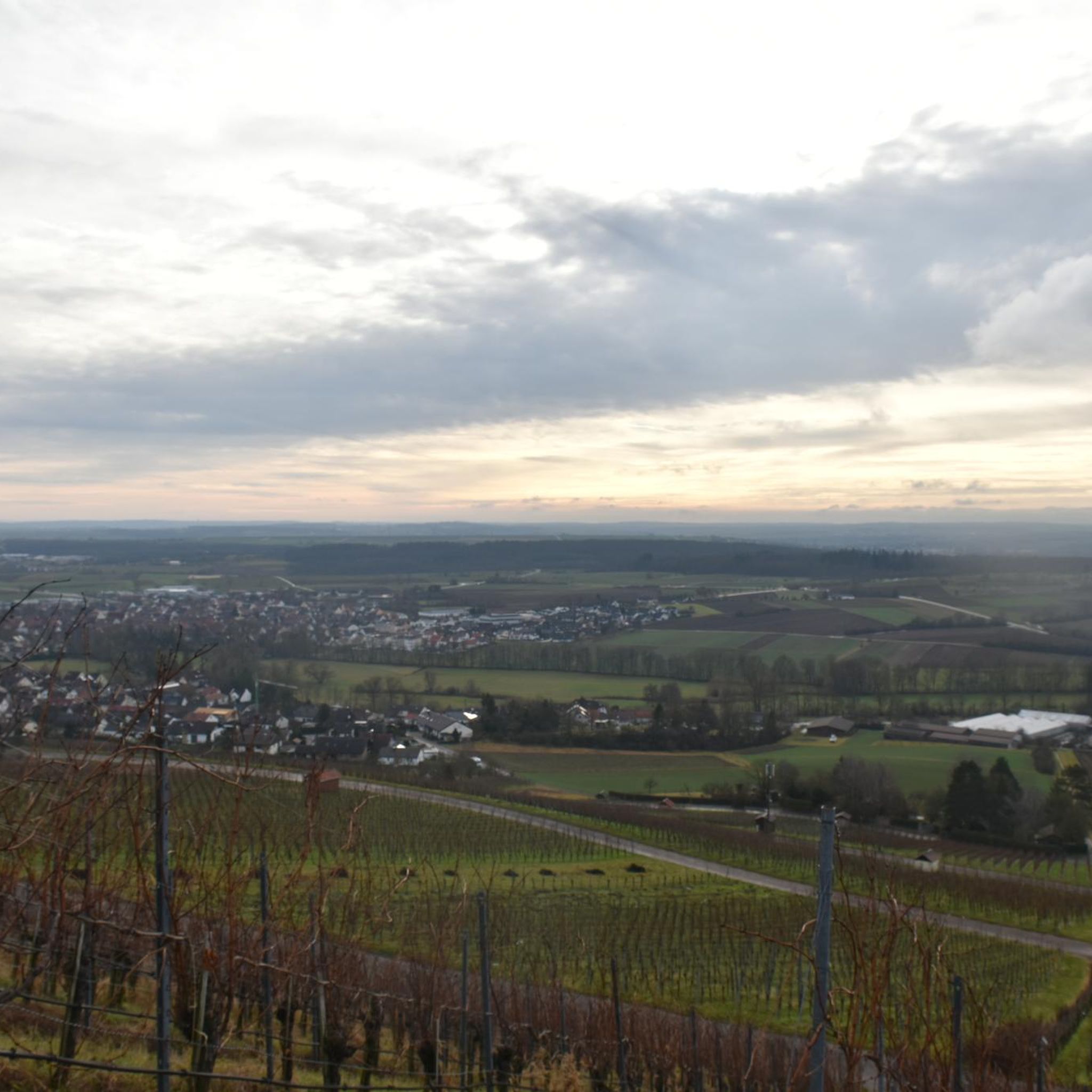
Tips from the Community

• The beginnings (1901): The father, Léon Camman, sent his newly graduated son Joseph to the Étang de Marseillette, where the family held financial shares. Joseph took over the management and gradually acquired around 800 of the total 2,000 hectares of the area. • The Naudy hydroelectric power plant (1912): To operate the complex drainage and irrigation system on a large scale, Joseph Camman designed and built his own small hydroelectric power plant. • Electric plowing: Thanks to the energy generated, Camman revolutionized local agriculture. He introduced electric plowing, which allowed the huge, often heavy and crusted soils of the former lake bed to be mechanically deep-plowed and cultivated. • Infrastructure development: The family systematically built paths, bridges, and access roads to connect the agricultural estates (metaories) with each other and to enable the transport of harvests.
0
0
The Camman era (1900–1941) marks the phase of technological modernization and industrialization of the drained Étang de Marseillette. After the land had been divided among many small farmers in the 19th century and the canals had fallen into disrepair due to a lack of coordination, this family brought back the necessary structure and innovation
0
0
Although she successfully drained the swamp water and made the land arable, her financial resources were ultimately not enough to solve the soil's biggest problem: the salt. The later project of diverting fresh river water from the Aude via a tunnel to wash the salty soil had to be completed later by successor companies.
0
0
• Origin and status: Marie Anne came from the influential Irish-Catholic Coppinger family. After her husband's death, she possessed a considerable fortune. • The purchase of the Etang (1804): During the Napoleonic era, she acquired the vast swamp area as "national property" (domaine national). The authorities gave her a four-year deadline to have the body of water completely drained in order to protect the health of the local population (who suffered from malaria) and to gain new arable land. • The mammoth task: Together with her son, she led a gigantic construction project. She invested almost her entire fortune in the construction of kilometers of drainage canals and ditches
0
0
Madame Lawless (born Marie Anne Coppinger) was a wealthy Irish widow who played a decisive role in the history of the Minervois at the beginning of the 19th century. She went down in history as the woman who, from 1804 onwards, succeeded in permanently draining the uninhabitable and disease-ridden swamp of the Étang de Marseillette and transforming it into a fertile agricultural area.
0
0
The site is also part of a protected natural area (ZNIEFF) due to its rich biodiversity, hosting numerous bird species (herons, egrets, ducks) attracted by this aquatic and agricultural environment.
0
0
Today, the pond is criss-crossed by dozens of kilometers of drainage and irrigation canals. This network has allowed for the development of crops that are very surprising for the Mediterranean region: • Rice: Rice fields thrive in the heart of the Aude. • Vines: Which produce wines with a unique character, influenced by the salt still present in the subsoil. • Apples: Large orchards cover part of the plain
0
0
It was finally at the beginning of the 19th century, from 1804 onwards, that the project succeeded thanks to the initiative of an Irish woman, Madame Lawless. Later, in the middle of the 19th century, the digging of a tunnel of more than 2 kilometers made it possible to bring water from the Aude to irrigate the pond and, above all, to wash out the salt accumulated in the soil. At the beginning of the 20th century, the engineer Joseph Camman modernized the site by creating, in particular, the Naudy hydroelectric plant to mechanize the work of the land.
0
0
Frequently Asked Questions
How many no-traffic gravel bike trails are available around La Livinière?
There are over 20 dedicated no-traffic gravel bike trails around La Livinière, offering a variety of experiences from easy rides to more challenging routes. In total, you'll find 24 tours, with 6 rated as easy, 9 as moderate, and 9 as difficult.
What kind of terrain can I expect on the no-traffic gravel bike trails around La Livinière?
The no-traffic gravel bike trails around La Livinière offer a diverse landscape. You'll primarily ride through expansive vineyards and fragrant garrigue, often on limestone plateaus. Some routes venture closer to the foothills of the Montagne Noire, providing higher elevations and more rugged sections. Many trails also follow the peaceful banks of the Canal du Midi.
What is the best time of year for car-free gravel biking in La Livinière?
The best time for car-free gravel biking in La Livinière is typically spring (April-June) and autumn (September-October). During these seasons, the weather is pleasant, and the vineyards are either blooming or showcasing their autumnal colors. Summer can be hot, especially in the plains, but the proximity to the Montagne Noire offers cooler options. Winter rides are also possible, though some paths might be muddy after rain.
Are there any easy, no-traffic gravel bike routes suitable for beginners in La Livinière?
Yes, there are several easy, no-traffic gravel bike routes perfect for beginners. For example, the Port of Homps – View of Argens-Minervois loop from Homps is a gentle 14.7 km ride with minimal elevation gain, ideal for a relaxed introduction to the area's trails.
What points of interest can I explore along the no-traffic gravel bike trails near La Livinière?
Many no-traffic gravel bike trails in the region pass by fascinating points of interest. You can discover historical elements like 'capitelles' (dry stone huts) and old lime kilns. Routes along the Canal du Midi often feature impressive structures such as the Canal du Midi Bridge or the Argent-Double aqueduct and spillway. The nearby village of Minerve, a 'Most Beautiful Village of France,' is also accessible and offers breathtaking views.
Can I find circular no-traffic gravel bike routes in La Livinière?
Absolutely. Many of the no-traffic gravel bike trails around La Livinière are designed as loops, allowing you to start and finish at the same point. An example is the View over Paraza – Paraza canal bridge loop from Homps, which offers a pleasant 31 km ride along the Canal du Midi.
Are the no-traffic gravel bike trails around La Livinière suitable for families?
Yes, many of the no-traffic gravel bike trails, especially those along the Canal du Midi, are very suitable for families. Their flat, well-maintained surfaces and absence of vehicle traffic provide a safe and enjoyable environment for riders of all ages. Look for routes rated as 'easy' for the most family-friendly options.
Can I bring my dog on the no-traffic gravel bike trails?
Generally, dogs are welcome on most public trails in the region, especially on the quiet gravel paths. However, it's always best to keep them on a leash, particularly when passing through vineyards or near livestock, and to ensure you clean up after them. The paths along the Canal du Midi are often popular for dog walking and cycling.
Where can I find parking for these quiet gravel bike trails near La Livinière?
Parking is typically available in the villages that serve as common starting points for these trails. For routes along the Canal du Midi, you can often find parking near the ports or locks in towns like Homps or La Redorte. Always check local signage for specific parking regulations.
Are there options for public transport access to the no-traffic gravel trails?
While La Livinière itself is a smaller village, regional bus services connect it to larger towns like Carcassonne or Narbonne, which have train stations. However, direct public transport access to specific trailheads might be limited. Bringing your bike on regional buses or trains can be an option, but it's advisable to check the operator's policy beforehand.
What do other gravel bikers enjoy most about the no-traffic trails in La Livinière?
The area is highly rated by the komoot community, with an average score of 4.18 stars. Reviewers often praise the tranquility of the car-free paths, the stunning scenery of vineyards and garrigue, and the historical charm of the villages and structures along the way. The peaceful routes along the Canal du Midi are frequently highlighted for their relaxed atmosphere.
Are there places to eat or drink along the no-traffic gravel bike routes?
Yes, the Minervois region is renowned for its wine culture, and many routes pass through or near picturesque villages where you can find local cafés, restaurants, and wineries. Consider combining your ride with a wine tasting experience at a local vineyard. For more information on wine tourism, you can visit tourisme-corbieres-minervois.com.
Most popular routes around La Livinière
Most popular attractions around La Livinière

Get inspired with the komoot mobile app


Explore more
Browse the best Gravel rides in other regions.
