The best traffic-free bike rides around Vers
4.0
(11)
145
riders
29
rides
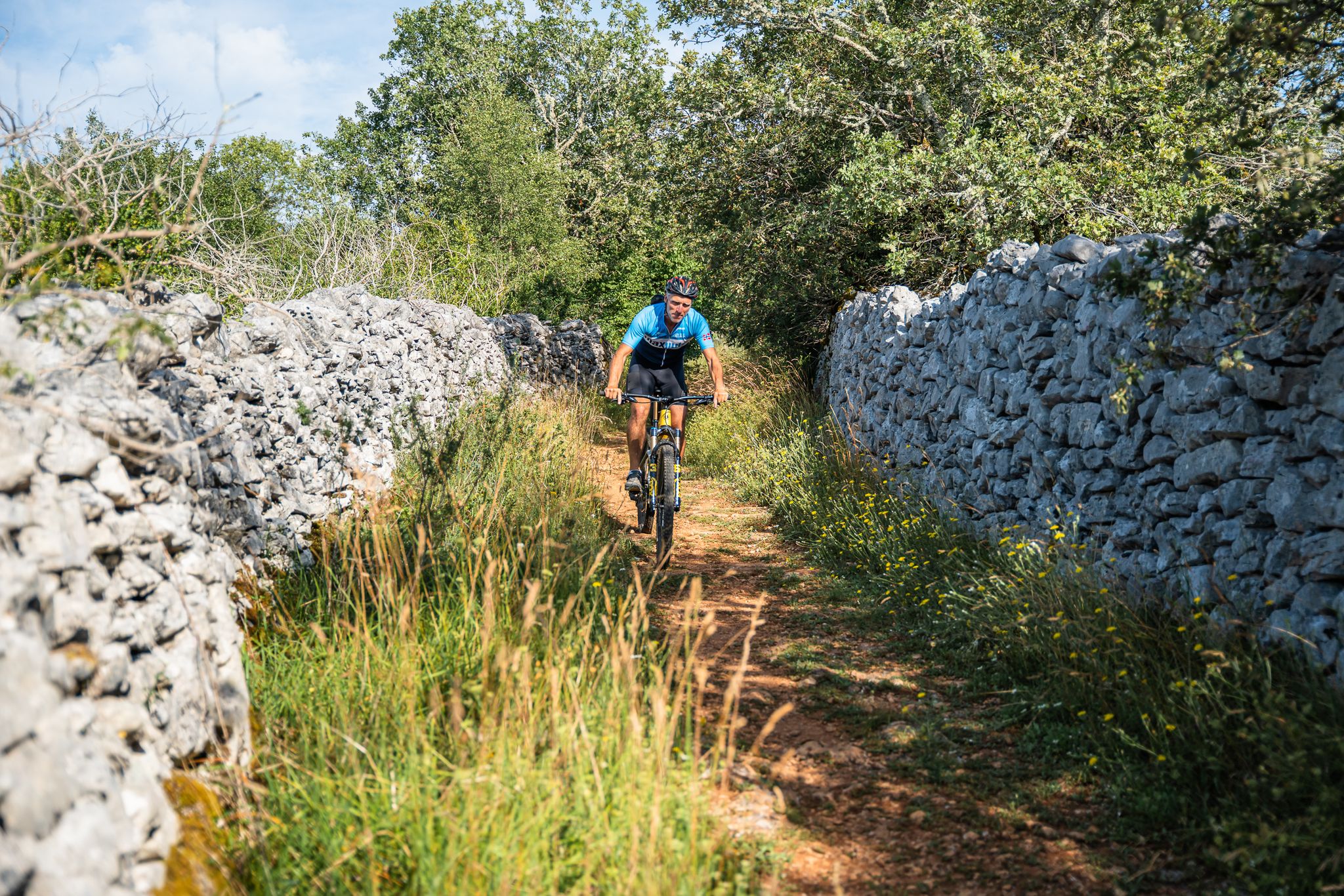
Gravel biking around Vers offers access to a network of rural tracks and unpaved paths, characteristic of the French countryside. The region features varied terrain, including rolling hills, river valleys, and forested areas, providing diverse landscapes for off-road cycling. Riders can expect routes that traverse agricultural lands, connect small villages, and follow historical paths away from main roads. This area provides opportunities for exploring the natural environment and local heritage on two wheels.
Best no traffic gravel bike trails around…
Last updated: November 3, 2026
4.7
(3)
17
riders
42.8km
03:13
860m
870m
Hard gravel ride. Very good fitness required. Mostly paved surfaces.
11
riders
33.6km
03:08
870m
870m
Hard gravel ride. Very good fitness required. Mostly paved surfaces.

9
riders
83.5km
06:24
1,540m
1,540m
Hard gravel ride. Very good fitness required. Mostly paved surfaces.
8
riders
30.3km
02:40
730m
730m
Hard gravel ride. Very good fitness required. Mostly paved surfaces.
1
riders
58.8km
04:38
1,150m
1,150m
Hard gravel ride. Very good fitness required. Mostly paved surfaces.
Get access to more routes and recommendations from other explorers.
Already have an account?
Our route recommendations are based on thousands of hikes, rides, and runs completed by other people on komoot.
Start today with a free account
Your next adventure awaits.


Other adventures around Vers

Tips from the Community

The magnificent cornice route overlooking the meanders of the river is located at the level of the spectacular Lot valley, particularly on the heights of the limestone causses and cliffs. In Saint-Cirq-Lapopie: The Lapopie rock and the Bancourel dovecote offer a spectacular 360-degree plunging view over the river.
0
0
The magnificent corniche road overlooking the meanders of the river is located in the spectacular Lot valley, particularly on the heights of the limestone causse and cliffs. In Saint-Cirq-Lapopie: The Lapopie rock and the Bancourel dovecote offer a spectacular 360-degree plunging view over the river.
0
0
The Ganil towpath: Carved into the limestone cliff rock in 1845, it once allowed horses to tow barges up the Lot river. Between 1985 and 1989, the artist Daniel Monnier sculpted an impressive bas-relief here, representing local fauna and flora. The path connects Bouziès to Saint-Cirq-Lapopie over about 4 to 5 km of easy walking.
0
0
In the heart of the Causses du Quercy Regional Natural Park. Located at the confluence of the Lot and Célé valleys, the village of Bouziès, with around 90 inhabitants, is world-renowned for its spectacular natural and historical heritage. The Château des Anglais: Fortifications from the 11th and 12th centuries anchored directly into the vertical cliff face overlooking the road and the river. This site once served as a fortified refuge for the inhabitants during conflicts.
0
0
In the heart of the Parc naturel régional des Causses du Quercy. Located at the confluence of the Lot and Célé valleys, the village of Bouziès, with around 90 inhabitants, is world-renowned for its spectacular natural and historical heritage. The Château des Anglais: Fortifications from the 11th and 12th centuries anchored directly into the vertical cliff face overlooking the road and the river. This site once served as a fortified refuge for the inhabitants during conflicts.
0
0
The Valentré Bridge is one of the few fortified medieval bridges remaining in the world. Its Gothic military architecture makes it a masterpiece of defense and engineering. 1308: The start of construction: The decision to build the bridge was made by the consuls of Cahors to secure the western access to the city and adapt to the flourishing trade. 1308-1378: An endless construction site: The work lasted nearly 70 years, slowed down by the Black Death and the Hundred Years' War. It is from this legendary slowness that the famous legend of the Devil was born. 1879: The great restoration: Having become dilapidated, the bridge underwent a major restoration led by the architect Paul Gout (a student of Viollet-le-Duc). He chose to add the famous sculpture of the little devil on the central tower to immortalize the legend. 1998: Worldwide recognition: The bridge was inscribed on the UNESCO World Heritage list as part of the Routes of Santiago de Compostela.
0
0
The first bridge of Cabessut, called the "Pont Neuf", was built of stone in the 13th century by the consuls and clergy of the town. It originally had two defensive towers which were destroyed in 1816. The old stone bridge was demolished in the early 20th century (around 1906) to make way for a wider structure.
0
0
Frequently Asked Questions
Where exactly is Vers, and what makes it good for no-traffic gravel biking?
The Vers referred to in this guide is located in the Lot department of France, a region renowned for its stunning natural beauty and extensive network of quiet rural tracks. This area, part of the wider Occitanie region, offers a diverse landscape of limestone plateaus (Causses), deep river valleys like the Lot and Célé, and charming medieval villages. These characteristics create an ideal environment for gravel biking away from main roads, utilizing ancient paths, farm lanes, and forest trails that are perfect for exploring without vehicle traffic.
How many no-traffic gravel bike trails are available around Vers?
There are over 20 dedicated no-traffic gravel bike trails around Vers featured in this guide. These routes are carefully curated to offer you the best experience on unpaved surfaces, away from busy roads, allowing you to fully immerse yourself in the tranquil Lot countryside.
Are there any easy or beginner-friendly no-traffic gravel routes in Vers?
While the region around Vers is fantastic for gravel biking, many of the routes tend to be on the more challenging side, with significant elevation changes and technical sections. Out of the 23 routes, 8 are rated as moderate and 15 as difficult. If you're new to gravel biking or prefer a gentler ride, we recommend reviewing the route profiles carefully for elevation and surface type. You might find some sections of longer routes that are more manageable, but dedicated easy routes are less common here.
What kind of distances can I expect on these no-traffic gravel bike trails?
The no-traffic gravel bike trails around Vers typically offer substantial distances, perfect for a full day's adventure. For example, the St-Cirq-Lapopie Heights – Saint-Cirq-Lapopie loop from Saint-Cirq-Lapopie covers nearly 55 km, while the Towards – Vers loop from Quercy extends to over 83 km. Most routes range from 50 km to 85 km, providing ample opportunity to explore the diverse landscapes.
What can I see along the no-traffic gravel bike trails around Vers?
The routes around Vers are rich in cultural and natural attractions. You can expect to encounter stunning medieval architecture and historical sites. Highlights include the picturesque village of Saint-Cirq-Lapopie, often cited as one of France's most beautiful villages, and the impressive Valentré Bridge in Cahors. You might also pass by historic castles like The English Castle of Bouziès or Château de Cabrerets, offering glimpses into the region's past.
Are the no-traffic gravel bike trails around Vers typically loop routes?
Yes, many of the no-traffic gravel bike trails around Vers are designed as convenient loop routes. This means you can start and finish your ride in the same location, making logistics easier. For instance, the Valentré Bridge – Saint Stephen's Cathedral loop from Cahors is a great example of a circular route that brings you back to your starting point.
What is the best time of year for gravel biking in Vers?
The Lot department enjoys a pleasant climate, making spring (April-June) and autumn (September-October) ideal for gravel biking. During these seasons, temperatures are mild, and the landscapes are particularly beautiful, with blooming wildflowers in spring and vibrant foliage in autumn. Summer can be quite hot, especially in July and August, so early morning rides are recommended if you visit then. Winters are generally mild but can be damp, with some trails potentially becoming muddy.
What do other gravel bikers enjoy most about the trails in Vers?
The komoot community highly rates the gravel biking experience around Vers, with an average score of 3.8 stars. Reviewers often praise the region's ability to offer truly traffic-free routes through stunning and varied landscapes. The combination of challenging terrain, historical villages, and the serene beauty of the Lot and Célé valleys are frequently highlighted as major draws.
Are there opportunities to explore castles or historical sites directly from the gravel trails?
Absolutely! The region around Vers is dotted with historical treasures. Many gravel routes pass close to or through areas with significant heritage. You can easily combine your ride with visits to places like Château du Roussillon or the charming Saint Stephen's Cathedral in Cahors. The trails often connect these points of interest, offering a rich cultural experience alongside your ride.
Can I find places to eat or drink along the no-traffic gravel routes in Vers?
While many of the gravel routes take you through quiet, rural areas, they often connect charming villages where you can find local cafés, bakeries (boulangeries), or small restaurants. It's always a good idea to check your route beforehand and plan your stops, especially on longer rides. Villages like Saint-Cirq-Lapopie or towns like Cahors, which serve as starting or passing points for several routes, offer excellent opportunities for refreshments and meals.
What kind of natural landscapes and wildlife can I expect to encounter on these trails?
The no-traffic gravel trails around Vers traverse a diverse range of natural landscapes. You'll ride through dense oak forests, across open limestone plateaus (Causses) with their unique flora, and alongside the scenic Lot and Célé rivers. This varied environment supports a rich array of wildlife, including various bird species, deer, and wild boar. The quiet nature of these trails increases your chances of spotting local fauna, making for a truly immersive outdoor experience.
Most popular attractions around Vers

Get inspired with the komoot mobile app


Explore more
Browse the best Gravel rides in other regions.
