The best city hikes and walks around Fontainebleau
4.6
(5783)
34,157
hikers
24
hikes
Urban hiking trails around Fontainebleau offer a diverse landscape, combining historic townscapes with natural forest environments. The region is characterized by its extensive forest, a UNESCO Biosphere Reserve, featuring unique sandstone formations and varied terrain. Trails often traverse areas near the Château de Fontainebleau and its surrounding parks, as well as paths along rivers and through nearby towns. This provides a mix of cultural landmarks and accessible natural spaces for urban exploration.
Best urban hiking trails around Fontainebleau
- The most…
Last updated: August 12, 2026
4.6
(7)
79
hikers
5.69km
01:28
30m
30m
Easy hike. Great for any fitness level. Easily-accessible paths. Suitable for all skill levels.
5
hikers
2.90km
00:45
10m
10m
Easy hike. Great for any fitness level. Easily-accessible paths. Suitable for all skill levels.

Sign up for free
13
hikers
5.99km
01:34
20m
20m
Easy hike. Great for any fitness level. Easily-accessible paths. Suitable for all skill levels.
8
hikers
2.91km
00:45
10m
10m
Easy hike. Great for any fitness level. Easily-accessible paths. Suitable for all skill levels.
2
hikers
3.41km
00:52
10m
10m
Easy hike. Great for any fitness level. Easily-accessible paths. Suitable for all skill levels.
Get access to more routes and recommendations from other explorers.
Sign up for free
Already have an account?
Our route recommendations are based on thousands of hikes, rides, and runs completed by other people on komoot.
Start today with a free account
Your next adventure awaits.
Login or Signup
Popular around Fontainebleau
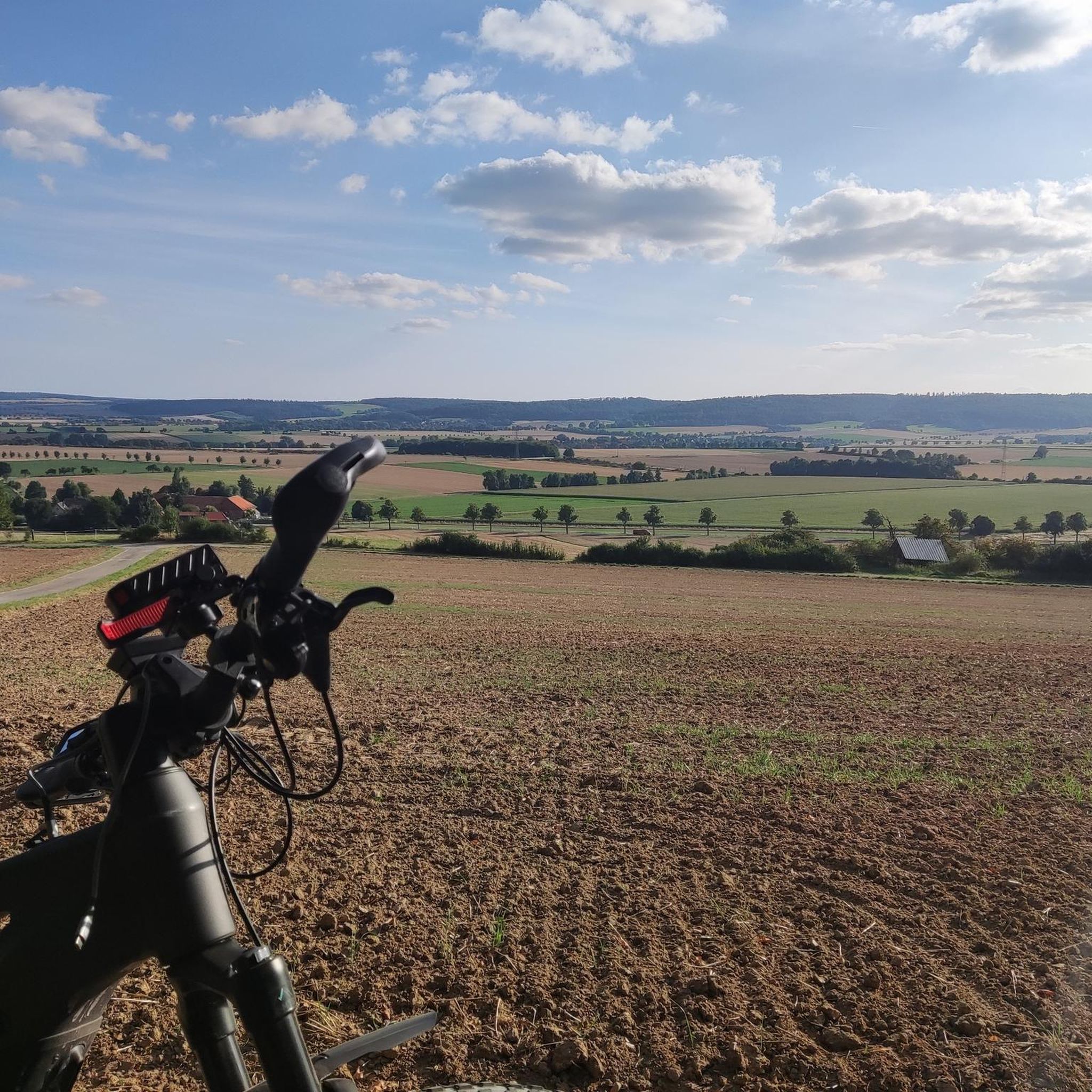
City hikes in Forêt De Champagne
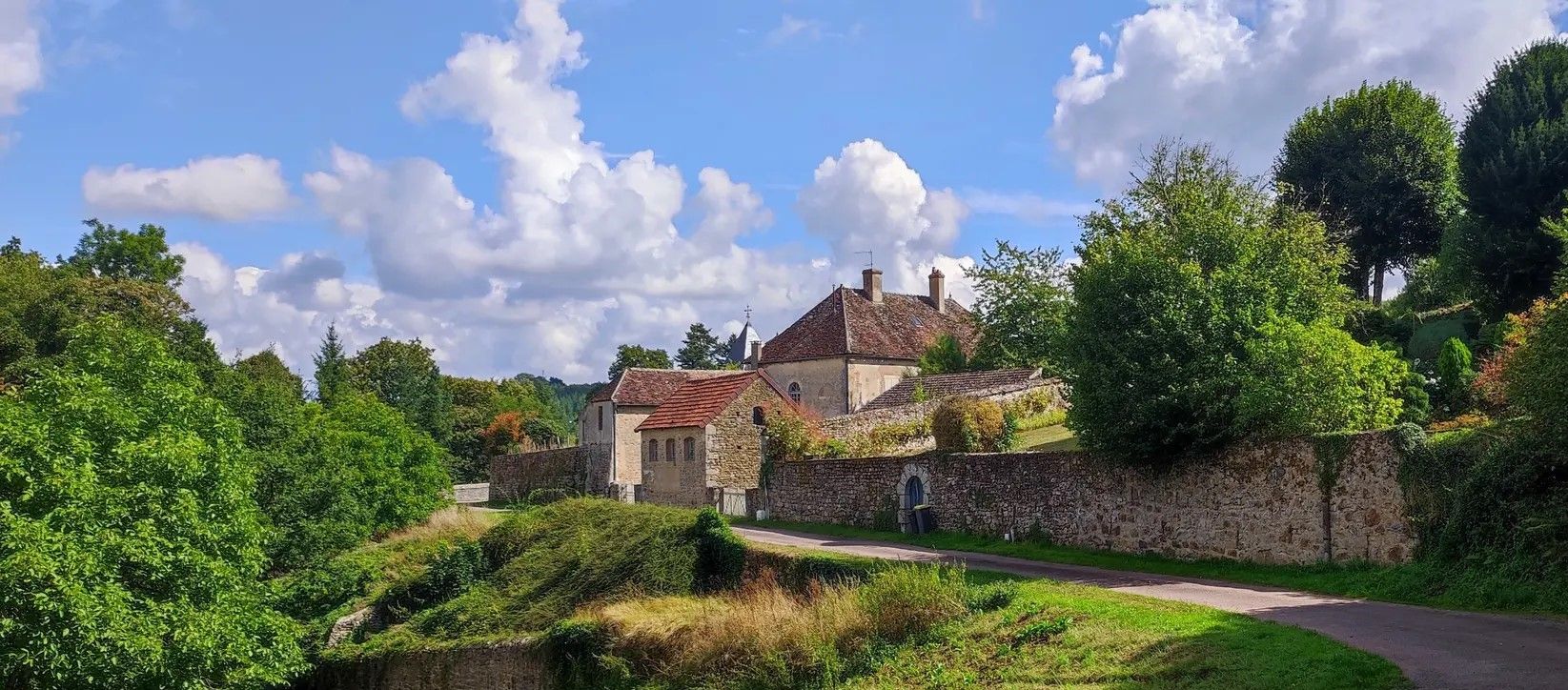
GR 13 from Gâtinais to Morvan — By Fontainebleau and Burgundy
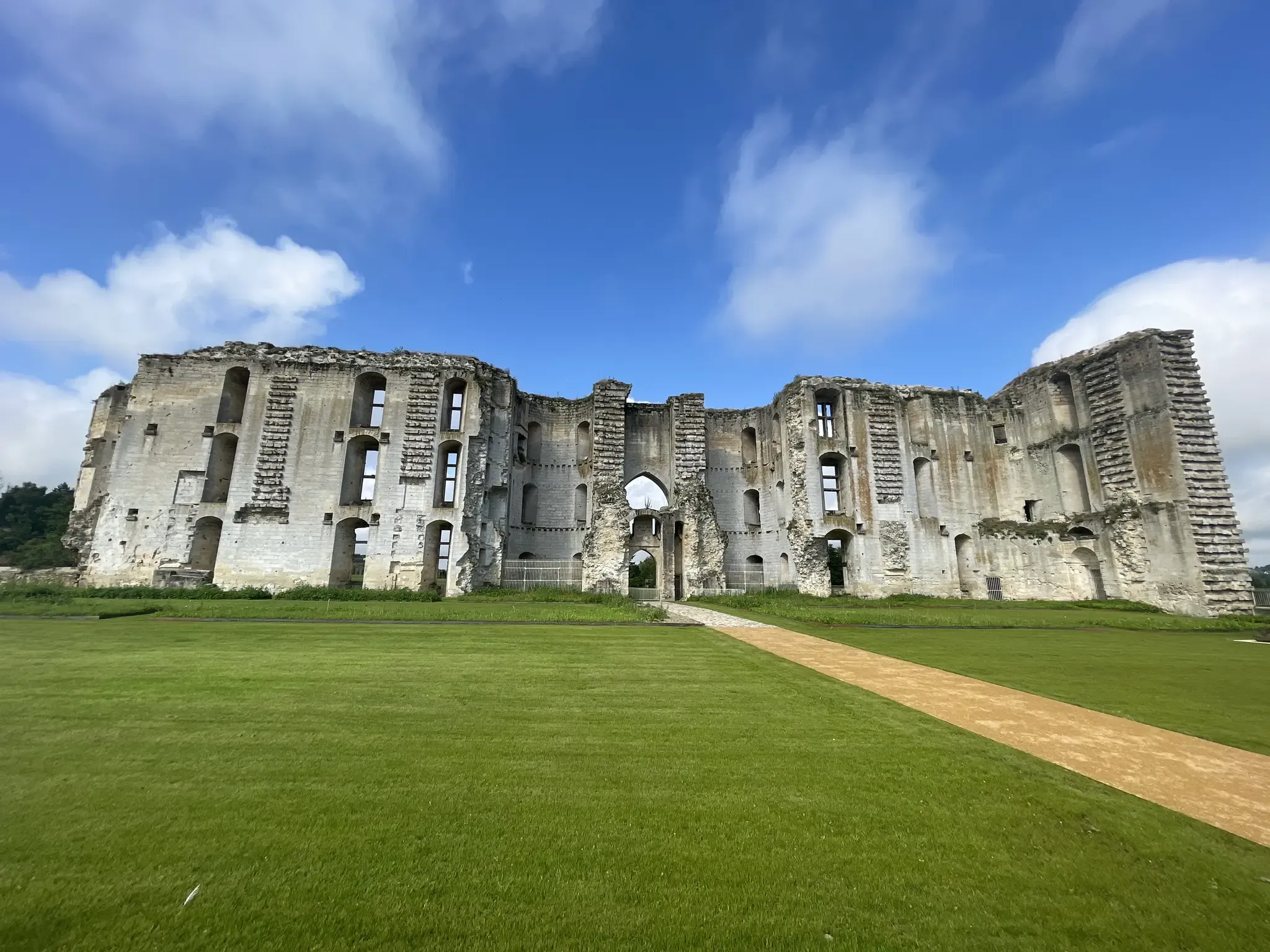
Nature and heritage around Paris – hiking the GR 11
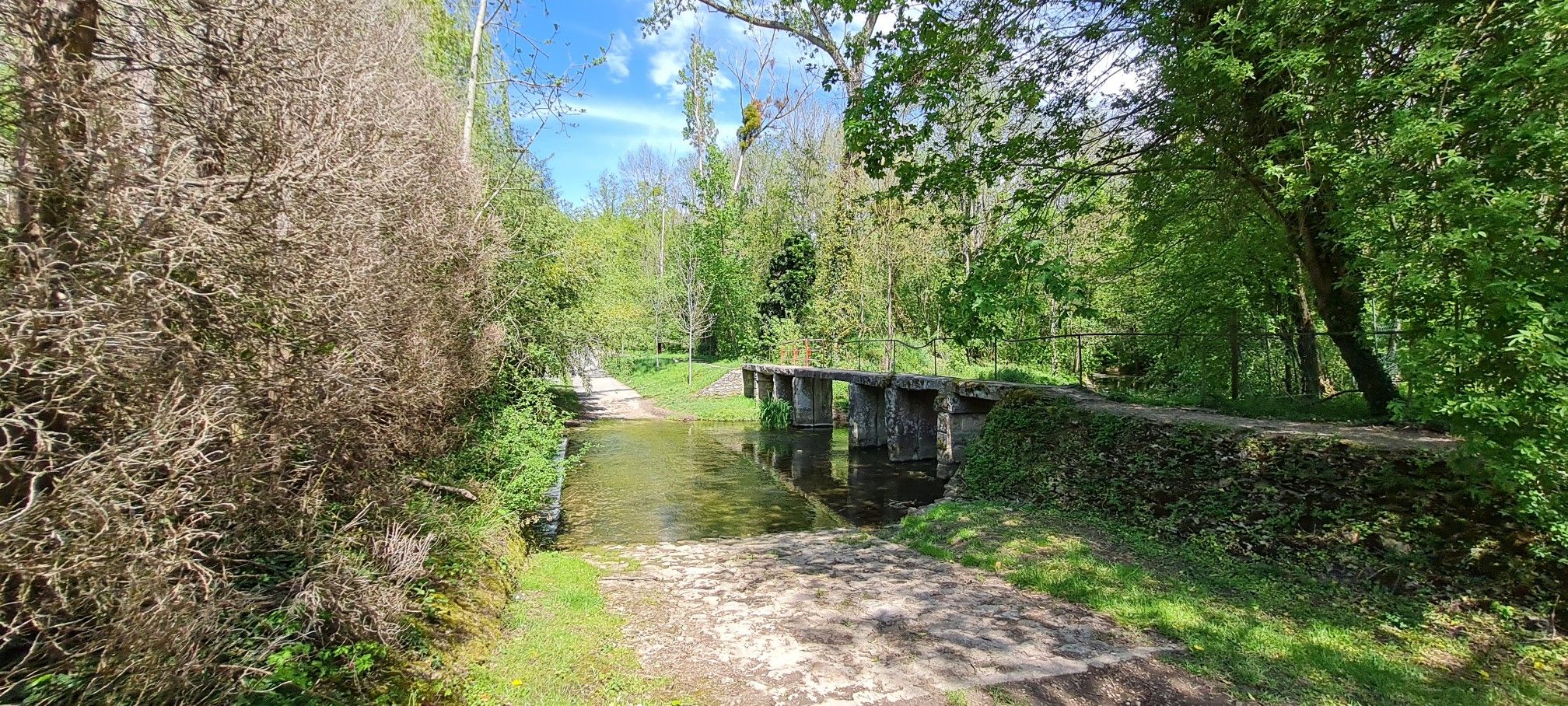
Walking around Ile-de-France in Paris – GR 1
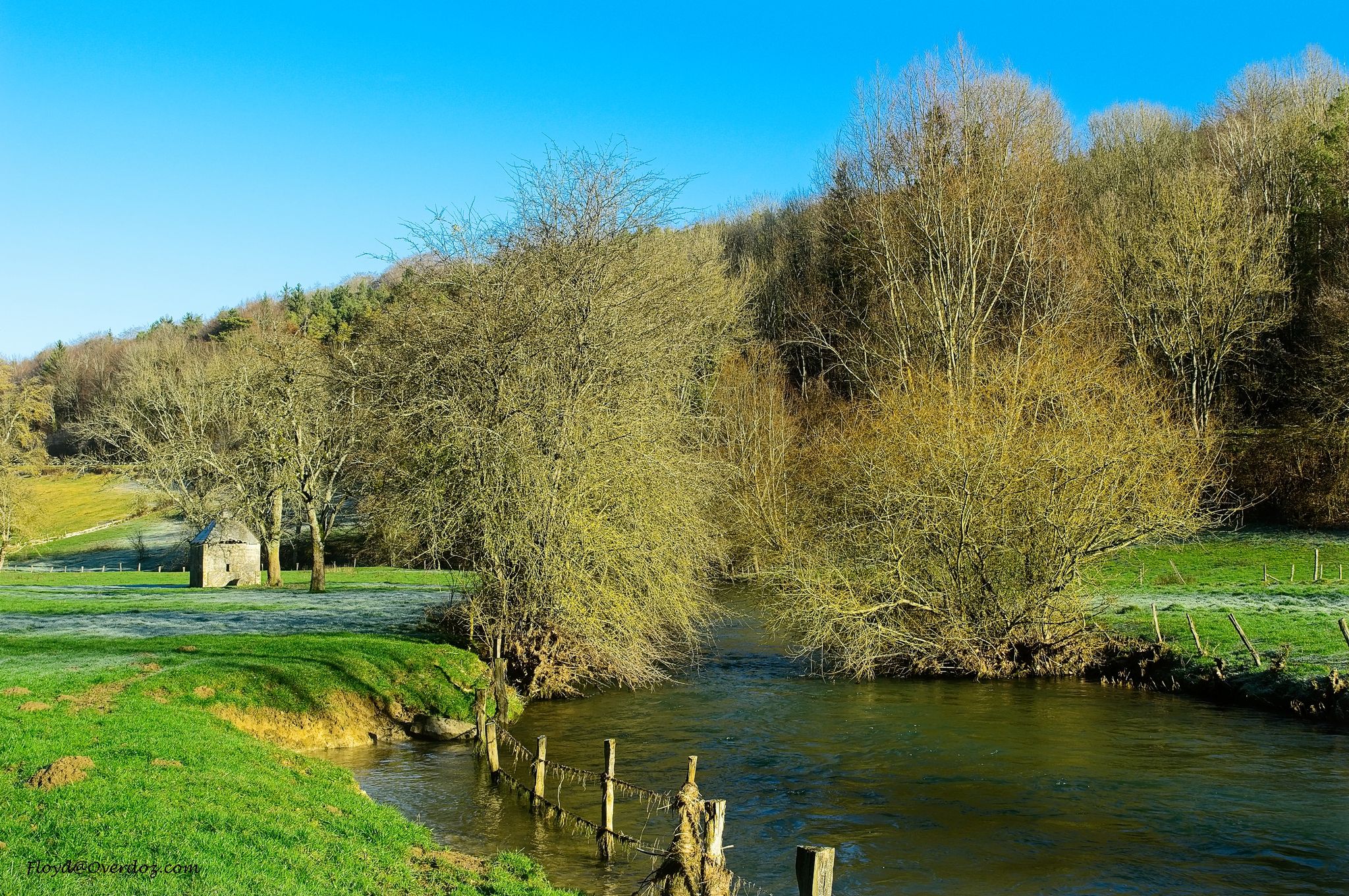
Exploring the Seine on the Île-de-France – hike the GR 2
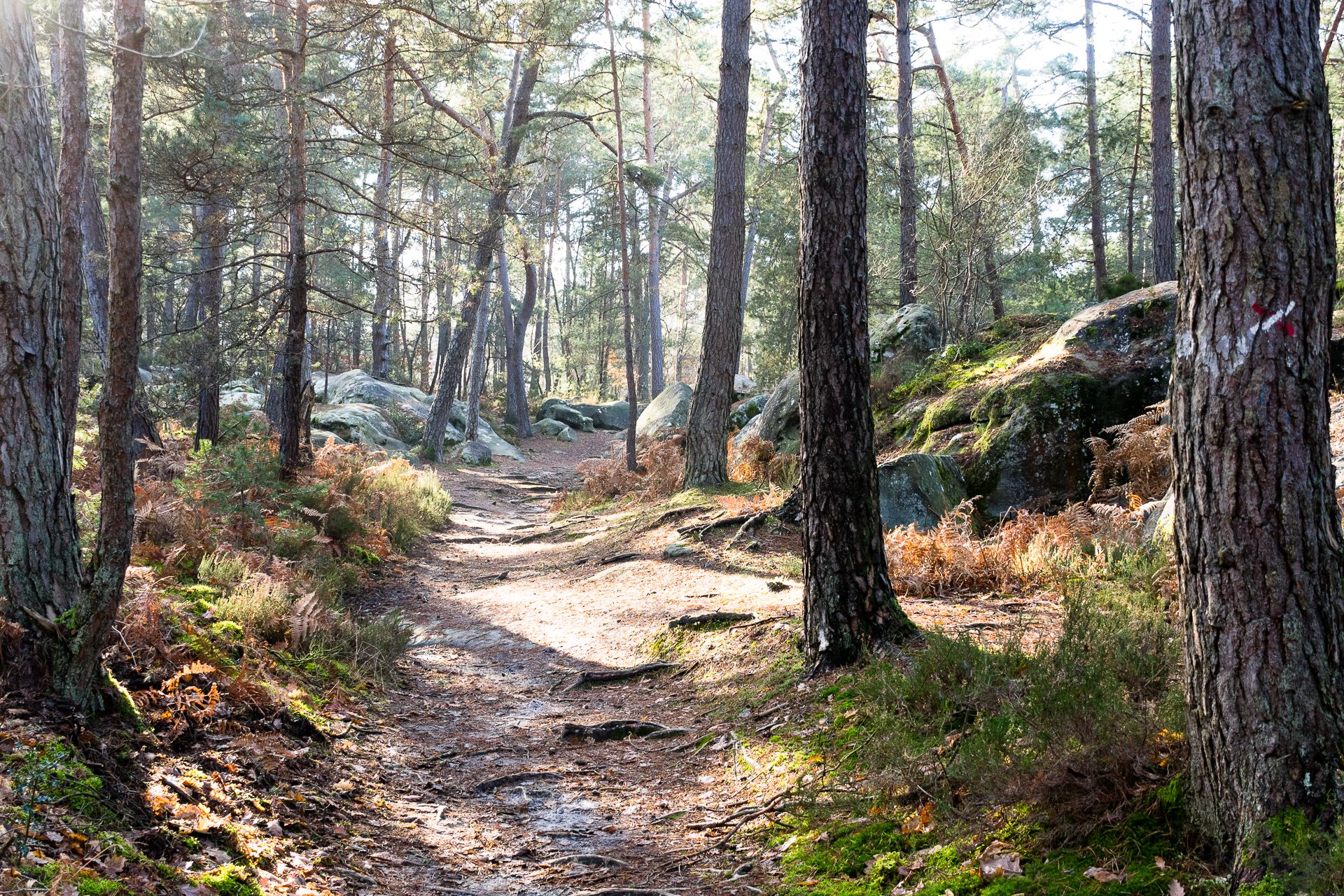
Between the rocks and the ages — les sentiers Denecourt-Colinet
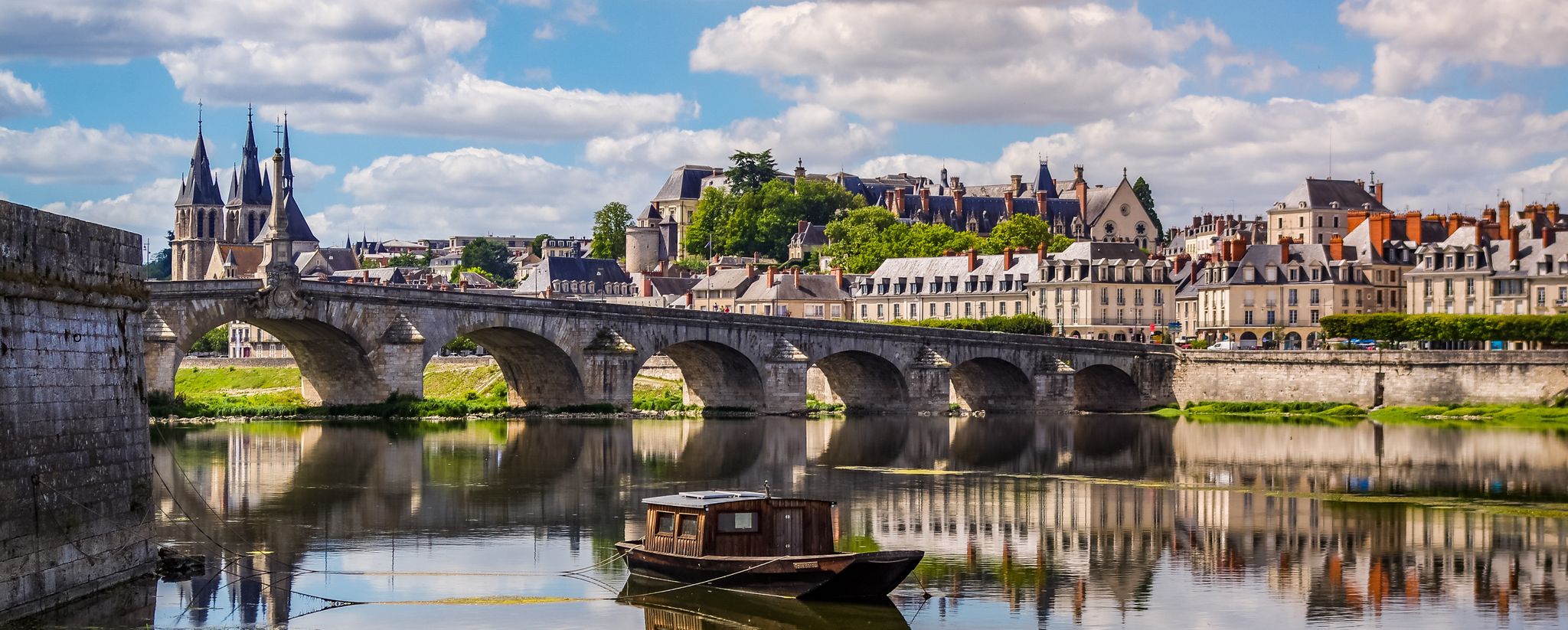
EuroVelo 3 – A cycling pilgrimage from Norway to France
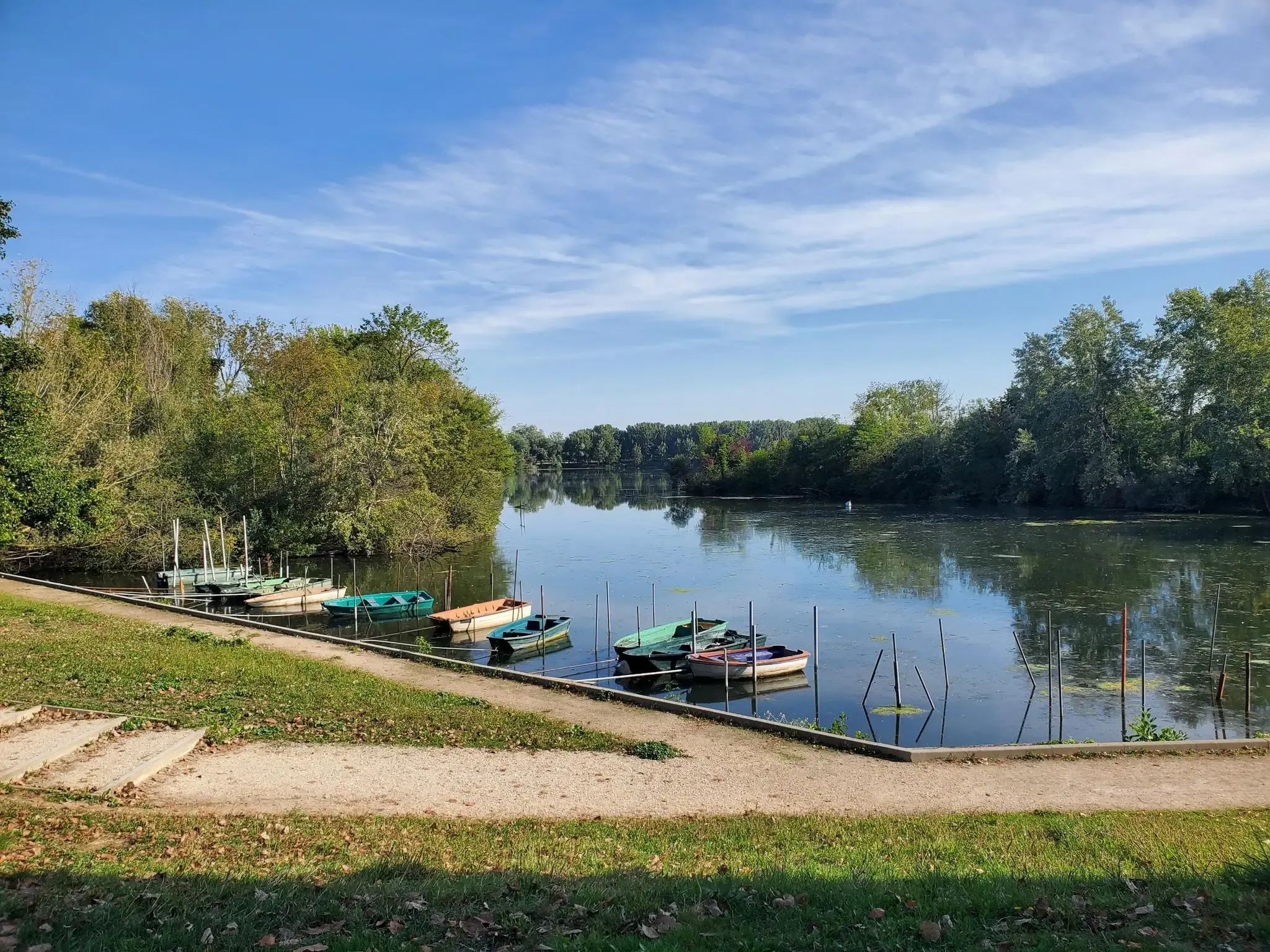
Cycle from Paris to Orléans – Scandibérique along the water
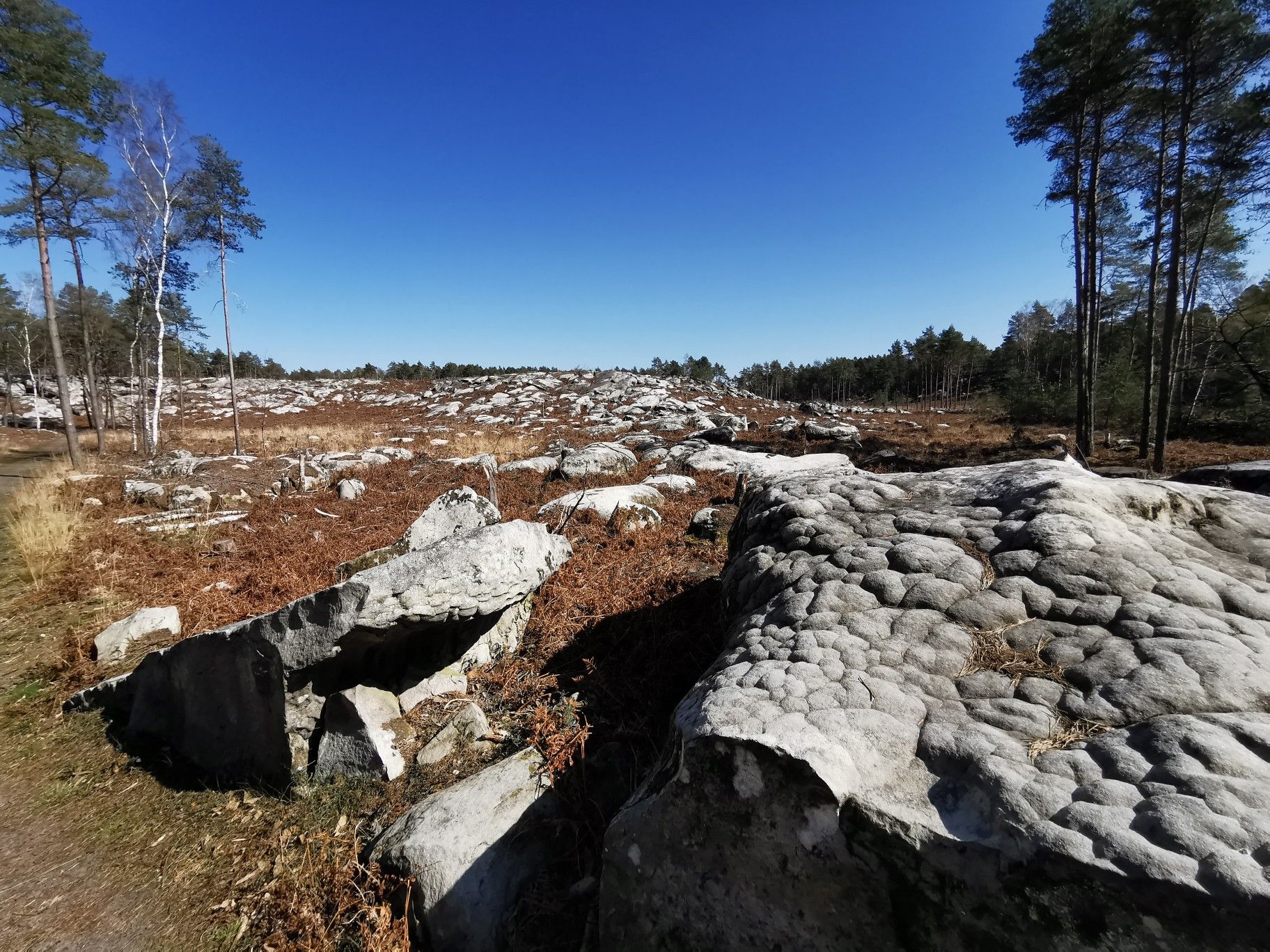
Discover the Fontainebleau Forest – two must-do trail runs
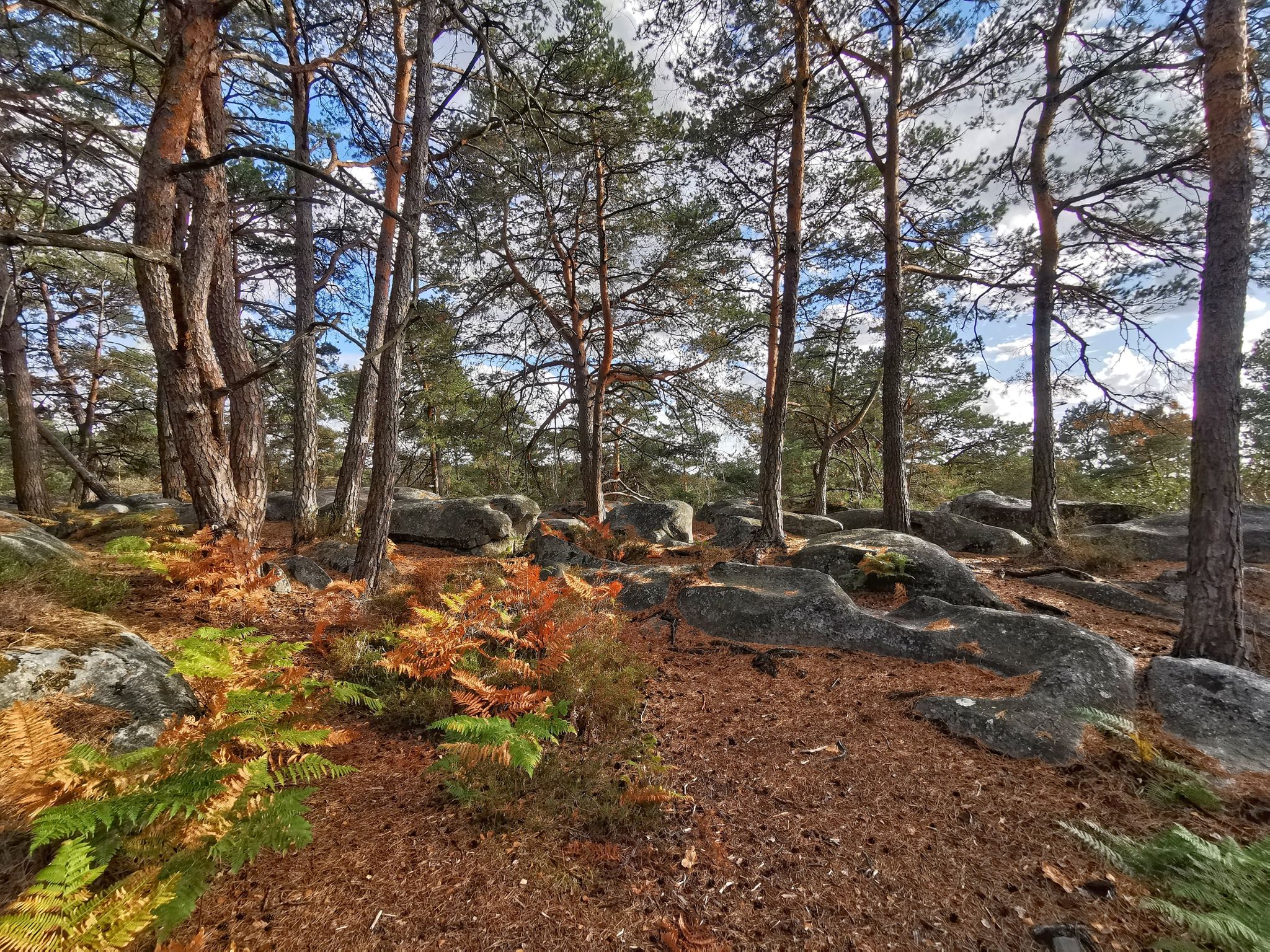
Natural beauty on Île-de-France – mountain biking around Paris
Other adventures around Fontainebleau


Tips from the Community

Beautiful promenade that leads from the castle to the forest.
0
0

Beautiful view of the city before tackling the gravel!
0
0

"Fontainebleau was built by King Louis IX in 998 as a simple hunting lodge in the heart of the "Ile de France", but it soon fell into oblivion. It was only when Francis I discovered his love for Fontainebleau and elevated it to a residence that the castle's real history began as the ancestral home of the French kings. Henry IV had the complex expanded and under Napoleon I the building was extensively restored as the first imperial residence." With these words, a text on the media library's website introduces a 15-minute film (in German) about the UNESCO World Heritage Site. If you are interested, see => https://www.ardmediathek.de/video/schaetze-der-welt/fontainebleau-frankreich-folge-19/swr/Y3JpZDovL3N3ci5kZS83MjQ1NTMy
0
0

Today we visit Fontainebleau Castle. We find a parking space not far from the castle and walk past the theater. When we arrive at the gate, the building welcomes us like open arms with its expansive side wings. The castle has been a UNESCO World Heritage Site since 1981. The dimensions of the castle are revealed in the model. The park railway is just arriving and we are in the Cour d’Honneur, the courtyard of honor. While there was a castle here from the 13th century onwards, it was converted into a hunting lodge under Francis I in 1528, probably the first French Renaissance building. https://youtu.be/ChlqR8y6KFk
1
0

The creation of the Grand Parterre from 1660 to 1664 – the largest in Europe, with its 14 hectares – by André Le Nôtre and Louis Le Vau, testifies to the clarification of the space desired by Louis XIV in Fontainebleau. The boxwood embroideries of this French-style garden disappeared under Louis XV. The general layout of the grass compartments remains, the basins adorned with statues, including that of the Cascades (17th and 19th centuries), looking east towards the Canal d'Henri IV. Since 1817, a large basin, called "the boiling pot", has been placed in its center while in the south, on the side of the forest, the circle of water is decorated with a statue of the Tiber. Four sandstone sphinxes, leonine goddesses sculpted by Lespagnandel in 1664, have marked the border between the Parterre and the park since Louis XIV.
2
0

Emblematic Renaissance castle, truly associated with the history of François I, but also with many French monarchs up to Napoleon III (who was of course not king, but emperor of France). A strong Italian influence, symptomatic of the Renaissance movement, can be observed in the architectural style of the castle itself as well as the park. This was a wish of Francis I. The castle has been classified as a historic monument since 1862 and, with its park, has been a UNESCO World Heritage Site since 1981.
1
0
City hall housing the town hall of Fontainebleau. A grandiose building in the heart of the emblematic city of the Renaissance, Fontainebleau is home to many shopping streets, where it is good to stop for a coffee and a pastry.
0
0
Landscape garden of English inspiration, it was not very popular with Napoleon I, who was not stingy with this type of landscape very fashionable at the time. A mixture of essences and seeds from all over the world, it is laid out with a narrow path and a small artificial river.
0
0
Frequently Asked Questions
How many urban hiking trails are available around Fontainebleau?
There are over 20 urban hiking trails in and around Fontainebleau, with the majority being easy routes suitable for most hikers. You'll find 20 easy routes and 3 moderate routes to explore.
What kind of terrain can I expect on urban hikes in Fontainebleau?
Urban hikes in Fontainebleau often combine paved paths through towns with natural sections that might include sandy areas, forest paths, and gentle inclines. The region is known for its unique sandstone landscapes, even within urban-adjacent areas, offering a varied experience.
Are there any family-friendly urban walks in Fontainebleau?
Yes, many of the urban trails are suitable for families. Routes like the Fontainebleau Castle – Fontainebleau Castle loop from Fontainebleau offer easy, relatively flat paths that are enjoyable for all ages, often passing by historical sites and green spaces.
Can I bring my dog on urban hiking trails in Fontainebleau?
Generally, dogs are welcome on trails in the Fontainebleau area, but it's always best to keep them on a leash, especially in urban parks, near historical sites, or in areas with wildlife. Check local signage for specific restrictions on individual routes.
What interesting landmarks or attractions can I see on urban hikes?
Urban hikes often lead you past significant historical and natural landmarks. You can explore the magnificent Fontainebleau Castle and its surrounding park. Other routes might take you near the Piat Pond or the Fairy Pond, offering serene waterside views. Some trails also pass by unique geological features like the Grotte du Serment.
Are there circular urban hiking routes available?
Yes, many urban routes in Fontainebleau are designed as circular loops, allowing you to start and end in the same location. For example, the Fontainebleau Park – Fontainebleau Castle loop from Fontainebleau is a great option for a circular walk around the town and its famous castle.
How can I reach the urban trailheads using public transport?
Fontainebleau is well-connected by train from Paris (Gare de Lyon to Fontainebleau-Avon station). From the station, local buses can take you to various points in the town and closer to some trailheads. Many urban routes, like those around the castle, are easily accessible on foot from the town center.
Where can I find parking for urban hikes in Fontainebleau?
Parking is generally available in and around Fontainebleau town center, often in designated car parks. For routes starting directly from the town, look for public parking facilities. Some trailheads on the outskirts might have smaller, informal parking areas.
What do other hikers enjoy most about urban hiking in Fontainebleau?
The komoot community highly rates the urban hiking experience in Fontainebleau, with an average score of 4.6 stars from over 4,900 ratings. Hikers often praise the beautiful blend of historical architecture with natural landscapes, the well-maintained paths, and the accessibility of these routes for a quick escape into nature.
Are there cafes or restaurants near the urban hiking trails?
Given the urban focus, you'll find numerous cafes, bakeries, and restaurants within Fontainebleau and nearby towns like Melun. Many trails, such as the View of the Seine – Church of Saint Aspais, Melun loop from Melun, pass directly through or near town centers, making it easy to grab a refreshment or a meal before or after your hike.
What is the best season for urban hikes in Fontainebleau?
Urban hikes in Fontainebleau can be enjoyed year-round. Spring brings blooming flowers and mild temperatures, while autumn offers stunning foliage. Summer is pleasant, especially in shaded areas, and even winter walks can be beautiful, with fewer crowds and crisp air. The relatively low elevation gain on most urban routes makes them accessible in various conditions.
Most popular routes around Fontainebleau
Most popular attractions around Fontainebleau

Get inspired with the komoot mobile app


Didn’t find what you were looking for?
Check out more Hikes throughout Fontainebleau below and find the perfect route in your destination.
Explore more
Browse the best Hikes in other regions.
