The best traffic-free bike rides around Séville
4.2
(33)
671
riders
24
rides
Gravel biking around Séville offers a varied landscape, from the flat, scenic paths along the Guadalquivir River to the more challenging terrain of the Sierra Morena mountains. The region features rolling hills, extensive olive groves, and vineyards, alongside a network of ancient Vías Pecuarias. These routes provide diverse experiences, often leading through historical sites and natural parks.
Best no traffic gravel bike trails around Séville
- The most popular no traffic gravel bike trail is Vía de la Plata – Forest…
Last updated: May 21, 2026
1.0
(1)
39
riders
80.3km
06:13
590m
590m
Hard gravel ride. Very good fitness required. Mostly paved surfaces. Suitable for all skill levels.
21
riders
129km
09:50
1,240m
1,240m
Hard gravel ride. Very good fitness required. Mostly paved surfaces. Suitable for all skill levels.

Sign up for free
4.0
(1)
10
riders
Moderate gravel ride. Good fitness required. Mostly paved surfaces. Suitable for all skill levels.
14
riders
83.9km
06:32
380m
380m
Hard gravel ride. Very good fitness required. You may need to push your bike for some segments of this route.
19
riders
38.2km
02:51
320m
320m
Moderate gravel ride. Good fitness required. Mostly paved surfaces. Suitable for all skill levels.
Get access to more routes and recommendations from other explorers.
Sign up for free
Already have an account?
Our route recommendations are based on thousands of hikes, rides, and runs completed by other people on komoot.
Start today with a free account
Your next adventure awaits.
Login or Signup
Popular around Séville
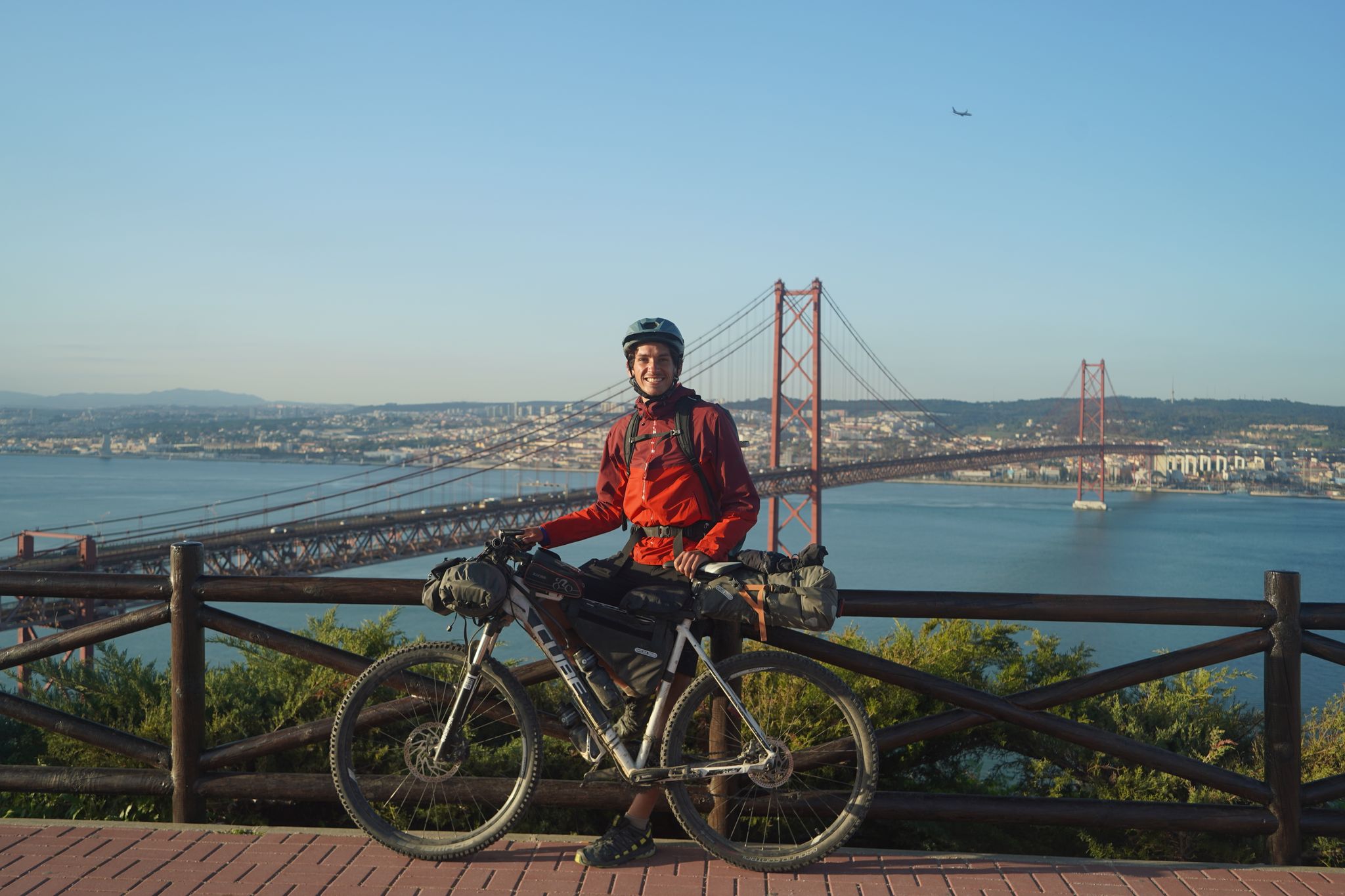
Road to Lisbon – bikepacking the Alps, Pyrenees and Picos de Europa
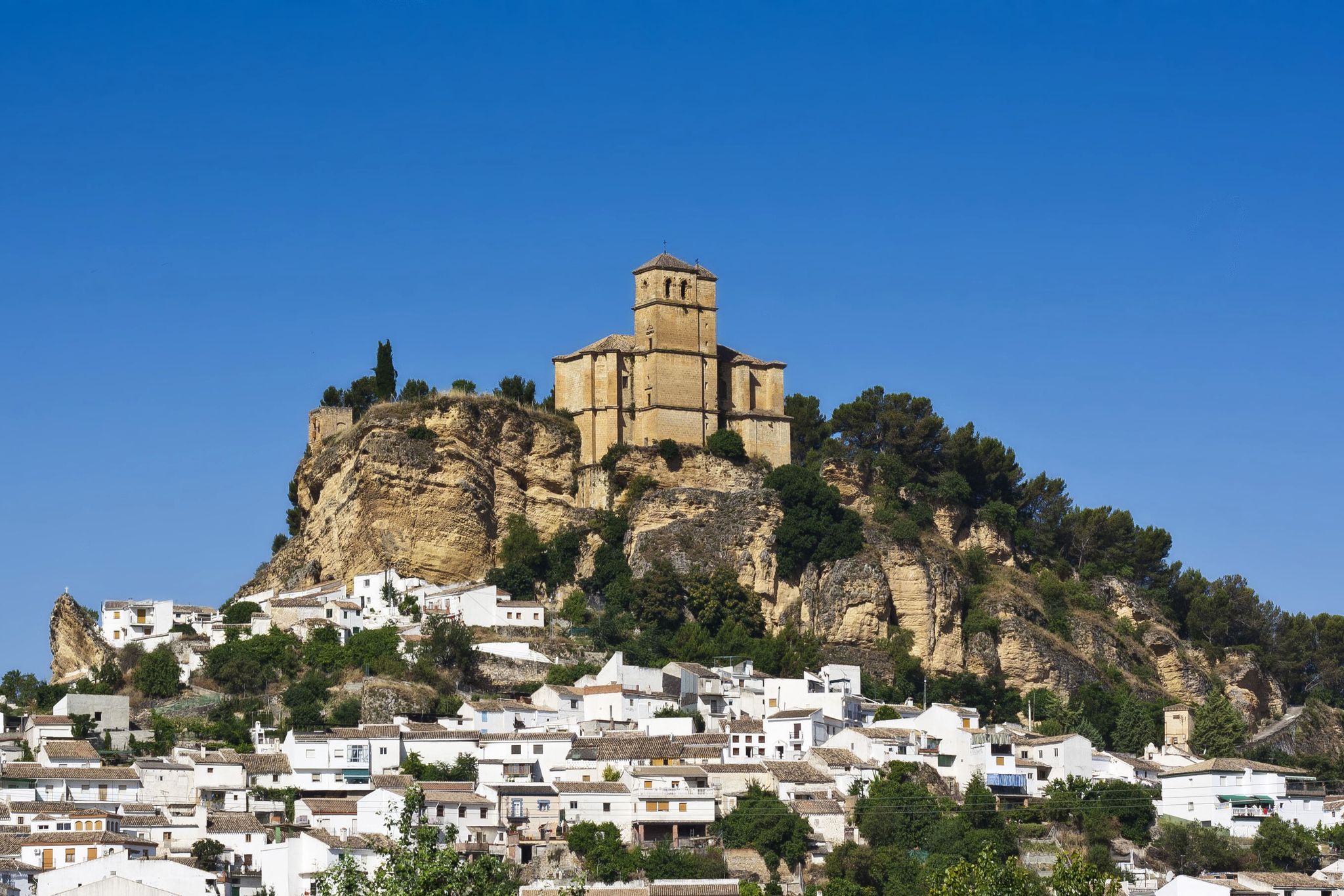
Washington Irving – cycle through the Arab vestiges of Andalusia
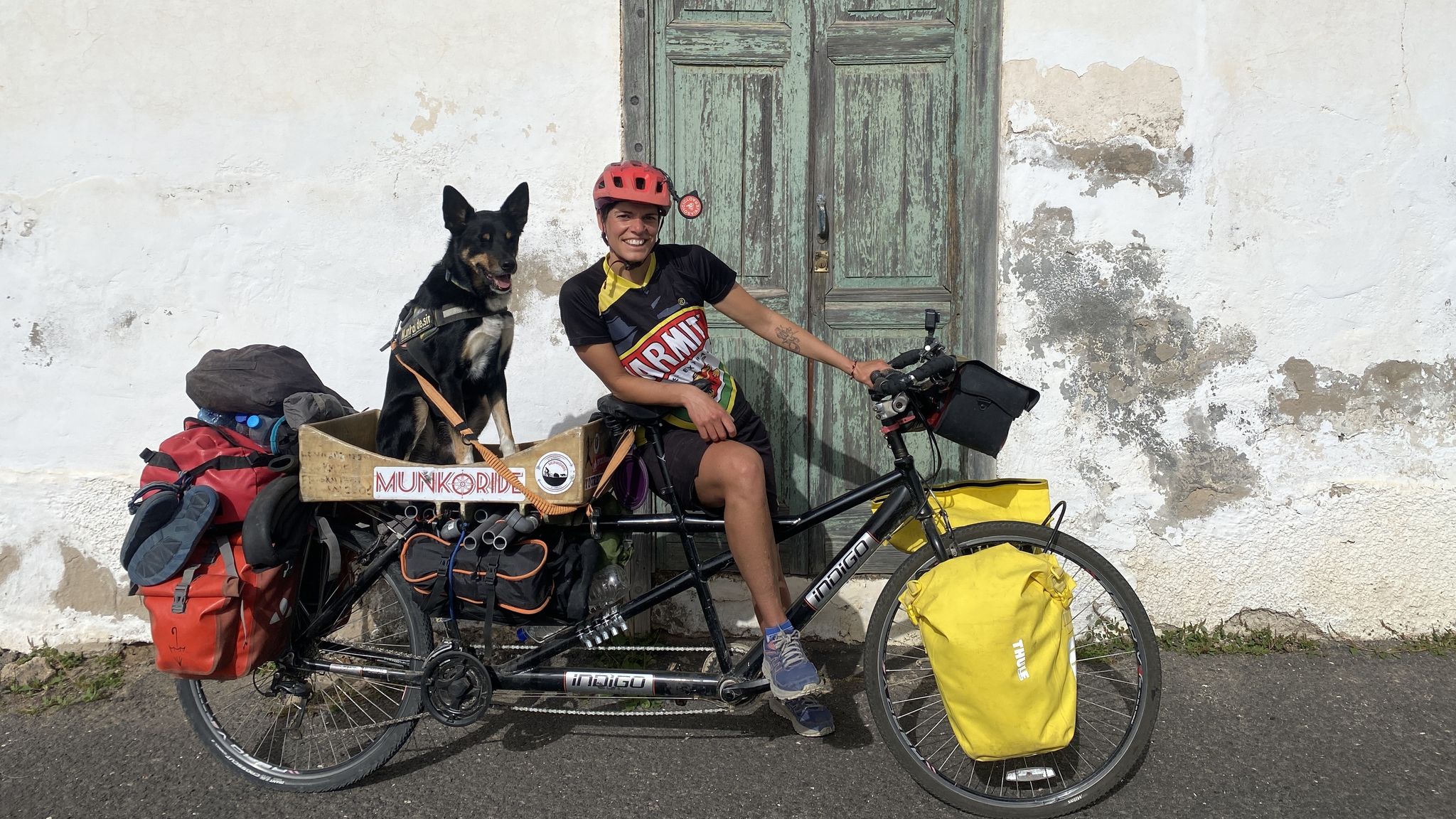
A winter getaway along the greenways of Andalusia in Spain
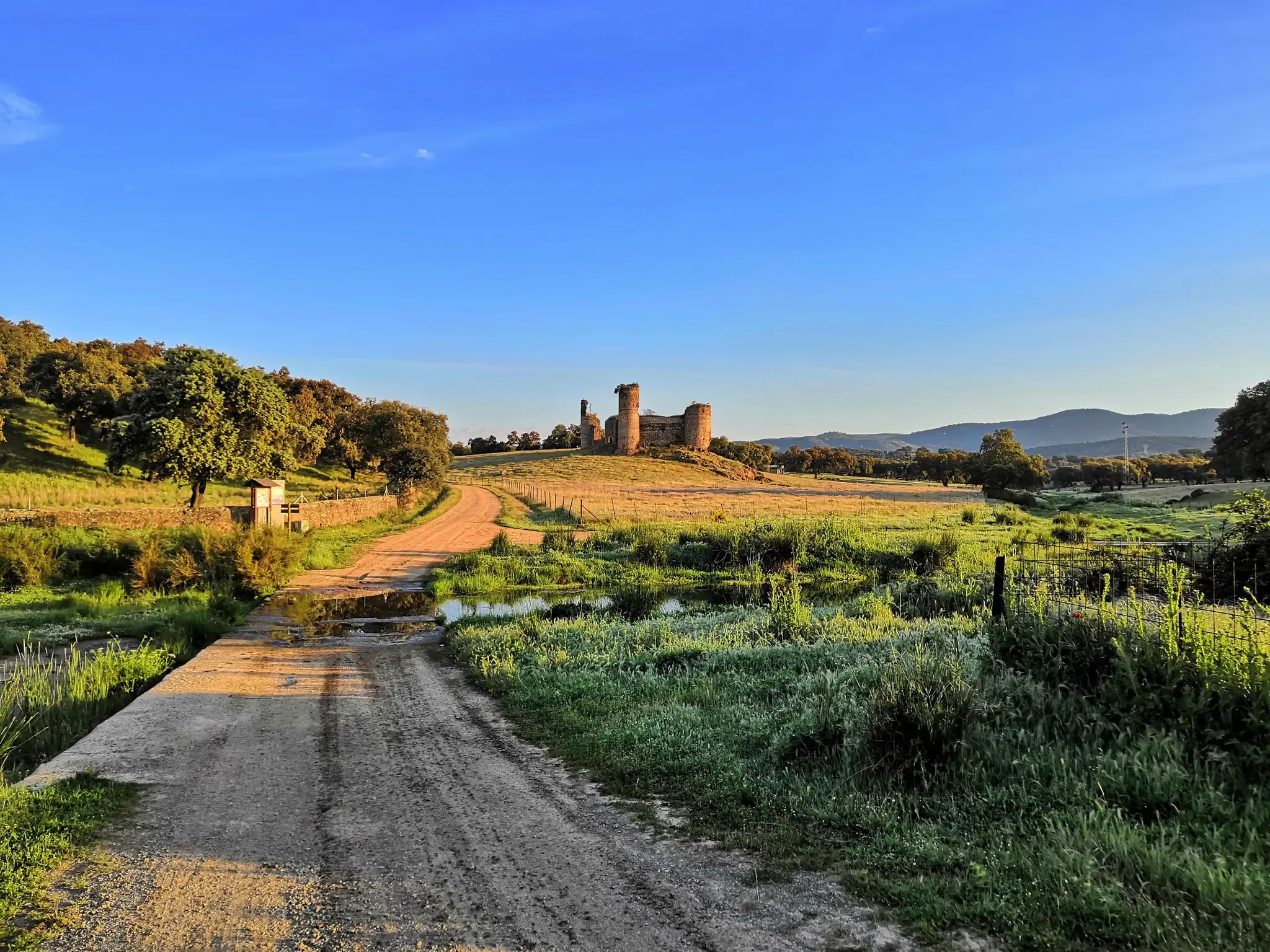
A romantic journey in the footsteps of the Romans – Via de la Plata
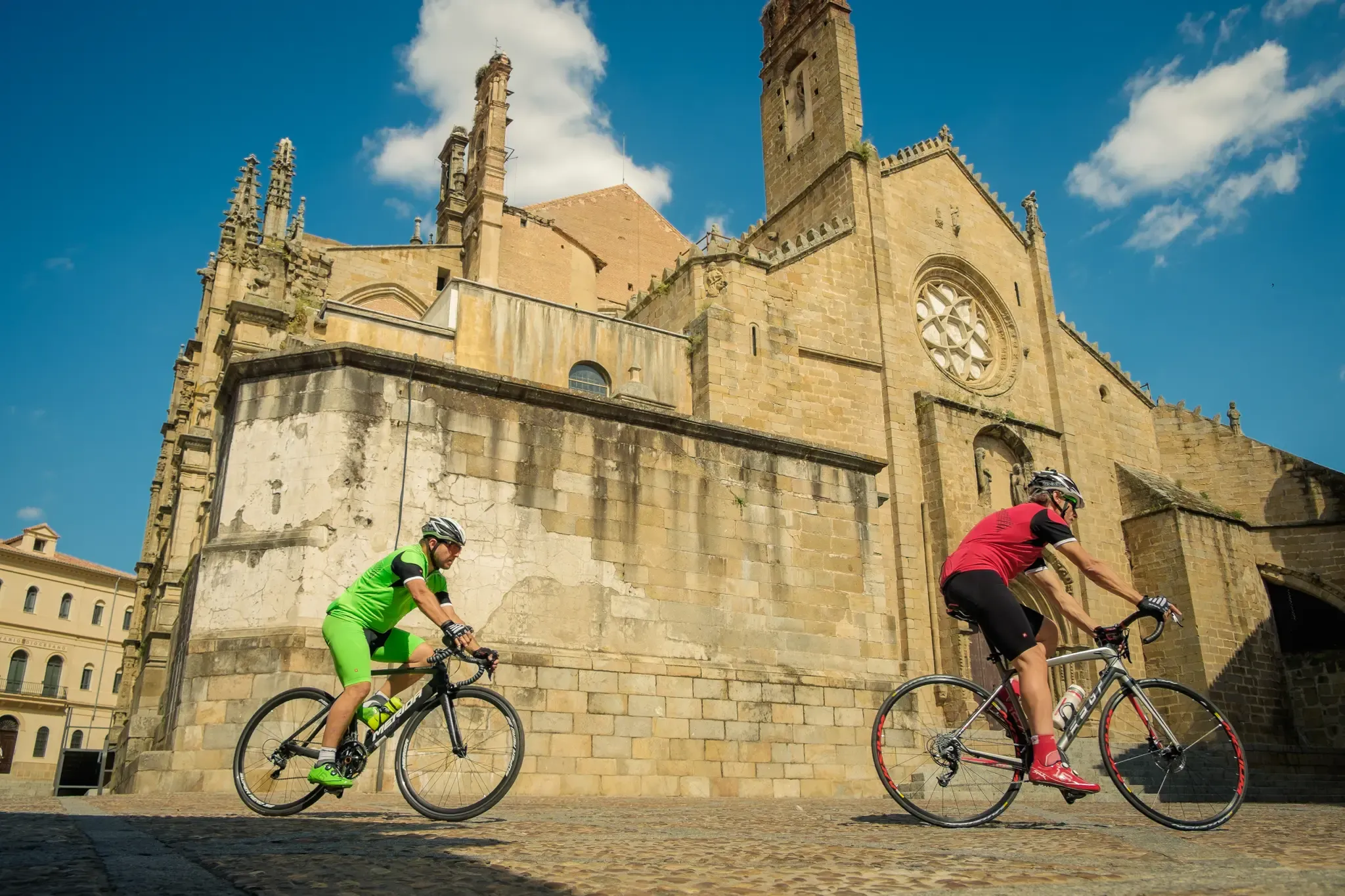
Vía de la Plata – from Seville to Gijón by bike

Triathlon 360 – my journey around the world

Traffic-free bike rides around Séville

Traffic-free bike rides around Séville
Other adventures around Séville


Tips from the Community

View of the Edificio Torretriana, an administrative building of the Junta de Andalucia, built in 1993. It is known for its unique circular shape and color (a yellow tint).
9
0

maximum respect for this place
3
0

The Parque del Alamillo is a beautiful park located on the Isla de la Cartuja in. This park, with an area of 120 hectares, was created in 1993 on the occasion of the 1992 World Exhibition. The park has a Mediterranean vegetation and is surrounded by two lakes, the Lago Mayor and the Lago Menor. There are playgrounds, cycle and walking paths, water sports facilities such as canoeing and water skiing, and even a little train that runs through the park.
1
0
The Estadio Olímpico de Sevilla, also known as Estadio de La Cartuja, is a multi-purpose stadium located on the Isla de la Cartuja. The stadium opened in 1999 and has a capacity of 57,619 seats. It was built specifically for the World Athletics Championships that year and was part of Seville's bid to host the 2008 Olympic Games. The stadium has a unique octagonal shape and is surrounded by a running track. It is mainly used for football matches and has also hosted the 2003 UEFA Cup final and the 2004 and 2011 Davis Cup finals. The stadium has no permanent occupants, but the Spanish national football team occasionally plays international matches there.
8
0
The Monasterio de Santa María de las Cuevas, also known as La Cartuja, is a historic monastery located on the Isla de la Cartuja in Seville. It was originally built in the 15th century by the Carthusian order and has enjoyed a rich history ever since. After the monastery closed in 1836, the building was converted into a ceramics factory. The factory became a major producer of pottery and was known for its innovative production techniques. Today, the monastery is home to the Centro Andaluz de Arte Contemporáneo (CAAC), a centre for contemporary art.
9
1
It is the fifth longest river in the Iberian Peninsula. It is 657 km from the Sierra de Cazorla (source) to Sanlúcar (Atlantic Ocean). On its journey through Andalusia from east to west it passes through cities such as Andújar, Córdoba and Seville. From pre-Roman times it was known as Baetis or Betis, and was called Wad al-Kibir (Great River) by the Arabs from the eleventh century.
7
0
The Puente de la Señorita, also known as the Puente de Camas, is a bridge over the Guadalquivir River in Seville. This bridge connects the Isla de la Cartuja with the village of Camas in the comarca of Aljarafe. The bridge was originally built in 1981 as part of the Seville-Huelva railway line, but since 1991 it has been used mainly for road traffic, cycling and walking.
8
0
Frequently Asked Questions
How many traffic-free gravel bike trails are available around Seville?
There are over 15 dedicated traffic-free gravel bike trails around Seville, offering a variety of experiences from easy riverside paths to more challenging routes through rolling hills and natural parks. These routes are carefully selected to ensure a peaceful ride away from vehicle traffic.
What kind of terrain can I expect on traffic-free gravel trails in Seville?
The terrain around Seville is quite diverse. You'll find flat, scenic paths along the Guadalquivir River, rolling hills in areas like Los Alcores, and more challenging, unpaved roads with significant elevation gains in the Sierra Morena mountains, particularly within the Sierra Norte Natural Park. Many routes also follow ancient Vías Pecuarias, offering a mix of historical and natural landscapes.
Are there any easy or beginner-friendly traffic-free gravel routes near Seville?
Yes, Seville offers several routes suitable for beginners or those looking for an easier ride. The riverside paths along the Guadalquivir are generally flat and scenic. For a moderate option, consider the Río Guadaíra – Realaje Mill loop from Amate, which covers about 33 km with manageable elevation changes.
What are some challenging traffic-free gravel routes for experienced riders?
For experienced gravel bikers seeking a challenge, routes venturing into the Sierra Morena or longer loops are ideal. The Alamillo Park – Forest Trail loop from San Jerónimo is a demanding option, spanning over 128 km with significant elevation. Another difficult route is the Vía de la Plata – Forest Trail loop from Sevilla - Santa Justa, offering nearly 80 km of varied terrain.
Can I find circular traffic-free gravel routes around Seville?
Many of the traffic-free gravel routes around Seville are designed as loops, allowing you to start and end at the same point. Examples include the Río Guadaíra – Realaje Mill loop and the extensive Vía de la Plata – Forest Trail loop. These circular routes make planning your ride and return journey straightforward.
What historical landmarks or natural attractions can I see along these routes?
Seville's gravel routes often pass by fascinating historical sites and natural beauty. You might encounter Roman ruins, ancient mills along the Guadaira river, or medieval castles. Notable attractions include the Marchenilla Castle or the Alcalá de Guadaíra Castle. For natural sights, routes near the city might take you through María Luisa Park or past the Monumental Carob Tree.
Are there any traffic-free gravel trails suitable for families with children?
For families, flatter sections along the Guadalquivir River or within urban parks like Alamillo offer safe and enjoyable traffic-free experiences. These areas provide open spaces and generally smooth surfaces, perfect for a leisurely family ride. Always check the route difficulty and length to match your family's capabilities.
What is the best season for gravel biking in Seville to avoid traffic?
The best seasons for gravel biking in Seville are typically autumn (September to November) and spring (March to May). During these times, the weather is mild and pleasant, avoiding the intense summer heat and the cooler, sometimes wetter, winter months. This allows for comfortable rides on traffic-free paths.
Are there opportunities for wildlife spotting on traffic-free gravel routes?
Yes, especially on routes that venture into natural parks like Sierra Norte or along the Guadalquivir River. These areas are home to diverse wildlife. Keep an eye out for various bird species, especially near wetlands, and other local fauna as you cycle through the quiet, natural landscapes away from traffic.
What do other gravel bikers enjoy most about the traffic-free trails in Seville?
The komoot community highly rates the traffic-free gravel trails around Seville, with an average score of 4.1 stars. Reviewers often praise the peacefulness of the routes, the stunning natural scenery, and the opportunity to explore historical sites without the disturbance of vehicle traffic. The variety of terrain, from riverside paths to challenging mountain trails, is also frequently highlighted.
Are there any routes that offer views of the city's iconic landmarks?
While many traffic-free gravel routes focus on natural and rural landscapes, some paths closer to the city, such as those within Alamillo Park or along the Guadalquivir, can offer glimpses of Seville's urban skyline and iconic structures like the Torre del Oro or the Triana Bridge, especially as you approach or depart from the city center.
Can I access these traffic-free gravel trails using public transport?
Many starting points for these routes are accessible via Seville's public transport network, particularly those closer to the city. For routes further afield, you might need to combine public transport with a short ride or consider a car for transport to the trailhead. Always check local transport options and bike carriage policies in advance.
Most popular routes around Séville
Most popular attractions around Séville

Get inspired with the komoot mobile app


Explore more
Browse the best Gravel rides in other regions.
