The best traffic-free bike rides around Callús
4.6
(14)
491
riders
99
rides
Gravel biking around Callús offers diverse terrain within the Catalonia region of Spain, characterized by varied landscapes suitable for off-road cycling. The area features a mix of paved and unpaved surfaces, winding through deep green pine forests, shimmering olive groves, and striking red rock formations. Elevations range from 400 to 800 meters, providing varied gradients for both challenging climbs and rewarding views. This region provides a compelling destination for no traffic gravel bike trails.
Best no traffic gravel bike trails…
Last updated: May 21, 2026
5.0
(1)
23
riders
35.3km
02:34
310m
310m
Hard gravel ride. Good fitness required. You may need to push your bike for some segments of this route.
15
riders
43.2km
03:33
810m
810m
Hard gravel ride. Very good fitness required. Mostly paved surfaces. Suitable for all skill levels.

Sign up for free
17
riders
31.4km
02:24
430m
430m
Moderate gravel ride. Good fitness required. Mostly paved surfaces. Suitable for all skill levels.
21
riders
38.5km
02:37
340m
340m
Moderate gravel ride. Good fitness required. Mostly paved surfaces. Suitable for all skill levels.
4.0
(2)
26
riders
Hard gravel ride. Very good fitness required. Mostly paved surfaces. Suitable for all skill levels.
Get access to more routes and recommendations from other explorers.
Sign up for free
Already have an account?
Our route recommendations are based on thousands of hikes, rides, and runs completed by other people on komoot.
Start today with a free account
Your next adventure awaits.
Login or Signup
Popular around Callús
Tips from the Community

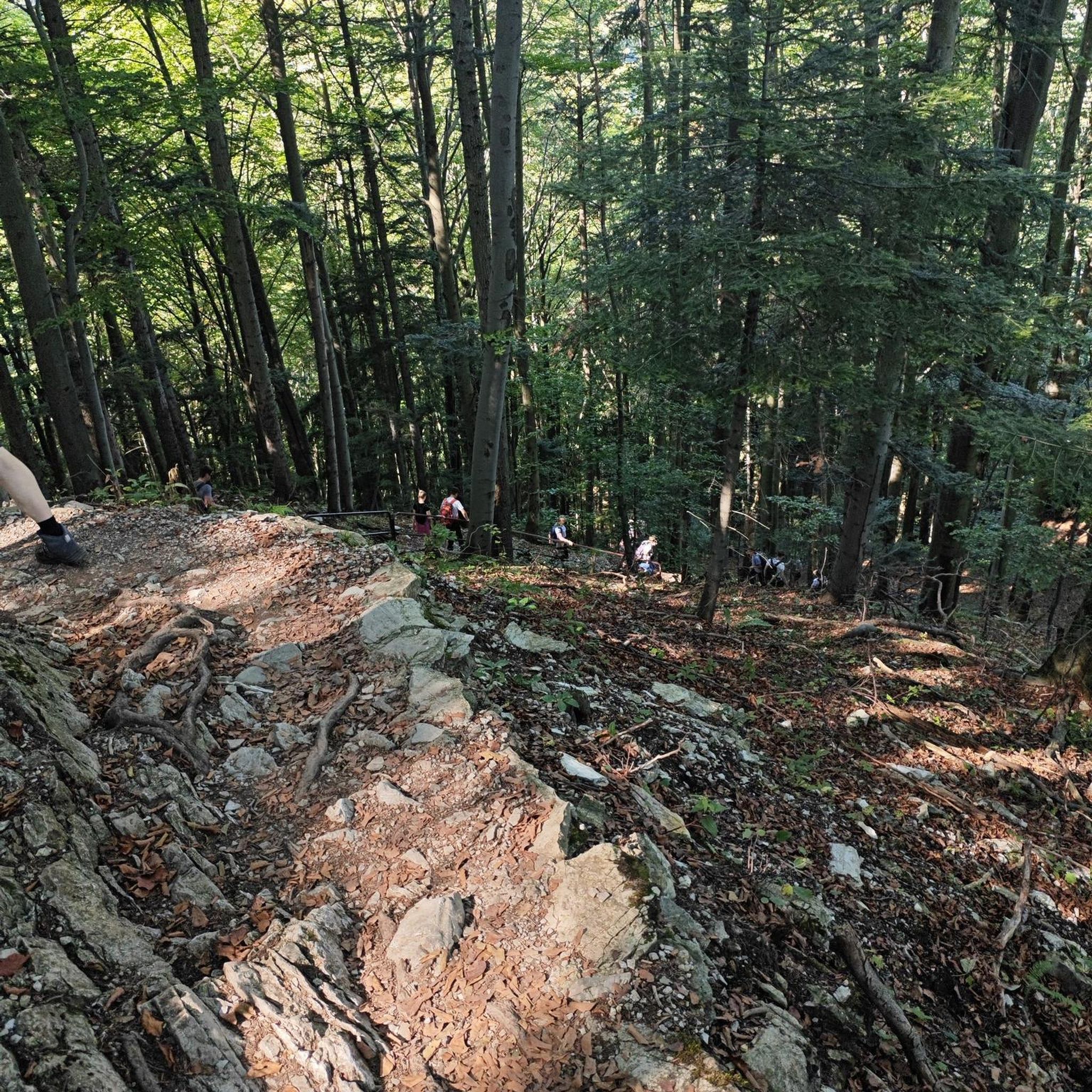
Do not circulate if it has rained
0
0

A town with a great history that is worth visiting 🤩
1
0

The Transéquia As a tribute to the people who built the irrigation canal between 1339 and 1383, which still provides a large flow of water to the city of Manresa today, the Young Chamber of Manresa began organizing the Transéquia in 1985. Starting from Balsareny, it passes through the municipalities of Sallent, Santpedor and Sant Fruitós de Bages and reaches the Parc de l'Agulla de Manresa. In 2014, the Fundació Aigües de Manresa - Junta de la Séquia took over from the Young Chamber and has been organizing it ever since.
0
0

Pleasant walk through Talamanca and its surroundings with a moderate slope. The route runs along well-marked tracks and is marked with milestones with white and green labels. With this itinerary we will discover the medieval origins of Talamanca based on its cultural and natural heritage. The route follows a section of the stream between small gorges and waterfalls that have emerged between the rocks. The itinerary discovers constructions such as the dry stone huts, the water lilies or the unique area of the balma salt of the Gobians and a part following the stream bed, scene of one of the most important battles of the war of succession. Part of the excursion goes through Sant Llorenç del Munt i l'Obac Natural Park.
0
0
The original building, built in the 11th century, was the embryo of the town and the political center of the district. It was part of the network of castles aimed at the defense of the colonists who repopulated the lands conquered by the Saracens. In the twelfth century, the Saracen threat faded but the process of feudalization caused disputes between Castilians for control of the castle, with several sagas taking place: the Cardona, the Talamanca, the Castellbell. In 1717, Bourbon troops demolished the castle, a fate shared by many of the castles of Old Catalonia. In the 18th century, the Castellbells built the manor house with a tower.
0
0

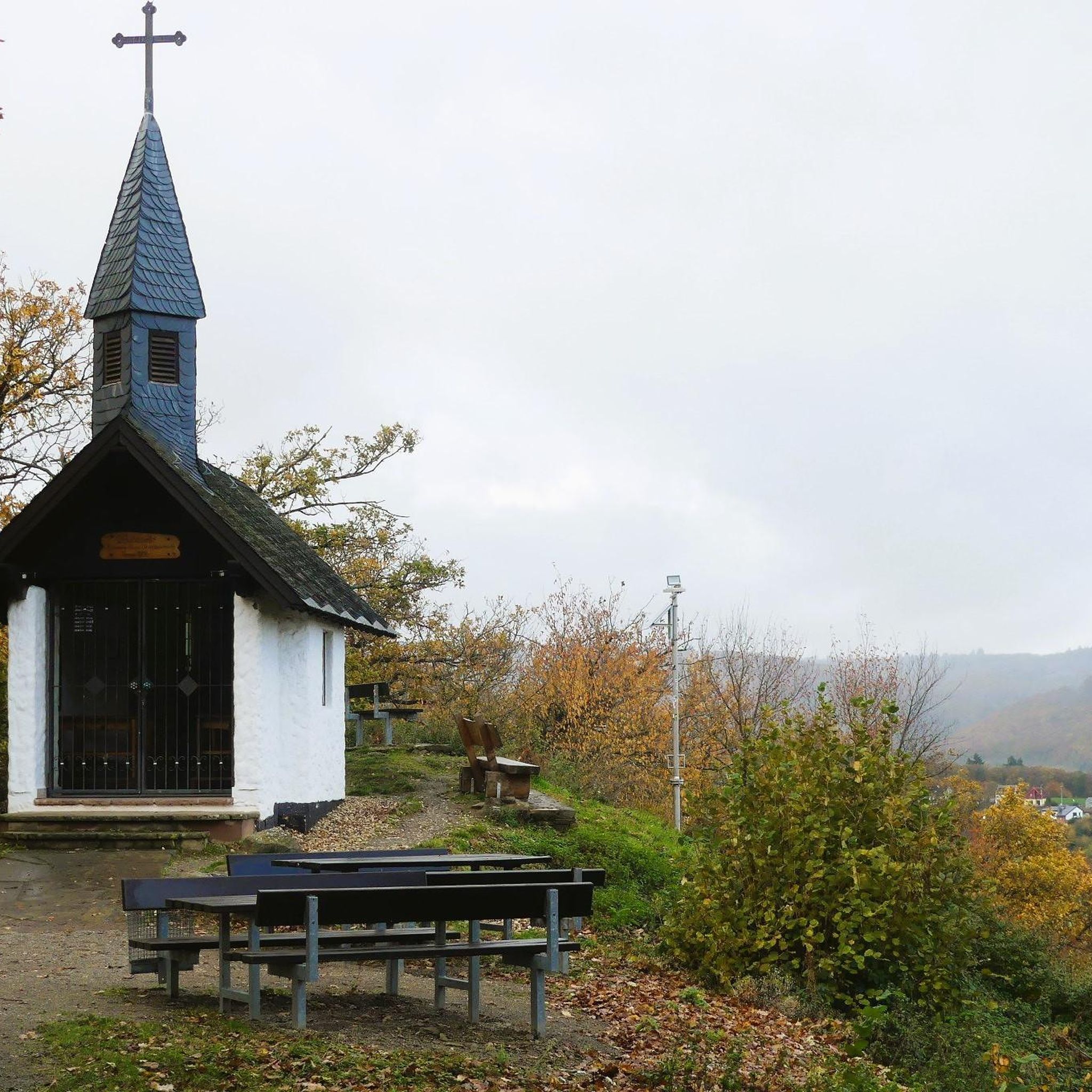
A good place to stop and make a vignette
0
0
The sections of the Sèquia combine beauty, nature and transport you to the medieval past of the Canal, especially the Section of Roure Gros and the sections of Mas de les Coves.
0
0
Nature, wetlands, a small oasis in the middle of the Bages plain
0
0
Frequently Asked Questions
How many no-traffic gravel bike trails are available around Callús, and what are their difficulty levels?
There are over 80 dedicated no-traffic gravel bike trails around Callús. The majority, about two-thirds, are rated as difficult, offering a significant challenge for experienced riders. The remaining trails are of moderate difficulty, suitable for those looking for a less strenuous but still engaging ride.
What kind of landscapes and terrain can I expect on these traffic-free gravel bike trails?
The no-traffic gravel bike trails around Callús offer a diverse and scenic experience. You'll ride through deep green pine forests, shimmering olive groves, and encounter striking red rock formations. The terrain features varied gradients with elevations typically ranging from 400 to 800 meters, providing both challenging climbs and rewarding panoramic views. The
Gorges de Pennafort
are a particularly distinctive feature of the area's gravel biking scenery.Are there any notable viewpoints or landmarks along the no-traffic gravel bike routes?
Yes, many routes offer stunning views and pass by interesting landmarks. For instance, the View of Montserrat – Parque de l'Agulla loop provides spectacular vistas of the iconic Montserrat mountain. You can also find routes that lead to the Collbaix Summit, known for its excellent observation points, or past historical sites like Balsareny Castle.
What do other gravel bikers enjoy most about the no-traffic trails in Callús?
The komoot community highly rates the no-traffic gravel biking experience around Callús, with an average score of 4.2 out of 5 stars. Riders frequently praise the tranquility of the routes, the varied and beautiful landscapes, and the sense of escape offered by the car-free paths. The challenging yet rewarding climbs and the panoramic views are also often highlighted as favorite aspects.
Are there any family-friendly no-traffic gravel bike routes suitable for beginners?
While many of the routes around Callús are rated moderate to difficult, there are options that can be adapted for families or beginners. Look for shorter, flatter sections or routes that stick to well-maintained gravel paths. The Riera de Mura – Parque de l'Agulla loop, for example, is a moderate 31 km route that offers a good balance of scenery and accessibility, making it a potential option for those with some experience.
Can I find circular no-traffic gravel bike routes in the Callús area?
Absolutely. Most of the no-traffic gravel bike routes around Callús are designed as circular loops, allowing you to start and finish at the same point without retracing your steps. This makes planning your ride and logistics, such as parking, much more convenient. An example is the Bòbila Wetlands – View of Montserrat loop.
What is the best time of year to go gravel biking in Callús to avoid traffic?
To best enjoy the no-traffic gravel trails, spring and autumn are generally ideal. The weather is milder, and the natural scenery is at its most vibrant. Summer can be hot, so early mornings or late afternoons are recommended if riding during this season. Winter offers crisp air and unique views, but always check local weather conditions, especially for higher elevations.
Are there any specific routes that offer views of the Montserrat mountain?
Yes, several routes in the area provide excellent views of the Montserrat mountain. The View of Montserrat – Parque de l'Agulla loop is specifically named for its Montserrat vistas. Another option is the Creu del Terme de Fals – View of Montserrat loop, which also offers impressive views of this iconic landmark.
Where can I park my car when accessing these no-traffic gravel bike trails?
Many of the routes around Callús, especially those starting from nearby towns like Manresa, offer convenient parking options. For example, routes like the Cal Pinyot – Bòbila Wetlands loop often have starting points near accessible parking areas in the surrounding villages. It's always advisable to check the specific tour details on komoot for recommended starting points and parking information.
Are there any natural monuments or unique geological features to explore on these routes?
Beyond the general scenic beauty, the region boasts several natural monuments. The Bigaire Gorge is a notable geological feature you might encounter. Additionally, the Parque de l'Agulla, a beautiful lake, is a highlight on several routes, offering a tranquil spot to rest and enjoy the surroundings.
Can I reach the starting points of these no-traffic gravel trails using public transport?
While Callús itself is a smaller town, its proximity to Manresa makes it relatively accessible. Manresa is a regional hub with train and bus connections, and many gravel routes start from or pass through its outskirts. You can often take public transport to Manresa and then cycle a short distance to connect with the no-traffic trails. Always check local public transport schedules and bike carriage policies beforehand.
Most popular attractions around Callús

Get inspired with the komoot mobile app


Explore more
Browse the best Gravel rides in other regions.
