The best traffic-free bike rides around Villanueva De Algaidas
4.3
(10)
275
riders
57
rides
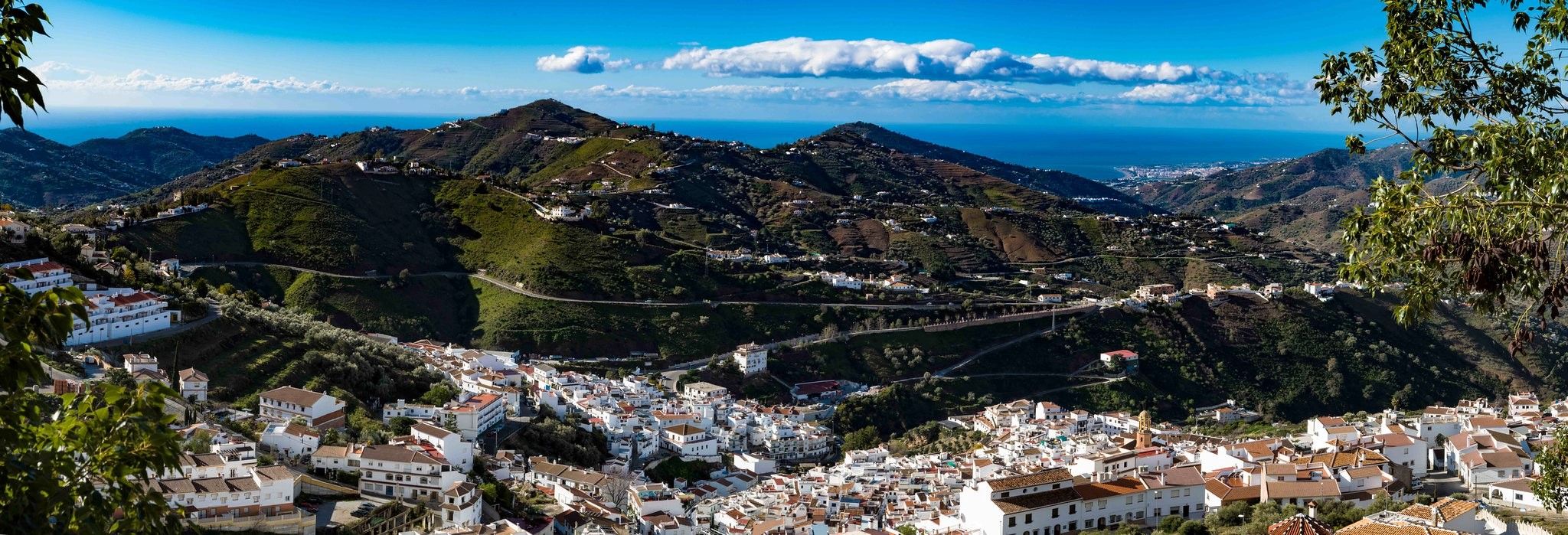
No traffic touring cycling routes around Villanueva De Algaidas traverse a landscape characterized by extensive olive groves, rolling hills, and distinct "Bosques-Islas" of native flora. The region, situated in the northeast of Málaga, offers varied terrain from the relatively flat agricultural plains to more undulating areas towards the Northern Málaga Mountains. Cyclists can find routes that provide panoramic vistas of the Genil River Valley and pass alongside natural features like the Burriana Stream. This area provides a mix of terrain…
Last updated: November 15, 2026
4.0
(2)
21
riders
79.1km
05:11
990m
990m
Hard bike ride. Very good fitness required. Mostly paved surfaces.
20
riders
85.1km
05:46
1,200m
1,200m
Hard bike ride. Very good fitness required. Mostly paved surfaces.

5.0
(1)
7
riders
Hard bike ride. Very good fitness required. Mostly paved surfaces.
10
riders
69.6km
05:47
1,010m
1,010m
Hard bike ride. Very good fitness required. Mostly paved surfaces.
5.0
(1)
6
riders
Hard bike ride. Very good fitness required. Mostly paved surfaces.
Get access to more routes and recommendations from other explorers.
Already have an account?
Our route recommendations are based on thousands of hikes, rides, and runs completed by other people on komoot.
Start today with a free account
Your next adventure awaits.


Other adventures around Villanueva De Algaidas

Tips from the Community

about 5,600 years ago 😮 1,140 tons 😲
4
0

The Conjunto Arqueológico Dólmenes de Antequera is an important historical landmark in Andalusia. The site consists of three ancient stone tombs – Menga, Viera, and El Romeral – as well as the natural monuments Peña de los Enamorados and El Torcal. It has been a UNESCO World Heritage site since 2016. The largest part of the site is the Dolmen de Menga. It was built between 3800 and 3600 BC using massive stones. A unique feature is that it is aligned with the Peña de los Enamorados rock. Nearby lies the Dolmen de Viera, which was created between 3500 and 3000 BC. It is constructed so that sunlight shines into the tomb during the equinox. The third part, Tholos de El Romeral, is located about four kilometers away. It was built around 2500 BC and has a circular shape with a special stone ceiling.
2
0
The Conjunto Arqueológico Dólmenes de Antequera is one of the most significant prehistoric sites in Europe and is located on the outskirts of Antequera in Andalusia, right on the Carretera de Málaga. The site includes three large megalithic tombs – the Dolmen de Menga, the Dolmen de Viera, and the Tholos de El Romeral – as well as the two natural monuments Peña de los Enamorados and El Torcal de Antequera. Together, they have been a recognized UNESCO World Heritage site since 2016, uniquely demonstrating the connection between humans, architecture, and the landscape. The Dolmen de Menga is the largest structure in the complex and is considered one of the most impressive megalithic tombs in Europe. It was built between approximately 3800 and 3600 BC and consists of huge stone blocks assembled into a long burial chamber. Particularly remarkable is its orientation towards the Peña de los Enamorados rock, which points to a symbolic or ritual significance. Human remains and grave goods were found inside. Just a few meters away is the Dolmen de Viera, which is somewhat smaller and built in a more classical style. It was built between approximately 3500 and 3000 BC and is aligned exactly to the east, so that at the equinox, sunlight falls directly into the burial chamber. The third structure, the Tholos de El Romeral, is located about four kilometers away and dates from the Copper Age around 2500 BC. It differs from the older dolmens due to its round shape and corbelled vault, showing a further development of the architecture of that time. Directly by the Dolmen de Menga and Viera is the visitor center, which introduces guests to the history, architecture, and cultural significance of the site. Through exhibitions, models, and interactive displays, it is explained how these monumental structures were built with the simplest of means and what role they played in the religious life of early communities. The center also offers guided tours, information material, and a small shop. Today, the Dolmen de Antequera are considered an outstanding example of how people more than 5000 years ago understood their environment and shaped it monumentally in harmony with nature, astronomy, and faith. The combination of prehistoric architecture and impressive landscape makes the site a unique testament to early European cultural history.
3
0
The historic center of Antequera – Centro Histórico de Antequera – is one of the most important cultural heritage ensembles in Andalusia and reflects the city's long and eventful history. Located in the heart of the province of Málaga, it combines traces of Roman, Moorish, and Christian times. The cityscape is characterized by narrow, cobbled streets, white houses with wrought-iron balconies, and numerous churches, monasteries, and palaces, primarily built during the Renaissance and Baroque periods. The predominance of religious buildings is particularly striking – Antequera is often called the "City of Churches," as it boasts over thirty churches. Among the most important are the Real Colegiata de Santa María la Mayor, one of the first Renaissance buildings in Andalusia, and the Iglesia del Carmen with its impressive Baroque sanctuary. The Alcazaba, the former Moorish fortress, towers over the city and offers impressive views over the historic center. Roman remains, such as thermal baths and mosaics, can also be found in the surrounding area. Due to its location between Málaga, Córdoba, Granada, and Seville, the city has always been an important transportation hub and cultural center. Today, the historic center of Antequera, along with the nearby Dolmens of Antequera (a UNESCO World Heritage Site since 2016), is one of the region's most important tourist attractions. It testifies to the cultural diversity, artistic flourishing, and historical significance of this Andalusian city.
2
0
Located in Antequera's Plaza de San Sebastián is this striking bronze sculpture of two men on a bench, created by the artist Pedro Fernández Roales. The sculpture depicts José Antonio Muñoz Rojas and José María Fernández in a lively conversation, symbolizing the dialogue about art, culture, and the city itself. It invites passersby to pause and reflect on the importance of creativity and cultural heritage. The work of art is not only an eye-catcher in the heart of the city, but also an expression of Antequera's vibrant art scene and the appreciation for local artists.
1
0
The Iglesia de Santiago Apóstol in Antequera is a significant historical building. Originally built in 1519 as a simple chapel, it was elevated to a parish church in 1822, while the current building largely dates back to the 18th century and was likely designed by the master builder Cristóbal García. The facade combines elements of the Mudéjar style with colonial influences and is particularly distinguished by its characteristic espadaña. Inside, the church is kept simple, with a single nave and a semicircular dome over the main altar. A special highlight is the Rococo chapel of the Virgin of Health from 1765, which is decorated with elegant white stucco ornaments. The church is located on the Plaza de Santiago and is open to visitors daily; admission is free, but a small donation for the lighting of the altar is appreciated. The Iglesia de Santiago Apóstol is a noteworthy example of Andalusian church architecture and a worthwhile stop when visiting Antequera.
2
0

The Antequera Dolmens are one of the most important prehistoric monuments in Europe and are a UNESCO World Heritage Site. These impressive megalithic tombs—including the Menga, Viera, and El Romeral dolmens—date back to the 3rd millennium BC. They offer unique insights into the rituals and architecture of prehistoric society. Surrounded by a landscape overlooking the Peña de los Enamorados and the Sierra del Torcal, this is a place where nature, culture, and history converge.
4
0

Highly recommended! Antequera is also worth a visit.
3
0
Frequently Asked Questions
How many no-traffic touring cycling routes are available around Villanueva De Algaidas?
There are over 50 dedicated no-traffic touring cycling routes around Villanueva De Algaidas. These routes offer a variety of experiences, from leisurely rides through olive groves to more challenging ascents in the hills.
What kind of terrain can I expect on no-traffic touring cycling routes in Villanueva De Algaidas?
The terrain varies significantly. You'll find extensive, largely flat sections winding through picturesque olive groves, ideal for relaxed touring. However, the region also features hills and ridges, particularly towards the Northern Málaga Mountains, offering more undulating and challenging climbs with rewarding panoramic views, such as those overlooking the Genil River Valley from El Cedrón Viewpoint.
Are there any easy no-traffic touring cycling routes suitable for beginners in Villanueva De Algaidas?
While many routes are classified as difficult, there is at least one easy no-traffic touring cycling route available. These easier options typically traverse the flatter sections of the olive groves, providing a gentle introduction to the region's beauty.
What is the best time of year for no-traffic touring cycling in Villanueva De Algaidas?
The best times for touring cycling are generally spring (March to May) and autumn (September to November). During these seasons, the weather is pleasantly mild, and the landscapes are vibrant. Summers can be very hot, making early morning or late afternoon rides preferable, while winters are generally mild but can have cooler, wetter days.
What historical and natural attractions can I discover along no-traffic touring cycling routes near Villanueva De Algaidas?
The routes often pass by fascinating historical and natural sites. You can explore ancient burial complexes like the Necropolis de los Alcaides, visit unique 9th-century Mozarabic cave chapels carved into rock, or see the ruins of the Franciscan Convent of Nuestra Señora de la Consolación. Natural features include the serene Burriana Stream and the 'Bosques-Islas' (Wood-Islands) with native flora. Nearby, you can also visit the impressive Iznájar Castle or the historic Plaza Ochavada of Archidona.
Are there any scenic viewpoints on the no-traffic touring cycling routes?
Yes, several routes offer breathtaking scenic viewpoints. A notable one is El Cedrón Viewpoint, which provides panoramic vistas of the sprawling olive groves and the Genil River Valley, extending across three Andalusian provinces. Many routes also feature elevated sections in the hills, offering expansive views of the surrounding countryside.
Are there any circular no-traffic touring cycling routes available?
Yes, all the no-traffic touring cycling routes listed are designed as circular loops, allowing you to start and finish at the same point. For example, the challenging route "Dolmens of Antequera – Historic Centre of Antequera loop from Archidona" is a great circular option.
What are some longer, more challenging no-traffic touring cycling routes for experienced riders?
For experienced riders seeking a challenge, there are over 40 difficult routes. One such route is "Viewpoint, Guadalhorce River – Upper Guadalhorce River Valley loop from Archidona", which covers over 85 km with significant elevation gain, offering demanding climbs and descents through varied landscapes.
Where can I park my car when starting a no-traffic touring cycling route in Villanueva De Algaidas?
Villanueva De Algaidas and nearby towns like Archidona typically offer public parking areas. For specific routes, it's advisable to check the route details on komoot for suggested starting points, which often include information on nearby parking facilities. In rural areas, you can often find safe spots to park in or near villages.
Are the no-traffic touring cycling routes suitable for families?
The suitability for families depends on the route's difficulty and distance. While there is at least one easy route, many are classified as difficult. Families with younger children or those seeking very gentle rides should look for routes specifically marked as easy or those known for their flat sections through the olive groves. Always check the route's elevation profile and distance before setting out with children.
What do other touring cyclists enjoy the most about touring cycling in Villanueva De Algaidas?
The area is highly rated by the komoot community, with an average score of 4.7 stars. Reviewers often praise the tranquility of the no-traffic routes, the stunning natural beauty of the olive groves and hills, and the rich historical sites encountered along the way. The diverse terrain also caters to various skill levels, making it a rewarding destination for many.
Most popular routes around Villanueva De Algaidas
Most popular attractions around Villanueva De Algaidas

Get inspired with the komoot mobile app


Explore more
Browse the best Cycling routes in other regions.
